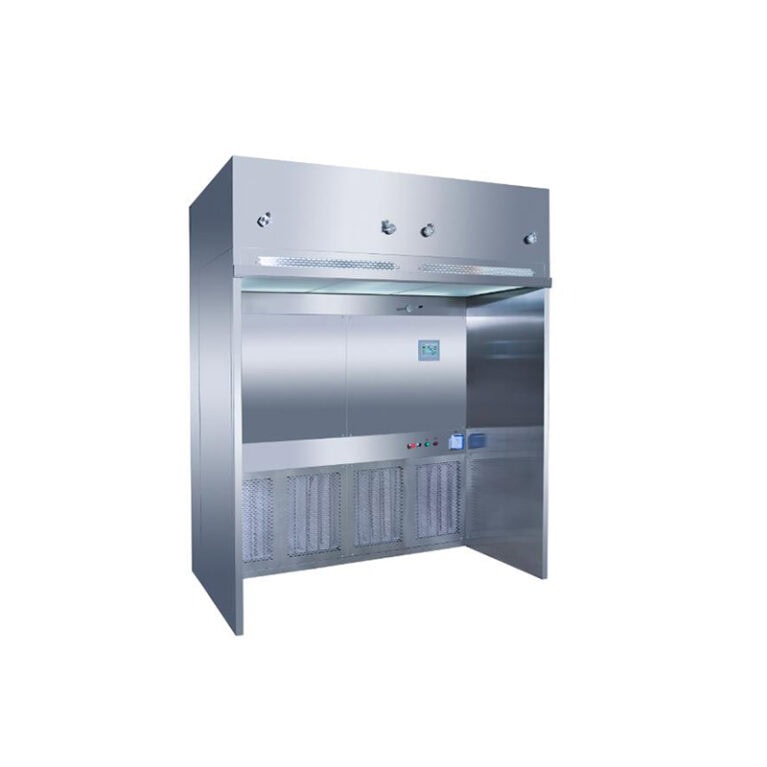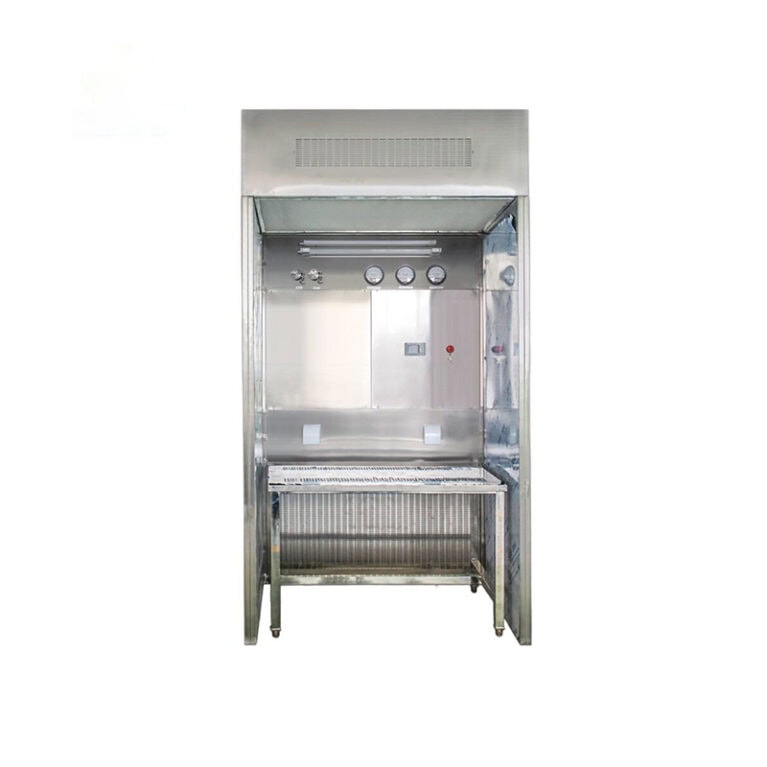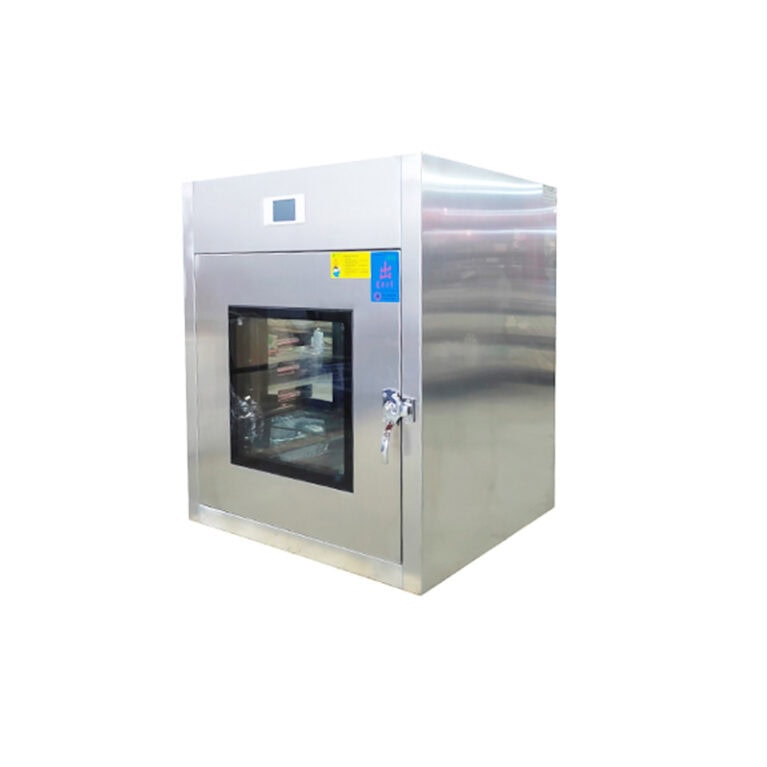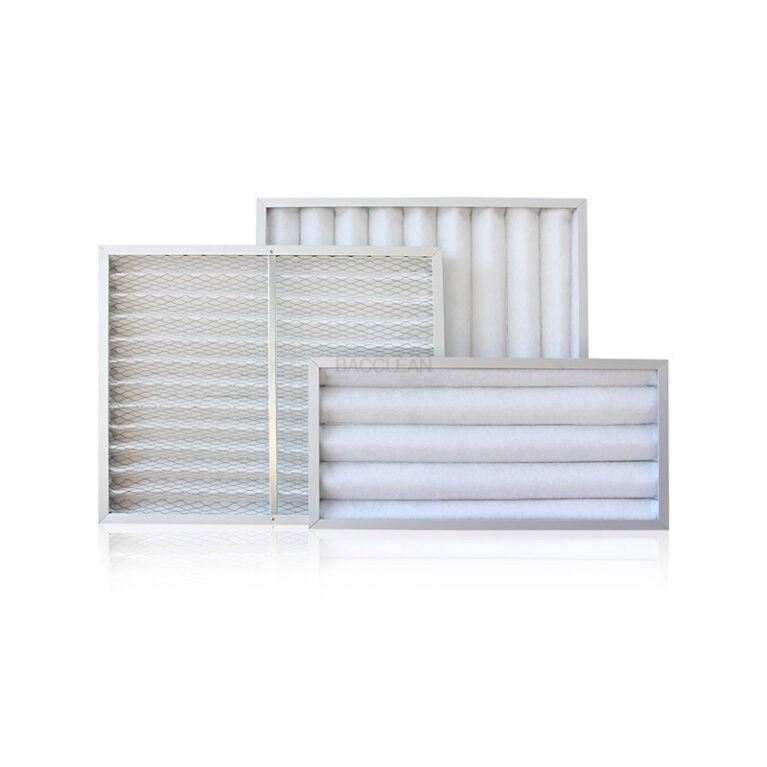

Audit Record Form for Negative Pressure Weighing Chamber – Accuracy and Completeness Control Plan I. Avoiding Omission and Missing Items through Form Design (Source Control) Require quantification in mandatory columns, prohibiting only marking a check without filling in data. Separate columns for negative pressure and wind speed settings for independent digit entry. Do not allow only checking “normal”; any value without a number directly determines that the record is incomplete. Fixed items for each area, no blank spaces Basic information: Equipment number, date, shift, start and stop time, operator, reviewer all set as fixed filling columns; Exception columns and shift handover remarks column marked as “No exceptions, please fill in ‘None’, no blank spaces allowed”. Exception linkage filling design Only check “exception”, then the fault description + handling measures must be filled in, binding the two columns, any missing item makes it unqualified. Post the on-site filling standard card Post the parameter standards (negative pressure – 15~-30Pa, wind speed 0.35~0.45m/s), filling norms, modification requirements beside the weighing chamber to facilitate real-time comparison by employees. Uniform numbering of forms, monthly binding Each record form has consecutive page numbers, invalidated documents cannot be torn off, all attached to the ledger to prevent
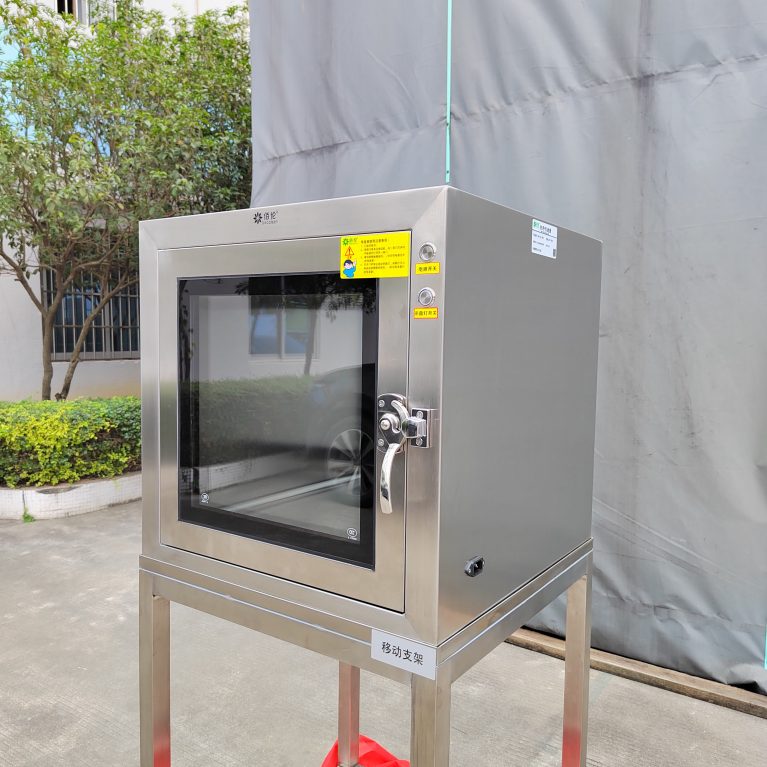
Among all the daily physical disinfection methods for transfer windows, the UV-C ultraviolet radiation operation is the simplest. Comparison illustration UV radiation (the simplest operation) Operation steps: Place the materials → Close the double doors → Press the UV switch, the timer will automatically stop and close, no additional tools are needed, no wiping is required, no air source connection is necessary. Just one button start, the entire process does not require personnel on duty, it is the standard equipment for most workshops and is used by all shifts. Other methods are more cumbersome Dry dust-free wiping: requires dust-free cloths, wipe the box and sealing strips one by one, time-consuming; Clean compressed air blowing: need to connect the air source, hold the air gun and blow the materials one by one; FFU laminar flow self-cleaning: although it can also be started with one button, it is only applicable to laminar flow transfer windows, and the application range is narrow; Ozone and dry heat disinfection: the process is complex, and ventilation / cooling are required, and they cannot be used frequently in daily operations. Summary The most commonly used, least demanding in operation and with the strongest universality for physical disinfection:
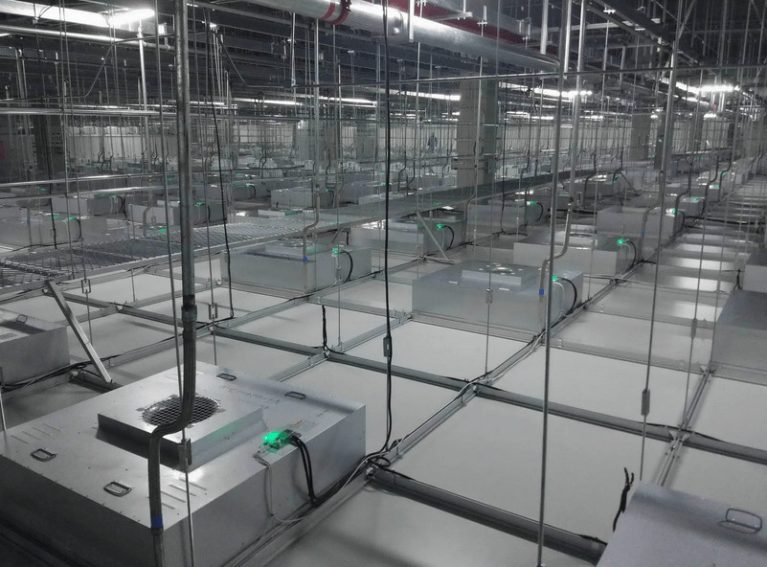
Installation and operation process of clean room FFU + full acceptance inspection steps The overall process is divided into four major stages: installation appearance acceptance → electrical system acceptance → single machine performance test acceptance → comprehensive performance acceptance of the clean room. All must be qualified before it can be handed over for use, in accordance with standards GB51110-2015, GB/T36068, and GB/T13554. The first stage: preliminary installation appearance and structure acceptance (after the installation of the ceiling truss / keel / FFU is completed) Data verification acceptance Verify the drawings, FFU factory certificate of conformity, high-efficiency filter test report, motor parameters, spare parts list; Verify the model, size, air volume, EC/AC motor, and the design of the group control system are consistent. Ceiling keel structure acceptance The hangers, main / secondary keels have no deformation, are firmly welded, and the hanger spacing is ≤ 1.2m; The levelness of the keels is detected with a level ≤ 2mm/m, the overall flatness ≤ 5mm; Confirm that the ceiling load meets the FFU load, and there is no loosening or sagging. FFU arrangement and installation appearance acceptance The outflow surface of the FFU is uniformly downward, the arrangement is aligned, the positioning
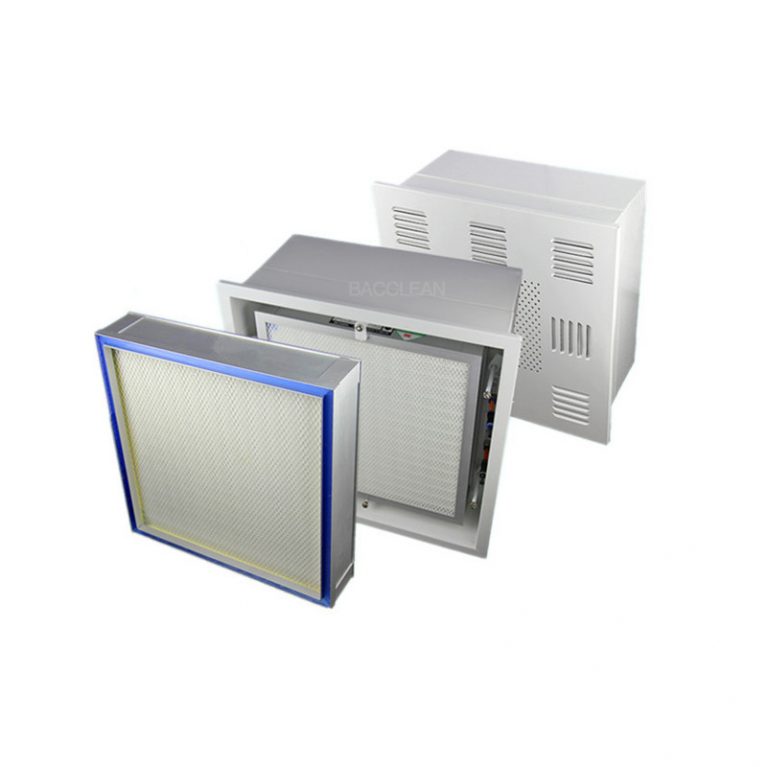
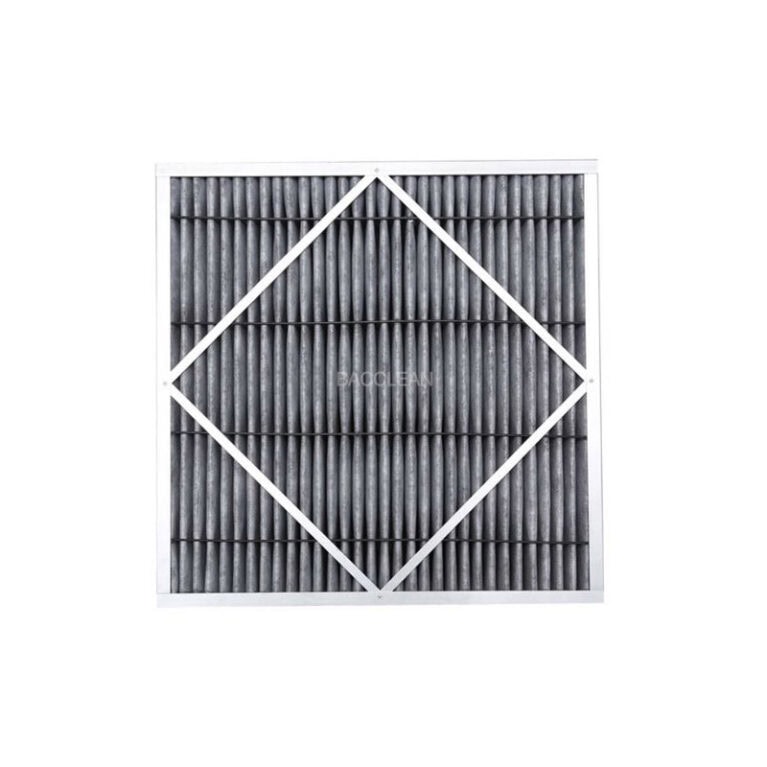
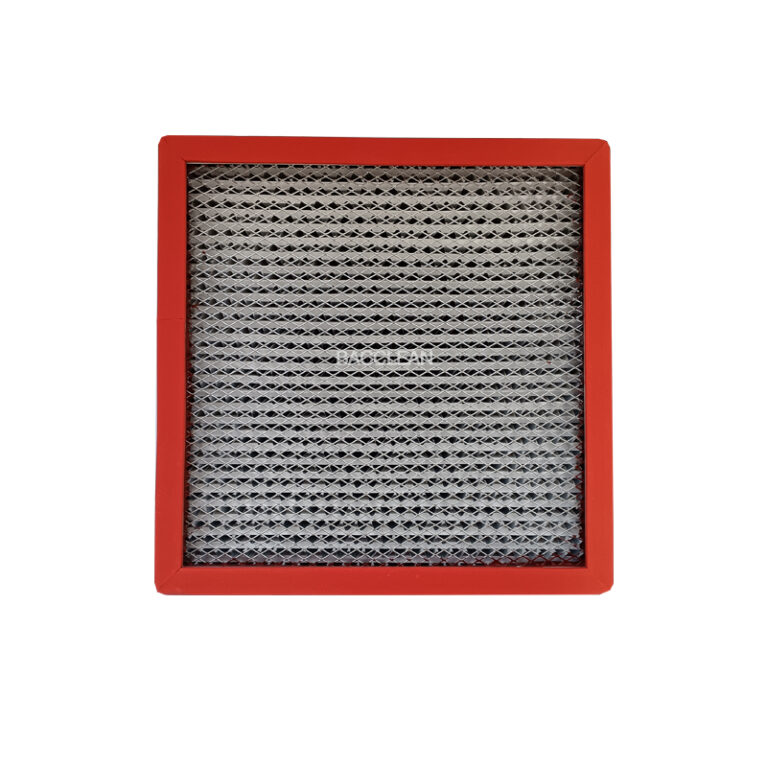
High-efficiency filters correctly installed + Complete maintenance plan (core points for extending service life) I. Standard Installation (Installation errors will directly shorten half of the service life and cause dust leakage) 1. Pre-installation Preparation Clean the cleanroom ducts, static pressure boxes, and DOP supply air boxes thoroughly, removing any welding slag, dust, or debris; Installation of high-efficiency filters is not allowed without cleaning. Pre-install the first-stage G4 + second-stage F8/F9 pre-filters in advance. Pre-filters are the first line of defense for high-efficiency filters; their absence will quickly block the high-efficiency filters. Open the box to inspect the filter: the filter material is undamaged, the aluminum frame is not deformed, and the liquid tank sealant is not cracked; if damp or damaged, it must be scrapped and cannot be used. When transporting, do not grasp the filter material, only hold the frame edge to avoid scratching the glass fiber filter paper. 2. Installation Key Points for DOP Liquid Tank High-Efficiency Supply Air Outlet Pour the sealing gel into the liquid tank, ensure the liquid level is within the standard range. Place the filter vertically and steadily, with the entire ring of the frame completely submerged in the gel, without any suspended
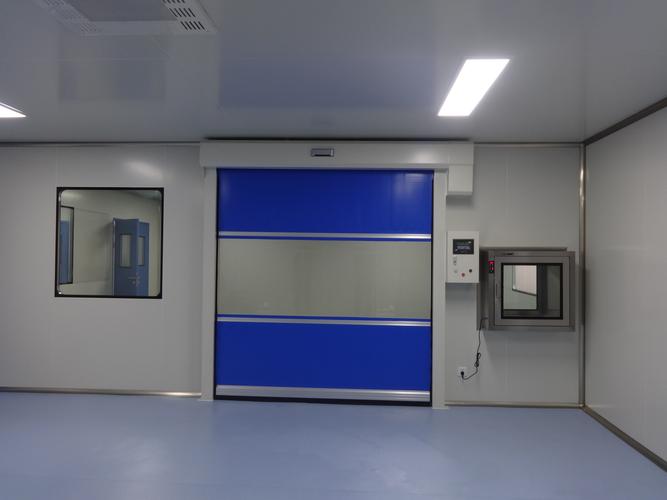
Sealant strip replacement criteria (General + Special for VHP models) I. Visual appearance inspection (Quick daily pre-shift judgment) Any one of the following conditions met suggests replacement is recommended: Hardening, loss of elasticity Press the rubber strip with your finger, and it won’t rebound quickly when released; the pressed area is permanently concave; it feels hard and lacks the soft rubber texture, and the effect is more obvious at low temperatures. Cracking, fracture, chipping Minor fine lines and cracks appear on the surface of the rubber strip; the edges and door corners are the most prone to breakage; VHP models may develop fine cracks due to long-term oxidation. Color change, powdering, chipping The silicone strip turns yellow, white, or gray; when rubbed with your hand, white powder falls off; VHP hydrogen peroxide corrosion easily causes powdering. Detachment, falling off, displacement The rubber strip separates from the door frame, local warping, or the entire strip becomes loose; the door cannot fully close and fit the cavity. Deformation, flattening, permanent inability to recover Permanent flattening occurs due to long-term closing pressure, and there are gaps at the door seam. Mold growth, blackening, bacterial colonies The stubborn mold stains cannot be removed by
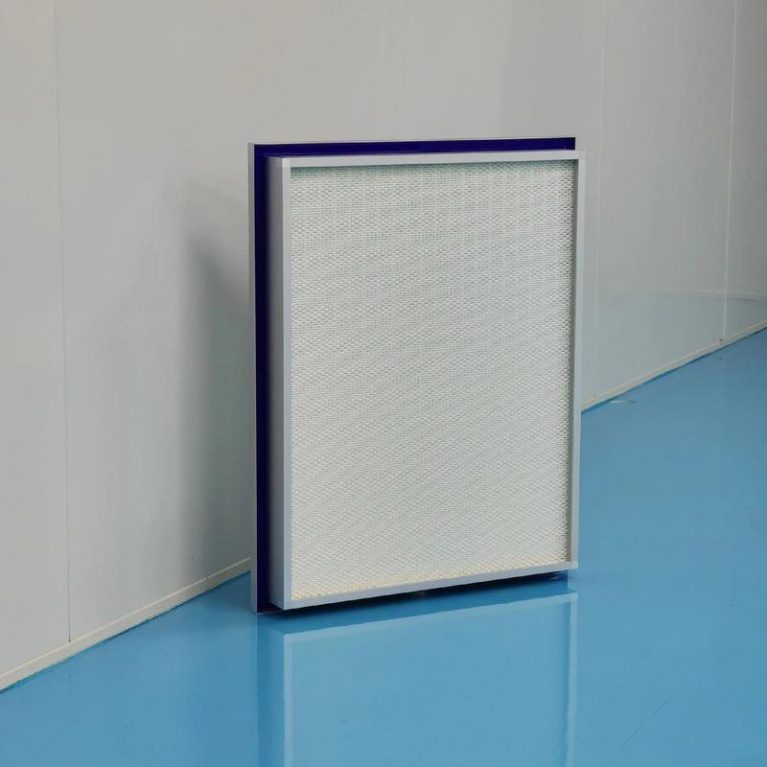
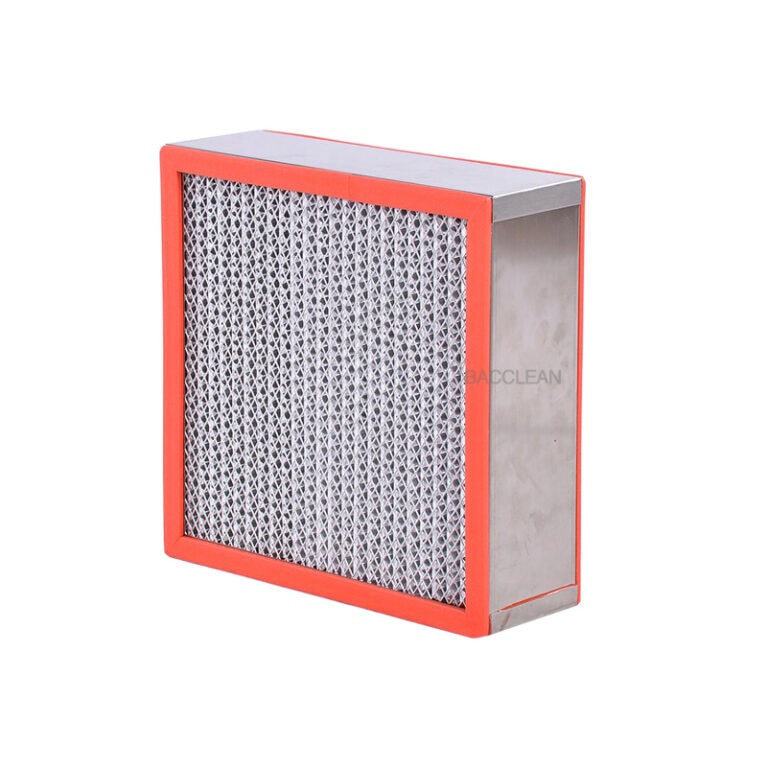
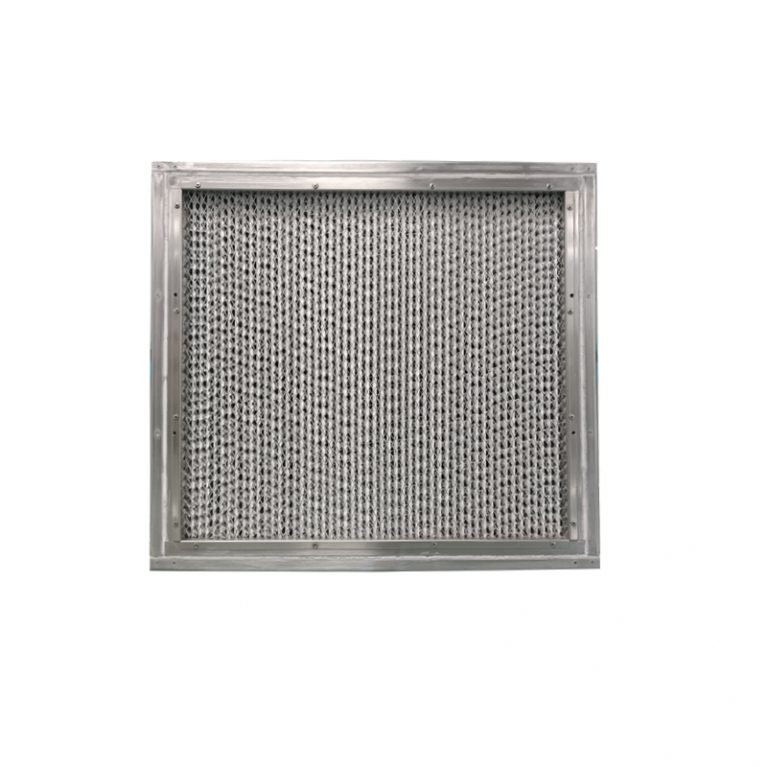
1. Core structure differences Partitioned efficient filter: Built-in aluminum foil / paper partition to support the filter paper, with a large gap between the filter layer folds, overall thickness is thick (150/220mm), and the filter material support strength is high DOP liquid channel efficient filter: No partition, hot melt adhesive strips, lightweight model (66/93mm), the filter core is more compact, and the wind resistance is lower 2. Edge frame sealing Partitioned efficient filter: Flat edge frame, sealed by foam sealing strips; disassembly may cause frame leakage; DOP leak detection has blind areas DOP liquid channel efficient filter: Four-sided U-shaped liquid channel, matched with blue jelly elastic glue for immersion sealing; seamless sealing, can conduct complete DOP scanning leak detection for the entire machine, in line with GMP audit requirements 3. Performance advantages and disadvantages comparison (short sentences with pictures used) Partitioned efficient filter ✅ Advantages Partitioned support, no deformation under high wind pressure, solid structure Large filter layer expansion area, high dust capacity, long replacement cycle Wide filter gap, convenient manual leak detection and repair Aluminum partition model suitable for large air volume continuous operation ❌ Shortcomings Flat sealing strips have average sealing performance, prone to side leakage
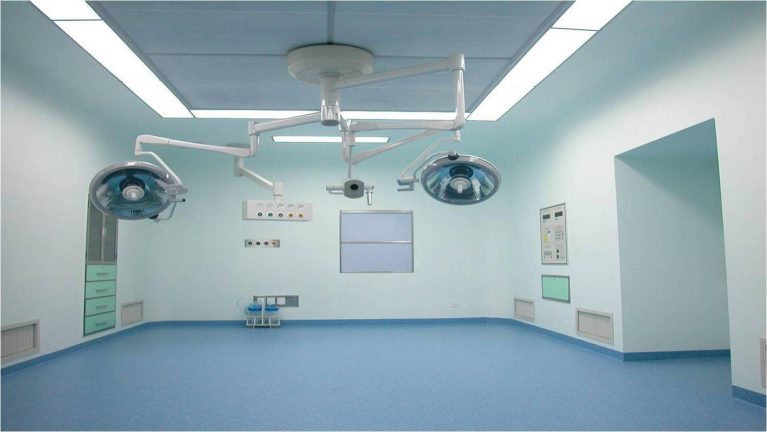
A Complete Maintenance Cost Solution for Air Distribution Ceiling By implementing measures in six key areas – front-end protection, consumable management, manual burden reduction, energy consumption optimization, compliance control, and equipment selection – this solution can not only extend the lifespan of the filter but also reduce long-term costs such as labor, testing, and electricity expenses. 1. Multi-level Front-End Filtration: Significantly extends the lifespan of the HEPA filter (the core cost reduction method) The high-efficiency filter is the largest consumable expense. Reducing the replacement frequency directly saves a lot of money. The initial-stage G4 and intermediate-stage F8/F9 filters on the air conditioning unit end provide double interception, reducing the dust content in the incoming air of the air distribution ceiling. An independent built-in intermediate-stage filter is added to the air distribution ceiling inlet to block pipe rust and insulation debris. Strictly replace the initial and intermediate-stage filters based on pressure difference, not waiting until they are clogged before replacing, avoiding direct impact of dust on the high-efficiency filter after penetration. A wind shower room and a material shower room are added at the entrance of the dust-free workshop to reduce dust brought in by personnel and materials, reducing the load
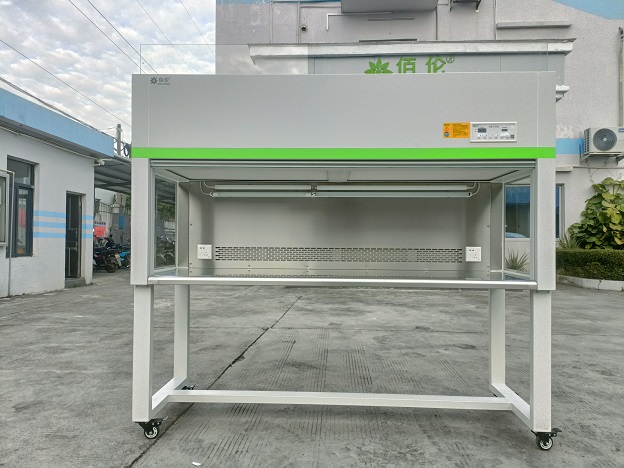
The safety types of ultra-clean workstations are mainly classified based on the pressure state, protection objects, and air flow operation logic. The core difference lies in the protection scope (whether it only protects the samples or also takes into account the personnel and the environment). This is the core basis for selecting laboratory safety types. Currently, the mainstream safety types are divided into three categories, as follows: 1. Positive pressure clean type (protection only for samples, no protection for personnel or environment) The positive pressure clean type is the basic model of ultra-clean workstations. The overall cavity is in a positive pressure state, with internal air pressure higher than the external environment. Its core function is to isolate external contaminants from entering the operation area, providing sterile and dust-free protection only for the experimental samples, but it does not have the ability to prevent internal contaminants from spilling out. It is the most commonly used basic safety type in laboratories. (1) Vertical flow positive pressure ultra-clean workstation The air flow passes through the HEPA filter on the top of the equipment and is filtered before being blown downward in a uniform laminar flow over the entire operation surface, and then
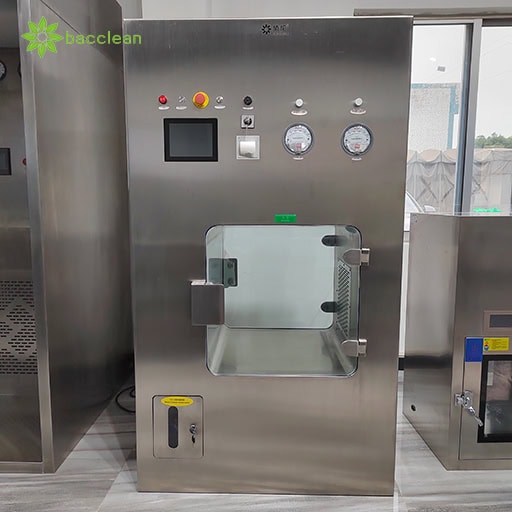
Daily Maintenance Key Details for Transfer Windows (General, UV Type, VHP Type, GMP Compliance Focus) I. General Details for All Types of Transfer Windows 1. Cleaning Operation Details Only use dust-free cloths and dust-free papers for cleaning. Ordinary rags, steel wool, and scouring pads are prohibited. They can easily scratch the stainless steel inner walls and observation windows, and the scratches can accumulate dirt and breed microorganisms. Cleaning Agents: 75% ethanol, purified water, neutral cleaning agent; strictly prohibit 84, hypochlorous acid sodium, strong acids and strong bases. Long-term use will corrode the stainless steel and cause rust spots. VHP models corrode even faster. Cleaning Order: From the high-cleanliness side to the low-cleanliness side, from top to bottom. Avoid secondary dust pollution from the door gap, sealing strip groove, hinge bottom, and cavity edge corners. All must be wiped one by one. Residual liquid will crystallize and age the rubber strip. Do not directly spray water into the cavity. Before cleaning the electric control box, fan, sensor, and wiring, use a dust cover to shield to prevent water ingress and short circuits, and prevent probe fouling and malfunction. After cleaning, the cavity must be dried. No water stains should be left.
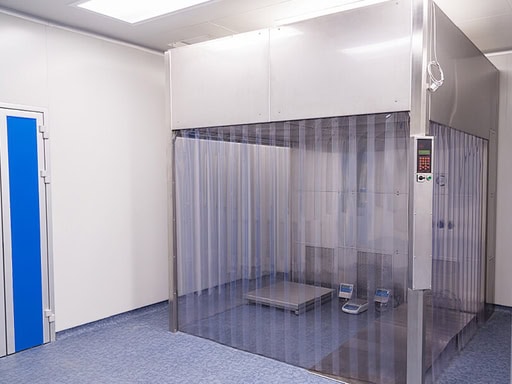
The standard process for reviewing and verifying the inspection records of the negative pressure weighing room (GMP Level 3 review) is divided into three levels: operator self-inspection, team leader on-duty review, and QA/equipment staff regular spot-check verification. Each level has clear verification points, judgment criteria, and handling methods for non-compliance, ensuring the records are accurate, complete, and auditable. 1. Level 1 Review: Operator Self-Inspection (Immediate execution upon completion, the first checkpoint) Verification steps and verification contents Verification of basic information completeness Check if all items such as equipment number, date, shift, start-up and shutdown time, and operator signature are filled in, with no blank spaces; if the equipment is idle on the same day, note “This shift did not use the equipment, it is in standby mode”. Self-check of quantitative parameters authenticity Observe the differential pressure gauge and wind speed display again: Check if the negative pressure and wind speed values in the record table are consistent with the current reading of the instrument; if the values exceed the standard range (<-15Pa or >-30Pa, wind speed <0.35/>0.45m/s), it must be noted in the abnormal column, and “normal” cannot be only checked. Item-by-item verification of qualitative items Verify each item one
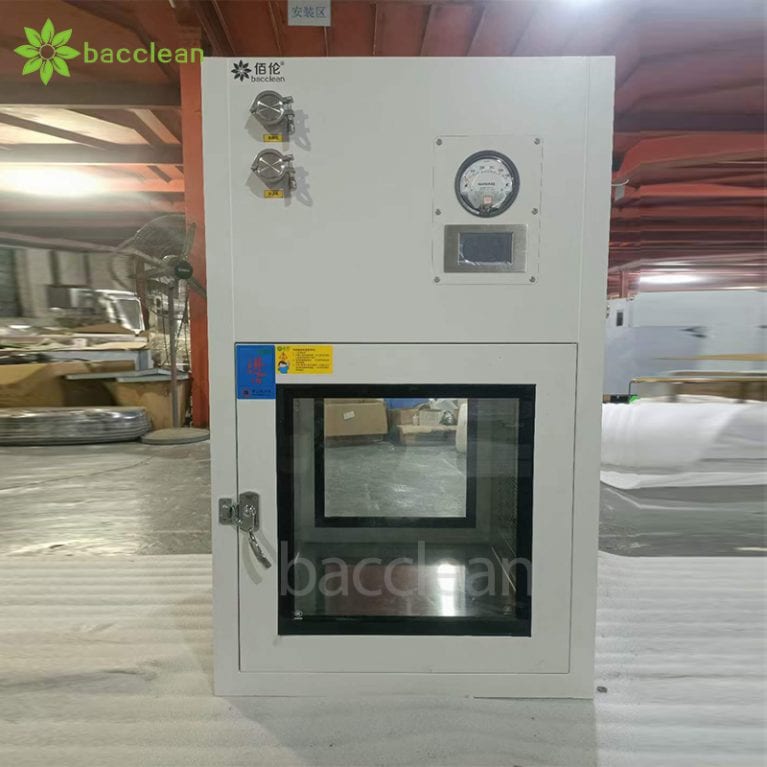
Various daily physical disinfection methods for transfer windows and corresponding applicable scenarios 1. Ultraviolet UV-C irradiation (the most mainstream and universally applicable daily disinfection method across the industry) Applicable scenarios Electronic dust-free workshops (100,000-level, 10,000-level) Daily transfer of lithium batteries, optics, plastics, hardware components, packaging consumables, rapid killing of floating bacteria on the surface of materials, meeting routine clean control requirements. Food clean packaging workshop, daily chemical-free cleaning workshop Intermediate packaging materials, finished products, small tools transfer, no chemical residues, no contamination of products. General hospital laboratory, outpatient pharmacy, general clean operating room Transfer of test samples, medical consumables, small instruments, simple operation, fast disinfection. Non-sterile medical device production clean area Daily entry and exit of parts and testing tools, meeting basic microbial control requirements. Physical laboratories, routine research laboratories Glassware, ordinary samples, experimental consumables circulation and disinfection. Daily pre-treatment of sterile pharmaceuticals / sterile instrument workshops Combined with 75% alcohol wiping for daily basic disinfection. It cannot be used alone as final sterilization. It needs to be regularly combined with VHP fumigation. Unsuitable scenarios Materials stacked multiple layers, materials with many folds and pores; In high-risk spore areas, only ultraviolet cannot achieve sterility. II. FFU laminar flow self-purification blowing
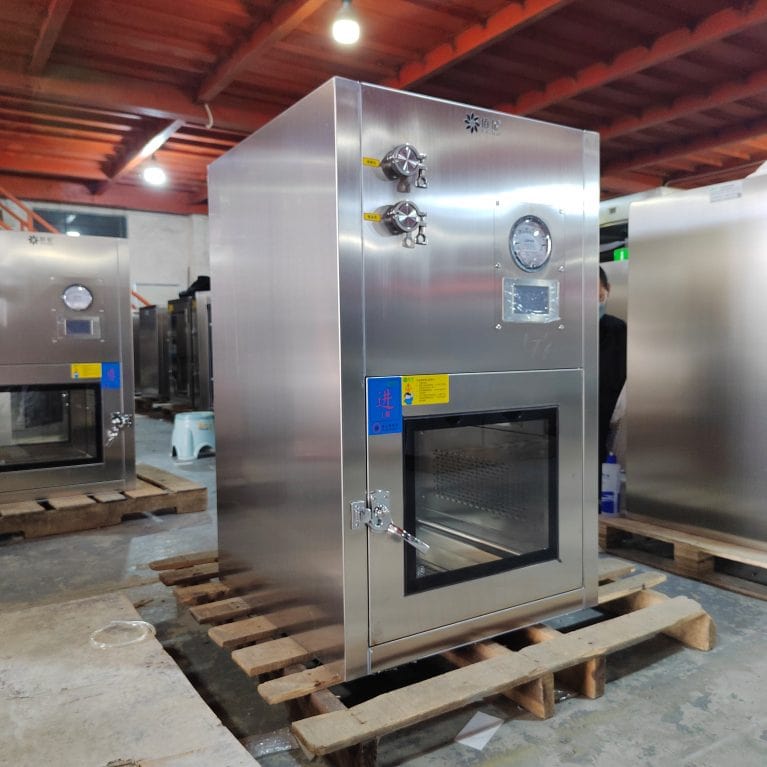
Daily physical disinfection methods for transfer windows (routine in workshops, without chemical agents) 1. UV-C ultraviolet light irradiation (standard equipment, most commonly used) All ordinary interlocking transfer windows come with this feature and are considered a daily standard physical disinfection method. Principle: Short-wave ultraviolet light damages the DNA of bacteria and molds, killing surface microorganisms; Operation: Place the materials in, close the double doors, and irradiate for 15 to 30 minutes; Applicable: Electronic workshops, food, medical devices, laboratories, hospitals for daily material transfer. 2. FFU laminar flow self-cleaning blow-off (specific for laminar transfer windows) Relying on efficient single-directional airflow, it physically removes dust and floating bacteria. Principle: The FFU in the box continuously blows out a clean laminar flow to disperse and filter floating pollutants; Operation: Close the door and turn on the fan for self-cleaning for 10 to 20 minutes, often combined with UV irradiation; Applicable: Hundreds / thousands of grade high-cleanliness electronic, cell rooms, sterile raw material drug workshops. 3. Dry physical dust removal (preliminary pre-treatment cleaning) It is an auxiliary physical disinfection method and helps reduce the microbial base: Dust-free dry cloth wiping Each shift should dry wipe the box body, glass and sealing strips with a