NEWS

Home / News

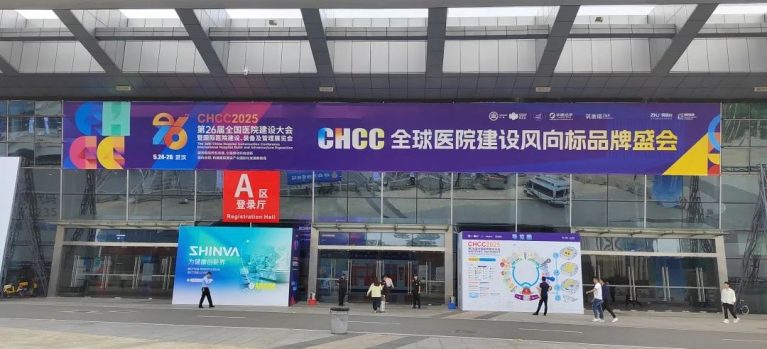
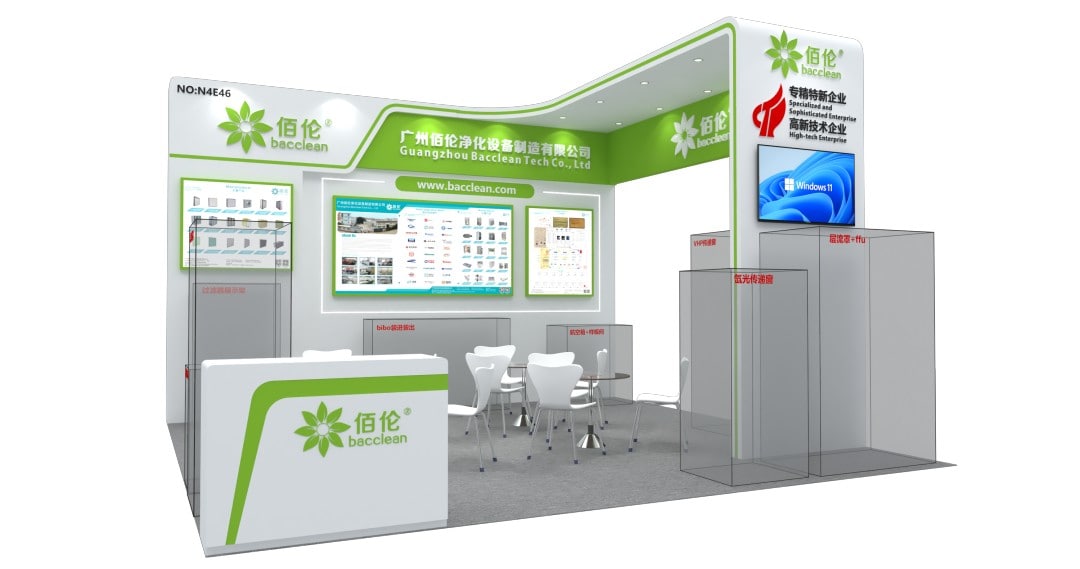
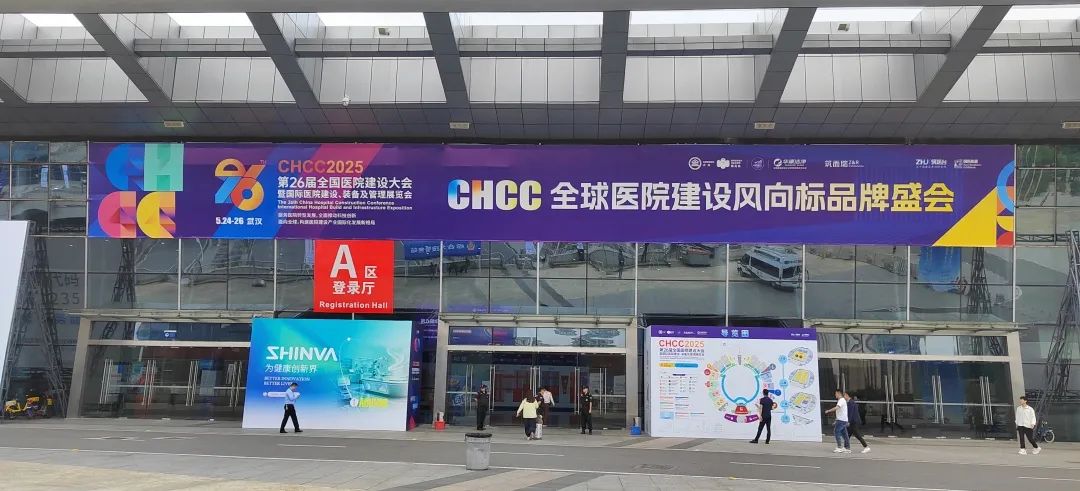
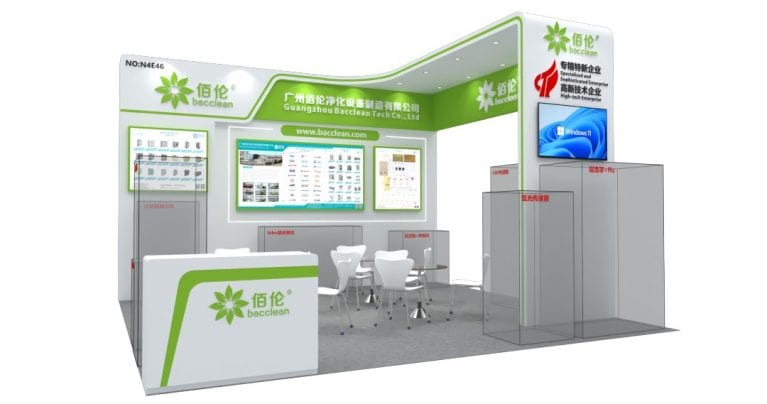
The exhibition event of Bacclean at the 26th National Hospital Construction Conference came to a successful conclusion.

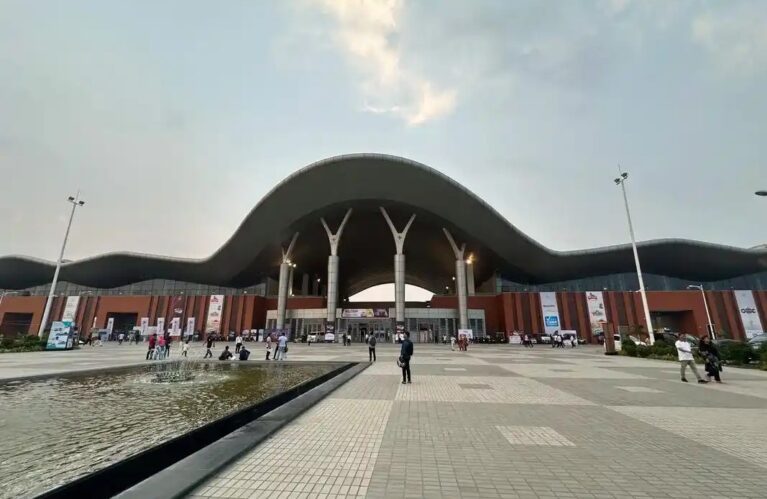
The 26th National Hospital Construction Conference (CHCC2025) was held grandly at the Wuhan International Expo Center from May 24 to 26, 2025. During this exhibition, Bacclean, with its professional technical strength, high-quality product services, and innovative solutions, fully demonstrated its core competitiveness in the hospital purification field, attracting many industry colleagues to exchange technologies and solutions in the medical purification field together.

Comparative Evaluation of Gel-seal HEPA Filters: Differences Between Domestic and Imported Products & Procurement Notes

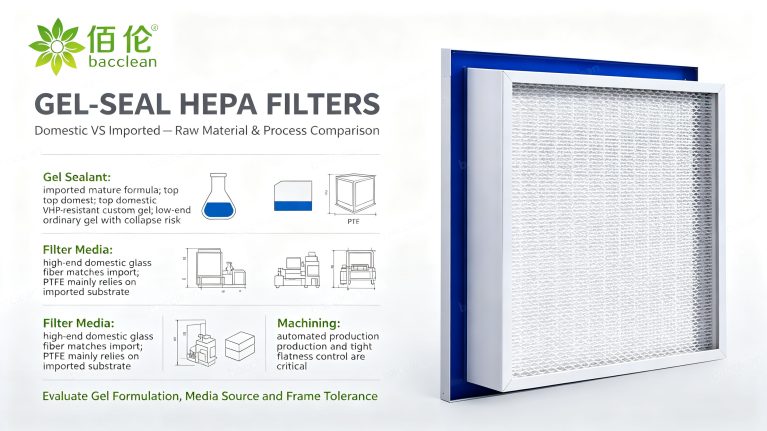
Gel-seal HEPA filters are frequently evaluated between leading domestic manufacturers and imported brands for high-grade projects such as Grade A/B biopharmaceutical cleanrooms and biosafety laboratories. For a long period, imported gel-seal HEPA filters occupied the major share of high-end cleanroom projects in China. In recent years, however, continuous technical iteration by top domestic purification equipment manufacturers has enabled qualified domestic products to replace imported options in numerous new construction, renovation and expansion projects.

Fault Analysis of High‑Temperature Resistant HEPA Filters: Troubleshooting for Hot‑State Leakage, Abnormal Pressure Differential and Seal Aging

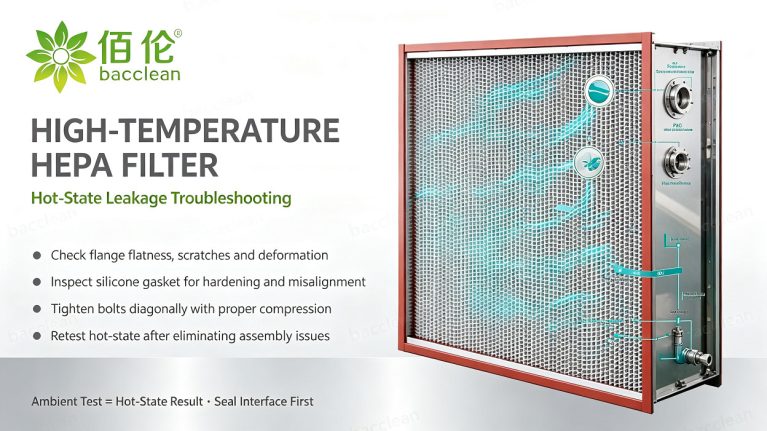
Most failures of high‑temperature resistant HEPA filters fall into three major categories: hot‑state leakage, rapid abnormal rise of pressure differential, and premature aging of sealing components. Root causes can be grouped into three aspects: manufacturing defects of filter materials; defects of matching components such as equipment flanges and gaskets; improper operations during installation, temperature ramping and disinfection & maintenance. Many failures perform perfectly under ambient temperature and only emerge after temperature rise, which are easily misjudged as inherent filter quality defects. This paper sorts out frequent field faults, analyzes root causes, and provides step‑by‑step troubleshooting workflows, helping equipment, validation and maintenance personnel quickly identify and resolve issues.

Unidirectional‑Flow Design of Class A Laminar Flow Hood under EU GMP Annex 1: Technical Analysis of Disturbance Resistance, Flow Pattern and Air Velocity

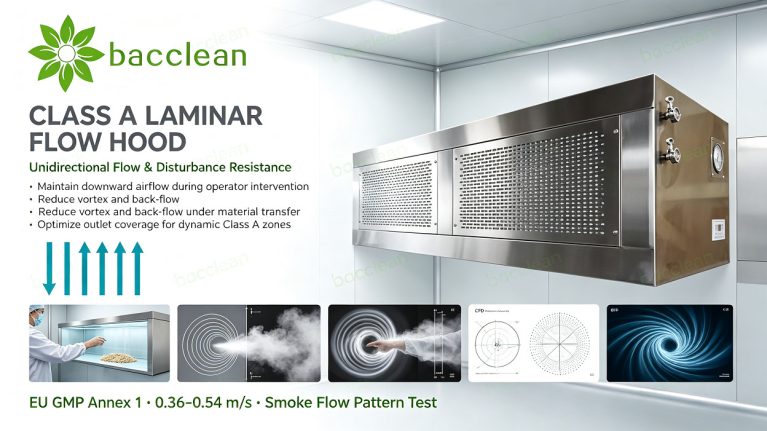
EU GMP Annex 1 sets stringent dynamic requirements for unidirectional airflow in Class A zones for aseptic exposed operations. A Class A laminar flow hood shall not merely satisfy static no‑load performance criteria; it shall maintain unidirectional flow free of vortex and back‑flow under disturbances caused by human operations and material interventions. Many projects pass static tests yet fail dynamic smoke flow pattern tests, which is rooted in neglecting disturbance‑resistance capacity during unidirectional‑flow design. Centering on plenum chamber, flow‑uniformizing system, fan selection, CFD simulation and flow‑pattern qualification, this article analyzes key technologies for Class A laminar flow‑hood unidirectional airflow and provides guidelines for design, selection and validation.

Complete Selection Guide for Paper Separator HEPA Filters: Working Condition Differentiation, Material Screening, Parameter Confirmation & Pitfall Avoidance

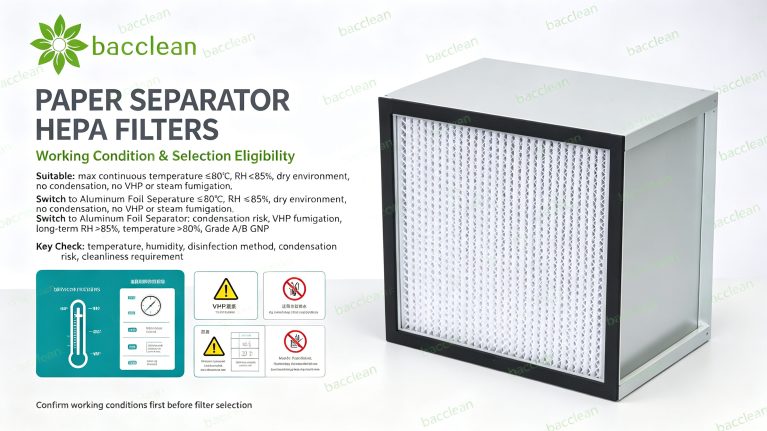
When selecting paper separator HEPA filters, it is insufficient to only confirm dimensions and efficiency classes. Operating temperature & humidity, disinfection methods and separator materials are the core factors determining long-term operation reliability. For paper separator HEPA filters with identical appearance, product reliability varies greatly due to different impregnation processes of separators. Combined with rich project experience, this guide sorts out the complete selection logic from working condition verification, parameter selection, material screening and industry-specific application to procurement technical requirements, serving designers, engineering and procurement personnel.

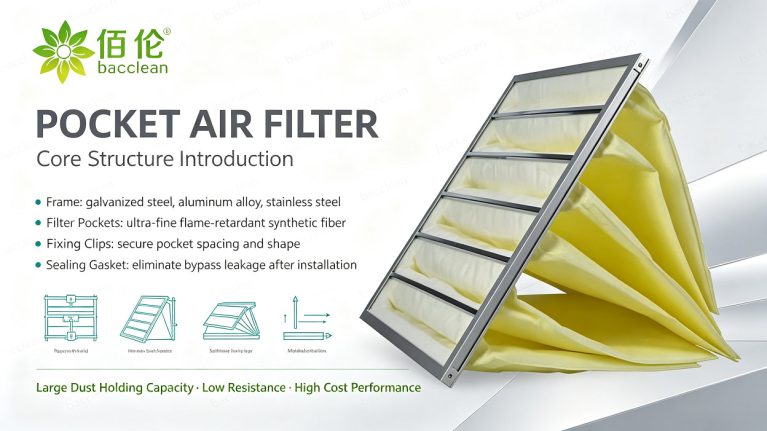
Comprehensive Analysis of the Core Structure, Filtration Principle and Grade Parameters of Pocket Air Filters

Pocket air filters are indispensable medium-stage filtration equipment in ventilation and air-conditioning purification systems. They are mainly used in the secondary filtration stage after pre-filtration and before HEPA filtration. Their core function is to capture medium-sized particulate matter in the air, protect the downstream HEPA filters, extend the service life of the entire purification system, and stabilize the indoor air cleanliness. Compared with panel filters and foldable filters, pocket filters feature large dust holding capacity, low air resistance, large filtration area and high cost performance. They are widely used in various ventilation and purification scenarios such as industrial workshops, commercial buildings and public venues. This paper comprehensively breaks down the core technical points of pocket air filters from four dimensions: structural composition, filtration principle, grade parameters and performance characteristics.

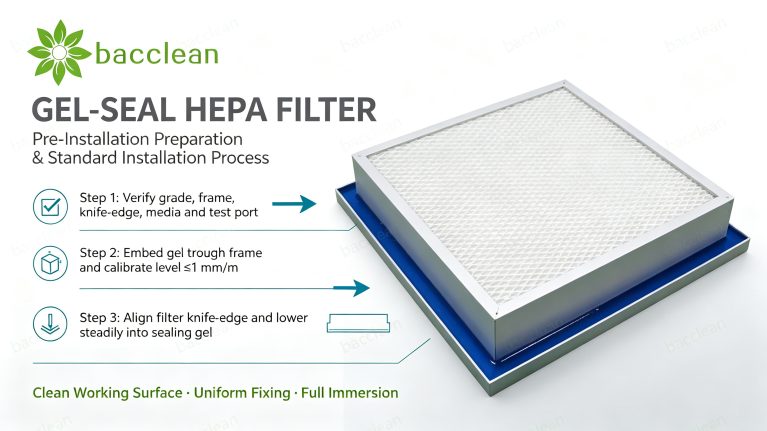
Installation Process, Gel Filling Specification and Leak Detection Acceptance Technology for Gel-seal HEPA Filters

The sealing performance and operational stability of gel-seal HEPA filters fully rely on standardized installation procedures and precise gel filling specifications. Every stage including installation, gel injection and leak inspection directly affects the air tightness and filtration performance of the equipment. Compared with ordinary HEPA filters, gel-seal filters require higher installation accuracy and stricter construction processes. Non-standard construction may easily lead to seal failure, excessive air leakage and substandard purification results. Combined with construction specifications for high-end cleanroom projects, this article elaborates on the installation workflow, gel filling standards and core leak detection & acceptance techniques of gel-seal HEPA filters, providing professional references for standardized construction of high-grade clean engineering.