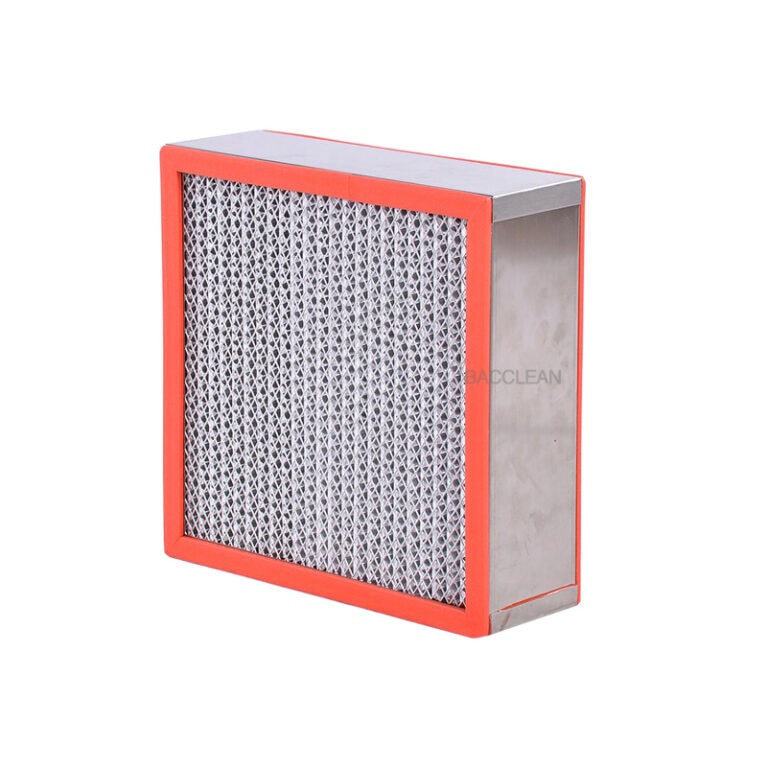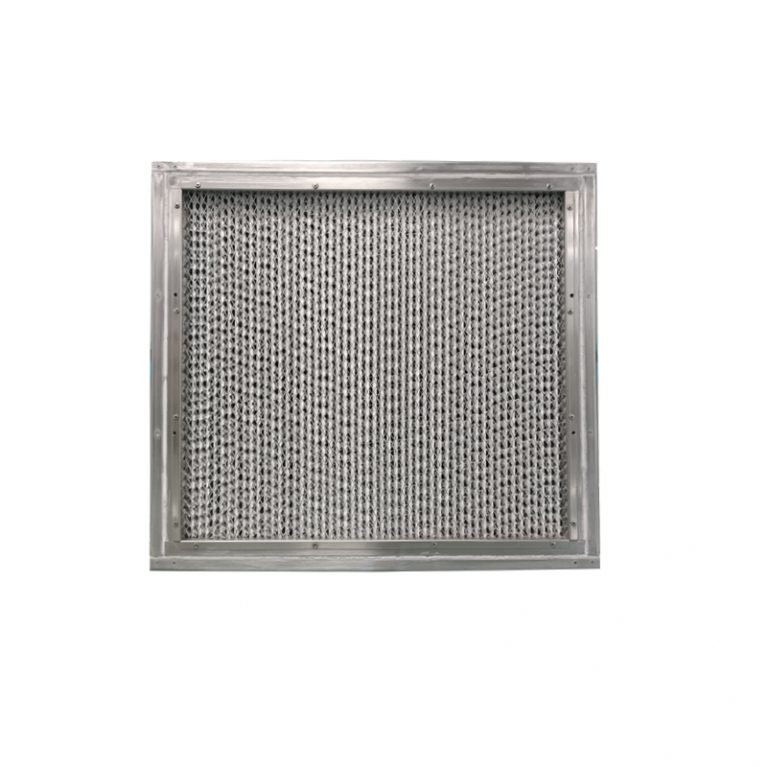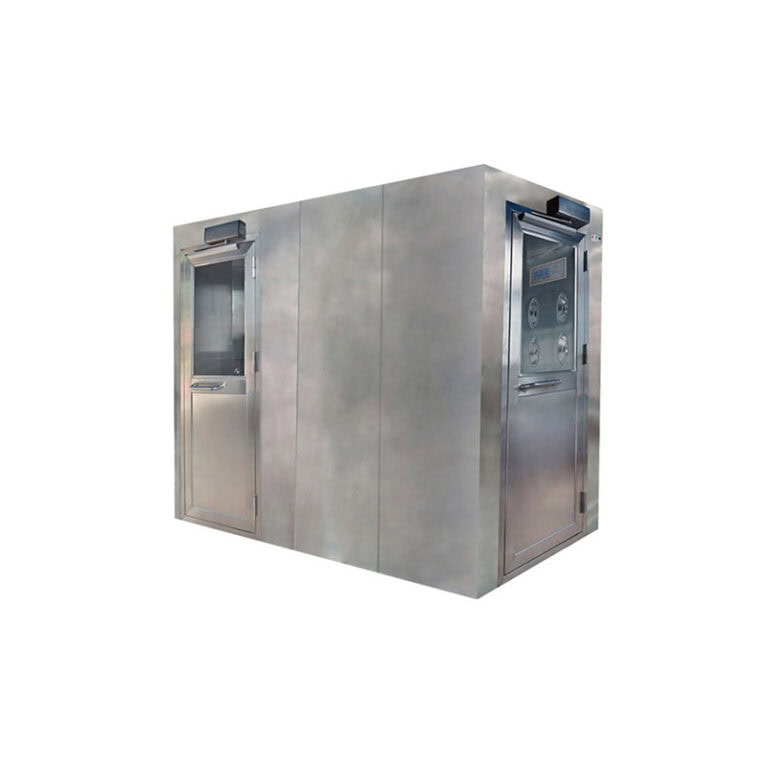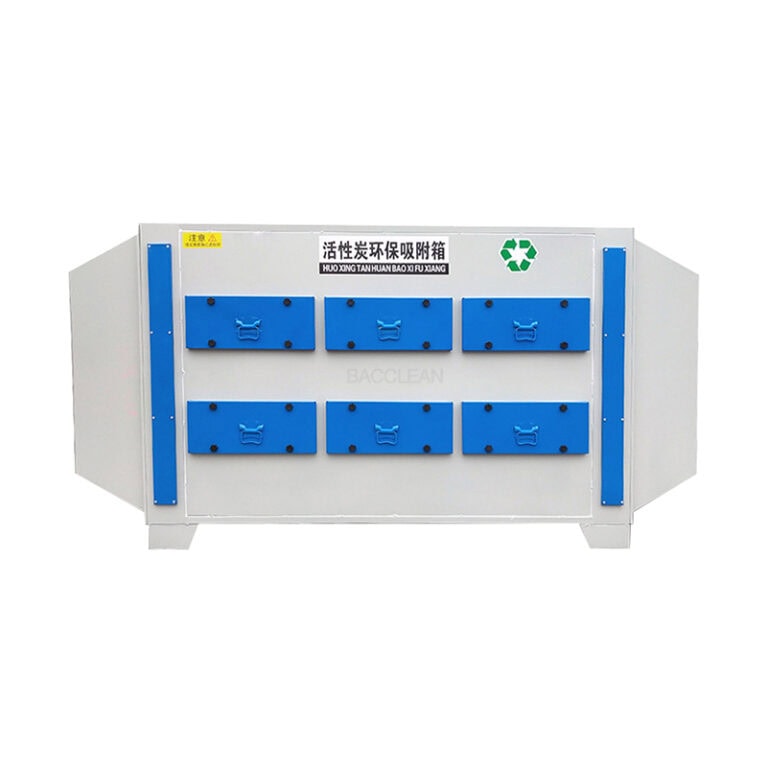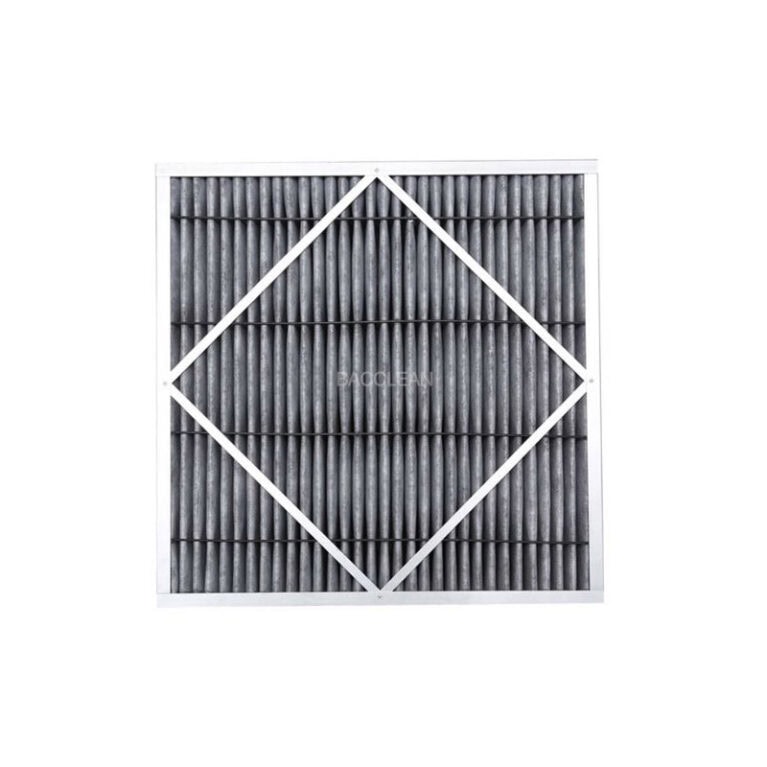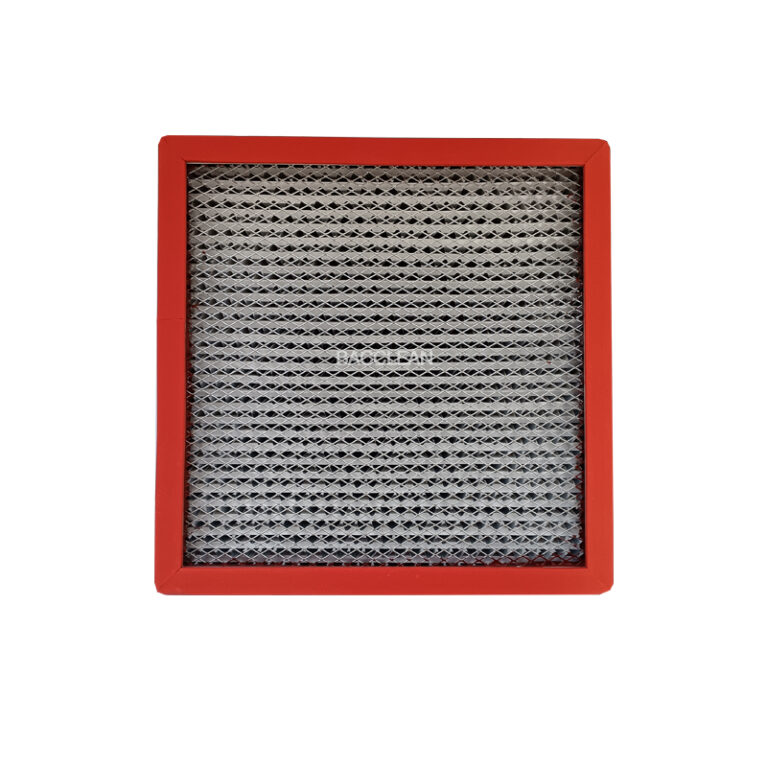

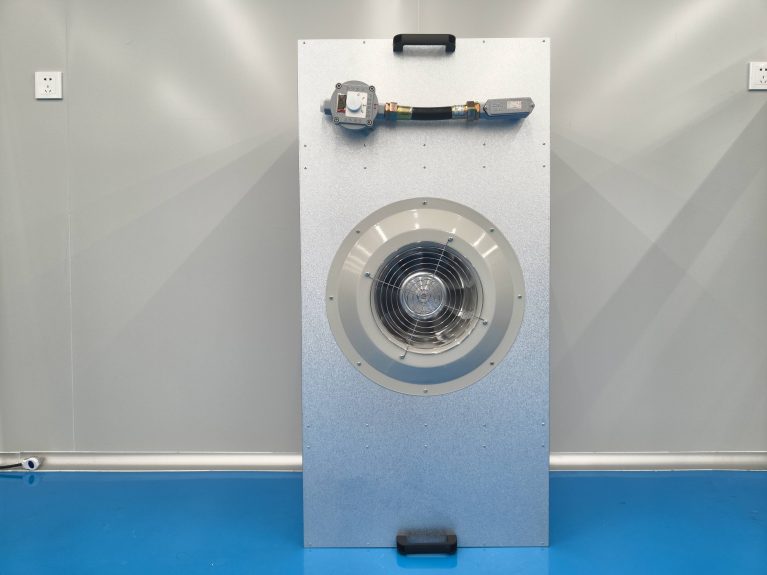
Explosion-proof FFU Filter Replacement Judgment Method (Practical Version, General for Explosion-proof Clean Rooms) Core Principle: Prioritize checking the pressure difference, followed by time, air flow, and environment. It is strictly prohibited to operate with the filter blocked in explosion-proof environments. 1. The Most Standard Method: Pressure Difference Method (Most Accurate, Must Be Used) FFU comes with a pressure difference gauge / external pressure difference meter. Measure the pressure difference before and after the filter. Initial resistance of new high-efficiency filter: 120–180 Pa When the pressure difference reaches 300–350 Pa → Must be replaced In lithium battery, chemical explosion-proof workshops, it is recommended to replace when the pressure difference reaches 280 Pa to prevent overload and overheating of the motor and the generation of ignition sources (Key points of explosion-proof) In explosion-proof areas, it is strictly prohibited to have severe blockage of the filter, increased motor load, and excessive temperature rise, as there is an explosion risk. 2. Time Period Method (Reference when there is no pressure difference gauge) General explosion-proof clean area: 6 months Lithium battery, electrolyte, solvent, dust environment: 3 months Continuous 24-hour operation: 2–3 months 3. Intuitive Visual + Operating State Judgment The air outlet becomes smaller, the
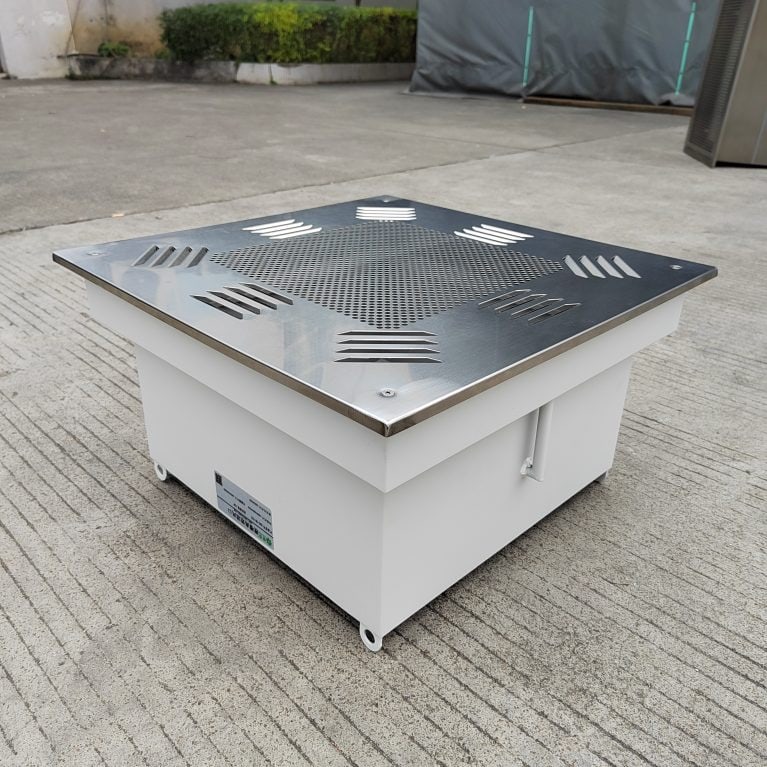
The difference between DOP air supply outlets and ordinary air supply outlets DOP supply air outlet is a high-efficiency filtering supply air outlet equipped with DOP detection and liquid tank sealing. It is used in cleanrooms. Ordinary supply air outlets only serve the function of distributing air and do not have the functions of high-efficiency filtration and leak detection. They are used in ordinary air conditioning environments. 1. Core Definition DOP supply air outlet (liquid tank type high-efficiency supply air outlet): A terminal device integrating static pressure box + liquid tank sealing high-efficiency filter + diffuser plate + DOP detection port. It can perform DOP/PAO leak detection on the filter on-site to ensure no leakage. It is commonly used in high-cleanliness environments such as pharmaceuticals, electronics, and healthcare. Common supply air outlet: Composed only of frame + louvers / diffusers, with a maximum of primary / secondary filters, without high-efficiency filtration, without leak detection ports, and without strict sealing. It is used for comfort air conditioning in offices, shopping malls, residences, etc. II. Key Differences (Item-by-item Comparison) 1. Filtration Capacity DOP Supply Air Outlet: Built-in H14/U15 high-efficiency filter, with a filtration efficiency of ≥ 99.99% for 0.3μm particles, capable of
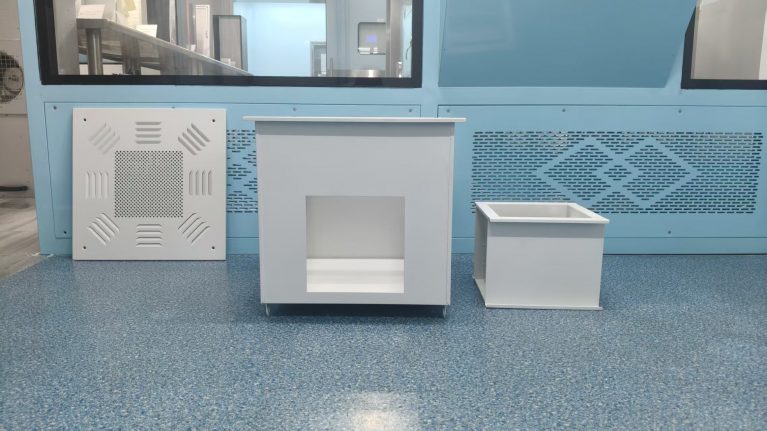
Service life of high-efficiency filters (general standards for clean rooms) Based on three scenarios: normal operation conditions, harsh conditions, and DOP air supply outlet liquid tank high-efficiency, the industry practical standards are directly provided: 1. Ordinary clean rooms (pharmaceutical / electronic workshops, conventional ventilation) H13/H14 high-efficiency filters: Normal use for 1 to 2 years With intact primary and secondary filters at the front end: Available for 2 to 3 years 2. Poor conditions, high dust, large fresh air volume (Noisecell workshops have a lot of dust production, no good pre-filtering, frequent opening) Service life is significantly shortened: 6 months to 1 year 3. Operating rooms, aseptic GMP workshops, biological laboratories DOP liquid tank high-efficiency air supply outlet filters Recommendation: Replace every 1 year If the pressure difference rises rapidly or the DOP leak test fails: Replace immediately 4. Whether to replace or not is not determined by time, but by 3 indicators Final resistance reaches 2 times the initial resistance (the most standard basis) DOP/PAO leak detection is不合格, there is leakage Cleanliness does not meet standards, dust particle exceeds limits 5. Key to extending service life Ensure primary filters are replaced within 3 to 6 months, secondary filters within 6
A list of all the equipment that can be linked with the explosion-proof FFU intelligent control system Explosion-proof FFU Intelligent Group Control System, supports signal interlock, automatic start-stop, wind speed linkage, and fault linkage with explosion-proof, clean workshop, fire safety, and environmental monitoring equipment. It is compatible with lithium batteries, pharmaceuticals, chemicals, and dust explosion-proof clean workshops. 1. Environmental Detection Type (Most Commonly Used, Must Be Linked) Gas detector (explosion-proof) Hydrogen, electrolyte vapor, ethanol, acetone, VOC gas concentration exceeds standard → Automatically increase FFU wind speed, force ventilation, interlock exhaust, dilute flammable and explosive gases. Dust concentration detector (explosion-proof) Dust concentration exceeds standard → FFU automatically increase air volume to suppress dust cloud aggregation and reduce explosion risk. Temperature and humidity sensor Temperature and humidity exceed standard → Link FFU wind speed adjustment, cooperate with air conditioning to stabilize workshop environment. Differential pressure sensor / Workshop differential pressure monitoring Pressure imbalance between clean area and non-clean area → Link FFU to automatically adjust speed, maintain positive pressure / negative pressure gradient. 2. Fire Safety and Security Type (Compliance with Safety Assessment, Fire Inspection Mandatory Linkage) Smoke detector, temperature detector Fire alarm host, fire control module Fire alarm triggered → According
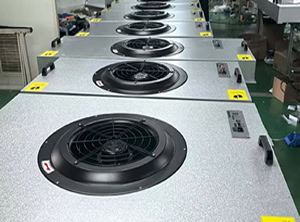
Anti-explosion FFU Frequency Conversion Speed Control Core Advantages (Easy-to-understand, Engineering Practical Version) 1. Energy saving and electricity consumption reduction, with the most obvious long-term return on investment The ordinary fixed-speed anti-explosion FFU has only one full-speed setting. Regardless of whether the workshop is fully operational or not, it operates at full load, resulting in significant waste. The frequency conversion FFU can adjust speed as needed: Production peak: Medium to high wind speed to meet cleanliness and air change frequency requirements Night shift / standby / low production: Low wind speed to maintain positive pressure only Overall energy saving of 30% to 50%. In a 24-hour continuous operation lithium battery, pharmaceutical, and chemical clean workshops, the electricity saved over 1 to 2 years can cover the difference between frequency conversion and intelligent control. 2. Wind speed stepless adjustment, more stable cleanliness Supports 0-100% stepless speed adjustment and multi-level fine adjustment Can precisely match air volume according to cleanliness level (ISO5/7/8) and room air change frequency Easily maintain the positive pressure gradient in the workshop, stable temperature and humidity, avoiding local vortex and dust accumulation, and higher product yield. 3. Soft start, soft stop, protecting the motor and extending its lifespan Frequency
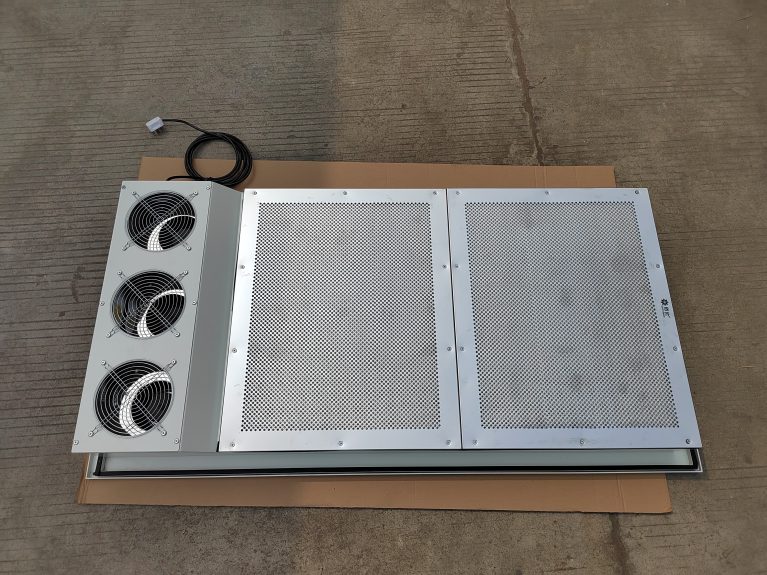
The working principle of the boat frame high-efficiency filtration unit (assumed to be a modular framework-based high-efficiency filtration equipment) is mainly based on the modular structure to guide the medium (air / fluid) to pass through the high-efficiency filter element in an orderly manner. Through the collaborative action of multiple mechanisms, it can intercept and separate the suspended particles and impurities in the medium. Finally, it outputs clean medium. The overall process can be divided into three core steps: “medium guidance – filter element interception – clean output”. Specifically: Medium guidance stage: The air or fluid to be filtered enters the modular framework of the boat frame high-efficiency filtration unit under the action of external power (such as a fan or pump). The guiding structure inside the framework (such as guide plates and positioning rails) will guide the medium to be evenly distributed, avoiding local excessive or insufficient flow velocity, ensuring that each part of the medium can fully contact the filter element, improving the filtration efficiency, and reducing the resistance during the medium flow process. Filter element core interception stage: This is the core working process of the filtration unit. The filter element (core filtering component) of the appropriate
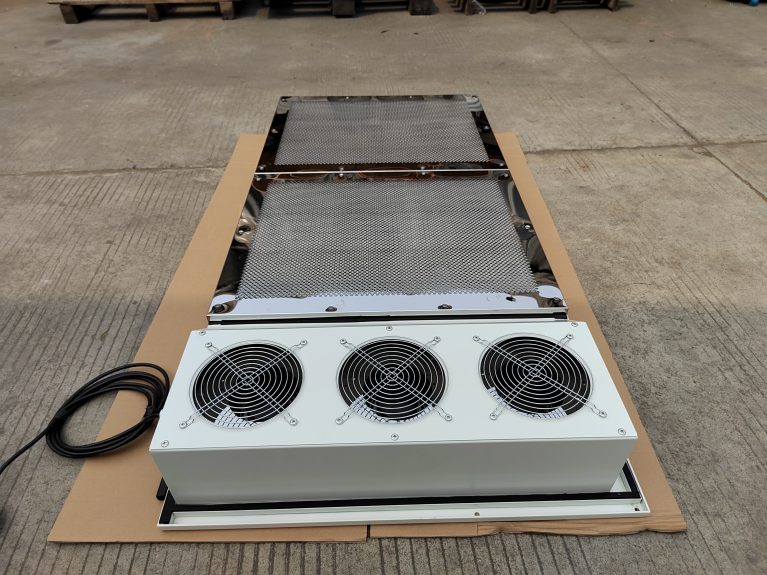
The vessel frame high-efficiency filtration unit (presumably a common name or variation for “blade frame type” or “mother-child frame type” high-efficiency filtration units) is a modularized high-efficiency air/flow filtration device. Its core function is to remove suspended particles and impurities from the medium, ensuring the cleanliness of the medium. It is widely used in clean environments, industrial fluid treatment, and other scenarios. The core features and related filtering unit characteristics are summarized as follows: Structural design: It adopts a “frame + filter element” modular structure. The frame is mostly made of aluminum alloy, galvanized steel plate, or stainless steel. The filter element can be quickly installed and fixed through plug-in or snap-fit methods. Some models include sealing slots and positioning guides to ensure a tight seal and prevent unfiltered medium from leaking. Filter performance: The core is compatible with HEPA or ULPA grade filter elements, which can precisely intercept particles ranging from 0.1μm to 10μm. It achieves efficient filtration through the combined action of interception, inertial collision, and diffusion effects, in accordance with relevant domestic and international standards such as GB/T 13554-2020. Core advantages: Installation is convenient, maintenance is flexible. There is no need to disassemble the entire equipment. Only
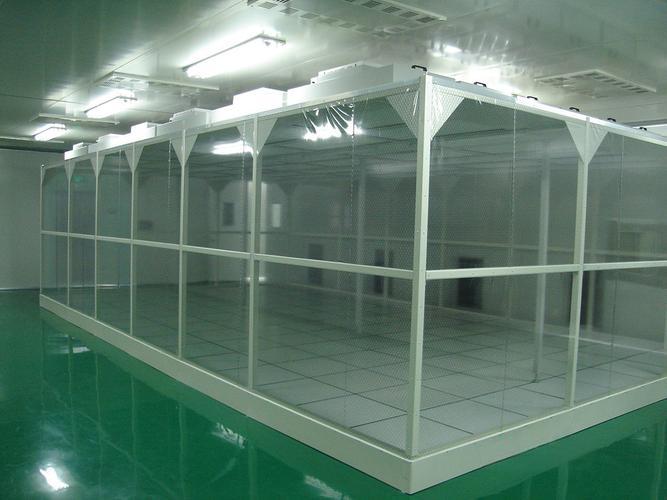
Installation and operation of the clean room FFU, the core of which is to follow the GB51110-2015 specification, ensuring environmental and personnel cleanliness, leveling of the frame, proper sealing, electrical safety, leak detection, and standardized operation, to ensure cleanliness and stable airflow. I. Execution Standards and Basic Requirements 1. Core Specifications GB51110-2015 “Construction and Quality Acceptance Specifications for Clean Rooms” (mandatory) IEST-RP-CC001 (Filter Testing), IEST-RP-CC002 (FFU Performance) 2. Environmental Conditions Temperature: 5–45℃; Relative Humidity: ≤85% (35℃); Air Pressure: 86–106 kPa Installation Area Sealed, Dust-Free, Fresh Air Pre-Purification ≥ 72 hours, Dust Concentration ≤ 3500 particles/L (≥0.5 μm) Floor and Ceiling Load Compliance with Design, Horizontal Deviation of Frame ≤ 2 mm/m 3. Personnel and Materials Personnel: Clean Clothing, Gloves, Dust-Free Shoes, Hair Cover, Prohibition of Bare Hand Contact with Filter Equipment: FFU Appearance without Deformation / Rust / Peeling, HEPA/ULPA without Damage, Sealing Gasket in Good Condition Tools: Dust-Free Cloth, Isopropyl Alcohol, Level, Torque Wrench, Insulated Electrical Tools II. Installation Process (Including Key Control Points) 1. Construction Preparation Review of Drawings: Clearly define FFU layout, quantity, size, air volume (conventional 0.45 m/s ± 20%), speed control method, electrical wiring Site Cleaning: Use dust-free cloth + isopropyl alcohol to wipe the
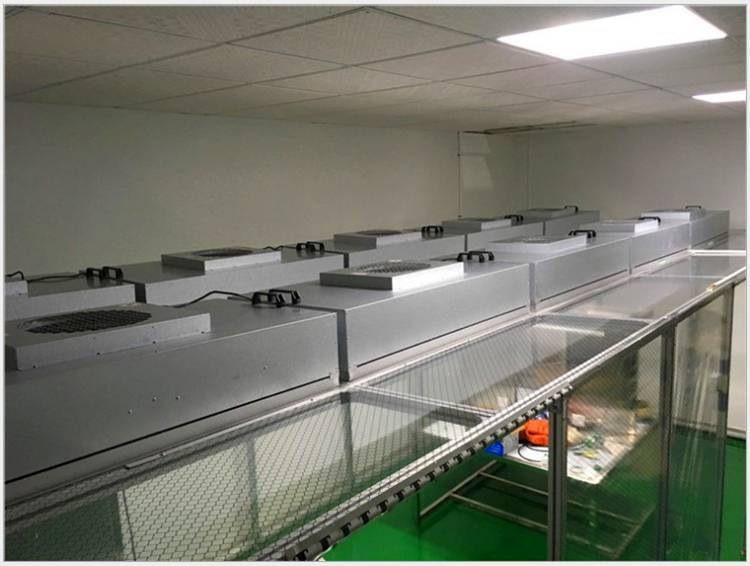
Installation Specifications and Operating Procedures for Clean Room FFU and Precautions I. Pre-construction Preparation Precautions All construction personnel must wear dust-proof suits, masks, head covers, dust-proof gloves, and dust-proof shoes. It is strictly prohibited to touch the FFU cabinet, high-efficiency filter paper, and sealing rubber strips with bare hands. The installation site should be thoroughly cleaned and dusted before construction. Cross-construction (electric welding, cutting, grinding dust operations) is prohibited to avoid dust pollution of the filter element. After unpacking the FFU and high-efficiency filter, handle them gently. It is strictly forbidden to invert, lay flat and heavily press, or bump and drop; the filter must not be placed vertically against the wall for squeezing. Check the model, size, voltage, control method (single control / group control) of the FFU and accessories (sealing rubber strips, suspension rods, bolts, control lines). If any parts are damaged, return and replace immediately. The frame and framework of the clean room should be adjusted and corrected in advance. The horizontal deviation should be ≤ 2mm/m. The ceiling and suspension rods must meet the load of the FFU. It is strictly prohibited to install beyond the load capacity. II. Installation Precautions for FFU The air outlet
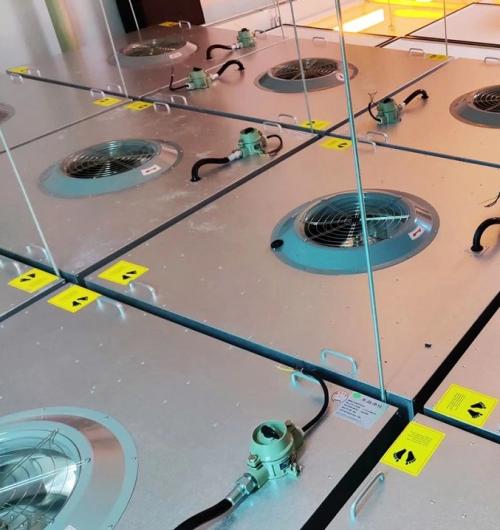
The core difference between gas environment explosion-proof FFU and dust environment explosion-proof FFU lies in the completely different explosion-proof standards, sealing protection, temperature control, structural design and certification marks. The two cannot be interchanged. The following is a comparison from key dimensions: 1. Applicable environment and explosion mechanism Gas explosion-proof FFU (Ex d) Applicable: Lithium batteries (electrolyte vapor), pharmaceuticals (ethanol / acetone), chemical industries, etc. environments with flammable gases / vapors. Mechanism: Gas molecules are uniformly mixed, encountering sparks / high temperatures causes instantaneous explosion, and the flame spreads quickly. Dust explosion-proof FFU (Ex tD) Applicable: Aluminum powder, carbon powder, milk powder, cocoa powder, etc. environments with combustible dust. Mechanism: Dust suspends as a “dust cloud” or accumulates, encountering high temperature / sparks ignites, and prone to secondary explosion. 2. Explosion-proof standards and identification (the most distinguishable aspect) Dimension Gas explosion-proof FFU Dust explosion-proof FFU National Standard GB 3836(IEC 60079) GB 12476(IEC 61241) Explosion-proof mark Ex d IIB T4 Gb (Commonly used) Ex tD A21 IP65 T4/T6 Db Temperature category T4(≤135℃)/T6(≤85℃) T4/T6 (More stringent than gas, preventing dust accumulation and spontaneous combustion) III. Structural Design Differences (Core Hardware Differences) 1. Shell and Sealing Gas Explosion-proof: Flameproof type (Ex d), thick
Explosion-proof FFU Intelligent Control System – Core Functions + Practical Advantages Intelligent explosion-proof FFU control system, specifically designed for flammable and explosive clean workshops (lithium battery, pharmaceuticals, chemicals, dust workshops), differs from ordinary manual models. It supports centralized control, variable frequency speed regulation, security linkage, energy saving, and maintenance convenience. 1. Core Functions 1. Zone / Single Unit Variable Speed Control Supports single-unit control, zone control, and whole workshop group control Multiple gears / Variable frequency speed regulation, suitable for different clean area air exchange requirements Settable timed wind speed: high production during the day, low speed during night duty 2. Remote Central Monitoring Equipped with RS485, Modbus, industrial Ethernet Central control computer / touch screen / local panel real-time viewing: operating status, wind speed, current, faults Remote centralized management, no need to manually adjust each unit on-site 3. Automatic Fault Alarm Real-time monitoring and pop-up / sound and light alarm: Fan overload, phase missing, stuck Motor over-temperature, circuit abnormality Communication disconnection, single unit offline 4. Filter Mesh Pressure Difference Monitoring and Lifespan Reminder Equipped with intrinsically safe explosion-proof pressure difference sensor Real-time monitoring of the degree of efficient filter mesh blockage Excessive pressure difference automatically reminds to replace the
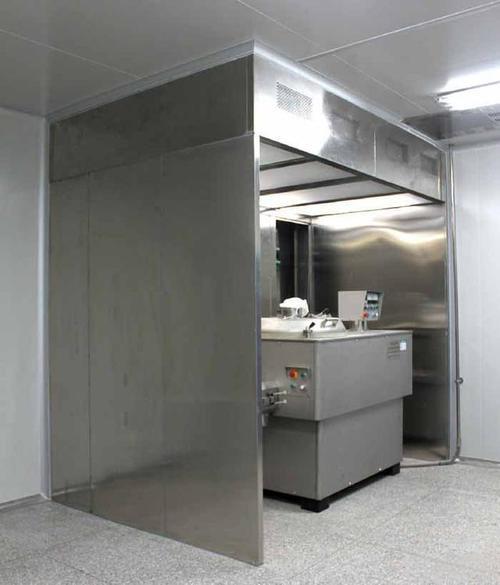
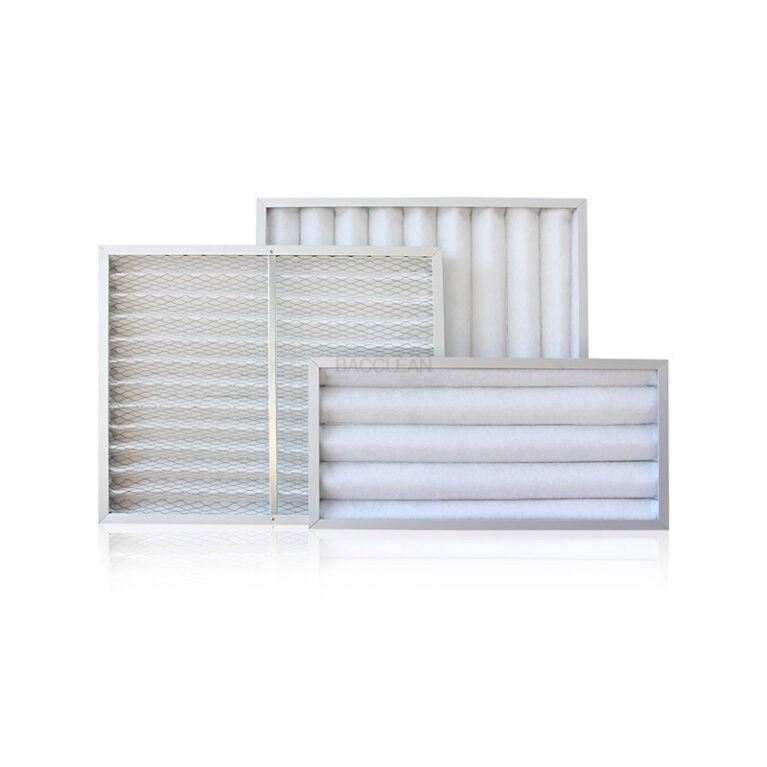
The standard service life of each core component of the laminar flow hood (industry standard, normal clean conditions) 1. Centrifugal fan / Turbulent fan Service life: 8 to 12 years; average daily operation time of about 60,000 to 100,000 hours; dust-free and non-overloaded can last up to 12 years; with large dust and long-term full-load operation will shorten to 6 to 8 years. 2. High-efficiency filter HEPA (end) Service life: 1.5 to 3 years; in a conventional clean workshop: 2 to 3 years; with large dust flow: 1.5 to 2 years; replace based on wind speed decrease and pressure difference exceeding the standard. 3. Intermediate / Primary filter Primary: 6 to 12 months Intermediate: 1 to 2 years Pre-filter material protects HEPA, timely replacement can significantly extend the service life of the high-efficiency filter. 4. Electrical control part (controller, speed regulator, switch, sensor) Service life: 8 to 15 years; ordinary buttons / speed control panel: 8 to 10 years; digital pressure difference, intelligent controller: 10 to 15 years; main aging occurs on the circuit board and button contacts. 5. Box frame (stainless steel / color steel plate / aluminum plate) Service life: 15 to 20 years + 304 stainless steel