-
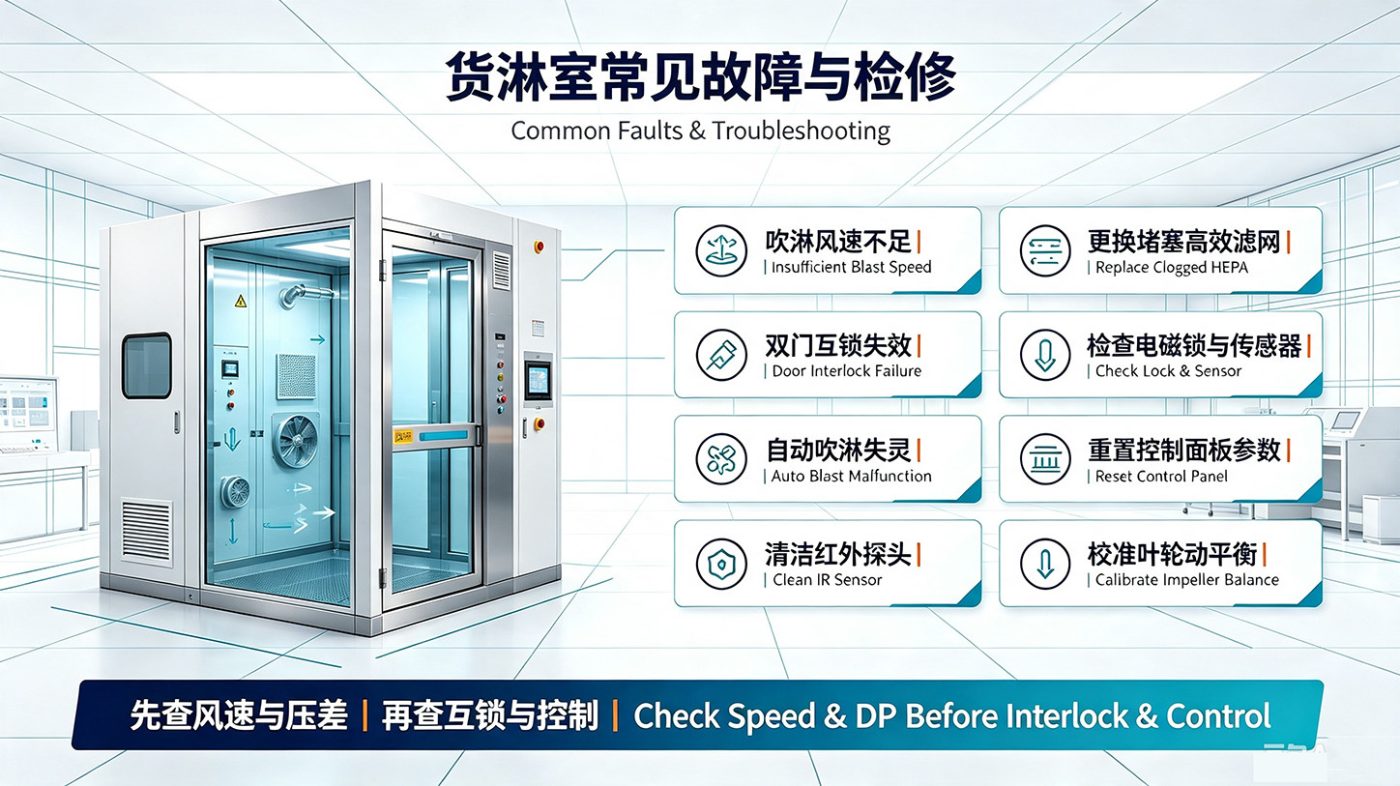
Insufficient blast wind speed & incomplete dust removal
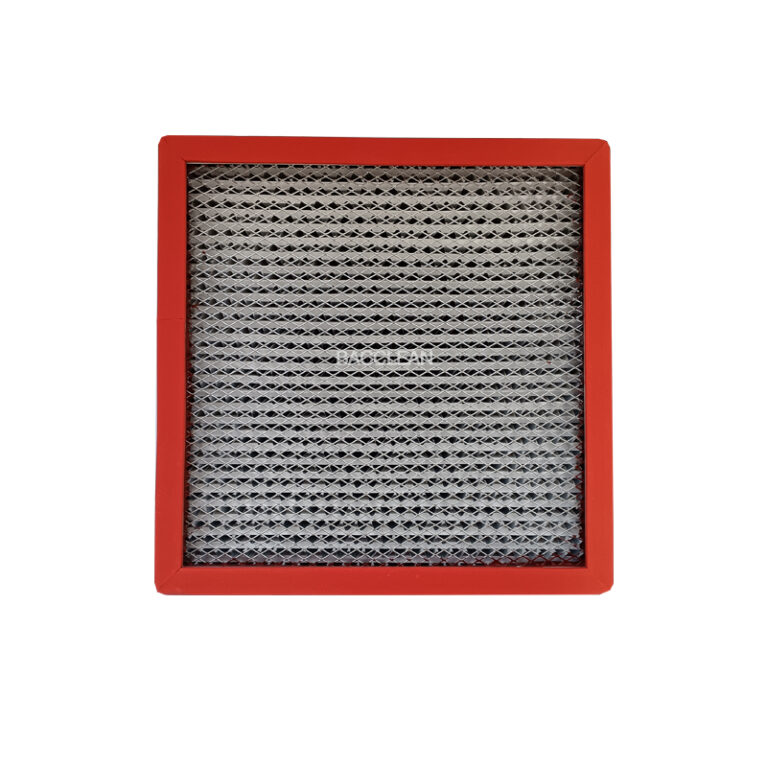
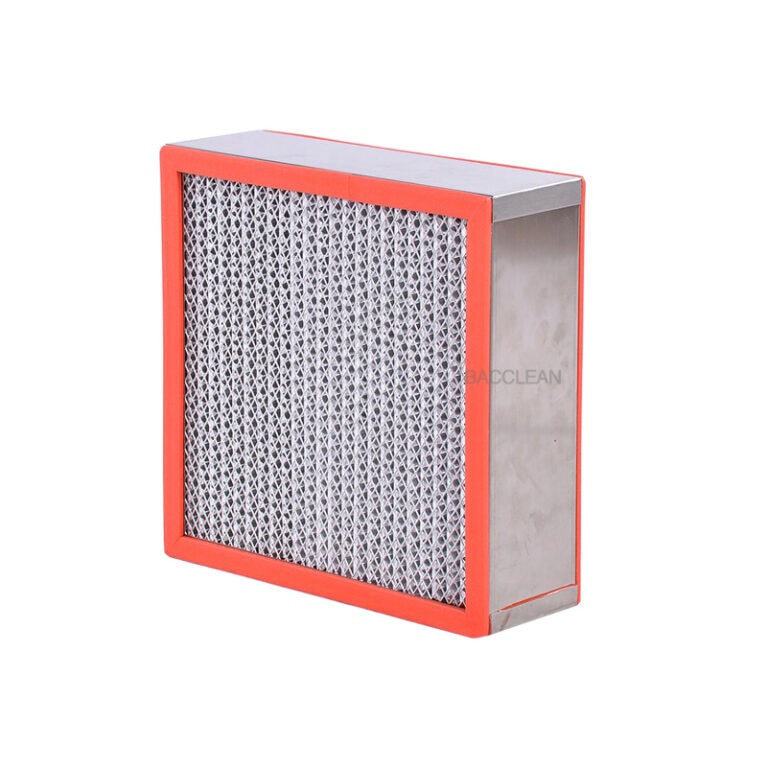
Primary causes: Clogged HEPA filters, reduced fan air volume, blocked or offset nozzles.
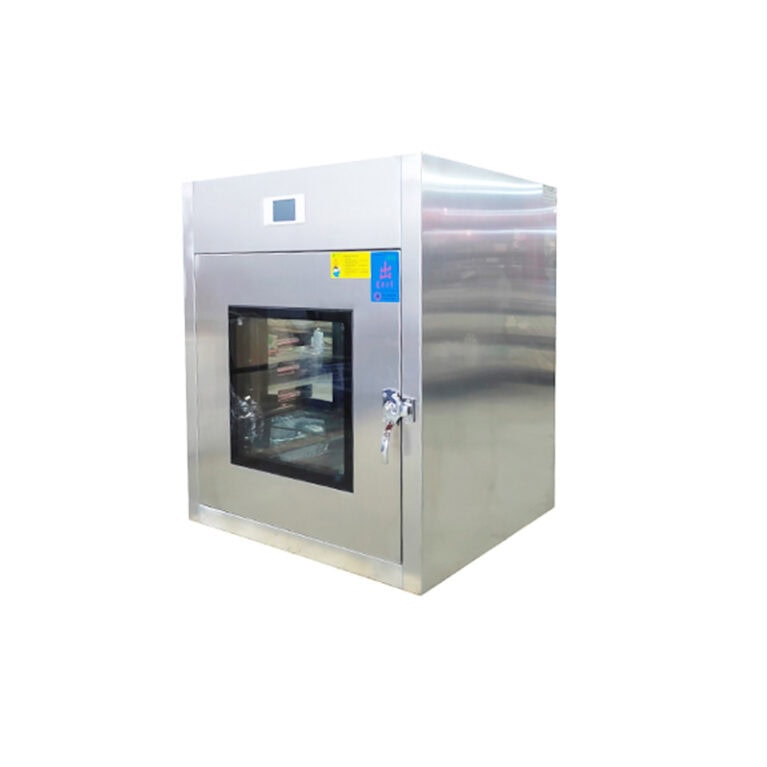
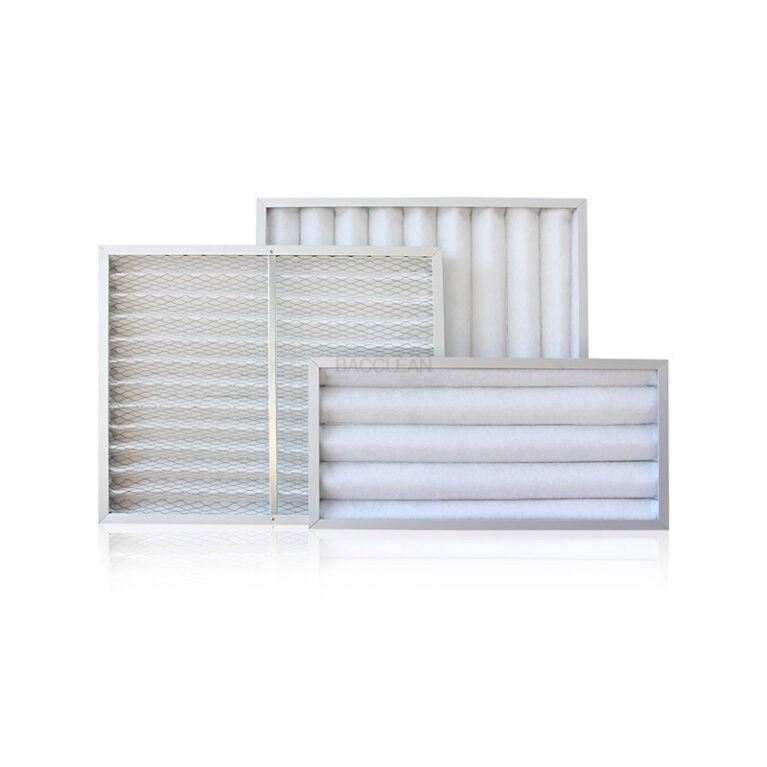
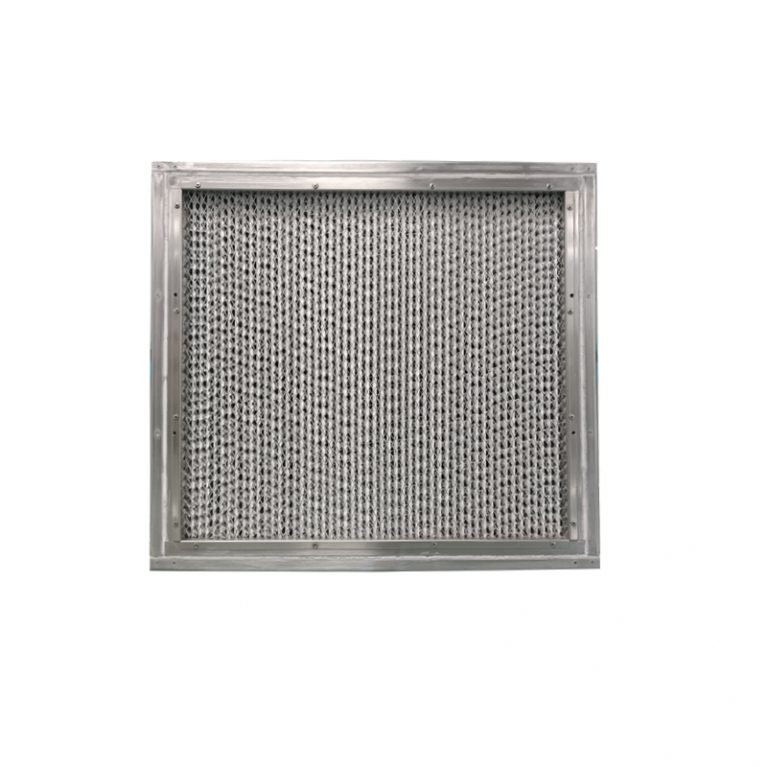
Inspect nozzle wind speed first. If velocity is lower than 22m/s, clean pre-filters or replace blocked HEPA filters as priority. Clear dust on nozzles and calibrate nozzle angles to ensure proper airflow direction. Check dust accumulation on fan impellers and motor conditions, and maintain aging fan assemblies timely.
-
Failed double-door interlock & cross air leakage
Mostly caused by faulty electromagnetic locks, defective sensors and poor contact of control circuits.
Check power supply for electromagnetic locks and sensor sensitivity, repair circuit faults and replace damaged components. Ensure doors lock tightly when closed and prevent air convection between high and low cleanliness zones.
-
Unit fails to start & automatic blast malfunction
Mainly triggered by faulty infrared sensors and disordered parameters on control panels.
Restart equipment and reset parameters, clean sensor probes or replace defective sensors to resolve the problem.
-
Excessive operating noise
Generally caused by loose fan fixtures and unbalanced impellers. Fasten components and calibrate impeller dynamic balance to keep noise within industrial standards.
- Daily Maintenance: Clean the inner chamber, nozzles, door frames and floor; wipe and disinfect to eliminate residual dust and dirt. Test door interlock, automatic air blast and delay closing functions every day to ensure normal operation logic.
- Monthly Maintenance: Fully clean pre-filters, inspect nozzle smoothness, fan working status and tightness of sealing strips. Adjust offset nozzles and replace aging sealing strips to avoid air leakage.
- Quarterly Maintenance: Monitor differential pressure of HEPA filters to judge replacement demand according to resistance changes. Comprehensively test electrical control systems, sensing modules and alarm devices.
- Annual In-depth Maintenance: Disassemble and clean fan assemblies, calibrate wind speed parameters and conduct overall unit commissioning to meet purification performance requirements.
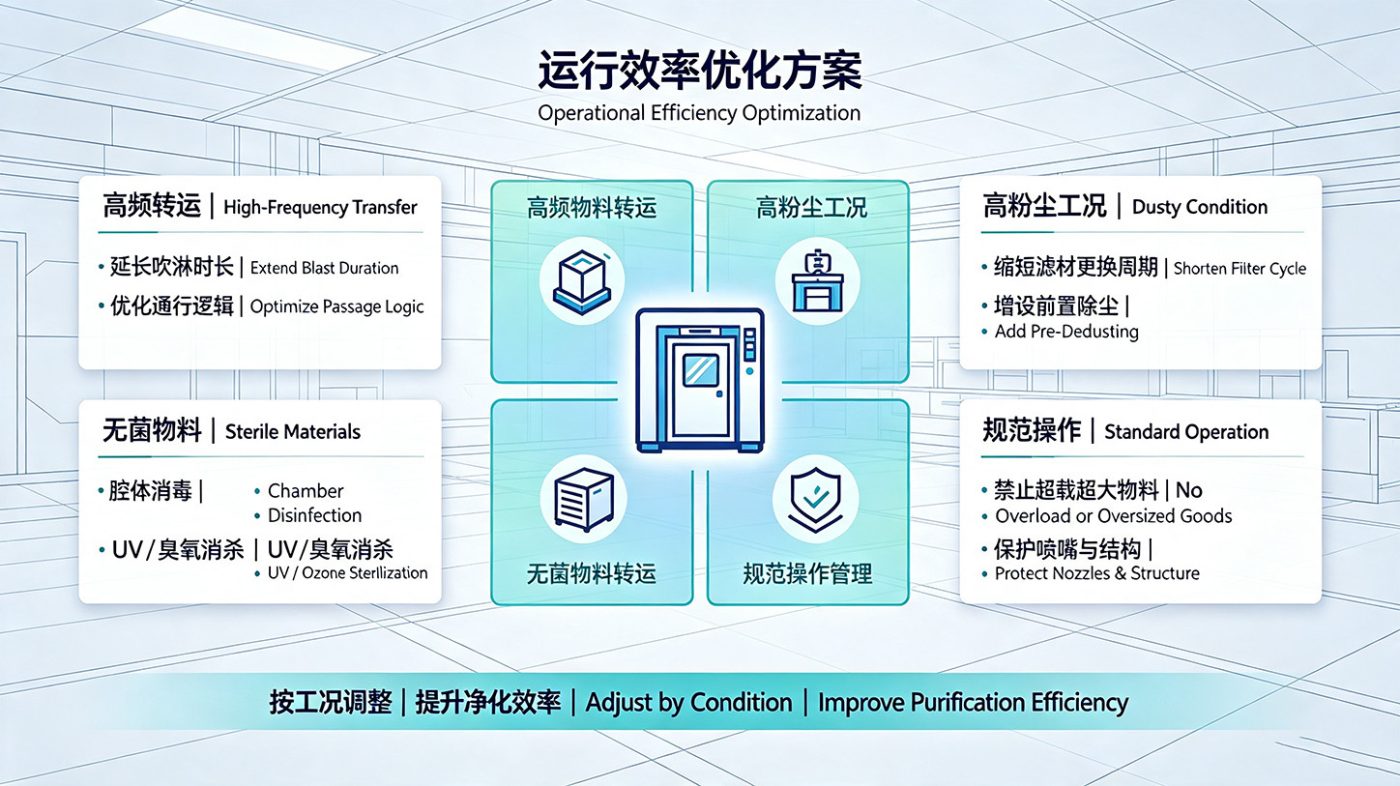
- For high-frequency material transfer scenarios: Appropriately extend single blast duration, increase fan static pressure and optimize blast logic to cut material waiting time and improve passing efficiency.
- For heavily dusty working conditions: Shorten filter cleaning & replacement cycles and install pre-dedusting structures to strengthen preliminary dust interception.
- For transportation of various sterile materials: Regularly disinfect the chamber, and utilize UV or ozone disinfection functions to avoid microbial cross-contamination.
Meanwhile, standardize operation procedures. Forbid overloading or forcing oversized goods into the chamber to prevent structural deformation and nozzle damage, extending equipment service life.