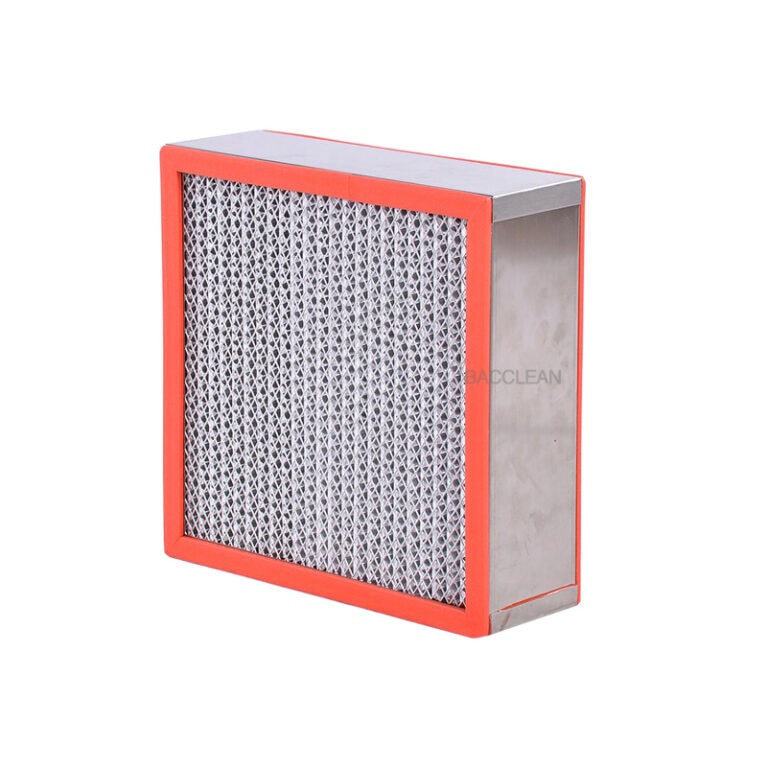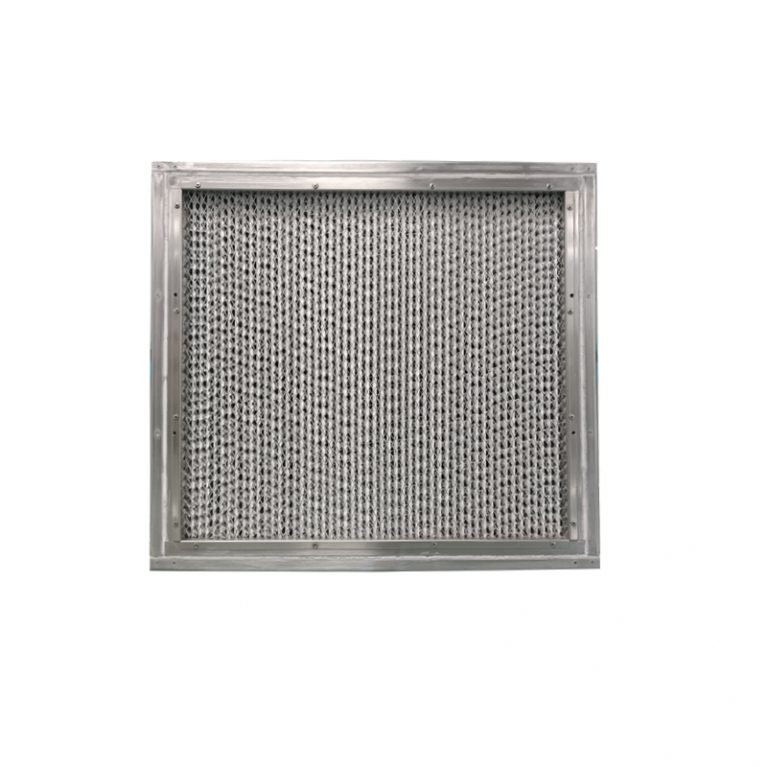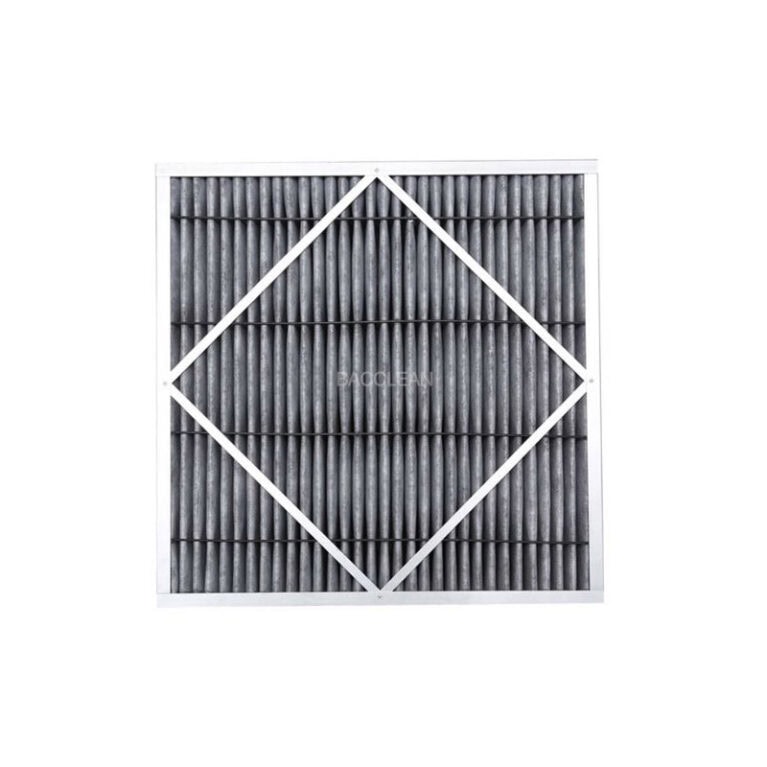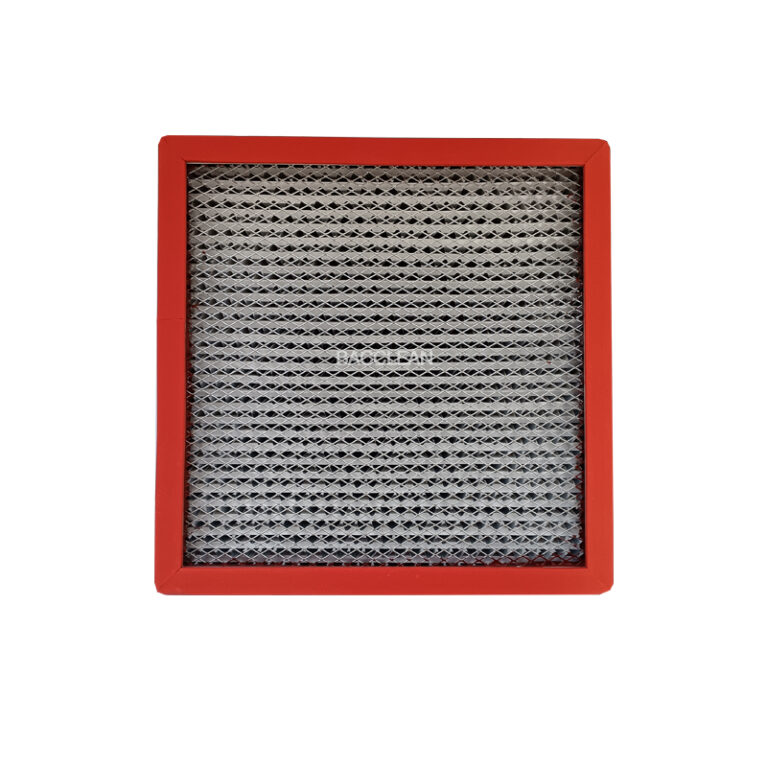

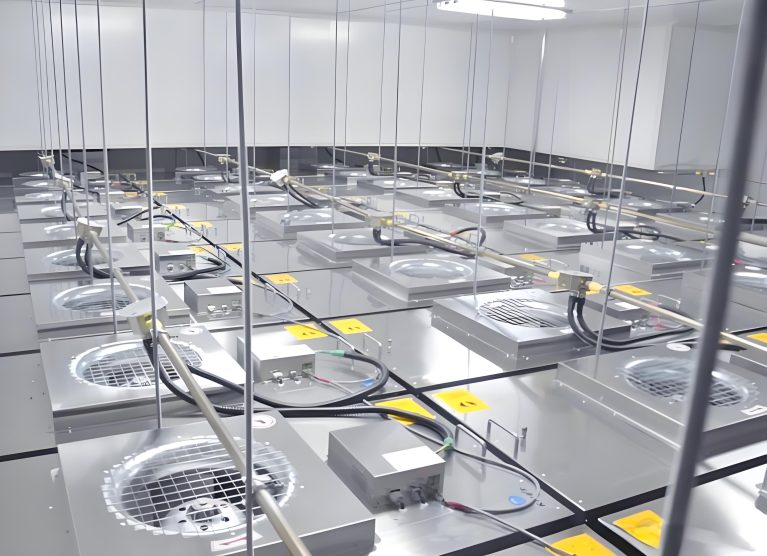
Based on the working conditions, pressure difference standards, and industry scenarios, provide the regular service life for each scenario. Also, distinguish between theoretical duration and actual usage duration, and mark the special requirements for explosion-proof areas: I. General determination criteria The initial resistance is set at 120-180 Pa, and the termination replacement resistance is 300-350 Pa. Explosion-proof areas should prioritize pressure difference, while the time is only for reference. II. Service life by scenario Low dust and clean explosion-proof areas (pharmaceutical sterile areas, precision optics, ordinary explosion-proof laboratories) With little environmental dust, oil mist, and solvents, continuous operation for 24 hours: 5-8 months; intermittent operation can reach 8-12 months. Medium pollution explosion-proof areas (electronic explosion-proof workshops, some fine chemical industries) A small amount of organic solvents and slight dust: regular 3-5 months. High pollution explosion-proof areas (lithium battery production, electrolyte/solvent workshops, cosmetics filling, oil mist/flammable dust conditions) Pollutants are prone to adhere and penetrate the filter material, and the resistance increases rapidly: 2-3 months, and in some heavy oil-soiled environments, it may even be less than 2 months. III. Additional influencing factors Installing primary / pre-filter screens: The overall service life can be extended by 30% to 50%, which is
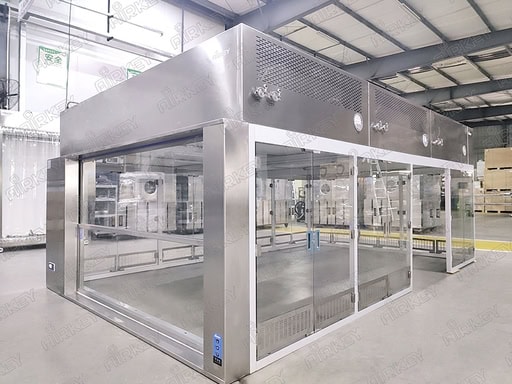
Based on the operating conditions and industry standard practices, the recommended replacement periods are provided for different scenarios, along with the basis for the determination (the time is only for reference; priority should be given to the pressure difference / wind speed): 1. Standard Replacement Period Continuous operation for 24 hours Conventional clean area: 1.5 – 2 years Areas with slight dust generation / large flow of people: 1 – 1.5 years Daily intermittent operation for 8 – 12 hours Conventional clean area: 2 – 3 years Aseptic / low-dust areas: up to 3 years + 2. Supplementary Comparison (Combined with Pre-filter) For initial / medium-efficiency filters, maintenance according to the upper limit period and environmental cleanliness: Execute according to the upper limit period If the pre-filter exceeds the service life or there is a lot of dust on site: Follow the lower limit period or replace earlier 3. Important Reminder The time is only a reference and should not be the sole basis When the pressure difference reaches twice the initial value, the wind speed does not meet the standard, or the leak detection of PAO/DOP is不合格, regardless of whether it is the replacement period or not, replace immediately.
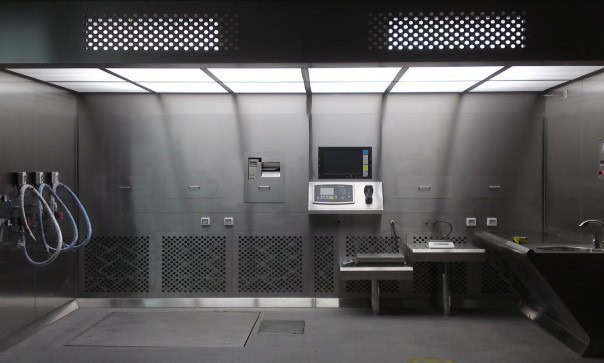
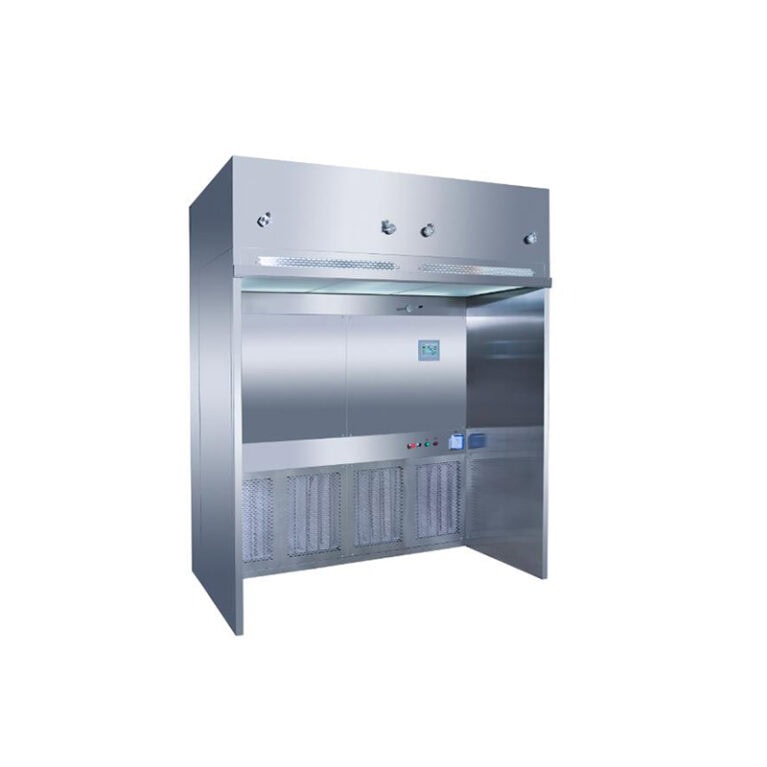
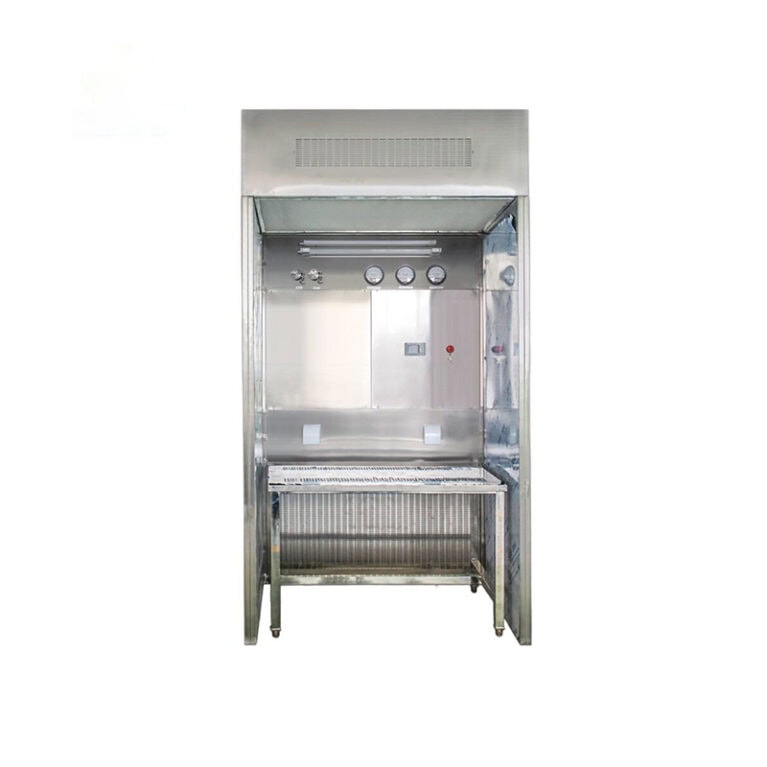
The core of daily maintenance for the negative pressure weighing chamber is as follows: daily cleaning + parameter inspection, weekly deep cleaning and seal check, monthly filter and duct maintenance, annual leak detection and calibration. The entire process follows GMP to ensure stable negative pressure, compliant airflow, and no cross-contamination. 1. Daily Maintenance (per shift / per day) 1. Before startup check Negative pressure value: The differential pressure gauge shows **-15 to -30 Pa**, stable without fluctuations. Working surface wind speed: 0.35 to 0.45 m/s, no turbulence. Function status: Fan, lighting, alarm are normal, no abnormal noise, no air leakage. Appearance cleanliness: Inner walls, tabletop, return air vents, operation ports have no dust or residual materials. 2. Cleaning and disinfection (must be done after operation) Power off protection: Turn off power and ventilation, wear gloves, protective clothing, and mask. Remove residues: Use dust-free tools to remove residual materials on the tabletop to avoid touching the materials. Surface wiping: Dip a dust-free cloth in purified water / 75% ethanol, wipe the tabletop, side walls, and door body from top to bottom, from inside to outside in a single direction; use cotton swabs to clean the gaps. Disinfection: Secondary wipe with 75%
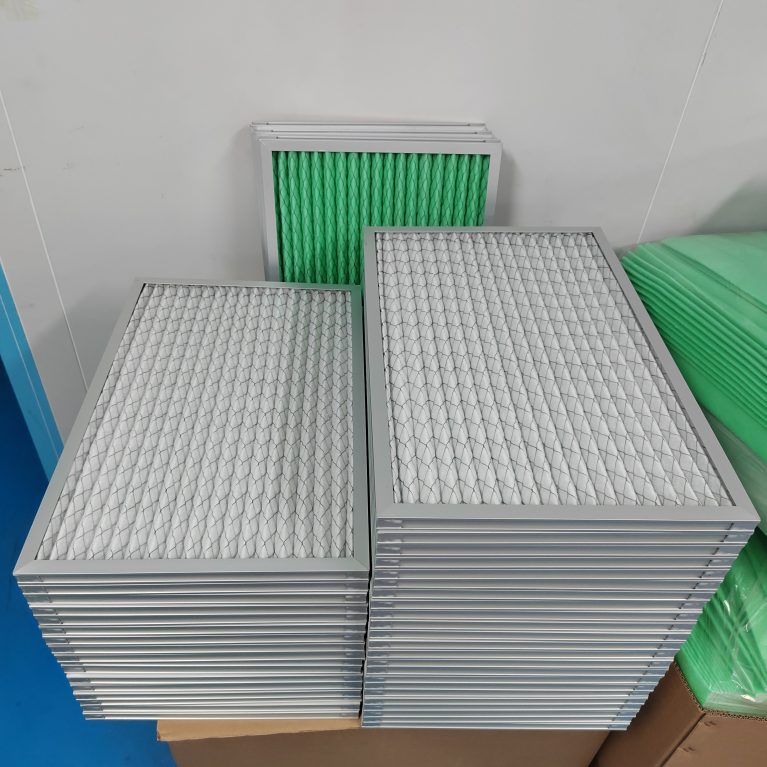
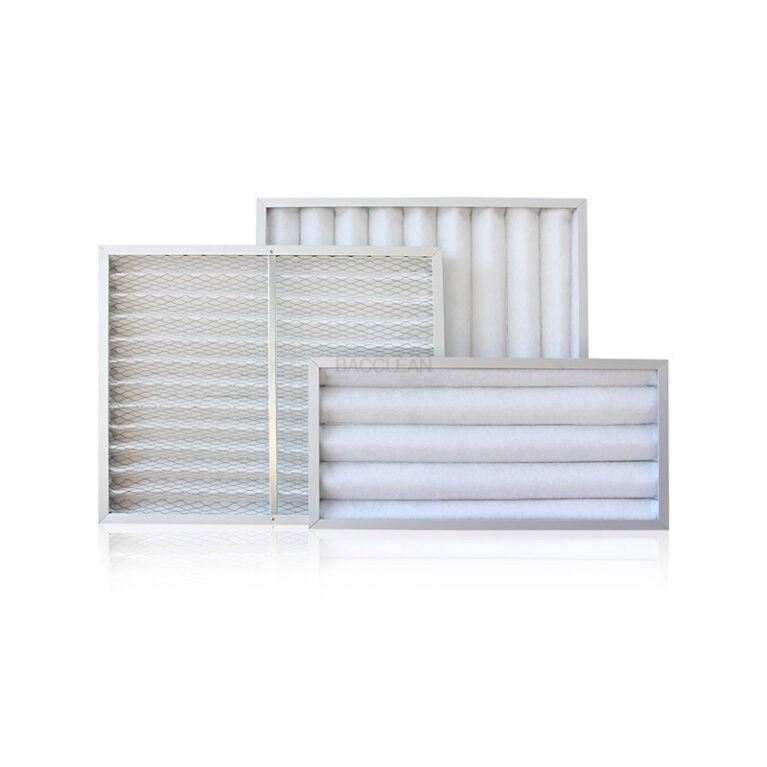
As medium-efficiency filters, they are mainly applied in humid, high airflow and dusty environments, such as in the pharmaceutical and food manufacturing industries. As the front-end filtering part of the filtration equipment, they have a fast filtration speed and a large dust-holding area, which can effectively save energy and extend the service life of the equipment. Therefore, the medium-bag type filters are highly favored by customers. The specific advantages of using Changri air filter manufacturer are explained to you one by one: What are the characteristics of the replacement cycle for medium-efficiency bag filters? Judging whether a replacement is necessary can be done simply by observing the dust accumulation on the surface. Generally, the wind speed of medium-efficiency filters is lower than that of primary filters, and it is difficult to feel the air flow condition by hand. In actual maintenance, people prefer to replace the primary and medium-efficiency filters together, which is not wasteful and also avoids the trouble of frequently entering the air conditioning cabinet. If the air containing dust collected by the air conditioning cabinet is particularly heavy, the primary filter can be replaced to protect the medium-efficiency filter. After all, the cost of the medium-efficiency filter
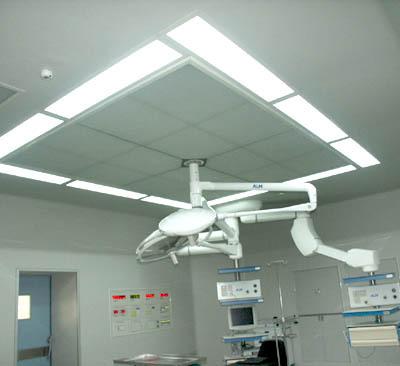
Air supply ceiling ( laminar air supply ceiling ) air supply principle The overall design is static pressure equalization + high-efficiency filtration + unidirectional laminar air supply. The core is to transform the chaotic airflow into uniform and stable unidirectional clean airflow, achieving a local high-clean area. 1. Complete airflow process Air enters the static pressure box The fresh air / recirculating air from the system is sent to the static pressure box of the air supply ceiling. The large cavity slows down the high-speed airflow, stabilizes the pressure, eliminates vortex and uneven wind pressure, and forms a uniform static pressure inside the box. Pre-filtration + medium-efficiency filtration The airflow passes through the primary and medium-efficiency filters first, intercepting large particles of dust, protecting the rear-end high-efficiency filter. High-efficiency filtration The airflow passes through the HEPA/ULPA high-efficiency filter, trapping micrometer and sub-micrometer particles, completing deep air purification. Equalization and rectification The airflow after high-efficiency filtration is further dispersed and homogenized through the equalization plate / orifice plate / equalization membrane, eliminating local wind speed differences and ensuring uniform wind speed across the entire air outlet surface. Unidirectional laminar air supply Finally, the airflow is sent downward at a constant speed
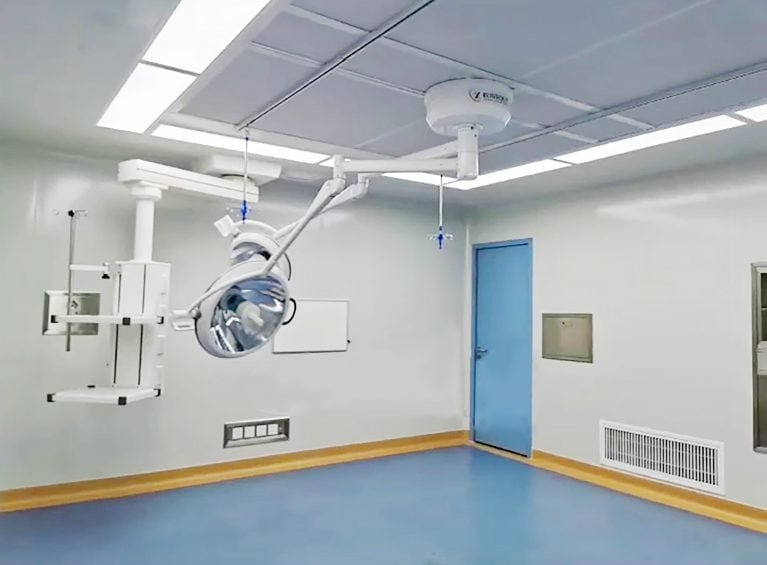
Ceiling Fan Air Supply vs. Ordinary Air Inlets: Principles & Core Differences I. Core Differences in Air Supply Principles 1. Ceiling Fan Air Supply (Laminar Flow Type) Process: Collecting air and stabilizing pressure → Multiple-stage filtration → Rectification and uniform flow → Vertical Unidirectional Laminar Flow The air first enters a large volume static pressure chamber, where the high-speed air slows down and the overall pressure is balanced, completely eliminating turbulence; Then it passes through primary / intermediate / high-efficiency filters for deep purification; Next, it is further rectified by orifice plates and uniform flow membranes, ensuring uniform wind speed across the entire surface; The air flows downward in a low-speed vertical laminar flow (0.30 – 0.45 m/s) in a parallel manner, with no cross-flow or swirling. 2. Ordinary Air Inlets (Blade / Diffuser Inlets) Process: Direct air discharge → Turbulent diffusion There is no independent static pressure chamber. The air flow directly reaches the inlet through the duct, and the distribution of wind pressure and speed is uneven; Mostly equipped with simple filters or no high-efficiency filtration, the purification capacity is weak; The wind direction is changed by blades and diffuser plates, and the air flow presents a chaotic
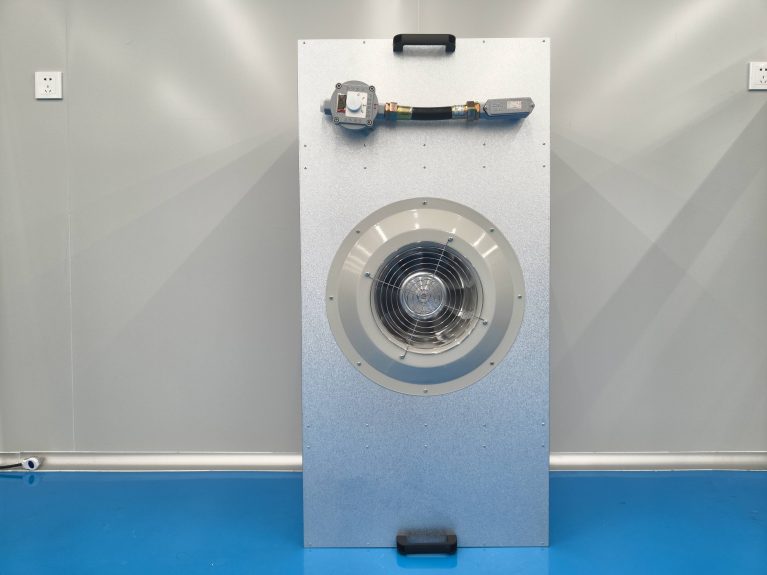
Based on the safety requirements of explosion-proof scenarios and the key points of filter material protection, it is divided into four parts: pre-filtering, daily management, operation maintenance, and environmental management, taking into account both lifespan and explosion-proof safety: 1. Add pre-filtering to reduce load at the source Install primary + secondary filters in the fresh air system of the workshop to intercept large particles, sludge, and oil mist, avoiding direct blockage of the high-efficiency filter. Additional dust-proof screens / pre-filtering nets can be installed at the FFU inlet, which can be cleaned and replaced regularly to significantly reduce the burden on the HEPA. For areas with oil mist and solvent evaporation such as lithium batteries, chemical plants, and cosmetics, pre-treatment devices for oil removal and dehumidification should be provided to prevent oil contamination of the filter material and irreversible blockage. 2. Standardize operating parameters to avoid overload and accelerate aging Run at the designed air velocity, prohibit long-term full-load overclocking. The higher the air velocity, the faster the resistance of the filter material increases and the shorter its lifespan. Ensure smooth airflow of the unit: do not stack materials or block the inlet/outlet, avoid local vortices and dust accumulation. Arrange
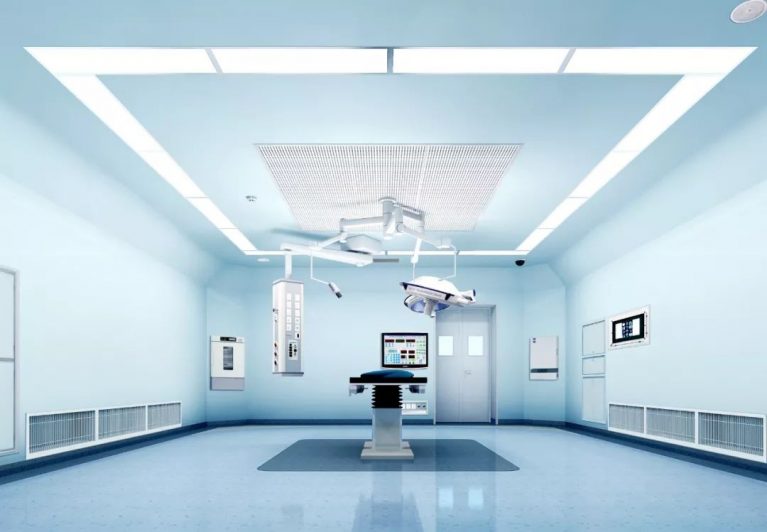
1. Air supply ceiling ( laminar flow air supply ceiling ) Advantages Air quality is excellent: vertical unidirectional laminar flow, without vortices or turbulence, capable of continuously suppressing floating dust and preventing cross-contamination, suitable for clean areas of Class 100/ISO 5 and above standards. Uniform air outflow: large static pressure box + uniform flow structure, consistent air speed across the entire surface, stable temperature, humidity and cleanliness in the area. Strong purification capacity: standard configuration of multiple-level filtration (primary / intermediate / high-efficiency / ULPA), capable of deeply trapping micro-particles, meeting strict requirements of GMP, medical, and semiconductor industries. Good local control and purification effect: can form a local clean core area, allowing for a more relaxed requirement for the overall workshop’s cleanliness, and reducing overall operation and maintenance costs. Disadvantages High cost: Complex structure, numerous components (static pressure box, multi-stage filters, equalizing components), procurement and installation costs are much higher than those of ordinary air vents. High wind resistance and high energy consumption: The multi-stage filters and long air flow path result in high wind resistance, requiring a high static pressure fan to be matched. Long-term operation consumes more electricity. Complex maintenance: Filters, seals, fans, and equalizing components need
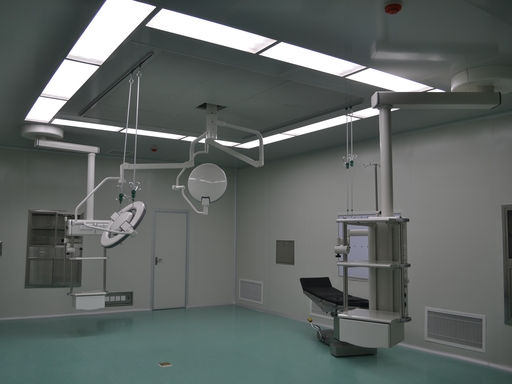
I. Application Scenarios The air supply ceiling ( laminar flow air supply ceiling ) is the core end equipment of a cleanroom. Through efficient filtration and uniform air supply, it achieves a high level of cleanliness and is mainly used for: Medical field: Operating rooms of hospitals at hundreds or thousands of air cleanliness levels, ICUs, stem cell laboratories, and clean wards (in compliance with GB 50333). Pharmaceutical industry: GMP-certified A/B class clean areas, aseptic filling lines, biological laboratories. Electronic semiconductors: Chip manufacturing, and ultra-clean workshops for liquid crystal panels at the 100-level / 1,000-level (ISO 5-7 standards). Other: Places with high requirements for air cleanliness such as precision manufacturing, food processing, and sterile animal housing. II. Maintenance and Care 1. Daily Maintenance (Weekly / Monthly) Surface Cleaning: Use a dust-free cloth dipped in 75% ethanol or neutral cleaner to wipe the panels, use a soft brush to clean the accumulated dust on the orifice plates, and avoid corrosive solvents. Sealing Inspection: Check if there is air leakage between the static pressure box and the ceiling, and the filter frame. Use silicone sealant to repair the gaps. Operation Monitoring: Record the current of the fan motor, the reading of
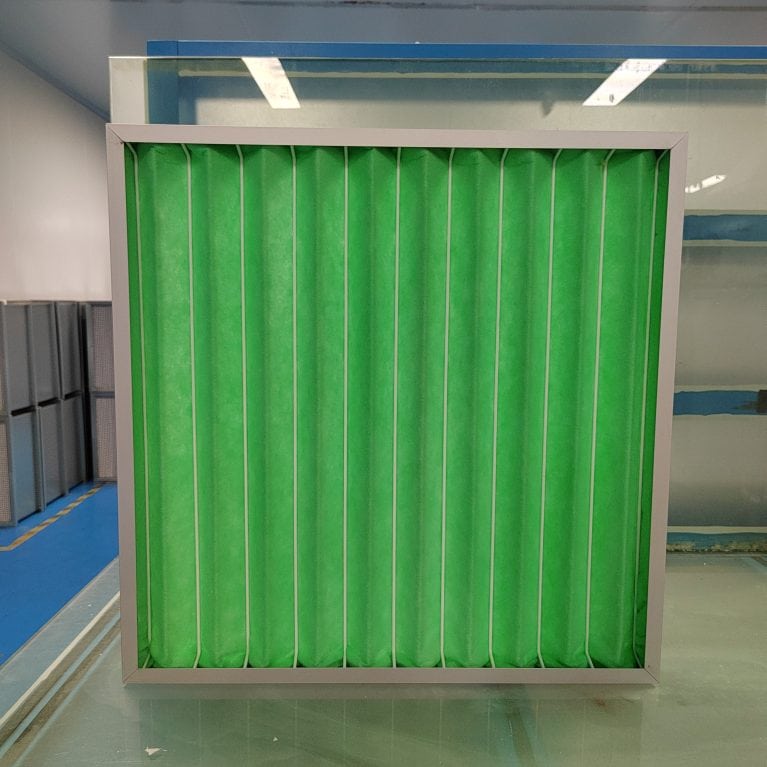
Core idea: Secure the front-end interception, standardize operation and maintenance, optimize the airflow, and maximize the reduction of dust and debris entering the system, thereby extending its lifespan. The following are the implementation methods, organized by dimensions, and can be directly written into the operation procedures. 1. Hierarchical control, with regular replacement/cleaning (the core) Strictly follow the replacement cycle Primary efficiency (G4): 3-6 months for the flow area / dust-producing area, 6-12 months for the regular area; Intermediate efficiency (F8): 8-12 months for high-load areas, 1-2 years for regular areas. Never replace until the dust becomes severely blackened or the pressure difference exceeds the limit. Preceding blocking will directly increase the load on the high-efficiency system. Regular dust cleaning for primary efficiency Use a low-pressure air gun (pressure ≤ 0.2 MPa) from the back to the windward side to blow off floating dust every week, which can extend the service life by 1-2 months; Intermediate and high-efficiency filters are prohibited from being blown. Batch standby and timely replacement Keep the same specification filter cores in stock, and replace immediately if the resistance increases, local damage, or mold is detected, to avoid running with faults. 2. Installation and structural optimization to
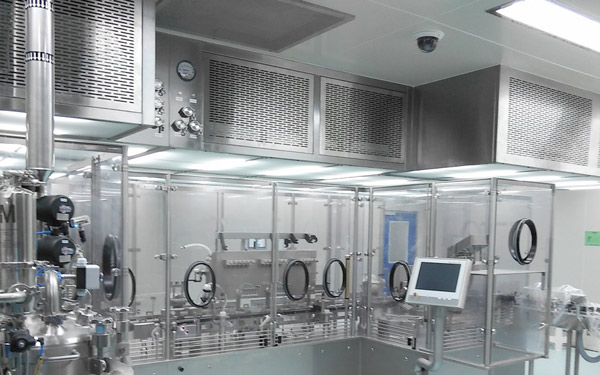
Based on industry standards and on-site practical operations, it is categorized into three types: priority determination criteria, auxiliary phenomena, and compliance testing, and ranked by priority. It can be directly used in the operation SOP. 1. Core determination (the most accurate, preferred) Excessive pressure difference (main basis) Record the initial pressure difference of the filter. When the operating pressure difference reaches twice the initial value, replace immediately. No pressure difference meter: Combine wind volume and wind speed for comprehensive judgment. Insufficient working face wind speed Standard wind speed: 0.36 – 0.54 m/s. If the measured wind speed is consistently low and the airflow is soft, and the problems of fan and return air blockage have been ruled out, it indicates that the filter material is severely dusty. 2. On-site intuitive phenomena (visual inspection with eyes or body sensation during daily inspection) Inconsistent air flow: Local lack of air, deviated airflow, local blockage of the filter material. Surface blackening / dust accumulation: The windward side of the filter material is obviously blackened and dusty, and cannot be wiped off. Abnormal noise: The fan noise increases and the vibration intensifies (excessive resistance, overload of the fan). Airflow carrying dust: When the lights
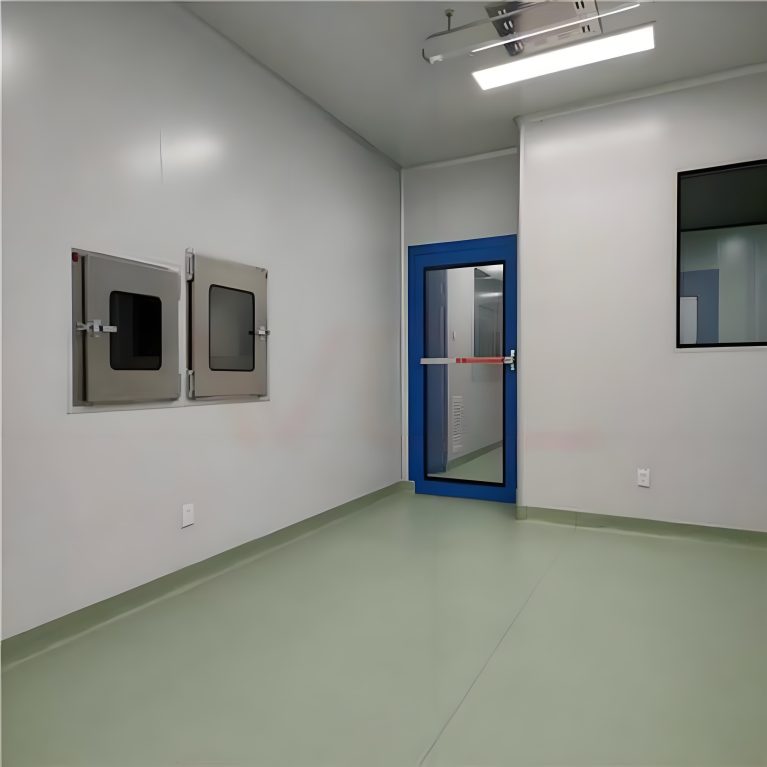
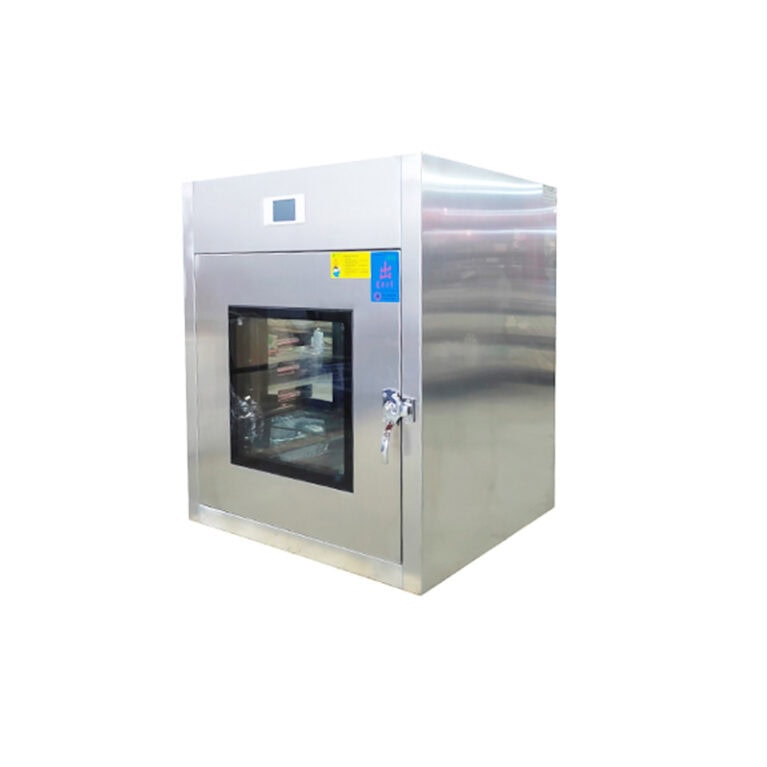
By considering dimensions such as usage scenarios, sterilization methods, parameters, and configurations, we will guide you step by step in selecting the appropriate equipment, taking into account compliance, cost, and usage requirements. 1. First, clearly define the core usage requirements (the first step in selection) 1. Differentiate between cleanliness levels and pressure differences between zones General clean area (D class / general clean room): Only prevent air convection and simple dust removal, prioritize ordinary air shower transfer windows / mechanical interlocked transfer windows. Sterile area, biological laboratory, B/A class high cleanliness area, GMP sterile workshop: There is a risk of microbial and spore contamination, therefore, VHP sterilization transfer windows must be selected. Biological safety laboratory: Additional requirement for negative pressure, to prevent harmful gases / aerosols from leaking out. 2. Clearly define the characteristics of the transferred materials Material size / weight: Reserve 100-150mm margin based on the maximum external size of the material to determine the net size of the chamber; heavy materials can choose models with wheels / load-bearing tabletops. Material material Plastic, electronic components, paper, rubber, etc. heat-sensitive materials: Prohibit high temperatures and ethylene oxide, prioritize VHP type. Metal, glass, etc. radiation-resistant materials: Consider ultraviolet type. Copper,