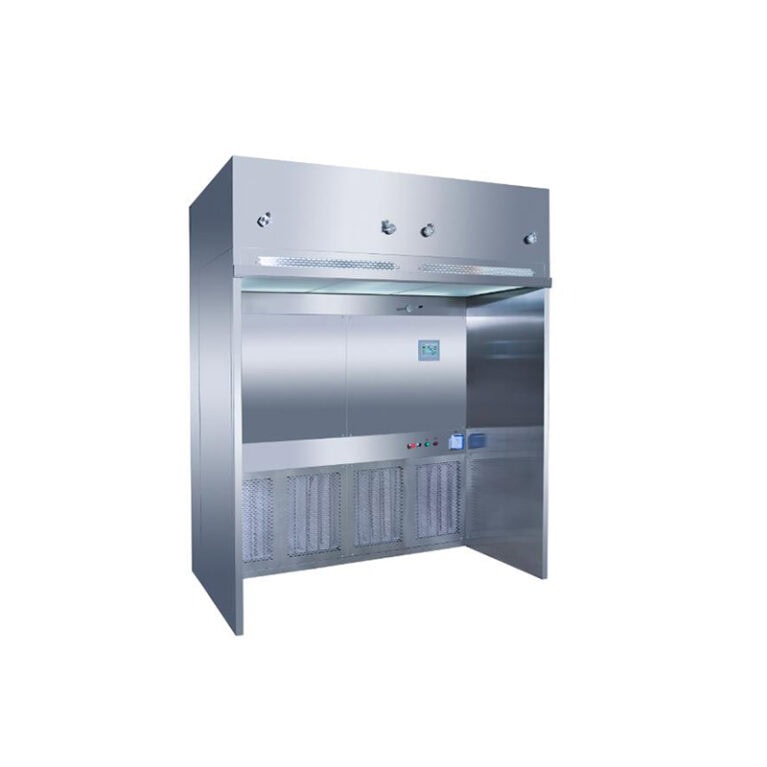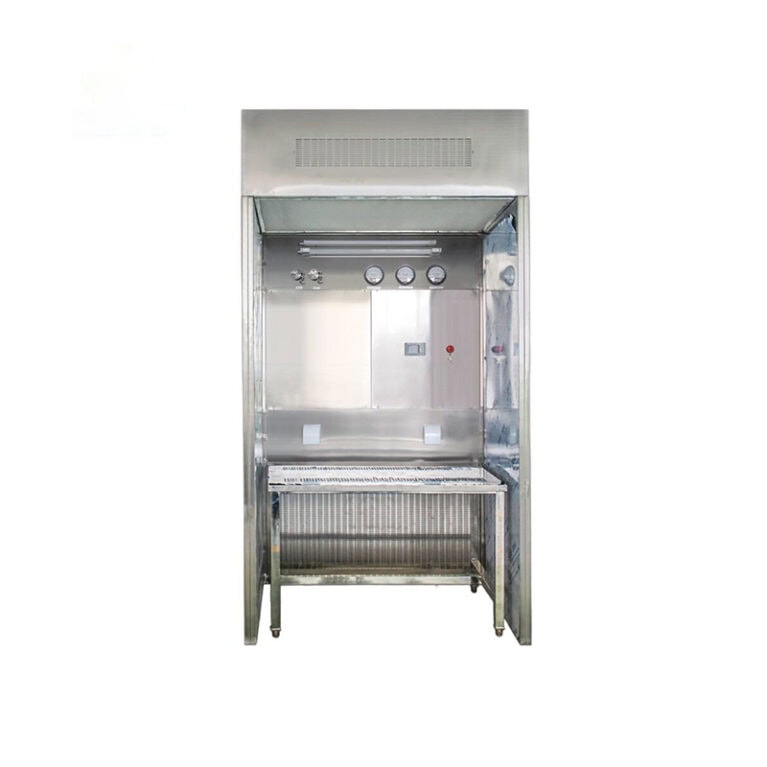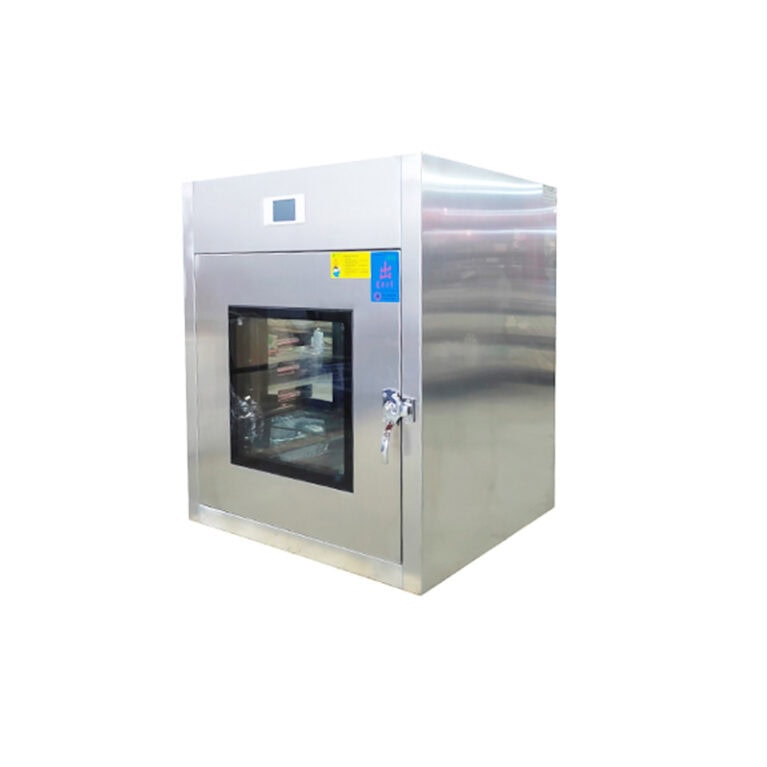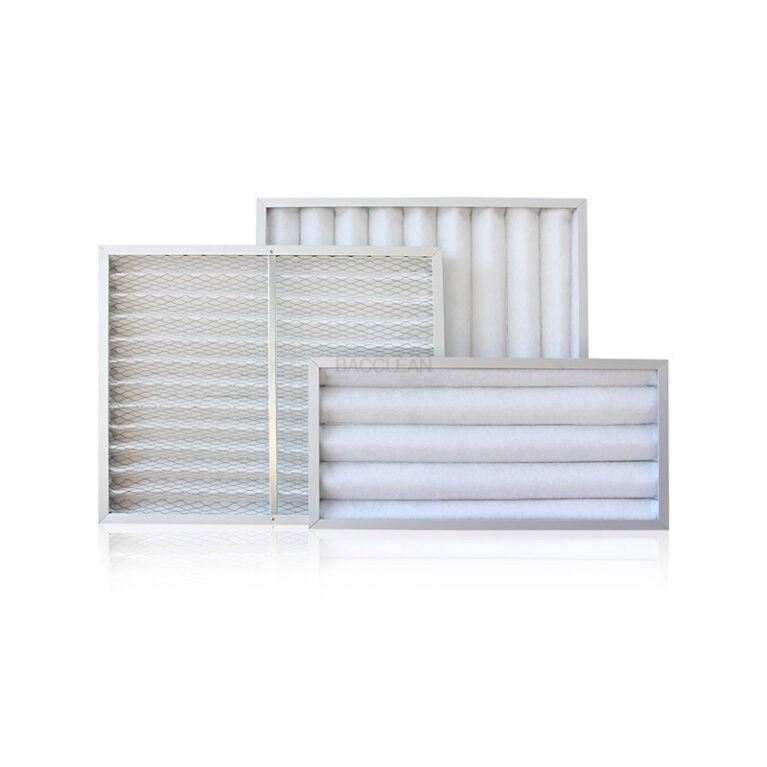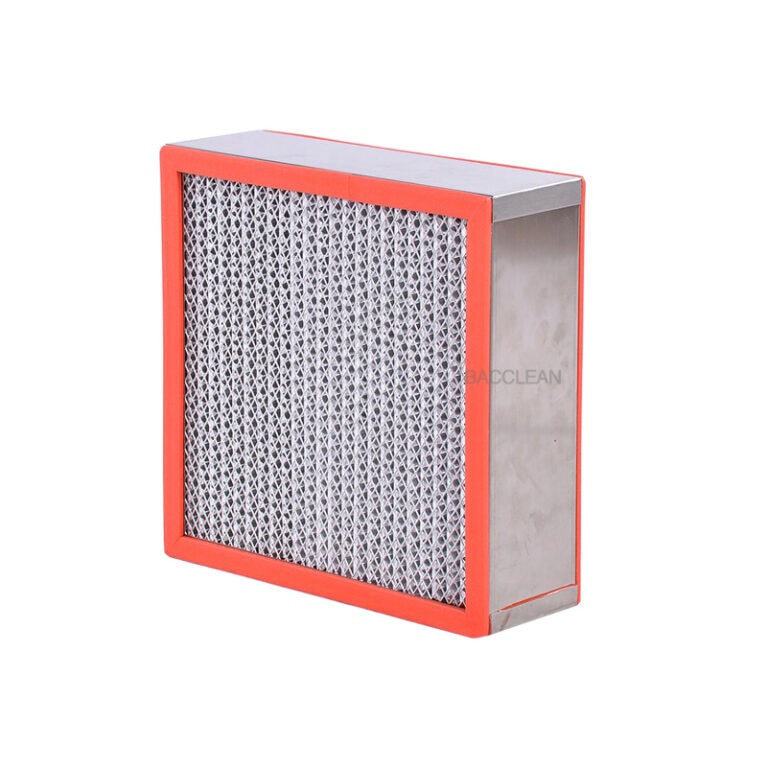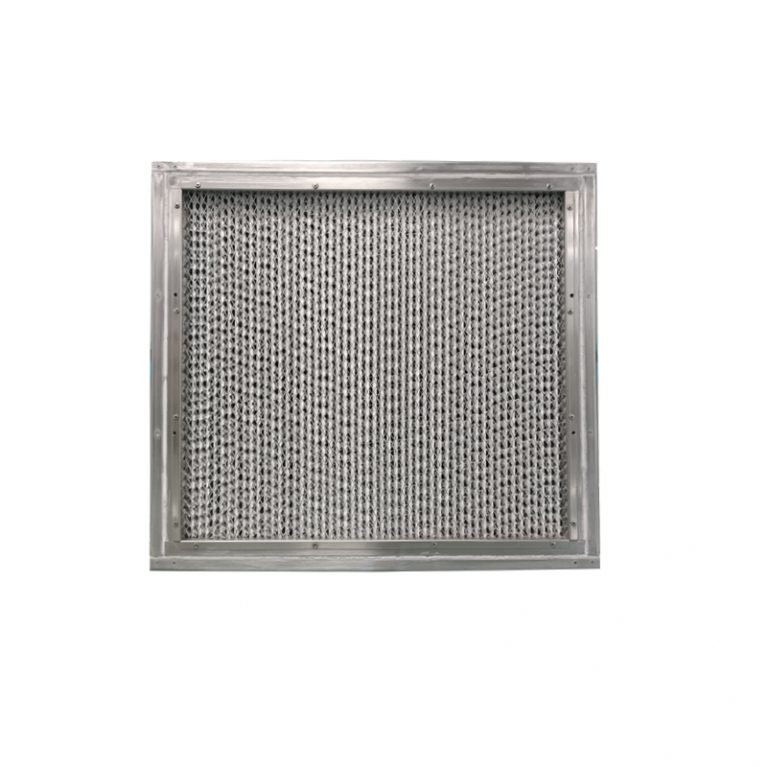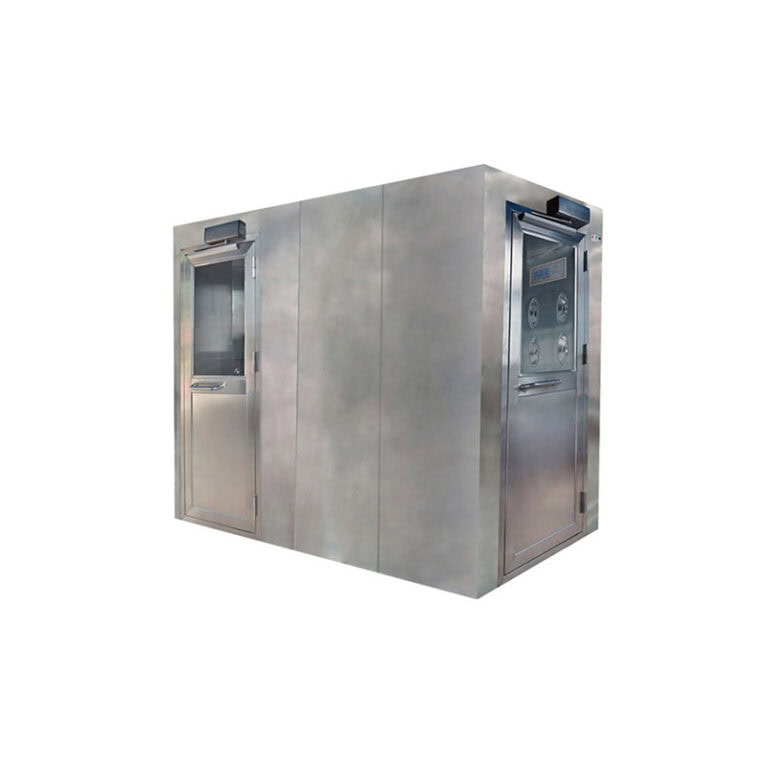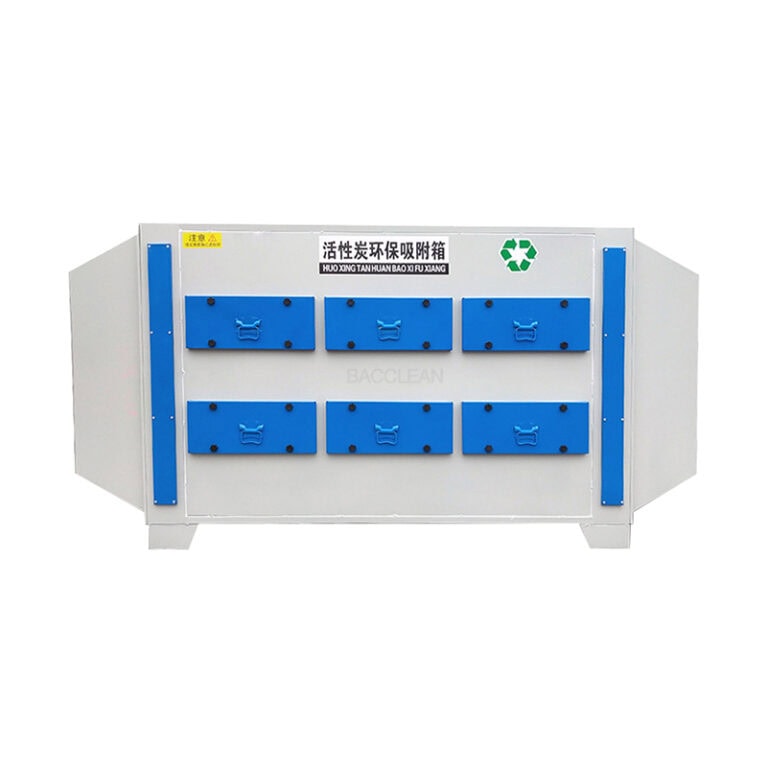

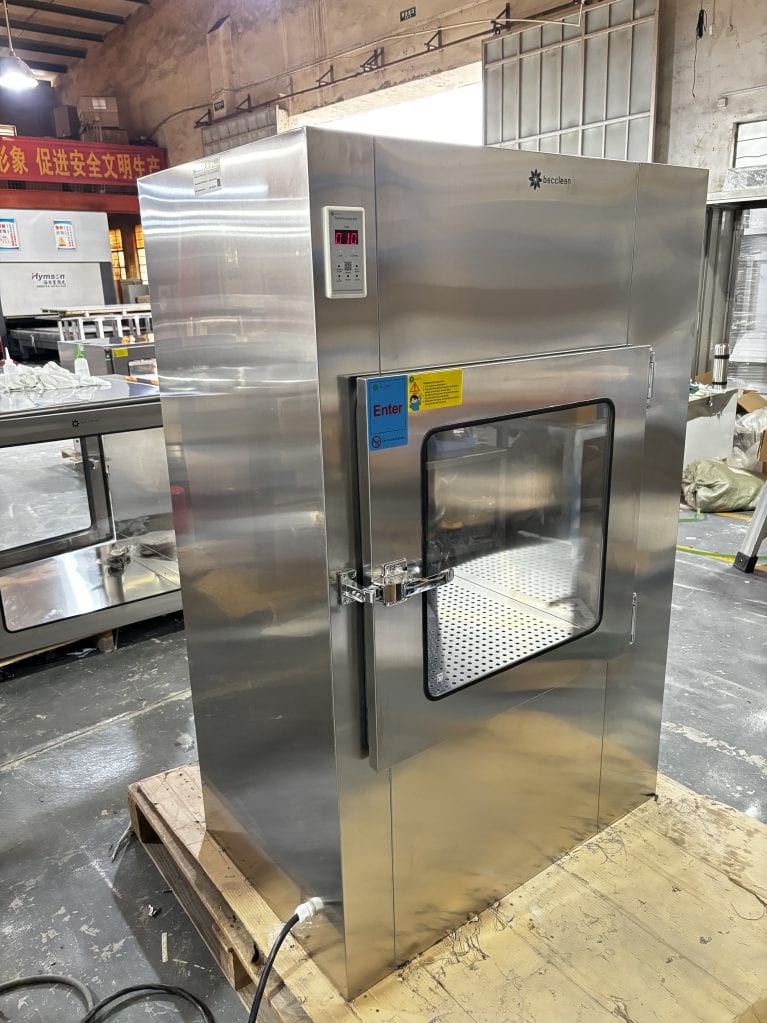
The differential pressure reading of the wind shower transfer window is unstable. The essence of this problem is caused by fluctuations in the pressure sampling signal, chaotic airflow, or faults in the instrument itself. Following the “from easy to difficult, from external to internal” approach, it can be classified into four major types of causes, each with corresponding typical manifestations and handling methods. 1. Problems with the differential pressure gauge and the pressure guide pipe (the easiest to troubleshoot, prioritize inspection) This type of problem directly affects pressure collection, and is a common cause of fluctuating and erratic readings. Leaking, loosening, or detachment of the pressure guide pipe Seams in the pressure guide pipe joints or pipelines allow outside air to enter, causing the sampling pressure to fluctuate up and down, and the pointer to swing back and forth. Solution: Check the positive and negative pressure ends of the joints, re-tighten them; replace the damaged pipelines to ensure a sealed pipeline. Blockage, bending, or water accumulation in the pressure guide pipe Dust or oil contamination blocking the pipeline, or bent pipelines with condensate water, causing pressure transmission to be obstructed and discontinuous, and the pointer to fluctuate irregularly. Solution: Use
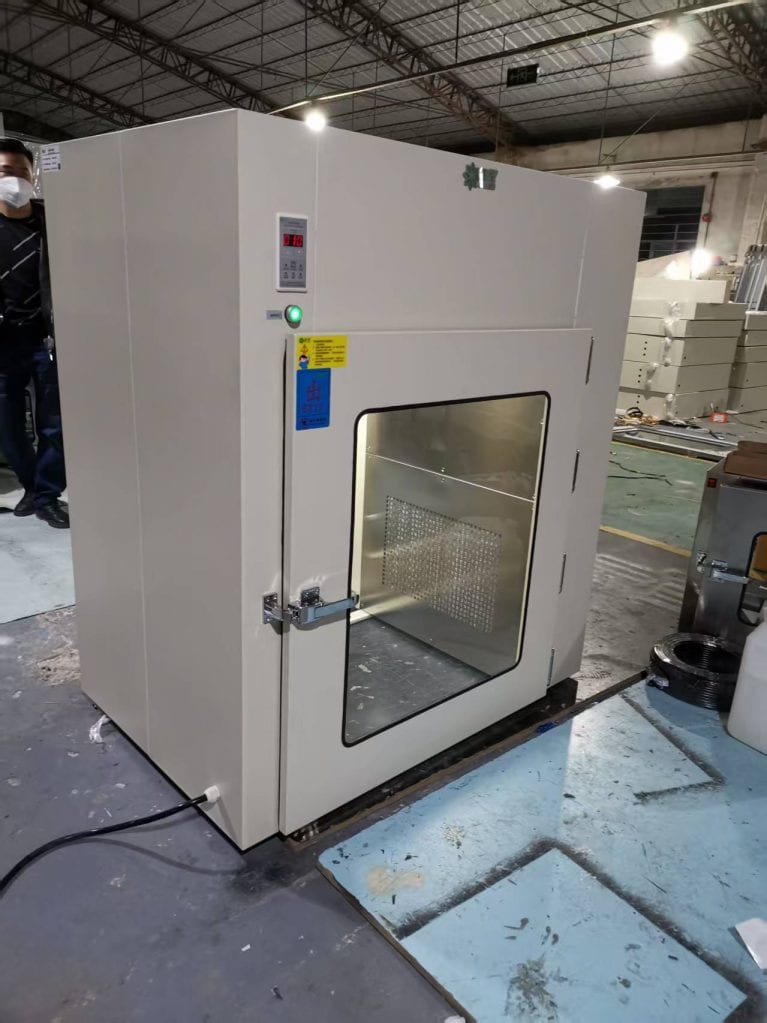
The differential pressure gauge reading of the air shower transfer window is unstable. The step-by-step solution approach is as follows: The core principle for solving the problem is to start from the easy to the difficult, from the outside to the inside, first eliminate operational and instrument issues, and then handle equipment hardware faults. Each step can be operated independently, and after completion, retest the differential pressure to ensure the reading is stable. 1. Step 1: Reset the standard working condition and eliminate invalid readings Many reading fluctuations are caused by non-compliant working conditions, not equipment failures. Complete the following operations before making a judgment: Fully close the doors on both sides of the air shower transfer window, confirm that the door bodies are fully latched and the sealing strips are in close contact, with no gaps. Remove all items from the transfer window to ensure that the nozzles and return air channels are not obstructed, avoiding air flow disorder. First clean / inspect the primary filter, remove surface dust, if it is severely clogged, directly replace it. Connect the power supply, start the air shower function, and run stably for 3 to 5 minutes. Wait until the fan speed
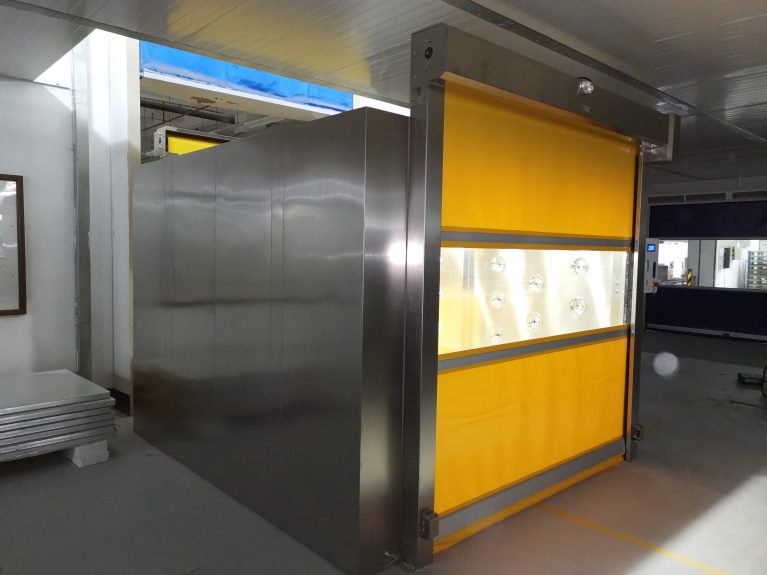
The ISO 5 level rapid rolling-type air shower room is applicable in the scenarios of the biopharmaceutical industry. The ISO 5 level corresponds to the US Federal 209E 100 level, which is the mandatory clean level for the core production process of biopharmaceuticals. It requires strict compliance with GMP regulations to control particle and microbial contamination. The rapid rolling-type air shower room, with its large opening, high opening and closing speed, and the ability to accommodate pallets / large-sized goods, as well as strong sealing partitions, has solved the problem of efficient and clean transportation of large quantities and large-sized materials in the biopharmaceutical industry. Its applicable scenarios cover the entire logistics chain of biopharmaceutical production, research and development, storage, and waste disposal, as follows: 1. Core sterile workshop raw materials and packaging material input scenario This is the most core application scenario of this type of air shower room, responsible for purifying the production front-end materials and sending them into the ISO 5 level sterile core area, eliminating pollution at the source. Sterile raw materials batch transportation Applicable to injection raw materials, sterile auxiliary materials (such as mannitol, glucose, medicinal ethanol), biopharmaceutical culture media, adjuvants, plasmids, etc., in the
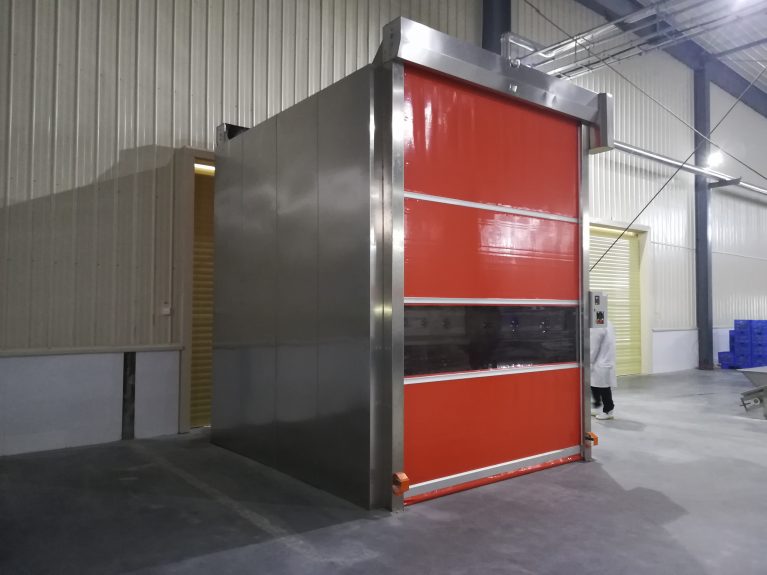
ISO 5 level (formerly Class 100) belongs to an extremely high level of cleanliness. It has extremely strict control over the concentration of particles in the air with a size of ≥ 0.5 μm. It is suitable for high-precision fields that have zero tolerance for dust and microbial contamination. When combined with a rapid rolling-type air shower room, it can not only meet the extremely high cleanliness requirements but also adapt to the frequent and rapid turnover of goods. The core application industries and specific scenarios are as follows: 1. Semiconductor and microelectronics industry (the most typical field with ISO 5-level cleanliness requirements) This industry is the most typical field with ISO 5-level cleanliness requirements. Even tiny particles can cause the failure of chips and wafers. High-cleanliness air shower rooms must be used to achieve dust removal and clean isolation of materials. Core scenarios: Core process areas such as lithography, etching, film deposition, and ion implantation in wafer manufacturing plants, used for transporting wafer boxes, photomask plates, high-purity chemical reagents, and precision manufacturing components; Clean areas for packaging and testing of high-end chips and storage chips, transporting chip products, packaging substrates, and precision testing fixtures; Core process areas for the
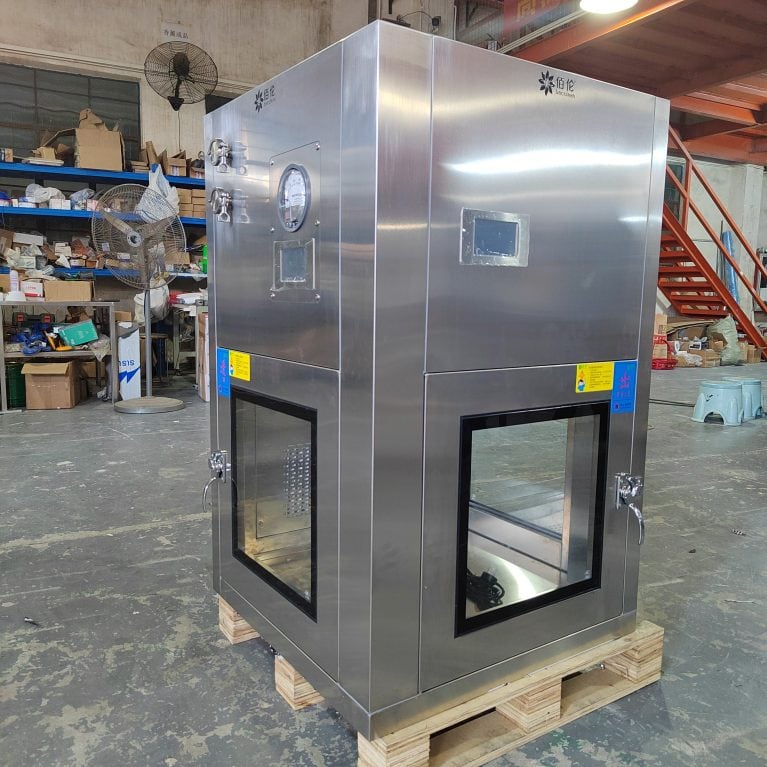
DOP/PAO High-Efficiency Leak Detection Core Criteria (National Standard + Industry Practical Version) The DOP high-efficiency leak detection criteria are fully applicable to mainstream PAO leak detection (medium substitution, with consistent detection rules), and the core basis is the national standard GB/T 13554-2023 “High-Efficiency Air Filters”, ISO 14644-3 “Cleanroom Testing Methods”, and the mandatory requirements of the pharmaceutical/electronic industry GMP. The detection is divided into pre-calibration standards, core detection limits (by method/filter type/detection location), on-site practical detection rules, and for small clean equipment such as DOP laminar transfer windows, special detection requirements for local sealing detection need to be adapted. All detections are based on real-time detection data from portable leak detectors/particle counters, without manual subjective determination. Core Premise: Leak Detection Pre-Background Value Calibration Determination (If not met, the detection result is invalid) Before formal leak detection, the downstream background concentration of the filter must be tested to ensure that background interference is excluded. The qualification standard for calibration is as follows: Photometer method: Downstream background aerosol concentration ≤ 0.001 μg/m³, and ≤ 0.001% of the upstream proposed dust concentration; Particle counter method: Downstream 0.3 μm particle background concentration ≤ 0.1 particles/L (100-level cleanroom) / ≤ 1 particle/L (1000-level / 100,000-level).
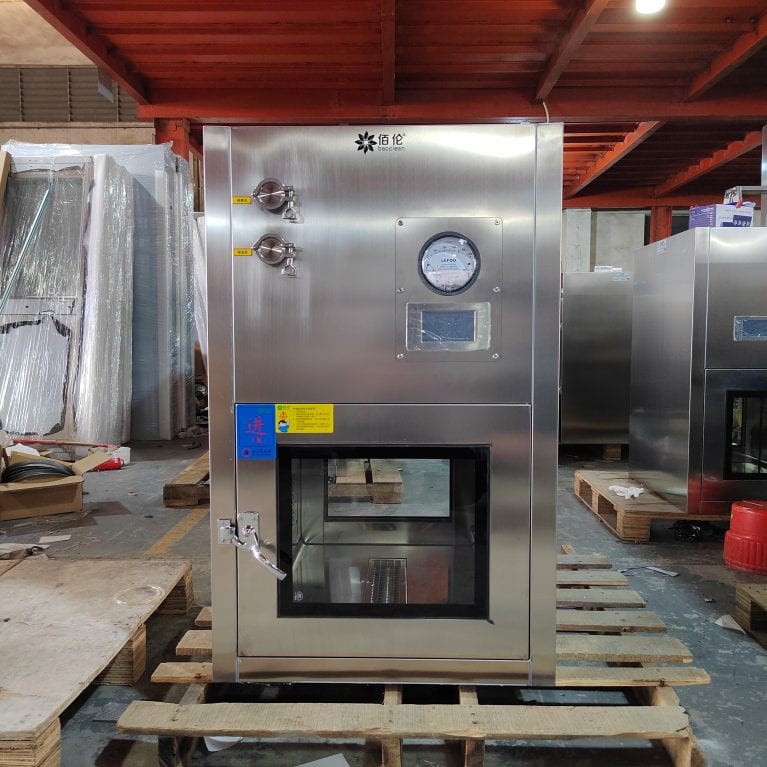
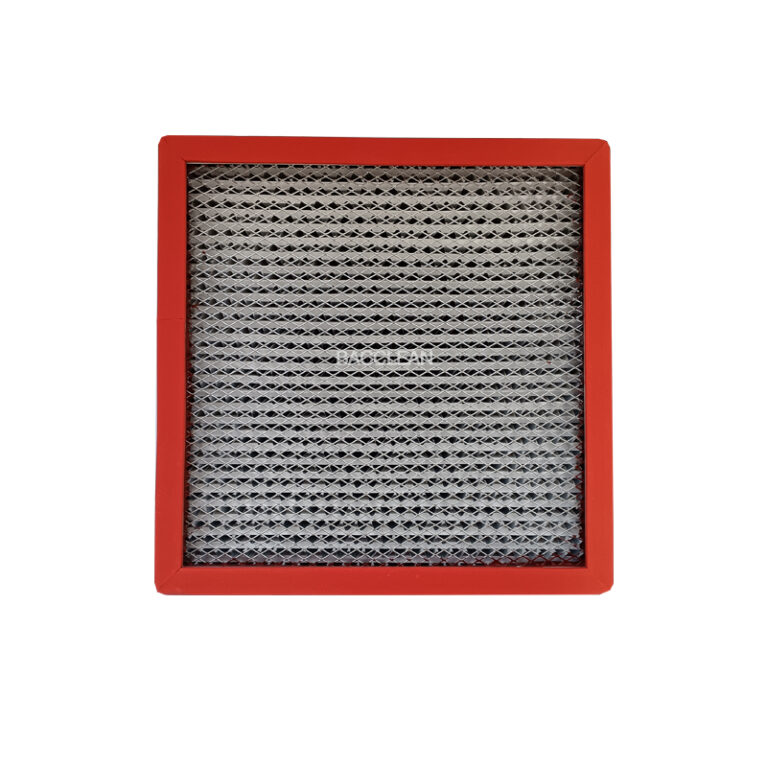
The core principle of DOP efficient leak detection (including the general logic for PAO leak detection) DOP efficient leak detection is a classic method for verifying the integrity of high-efficiency air filters (HEPA/ULPA). The core is used to verify whether there is leakage at the filter material and sealing points (with the frame and installation surface), which is the core means for the installation and replacement of high-efficiency filters and regular verification in clean rooms (including DOP laminar transfer windows, clean benches, and air showers). Due to environmental protection requirements, currently, PAO (poly α-olefin) is commonly used to replace DOP (di-tert-butyl phthalate), and both have the same leak detection principle, only the dusting medium is different. The industry often collectively refers to it as “DOP/PAO leak detection”. The core principle of this method is based on the most easily penetrated particle size (MPPS) of the high-efficiency filter: by artificially generating a uniform 0.3μm particle size DOP/PAO aerosol, sending it upstream of the high-efficiency filter and forming a stable concentration, then precisely sampling and detecting the aerosol concentration downstream of the filter. By calculating the “upstream-downstream concentration ratio (penetration rate)”, it determines whether the filter is leaking – if the filter
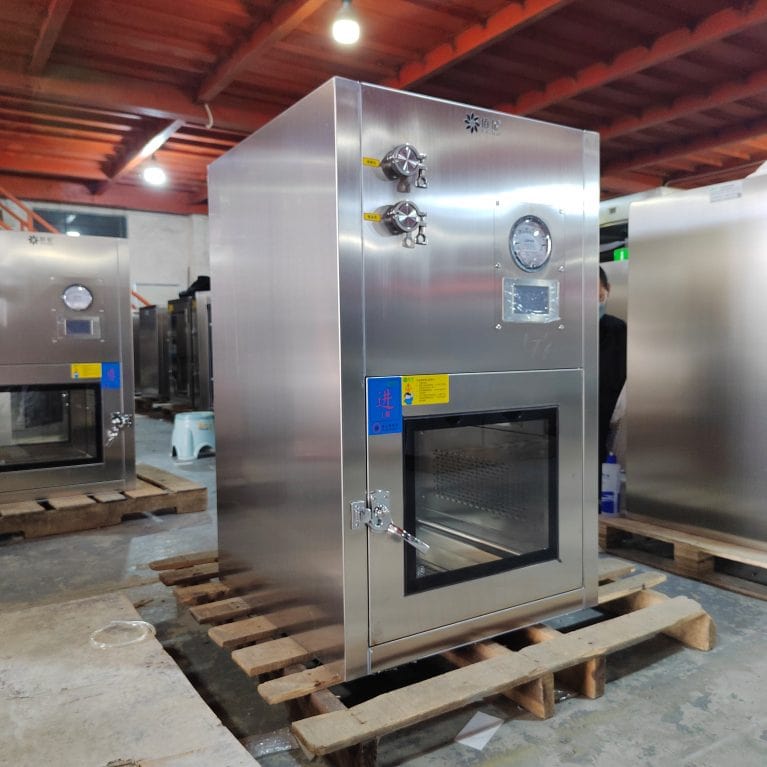
The daily cleaning of the DOP laminar flow transfer window should be carried out in separate areas and for individual components. It is necessary to ensure that the cleanliness meets the usage requirements while avoiding damage to the equipment components during the cleaning process. The following are the detailed cleaning standards and procedures: Clean area / component Frequency of cleaning Applicable Scenario Explanation Inner wall, transmission platform, observation window After each use After completing the item transfer and closing the double doors, immediately clean the area to prevent the growth of residual contaminants. Sealing strip Once a day The sealing strip is prone to accumulate dust and oil stains, which directly affects the sealing performance. Frequent cleaning is required. Primary filter Once or twice a week Regular cleanroom environment; for high dust environments, it should be increased to once every 2-3 days Primary filter Once or twice a week Regular cleanroom environment; for high dust environments, it should be increased to once every 2-3 days Pressure differential gauge, control panel, door handle Once a day Prevent dust accumulation from affecting the accuracy of the instruments and the operation feel.Fan inlet grille Fan inlet grille Once a week Prevent dust accumulation
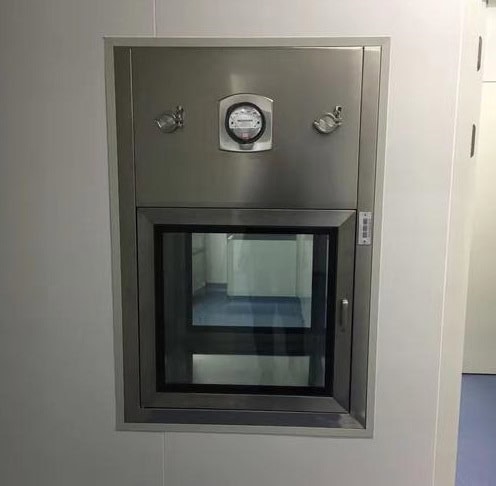
To extend the service life of the DOP laminar transfer window, a systematic maintenance system needs to be established from six dimensions: standard operation, daily cleaning, regular maintenance, management of core components, environmental control, and emergency response to faults. The following is the specific implementation guide: 1. Standard operation: The foundation for a long service life Strictly implement double-door interlock Ensure that neither the inner nor the outer doors can be opened simultaneously. After each operation, confirm that the doors are fully closed and locked Do not forcefully open or close the doors or hit the door frame with hard objects to prevent damage to the lock and sealing strips Immediately stop using the window if the interlock fails, hang a “Under Maintenance” warning sign, and contact professionals for handling Standardized item transfer Do not place items that are too heavy, sharp, hot, or corrosive, to avoid scratching the inner wall or damaging the transfer table Place items centrally to reduce contact with the inner wall and prevent blocking the laminar airflow Close the fan and ultraviolet lamp promptly after transfer to avoid unnecessary energy consumption and component wear DOP detection operation standards Strictly control the aerosol concentration and pressure
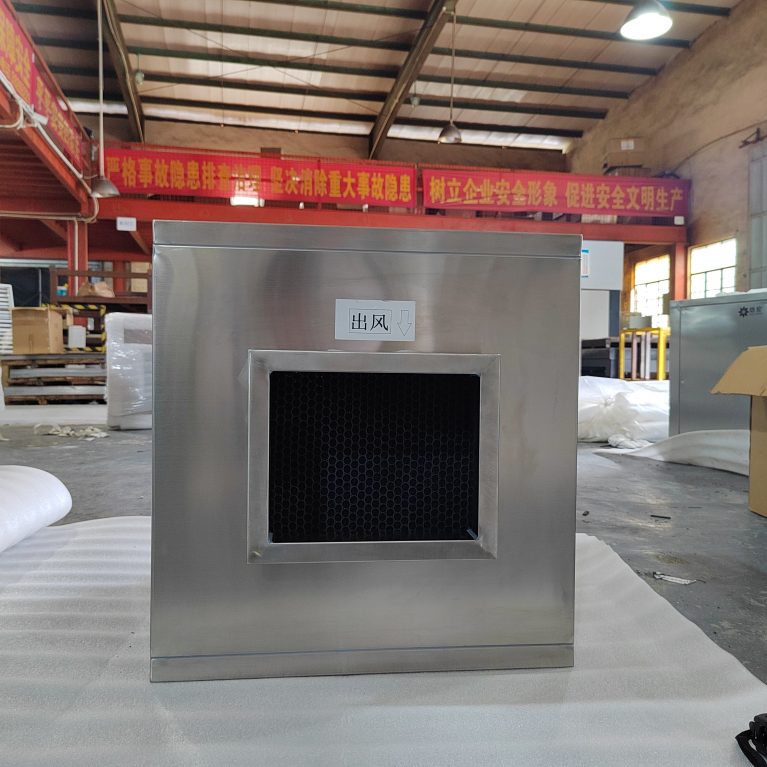
Guide for Daily Maintenance of Activated Carbon Adsorption Cabinet The activated carbon adsorption cabinet is a core equipment for treating VOCs (volatile organic compounds) and odors in waste gas. The core objective of daily maintenance is to ensure adsorption efficiency, extend the service life of activated carbon, and avoid safety hazards. The specific maintenance process can be divided into four modules: daily inspection, regular maintenance, consumable replacement, and fault prevention. It can be directly used for equipment management practice. 1. Daily Inspection (Must be done daily) Operation status check Confirm that the fan starts and stops normally, and there is no abnormal noise or vibration during operation. If there is noise or excessive vibration, immediately stop the machine to investigate (it is likely that the fan bearing is lacking oil or the impeller is clogged with dust). Check whether the opening and closing of the inlet and outlet valves of the equipment comply with the process requirements, and ensure that the waste gas passage is unobstructed. Check the indicator lights and instrument data (such as pressure difference, temperature) of the control cabinet to see if they are within the normal range. The normal value of the inlet and outlet pressure
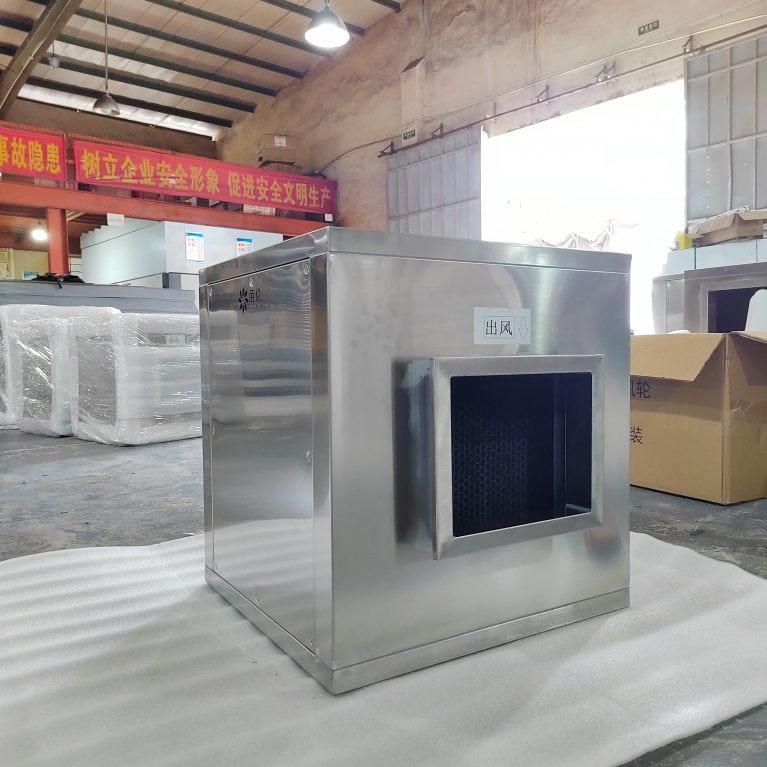
The regular maintenance of the activated carbon adsorption cabinet should be carried out according to three fixed cycles: weekly, monthly, and quarterly. The replacement of the core consumable material – activated carbon – is based on an as-needed schedule (determined by combining the working conditions and detection data). The specific divisions are as follows: Weekly maintenance Mainly clean the exterior of the cabinet and clear the filter screen at the fan inlet. Wipe the dust and oil stains on the cabinet surface to prevent dust from entering the adsorption layer and affecting the adsorption efficiency. Monthly maintenance Open the maintenance door to inspect the interior. Check if the activated carbon layer is flat, whether there is any clumping, collapse or local voids. If there are any abnormalities, add the same specification of activated carbon in time. Quarterly maintenance First, test the performance of the equipment using a VOC detector to measure the concentration of the exhaust gas at the outlet, to determine if the activated carbon is approaching saturation. Second, maintain the components by adding lubricating oil to the fan bearings, adjusting the tension of the belt, calibrating the temperature sensor and differential pressure gauge. Third, check the equipment’s sealing
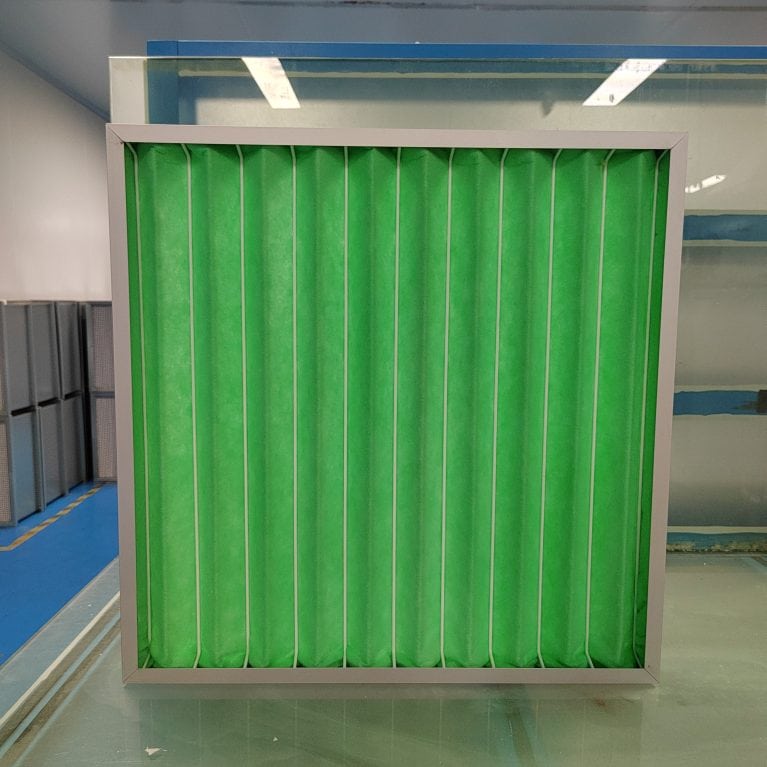
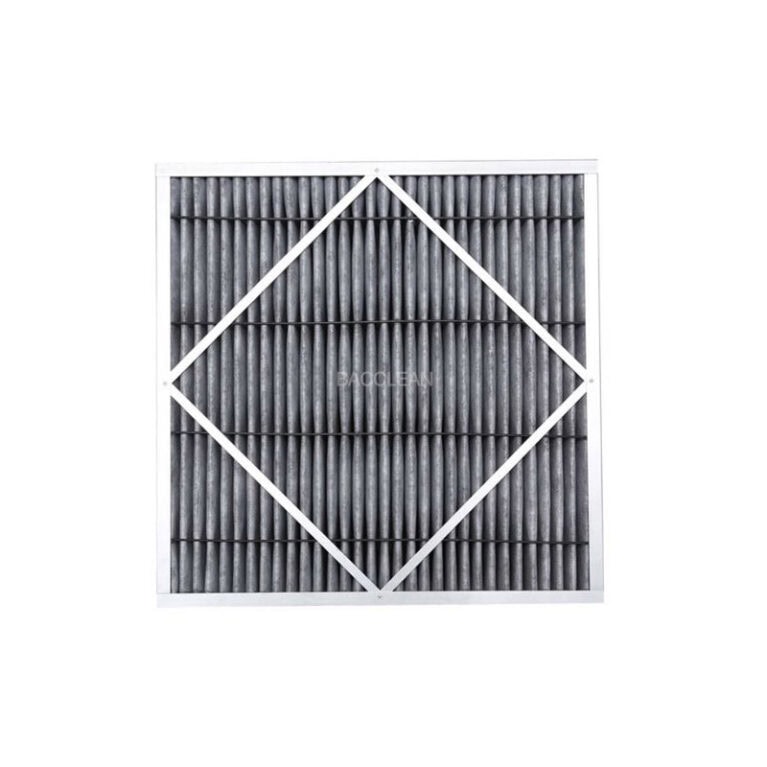
The applicable scenarios for the washable air filter with a mother-child frame are mainly centered around the requirements of medium-low pollution levels, frequent maintenance, and cost-effective reuse. Combining its characteristics of detachable cleaning and stable support of the mother-child frame, they can be classified into the following categories: 1. Household scenarios (core applicable scenarios) – Ordinary residential spaces: Suitable for living areas such as living rooms, bedrooms, and study rooms, and can be used in conjunction with wall-mounted air conditioners, cabinet-type air conditioners, and household fresh air systems. It can intercept common impurities such as dust, hair, and fluff, and the reusable cleaning can reduce the cost of household consumables. Especially suitable for families with elderly or children (reducing the hassle of frequent filter replacement). – Kitchen peripheral areas: Can be used in adjacent areas of the kitchen such as dining rooms and corridors. It can intercept small amounts of cooking-generated smoke particles and dust. Since the filter material can be washed, it can promptly remove oil residue and avoid filter blockage and odor (note: not suitable for direct use in high-smoke kitchen environments). – Old houses / rental property renovations: Suitable for old air conditioners and simple ventilation equipment.
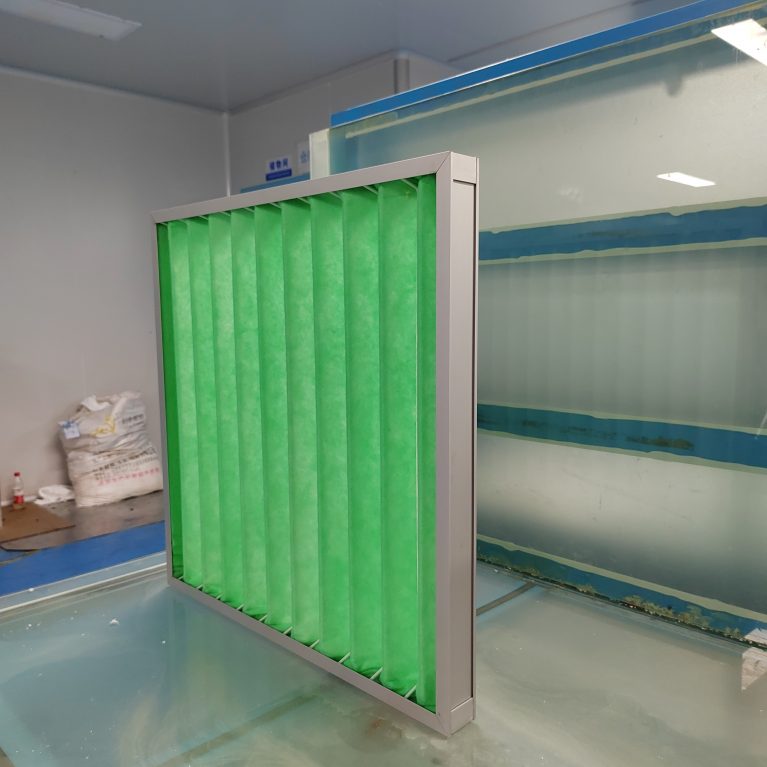
I. Precautions Before Cleaning 1. Power off and stop the machine, safety first: Before cleaning, make sure to turn off the power supply of the corresponding air conditioner, fresh air system or ventilation equipment. Wait until the equipment has completely stopped running before proceeding. Avoid accidental startup of the equipment during the cleaning process, which could lead to personal injury or equipment failure. 2. Standard disassembly, protecting the structure: Follow the equipment manual to disassemble the sub-frame and filter assembly. First, remove the sub-frame along with the filter material from the main frame. During the disassembly process, handle with care and avoid forcefully pulling, colliding, to prevent deformation of the sub-frame structure and damage to the snap fasteners. Also, avoid premature damage to the filter material. 3. Check the condition and distinguish the situations: After disassembly, first check the filter material and the sub-frame. If the filter material shows obvious damage, fiber detachment, aging and hardening, or if the sub-frame framework is cracked or the sealing parts are damaged, there is no need for cleaning; directly replace the corresponding components. If the condition is good, proceed with the cleaning operation. II. Precautions during the cleaning process 1. Choose the right