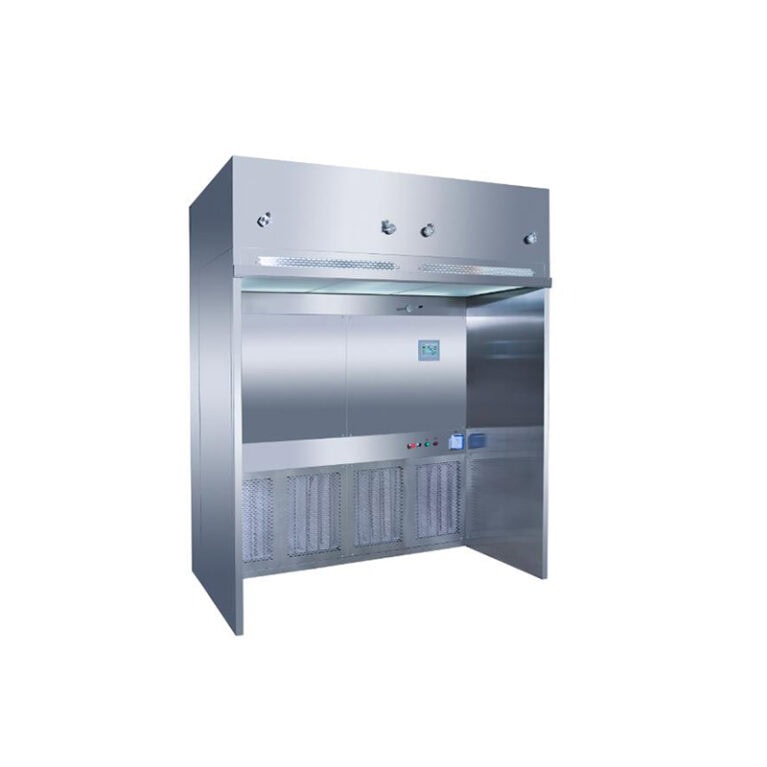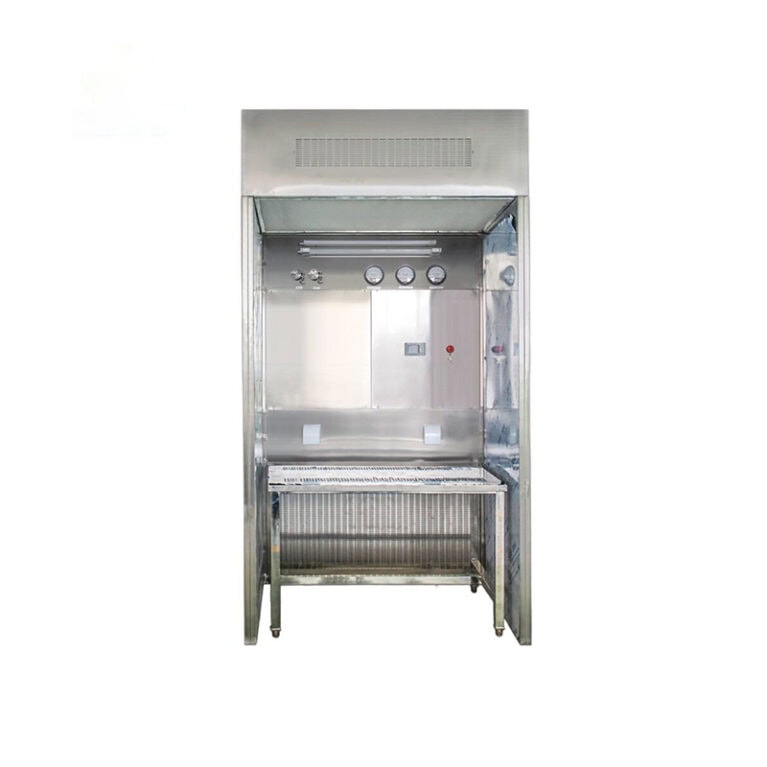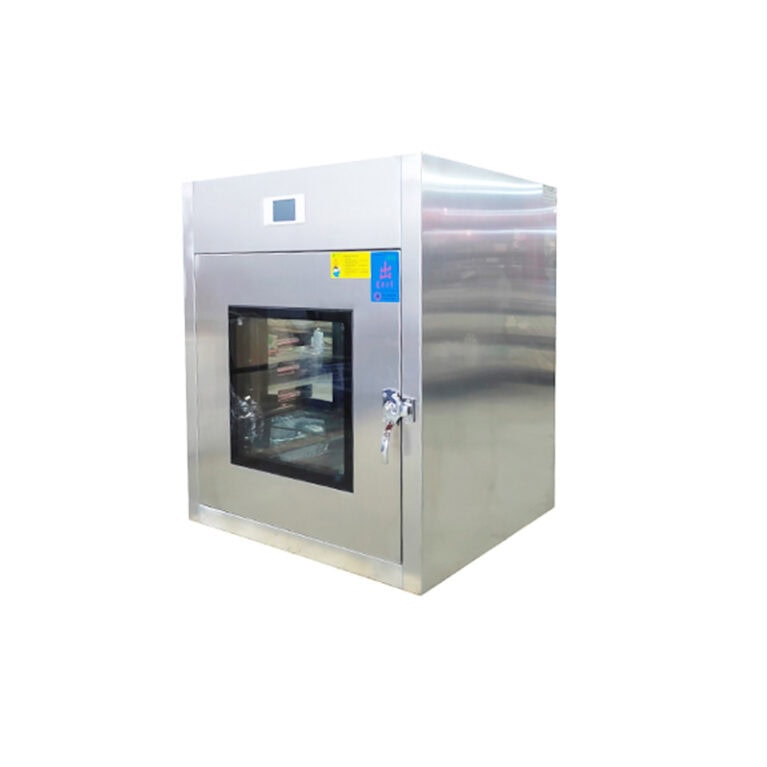

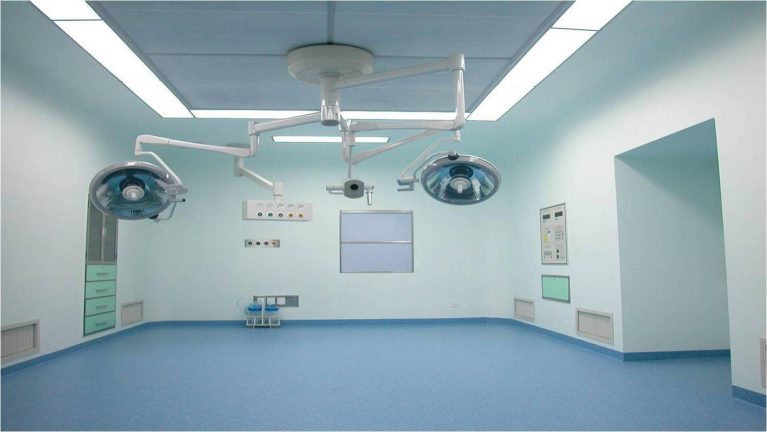
The retention period for the daily maintenance records of the air supply ceiling ( laminar flow ceiling ) depends mainly on industry regulations, product/project lifecycle, and the risk level of the clean area. There is no uniform “one-size-fits-all” figure across the country, but there are clear compliance guidelines in mainstream industries such as pharmaceuticals (GMP), medical devices, electronics, and food. 1. Pharmaceutical Industry (GMP): The strictest and most explicit Bottom line requirement: At least keep for 1 year after the expiration of the product Daily maintenance records (pressure difference, air velocity, cleaning, filter replacement, leak detection): At least 5 years (industry standard, default standard for audits) Sterile drugs, high-risk products (A/B class areas): Suggested to keep ≥ 10 years (or until the product is withdrawn) Key records (efficiency filter leak detection, replacement, verification): Long-term preservation (entire equipment lifecycle) 2. Medical Device Industry (GMP / Medical Device Production Specifications) Maintenance records for purification systems and air supply ceilings: At least 5 years Involving sterile, implantable: Suggested ≥ 5 years, or 3 years after product launch 3. Electronics Semiconductor / Precision Manufacturing (ISO 14644) Daily maintenance, particle monitoring, filter replacement records: At least 3 years Key process areas (such as 100-level /
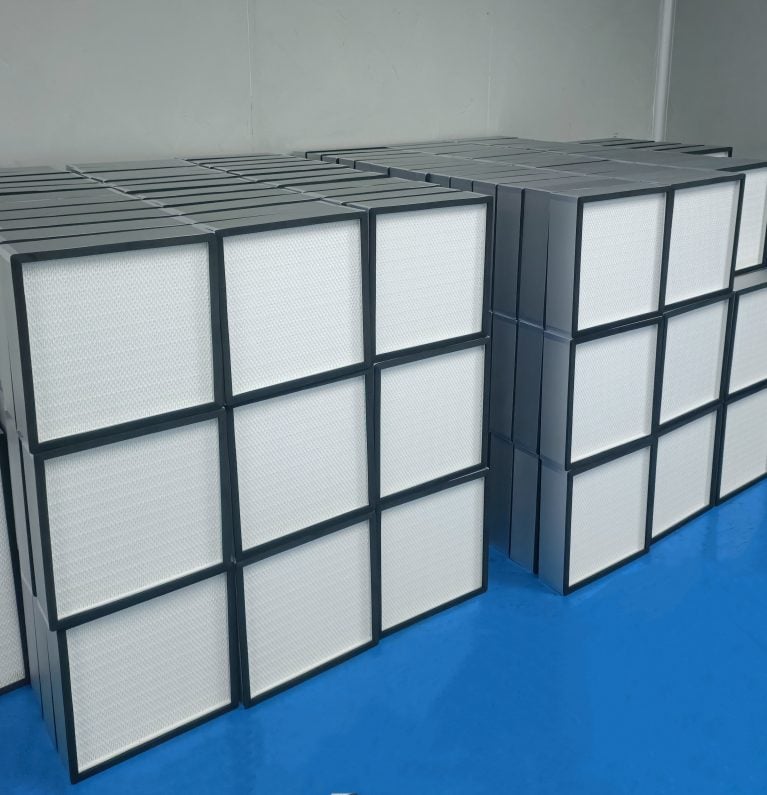
Based on the paper partition / aluminum partition you previously asked about, I have compiled a set of filter selection steps that can be directly implemented in the project. This selection process takes into account various factors such as working conditions, cleanliness level, environment, and cost, and is very practical in engineering. 1. First, determine these 4 core conditions: Cleanliness level requirements For general ventilation and comfort air conditioning: Medium efficiency is sufficient, and high efficiency is usually not necessary. For 100,000-level and 10,000-level clean rooms: Initial efficiency + medium efficiency + high efficiency is required. For 100-level, 1,000-level: High efficiency / ultra-high efficiency filters must be used. Environmental temperature and humidity Normal temperature and dryness: Paper partition can be used for high efficiency. High temperature, high humidity, and steam sterilization: Aluminum partition must be used for high efficiency. Presence of corrosive and chemical gases For ordinary air: Paper partition is feasible. For acids, bases, and organic solvents: Only aluminum partition + anti-corrosion frame can be selected. Vibration and installation conditions Ceiling, quiet units: Paper partition can be used. Near the fan, high vibration: Aluminum partition should be preferred, as it is less prone to damage. 2. Select directly based
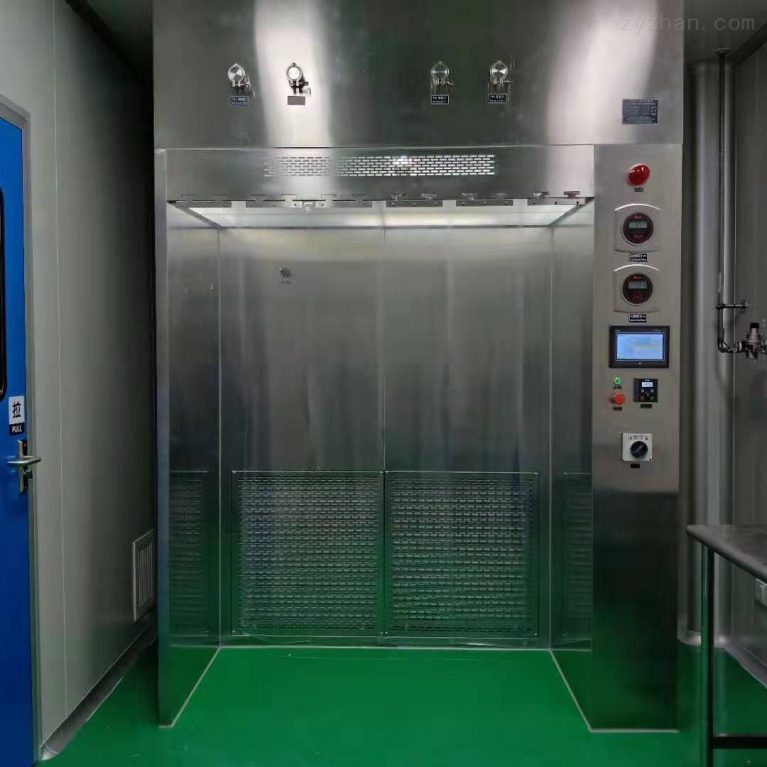
Based on the scenario of your negative pressure weighing chamber, I have clearly listed the differences and reasons for the replacement cycles of different types of high-efficiency filters, while also differentiating by structure, material, and application scenario, to facilitate your direct use in equipment management: 1. Classified by filtration efficiency grade Type Applicable scenarios Regular replacement cycle Reasons for cycle differences H13 High-efficiency Filter Negative pressure weighing room, normal clean area air supply 12 ~ 24 months The filter paper has an appropriate pore size and a moderate dust holding capacity, and is a mainstream configuration for the weighing chamber. H14 Ultra-High Efficiency Filter Highly active, sterile, and highly precise weighing 10 ~ 18 months Higher filtration accuracy, denser filter paper, faster increase in wind resistance, prone to clogging II. Classification by Filter Material Conventional Glass Fiber High-Efficiency Filter Period: 12-24 months Features: Large dust holding capacity, suitable for dry dust environments, high cost performance PTFE Coated High-Efficiency Filter Period: 8-12 months Features: Dust adheres only to the surface, not easily penetrable, but the surface is prone to accumulate dust and block, and the resistance rises rapidly; resistant to acid and alkali, resistant to humidity, suitable for frequent disinfection scenarios
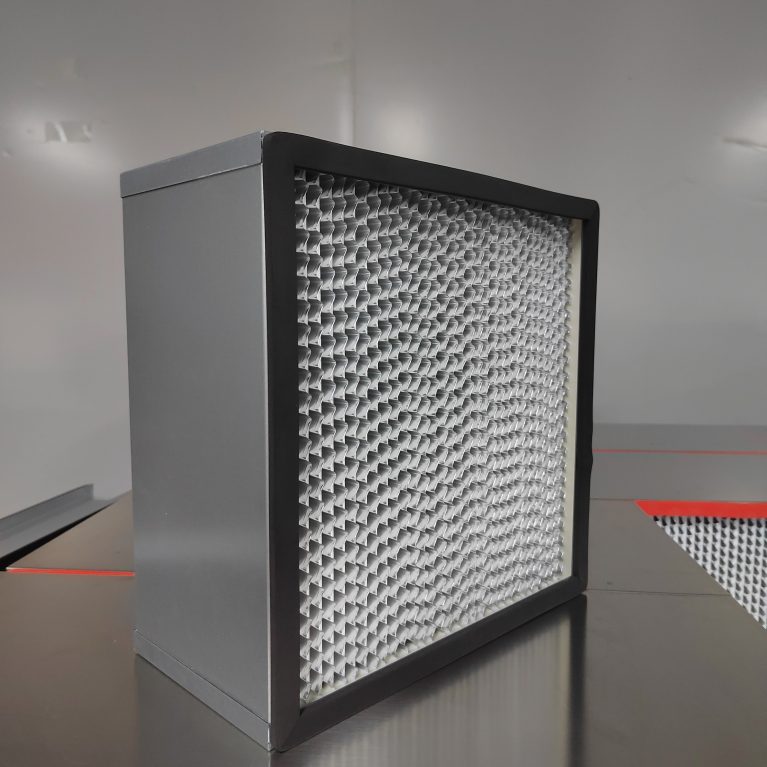
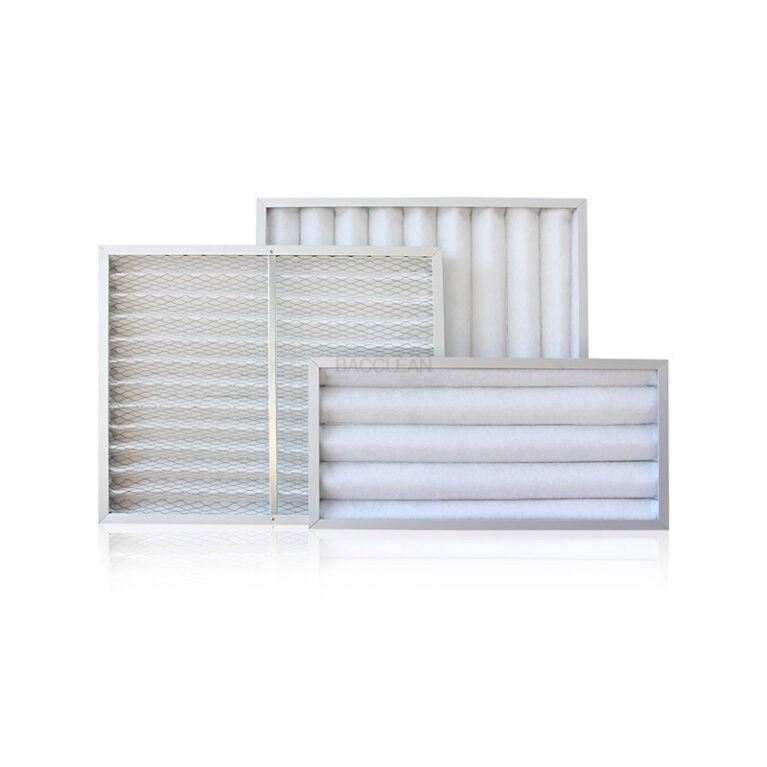
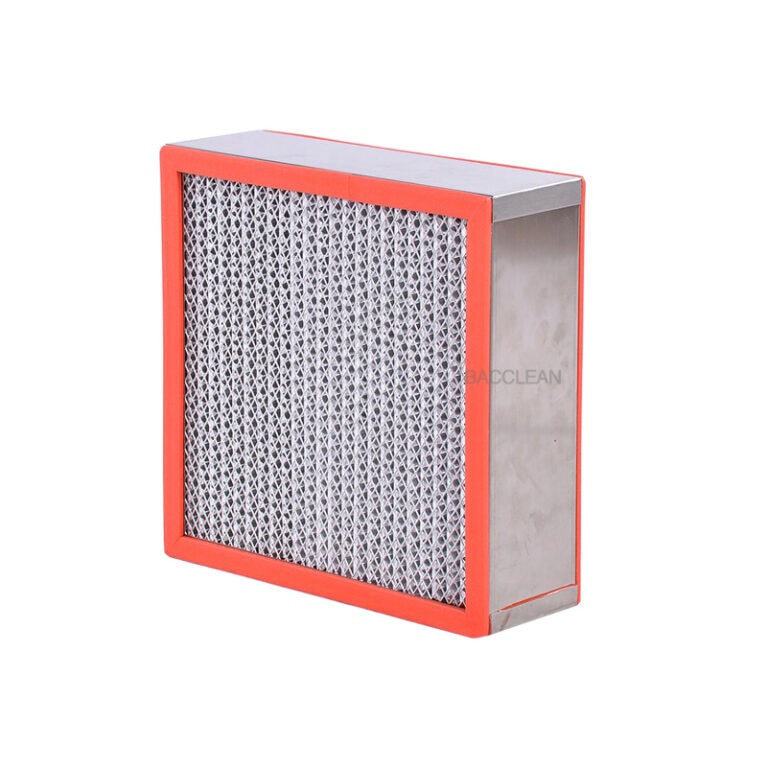
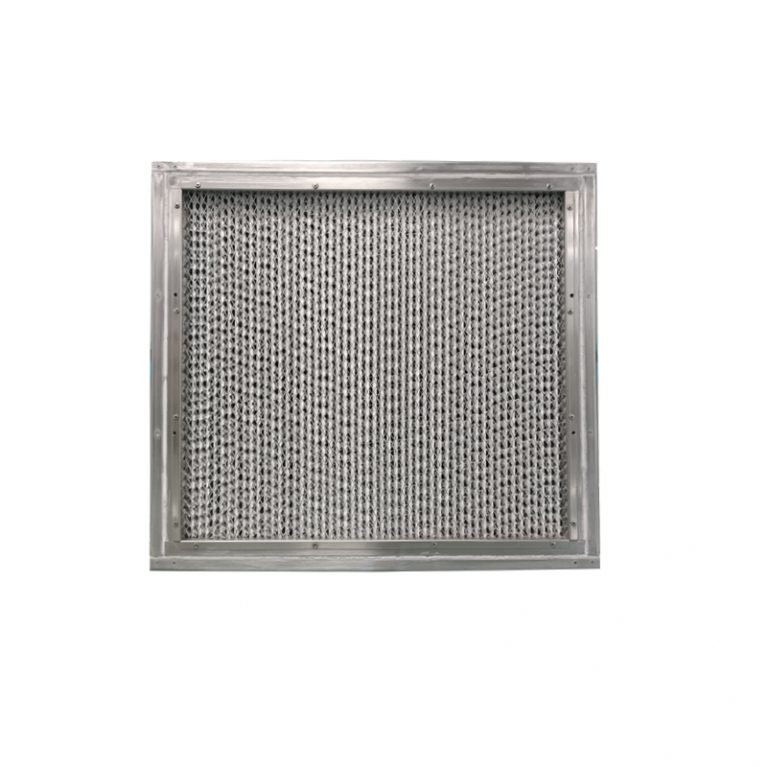
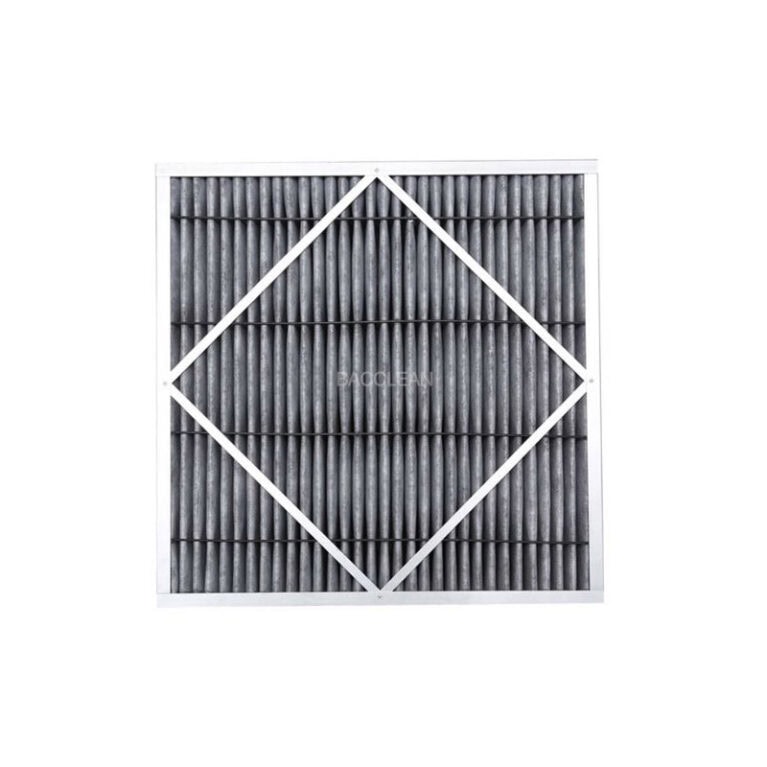
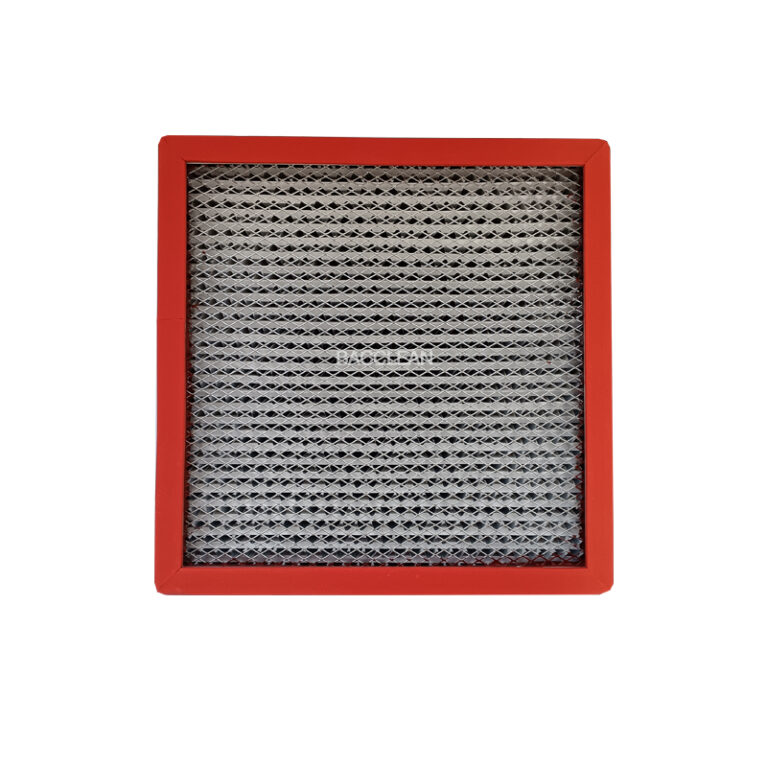
The main differences between paper partitions and aluminum partitions in air filters lie in their materials, performance, application scenarios and costs: Paper partitions have lower costs, large dust-holding capacity but are not resistant to moisture / high temperatures / corrosion; they are mostly used in ordinary clean environments; Aluminum partitions have higher strength, are resistant to moisture, heat and corrosion, and have a long lifespan; they are mostly used in harsh conditions and high-grade clean rooms. I. Comparison of Core Materials and Structures Comparison item Paper partition filter Aluminum partition filter Separator material Cellophane / Corrugated Paper (treated with waterproof / flame-retardant properties) Aluminum alloy sheet (0.1 – 0.3mm, corrugated / flanged formed) Filter material High-efficiency / Ultra-high-efficiency filter materials (such as glass fibers) The same as the paper partition, the filter material specifications are the same. Framework Galvanized sheet, aluminum alloy, plastic frame Galvanized sheet, stainless steel, aluminum alloy frame Sealing method Hot melt adhesive, sealing tape Sealing strips, mechanical seals II. Key Performance Differences 1. Mechanical Strength and Stability Paper partition: Light in weight, average rigidity, prone to deformation and damage, especially under high wind speed, vibration or transportation; the spacing between partitions is prone to being uneven,
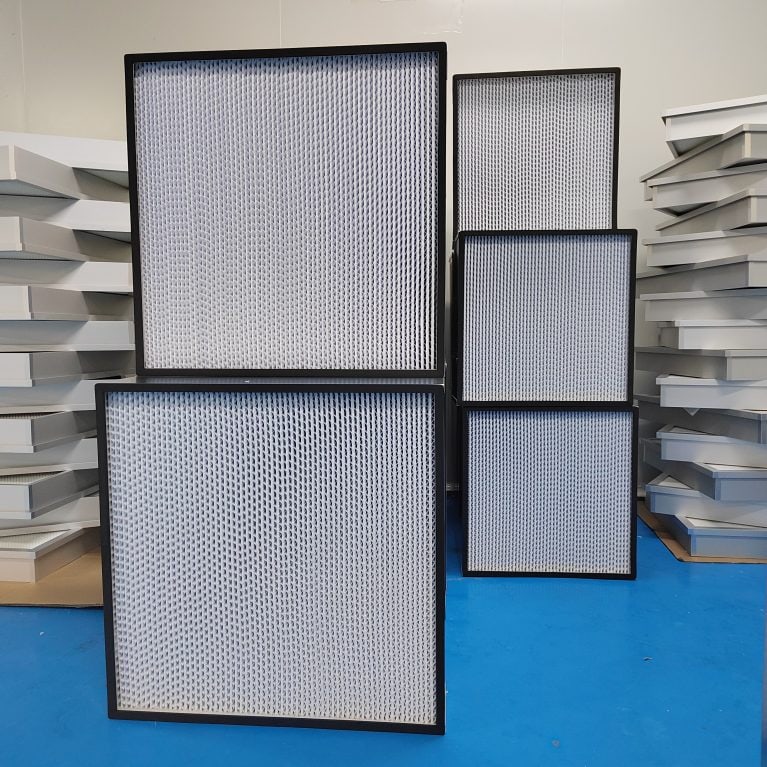
Based on the common scenarios of clean rooms and ventilation and air conditioning systems, the applicable scenarios of paper partition and aluminum partition air filters are separately organized, clearly distinguishing: Applicable scenarios of paper partition air filters Suitable for normal temperature, dry, non-corrosive, non-severe environments, seeking cost-effectiveness, allowing for regular replacement. End-of-line efficient filtration for ordinary central air conditioning systems General industrial plants, electronic factories, non-core clean areas of non-critical zones General packaging and storage areas in food processing workshops Ordinary office buildings, shopping malls, hospital general wards, corridors with ventilation Conventional clean rooms with low humidity and temperature requirements (up to 10,000-level and below) Projects with limited budget and seeking low initial procurement costs Applicable scenarios of aluminum partition air filters Suitable for high humidity, high temperature, vibration, high cleanliness levels, corrosive environments, requiring long-term stable use. Pharmaceutical factories: sterile workshops, freeze-drying workshops, wet heat sterilization rooms, etc. high-humidity areas Hospitals: operating rooms, ICU, sterile wards, biological laboratories Semiconductor, microelectronics: hundred-level / thousand-level high-level clean rooms Food factories: cooking, baking, high-temperature sterilization, etc. high-humidity and high-temperature production sections Laboratories, chemical sites: environments with acidic, alkaline, and chemical volatile gases Equipment with large vibrations, matching with air conditioning units, built-in
Yes! There are 5 practical tactics that directly extend the lifespan of the HEPA filter (saving money + complying with regulations) 1. Front-end dual-layer protection (the core and most effective) Regular replacement / washing of the primary filter The primary filter blocks large particles, fibers, and dust. When it gets dirty, don’t wash it; all the dirt is pushed to the high-efficiency filter. Operation: Disassemble and wash weekly. Mandatory replacement every 3-6 months. Strictly control the replacement cycle of the intermediate filter The intermediate filter is the “bodyguard” of the high-efficiency filter. It blocks quickly, and the high-efficiency filter has a short lifespan immediately. Standard: Must be replaced every 6-12 months; the dust in the dust chamber shrinks to 3-6 months. Rule: The intermediate filter costs more, but the high-efficiency filter saves more money. 2. Standardized startup + airflow management (reducing direct impact of dust on the filter) 10-15 minutes of self-cleaning before feeding to stabilize the internal airflow and capture the suspended dust with the pre-filter. Operation: Do not blow directly at the high-efficiency outlet with your hands, tools, or equipment; do not vigorously blow dust or pour materials. Do not operate the access opening frequently or keep it
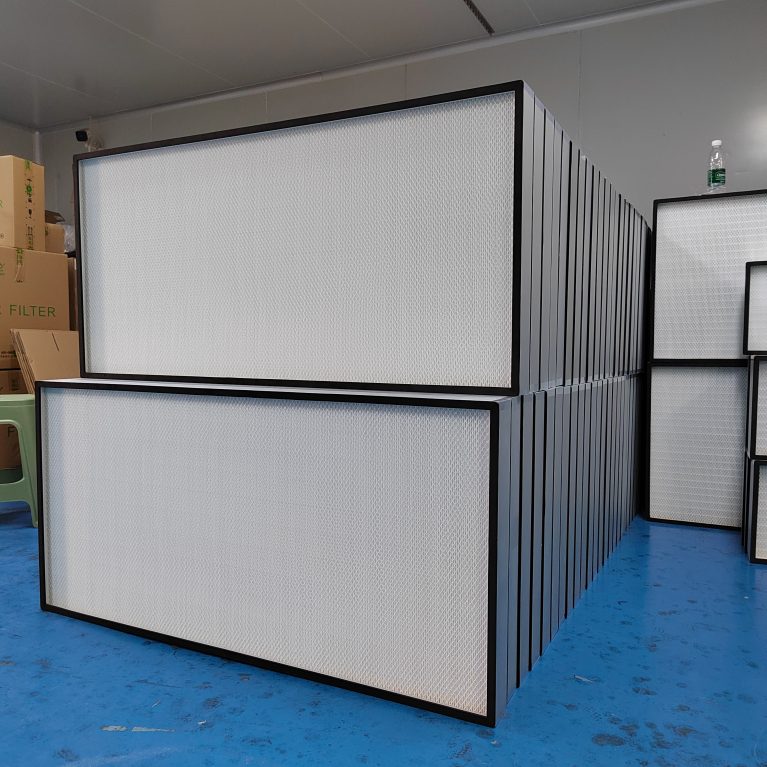
1. First, differentiate by “filtration grade / material” 1. H13 fiberglass HEPA (most commonly used: negative pressure weighing room, clean booth, air conditioning terminal) Features: fiberglass filter paper, large dust capacity, resistant to dryness, mainstream industrial / pharmaceutical factory model Regular cycle: 12-24 months High dust / high activity conditions: 6-12 months Advantages: Anti-blocking, stable lifespan, standard for weighing room 2. H14 ultra-high efficiency fiberglass UPLA (A-level clean, sterile core area) Features: Higher filtration accuracy, denser filter paper, naturally higher resistance Regular cycle: 10-18 months (shorter than H13) Reason: Smaller pore size, more likely to be blocked by fine dust, pressure difference rises faster 3. PP/PTFE coated HEPA (waterproof, resistant to disinfection, humid working conditions) Features: Dense membrane surface, surface dust capacity (dust hangs on the surface, does not penetrate the filter paper) Cycle polarized: Dry dust: 8-12 months (easily clogged at the surface layer) Frequent wet disinfection / humid workshop: More durable than fiberglass, up to 12-15 months Prohibition: Cannot be forcefully blown, cannot wipe the membrane, one scrape will leak 4. High-temperature / chemical-resistant special HEPA (drying, VOC, strong acid environment) Ceramic / special fiberglass models: Strong structure, but filter layer is dense Cycle: 6-12 months, environmental corrosion
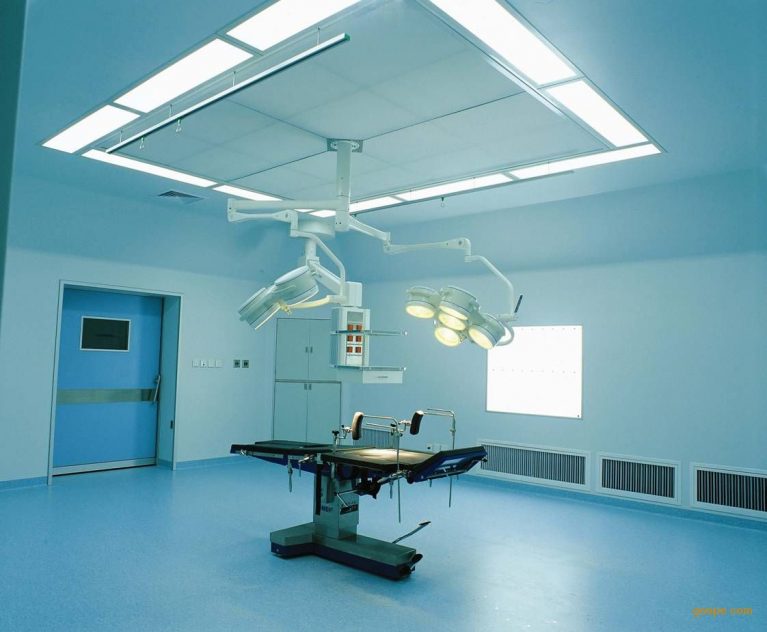
Key Installation Considerations for Air Distribution Ceilings (Filtration Hood / Clean Air Distribution Ceiling), On-site Construction + Acceptance Checklist I. Foundation Lifting and Structure (Prevent Deformation, Prevent Top Fall, Prevent Air Leakage) The lifting load must be borne independently. It is strictly prohibited to rely on color steel plates or ceiling keels for support; independent channel steel / screw rod lifting frames must be made, and the load should be reserved according to the ceiling’s own weight + maintenance margin. The spacing of the screw rods should be uniform, and diagonal reinforcement should be done to prevent long-term sagging, deformation, and cracking of the joints and air leakage. The levelness must be strictly controlled. The overall horizontal error should be ≤ ±2mm/m; Inclination will cause: Air flow deviation, local accumulation of dust, condensation water, and uneven sealing resulting in air leakage. Top static pressure box and air duct interface: Soft connections must be made to prevent the fan vibration from being transmitted to the ceiling, and long-term loosening of the seal and screws. II. Sealing and Air Leakage Prevention (Installation Determines Later Cleanliness, Top Priority) All joint seams, flange openings, and maintenance openings: Use neutral anti-mold silicone sealant, continuous and
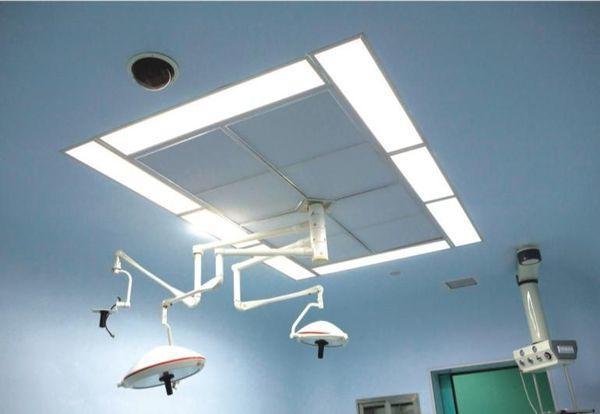
Air supply ceiling high-efficiency filter (on-site standard installation steps) (Adapted for operating rooms / GMP cleanroom laminar air supply ceilings, can be directly handed over for construction) I. Pre-installation preparation (critical, prevent later dust leakage, leak detection failure) On-site: Thoroughly vacuum the ceiling / ceiling static pressure box interior + wipe with dust-free cloth, no welding slag, floating dust, or debris; cover the air outlets with film protection throughout. Personnel: Wear clean clothes, gloves, and masks. Do not touch the filter material or sealing surface with bare hands. Inspection: Check the model H13/H14, size, appearance; filter surface without damage, no cracking of the adhesive; record the initial resistance of the filter at the factory and file it. Supplies: Sealing strips are intact and without deformation; frames and screws are complete. II. Pre-installation sealing and cleaning Smoothly attach the sealing strips to the pressure-bearing surface of the filter frame, without stretching, without wrinkles, without breaks. Again wipe the contact surface of the installation flange of the static pressure box to ensure it is clean and dry, without dust, oil stains. III. Positioning installation (core anti-leak section) Smoothly insert the high-efficiency filter into the installation position, center alignment, and attach the sealing
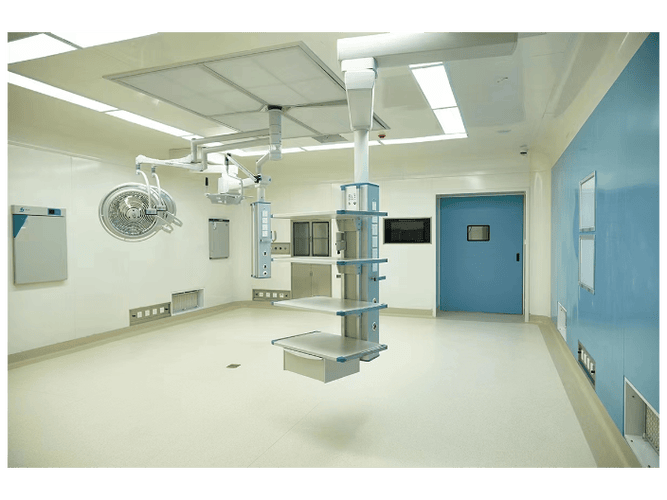
Maintenance criteria for high-efficiency air supply ceiling filters (including pre-filter), applicable on-site and easy to use I. Core point: Check the pressure difference (priority, based on national standards) 1. High-efficiency filters (end H13/H14) Initial resistance at factory: 220-250 Pa Trigger for replacement: Measured resistance ≥ 2 times initial resistance Example: Initial resistance 250 Pa → Must replace when it reaches 500 Pa Daily control: Continuous rapid increase in pressure difference (short-term surge) → Pre-filter failure, conduct early investigation 2. Medium-efficiency filters (F8/F9) Initial resistance: 80-120 Pa Replacement: Resistance exceeds 1.8 times initial resistance / Pressure difference gauge reaches full scale, air volume decreases 3. Primary-efficiency filters (G4) Recoverable type: Dirty blockage, blackening, pressure difference rises → Clean 2-3 times and then directly scrap and replace One-time type: Significant increase in pressure difference / Severe visible dust accumulation directly replace II. Check detection data (GMP / Cleanroom must check) PAO leak detection fails: frame leakage, filter material leakage. No matter what the pressure difference is, replace immediately Room cleanliness not up to standard, particle count exceeds limit, after excluding other leakage points, directly replace the end high-efficiency filter Outlet air speed significantly low, no wind locally / Outflow skewed, filter material
Daily Maintenance Tips for Air Supply Ceiling «Easy to Leak, but Crucial» (In addition to changing filter elements and checking pressure difference, focus on sealing, cleanliness, airflow, anti-corrosion, and compliance) 1. Sealing and Leak Prevention is the Top Priority (90% of pollution comes from this) Weekly Inspection: Check the efficient frame sealing strips, silicone sealing pads, and ceiling joint seams Yellowing, hardening, cracking, detaching, accumulation of black dust → Immediately replace the sealant / repair the sealing glue Install screws evenly and tightly, don’t tighten one side and loosen the other, it will leak After disinfection and fumigation / formaldehyde sterilization: Must check for aging seals, high temperature and high humidity are most prone to detaching and leaking 2. Cleaning must be done carefully (to avoid secondary pollution + damage to filter membranes) Outer panel / uniform flow board: Use a lint-free cloth + neutral water / 75% alcohol to gently wipe Prohibited: High-pressure water gun flushing, strong alkaline disinfectant solution, hard-bristled brush scraping (will damage PTFE membrane / filter material) Never allow to randomly wipe the dust inside the air supply ceiling, the accumulated dust can only: Stop the machine → Negative pressure vacuum cleaning → Professional personnel operation
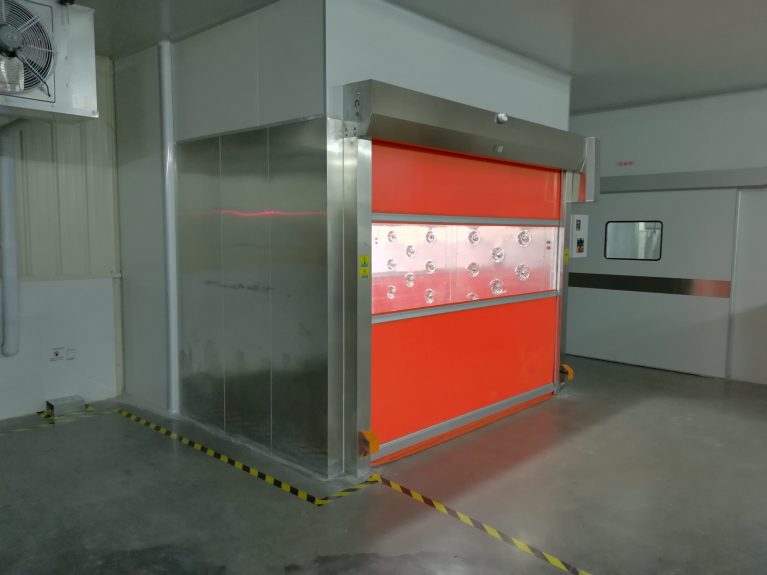
I. Core conclusion (by scenario) Conventional cleanrooms (electronics / packaging materials / general cosmetics, low dust, daily use 8-12 hours): H13/H14 high-efficiency filters: theoretical design life 1-2 years; based on pressure difference compliance, most can last 18-24 months. High dust / high frequency use (multiple material transfers, heavy industry support, daily use over 16 hours): actual lifespan: 6-12 months is likely to exceed pressure difference and get clogged. Aseptic pharmaceuticals / biosafety / high-grade clean areas (GMP strict control): even if pressure difference is normal, it is recommended not to exceed 12-18 months for mandatory re-inspection + assessment for replacement to avoid leakage risks. II. Key reminder: Lifespan ≠ time; prioritize 3 hard indicators Pressure difference: increase to 1.5 times the initial pressure difference / exceed 500 Pa → must replace; PAO leak detection / particle scanning: leakage, frame leakage → replace immediately; Air velocity: outlet continuously lower than 15 m/s, excluding fan and primary filter blockage → efficient filter must be scrapped. III. Core factors affecting lifespan Regular replacement of the front-end primary filter (3-6 months once), can significantly extend the lifespan of the efficient filter; Outdoor pre-treatment of goods and dust removal are in place, reducing the dust