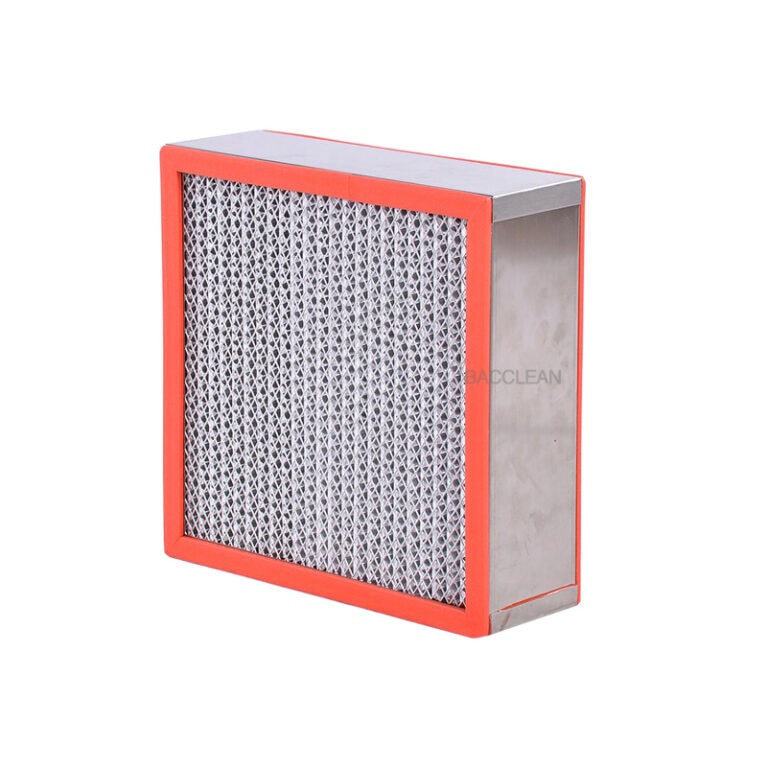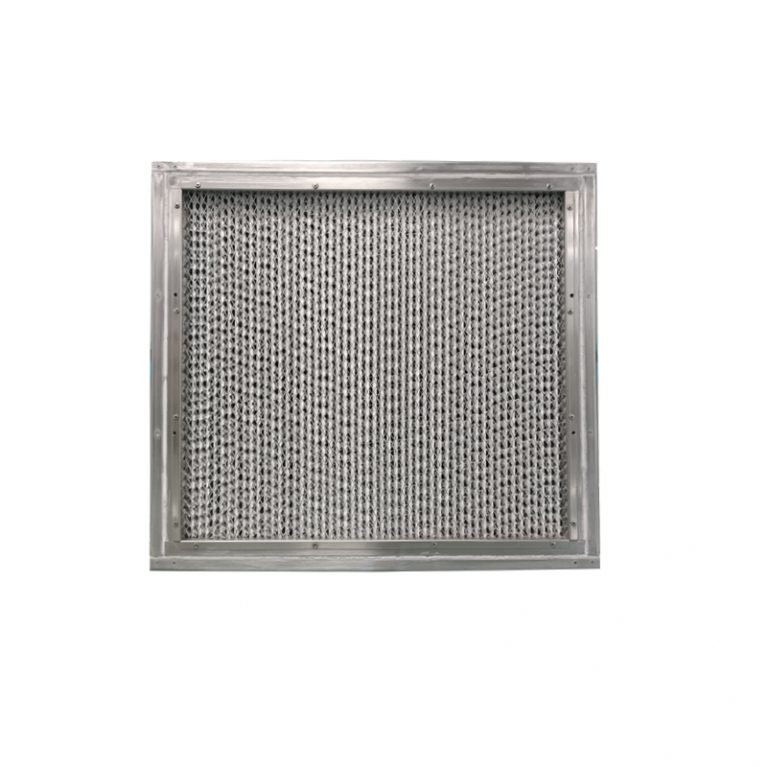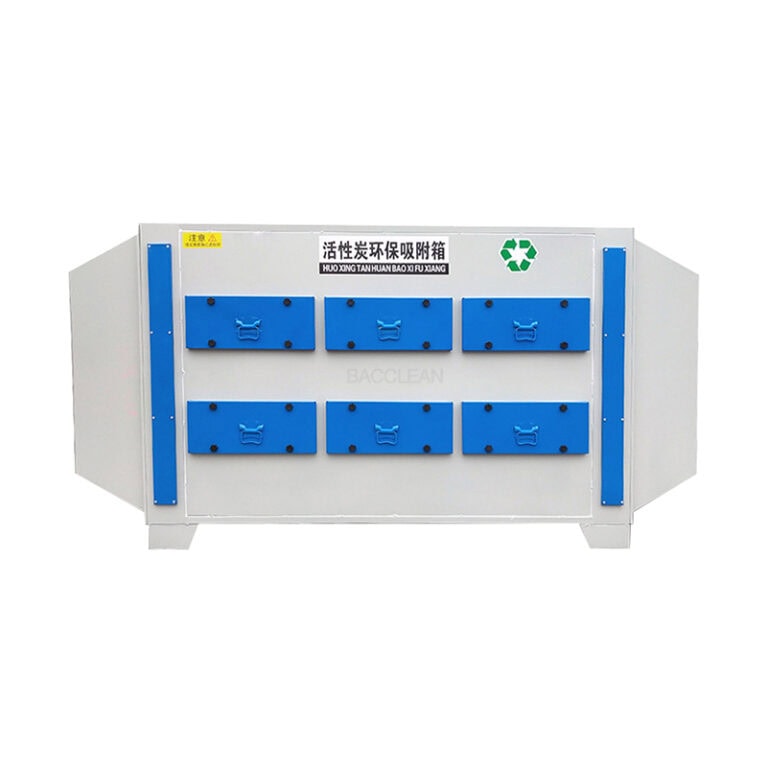

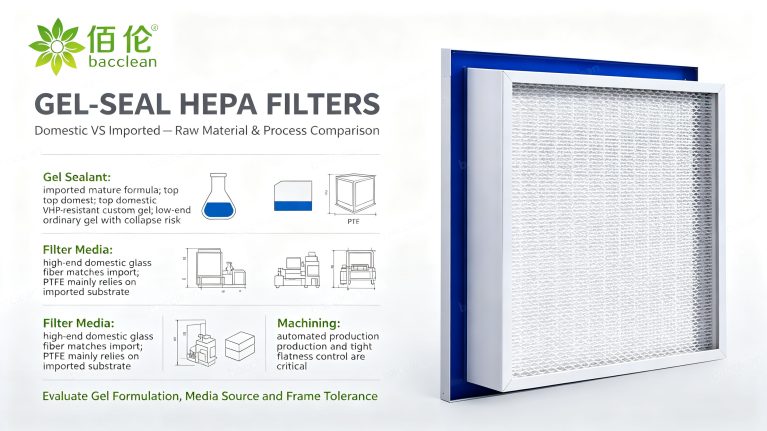
Gel-seal HEPA filters are frequently evaluated between leading domestic manufacturers and imported brands for high-grade projects such as Grade A/B biopharmaceutical cleanrooms and biosafety laboratories. For a long period, imported gel-seal HEPA filters occupied the major share of high-end cleanroom projects in China. In recent years, however, continuous technical iteration by top domestic purification equipment manufacturers has enabled qualified domestic products to replace imported options in numerous new construction, renovation and expansion projects.
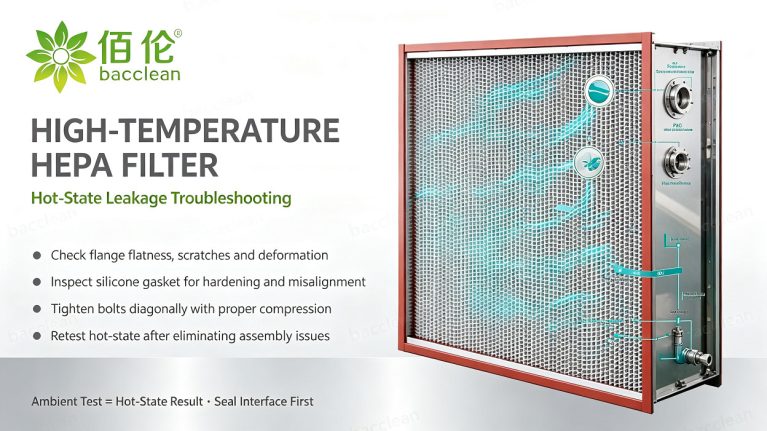
Most failures of high‑temperature resistant HEPA filters fall into three major categories: hot‑state leakage, rapid abnormal rise of pressure differential, and premature aging of sealing components. Root causes can be grouped into three aspects: manufacturing defects of filter materials; defects of matching components such as equipment flanges and gaskets; improper operations during installation, temperature ramping and disinfection & maintenance. Many failures perform perfectly under ambient temperature and only emerge after temperature rise, which are easily misjudged as inherent filter quality defects. This paper sorts out frequent field faults, analyzes root causes, and provides step‑by‑step troubleshooting workflows, helping equipment, validation and maintenance personnel quickly identify and resolve issues.
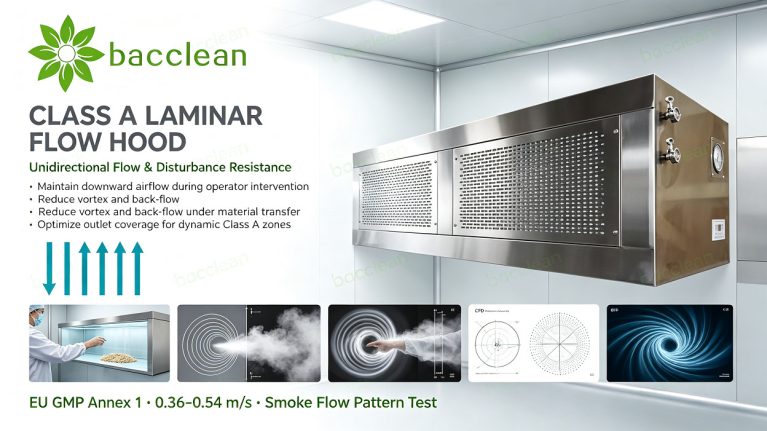
EU GMP Annex 1 sets stringent dynamic requirements for unidirectional airflow in Class A zones for aseptic exposed operations. A Class A laminar flow hood shall not merely satisfy static no‑load performance criteria; it shall maintain unidirectional flow free of vortex and back‑flow under disturbances caused by human operations and material interventions. Many projects pass static tests yet fail dynamic smoke flow pattern tests, which is rooted in neglecting disturbance‑resistance capacity during unidirectional‑flow design. Centering on plenum chamber, flow‑uniformizing system, fan selection, CFD simulation and flow‑pattern qualification, this article analyzes key technologies for Class A laminar flow‑hood unidirectional airflow and provides guidelines for design, selection and validation.
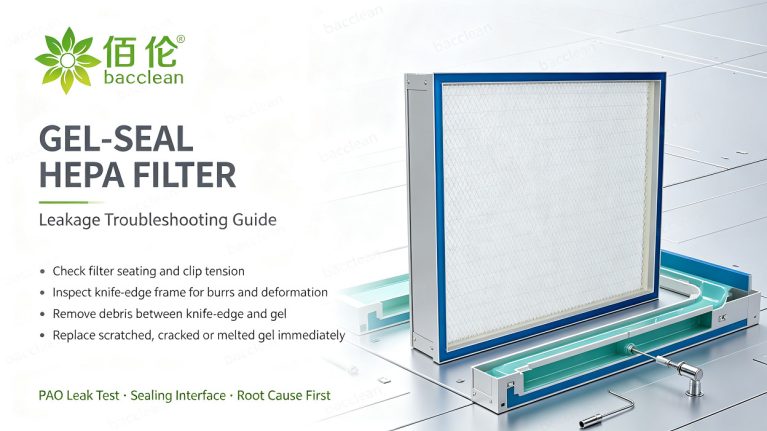
Gel‑seal HEPA filters may encounter various issues during project commissioning and long‑term operation, such as failed PAO leak‑testing, fluctuating pressure differential, and damaged jelly‑gel seal. Faults mainly stem from three categories: manufacturing defects of the filter itself, defects of matching grille frames, and improper transportation, storage, installation and operation‑maintenance practices. Many fault symptoms appear similar but have completely different root causes. Without accurate fault location, repeated blind disassembly and assembly will further aggravate failures and delay project progress. This article sorts out frequent on‑site faults of gel‑seal HEPA filters, analyzes triggering factors, and provides corresponding troubleshooting ideas and solutions, assisting engineering, validation and operation‑maintenance personnel to quickly locate problems.
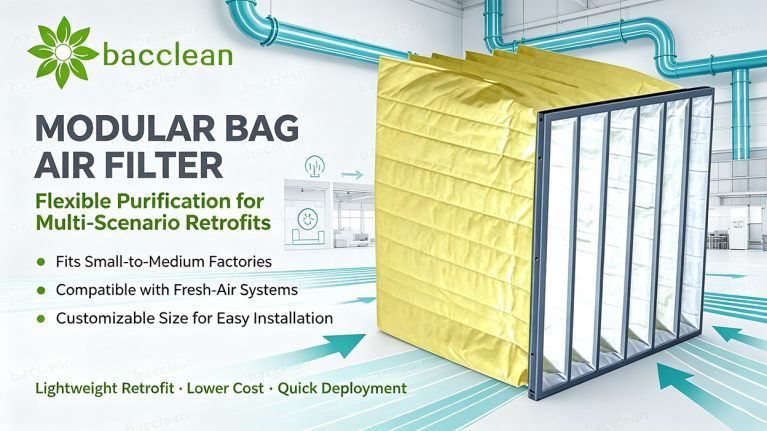
Demand for purification system retrofits keeps rising among China’s small‑to‑medium‑sized manufacturers. Nevertheless, most conventional purification equipment suffers from complicated installation, poor compatibility and high retrofitting costs, failing to meet the standardized and lightweight renovation requirements of small‑and‑medium factories. To address this industry pain point, modular custom bag‑type air filters have been launched in the purification equipment sector. Featuring easy installation, flexible compatibility and outstanding cost‑performance, these products fill the purification‑equipment gap for scenarios including small‑and‑medium‑sized industrial plants, commercial fresh‑air systems and office‑building ventilation, accelerating the popularization and implementation of general‑purpose air‑purification solutions.
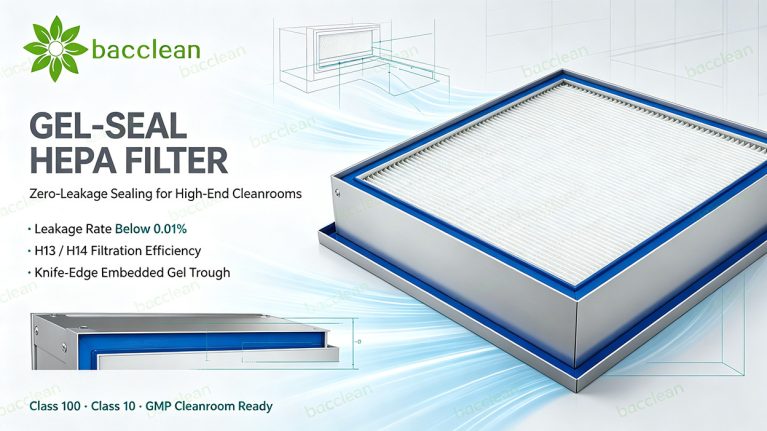
In high‑end clean‑environment sectors including biopharmaceuticals, semiconductor chips and precision medical devices, cleanroom cleanliness requirements are extremely stringent. Minor air leakage and filtration dead zones will reduce product yield and cause non‑compliant production quality. Traditional gasket‑sealed HEPA filters are prone to gasket aging, sealing failure and excessive air leakage after long‑term operation, failing to meet the long‑term sealing demands of high‑end clean‑environment scenarios. Benefiting from gel‑trough zero‑leakage sealing technology, gel‑seal HEPA filters feature exceptional airtightness, stable filtration performance and long service life. They have largely replaced conventional gasket‑sealed products and become the standard terminal filtration equipment for Class 100 and Class 10 ultra‑high‑grade cleanrooms.
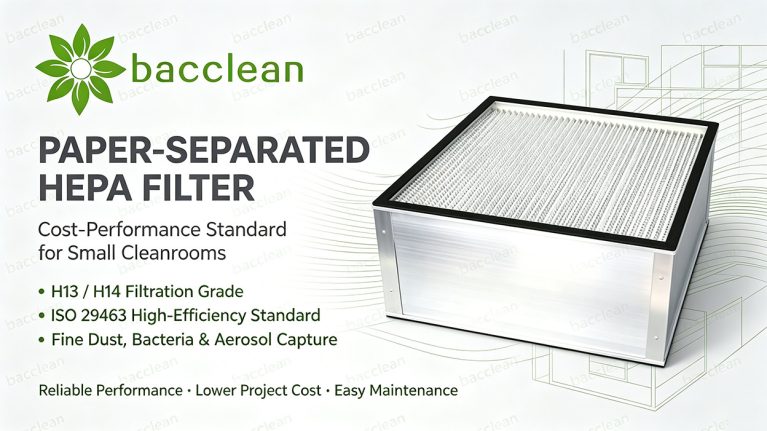
Against the ongoing construction boom of small‑and‑medium‑size cleanrooms in biopharmaceuticals, precision electronics, medical devices and other sectors, market demand for high‑cost‑performance, stable and easy‑to‑maintain high‑efficiency filtration equipment keeps rising. As a proven high‑efficiency filtration product, the paper‑separated HEPA filter delivers multiple strengths including superior filtration accuracy, stable performance, cost‑effective pricing and wide compatibility. It has partially replaced high‑priced mini‑pleat filters and become the standard terminal filtration device for small‑and‑medium‑size cleanrooms, laboratories and clean workbenches, helping small‑and‑medium‑scale purification projects cut costs while improving quality.

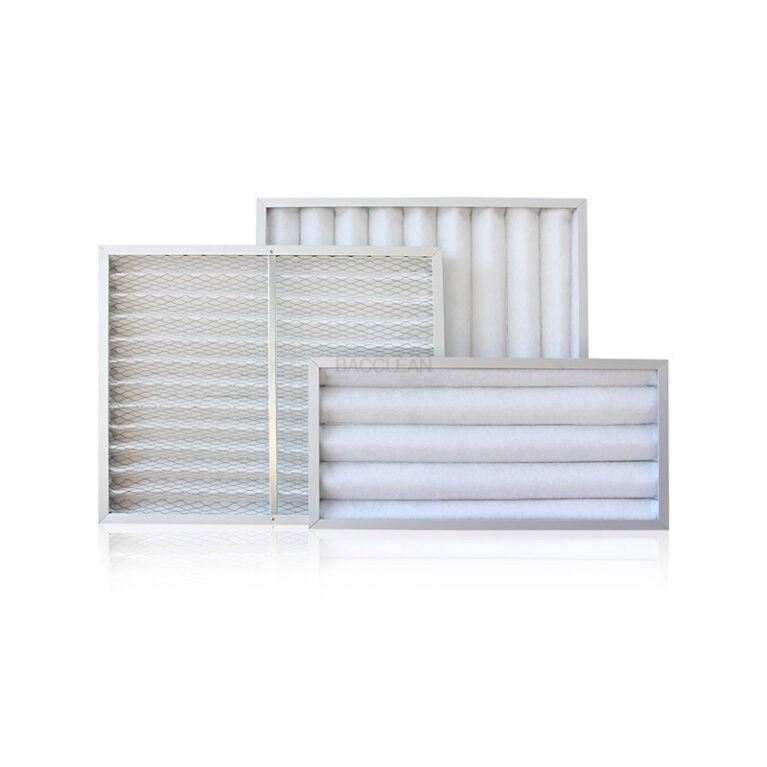
With the continuous implementation of national policies for industrial green and low‑carbon development, upgrading and retrofitting of ventilation and purification systems in manufacturing plants has entered a peak period. As core filtration components for central air‑conditioning and industrial ventilation systems, bag‑type air filters feature high dust‑holding capacity, low air resistance and broad adaptability, making them the preferred product for purification retrofits across numerous manufacturers. Recently, multiple iterated and upgraded new‑model bag‑type air filters have been launched onto the market. Technical optimizations address common industry pain points of conventional products including excessive air resistance, easy damage and short service life, delivering brand‑new solutions for building clean production environments in electronics, food processing, mechanical processing and other industries.
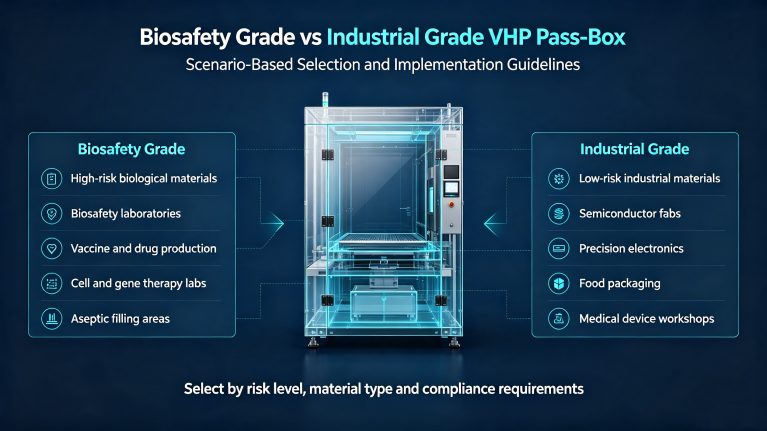
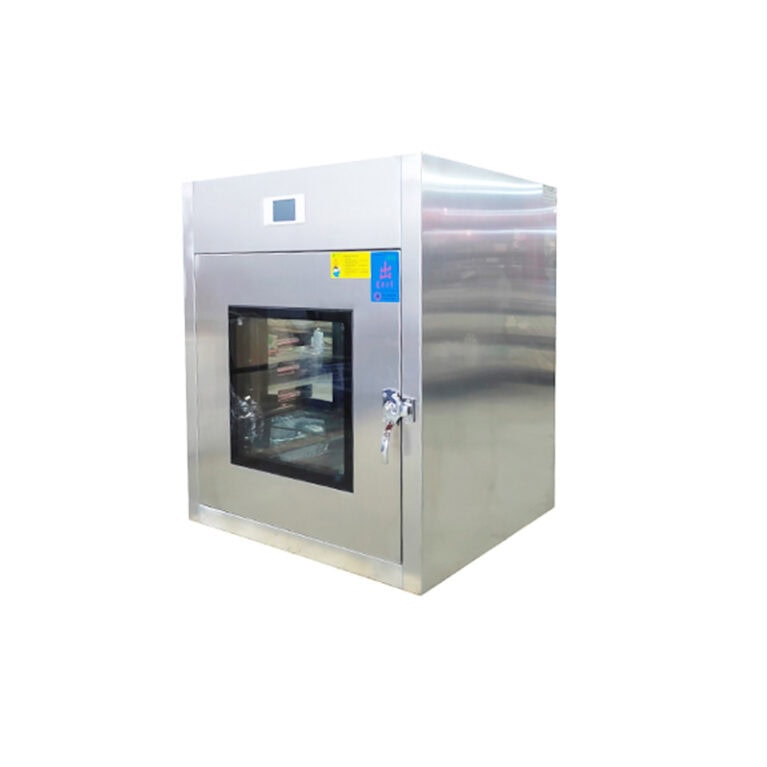
VHP pass-boxes are widely deployed in biosafety laboratories, sterile pharmaceutical workshops, semiconductor cleanrooms, medical device manufacturing and other sectors. Nevertheless, requirements for equipment classification, parameter configuration, material craftsmanship and safety standards vary drastically across different application scenarios. Inadequate equipment matching constitutes the primary cause of prevalent industry challenges including substandard sterilization, sample contamination, excessive maintenance costs and audit non-compliance.
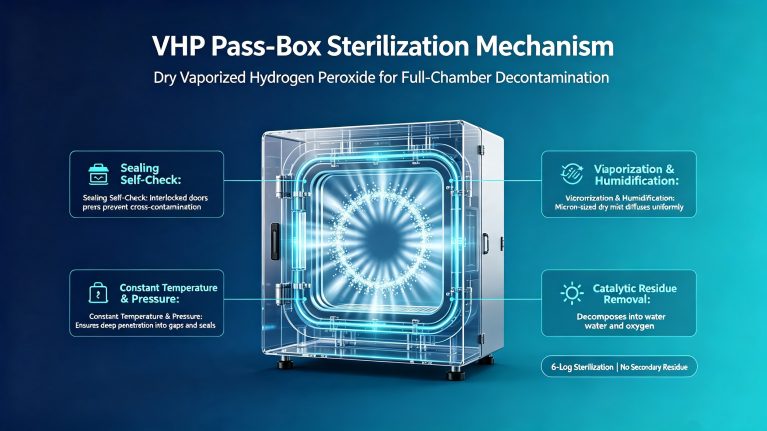
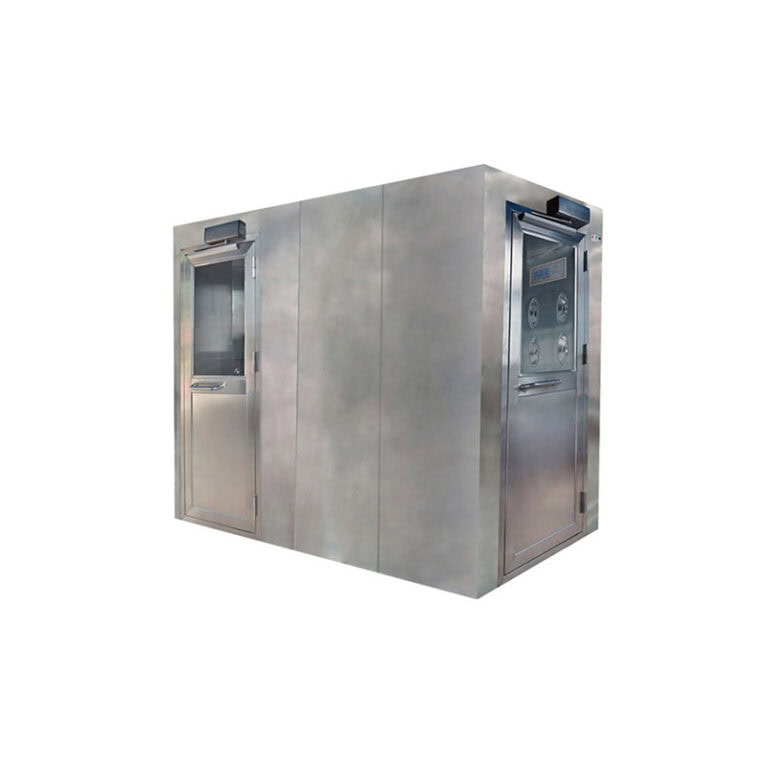
In high-grade clean environments such as biosafety laboratories, sterile pharmaceutical workshops, and medical device cleanrooms, material transfer across zones represents a critical risk point for cross-contamination. Traditional UV transfer windows and air shower transfer windows suffer from inherent limitations—including sterilization blind spots, weak spore-killing capability, and residual contamination—which no longer meet the stringent requirements of updated GMP standards and biosafety regulations.

The 100,000-class cleanroom has many key features and importance. Its strict cleanliness standards, perfect core elements and precise environmental control measures enable it to meet the production needs of multiple industries such as pharmaceuticals, electronics, and food, effectively guarantee product quality, improve production efficiency, and reduce production risks.

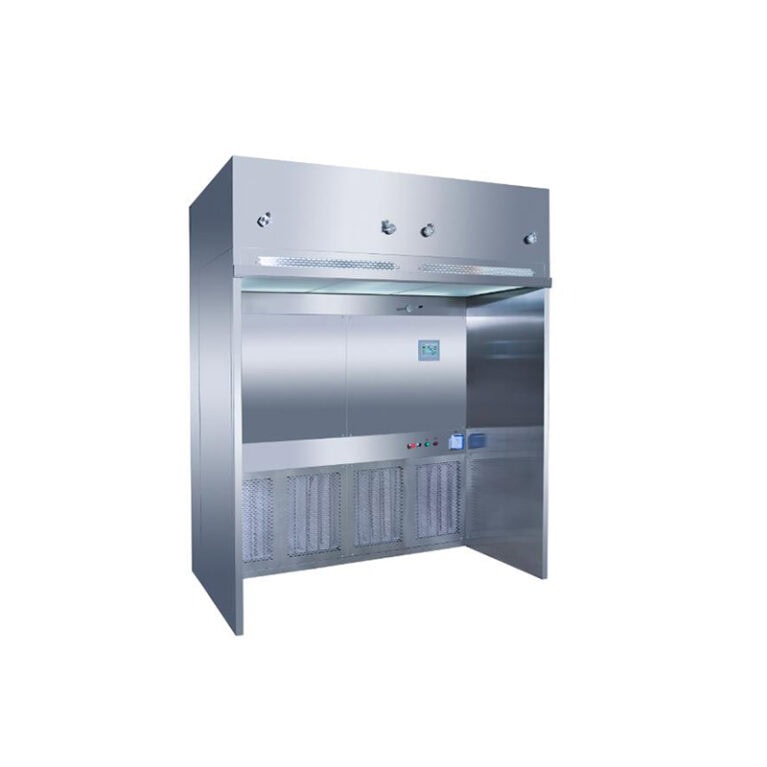
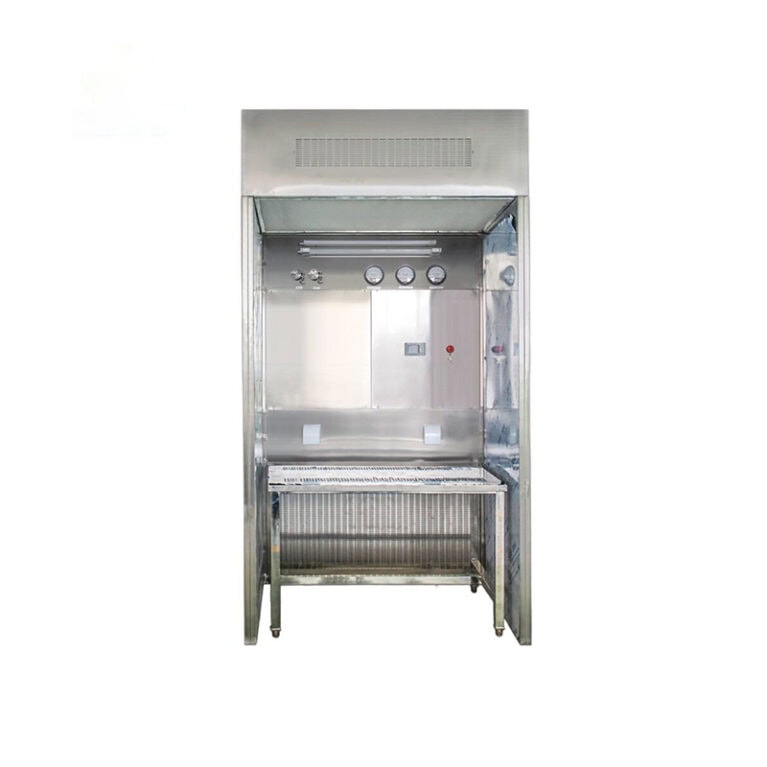
1. Introduction to GMP Good Manufacturing Practice (GMP) is a management system that ensures that the entire process of drug production is strictly controlled. Its purpose is to ensure the safety, effectiveness and consistency of drugs. GMP covers multiple aspects such as personnel, equipment, materials, procedures and records, requiring pharmaceutical companies to achieve high standards of cleanliness and pollution control in all links. 2. Definition and type of laminar flow hood Laminar flow hood is an air purification device used to provide a local dust-free and sterile environment. It is widely used in pharmaceutical, medical and research fields that require high cleanliness. According to different application requirements, laminar flow hoods can be divided into two types: vertical unidirectional flow and horizontal unidirectional flow. Vertical unidirectional flow can effectively prevent external air pollution from entering the working area, while horizontal unidirectional flow is more suitable for large-area clean workshops. 3. Importance and role of laminar flow hood The application of laminar flow hood in the GMP pharmaceutical industry is mainly to maintain a highly clean environment in the drug production process. Through high-efficiency air filtration system and reasonable airflow organization, it can minimize particles and microorganisms in the air, thereby reducing the risk