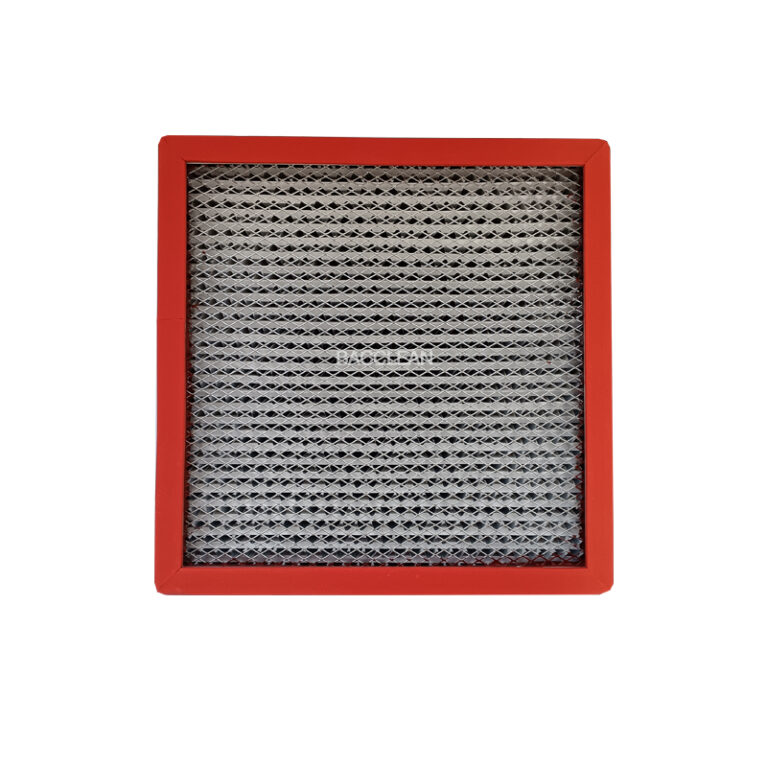
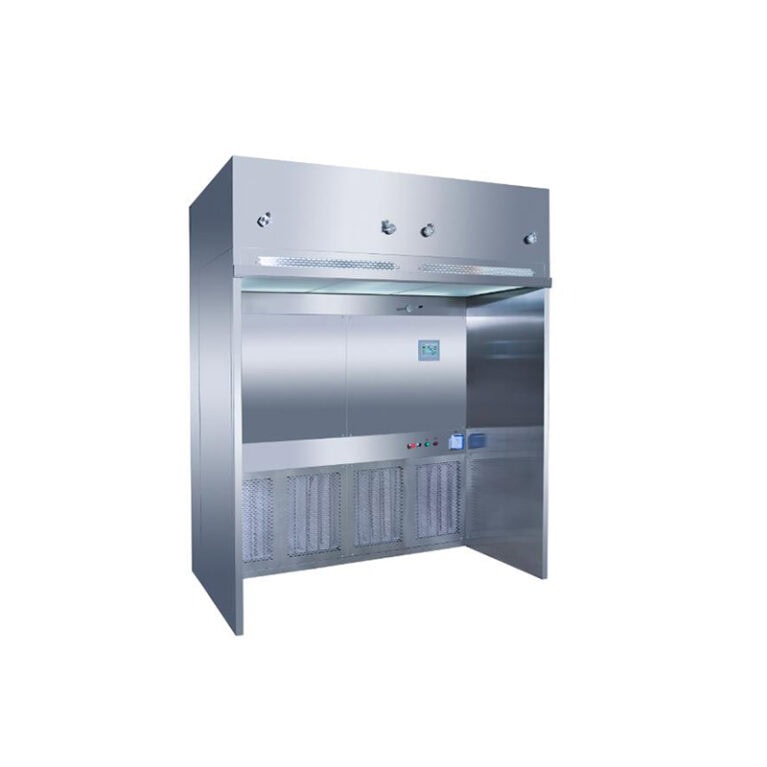
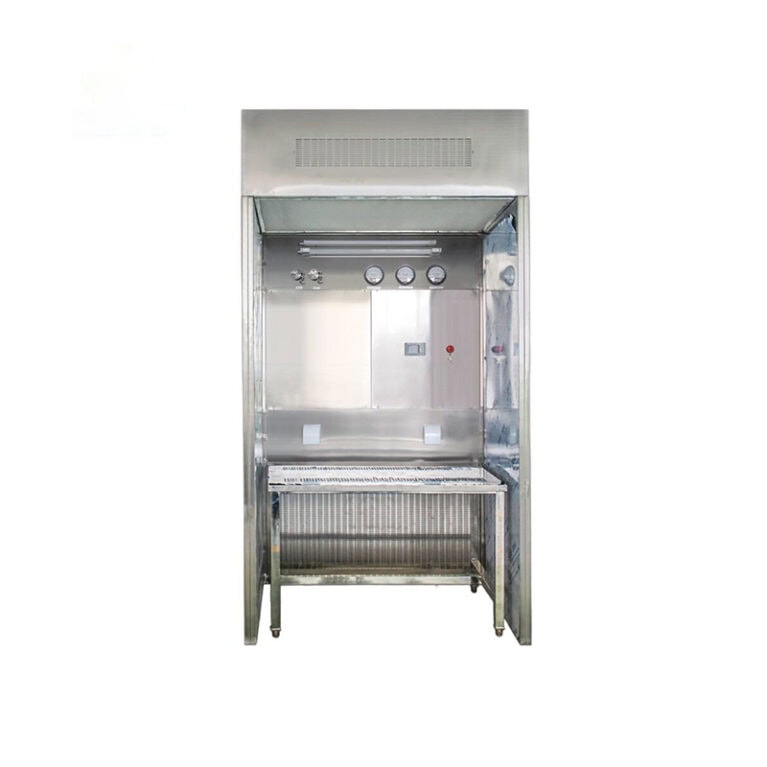
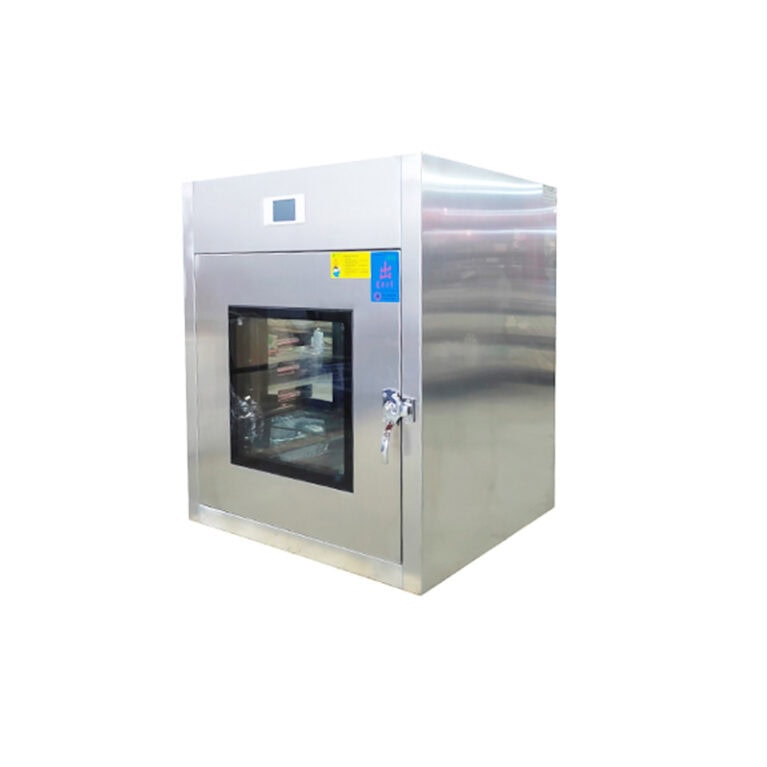
1. Air supply ceiling ( laminar flow air supply ceiling ) Advantages
Air quality is excellent: vertical unidirectional laminar flow, without vortices or turbulence, capable of continuously suppressing floating dust and preventing cross-contamination, suitable for clean areas of Class 100/ISO 5 and above standards.
Uniform air outflow: large static pressure box + uniform flow structure, consistent air speed across the entire surface, stable temperature, humidity and cleanliness in the area.
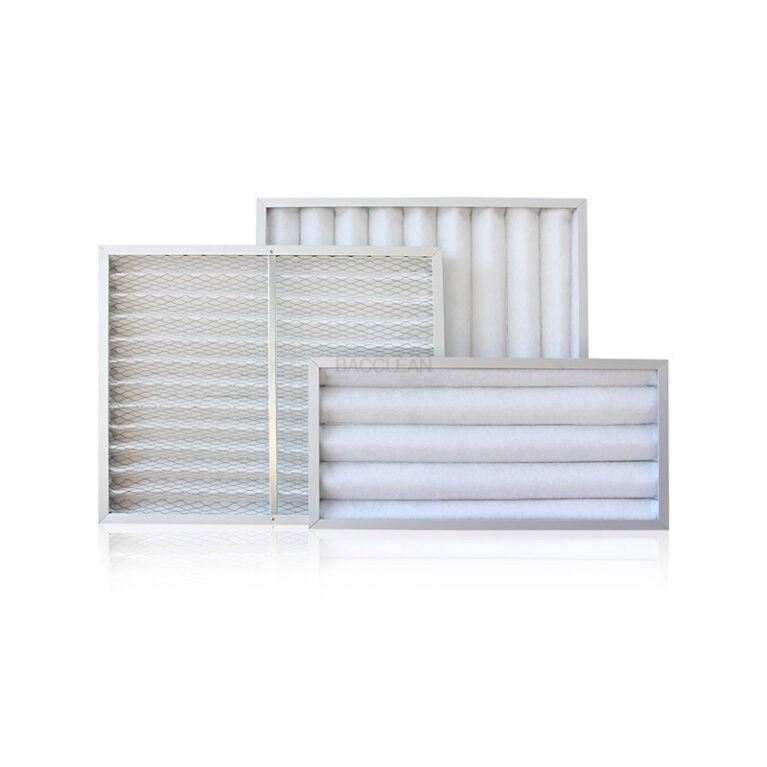
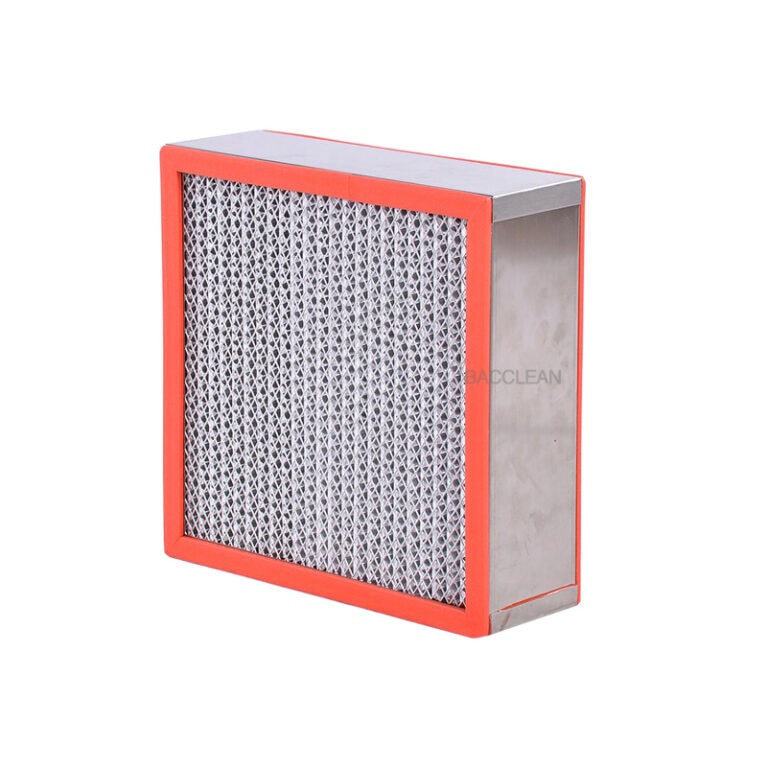
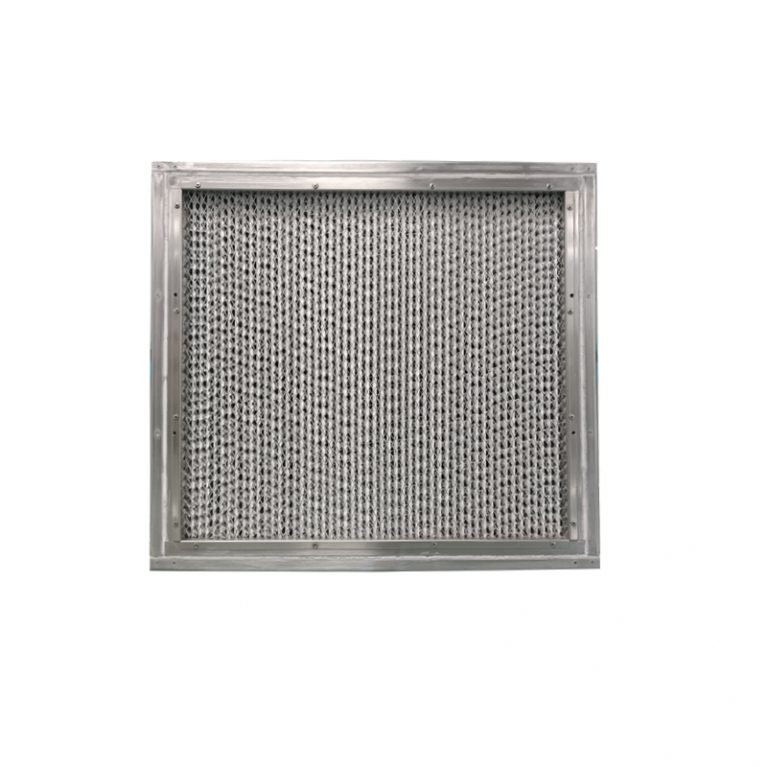
Strong purification capacity: standard configuration of multiple-level filtration (primary / intermediate / high-efficiency / ULPA), capable of deeply trapping micro-particles, meeting strict requirements of GMP, medical, and semiconductor industries.
Good local control and purification effect: can form a local clean core area, allowing for a more relaxed requirement for the overall workshop’s cleanliness, and reducing overall operation and maintenance costs. Disadvantages
High cost: Complex structure, numerous components (static pressure box, multi-stage filters, equalizing components), procurement and installation costs are much higher than those of ordinary air vents.
High wind resistance and high energy consumption: The multi-stage filters and long air flow path result in high wind resistance, requiring a high static pressure fan to be matched. Long-term operation consumes more electricity.
Complex maintenance: Filters, seals, fans, and equalizing components need to be inspected, replaced, and leak-checked regularly, resulting in a large amount of maintenance work.
Large space occupation: The static pressure box has a certain height, which requires higher ceiling height. The on-site installation space is limited.
Low wind speed: Only suitable for clean environment dust control, with slow air exchange and cooling speeds, not suitable for simple ventilation scenarios.
III. Ordinary Air Ventilation Vents (Blades / Diffusers) Advantages
Simple structure, low cost: Few components, convenient for procurement, installation and construction, with high cost-effectiveness.
Low wind resistance, low energy consumption: Short air flow path, no complex filtering and rectification structures, low fan load, energy saving.
Fast ventilation and heat exchange: High outflow wind speed, strong turbulent diffusion, high efficiency for space ventilation, temperature adjustment and dehumidification, suitable for conventional air conditioning ventilation.
Small space occupation: Lightweight body, low requirements for ceiling and duct installation space, suitable for most buildings.
Simple maintenance: Generally only needs to clean the coarse filter regularly, no leak detection or complex maintenance requirements. Disadvantages
Air flow disorder: Predominantly turbulent flow, prone to generating vortices and dust accumulation, unable to control suspended particulate matter, not suitable for high-cleanliness areas.
Weak purification capacity: Most are equipped with only coarse filters, without high-efficiency filtration, unable to intercept sub-micron dust.
Inconsistent air distribution: Without dedicated static pressure chambers, there are significant differences in local wind speed and pressure at the air outlets, resulting in dead zones in some areas.
容易造成污染扩散: The air flow crosses and swirls, spreading the dust and microorganisms within the area in all directions, posing a risk of cross-contamination.
III. Core Choices Summary
Select air supply ceiling: Priority requirements = High cleanliness, dust control, anti-pollution, willing to accept high costs, high energy consumption, and complex maintenance.
Select ordinary air outlets: Priority requirements = Conventional ventilation, air conditioning heat exchange, low cost, easy maintenance, no requirement for high cleanliness level.