
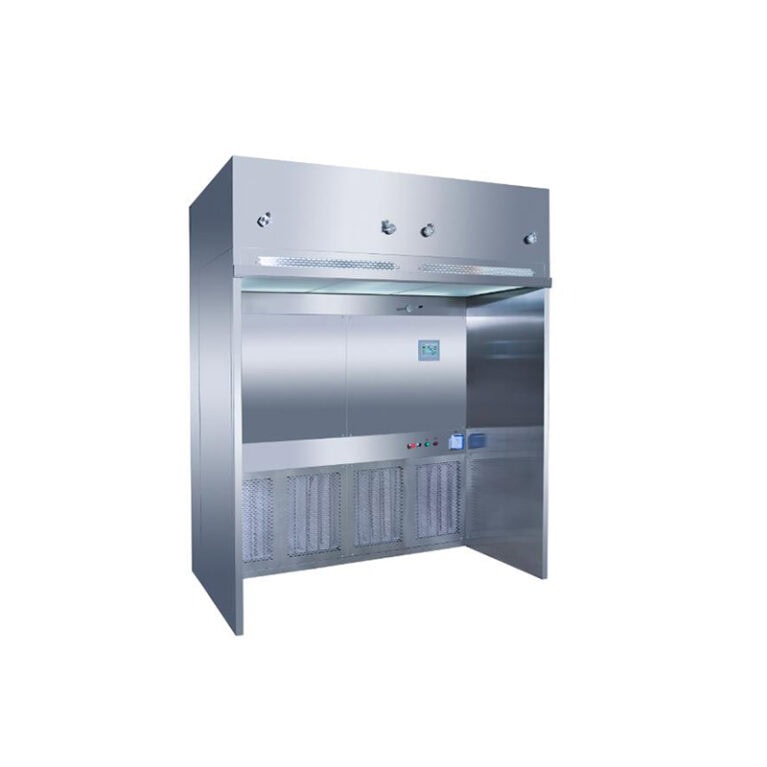
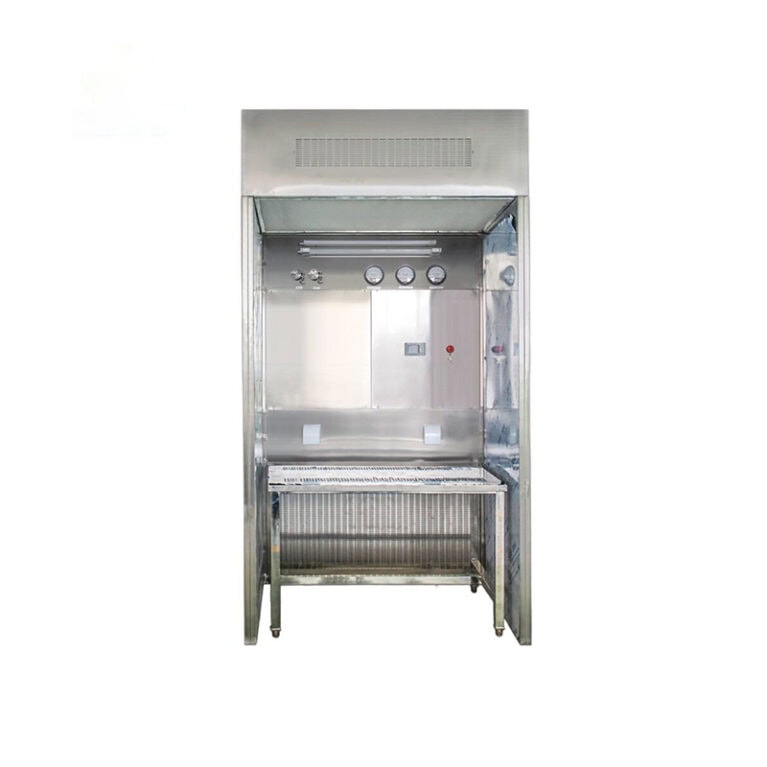
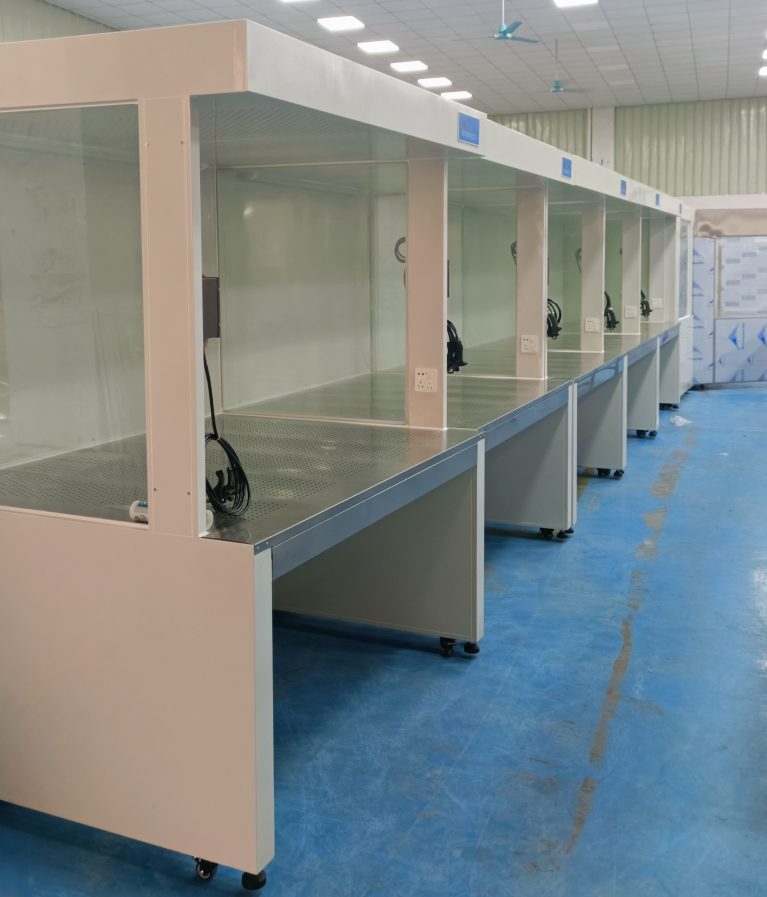
Negative pressure laminar flow workbench, vertical flow workbench application scenarios (precisely distinguished) 1. Vertical flow ultra-clean workbench (positive pressure, only protecting samples, no safety protection) Applicable scenarios It is only used for pure aseptic and dust-free operations without any biological risks, dust, or toxic aerosols. The main purpose is to protect the samples from environmental contamination. Typical applications: Preparation of common reagents, solution packaging, disassembling and organizing consumables Conventional cell culture, passage (non-pathogenic cells) Dust-free assembly and testing of electronic and optical devices Routine aseptic testing of food and water quality (samples without pathogenic risk) Dust-free weighing of traditional Chinese medicinal materials and common samples (without dust hazards) Strictly prohibited use No operations that may cause pollution, aerosols, dust, or pathogenic bacteria are allowed. Otherwise, contaminants will spill and pollute the room and endanger the operators. II. Negative pressure laminar flow workbench (negative pressure, anti-leakage, protecting personnel + protecting the environment + protecting samples) Applicable scenarios For operations with low microbial risks, dust, volatile substances, and aerosol contamination, the main purpose is to prevent the leakage of samples / contaminants and protect personnel and the laboratory environment. Typical applications: Pathogen sample processing, strain inoculation, colony picking Pre-treatment before PCR nucleic
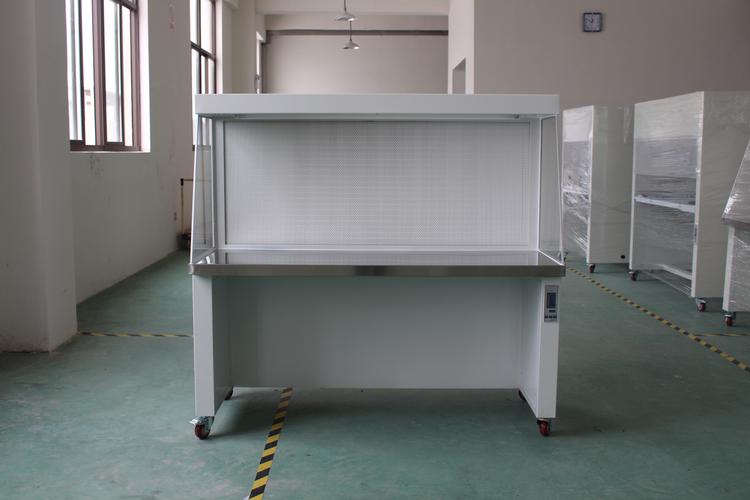
Material acceptance criteria for ultra-clean workbench (covering the countertop, cabinet, glass, and accessories) The inspection process is divided into three parts: visual inspection and hand feel self-check, test for reagent corrosion, and verification of certificate materials. This is applicable for both laboratory and GMP inspections and can be directly used for product inspection. 1. Core material standards for partitions 1.1 Operating countertop (most critical, directly in contact with acids, alkalis, alcohol, and 84 disinfectant) Acceptable mainstream: SUS304 stainless steel; for strong corrosive environments (acid washing, organic reagents, pharmaceutical factories), upgrade to SUS316 stainless steel Prohibited: Painted iron sheet, 201 stainless iron, thin iron sheet with stainless steel skin Quick judgment method Thickness check Standard for regular single-person workbench countertop ≥ 0.8mm, GMP for pharmaceutical factories recommends ≥ 1.0mm; Pressing the corners with a coin, obvious softness and depression indicates a thin plate of inferior quality; Poorly bonded surface of the laminate will peel and delaminate at the bending point. Magnetic test (distinguishing 304/201/iron sheet) Pure 304 stainless steel shows a normal weak magnetic attraction (due to processing and bending, martensite is produced), but it will not firmly hold the magnet and not fall off; 201 stainless iron, iron sheet: The
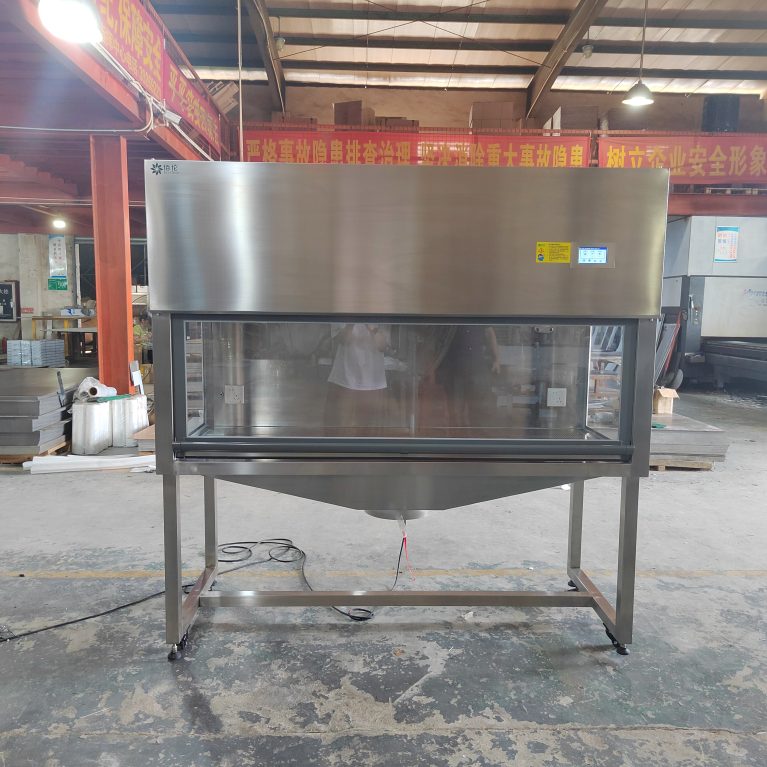
I. Vertical Flow Workbench (Positive Pressure Class 100 Cleanroom) Applicable Scenarios: Core Feature: Internal positive pressure, clean air flows vertically downward, only protecting the samples but not the operators, no dust/toxic substance leakage protection capability. Applicable Conditions: Aseptic and dust-free, non-toxic material operations Biological: Cell culture, tissue inoculation, common bacterial strain purification, sterile medium preparation (non-positive pathogenic bacteria) Pharmaceutical: Ordinary sterile formulation preparation, excipient packaging, sterile equipment organization Electronic/Optical: Chips, circuit boards, lenses, precision components assembly, dust-free inspection Agriculture: Cultivation of tissue cultures, sterile inoculation operations Only needed to prevent external dust from contaminating the products, without generating dust, aerosols, or toxic volatile substances in the process Prohibited Usage Scenarios: Highly active drug weighing, powder packaging, hormones/anti-tumor drugs, heavy metals, allergenic dust, pathogenic bacteria, volatile toxic reagents. Dust will spread outward and harm the operators. II. Negative Pressure Laminar Flow Workbench (Negative Pressure Weighing Hood / Negative Pressure Workstation) Applicable Scenarios: Core Feature: Cabinet internal negative pressure, vertical laminar flow protection for products, continuous inward suction of the operation surface to prevent dust leakage, while protecting people, the environment, and samples, with exhaust filtration. Applicable Conditions: Pharmaceutical GMP powder processes (most commonly used) Highly active drugs, hormones, anti-tumor drugs, antibiotics,
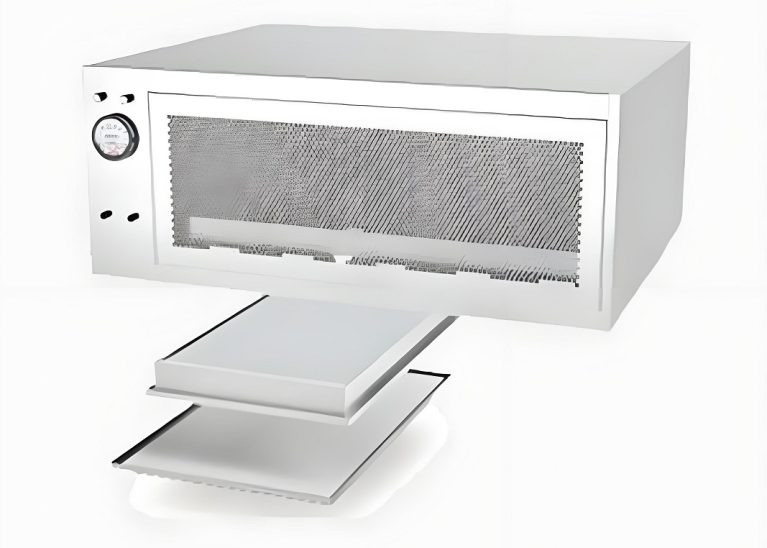
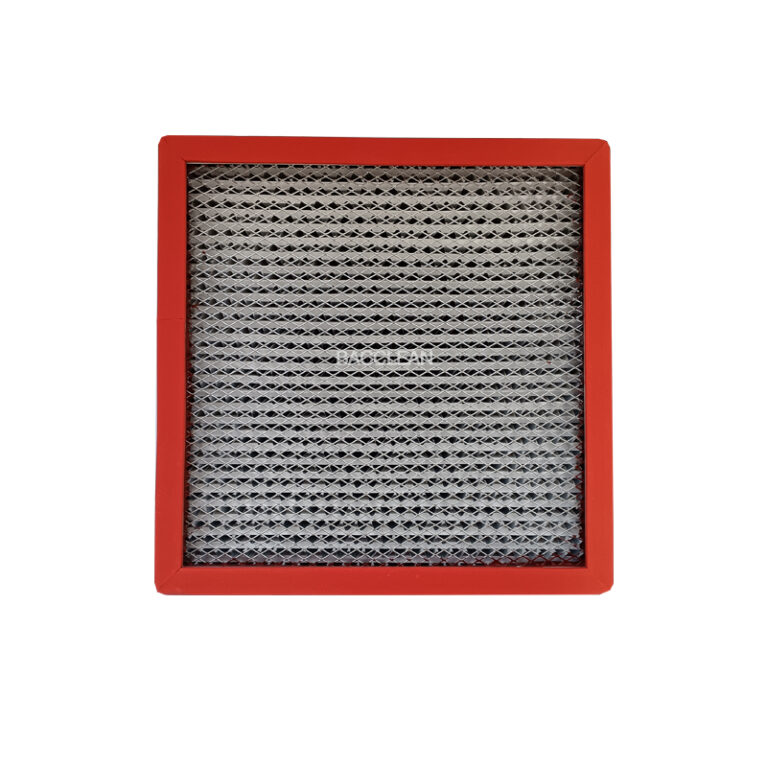
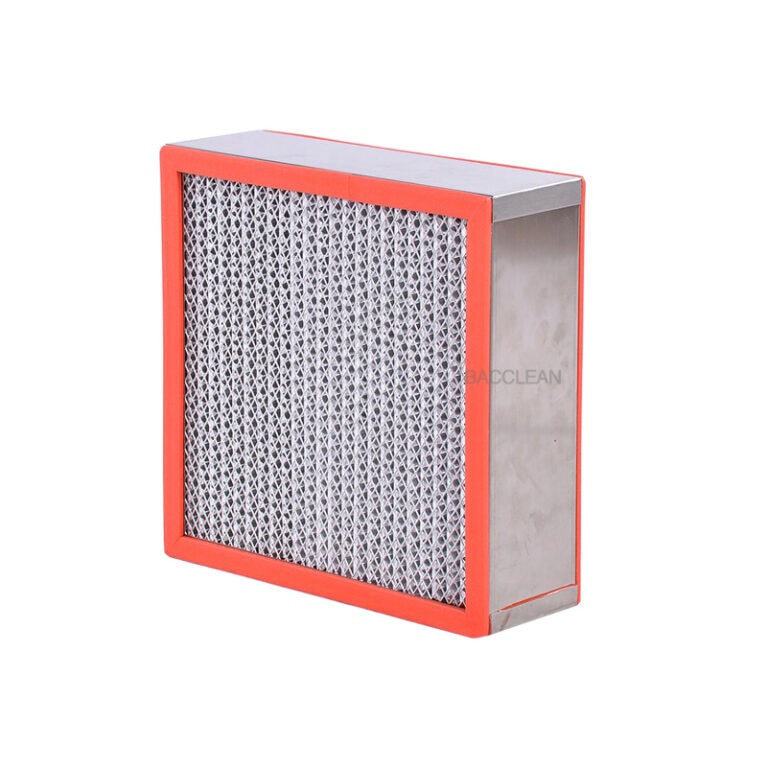
High-efficiency Filter (HEPA) Installation + Maintenance Complete Guidelines I. Key Points During Installation (Incomplete / Incorrect Installation Directly Results in Failure of Efficiency, Unqualified Cleanliness) 1. Pre-installation Inspection Handle the box gently, avoid dragging, stepping on, or bumping the filter surface; fiberglass filter materials are highly fragile and even tiny holes can cause dust leakage. Verify the model, size, and filtration efficiency (H14 Pharmaceutical Grade A standard), check if the filter frame is deformed, the filter surface is damaged, or the sealing rubber strip is missing. Store in a clean and dry environment, avoid stacking in open areas, damp areas, or dusty areas. Do not remove the protective film before installation. Clean and vacuum the interior of the laminar hood thoroughly, remove any floating dust, debris before installing the HEPA. 2. Installation Alignment and Sealing (The Most Important Point, Core of GMP Leak Detection) The airflow direction must not be installed reversed: The side with the arrow mark is the wind-facing side, facing the fan / intermediate-efficiency side; the non-woven fabric guard net faces outward. Reversing the installation will cause rapid blockage and halve the lifespan. The sealing rubber strips of the frame must be intact without cracks or compression
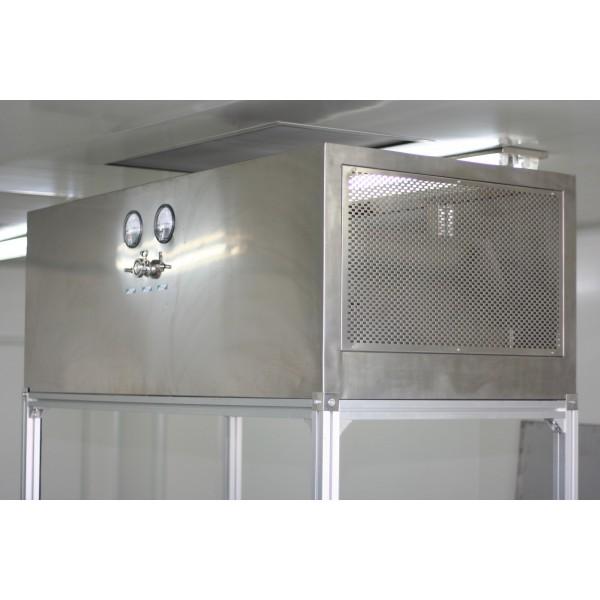
Daily Maintenance Specifications for High-Efficiency Filters of Layered Air Filtration Hood It includes daily inspection, weekly check, monthly maintenance, annual verification, and replacement management. Throughout the process, the high-efficiency filter material is not touched or cleaned. The core is to protect the pre-filtering and monitor the pressure difference. 1. Daily Routine Inspection (Operator / Cleanroom Personnel) Pressure difference record (core) Check the pressure difference value on the high-efficiency pressure difference meter and compare it with the initial pressure difference ledger; Report promptly if the pressure difference increases rapidly or the wind pressure fluctuates frequently. Air flow appearance inspection Equipment operating status the airflow is uniform without local lack of air or turbulence. Equipment operation status The fan has no abnormal noise or severe vibration; the outlet is not blocked by materials, boxes, or tools. Environmental control Clean the floor before transporting materials and turn off the layer flow hood; wait for the dust to disperse for 30 minutes before starting; do not direct the disinfectant mist onto the filter surface. 2. Weekly Maintenance (Maintenance Personnel) Check the dust accumulation on the surface of the primary filter and use an air gun for low-pressure blowing (only for the primary filter, prohibited
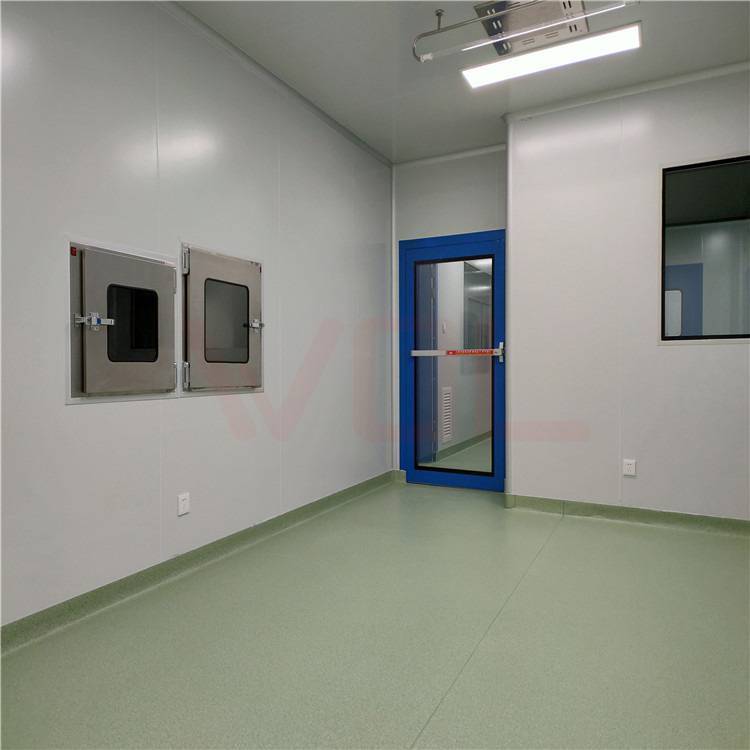
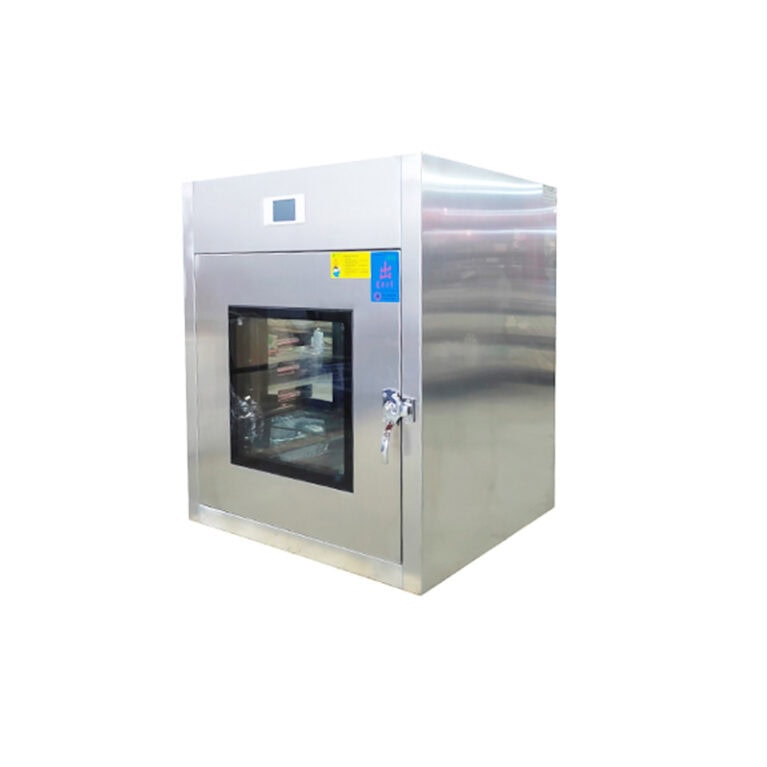
The complete set of precautions for space fumigation (VHP hydrogen peroxide dry mist / ozone) in the pass box It consists of nine sections: pre-sterilization preparation, loading specifications, sealing safety, process control, exhaust and residue removal, material compatibility, GMP verification, personnel protection, and post-maintenance. It covers the general requirements for pharmaceutical enterprises, biological laboratories, and electronic clean workshops. 1. Pre-sterilization preparation inspection (core prerequisite, indispensable) Cavity thorough cleaning and drying Remove oil stains, water stains, powders, and organic substances in advance; organic substances will consume the fumigating agent, creating sterilization dead zones; water accumulation on the inner wall will cause hydrogen peroxide condensation and ozone dissolution, significantly reducing the sterilization efficiency. Full inspection of sealing performance to prevent gas leakage Fully close the inner and outer doors, check that the sealing strips are not cracked, hardened, or脱落; any cracks or leaks in the door gap must be replaced or re-glued in advance. The interlock function must be intact; during fumigation, it is strictly prohibited to open both doors simultaneously; interlock failure prohibits fumigation and prevents fumigating gas from entering the clean area and contaminating the workshop or irritating personnel. Layer-flow pass box: Turn off the circulating fan and block the
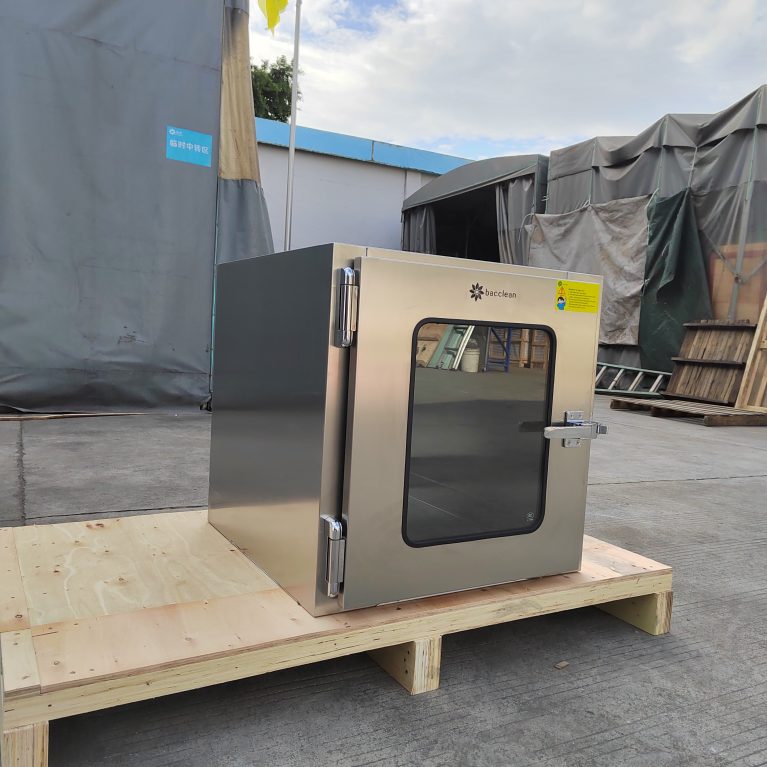
Daily physical disinfection methods for the pass box (without the need for chemical agents, used on a regular basis) 1. UV-C (Ultraviolet-C) irradiation disinfection (standard and most commonly used) Applicable scenarios Standard for all ordinary electronic interlocking pass boxes, daily material transfer basic disinfection, killing floating bacteria, molds, and bacteria inside the box and on the surface of the materials. Operation points Place materials evenly, do not block the lamp tube, fully close the double doors before turning on the light; In electronic workshops with 100,000 / 10,000 grade cleanliness, irradiation time ≥ 15 minutes; in sterile and biological clean areas, ≥ 30 minutes; After disinfection, turn off the UV lamp, wait for 2-3 minutes before opening the door. Maintenance requirements Clean the lamp tube with dust-free cloth weekly; mandatory replacement after 800 hours of cumulative use, or replace immediately if the irradiation intensity is lower than 50μW/cm². Limitations: There are shadow dead zones that cannot penetrate packaging gaps, and it needs to be combined with wiping assistance. 2. Layer flow self-cleaning blowout disinfection (specific for layer flow / air shower transfer windows) Depend on the built-in FFU (High Efficiency Filter Unit) to form a one-way clean airflow, physically removing
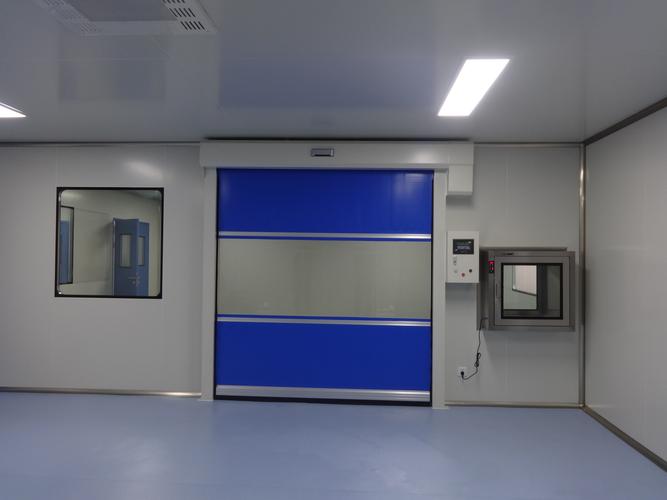
Passage Window Complete Usage Prohibitions (General for Cleanrooms, divided into four categories: operation, materials, equipment, and safety) I. Door Interlock Operation Prohibitions (The most critical, directly disrupting the clean air pressure difference) It is strictly prohibited to open both the inner and outer doors simultaneously. The interlock device is designed to prevent both doors from opening at the same time. Once both doors are opened simultaneously, the positive pressure in the clean area will be lost, and dust and microorganisms from the outside will directly flow in, causing the entire clean room to be contaminated; if the interlock fails, it must be immediately stopped and repaired. It is forbidden to forcibly pry the door open or dismantle the interlock switch. It is prohibited to open one door while the other is not fully closed. If the door is not tightly fastened or there is a gap in the sealing strip, the pressure difference will continue to leak, equivalent to a partially open door causing contamination. Do not lean against, collide with, or forcefully drop or smash the passage window door. This may cause the door frame to deform, the sealing strip to not be tightly pressed, and the electromagnetic lock
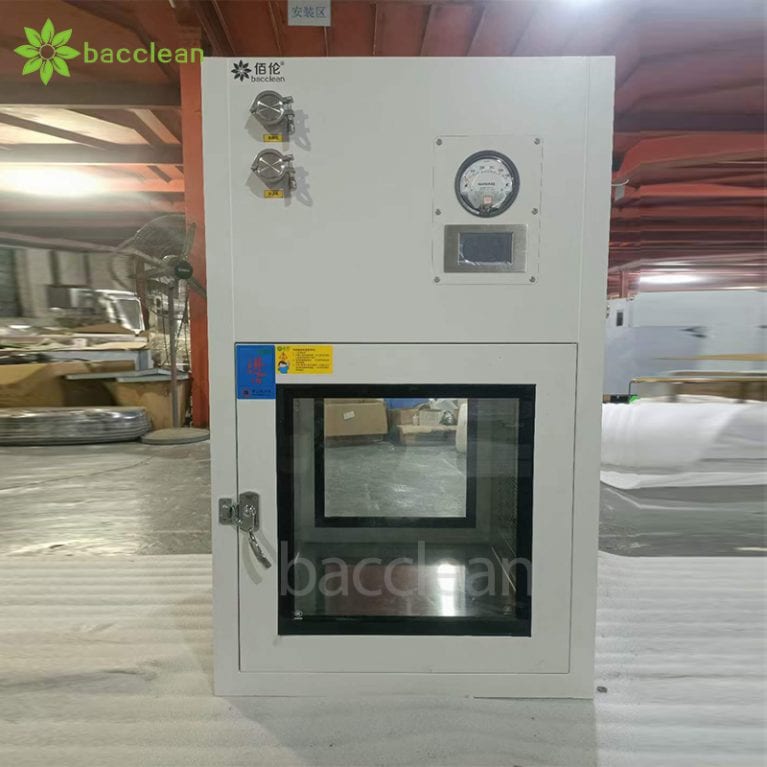
Common disinfection methods, applicable scenarios and operation points of transfer windows They are divided into three categories: daily physical disinfection, chemical wiping disinfection, and space fumigation sterilization. They are used separately in ordinary clean workshops and sterile/biological workshops. 1. Ultraviolet disinfection (standard equipment, most transfer windows are equipped with it) Applicable: Daily disinfection of material surfaces and interior of the box, standard for electronic interlock transfer windows Principle: Short-wave UV-C damages the DNA of microorganisms, killing bacteria, molds and viruses Operation guidelines Do not block the lamp tube when placing materials, turn on the ultraviolet lamp after closing the door; In the ordinary clean area, the irradiation time is ≥ 15 minutes, in the sterile workshop ≥ 30 minutes; After the irradiation is completed, turn off the ultraviolet lamp, and wait for 2-3 minutes before opening the door. Notes for Attention When the ultraviolet light is on, do not touch or look directly at the lamp tube; If the lamp tube accumulates dust, it will significantly reduce the sterilization effect. Clean it weekly; After a cumulative usage of 800 hours, the lamp tube must be replaced. The irradiation intensity must be lower than 50μW/cm² for failure. Limitations: There are shadow
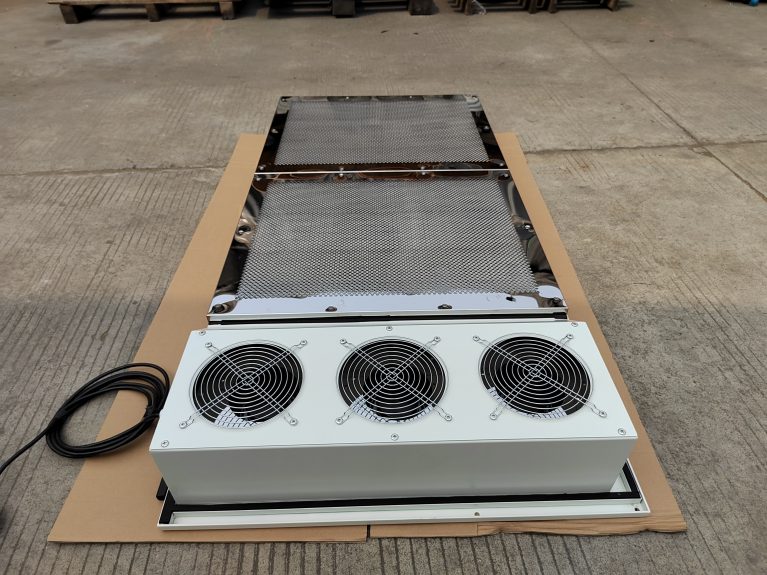
Based on on-site practical operations, it is divided into three parts: core determination basis, intuitive appearance judgment, and auxiliary condition determination, and ranked by priority. It can be directly used for on-site inspections: 1. Primary determination: Pressure difference resistance (the most authoritative, industry standard) Record the initial resistance of the filter element (the stable pressure difference after the new filter element is installed and running normally, usually 180-220 Pa). When the running resistance reaches twice the initial resistance, it must be replaced. If the pressure difference rises rapidly in a short period of time, it indicates that the filter element is severely clogged / damp, and it should be replaced in advance. 2. Intuitive appearance & seal check (can be checked with the naked eye) Filter material body: Large areas of blackening on the surface, heavy dust accumulation, holes, cracks, and loose fibers, immediately replace. Damp / moldy: Water stains, mold spots, and odors on the filter material and frame, directly replace (the filter material’s filtration efficiency will permanently decrease after getting damp). Sealing part: Failure of the sealing strip between the filter element and the frame, filter element deviation, repeated adjustments still leak air, replace the filter element and
Pass box maintenance cycle (General Industry Standard for Cleanrooms) Divided into daily, weekly, monthly, quarterly, and annual categories, it distinguishes between ordinary ultraviolet pass boxes and laminar flow air shower pass boxes, adapting to the general specifications of pharmaceutical enterprises and electronic cleanrooms. 1. Daily maintenance (per shift / before and after shift each day) Clean the inner walls, glass, countertop, and sealing strip surfaces of the box with 75% alcohol for disinfection; Check if the double doors are closed tightly and if there are any gaps; Test if the interlock indicator light, lighting lamp, and ultraviolet lamp can be turned on normally; Clear the box of debris, water accumulation, and stains. Applicable to all types of pass boxes, it must be done after each shift operation. 2. Weekly maintenance Fully disassemble the sealing strip, clean the accumulated dust in the gaps, and dry and reset; Wipe the door frame, door lock, and electromagnetic lock contact surfaces of dust; Check the dust on the surface of the ultraviolet lamp tube and wipe it with a dust-free cloth; Laminar flow type: Clean the surface of the primary filter screen. 3. Monthly maintenance (monthly inspection and maintenance) Clean and lubricate the mechanical/electronic
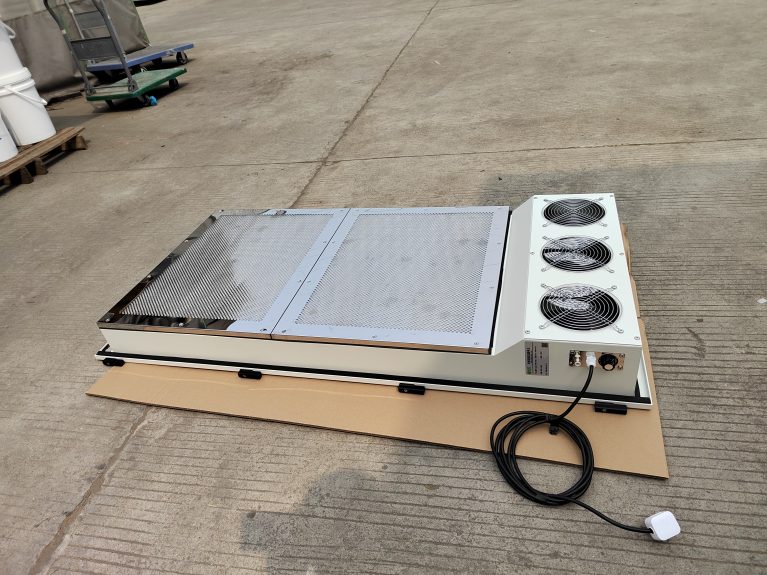
Based on the working conditions and environmental conditions, classify them according to the length of service life, and mark the changes in resistance, replacement cycle, and influencing reasons, to adapt to on-site management: 1. High cleanliness level + Excellent environment (optimal working condition) Applicable scenarios: Pharmaceutical sterile areas, precision electronic dust-free workshops, biological safety laboratories, full fresh air + pre-filtering complete Environmental characteristics: Few dust particles, stable temperature and humidity, no odor / water vapor / corrosive gases, complete front-end primary / intermediate filtration Service life: 10 to 12 months Features: Slow pressure increase, clean filter element appearance, rarely occurs moisture absorption, mold problems. 2. Conventional industrial clean area (standard working condition) Applicable scenarios: Ordinary purification workshops, food packaging workshops, regular laboratories Environmental characteristics: Small amount of dust production, normal temperature and humidity, complete front-end filtration configuration, intermittent / continuous operation Service life: 6 to 9 months Features: Resistance rises uniformly, inspection according to cycle is sufficient, it is the most common working condition. 3. High dust / dust-producing environment (shortened service life) Applicable scenarios: Powder feeding, weighing, grinding, batching workshops, raw material processing areas Environmental characteristics: High particle content in the air, heavy front-end filtration load Service life: 3
