

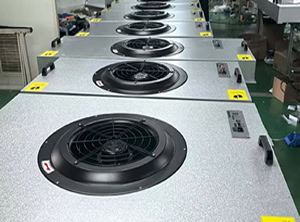
Applications of Explosion-proof FFU Frequency Conversion Speed Regulation 1. Shift Work Peak-Battling Production Workshop Lithium battery, pharmaceutical, and fine chemical plants, ensuring cleanliness during the day shift with high wind speed; reducing production during night shift and stopping to maintain low speed and stable pressure, adjusting consumption as needed. 2. Multi-Level Zone Cleanrooms Dividing the same factory into ISO5/7/8 different clean areas, independently adjusting speed for each zone, matching the ventilation standards of each area. 3. Hazardous Gas Control Zones Electrolyte, ethanol, hydrogen and other places, automatically increasing speed and strong ventilation when gas concentration exceeds the limit; reducing speed and operating normally when concentration drops. 4. Combustible Dust Production Workshop Aluminum powder, drug powder, powder processing areas, increasing air volume during dust generation periods to suppress dust, and operating at low speed during shutdown periods to maintain the environment. 5. Temperature and Humidity Pressure Differential Control Area When the temperature and humidity in the workshop fluctuate, automatically adjust the wind speed, stabilize the airflow gradient, and avoid imbalance in cleanliness. 6. Night Shift and Holiday Maintenance During production suspension and holiday periods, maintaining the basic positive pressure at a low speed to prevent the invasion of external pollutants, without
Principle of Frequency Conversion Speed Control for Explosion-proof FFU (Simple Engineering Version) I. Core Components Explosion-proof EC brushless motor: Power end for speed control Explosion-proof frequency conversion drive module: Core speed control motherboard Intelligent control board + communication module: Issue speed control instructions Speed / Current / Temperature sensing sensors: Real-time feedback Central control panel / Group control system: Human-machine operation end II. Working Implementation Process The 380V/220V AC power from the mains is first converted into stable DC power to eliminate voltage fluctuation effects. The frequency conversion inverter voltage regulation and frequency modulation drive module changes the output voltage and frequency. The higher the frequency, the faster the motor speed; the lower the frequency, the slower the speed. Signal instructions are issued Local panel manual speed adjustment Timed program automatic speed adjustment Gas, pressure difference, fire linkage signals trigger speed control Central control group control remotely issues speed control commands The motor operates precisely with variable frequency based on the frequency signal. The explosion-proof motor smoothly changes the speed, and the fan air volume increases or decreases synchronously. Closed-loop feedback corrects the sensors to transmit real-time speed and load data. The system automatically fine-tunes the frequency to stabilize the
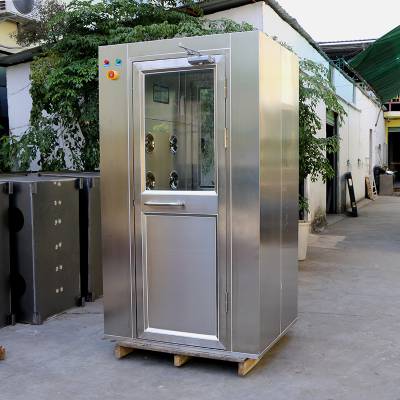
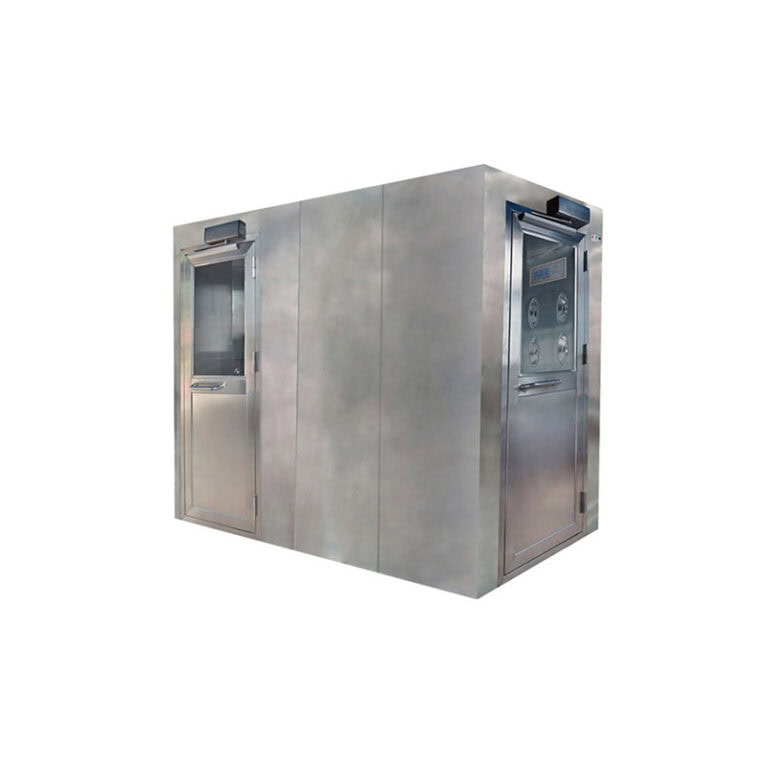
Core Principles: Electrical explosion-proof priority, static electricity not lost effectiveness, filters replaced on time, eliminate spark/static electricity hazards, balance clean function and explosion-proof safety. I. Daily Maintenance (Daily/Shift) Appearance and cleaning Use dust-free cloths to wipe the inner walls, nozzles, door bodies, and glass. Do not use steel wool or sharp tools to avoid scratching and generating metal debris and friction sparks. Clean the dust on the bottom return grille to keep the return air unobstructed and avoid dust accumulation. Electrical safety inspection (explosion-proof focus) Check the explosion-proof indicator light, emergency stop button, and infrared sensor for normal operation. Check if the explosion-proof junction box is sealed properly, without looseness, damage, or oil stains. Check the grounding line: the grounding wire of the box is not loose or rusted, and the grounding resistance meets the explosion-proof requirements. Operation status inspection Start the test for the fan, spray shower, and double-door interlock function. The two doors cannot be opened simultaneously. Listen for any abnormal sounds from the fan, and stop immediately if there are abnormal sounds to prevent the fan blade from rubbing the shell and generating sparks. Static electricity inspection No loosening of nozzles and stainless steel panels to avoid
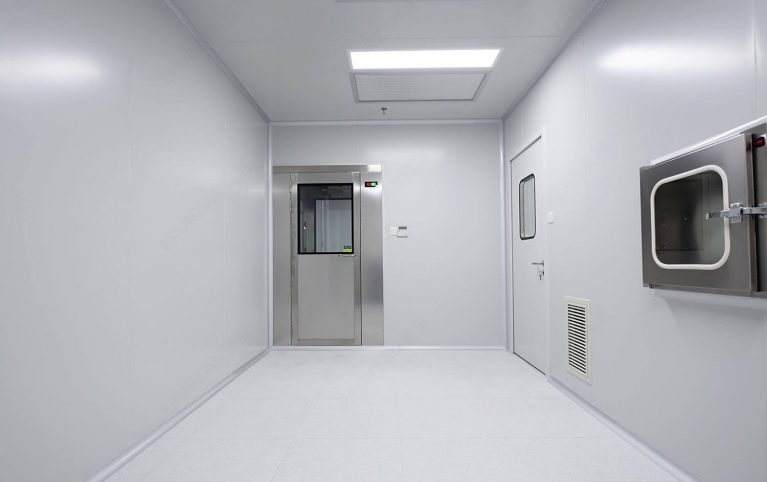
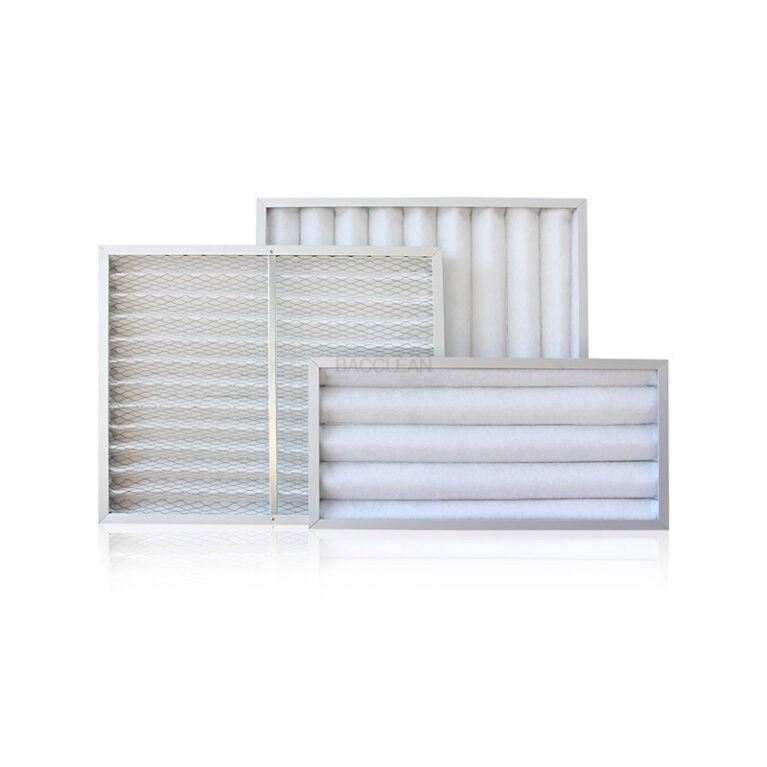
Explosion-proof air shower filter replacement procedure (primary efficiency + secondary efficiency, including explosion-proof safety regulations) Key points: Full power-off explosion-proof operation, anti-static, explosion-proof dust environment must be free of dust flying, conduct leak detection and wind speed measurement after replacement. Proceed step by step according to the standard procedure and follow it directly. 1. Preparations before replacement (explosion-proof safety first, must be done) Stop the machine and cut off the power supply Turn off the main power supply, hang a sign and lock (LOTO), do not touch and disassemble with power on; Do not open the cover in dust / flammable and explosive areas with power on. Personal protection Wear anti-static clothing, gloves, mask, use dust-free tools, do not use iron tools to strike or rub to generate sparks. Clear the site Empty the internal debris of the air shower room, clean the return air duct and the surrounding dust of the nozzle, reduce dust flying. Component verification Primary efficiency: G4 plate-type filter Secondary efficiency: H13/H14 with or without partitioned / without partitioned high-efficiency filter (size consistent with the original factory) Do not use ordinary high-efficiency filters from non-explosion-proof areas as substitutes, the sealing rubber strip must be intact. 2.
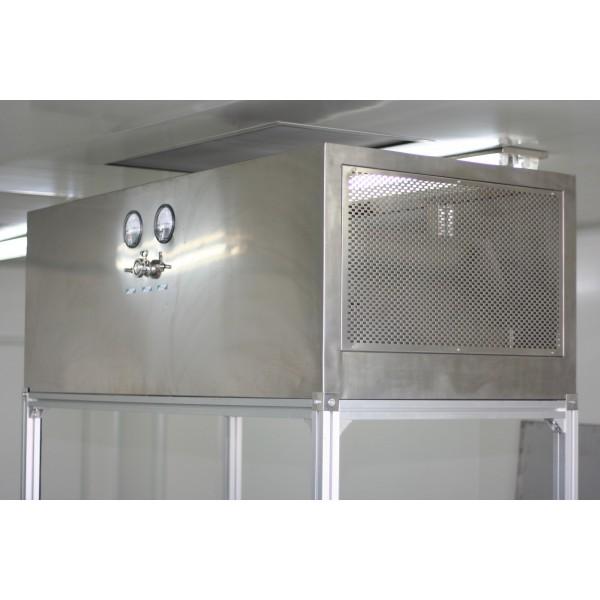
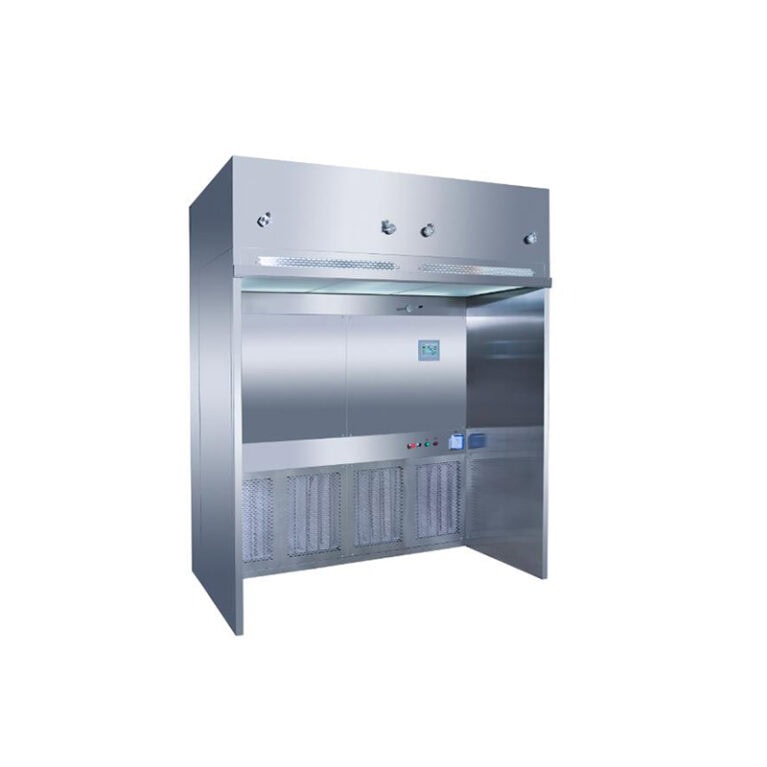
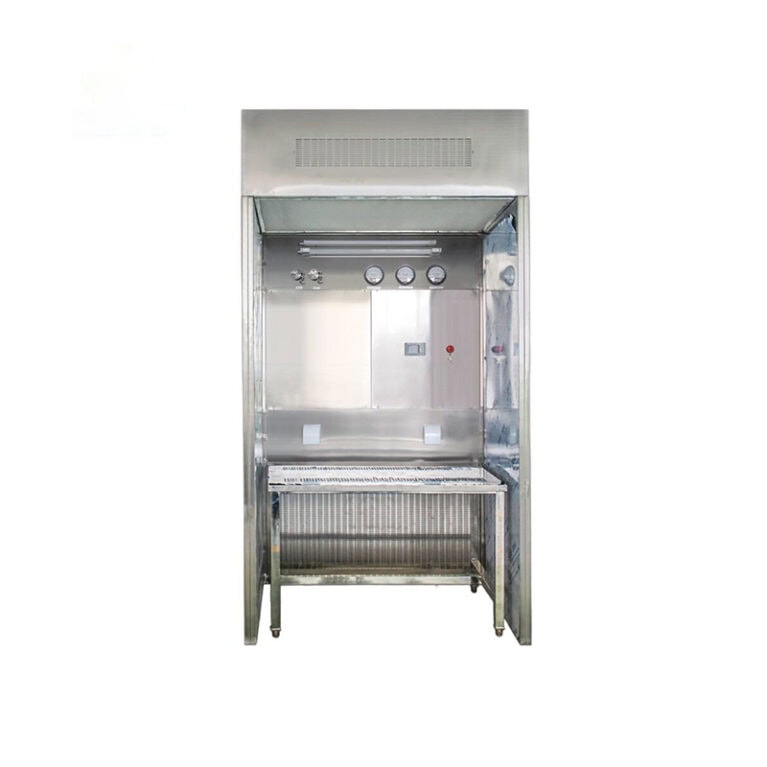
Based on the normal operating conditions of the pharmaceutical / cleanroom, the amount of dust, and the duration of operation, we provide you with the most standard replacement cycle that can be directly written into the SOP. At the same time, by comparing with the negative pressure weighing room, it is convenient for you to select and make maintenance plans. Ultrasonic hood, initial and intermediate efficiency filters service life 1. Initial efficiency filter (G4) Ordinary cleanroom, low dust: 6-12 months High traffic, more dust: 3-6 months Judgment criteria: Increase in pressure difference, obvious accumulation of dust on the surface, decrease in air volume Daily use: Use air gun to blow off dust once a week, which can extend by 1-2 months 2. Intermediate efficiency filter (F8) Normal conditions: 12-24 months (1-2 years) High dust, 24-hour continuous operation: 8-12 months Compared with the negative pressure weighing room (for your reference) Negative pressure weighing room initial efficiency: 2-4 months (high dust, drug powder, clogging occurs quickly) Negative pressure weighing room intermediate efficiency: 6-10 months Brief summary: Ultrasonic hood: Initial efficiency 6 months – 1 year, intermediate efficiency 1-2 years Negative pressure weighing room: Initial efficiency 2-4 months, intermediate efficiency 6 months –
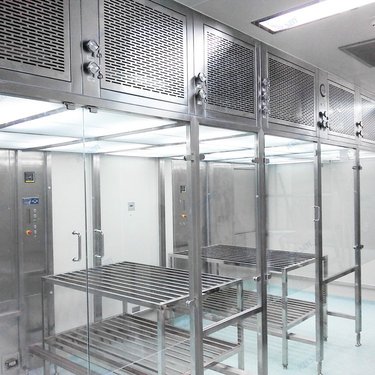
Based on the actual on-site usage experience, how long a laminar flow hood HEPA filter can last – 1.5 years or 3 years – hinges on these 6 key factors, all of which are the most critical points in operation. I will explain them clearly to you in a straightforward and understandable way:1. Pre-filtering (most crucial, has the greatest impact) Whether the primary and secondary filters are replaced on time directly determines the lifespan of the high-efficiency filter. If the primary filter gets clogged and is not replaced → A large amount of dust rushes into the high-efficiency filter → The high-efficiency filter is scrapped in less than 1 year. Replacing the primary and secondary filters on time → The lifespan of the high-efficiency filter is directly extended by 50% to 100% 2. Operating duration and startup mode Continuous operation for 24 hours: The lifespan of the high-efficiency filter is 1.5 to 2 years 8 to 12 hours of intermittent operation per day: 2 to 3 years Frequent startups and changes in wind speed: The filter material is prone to damage, reducing the lifespan 3. Dust content in the cleanroom environment Aseptic workshop, with very little dust: The high-efficiency filter
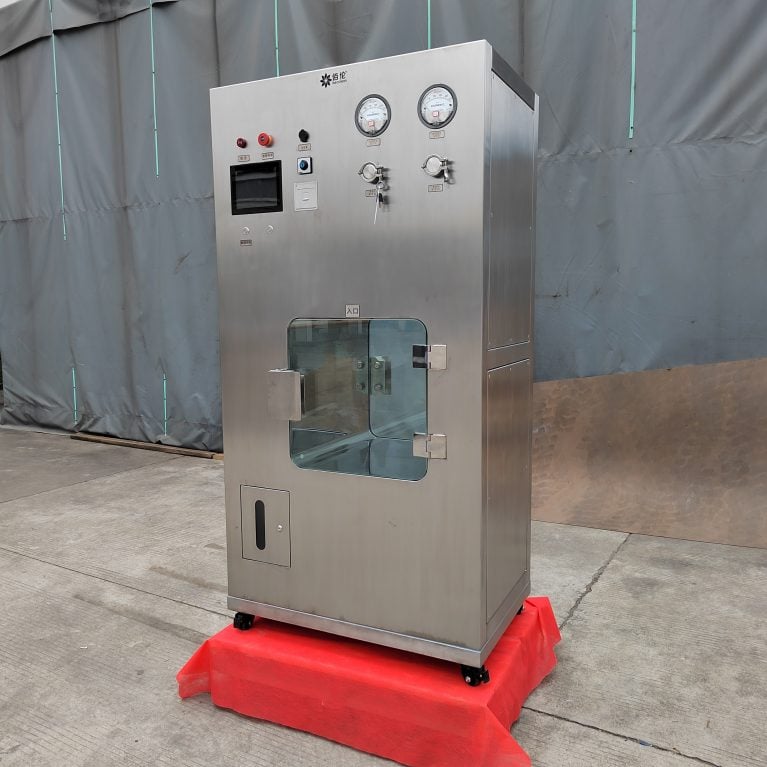
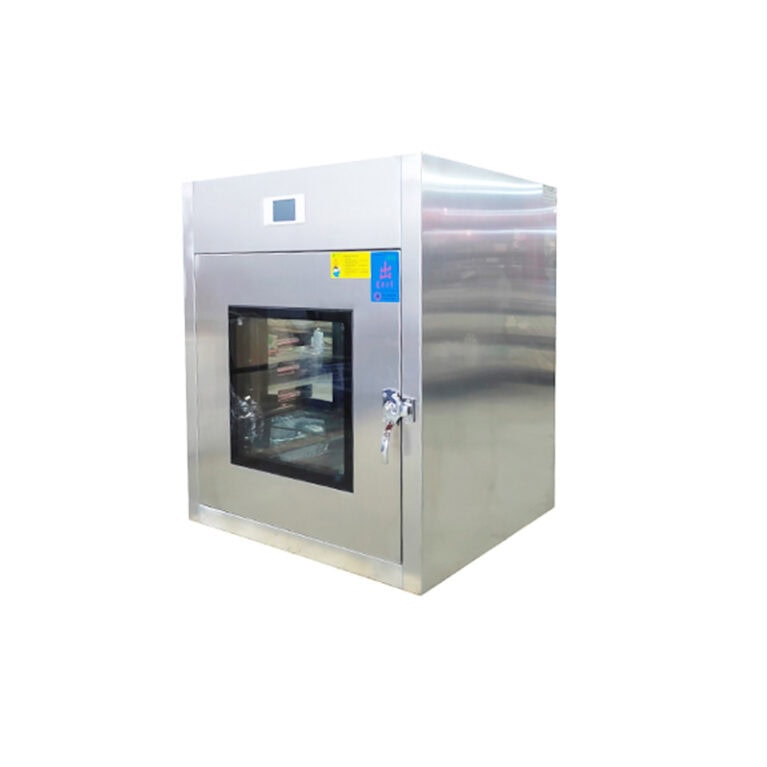
The process is divided into four stages: pre-humidification → drug addition and sterilization → maintaining exposure → residue removal. The industry standard duration is provided directly, and it is differentiated between small and large transfer windows. 1. General standard time (Pharmaceutical GMP standard) a) Small VHP transfer window (cavity size around 600×600×600) Pre-humidification: 5–10 minutes Drug addition + maintaining sterilization exposure: 20–30 minutes (core sterilization time) Residue removal (ventilation and decomposition): 20–40 minutes Total cycle: 45–80 minutes b) Large VHP transfer window (cavity > 800mm, or double-door interlocked large volume) Sterilization exposure time: 30–45 minutes Residue removal longer: 30–60 minutes Total cycle: 70–115 minutes Key point: The exposure maintenance time is the actual sterilization time. Generally, maintaining for ≥ 30 minutes can stably achieve 6log spore kill and meet the aseptic level. 2. What determines the sterilization time? Cavity volume: The larger the volume, the longer the time VHP generator power: Higher power, faster drug addition, can shorten the time Humidity: 50%–65% humidity has the best effect, and meeting the standard can shorten the sterilization time Verification requirements: GMP projects must verify the final time using biological indicators (BI), not a fixed value All negative results of Bacillus subtilis var.
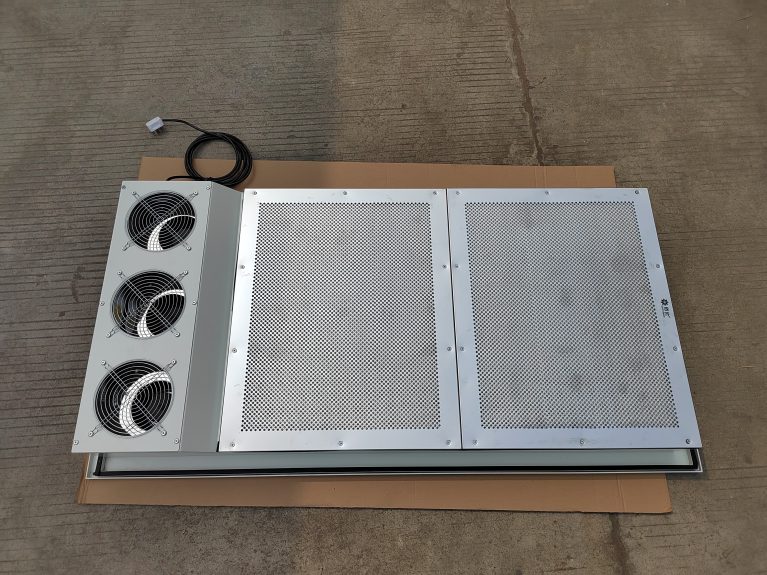
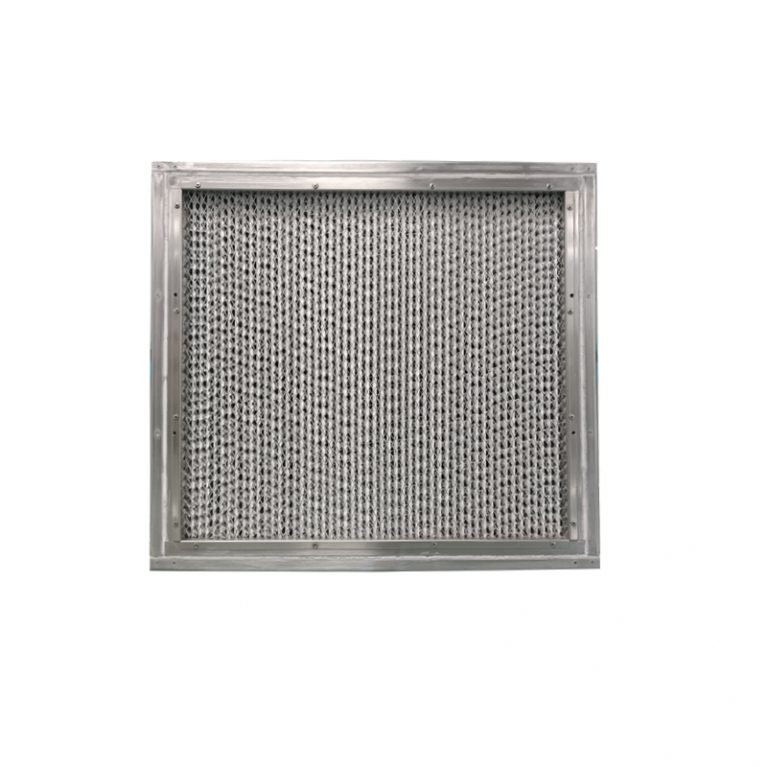
The vessel frame high-efficiency filtration unit is mainly used for air filtration in clean rooms, laminar flow areas, and at the end of purification equipment. The core maintenance focuses on seal checks, pressure difference monitoring, cleaning protection, replacement cycle, and maintenance of the vessel frame structure, to ensure filtration efficiency and stable airflow. The following are the standardized maintenance steps: 1. Daily inspection (daily / weekly) Pressure difference monitoring Check the pressure difference gauge of the high-efficiency unit and record the initial resistance: Generally, the initial resistance of a high-efficiency unit is 180-220 Pa. When the pressure reaches twice the initial resistance or reaches the upper limit specified by the manufacturer, the filter element must be replaced. Visual inspection Observation of the filter element for any damage, frame leakage, blackening, dust accumulation, moisture absorption, mold formation; Check the **frame (support framework)** for deformation, loosening, rusting, and weld seam cracking. Sealing inspection Check if the filter element and the frame, as well as the frame edge sealing strip, have fallen off, cracked, hardened, or have any air leakage gaps. Air leakage will directly damage the cleanliness level. Operation status Check if the unit’s air outlet is uniform, if there are any
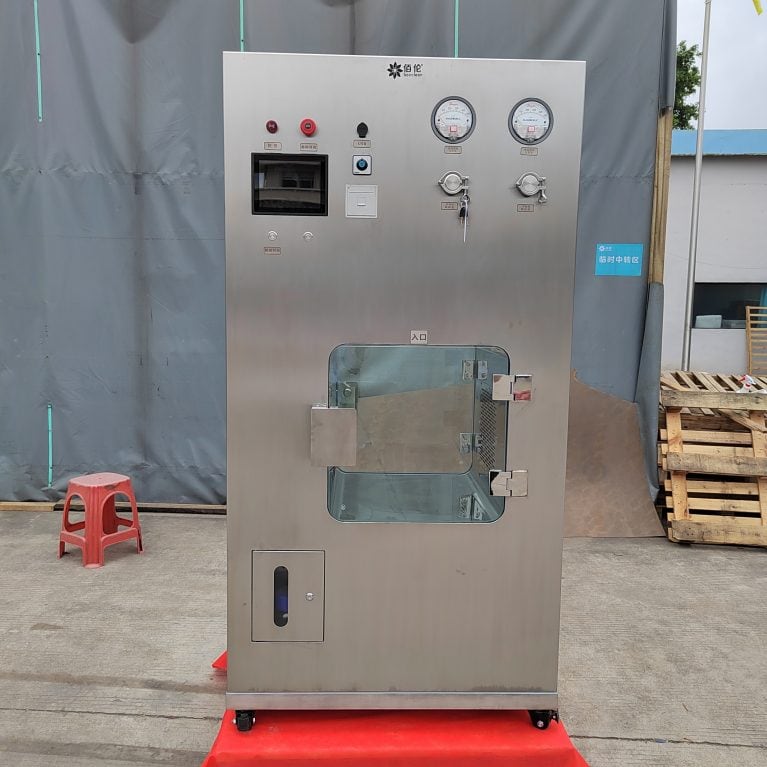
Summary: This sterilization method has a high sterilization grade, can kill spores, and achieves a sterile level, fully meeting the GMP sterile zone requirements. It is currently the most mainstream low-temperature gas sterilization method for clean rooms. The following will explain it in detail from core sterilization capabilities (actual effects), comparison, advantages and disadvantages, and compliance. 1. Core sterilization capability (actual effect) Extremely wide sterilization spectrum It can inactivate bacteria, fungi, viruses, mycoplasma, and the most difficult-to-kill bacterial spores. The kill rate of Bacillus subtilis var. niger spores (ATCC9372, sterilization verification standard strain) is ≥ 6log, i.e., 99.9999%. Low-temperature sterilization without high-temperature damage The sterilization temperature is generally 22–28℃, capable of sterilizing plastics, electronic components, paper packaging materials, culture media, and precision equipment, without deformation or aging. Good gas permeability The vaporized H₂O₂ is gaseous and can penetrate gaps, threads, blind holes, and packaging interiors, more thorough than ultraviolet or alcohol wiping. No residual risk The decomposition products are water + oxygen, with no chemical residues after ventilation and residue removal, and no contamination of drugs or materials. 2. Comparison with other sterilization methods Compared with ultraviolet transfer cabinets Ultraviolet can only reach the surface, and dead corners are ineffective,
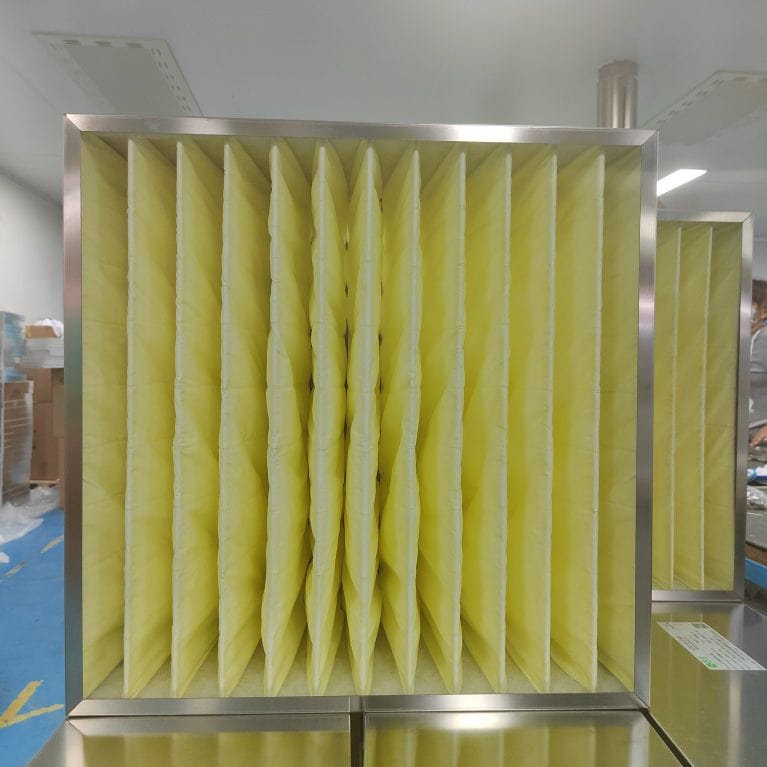
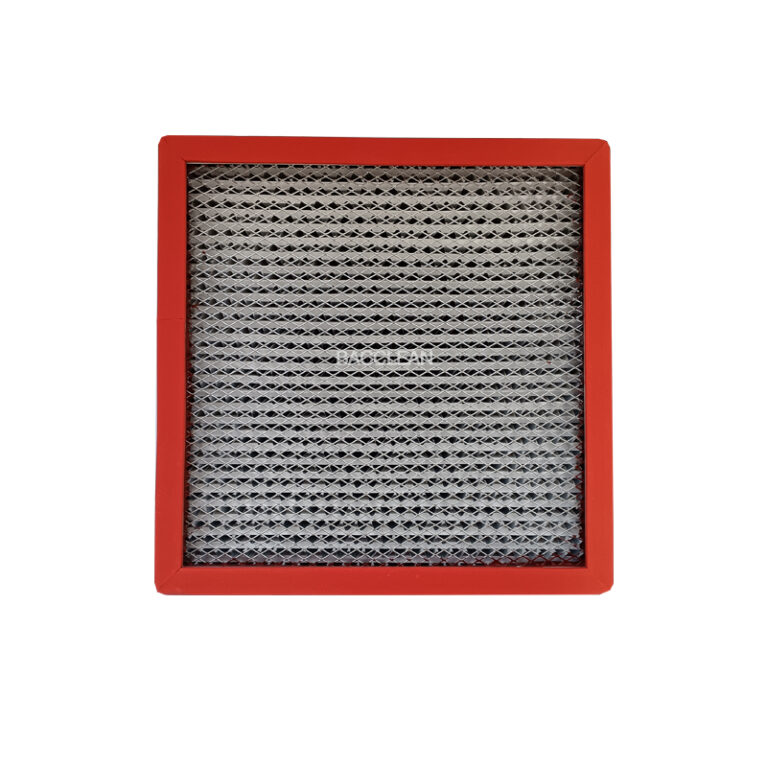
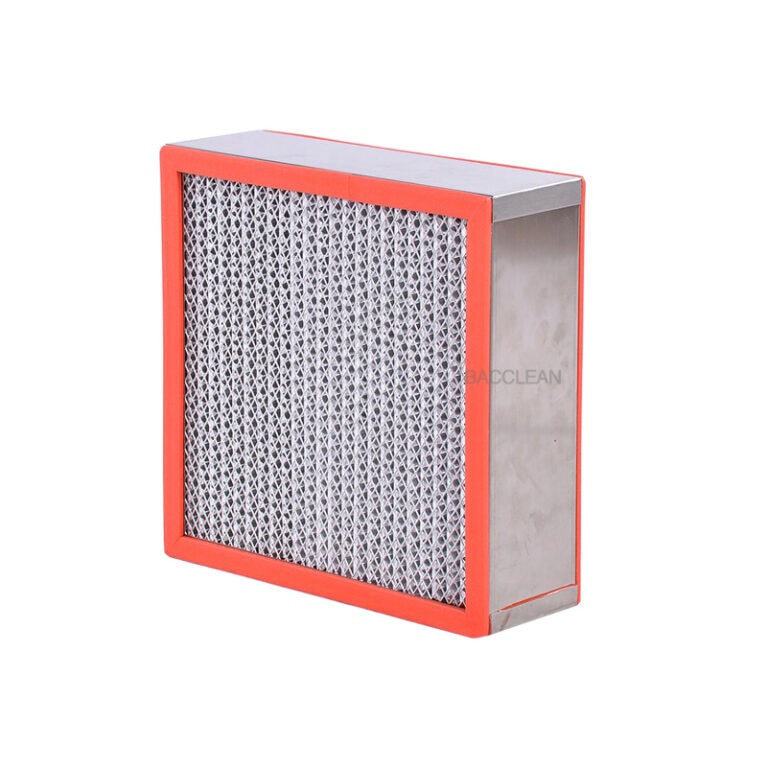
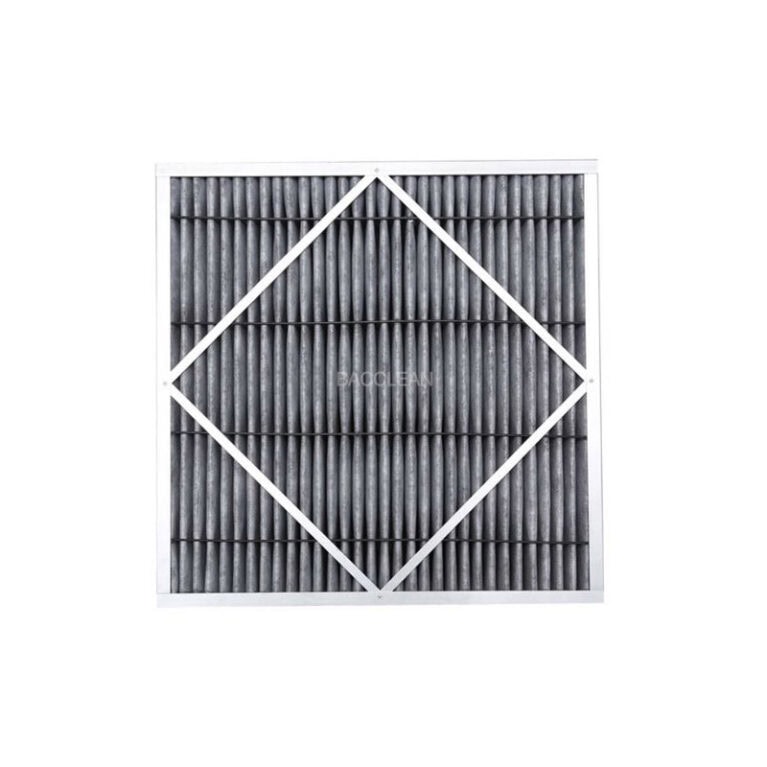
Box-type filters (also known as box-type high-efficiency / medium-efficiency filters, plate-type box filters) mainly utilize the interception, adsorption, diffusion, and electrostatic effects of the filter medium to block dust and particles in the air onto the surface or inside the filter material, thereby outputting clean air. The overall structure consists of a box body, filter material (non-woven fabric, glass fiber filter paper, PTFE membrane, etc.), guard net, and sealing rubber strip. The airflow passes through the box body in a straight line to complete the filtration. I. Basic Structure It mainly consists of: metal outer frame box body, filter material (non-woven fabric, glass fiber filter paper, PTFE membrane, etc.), guard net, and sealing rubber strip. It is made into a square box body shape, which is convenient for installation in air conditioning units, fresh air cabinets, and purification equipment. II. Core Filtration Principles (4 Functions) Inertial collision: Large particles of dust move with the airflow and cannot turn when encountering fibers, directly colliding with the fibers and being retained. Mainly filters dust particles larger than 1 μm. Interception effect: Medium-sized particles are close to the fibers and are directly caught and blocked by the fibers, achieving physical interception. Brown diffusion:
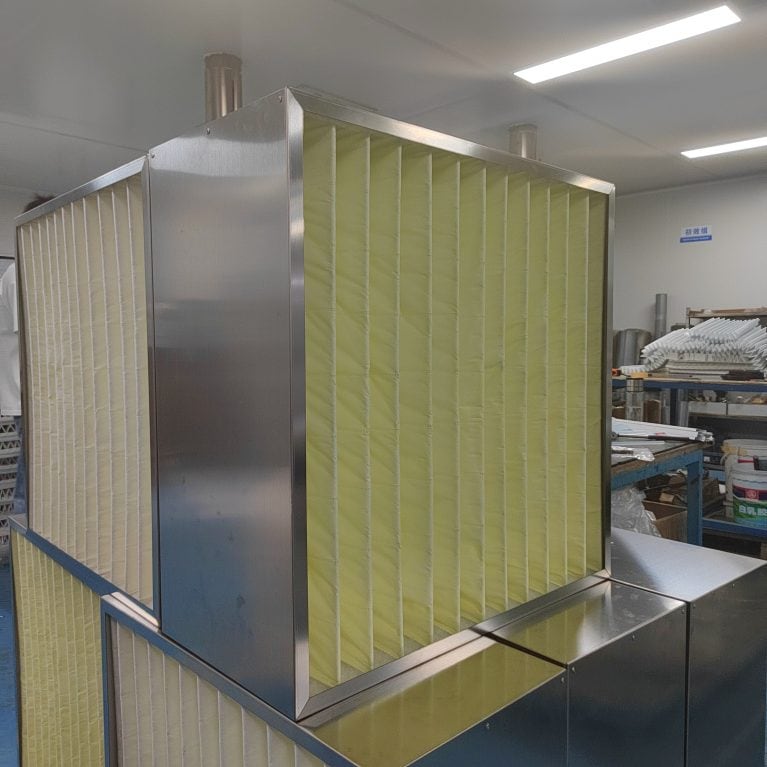
Box-type filters (generally referring to medium-efficiency or high-efficiency box-type, with square box structure) mainly compare with plate-type, bag-type, and non-grid high-efficiency filters. Below, the advantages and disadvantages are summarized from a common and engineering perspective to facilitate your selection. 1. Advantages of box-type filters Sturdy structure, strong resistance to pressure Metal box + internal reinforcement, capable of withstanding high air volume and high pressure difference, less prone to deformation and air leakage, suitable for installation in air conditioning units, air handling units, and clean air conditioning systems. Good sealing performance, low air leakage rate Built-in box + sealing rubber strips, simple installation, compared to ordinary plate-type, the sealing is more reliable, suitable for occasions with high cleanliness requirements. Greater dust holding capacity than plate-type, longer service life Internal filter materials are folded / thickened, capable of strong dust accumulation, longer replacement cycle compared to thin plate-type filters, lower maintenance frequency. Easy installation, universal applicability Standard size, can be directly replaced with bag-type or plate-type, suitable for most fresh air cabinets, air conditioning boxes, and combined air conditioning units. Good temperature and humidity resistance Metal frame, suitable for humid, slightly corrosive, and high-temperature working conditions, better than bag-type in terms of
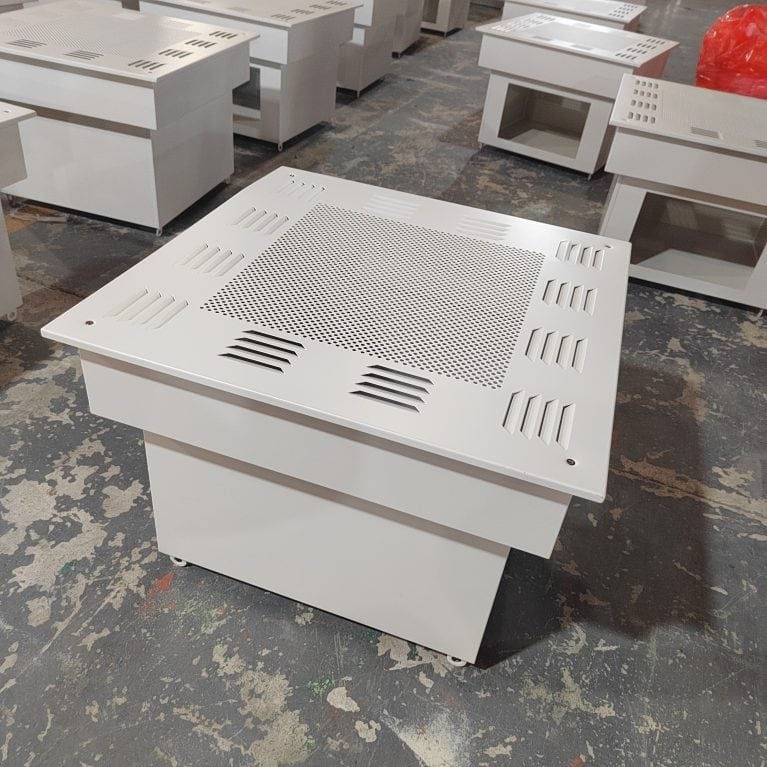
Criteria for Judging the Replacement of High-Efficiency Filters (General for Clean Rooms, Simple and Direct) There is no need to memorize the years. Instead, focus on checking the pressure difference, leak detection, cleanliness, and appearance. Any one of these conditions being met requires replacement. 1. The most standard: Check the pressure difference (most commonly used and most accurate) Record the initial resistance (the pressure difference after the new filter is installed and stabilized) When the final resistance ≥ 2 times the initial resistance → Replace immediately Example: The initial pressure difference is 100 Pa, and it should be replaced when it reaches 200 Pa This standard is strictly followed in DOP supply air outlets, liquid tanks, and GMP workshops. An increase in pressure = accumulation of dust and blockage, decreased air volume, and deteriorated cleanliness 2. Insufficient leak detection (priority for DOP supply air outlets) Use PAO/DOP leak detection scanning: Filter body leakage, frame sealing leakage, liquid tank sealing failure Insufficient leak detection → Replace immediately, cannot continue to use 3. Exceeding cleanliness / dust particle standards Daily inspection in the workshop: Suspension particles, microorganisms exceed standards After excluding problems with the fan, duct, and return air, it is the
