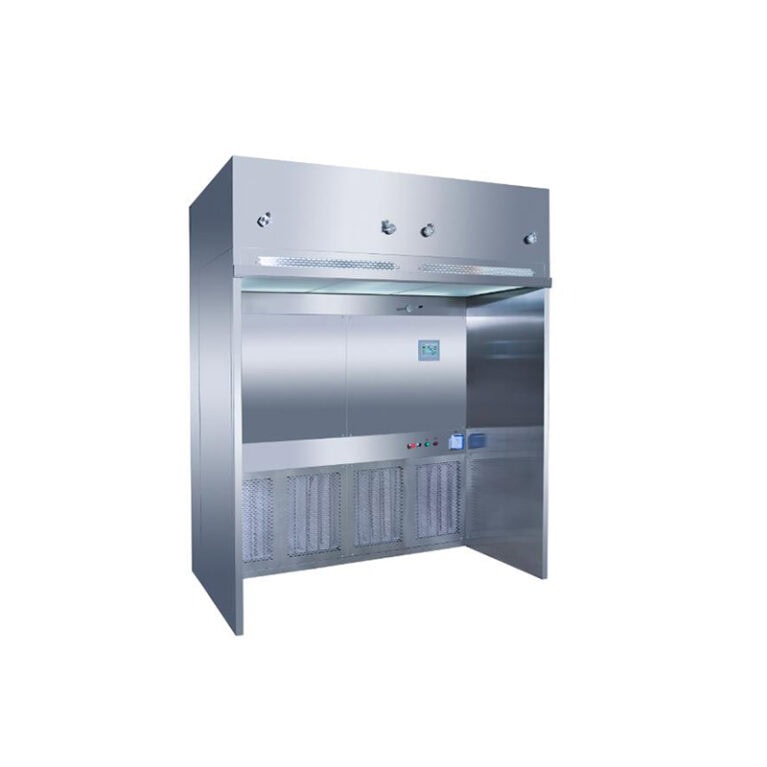
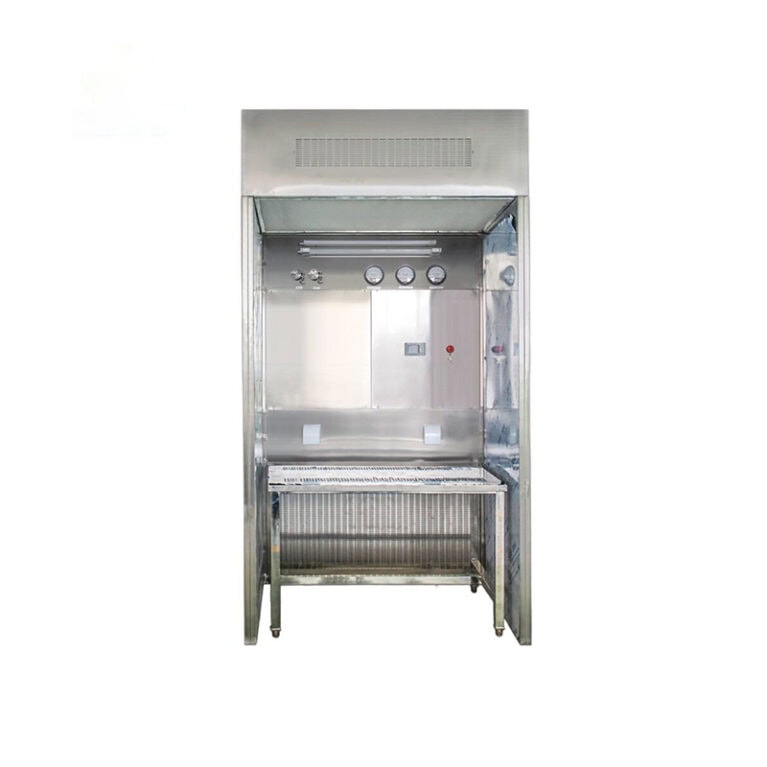
Daily Maintenance Specifications for High-Efficiency Filters of Layered Air Filtration Hood
It includes daily inspection, weekly check, monthly maintenance, annual verification, and replacement management. Throughout the process, the high-efficiency filter material is not touched or cleaned. The core is to protect the pre-filtering and monitor the pressure difference.
1. Daily Routine Inspection (Operator / Cleanroom Personnel)
Pressure difference record (core)
Check the pressure difference value on the high-efficiency pressure difference meter and compare it with the initial pressure difference ledger;
Report promptly if the pressure difference increases rapidly or the wind pressure fluctuates frequently.
Air flow appearance inspection
Equipment operating status the airflow is uniform without local lack of air or turbulence.
Equipment operation status
The fan has no abnormal noise or severe vibration; the outlet is not blocked by materials, boxes, or tools.
Environmental control
Clean the floor before transporting materials and turn off the layer flow hood; wait for the dust to disperse for 30 minutes before starting; do not direct the disinfectant mist onto the filter surface.
2. Weekly Maintenance (Maintenance Personnel)
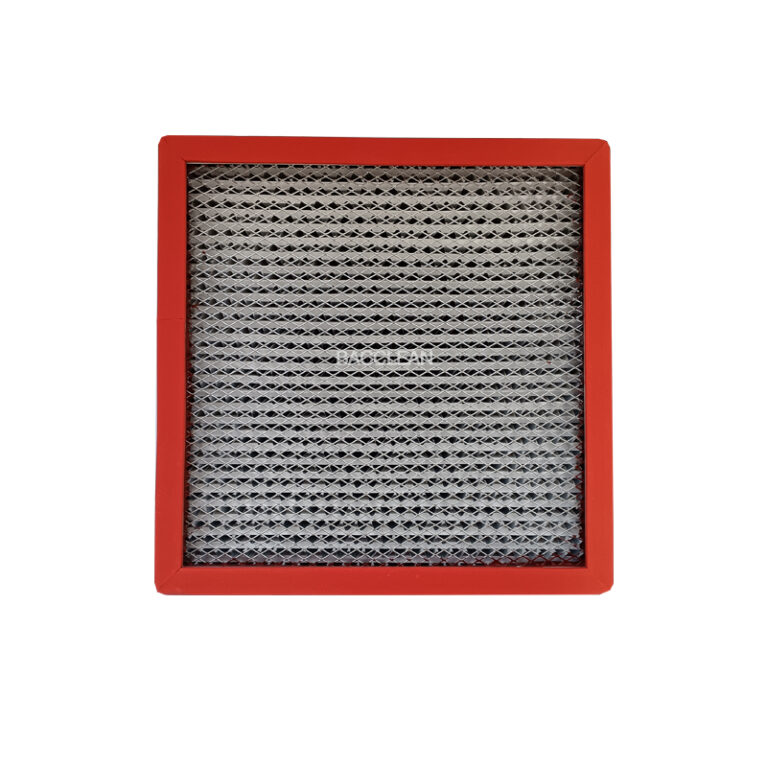
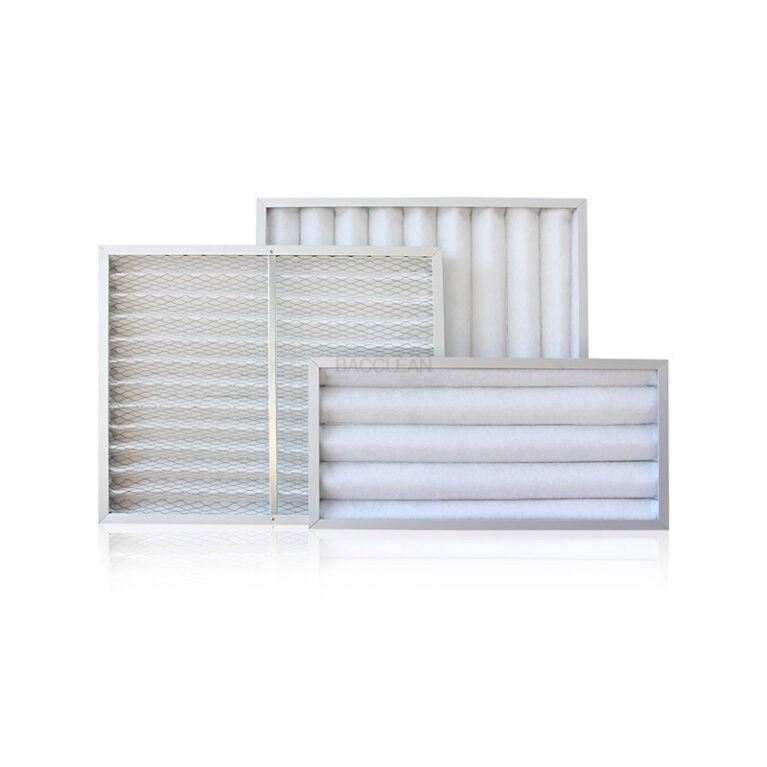
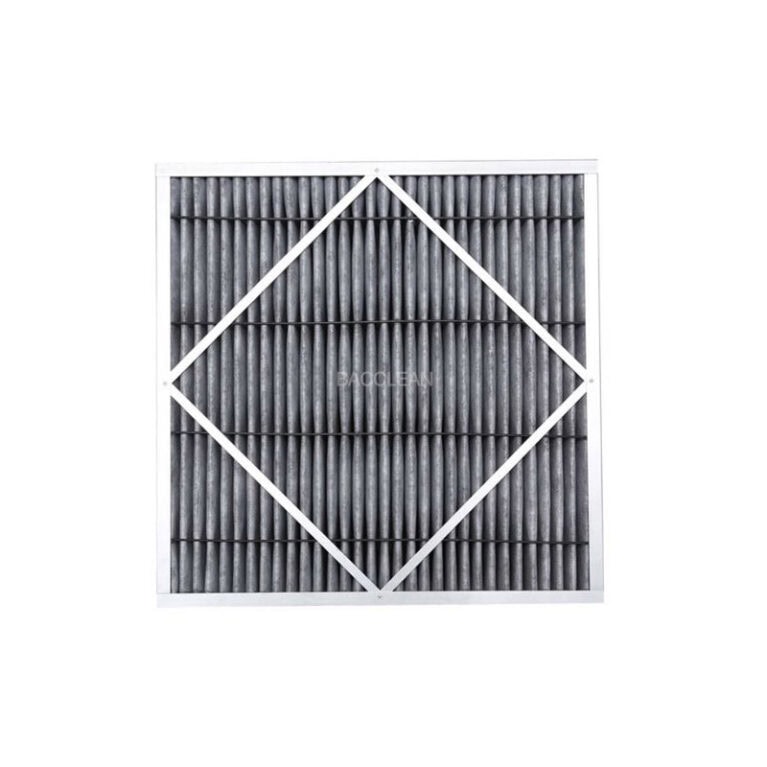
Check the dust accumulation on the surface of the primary filter and use an air gun for low-pressure blowing (only for the primary filter, prohibited for the high-efficiency filter).
Check the sealing edges and rubber strips around the filter: are there any whitening, cracking, detachment, or air leakage gaps?
Wipe the outer shell of the layer flow hood to keep it clean, avoiding dust accumulation in the intake section.
Check if the return air outlet is blocked by debris to ensure normal circulation air volume and reduce high-efficiency resistance.
3. Monthly Deep Inspection
Compare the initial and intermediate pressure differences to determine if they have reached the replacement warning value; replace the pre-filter material in advance to protect the high-efficiency filter.
Check the fan operating current and wind speed. If the wind speed is continuously lower than 0.36m/s, eliminate the fan fault and determine that the high-efficiency filter is clogged. Check if there is any debris blocking the return air outlet to ensure normal circulation air volume and reduce high-efficiency resistance.
4. Annual Compliance Maintenance and Verification (GMP Mandatory)
PAO/DOP High-Efficiency Integrity Leak Detection
Scan the filter surface, frame, and sealing gasket at least once a year. If there is a leakage that cannot be repaired, immediately replace it.
Completely test the average wind speed at the work surface and record it for archiving.
Recheck the initial pressure difference of the high-efficiency filter and update the ledger to evaluate the remaining service life.
Overall check the pressure strips, fastening screws, and evenly reinforce them diagonally to prevent long-term vibration from causing sealing gaps.
Simultaneously replace the aged sealing rubber strips to prevent dust bypass leakage.
5. Long-Term Shutdown Maintenance
If the production is stopped for more than 3 days: cover the outlet with a dust-proof plastic film to isolate environmental floating dust.
If the production is stopped for more than 1 month: start the machine for 1 hour each week to disperse internal moisture and avoid filter material mold and sealant aging.
Before resuming production, remove the protection film, blow for 30 minutes with no load, recheck the pressure difference and wind speed, and then put it back into use.
6. Key Maintenance Prohibitions (Strict Prohibition of Operations)
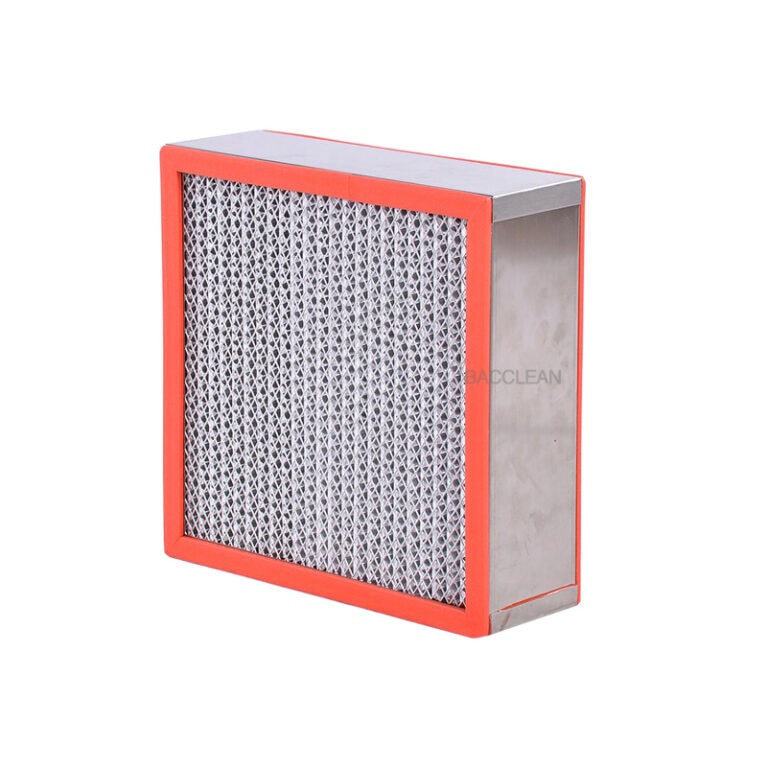
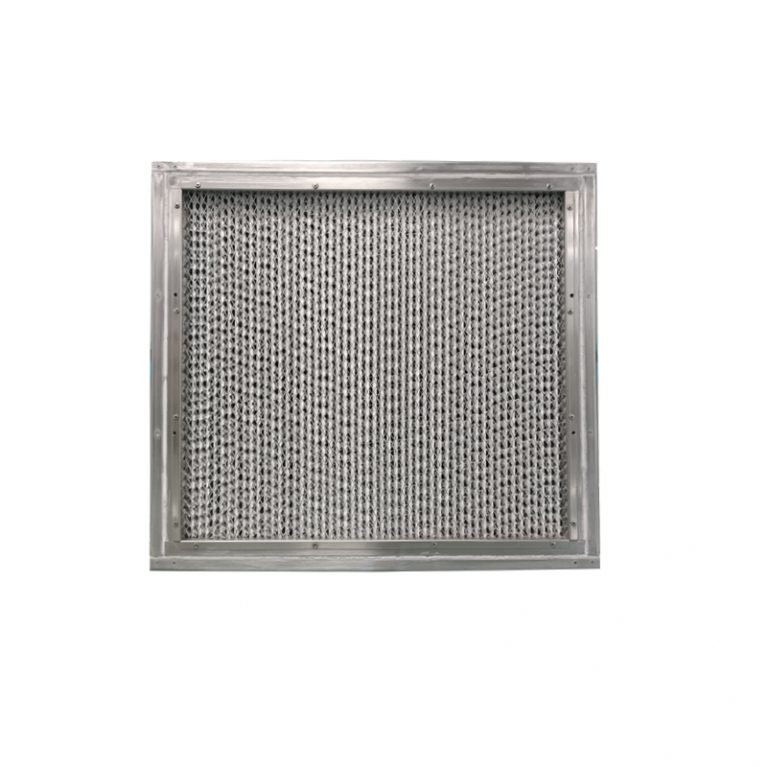
Do not blow or wash the high-efficiency filter; it will puncture the glass fiber filter material and cause permanent leakage;
Do not touch the filter paper surface with your hands; grease on your hands will block the micropores and accelerate the increase in pressure difference;
Do not remove the high-efficiency pressure strips or modify the sealing structure privately;
Do not operate at full load with high wind speed for a long time to accelerate dust accumulation;
Do not wait for the high-efficiency pressure difference to double before arranging for purchase; prepare in advance to avoid production risks.
7. Replacement Determination and Maintenance Connection
If the pressure difference reaches twice the initial value, the leak detection fails, or the wind speed remains persistently low, immediately arrange for replacement.
Remove the old high-efficiency sealing package from the cleanroom area, install the new high-efficiency filter, and must recheck the leak, measure the wind speed, and establish a new pressure difference ledger;
After each replacement of the high-efficiency filter, simultaneously check and replace the primary and intermediate pre-filters to maximize the service life of the new high-efficiency filter.
Simple Operation Summary
Record the pressure difference daily, clean the primary filter weekly;
Check the sealing monthly, and conduct leak detection annually;
Do not blow or wash the high-efficiency filter; the pre-filtering is frequently replaced to prolong the service life.