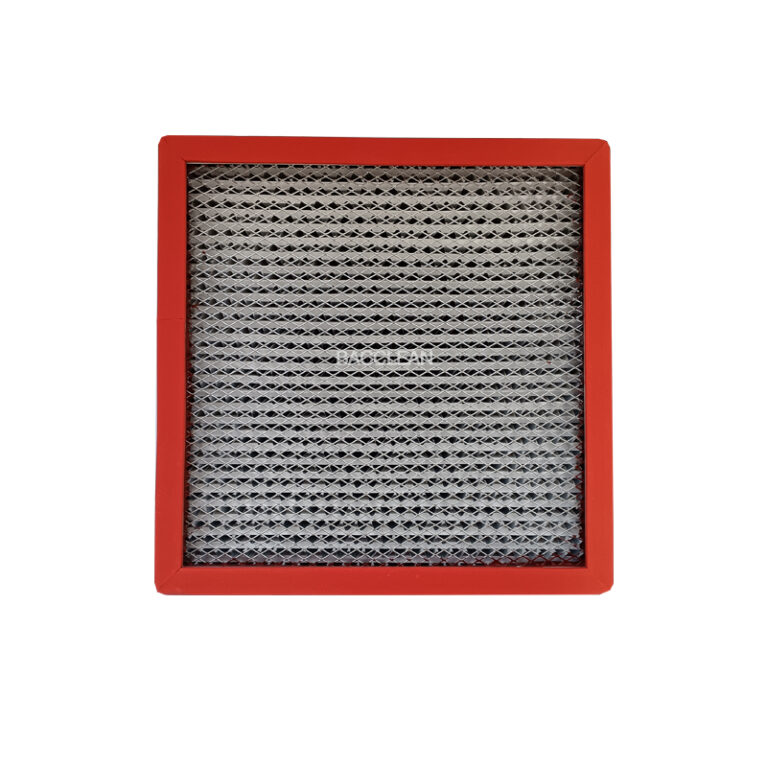

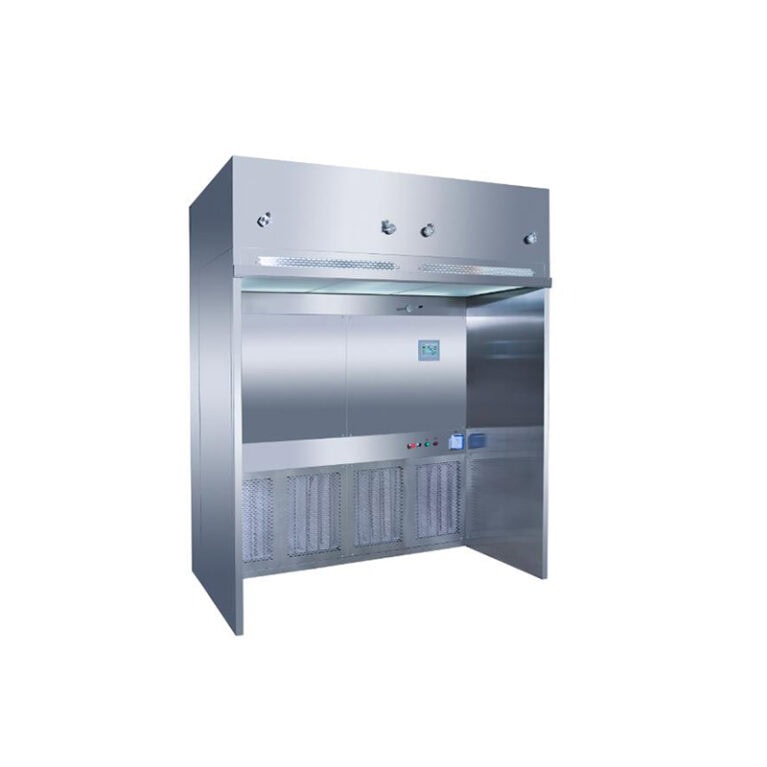
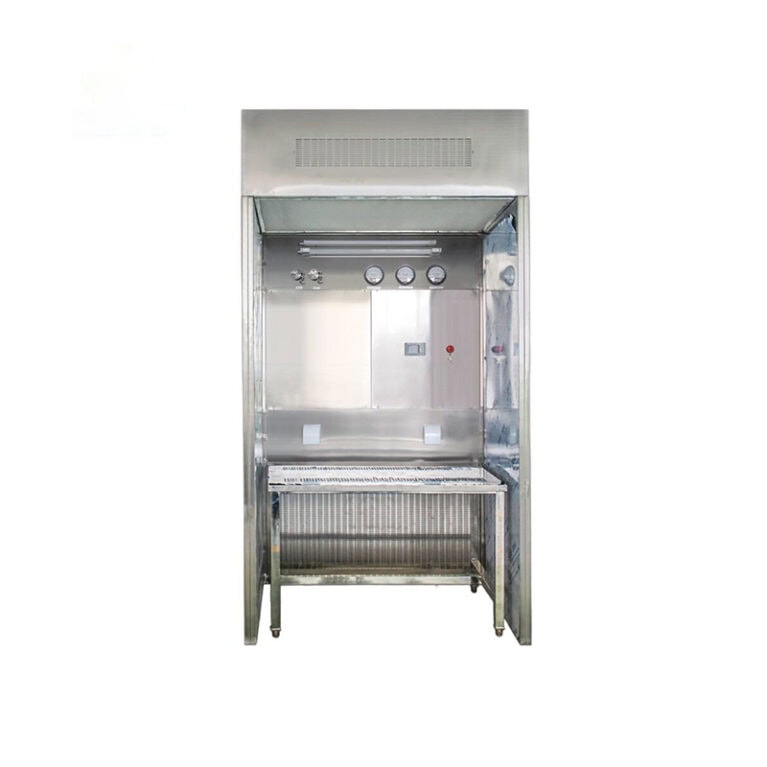
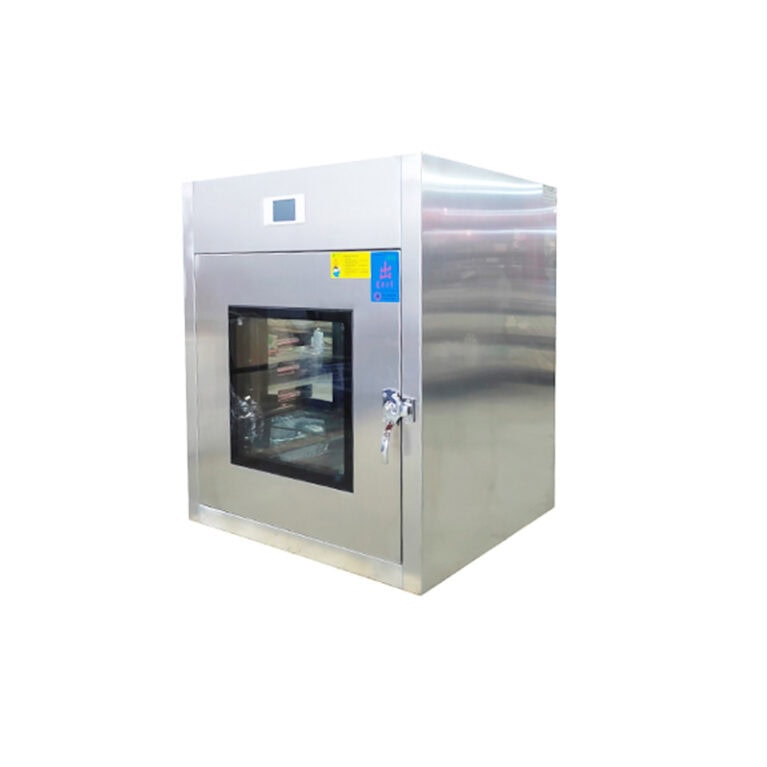
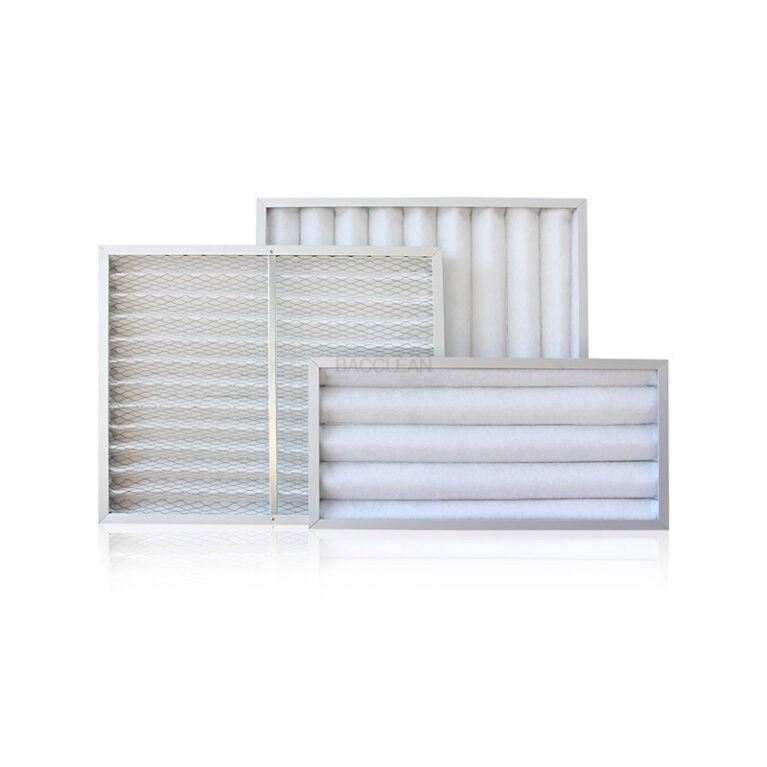
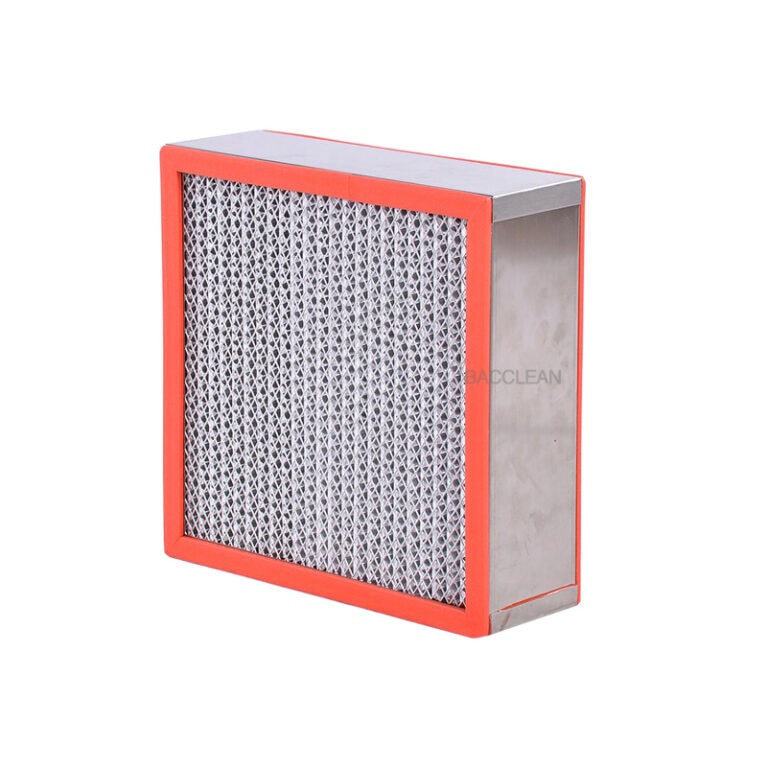
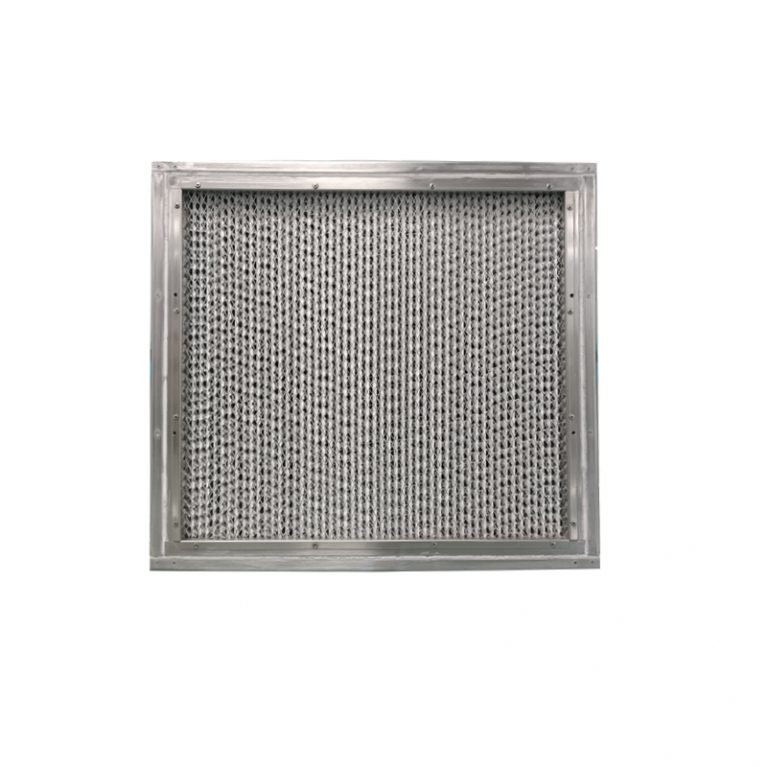
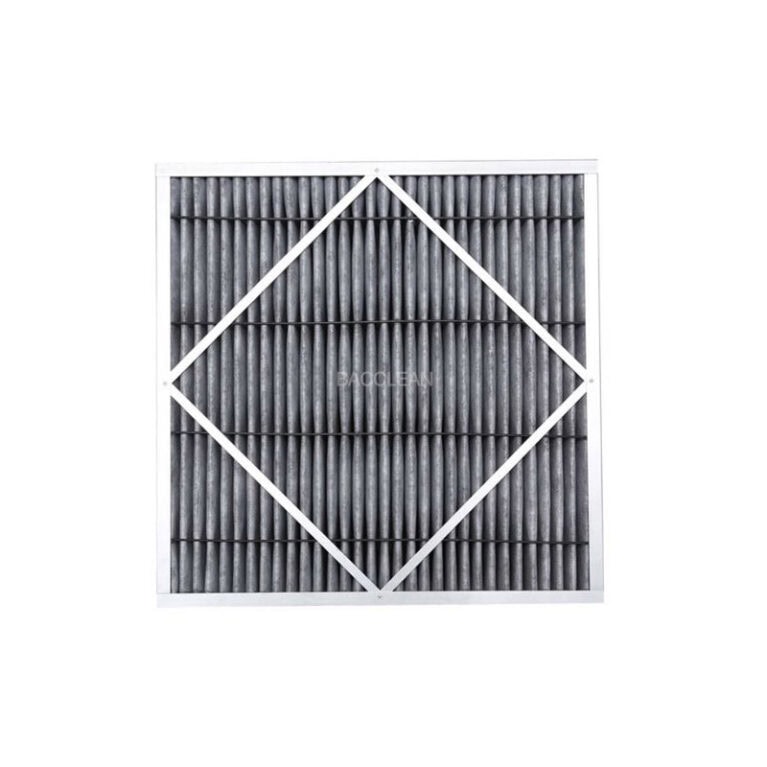
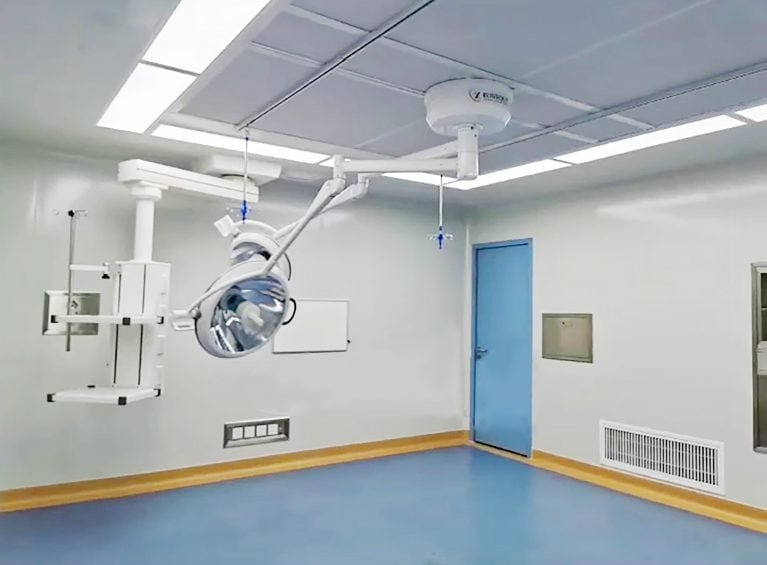
The maintenance cost of the air supply ceiling is generally higher and much higher than that of ordinary air conditioning vents. 1. Why is the maintenance cost higher (four major cost components)? 1. Consumables replacement cost (the largest expense) The air supply ceiling is equipped with primary + intermediate + HEPA/ULPA three-level filters as standard. The cost of consumables continues to increase: Primary filter: 3-6 months for cleaning / replacement; Intermediate filter: 6-12 months for replacement; H14 high-efficiency filter: 1-2 years for replacement, with unit prices ranging from several hundred to several thousand yuan, and the larger the size, the more expensive; Silicone rubber sealing strips: 2-3 years for replacement; Equalizing membranes aging and damage require the entire set to be replaced. Ordinary vents only have a single coarse filter layer, which can be washed and reused, with almost no large-scale consumable expenses. 2. Higher labor maintenance cost and more frequent maintenance High operational threshold Replacing high-efficiency filters, PAO/DOP leak detection, wind speed uniformity testing, and internal cleaning of the static pressure box must be carried out by certified purification engineers, with labor costs much higher than those of ordinary HVAC maintenance workers. Complex procedures and long time consumption Old
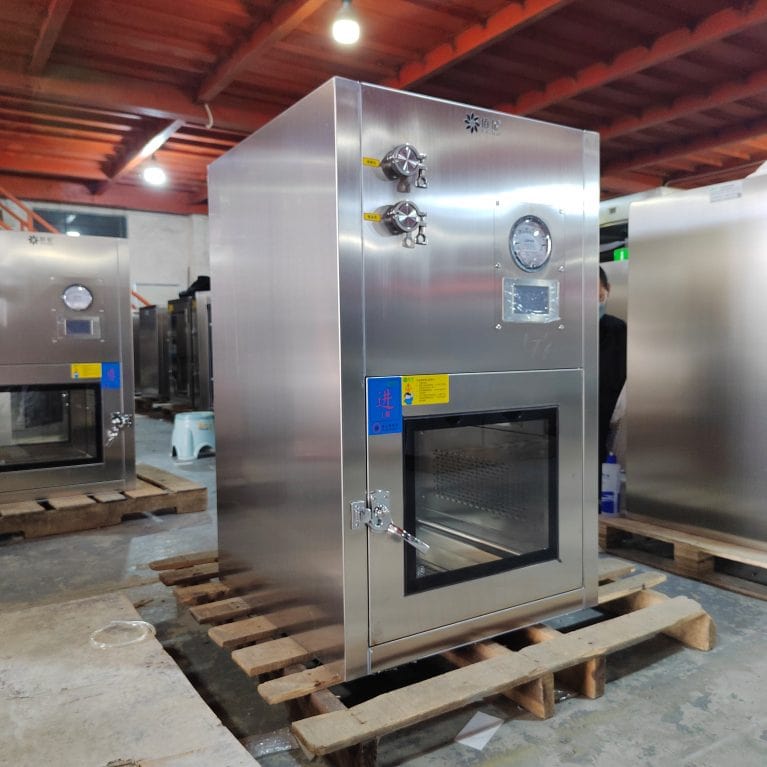
General Daily Maintenance for Transfer Windows (including common / UV / VHP models, with GMP compliance checks) I. General Basic Maintenance (applicable to all types of transfer windows) 1. Daily Cleaning (must be done before and after shifts) Inside and outside chambers, tabletop, door frames, observation windows Cleanroom standard: use purified water and 75% ethanol for wiping, clean stubborn oil stains with neutral non-phosphorus cleaner, strictly avoid strong acids and strong alkalis. All rounded corners, sealing strip grooves, door hinge dead corners wiped, no material residue, water stains, mold spots. Observation glass / acrylic: wipe with dust-free cloth, do not use steel wool to scratch, to prevent scratches and bacterial accumulation. Around the floor: clean the bottom and surrounding floor of the transfer window simultaneously, to avoid dust from accumulating into the chamber. Prohibited cleaning: do not spray a large amount of water for rinsing, to prevent water ingress in the electrical box and short circuit. 2. Daily Function Inspection Double door interlock: test whether the inner and outer doors can be opened simultaneously, if the interlock fails, immediately stop and report for repair. Sealing strip: check if the silicone seal is cracked, hard, fallen off, or has gaps for
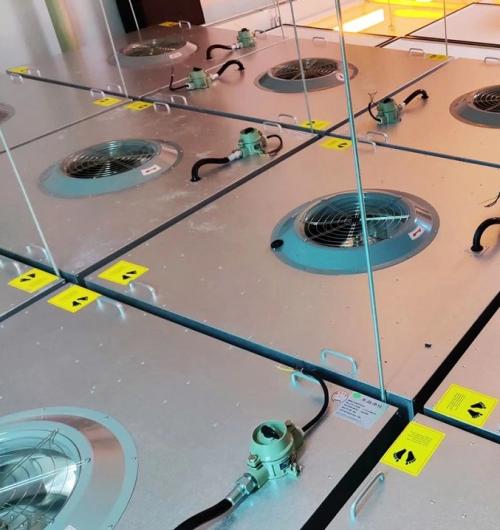
Standard for Determining the Replacement of Explosion-proof FFU Filters (Enforced in explosion-proof workshops, divided into 4 levels, with differential pressure as the primary basis) 1. Core determination: Differential pressure standard (the most authoritative and priority execution) 1.1 Resistance value threshold New HEPA initial differential pressure: 130~180 Pa General explosion-proof workshop alarm value: 280 Pa (warning, arrange for planned replacement) Mandatory replacement differential pressure: 300~350 Pa Lithium battery, electrolyte, high solvent explosion-proof workshop: Replace directly if the pressure exceeds 280 Pa, do not wait until 350 Pa Explosion-proof key: Excessive differential pressure causes the fan load to soar, motor temperature to rise beyond the limit, easily forming an ignition source, and there is an explosion hazard. 1.2 Special situations of differential pressure abnormality Short-term rapid increase in differential pressure (increase by more than 80 Pa within one week), indicating a sudden increase in dust/oil mist concentration in the workshop, even if it is not yet 300 Pa, it is necessary to replace immediately. 2. Operating condition determination (differential pressure not exceeding the standard, but the following situations must be replaced) Same speed fan significantly smaller, laminar flow effect in the clean area deteriorates, particle concentration continues to exceed the standard; FFU
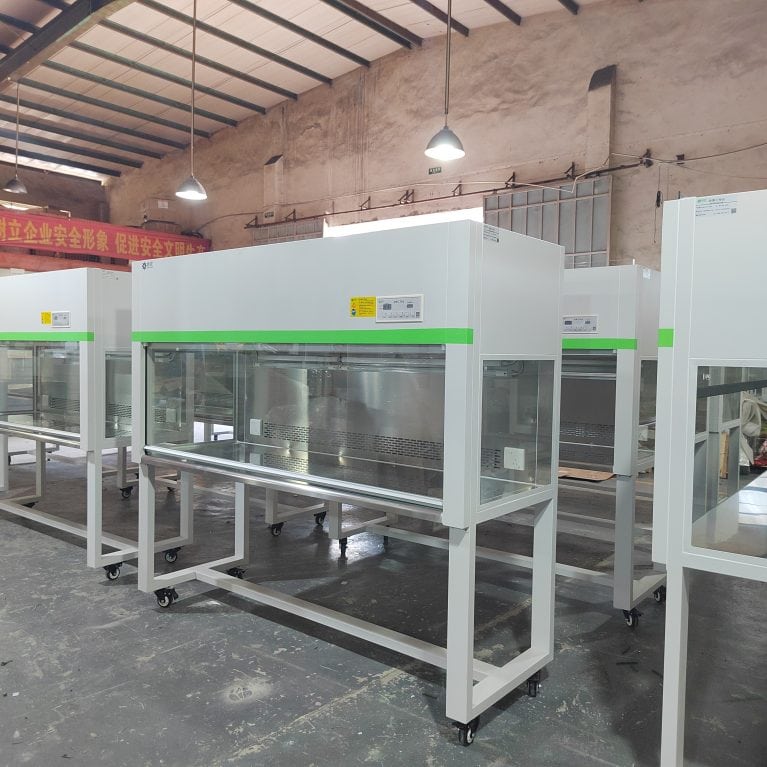
Standard Set for Judging the Material of the Observation Window Glass of Ultra-clean Workbench (On-site Self-inspection + Professional Acceptance) Compliance Standards: 5mm or thicker tempered float glass. All 3C, non-tempered, thin ordinary glass are all unqualified. The judgment is divided into four parts: visual inspection, practical operation, certificates, and usage compatibility. I. First step: Check the 3C mandatory marking (the most basic determination basis) Qualified glass requirements On the lower right corner / corner of the glass, there should be a permanent etched 3C mark + factory code, which cannot be erased or scraped off; Complete marking example: CCC + E0XXXX (glass factory code). Unqualified situation Only a sticker 3C, which falls off when torn: laterally pasted fake marking, not tempered glass; Complete absence of 3C etching: ordinary flat glass, prone to cracking, does not comply with laboratory safety regulations; Printed ink 3C, which can be scraped off with fingernails: counterfeit marking. II. Second step: Thickness measurement (industry hard standards) The minimum thickness of the observation window of the ultra-clean bench is 5mm tempered glass. GMP / pharmaceutical factory priority 6mm: Tools: ruler, vernier caliper, measure the exposed thickness of the glass on the side; Avoidance points: 4mm or less
Various daily physical disinfection methods for transfer windows and their corresponding applicable scenarios I. UV-C ultraviolet radiation (most common, suitable for all scenarios) Applicable scenarios Electronic dust-free workshops (class 10,000, 100,000 clean rooms) Daily material transfer in chip, lithium battery, optical, food packaging workshops, semi-finished product transportation of plastic, metal, paper box, daily disinfection standard. General medical device clean workshops (non-sterile) Transportation of components, packaging consumables, testing tools, daily sterilization, reducing surface microbial load. General hospital clean operating rooms, laboratories, pharmacies Transfer of equipment, consumables, test samples, rapid short-time disinfection. Daily transfer pre-treatment in sterile workshops As a basic disinfection, combined with wiping, and then regularly do VHP deep fumigation. General sample transfer in biological laboratories (non-positive bacteria / high pathogenic areas) Regular disinfection of samples, consumables. Inapplicable scenarios Severe material stacking obstruction, multi-pore materials cannot be completely sterilized by UV alone; High-level sterile areas cannot be solely sterilized by UV. II. laminar flow FFU self-cleaning blow (exclusive physical disinfection for laminar transfer windows) Applicable scenarios High-level electronic clean workshops (class 10,000, 100,000) Extremely strict dust particle control, not only sterilization, but also removal of floating dust and floating bacteria to prevent external particles from entering the clean area. Precision
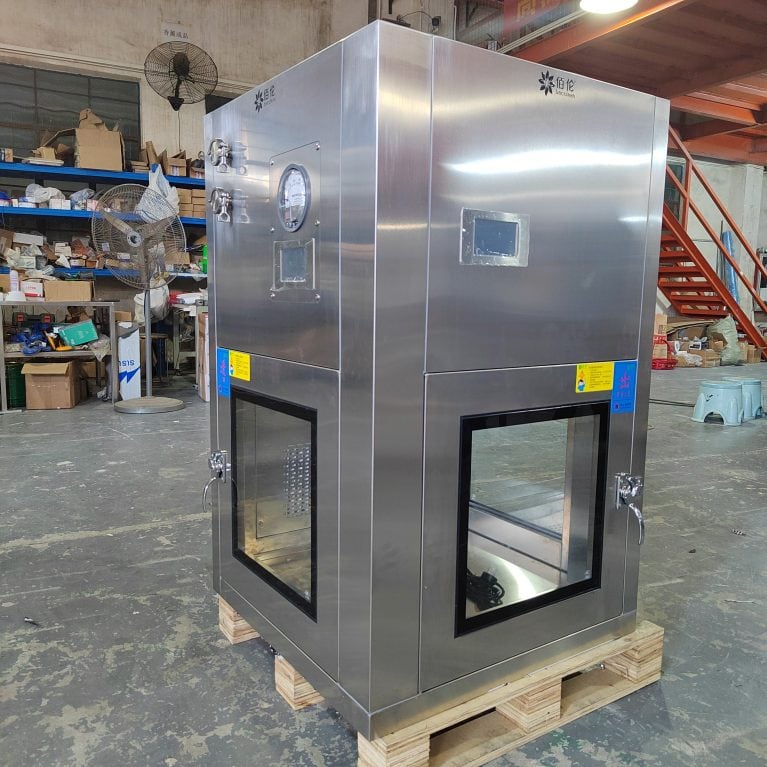
1. Ultraviolet UV-C irradiation (General basic physical disinfection) Applicable scenarios Various electronic dust-free workshops (100,000-level, 10,000-level): daily transfer and disinfection of plastic, hardware, packaging materials, and tooling equipment; General food clean workshops, packaging workshops: transfer of raw materials packages, consumables, and finished products; Hospital laboratory, pharmacy, general clean operating rooms: transfer of test samples, medical consumables, and small instruments; Non-sterile clean areas of medical devices: daily transfer of spare parts and testing tools; General physical and chemical laboratories, physical and chemical inspection rooms: transfer of glassware and routine samples; Daily pre-treatment of sterile pharmaceuticals / sterile instrument workshops: as a basic disinfection measure, combined with chemical wiping, and regular VHP deep sterilization. Not suitable Materials with many pores, folds, and severe stacking; areas with high-risk spore contamination cannot achieve sterility requirements solely by ultraviolet light. II. laminar flow FFU self-cleaning blow-off (special for laminar flow transfer windows) Applicable scenarios High-grade clean workshops (thousand-level, hundred-level): for semiconductors, optical lenses, and precision lithium batteries, strict control of dust particles; Sterile raw drug products, implantable medical devices clean area: control dust and suspended bacteria simultaneously to prevent aerosol contamination; Cell rooms, ordinary biological laboratories: reduce floating microorganisms and reduce cross-contamination; Precise testing laboratories
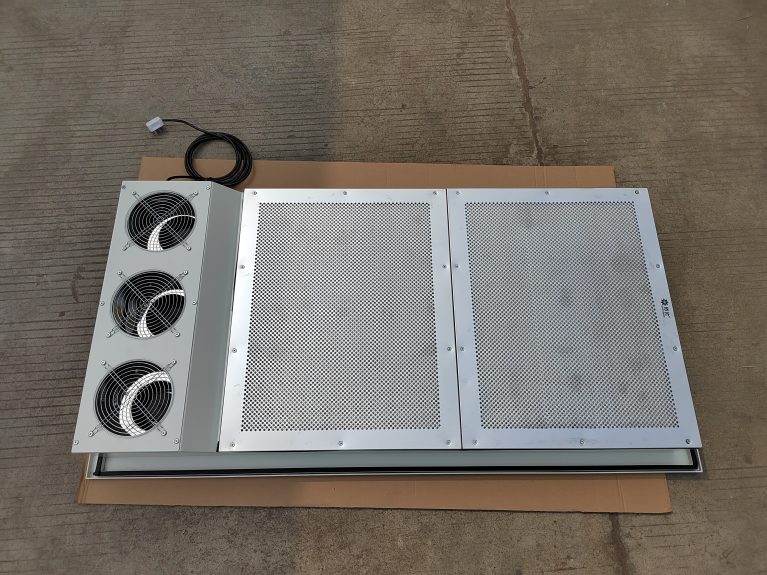
The comprehensive impacts brought about by the shortened lifespan of filter elements due to high humidity environments I. Significant increase in production and operation costs Increased cost of consumables In a dry environment, filter elements need to be replaced every 8-12 months, while in a high-humidity environment, the replacement period is only 2-6 months. The frequency of filter element purchases has doubled, and the unit price of high-efficiency filter elements is high, resulting in a significant increase in long-term consumables expenditure. Increased labor costs for filter element replacement Frequent shutdowns for filter element replacement require specialized personnel to operate, occupying the workforce in the workshop; as the frequency of replacement increases, the labor hours also increase. Increased wear and tear of supporting materials The sealing strips and sealants of filter elements age along with the filter elements. Each time a filter element is replaced, the sealing components need to be replaced synchronously; the frame of the boat rack gets damp and rusts, and the cost of rust removal, painting, and maintenance increases. II. Production downtime losses and reduced production capacity Filter element replacement requires partial or full system shutdowns, and self-cleaning in the purification area. Frequent replacements will disrupt the
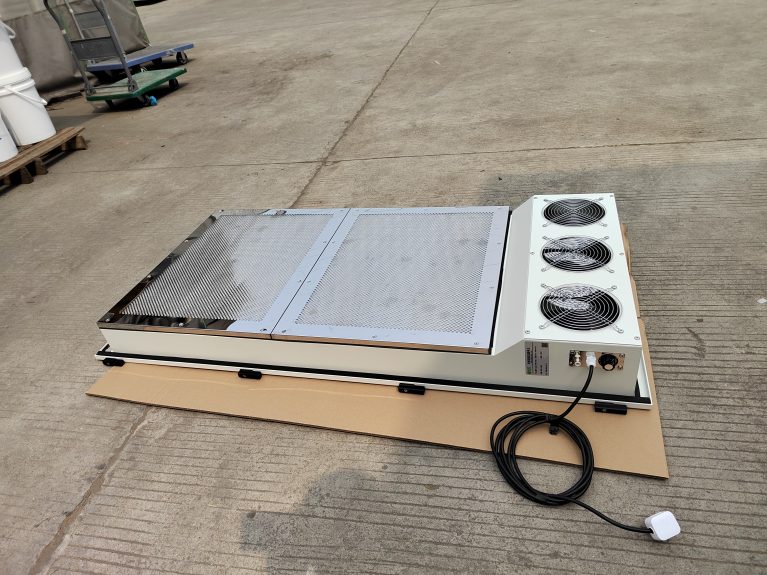
A Complete Solution for Extending the Service Life of the Boat Frame High-efficiency Filter with High Humidity Environment It is divided into five sections: front-end humidity control pre-treatment, optimization of filtration levels, daily operation and maintenance management, optimization of selection and installation, and disinfection and shutdown regulations. These can be directly written into the SOP maintenance documents. 1. Source Control of Humidity: Reduce the humidity of the air entering the high-efficiency section (the core and fundamental measure) Install a deep dehumidification unit for central air conditioning Stabilize the relative humidity of the supply air at RH 45% – 60%, preventing the air from carrying high-humidity water vapor directly to the high-efficiency filter; add independent pipeline dehumidification systems in cold storage and cooking workshops to prevent the convergence of cold and hot air and condensation. Prevent local condensation in the workshop Control the temperature difference between the clean area and the supply air temperature ≤ 3℃ to prevent water droplets from condensing on the cold pipe walls, static pressure boxes, and the outer walls of the boat frame units; Install local negative pressure exhaust at steam production positions (mixing, cooking, cleaning) to discharge the water vapor locally and prevent it from
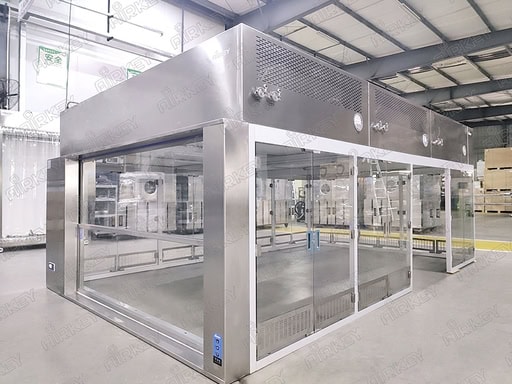
Standard for Determining the Replacement of High-Efficiency Filters in Layered Air Filtration Enclosures (Priority Levels, GMP Compliance Available) I. First determination criterion: Pressure difference (the most objective and commonly used in daily practice) After the equipment is installed, record the initial pressure difference; When the operating pressure difference rises to twice the initial pressure difference, replacement is mandatory; If the pressure difference rapidly increases in a short period (significantly rising within half a month), even if it has not reached twice the initial pressure difference, it should be investigated. There is a high probability of premature damage and dust leakage, and it is recommended to replace the high-efficiency filter in advance. II. Second determination criterion: Wind speed not meeting standards Standard working surface wind speed of the laminar flow enclosure: 0.36 – 0.54 m/s After excluding faults in the fan, backflow blockage, and severe blockage of the primary / intermediate efficiency filters, if the measured average wind speed continuously falls below the lower limit; Local areas have no airflow or the airflow is skewed, indicating that there is a large-scale accumulation of dust and blockage in the filter area, and it should be replaced directly. Iii. Third basis for judgment:
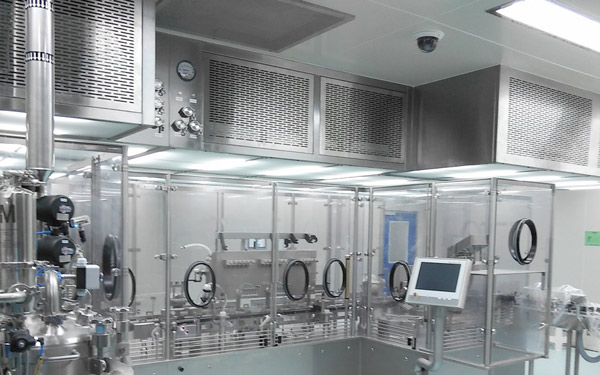
I. Scheduling Reference for Replacement Periods (Only for time reference, differential pressure / leak detection priority) Daily operation for 8 to 12 hours, clean and low-dust environment, regular maintenance of initial / medium efficiency filters High-efficiency recommended period: 2 to 3 years 24-hour continuous operation in a regular clean workshop High-efficiency recommended period: 1.5 to 2 years High foot traffic, slight dust generation, pre-filter frequently exceeds replacement period High-efficiency recommended period: 1 to 1.5 years II. Hard Replacement Criteria (More important than the age, any of the following immediately requires replacement) The operating differential pressure reaches twice the initial pressure; PAO/DOP integrity leak detection fails, and re-sealing still leaks; The working face wind speed continuously remains below 0.36m/s, and the fan and pre-filter faults are excluded; Visible dust blowing from the outlet and continuous excessive dust suspension particles in the workshop. III. Supplementary Explanation Age is only a reference for preventive replacement. If it reaches the period but the differential pressure, wind speed, and leak detection are all qualified, it can be temporarily extended and the inspection frequency can be increased; If it is not at the age but the differential pressure rapidly rises or the leak detection fails, it
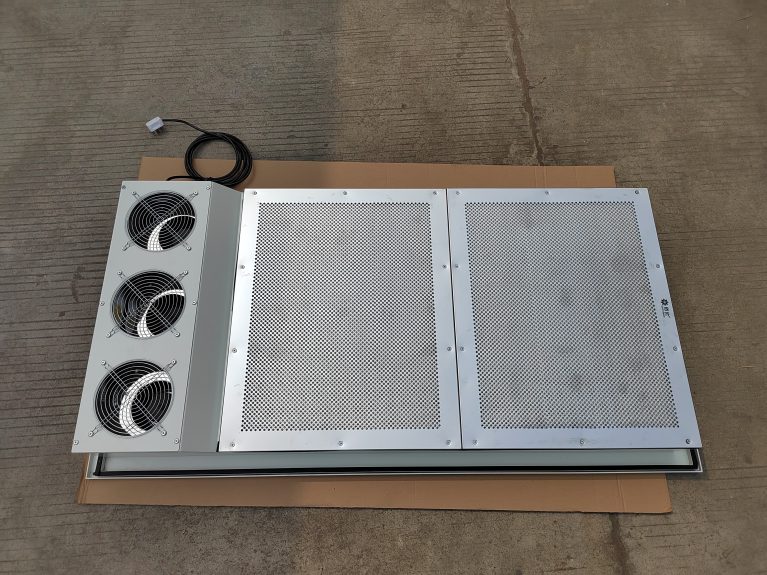
Filter element of the boat frame high-efficiency filtration unit – Specific service life in high-humidity environments (by humidity range + operating conditions) Conventional dry and clean environment (RH 40% – 60%, with intact pre-filter) Standard lifespan: 8 – 12 months The unified lifespan in high-humidity environments is 50% – 60% of the regular working conditions, divided into three levels with specific durations: 1. Mild high-humidity: RH 60% – 70% (pharmaceutical wet workshop, ordinary clean room in the south, intermittent water vapor production) Front-end primary + medium-efficiency regular replacement, with basic dehumidification Lifespan: 5 – 6 months Continuous 24-hour operation, pre-filter maintenance generally Lifespan: 4 – 5 months Feature: Pressure difference rises gradually, rarely condensation, only static electricity attenuation, slight accumulation of dust and hardening. 2. Moderate high-humidity: RH 70% – 85% (food cooking area, water treatment clean room, cold storage clean area) Equipped with dehumidification unit, pre-filter inspected and replaced monthly Lifespan: About 4 months No strong dehumidification, large temperature difference in the morning and evening leads to condensation Lifespan: 3 – 4 months Feature: Dust encounters water to form lumps, slow absorption of moisture by sealing, pressure difference rises significantly within 1 – 2 months, occasional slight mold spots.
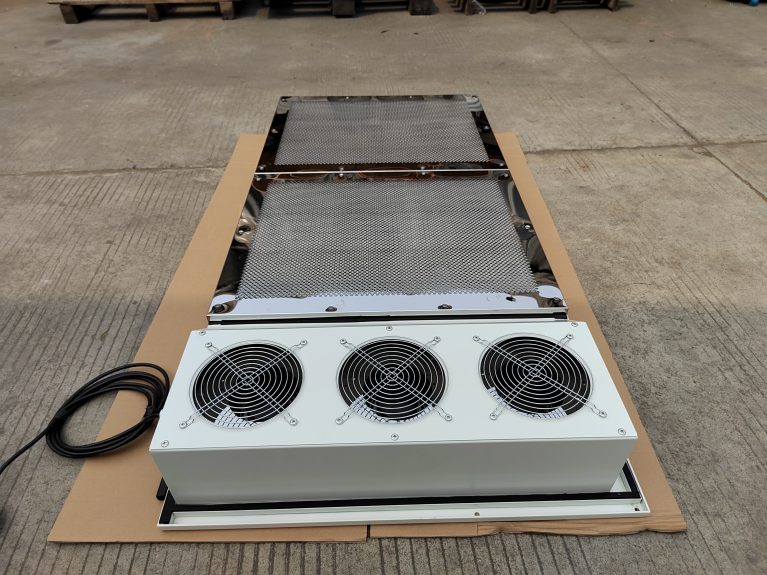
The five core reasons for the significantly shortened lifespan of the efficient filter element in high-humidity environments 1. When water comes into contact with the glass fiber filter material, it expands and blocks the air flow channels, causing the resistance to quickly exceed the limit. The core of the efficient filter element is ultra-fine glass fiber material, and the fibers rely on tiny gaps to intercept dust. When high-humidity air and condensate water penetrate the filter material, the surface of the glass fibers adsorbs water molecules, causing the fibers to slightly expand; The fiber gaps become smaller and they stick to each other, narrowing the air flow channels, and the pressure difference rises sharply in a short period of time; The resistance quickly reaches twice the initial resistance threshold and can only be replaced in advance. Even if there is very little dust, water vapor alone can cause blockage and failure. 2. Dust accumulates and gets damp and clumps, forming a permanent blockage layer. The dust in the air has hydrophilic properties: The dust attached to the inlet surface of the filter element gets wet and absorbs water, becoming compact and adhering to the surface of the filter material; The
