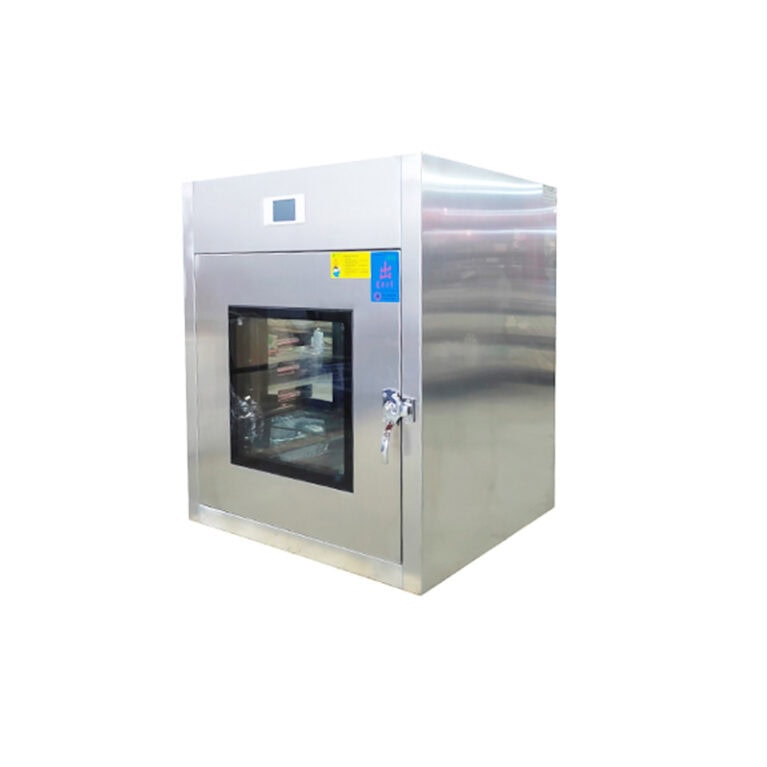
Daily physical disinfection methods for the pass box (without the need for chemical agents, used on a regular basis)
1. UV-C (Ultraviolet-C) irradiation disinfection (standard and most commonly used)
Applicable scenarios
Standard for all ordinary electronic interlocking pass boxes, daily material transfer basic disinfection, killing floating bacteria, molds, and bacteria inside the box and on the surface of the materials.
Operation points
Place materials evenly, do not block the lamp tube, fully close the double doors before turning on the light;
In electronic workshops with 100,000 / 10,000 grade cleanliness, irradiation time ≥ 15 minutes; in sterile and biological clean areas, ≥ 30 minutes;
After disinfection, turn off the UV lamp, wait for 2-3 minutes before opening the door.
Maintenance requirements
Clean the lamp tube with dust-free cloth weekly; mandatory replacement after 800 hours of cumulative use, or replace immediately if the irradiation intensity is lower than 50μW/cm².
Limitations: There are shadow dead zones that cannot penetrate packaging gaps, and it needs to be combined with wiping assistance.
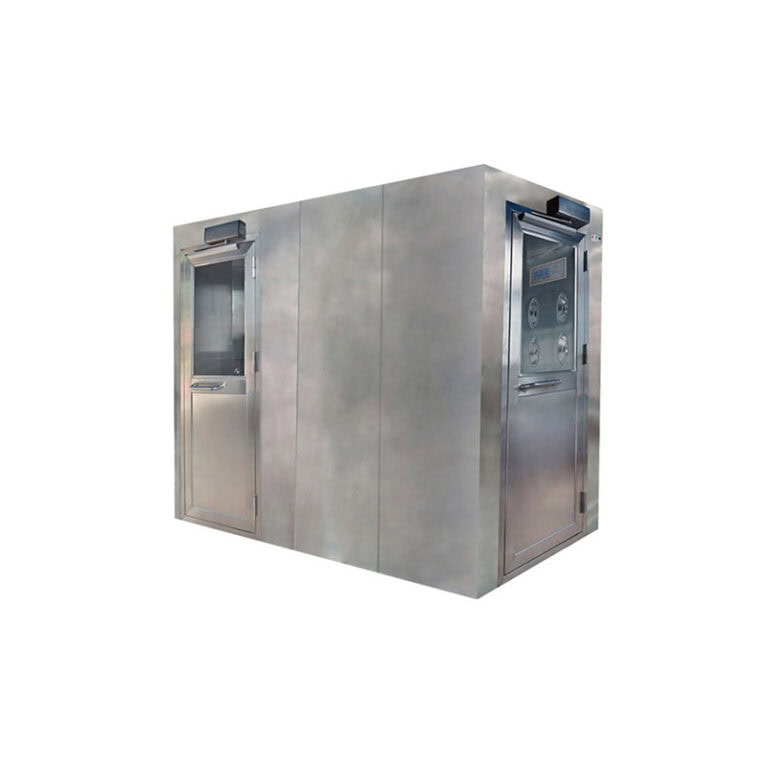
2. Layer flow self-cleaning blowout disinfection (specific for layer flow / air shower transfer windows)
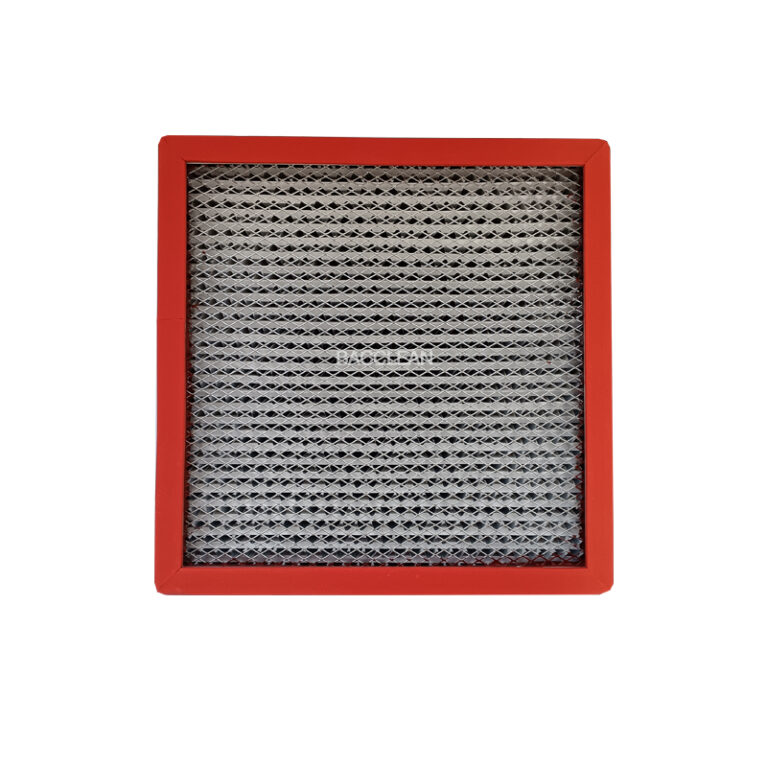
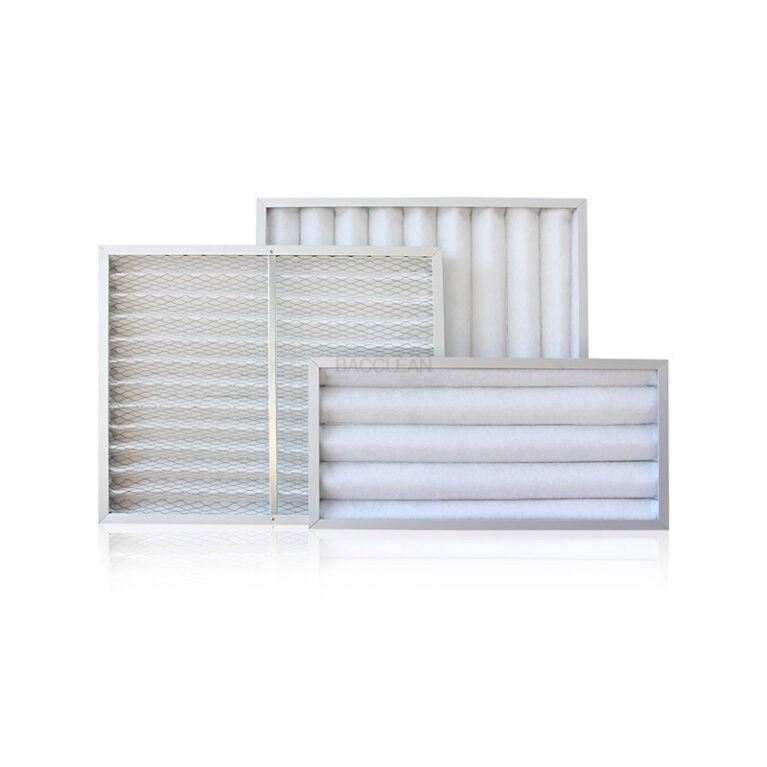
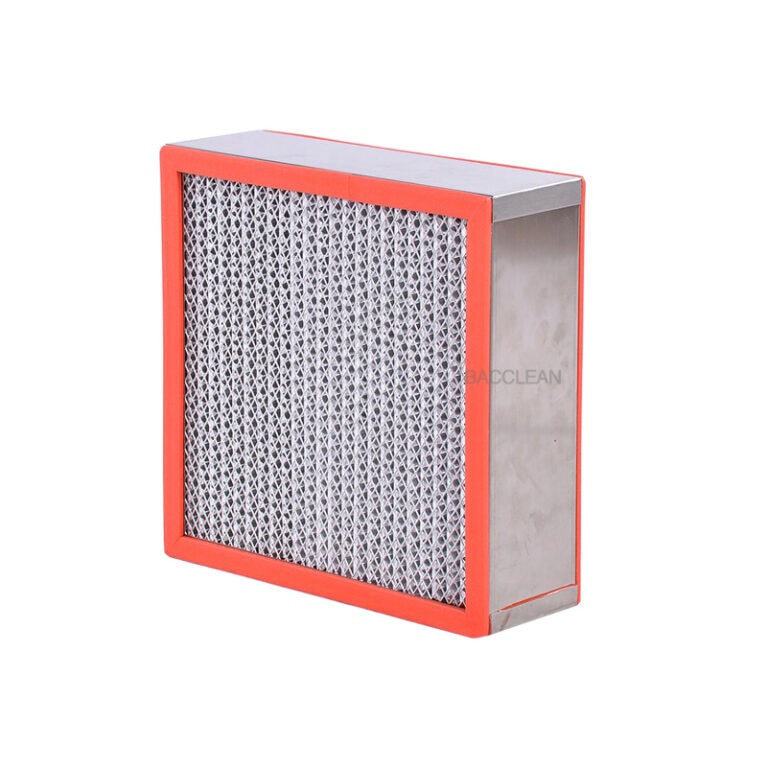
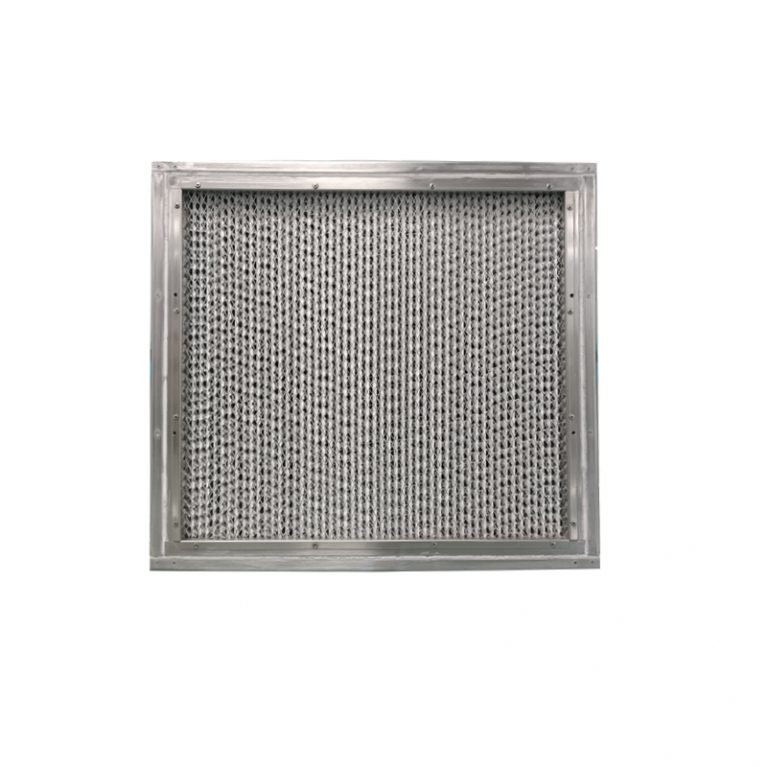
Depend on the built-in FFU (High Efficiency Filter Unit) to form a one-way clean airflow, physically removing dust and floating bacteria.
Usage process
Place materials, close the double doors, start the self-cleaning fan, continuously blow for 10-20 minutes; the airflow removes the contaminated particles inside the box.
Combination scheme
Conventional combination: Layer flow blowout for 10 minutes + UV irradiation for 15 minutes, dual physical protection. Maintenance
1. Monthly cleaning / replacement of primary filters; annual leak detection and replacement of high-efficiency filters.
3. Dry heat high-temperature disinfection (applicable only to high-temperature-resistant metal workpieces)
Applicable: Stainless steel molds, metal tools; plastics, rubber, lamp tubes are prohibited.
Operation: Put a small amount of metal tools in, close the box, and introduce hot air or the corresponding heating device. Maintain at 80-100℃ for more than 20 minutes;
Disadvantages: The door sealing strip will quickly age under high temperature, only sporadic high-temperature-resistant items are occasionally used, and it is not a routine means of daily disinfection.
4. Clean dust removal by compressed air (pre-treatment physical decontamination)
Belongs to pre-physical purification, not sterilization, but can significantly reduce the microbial base.
Usage: After removing the outer packaging of the materials in the outer area, use clean and dry compressed air to blow away surface dust and debris, and then put them into the transfer window;
Note: It must be equipped with an efficient oil-water separator to avoid secondary pollution by oil and water vapor.
5. Vacuum dust removal and wiping (dry physical cleaning)
Tools: Dust-free ultra-fine fabric, special dust-free vacuum cleaner for the clean area;
Daily operation: Clean and dry the box surface, door frame, glass, and sealing strip every shift, remove floating dust; no moisture, no chemical residues, it belongs to basic physical cleaning, and helps to improve the disinfection effect.
6. Ozone disinfection (generated by physical ionization, classified as physical category, only for emergency use)
Through the ozone generator to ionize the air to generate strong oxidizing ozone to kill microorganisms. It belongs to physical generation and chemical sterilization, and is classified as a physical disinfection device in the industry.
Applicable: Deep emergency disinfection once a week, not recommended for daily use;
Limitations: Long-term use will corrode the sealing strip and stainless steel, and must be fully ventilated for more than 30 minutes after fumigation before opening the door.
Daily physical disinfection combination scheme for each workshop
Electronic dust-free workshop (100,000-level / 10,000-level)
Dry dust-free cloth dust removal + ultraviolet irradiation for 15 minutes
Medical devices / sterile workshop
Clean air blowing for pre-treatment + laminar self-purification + ultraviolet for 30 minutes
Biological laboratory
Dry dust removal + daily ultraviolet disinfection + weekly deep ozone disinfection
General precautions for physical disinfection
All physical disinfection operations must ensure that both doors are completely closed, and it is prohibited to open the door during operation;
When the ultraviolet is turned on, personnel are prohibited from looking directly at it or reaching in;
High temperature and ozone cannot be used frequently, to avoid damaging the sealing rubber strip;
Physical disinfection can only handle the surface, gaps, folds, and corner dead zones still need to be combined with chemical wiping.