
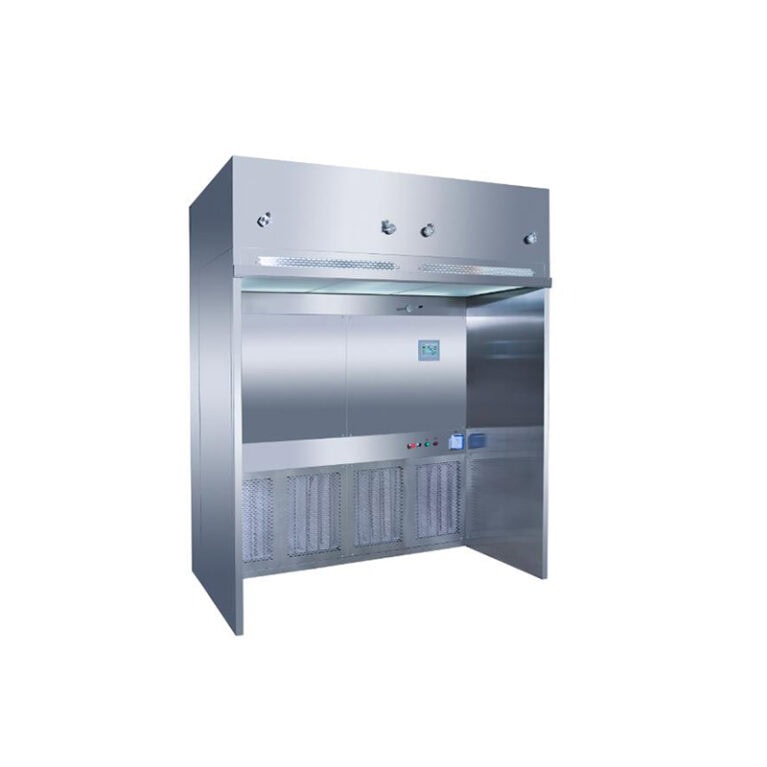
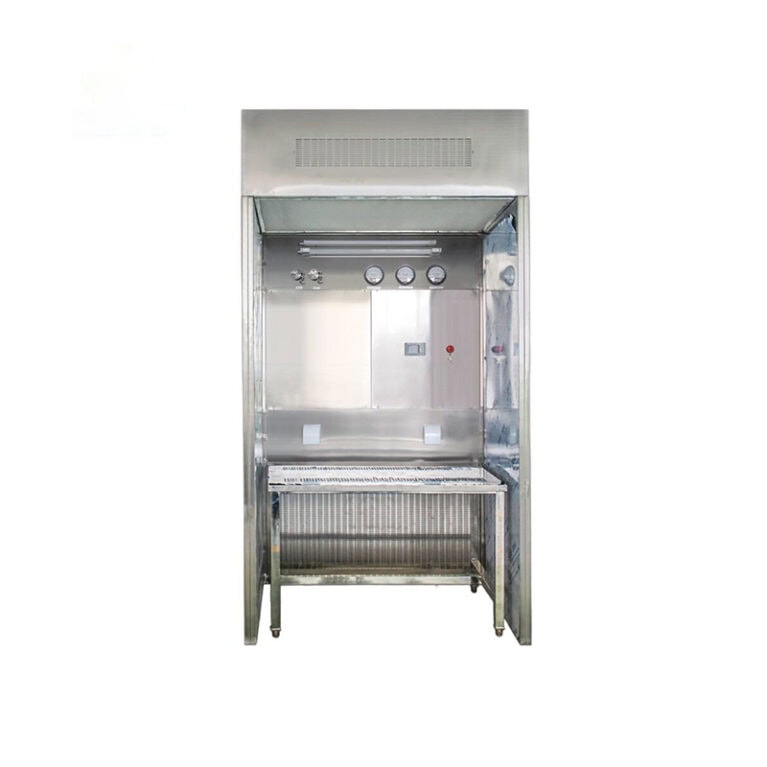
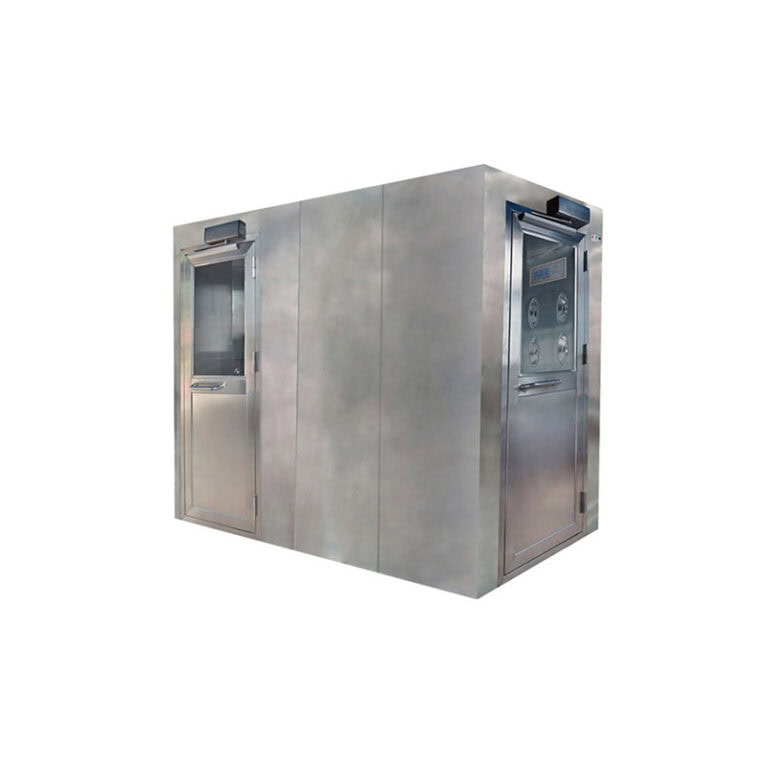
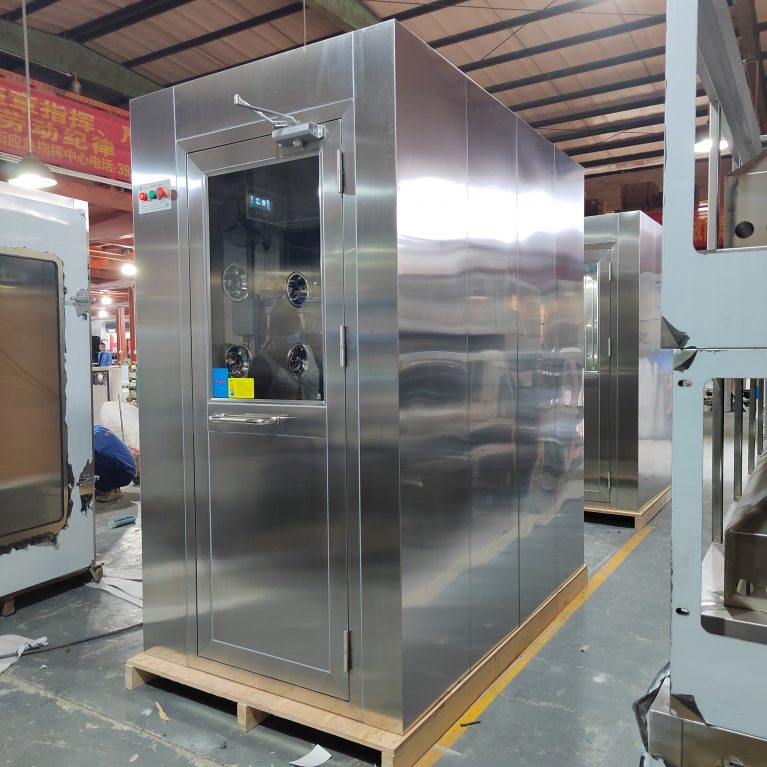
The spray disinfection air shower is a device that combines the functions of high-pressure spray disinfection and air shower purification. It disinfects the surfaces of people and objects in all directions by atomizing disinfectant, and at the same time uses clean air flow to remove residual particles. It is widely used in fields with extremely high requirements for hygiene and safety as well as cleanliness. The following are its main application fields and specific scenarios: I. Medical and health care field In hospital intensive care units (ICUs) and operating rooms, medical staff must pass through a spray disinfection air shower room before entering to kill any possible bacteria (such as bacteria, viruses, fungi, etc.) they may carry and prevent cross-infection. Infectious disease isolation area: For respiratory infectious diseases (such as influenza, COVID-19, etc.), efficient disinfection of people entering and leaving can be carried out through atomized disinfectants (such as peracetic acid, hypochlorous acid, etc.) to block the transmission chain. Biological laboratory: A laboratory that handles pathogenic microorganisms and genetic engineering samples, it is necessary to strictly control the contaminants brought in by personnel. Spray disinfection of air shower rooms can reduce the risk of experimental contamination. Pharmaceutical workshop: The production
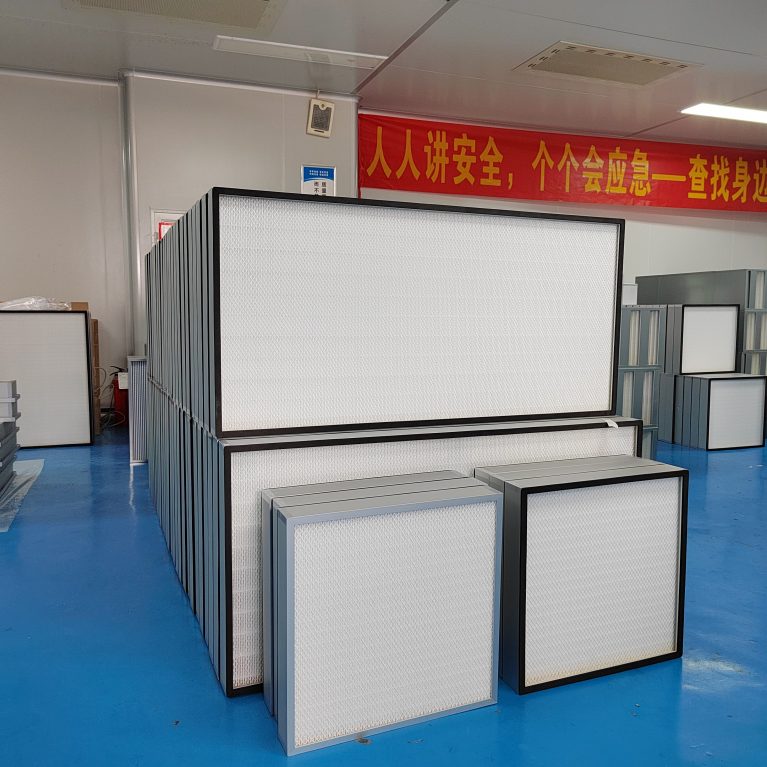
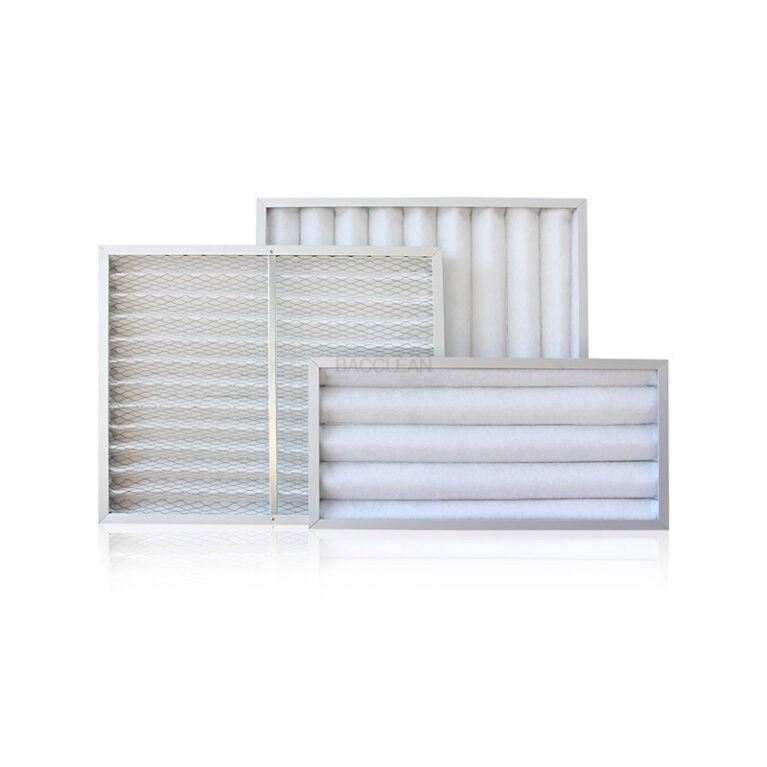
There is no uniform standard for the replacement cycle of non-woven filters. It mainly depends on factors such as the usage environment, the configuration of the pre-filter, and the operating load, and is usually between three months and three years. The actual replacement needs to be determined in combination with specific working conditions. The following is a detailed explanation from three aspects: core influencing factors, typical scenario cycles, and judgment basis: I. Key Factors Affecting the Replacement Cycle Environmental cleanliness High-cleanliness environments (such as semiconductor cleanrooms and operating rooms): The particulate matter in the air is extremely small (the number of particles ≥0.5μm is ≤1000 per cubic meter), the dust accumulation rate of the filter material is slow, and the replacement cycle can be extended to 1.5 to 3 years. In general industrial environments (such as food workshops and laboratories), the dust content is relatively high (the number of particles ≥0.5μm is 10,000-500,000 per cubic meter), and the filter material is prone to clogging. The cycle may be shortened to 6-12 months. Harsh environments (such as dusty workshops, unpurified outdoor ventilation): A large amount of dust directly impacts the filter material, and the cycle may only last for 3 to
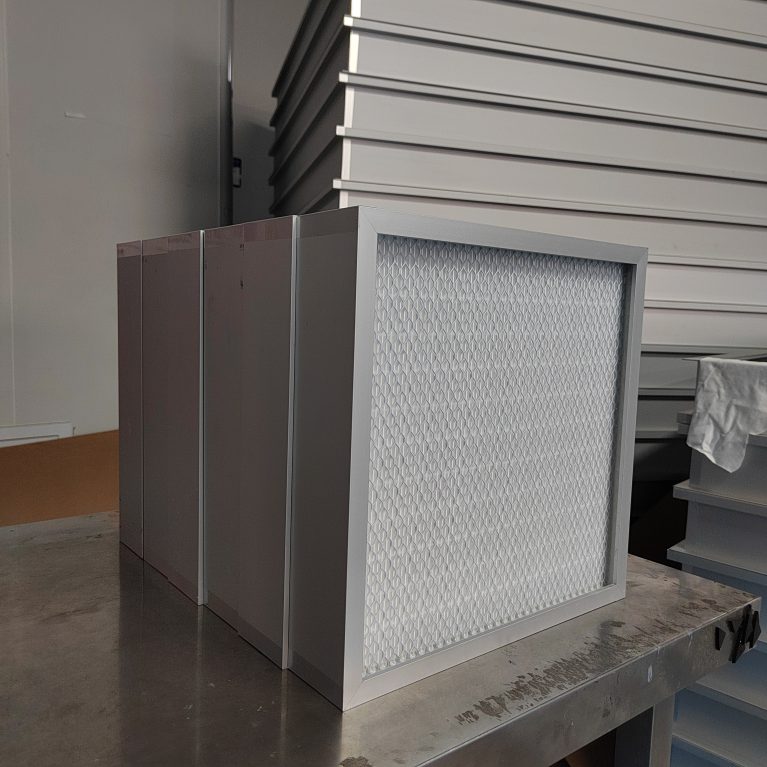
The service life of a filter without separators is not a fixed value. It is usually affected by factors such as the usage environment, filtration load, and maintenance methods, and generally ranges from 6 months to 3 years. The following is a detailed explanation from three aspects: key influencing factors, typical scenario lifespan, and methods to extend lifespan I. Core Factors Affecting Service Life Environmental dust content If the concentration of dust and particulate matter in the air of the application scenario is high (such as in food processing workshops, ordinary industrial areas), the filter material will quickly accumulate dust, the resistance will rise to the upper limit (usually 2-3 times the initial resistance), and the service life may be shortened to 6-12 months. If the environmental cleanliness is high (such as in semiconductor cleanrooms or operating rooms), the dust content is extremely low (≤0.1μm particle count ≤10 /m³), the filter material load is small, and the service life can be extended to 2-3 years. Operating air volume and air velocity When the actual operating air volume exceeds the designed air volume, the erosion of the filter material by the airflow intensifies, the dust accumulation speed increases, and it may
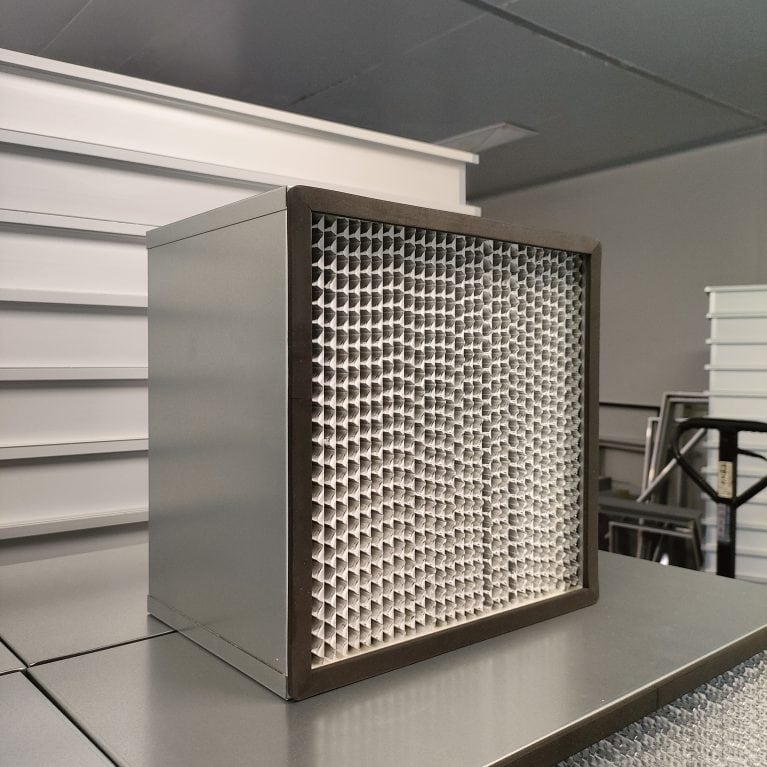
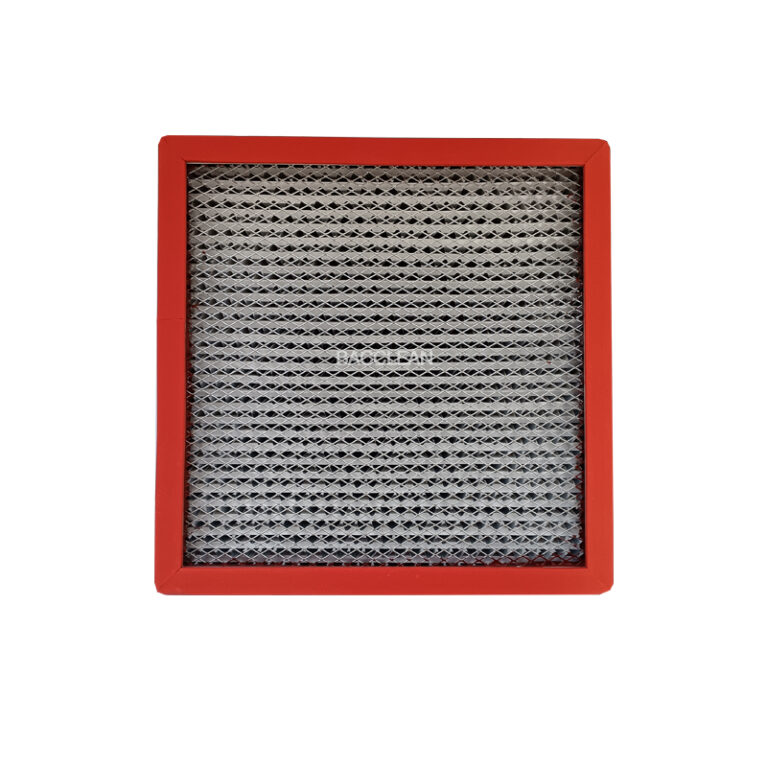
Non-woven filters and woven filters are the two mainstream types of high-efficiency air filters (HEPA), differing significantly in structure (with or without separators), performance, and applicable scenarios. The following is a comparative analysis of both advantages and disadvantages: I. Advantages and Disadvantages of Non-woven Filters Advantages Compact in size and space-saving The filter without separators fixes the filter material through hot melt adhesive or a folding process, without the need for metal or paper separators. Under the same filtration area, its thickness is only 1/3 to 1/2 of that of the filter with separators (for example, the thickness of a conventional filter without separators is about 22-90mm, while that of a filter with separators is 150-300mm). Suitable for scenarios with limited space (such as cleanroom ceilings, small biosafety cabinets). Light in weight and easy to install The filter material and frame material are lighter (such as aluminum frame, plastic frame), and the weight of a single unit is usually more than 50% lighter than that of the filter with separators of the same specification, reducing the load-bearing requirements during installation and labor costs. Lower wind resistance and better energy consumption The filter material folds more evenly, the air flow channel
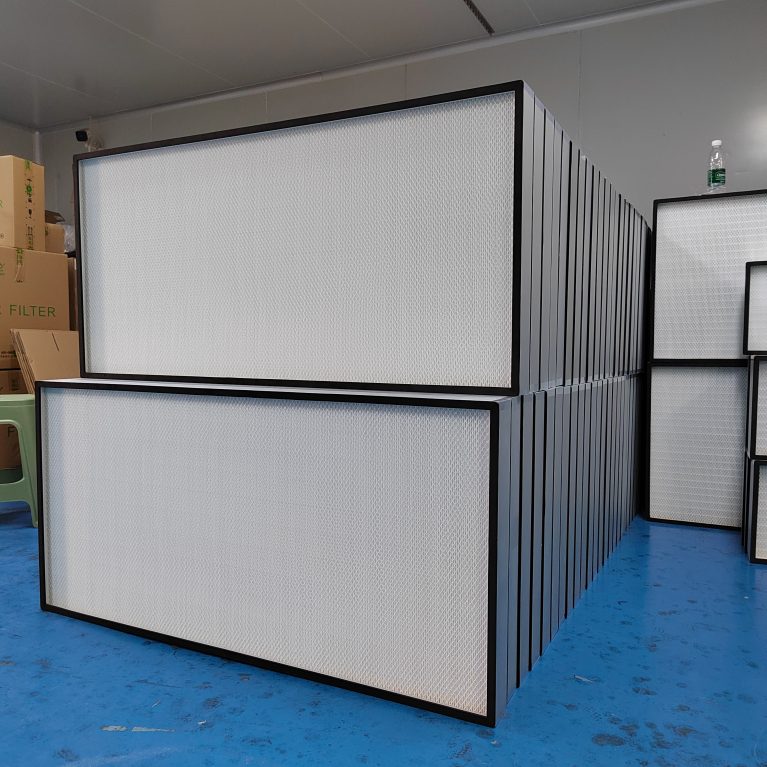
The non-woven filter, with its advantages such as high-efficiency filtration, compact structure, and low resistance, is widely used in scenarios with extremely high requirements for air cleanliness, mainly covering the following major fields: 1. Pharmaceutical and medical device industry Aseptic production workshop: During the pharmaceutical manufacturing process, from raw material handling, formulation production, to packaging and other links, it is necessary to strictly control the microorganisms and dust particles in the air. The non-woven filter can provide clean air of Class 1-100, ensuring that the drugs meet the GMP (Good Manufacturing Practice) standards. Biopharmaceutical laboratory: It is used in scenarios such as vaccine research and development and bioengineering experiments to prevent the diffusion of aerosols generated during experiments and to avoid the influence of external pollutants on experimental results. Medical device cleaning and disinfection workshop: Purify the air in the cleaning and sterilization environment of surgical instruments and precision medical equipment to prevent secondary pollution. 2. Electronics and semiconductor industry Chip manufacturing workshop: Chip production is extremely sensitive to particles in the air, especially those smaller than 0.1μm. Non-woven filters (such as H14 grade) can effectively filter out such particles, preventing them from adhering to the wafer surface and causing
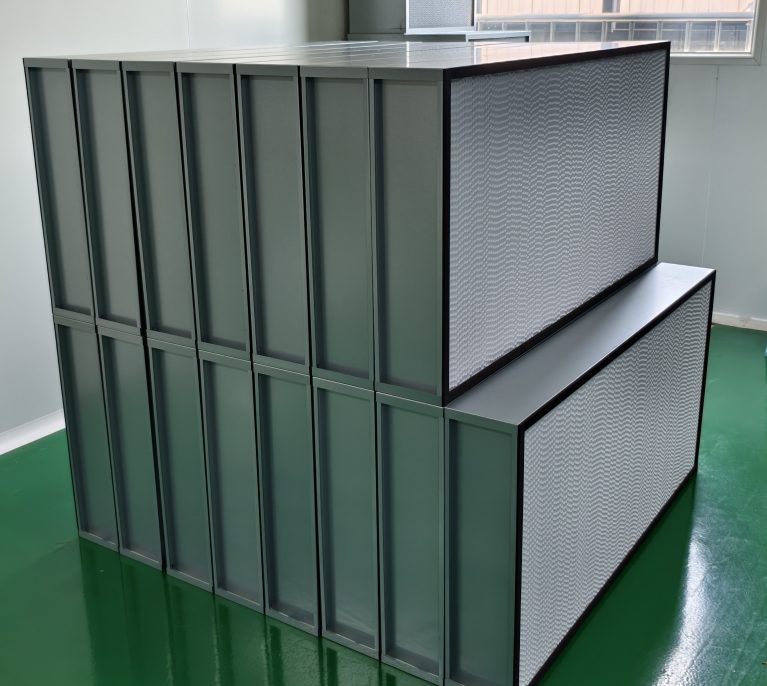
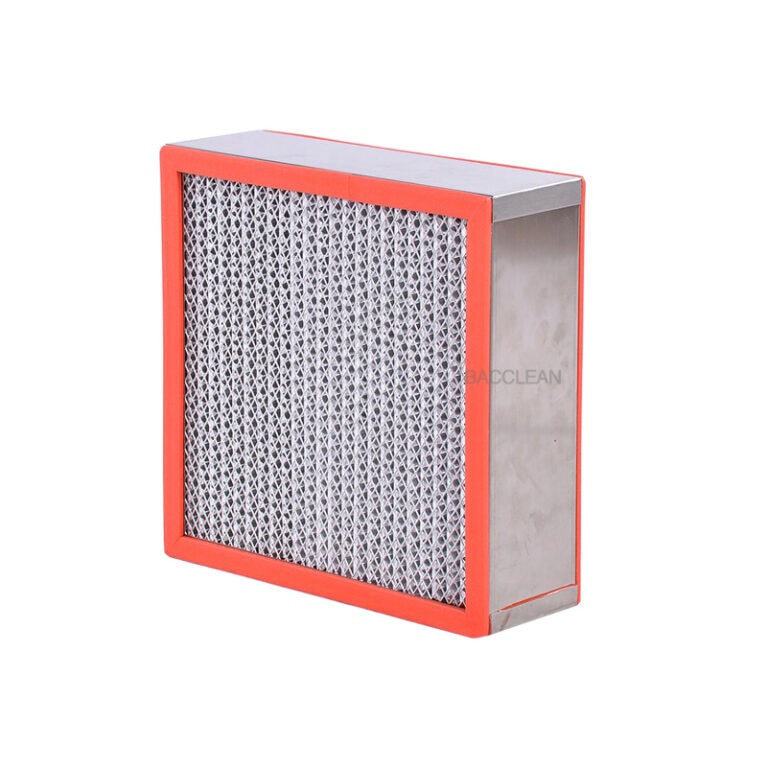
To determine whether a high-efficiency filter needs to be replaced, it is necessary to combine core indicators such as resistance changes, filtration efficiency decline, and physical condition checks, rather than relying solely on usage time. The following are the specific methods and criteria for judgment: I. Core judgment Index: Resistance (pressure difference) reaches the upper limit The resistance of high-efficiency filters will increase with the increase in usage time (as the filter material gradually clogs due to the adsorption of pollutants). When the resistance reaches the following thresholds, it must be replaced: Standard threshold: The operating resistance reaches twice the initial resistance (industry-wide standard). For example, the initial resistance of the new filter is 150Pa. When the resistance rises to 300Pa during operation, it needs to be replaced. Manufacturer threshold: For some special filters (such as ULPA ultra-high efficiency filters), manufacturers will indicate the upper limit of resistance (such as 400Pa), which should be followed first. Principle: Excessive resistance will lead to a decrease in air volume (affecting the air change rate in the clean room), a sharp increase in energy consumption (increasing the load on the fan), and the filter material is approaching the clogging limit. Continuing to use
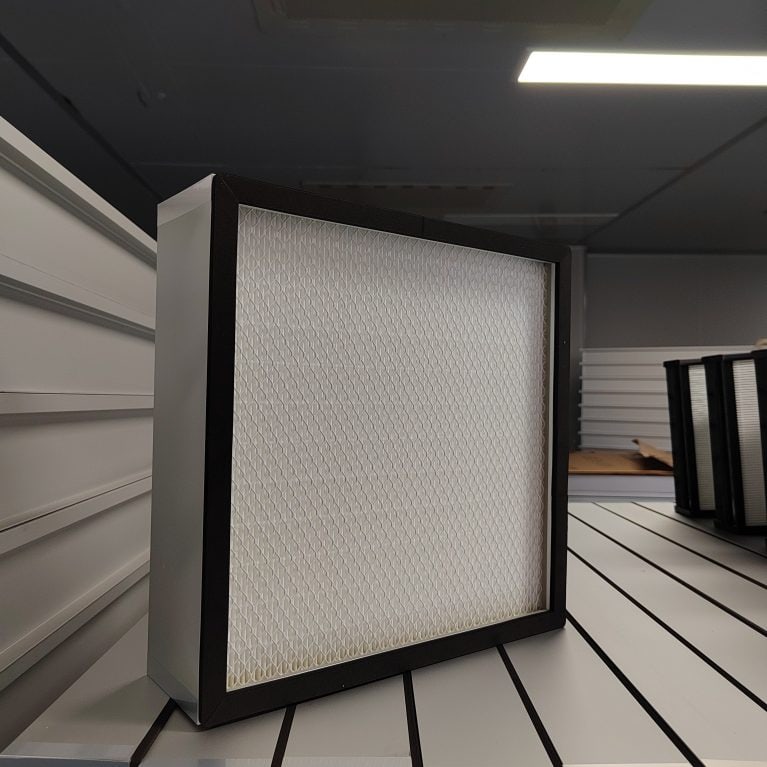
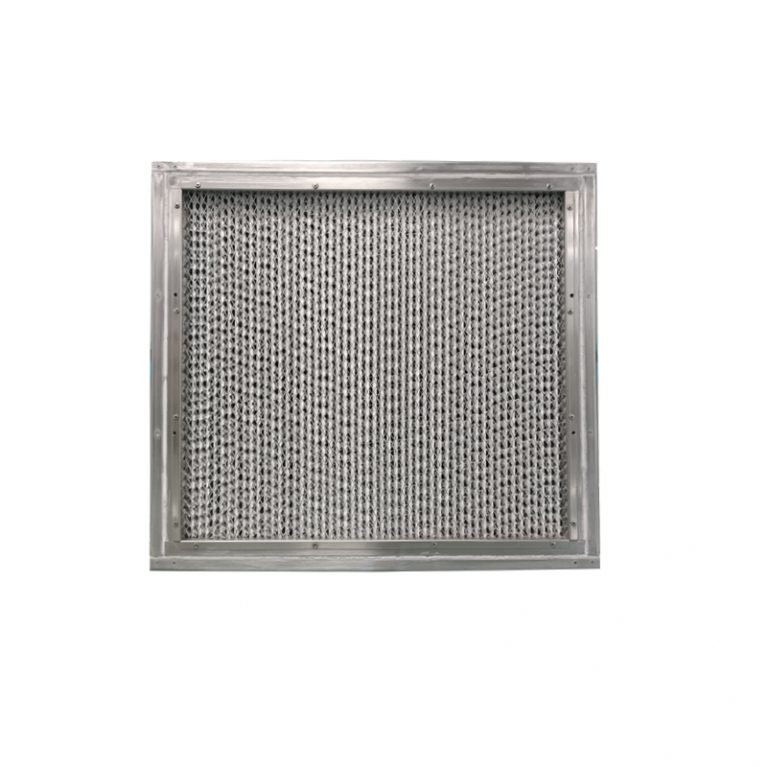
The service life of high-efficiency filters is significantly influenced by factors such as environmental cleanliness, the performance of the pre-filtration system, and operating conditions, typically ranging from 6 months to 3 years. The specific duration should be determined based on the following scenarios: I. Core Factors Affecting Service Life Concentration of environmental pollutants Highly polluted environments (such as chemical workshops and dusty workshops): There are many pollutants and large particles, and filters are prone to clogging. Their lifespan is usually 6 to 12 months. Moderately polluted environments (such as ordinary laboratories and food workshops): The amount of dust is moderate, and the lifespan is approximately 1-2 years. Low-pollution environments (such as medical operating rooms and electronic clean rooms): There is less daily dust and strict pre-filtration, with a lifespan of up to 2-3 years. The effectiveness of the pre-filtering system Primary and medium-efficiency filters serve as the “protective layer” for high-efficiency filters. If the pre-filter is replaced regularly (1-2 months for the primary filter and 3-6 months for the medium filter), it can intercept over 80% of large particle pollutants, and the service life of the high-efficiency filter can be extended by 30% to 50%. If the pre-filter fails (such
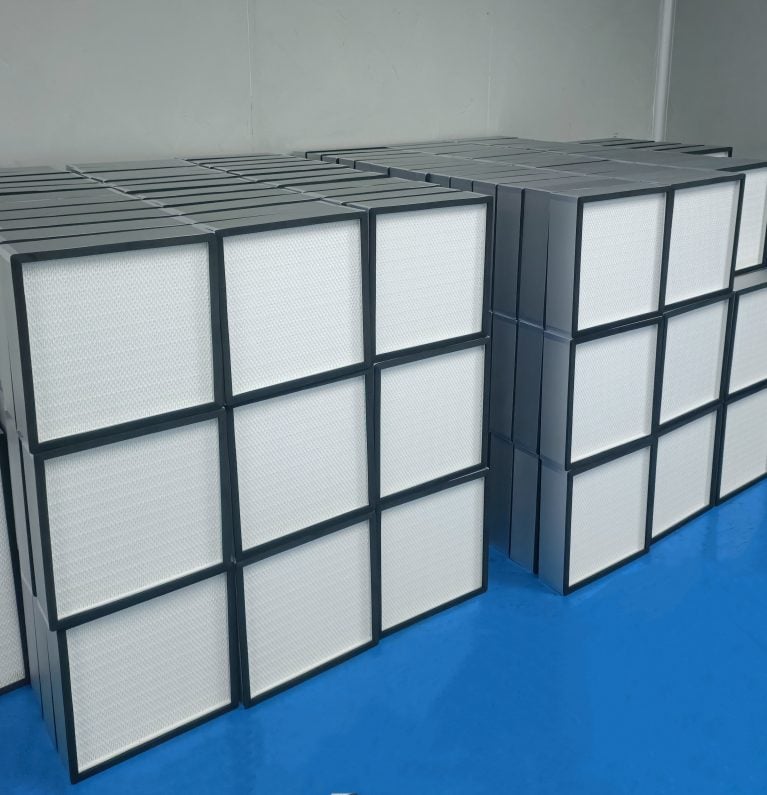
The cleaning frequency of high-efficiency filters (HEPA/ULPA) should be comprehensively determined based on their type, usage environment, and the accompanying pre-filtration system. However, it should be clear that the vast majority of high-efficiency filters are made of disposable filter materials (such as glass fiber, PTFE membrane, etc.), and it is strictly prohibited to reuse them after cleaning. The following is the specific explanation: I. Why can’t high-efficiency filters usually be cleaned? The filter material of high-efficiency filters is ultrafine fibers (with diameters ranging from 0.5 to 2μm), which form dense pores (below 0.3μm) through a complex three-dimensional structure. Particles are captured by principles such as interception, diffusion, and inertia. During cleaning (such as with water, cleaning agents, or compressed air), the structure of the filter material can be damaged, causing fiber breakage, enlarged pore size, and a significant drop in filtration efficiency (possibly from 99.97% to below 90%). The pollutants adsorbed by the filter material (such as bacteria and chemical particles) cannot be thoroughly removed, and after cleaning, they may become secondary pollution sources. The sealing rubber strips and frames of some filters may age due to contact with liquids or cleaning agents, resulting in air leakage. Ii. Special Circumstances
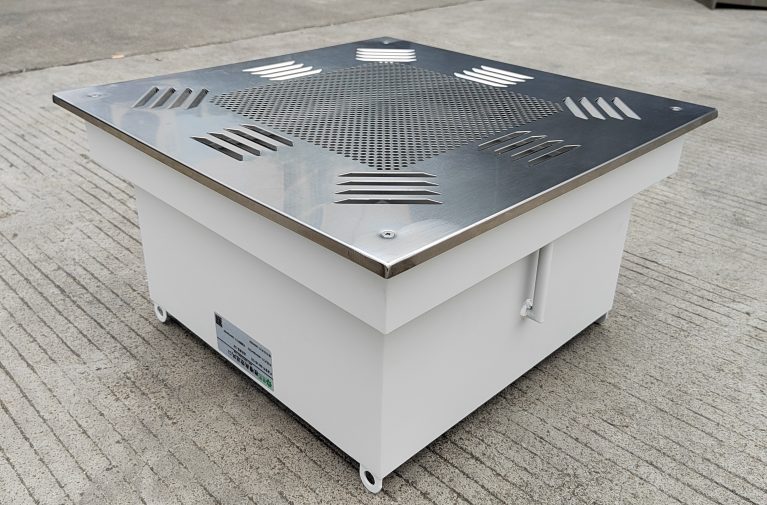
As a key component in the clean air conditioning system, the daily maintenance of DOP supply air outlets is crucial for ensuring the cleanliness of the supply air and the operational efficiency of the system. The following are detailed key points for daily maintenance: Cleaning work Surface cleaning: Wipe the outer surface of the supply air outlet with a dry, lint-free cloth every week to remove dust and stains. If there are stubborn stains on the surface, you can dip a small amount of neutral cleaner and gently wipe it, then dry it with a clean lint-free cloth to avoid the residue of the cleaner affecting the quality of the air supply. Filter cleaning: It is recommended that the primary filter be cleaned every 1-2 weeks. It can be taken out and blown from the reverse side with compressed air to remove the dust on the surface. If the filter is severely contaminated, it can be rinsed with clean water (the water temperature should not exceed 40℃), dried, and then reinstalled. It should be noted that one should not use irritating cleaning agents to clean the filter to avoid damaging the filter material. Inspection and tightening Regular inspection:
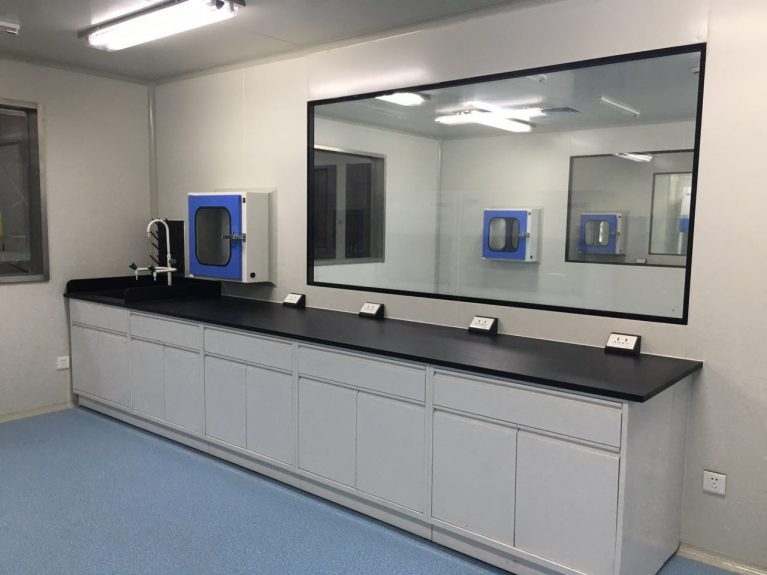
Le principe de stérilisation de la lumière au xénon repose principalement sur l'effet destructeur de la lumière à large spectre de haute intensité (en particulier les rayons ultraviolets et la lumière visible à haute énergie) émise par les lampes au xénon sur les micro-organismes.
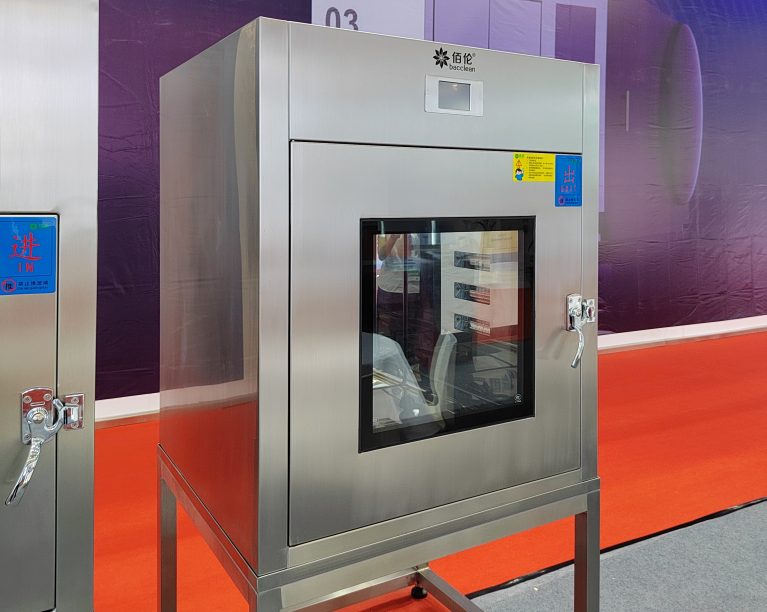
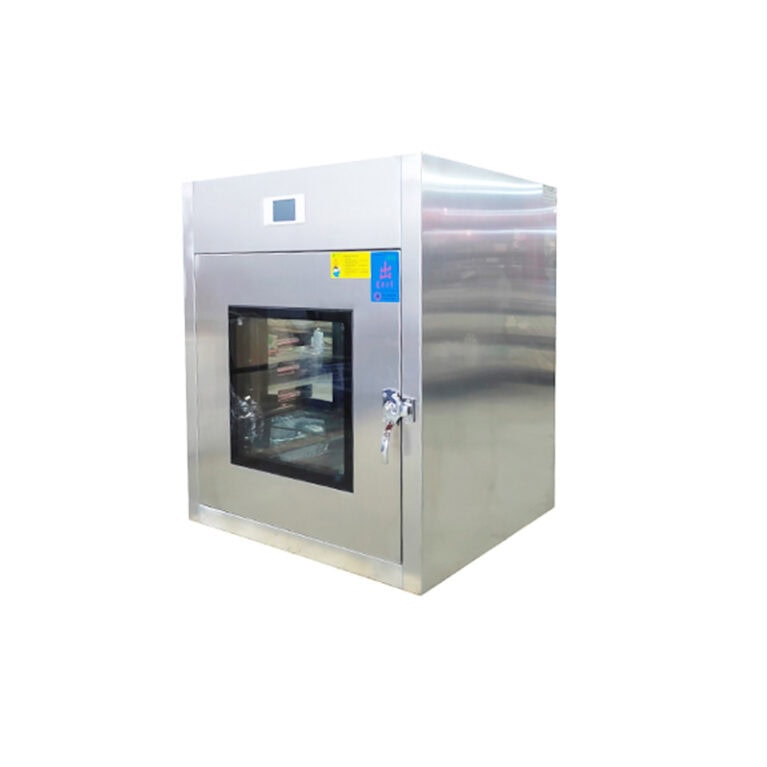
The Xenon pass box is an important device used in laboratories, clean rooms, and other places to maintain a clean environment when transferring items. Its core function relies on the sterilization effect of xenon lamps and the airtightness of the equipment. Daily maintenance should focus on ensuring sterilization efficiency, equipment sealing performance, and operational stability, as detailed below I. Daily Maintenance: Basic inspection and cleaning Inspection of appearance and operational status Before daily use, check whether the equipment shell is damaged or deformed, whether the door body can close smoothly, and whether the door lock is firm (to avoid a decrease in cleanliness due to poor sealing of the door body). Start the equipment and check whether the xenon lamp is lit normally (if it flickers or does not light up, problems with the lamp tube or circuit should be checked in time). Also, check if there is any abnormal noise during operation (which may indicate motor or fan failure). Internal cleaning After each use, wipe the inner cavity of the transfer window, the shelves, and the inner side of the door with a lint-free cloth dipped in 75% alcohol or neutral detergent to remove residual stains and microorganisms (to

Si vous avez besoin d'un environnement clos et contrôlé pour les zones propres, une salle blanche peut être un bon choix. Une salle blanche est un équipement local de purification de l'air, qui peut fournir un environnement d'une classe de propreté supérieure. Elle est performante en matière de contrôle de la poussière, de contrôle du bruit et de sécurité. Elle peut être construite et installée rapidement.
