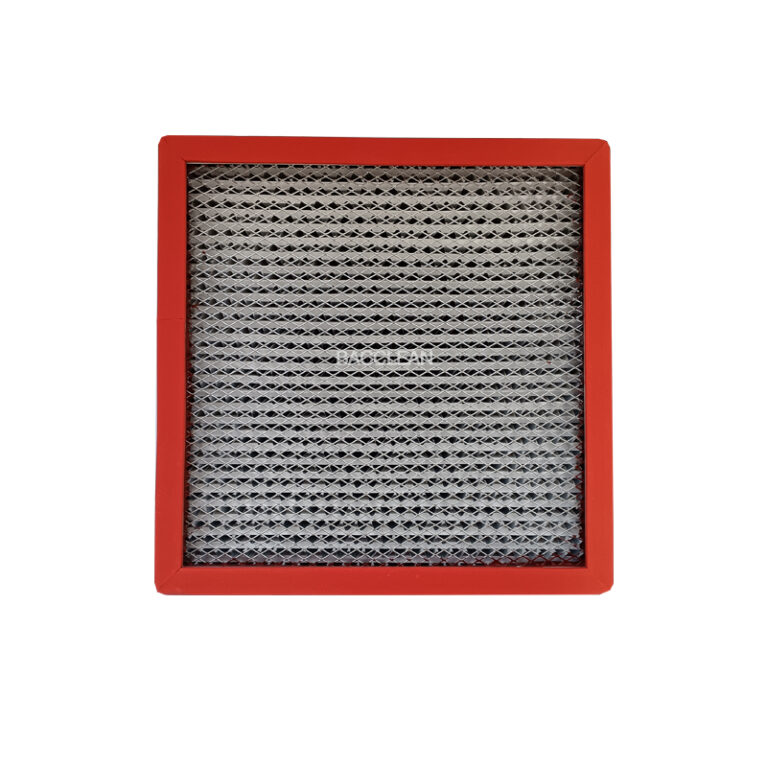

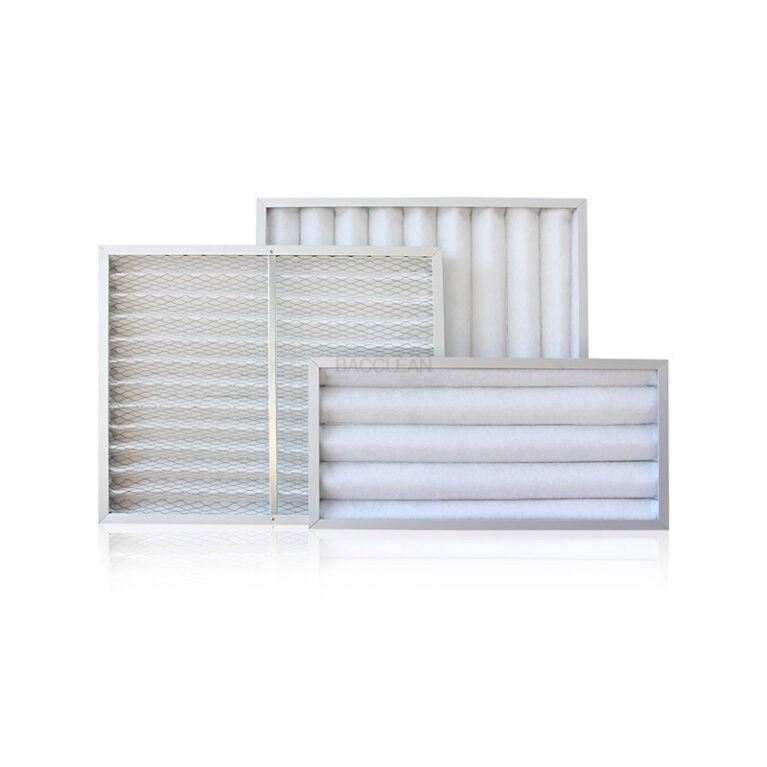
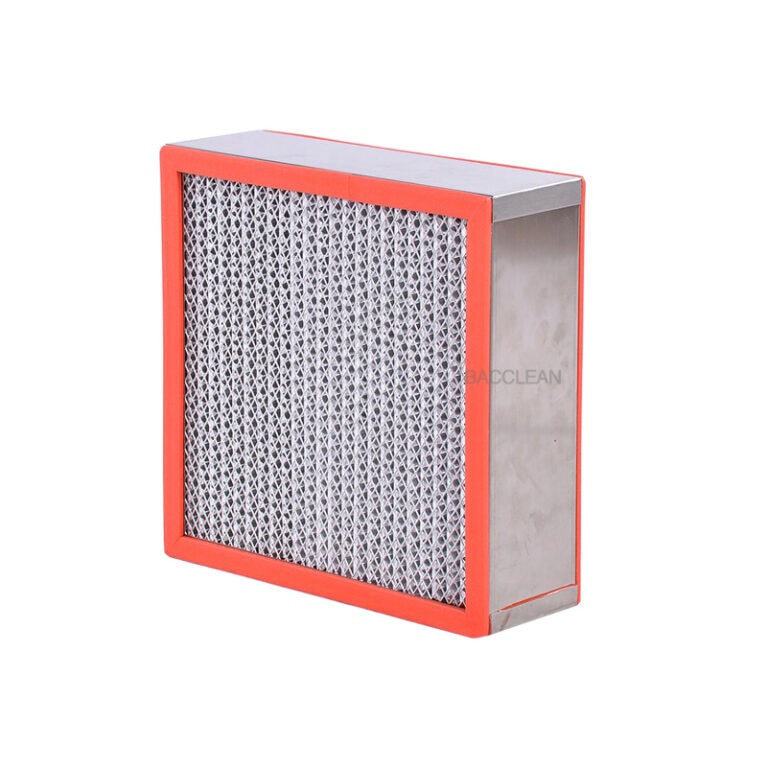
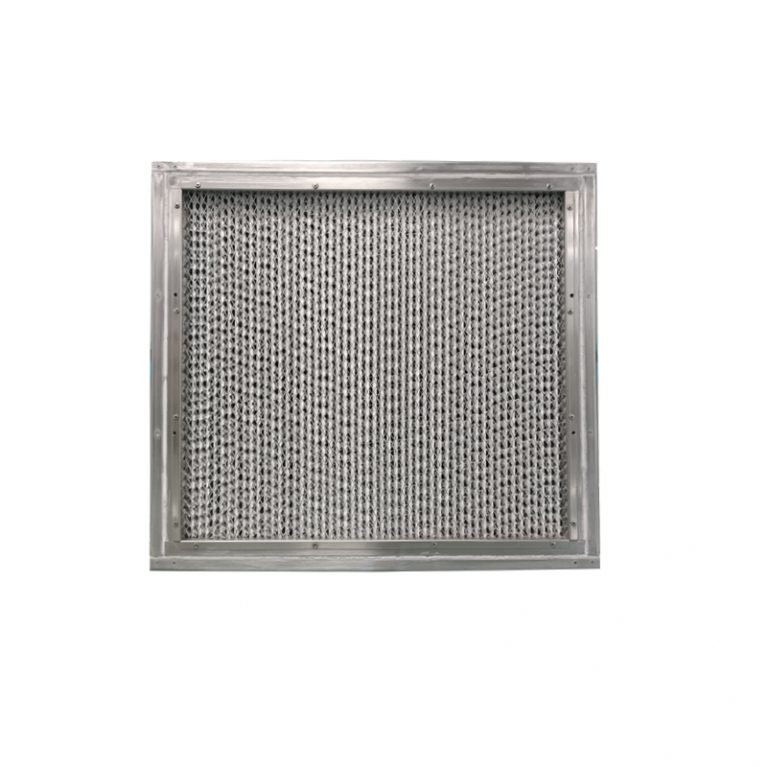
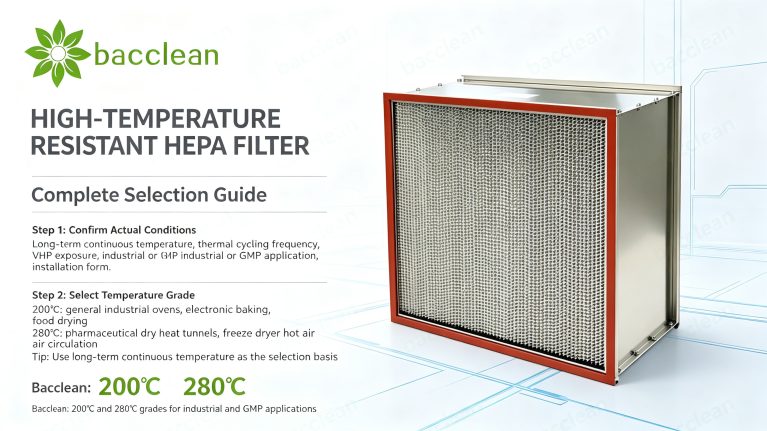
High-temperature resistant HEPA filters cover a wide range of operating conditions, including general industrial ovens, food baking, pharmaceutical dry heat tunnel ovens and freeze dryer hot air circulation. Different scenarios have vastly different requirements for temperature resistance, extractables and verification. Filter selection should not only confirm dimensions and temperature tolerance. It is necessary to distinguish between industrial working conditions and GMP pharmaceutical working conditions, and conduct comprehensive selection combined with temperature, heating & cooling cycles, disinfection conditions and verification requirements. This article sorts out the selection logic of high-temperature resistant HEPA filters by industry from the aspects of temperature resistance grade, structural form, material configuration and verification requirements, and summarizes common selection pitfalls, providing references for engineering, equipment and procurement personnel.

After installation and commissioning, Class A laminar flow hoods frequently encounter engineering problems such as gradual air velocity decay, vortex and backflow in smoke flow patterns, and dust accumulation inside the plenum chamber. These issues directly result in non-compliant dynamic performance of Class A zones and bring risks during GMP inspections. This article analyzes root causes from multiple dimensions including equipment hardware, installation construction, system matching and operation & maintenance, and delivers actionable rectification solutions as well as operation and maintenance control recommendations.
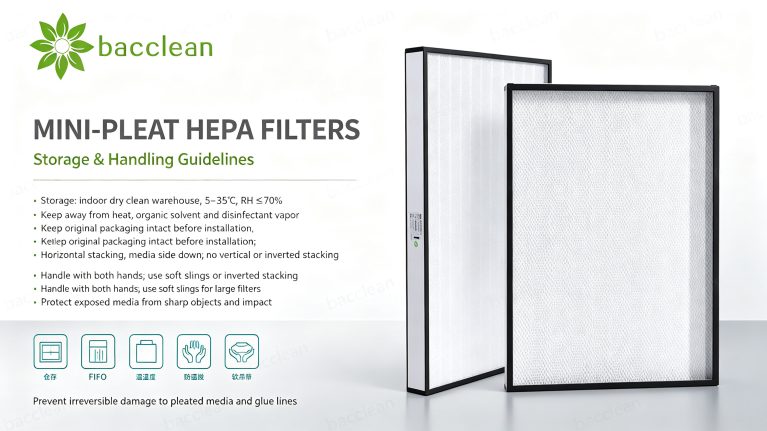
The pleated filter media and hot-melt adhesive lines of mini-pleat HEPA filters are precise and fragile structures. Bumping, extrusion, moisture exposure and foreign object puncture will cause irreversible damage. PAO leak test failures in numerous projects are often not caused by factory defects of filters, but improper warehousing, handling, hoisting and on-site installation operations. Combined with abundant on-site service experience of bacclean, this paper sorts out the storage conditions and handling key points of mini-pleat HEPA filters, installation procedures for two scenarios including FFU and air supply outlet, practical essentials of PAO aerosol leak detection and on-site precautions, providing practical reference for EPC construction, validation teams and workshop operation & maintenance personnel.
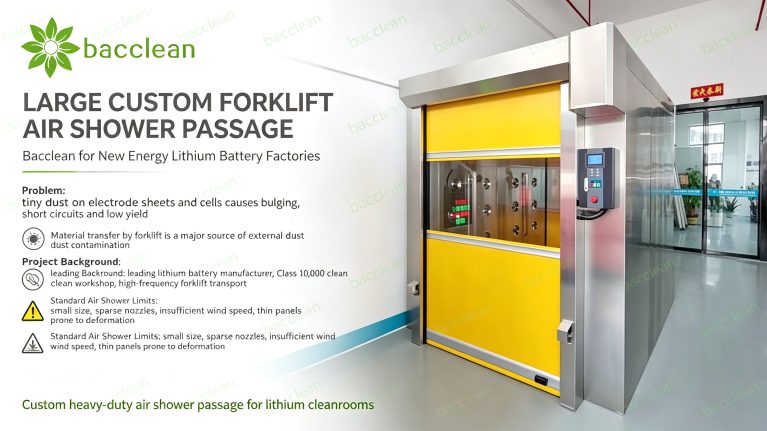
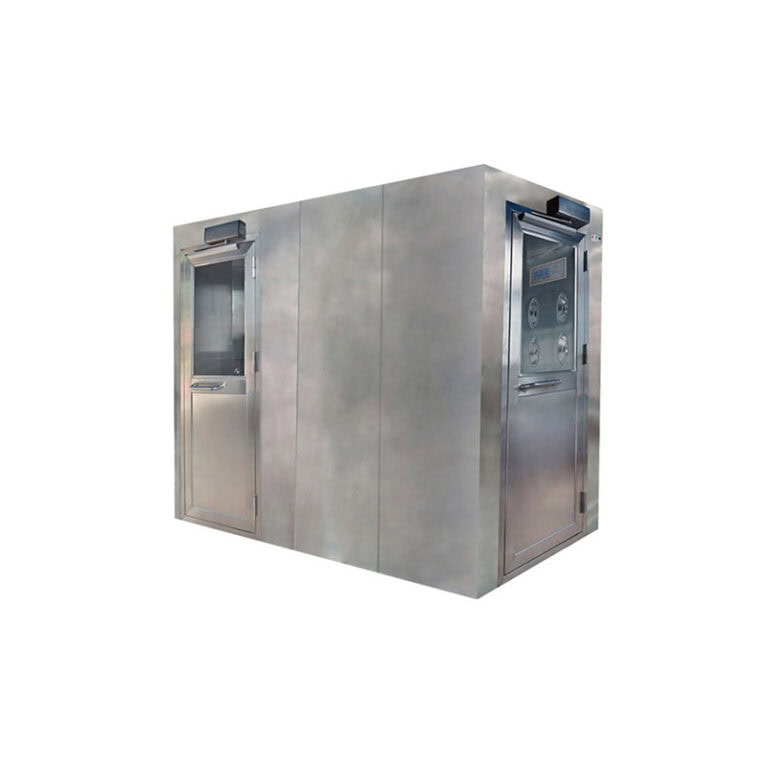
With the rapid expansion of the new energy lithium battery industry, manufacturers of power batteries, energy storage batteries and lithium battery new materials keep expanding production and upgrading facilities. The refined pollution control requirements for lithium battery dust-free workshops continue to rise. Lithium battery production processes include batching, coating, calendaring, slitting, assembly, formation and other procedures. The whole production chain is extremely sensitive to workshop dust, particles and static electricity. Tiny dust particles attached to electrode sheets and battery cells may trigger battery bulging, short circuits, abnormal self-discharge and other quality defects, directly resulting in product scrap and heavy economic losses for manufacturers. Among the pollution sources in lithium battery workshops, external dust contamination brought by forklift transportation and material turnover is a core hazard affecting product yield and also a weak point of pollution control in most lithium battery factories. Recently, the large non-standard customized forklift air shower passage manufactured by Bacclean has completed production, testing and on-site delivery, helping a leading new energy lithium battery factory in South China improve its material purification system and build a solid barrier for clean production.
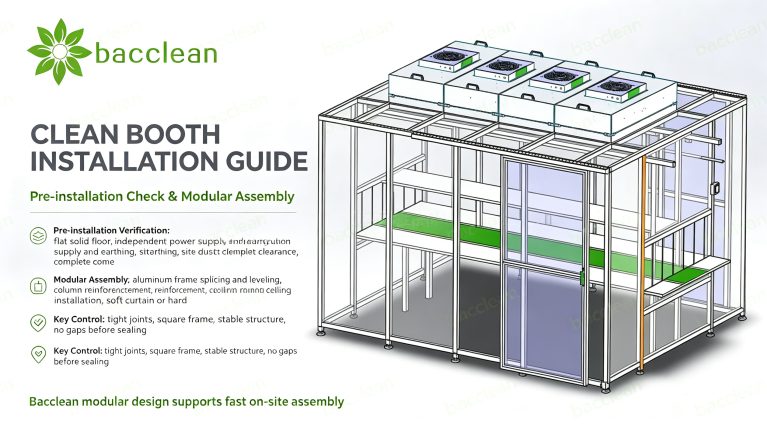
Bacclean Practical Technical Guide, detailing site preparation, modular assembly, sealing treatment, FFU commissioning, air velocity uniformity test, cleanliness inspection and final acceptance of clean booths. It sorts out common on-site problems and corresponding solutions to help engineers efficiently complete project acceptance.
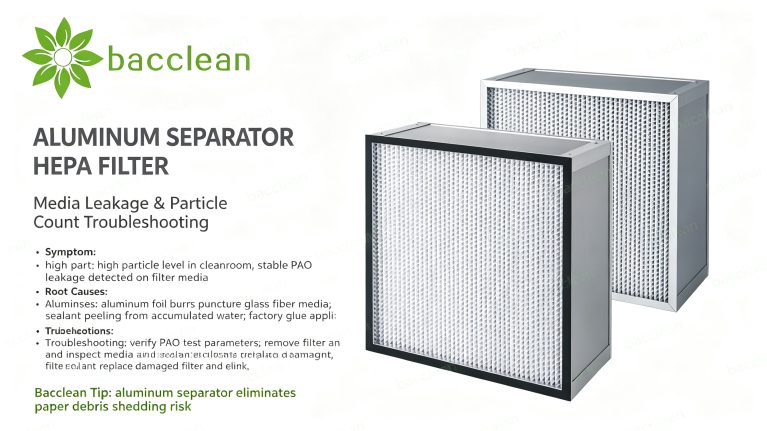
Bacclean’s on-site troubleshooting guide for aluminum separator HEPA filters. Common field failures include rapid pressure rise, PAO aerosol leakage alarm, excessive particle concentration in clean areas, and aluminum foil oxidation & corrosion. Many faults are not caused by damage to filter media performance, but by aluminum foil material defects, water accumulation inside the air plenum, or improper installation. Some faults can be detected via PAO scanning, while others require shutdown and visual inspection by opening the housing. This document sorts out frequent failure symptoms, root cause analysis and step-by-step troubleshooting procedures.
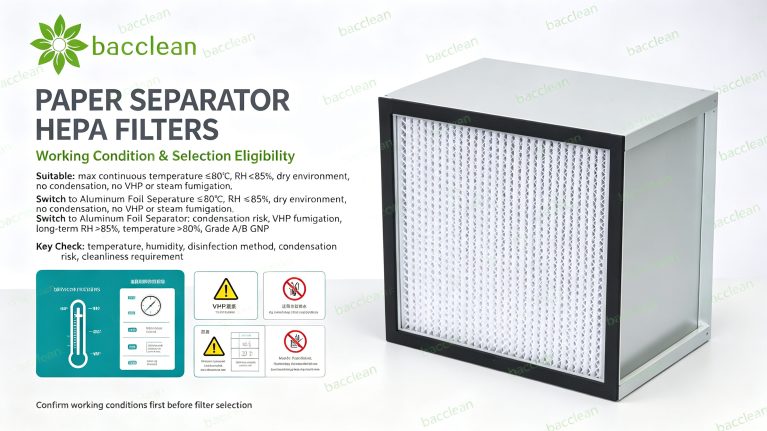
When selecting paper separator HEPA filters, it is insufficient to only confirm dimensions and efficiency classes. Operating temperature & humidity, disinfection methods and separator materials are the core factors determining long-term operation reliability. For paper separator HEPA filters with identical appearance, product reliability varies greatly due to different impregnation processes of separators. Combined with rich project experience, this guide sorts out the complete selection logic from working condition verification, parameter selection, material screening and industry-specific application to procurement technical requirements, serving designers, engineering and procurement personnel.
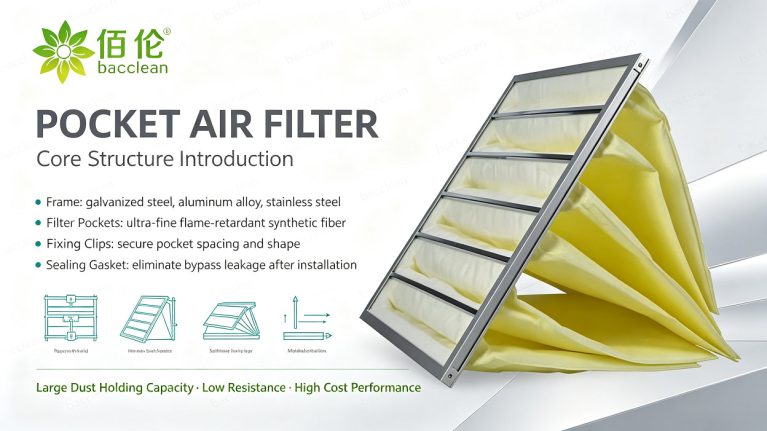
Pocket air filters are indispensable medium-stage filtration equipment in ventilation and air-conditioning purification systems. They are mainly used in the secondary filtration stage after pre-filtration and before HEPA filtration. Their core function is to capture medium-sized particulate matter in the air, protect the downstream HEPA filters, extend the service life of the entire purification system, and stabilize the indoor air cleanliness. Compared with panel filters and foldable filters, pocket filters feature large dust holding capacity, low air resistance, large filtration area and high cost performance. They are widely used in various ventilation and purification scenarios such as industrial workshops, commercial buildings and public venues. This paper comprehensively breaks down the core technical points of pocket air filters from four dimensions: structural composition, filtration principle, grade parameters and performance characteristics.
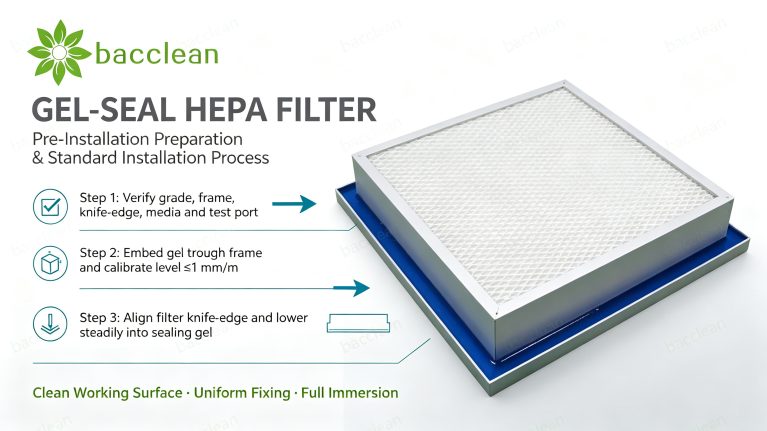
The sealing performance and operational stability of gel-seal HEPA filters fully rely on standardized installation procedures and precise gel filling specifications. Every stage including installation, gel injection and leak inspection directly affects the air tightness and filtration performance of the equipment. Compared with ordinary HEPA filters, gel-seal filters require higher installation accuracy and stricter construction processes. Non-standard construction may easily lead to seal failure, excessive air leakage and substandard purification results. Combined with construction specifications for high-end cleanroom projects, this article elaborates on the installation workflow, gel filling standards and core leak detection & acceptance techniques of gel-seal HEPA filters, providing professional references for standardized construction of high-grade clean engineering.
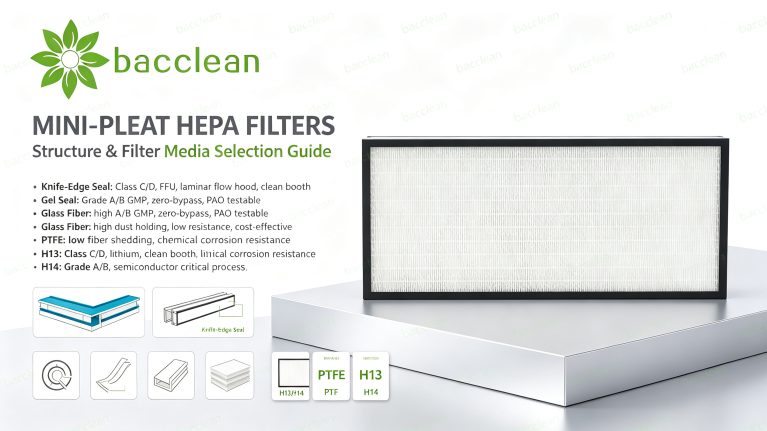
Mini-pleat HEPA filters cover a wide range of application scenarios, including general Class C/D cleanrooms, Grade A/B sterile zones for biopharmaceuticals, new energy lithium-ion battery workshops, semiconductor facilities, laminar flow hoods, clean booths, biosafety cabinets and more. Working conditions vary greatly across industries. Selection cannot be made merely by confirming length, width, height and efficiency class. Comprehensive evaluation shall be conducted considering installation method, ambient temperature & humidity, disinfection conditions, dust load and validation requirements. This article sorts out the complete selection logic of mini-pleat HEPA filters from installation structure, filter media, depth specification, efficiency grade and special working condition constraints for different industries, helping engineering designers avoid common selection pitfalls.
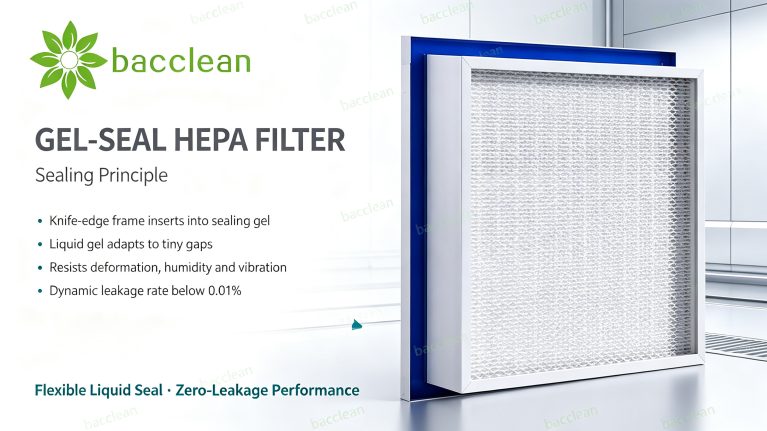
Gel-seal HEPA filters are premium terminal filtration equipment for high-end cleanroom applications. Featuring unique liquid zero-leakage sealing technology, they serve as dedicated filtration units for Class 100 and above ultra-high-grade cleanrooms, aseptic workshops and precision microelectronics manufacturing facilities. Compared with conventional gasket-sealed HEPA filters, gel-seal HEPA filters deliver overwhelming advantages in sealing stability, long-term durability and working condition adaptability, thoroughly solving industry pain points including air leakage, seal aging and performance degradation that plague traditional filters during long-term operation. This paper deeply analyzes the sealing principle, core structure and performance parameters of gel-seal HEPA filters, and fully interprets their key technical strengths.

The quality of selection, installation and commissioning of pocket air filters directly determines the filtration efficiency, operating energy consumption and service life of ventilation and purification systems, forming a core link in the construction, operation and maintenance of purification projects. In practical engineering applications, most problems such as unsatisfactory filtration performance, excessive air resistance and frequent equipment failures of purification systems stem from improper selection, non-standard installation and inadequate commissioning. To ensure efficient and stable equipment operation, this paper sorts out the selection logic, installation process and commissioning & acceptance specifications of pocket air filters in detail based on industry construction standards and engineering practices, providing technical references for project implementation.
