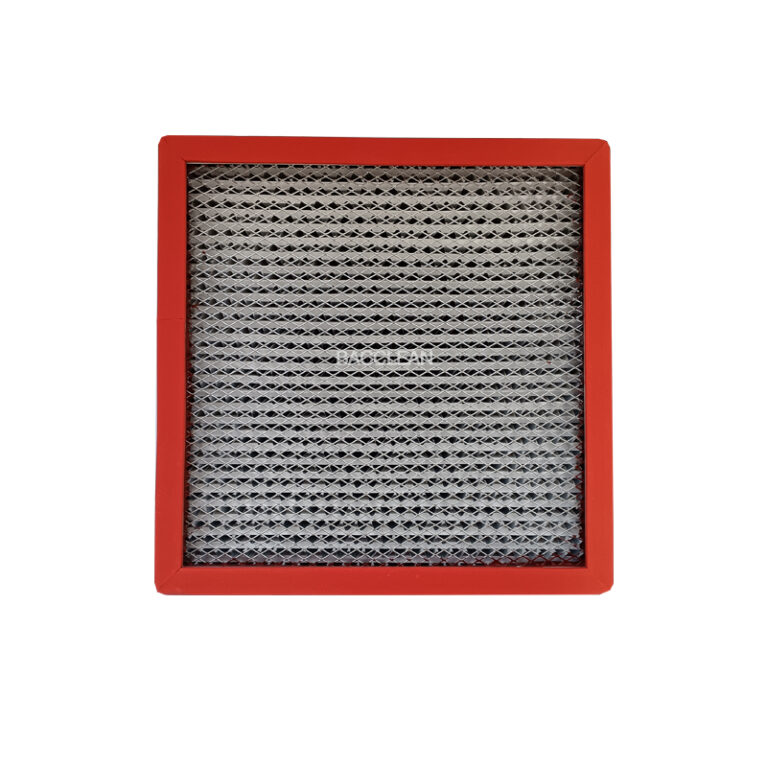

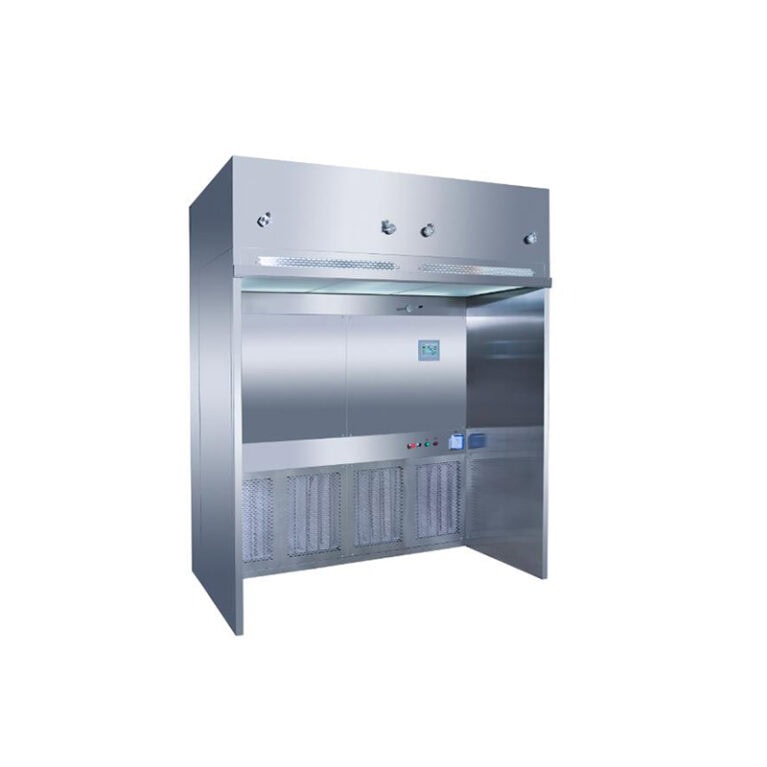
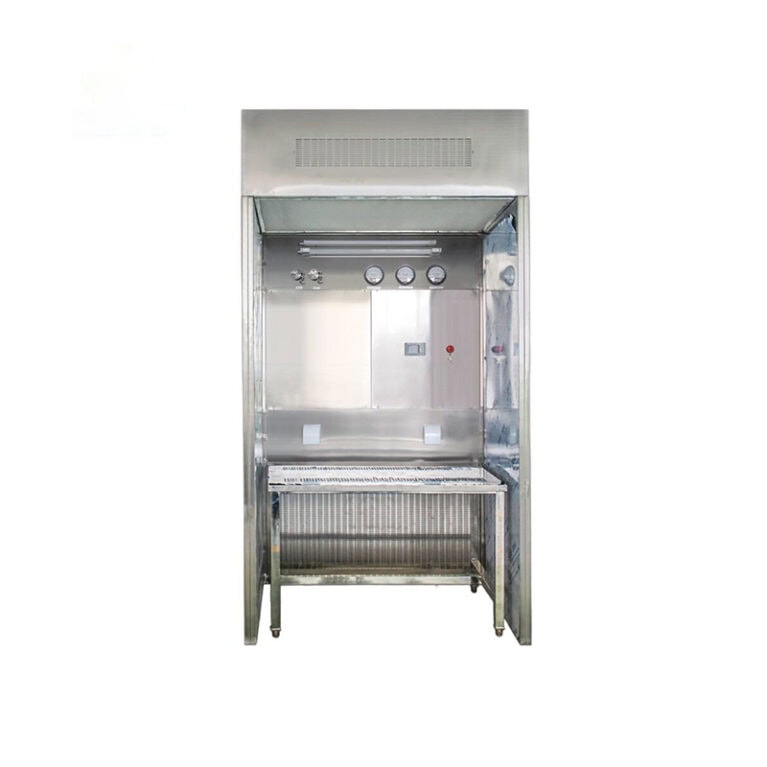
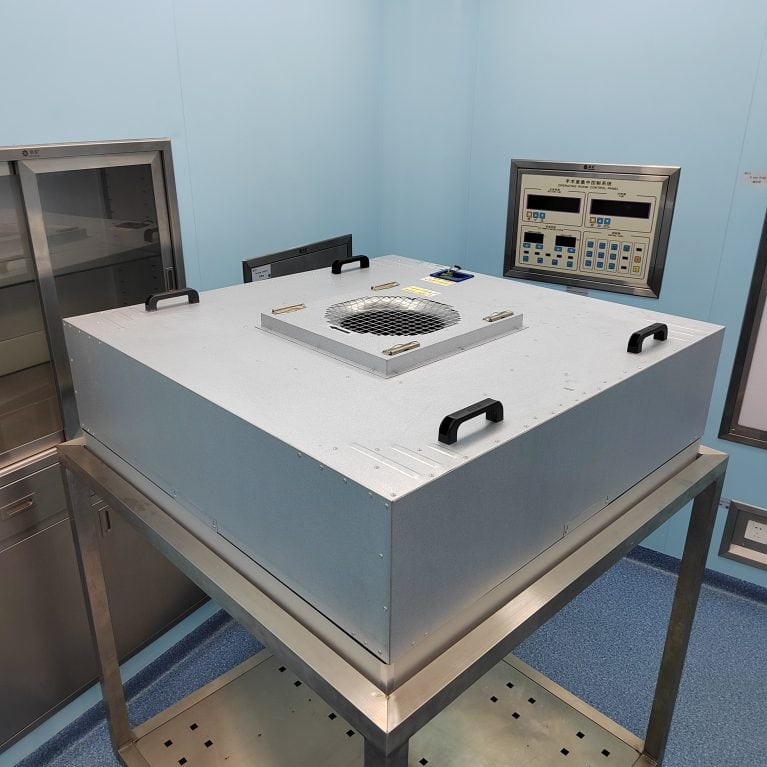
The Fan Filter Unit (FFU) is a key purification device in clean rooms (controlled environments designed to minimize particulate contamination), dust-free workshops and other places. Its core function is to achieve local air purification by using a fan to push air through high-efficiency filters. These filters include HEPA (High-Efficiency Particulate Air, which captures very fine particles) or ULPA (Ultra-Low Penetration Air, which captures even smaller particles). According to different classification criteria, FFU can be divided into various types. The following are common classification methods and specific types: I. Classification by filter type This is the most crucial classification method, which directly determines the filtering efficiency of the FFU: Hepa-type FFU: Equipped with high-efficiency air filters (HEPA, which stands for High-Efficiency Particulate Air), it can achieve a filtration efficiency of over 99.97% for particles with a diameter of ≥0.3μm (micrometers, a micrometer is one millionth of a meter), and is suitable for most clean rooms (such as Class 1000 to Class 100,000, where the class indicates the maximum allowed particles per cubic foot). ULPA type FFU: Equipped with ultra-high efficiency air filters (ULPA, or Ultra-Low Penetration Air), it can achieve a filtration efficiency of over 99.999% for particles with a diameter
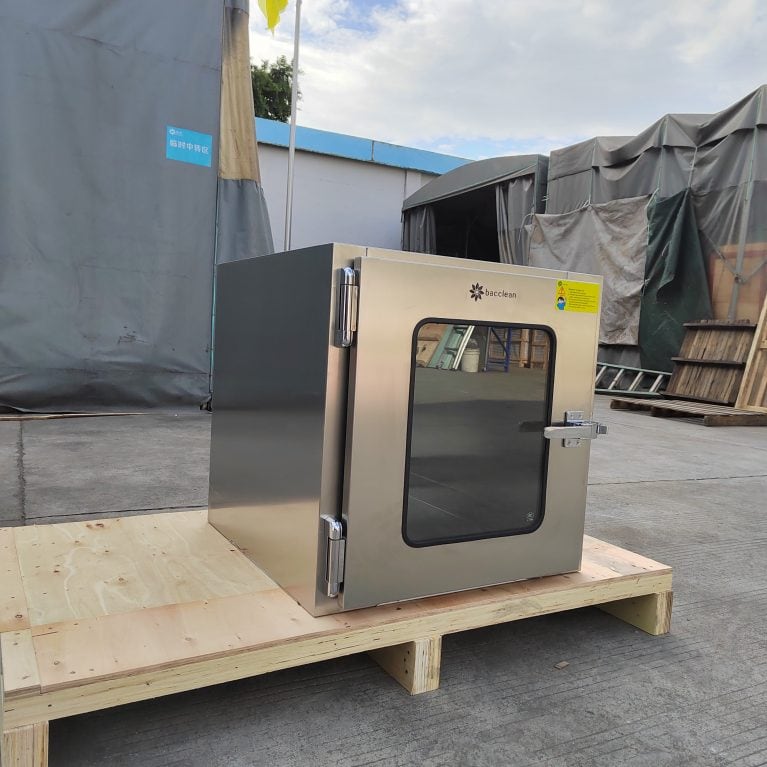
As a key piece of equipment for material transfer in clean environments such as laboratories, pharmaceutical workshops, and electronic clean rooms, the daily maintenance of embedded transfer Windows must strictly follow the regulations to ensure cleanliness, prevent cross-contamination, and extend the service life of the equipment. The following are the core precautions for daily maintenance: I. Precautions for Cleaning and Disinfection Cleaning frequency and timing After daily use, the internal cavity, door body, and handle should be cleaned. If it is used in high-risk scenarios (such as biological laboratories and aseptic pharmaceutical areas), disinfection should be carried out immediately after each material transfer. Before cleaning, the power supply of the transfer window must be turned off to ensure that the ultraviolet lamp, fan, etc., are not running, avoiding electric shock or direct ultraviolet radiation damage. Selection of cleaning tools and reagents Dust-free cloths and special clean cloths should be used (avoid using ordinary cloths to prevent fiber shedding and contamination), and 75% medical alcohol, peracetic acid, or disinfectants that meet the on-site requirements (such as sporicides commonly used in pharmaceutical workshops) should be used. Do not use corrosive cleaning agents (such as strong acids and strong alkalis) to avoid damaging
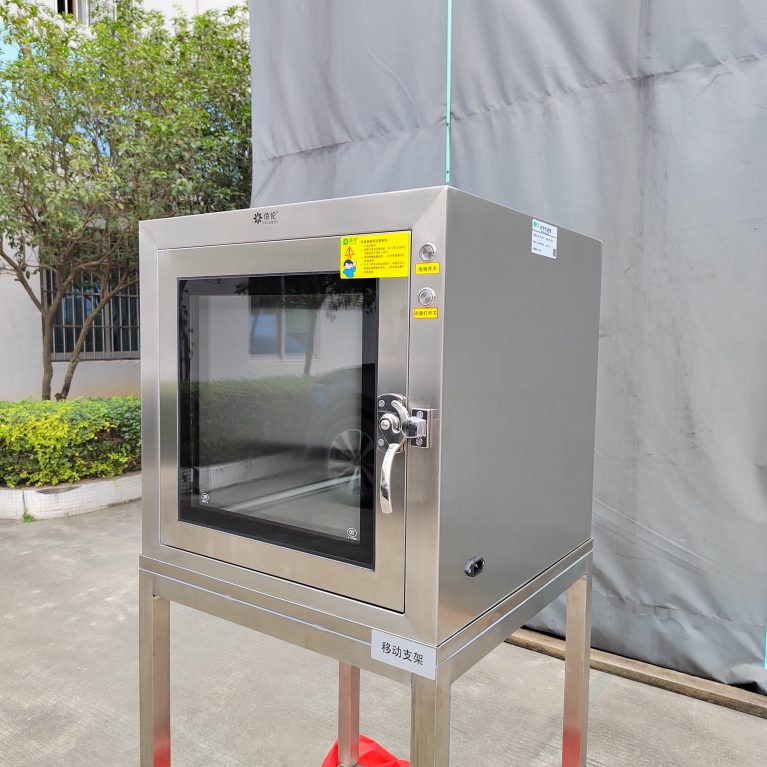
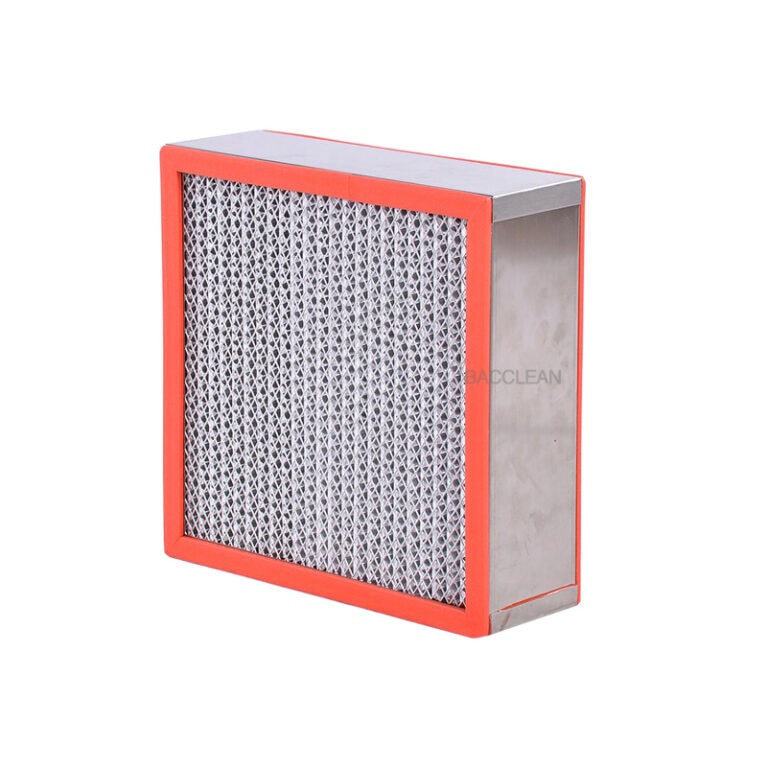
The filter with an embedded transfer window (usually a high-efficiency HEPA or ULPA filter) is the core component for maintaining its clean function. The replacement process must strictly follow the aseptic and dust-free operation norms to avoid contaminating the clean environment inside and around the transfer window. The following are the detailed replacement steps and precautions: I. Preparations Before Replacement Confirm the replacement conditions When the surface of the filter is damaged or deformed, or the resistance detected by the differential pressure gauge exceeds 1.5 times the initial resistance (usually the resistance of a new filter is 200-250Pa, and it needs to be replaced when it exceeds 300-375Pa), or when it reaches the manufacturer’s recommended service life (generally 6-12 months, depending on the cleanliness of the environment), replacement should be arranged. Prepare new filters of the same model and specification in advance (pay attention to the filtration efficiency grade, such as H13 and H14 grades, which must meet the on-site cleanliness requirements), and check whether the packaging of the new filters is intact and whether there is a certificate of conformity. Preparation of tools and consumables Tools: Screwdriver (select cross/flat-head according to the filter fixation method), wrench, lint-free cloth, special
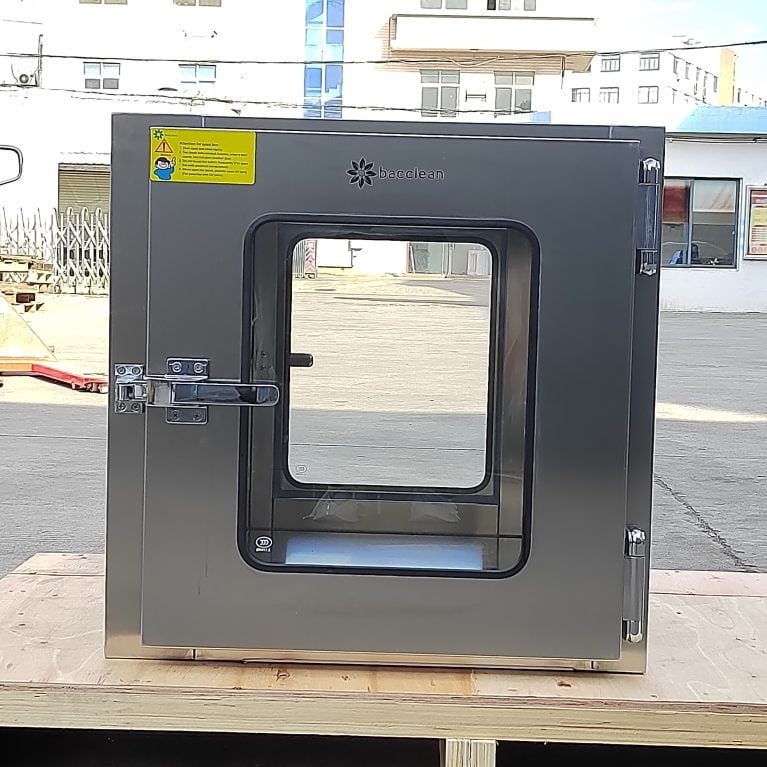
The embedded transfer window, as a key device for controlling cross-contamination in clean environments, directly affects the purification effect and service life through its daily maintenance. Maintenance should revolve around the four core aspects of “cleaning, inspection, calibration, and replacement of consumables”, and formulate standardized procedures in combination with the equipment structure (interlock devices, purification systems, sealing components, etc.). The specific methods are as follows: 1. Daily basic cleaning: Keep the interior clean Surface wiping Use a lint-free cloth dipped in 75% medical alcohol or neutral detergent (such as a diluted solution of dishwashing liquid) to wipe the inner walls of transfer Windows, the inner sides of doors, shelves, and other surfaces to remove any remaining dust, stains, or liquid marks. Pay special attention to cleaning the areas prone to dust accumulation, such as the ultraviolet lamp and the air outlet of the filter, to avoid obstruction and affect the function. After cleaning, wipe it a second time with a lint-free cloth moistened with pure water or sterile water to remove any residue of cleaning agents (especially in the pharmaceutical and food industries). Cleaning of the sealing rubber strip Use a soft-bristled brush or lint-free cloth to clean the dust
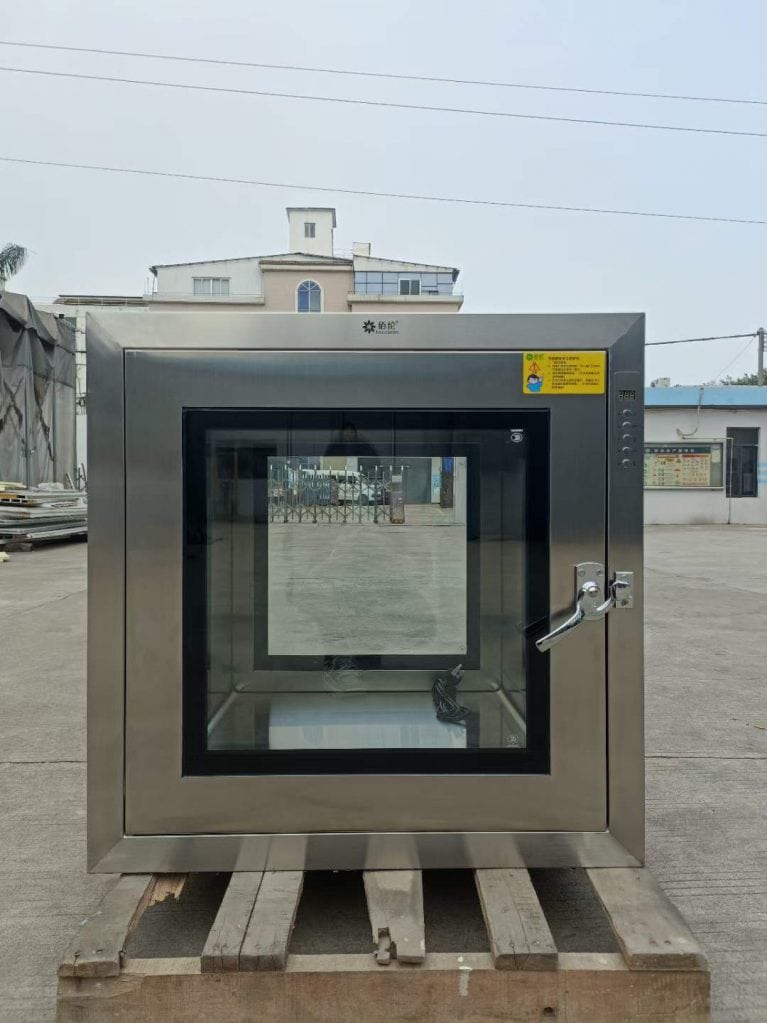
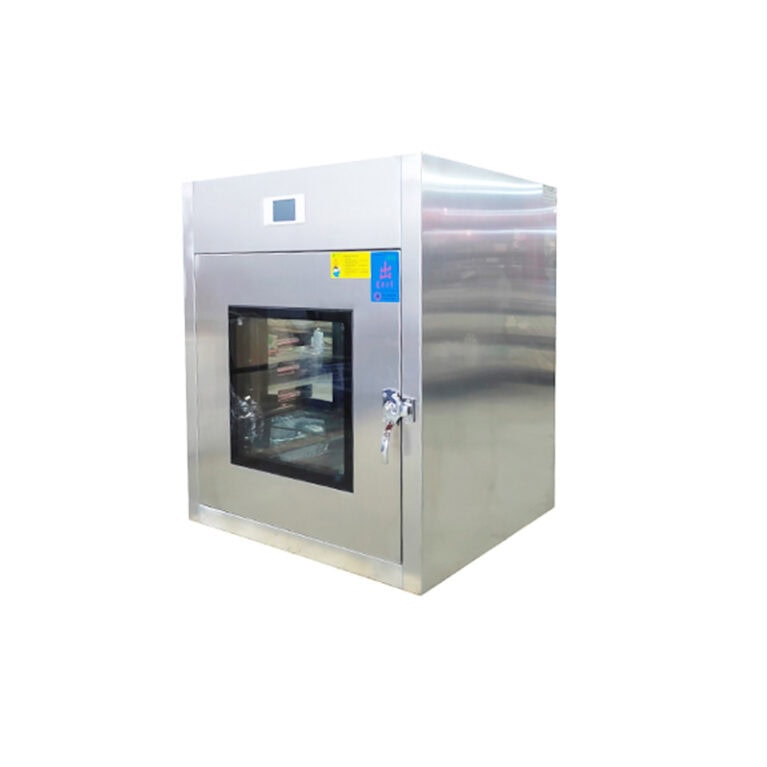
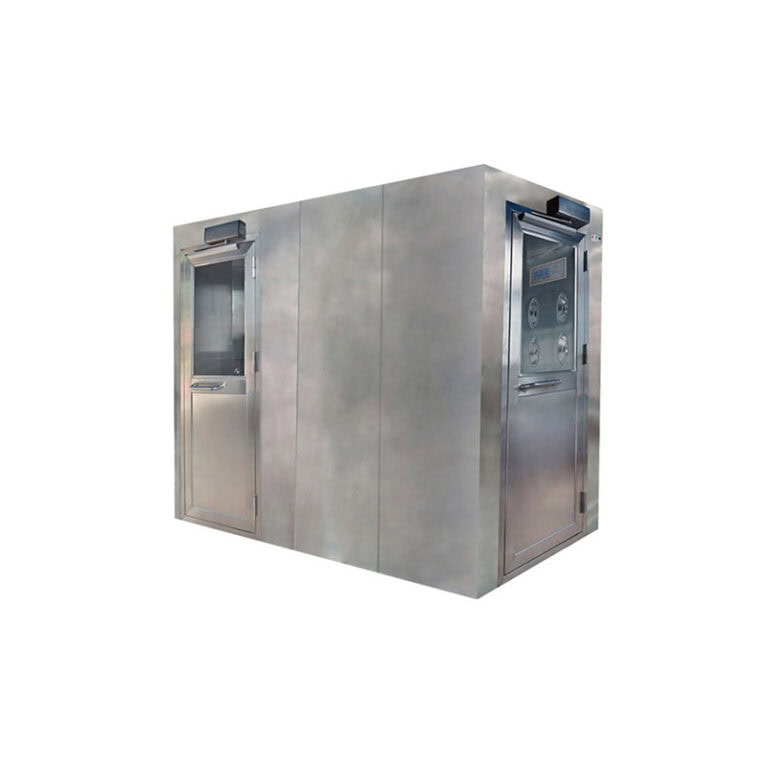
The embedded transfer window is a device installed in the walls of clean rooms, laboratories, hospital operating rooms, and other places that require strict control of environmental cleanliness. It is mainly used to transfer items between areas of different cleanliness grades or between internal and external environments, while minimizing air cross-contamination to the greatest extent. Its working principle revolves around “isolating pollution and achieving efficient purification”, as follows: I. Core Design: Physical Isolation and Interlock Mechanism Bidirectional isolation structure Transfer Windows are usually of box-type structure, embedded in the wall, with doors on both sides (generally made of stainless steel and with good sealing performance), which respectively lead to two areas of different cleanliness grades (such as clean area and non-clean area). The core of it is the interlocking device: when one side door is opened, the other side door will be locked by mechanical or electronic devices. It cannot be opened simultaneously, thereby preventing direct air convection between the two areas and avoiding contaminants from entering the clean area with the air. Sealing design The contact area between the door and the box body is usually equipped with anti-aging and elastic sealing strips to ensure airtightness when the door
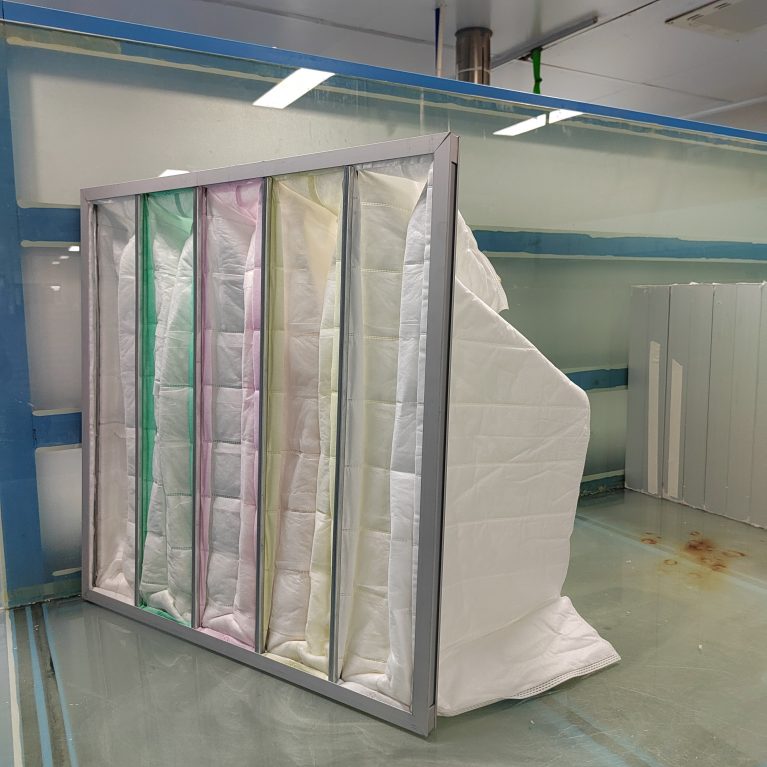
The performance of chemical fiber bag and glass fiber bag air filters (such as filtration efficiency, resistance, service life, etc.) is influenced by multiple factors, which not only include the characteristics of the filter material itself but are also closely related to the usage environment and system design. The following is a detailed analysis from three dimensions: filter material characteristics, structural design, and usage conditions: I. Core Characteristics of the Filter Material Itself Filter material is the foundation of filter performance, and its material and fiber morphology directly determine the filtration capacity. Fiber material and physical properties For chemical fiber bags, the diameter, toughness, and heat resistance of synthetic fibers such as polyester (PET) and polypropylene (PP) are crucial. For instance, fine denier polyester fibers (with a diameter of 2-5μm) have a higher filtration efficiency than coarse fibers (10-20μm), but their dust-holding capacity is slightly lower. Polypropylene fibers are resistant to acid and alkali corrosion and are suitable for chemical scenarios, while ordinary polyester is prone to aging in strong acid and alkali environments. Fiberglass bags: The diameter of the glass fiber (usually 1-3μm), the strength of the single filament, and the alkali content all affect the performance. Ultrafine glass
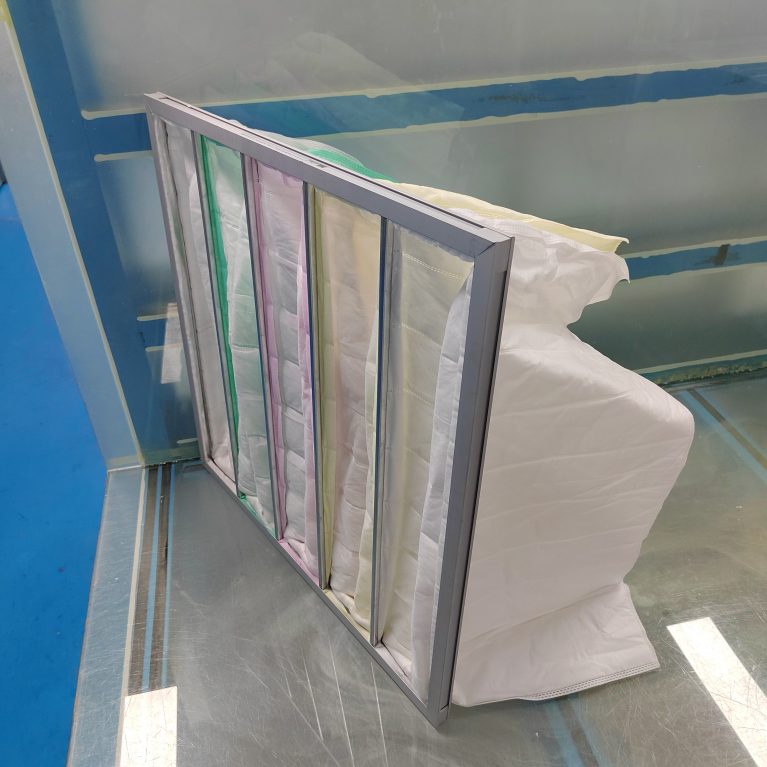
There are significant differences between chemical fiber bag air filters and glass fiber bag air filters in terms of filtration performance, material properties, and applicable scenarios. When making a choice, specific requirements (such as filtration accuracy, environmental conditions, cost, etc.) should be comprehensively considered. The following is an explanation based on the core differences I. Differences in Filter Material and Structure Chemical fiber bag filter The filter material is mainly made of synthetic fibers such as polyester (PET) and polypropylene (PP), which are soft and strong in toughness. It is produced through processes such as spunbonding and meltblown. The structure of filter bags is usually a multi-layered pleated or fluffy bag-like, with uniform distribution of voids between fibers and large dust-holding Spaces. Fiberglass bag filter The filter material is centered on glass fiber, which is hard in texture and relatively brittle. It is made through layer-by-layer superposition or weaving processes. Glass fibers have a finer diameter (down to the micrometer level), a higher fiber density, and a more compact filter layer structure. Ii. Differences in Applicable Scenarios Typical scenarios of chemical fiber bag filters Medium and low-efficiency filtration of central air conditioning fresh air/return air systems (such as in office
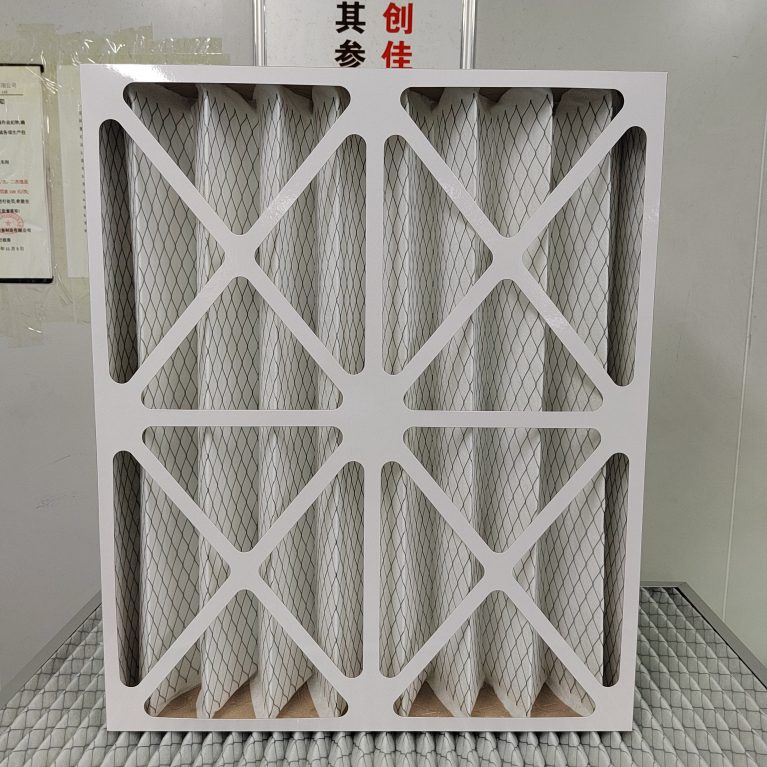
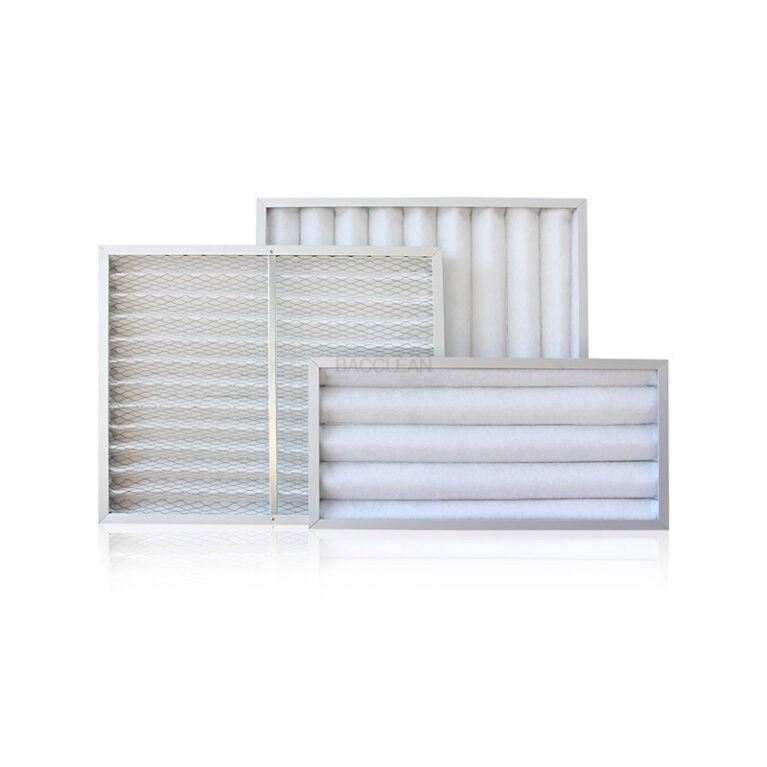
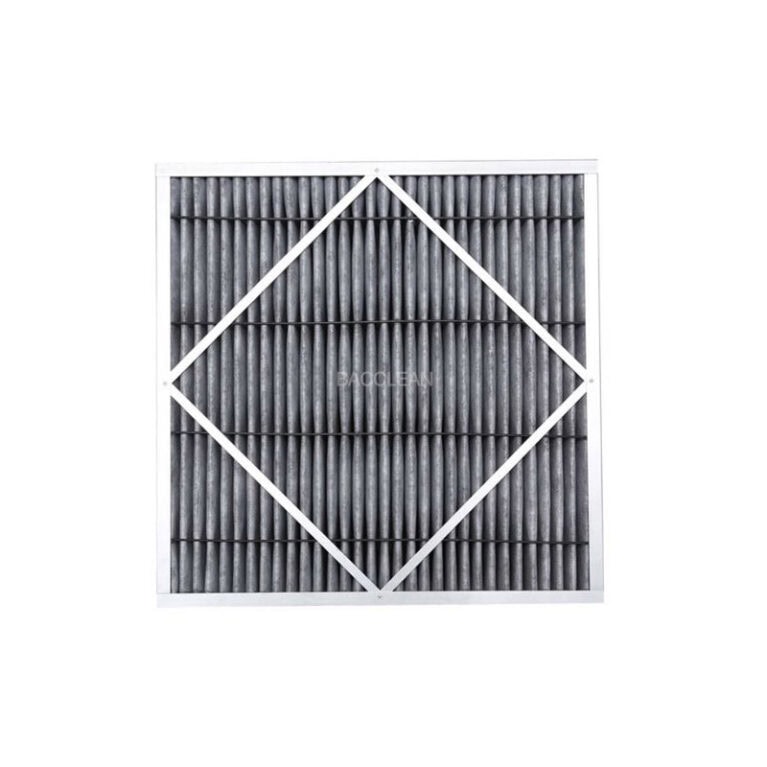
When choosing a paper frame folding filter suitable for a specific application scenario, it is necessary to comprehensively consider the core requirements of the scenario (such as filtration accuracy, environmental conditions, system parameters, etc.) from multiple dimensions, including filtration efficiency, filter material characteristics, structural design, and environmental adaptability. The following are the specific selection methods and key points: First, clarify the core requirements of the application scenarios The core requirements for filtering vary greatly in different scenarios. The following basic information needs to be clarified first: Pollutant type: Is it large particle dust (such as over 5μm), fine dust (such as 1-5μm), or air with odor and moisture that needs to be filtered? Cleanliness requirements: What are the grade requirements for air cleanliness in scenarios (such as general ventilation, industrial production, near-clean environments, etc.)? System parameters: Air volume, air pressure of the supporting equipment, and installation space dimensions (length × width × thickness)? Environmental conditions: Temperature and humidity of the scene, and whether there are corrosive gases. Second, select the efficiency grade based on the filtration accuracy requirements. The core function of the paper frame folding filter is to intercept pollutants of specific particle sizes. The corresponding efficiency grade should
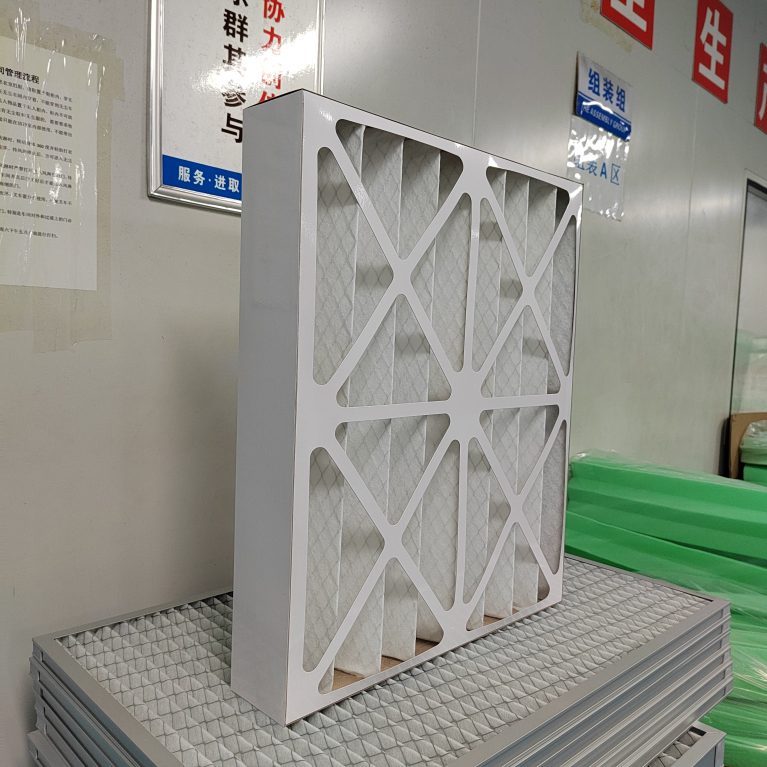
Paper frame folding filters are widely used in various fields and scenarios due to their moderate filtration efficiency, low cost, and easy installation, as follows: Air conditioning and ventilation systems Central air conditioning fresh air unit: As a primary filtration device, it filters large particles of dust, pollen, hair and other impurities in the outdoor air, protects the core components such as heat exchangers and fans inside the air conditioning system from being contaminated or clogged, and at the same time reduces the burden on subsequent medium and high-efficiency filters, extending the service life of the entire system. Commercial and household ventilation systems: In the ventilation systems of shopping malls, office buildings, hotels, residences, and other places, they are used to purify the air entering the room, improve indoor air quality, and provide people with a more comfortable breathing environment. Cleanroom-related scenarios Cleanroom return air filtration: In cleanrooms of industries such as electronics, pharmaceuticals, and precision instruments, paper frame folding filters are often used in the return air system to filter out some dust in the circulating air inside the room, maintaining the air cleanliness level of the cleanroom and ensuring the stability of the production or experimental environment. Pre-treatment
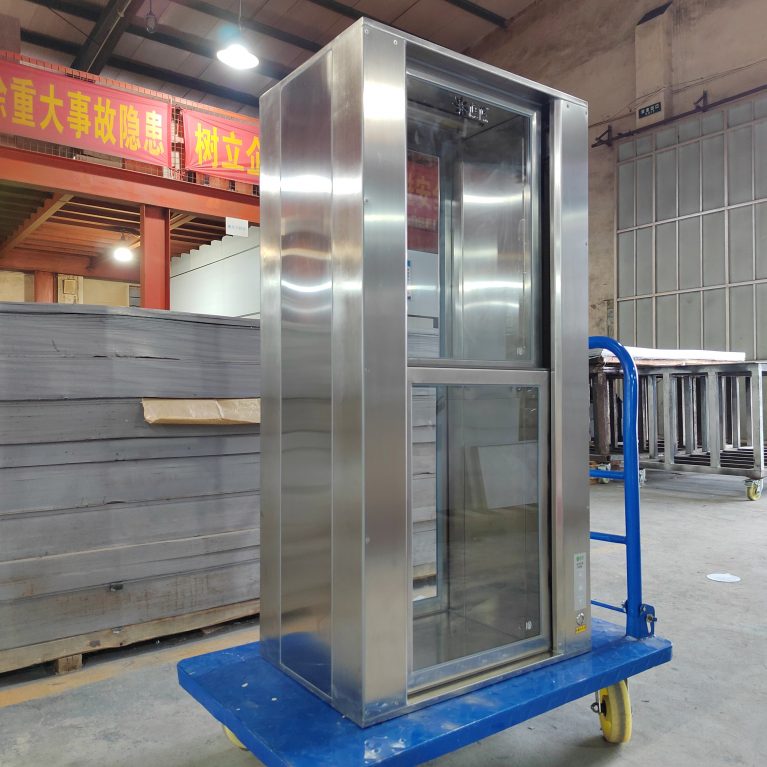
To prevent common faults of automatic lifting transfer Windows, systematic protective measures should be established from multiple dimensions, such as standardized operation, preventive maintenance, environmental adaptation, and regular calibration, and targeted prevention should be carried out in combination with the structural characteristics of the equipment and the usage scenarios. The following are the specific methods: I. Operating Norms: Reduce human-induced malfunctions from the source Strictly abide by the load and item restrictions Before transferring items, make sure the weight does not exceed the rated load of the equipment (usually marked on the side of the equipment), and overloading is strictly prohibited (to avoid overloading and burning out of the lifting motor or deformation of the transmission components). Only items that are well sealed should be transferred. Liquids, loose powders, and sharp objects (unpackaged) are strictly prohibited from entering the cavity to prevent internal contamination, component corrosion, or scratches on the tracks. When passing items, handle them gently to avoid violent impact on the lifting platform (to prevent deformation of the platform surface or false triggering of the sensor). Eliminate any illegal operation behaviors. Do not force the door open during the lifting process (it will trigger the interlock protection, but
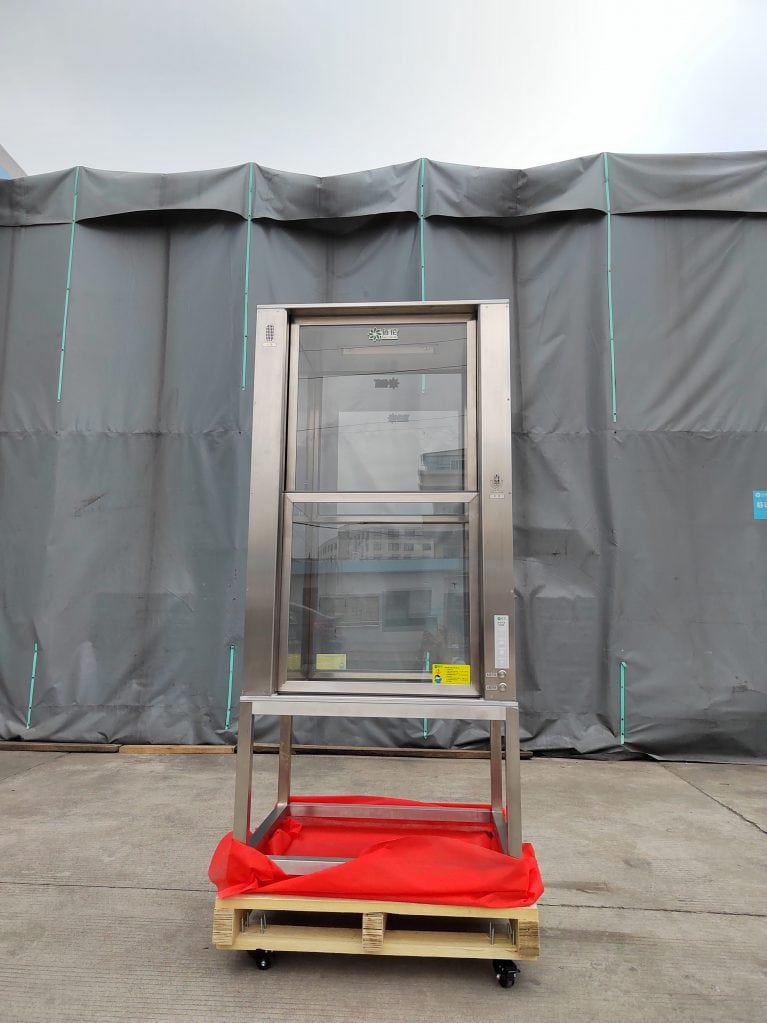
In addition to daily maintenance, when the automatic lifting transfer window is used in specific scenarios, during special usage stages, or in response to emergencies, targeted special maintenance measures also need to be taken to adapt to complex environments, extend the service life of the equipment, and ensure its core functions. The following are the key special maintenance measures: I. Specialized maintenance in Extreme Environments High humidity/corrosive environments (such as laboratories, pharmaceutical workshops) Strengthen anti-corrosion treatment: Conduct anti-corrosion inspections on metal parts (such as lifting tracks and motor housings) every quarter. If the surface coating peels off, apply food-grade anti-corrosion coatings (such as Teflon coatings) promptly to prevent rust. Moisture-proofing of electrical components: Install moisture-proof desiccants in the control box (replace them monthly), and regularly test the insulation resistance of the circuit with an insulation meter (≥1MΩ) to prevent short circuits caused by moisture. Seal strengthening: Switch to acid and alkali-resistant fluororubber sealing strips instead of ordinary silicone strips. Check the aging condition every 2-3 months and replace them in advance to maintain the seal. High-frequency usage scenarios (such as hospital operating rooms, electronic clean workshops) Shorten the maintenance cycle: Reduce the filter replacement cycle from 3 to 6 months
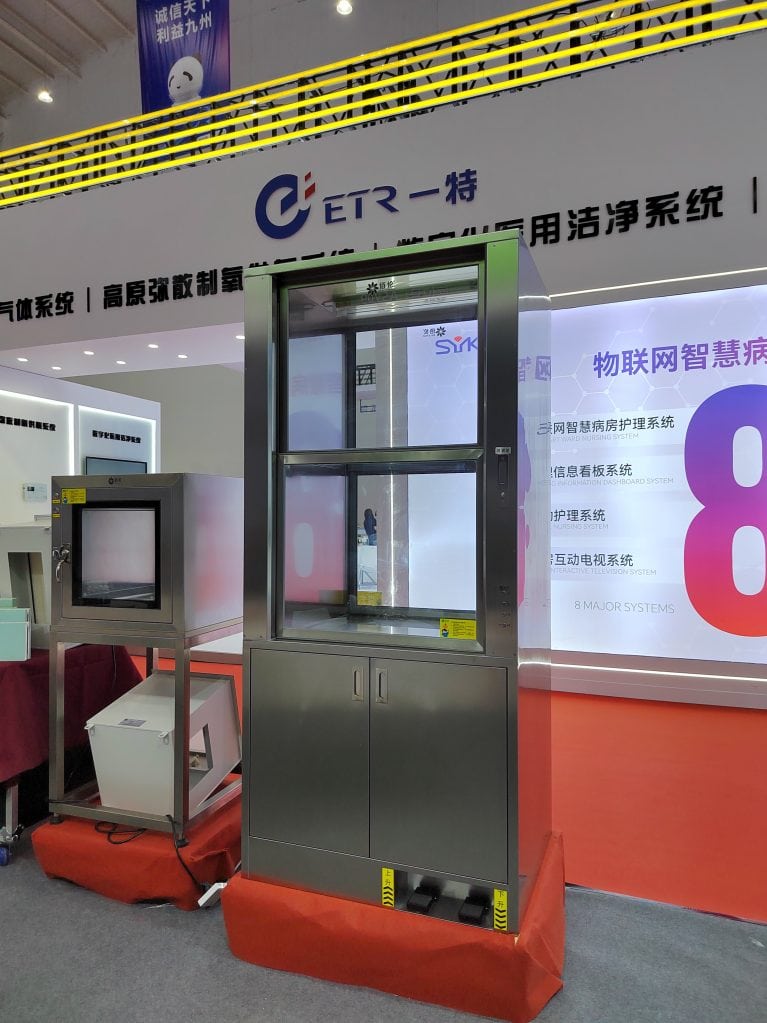
L'entretien quotidien des fenêtres de transfert de levage automatique nécessite non seulement de suivre les procédures standard, mais aussi de prêter attention à certains détails clés afin d'éviter d'endommager l'équipement ou d'affecter l'environnement propre en raison d'un fonctionnement inadéquat. Voici les principaux points à prendre en compte lors de l'entretien quotidien : Il est strictement interdit d'essuyer la surface de l'équipement, des bandes d'étanchéité ou des rails de levage avec des solutions corrosives telles que de l'alcool (concentration > 75%), des acides forts ou des alcalis forts. Dans le cas contraire, cela entraînerait le vieillissement des pièces en plastique/métal, la fissuration des bandes d'étanchéité et la détérioration des performances d'étanchéité et de l'apparence de l'équipement. Lors du nettoyage du filtre, ne le rincez pas ou ne le trempez pas dans l'eau afin d'éviter que le matériau filtrant ne devienne inefficace. Seul de l'air comprimé peut être utilisé pour souffler la poussière de surface (pour les filtres à faible efficacité), ou le filtre peut être remplacé directement. Empêchez l'humidité de pénétrer dans les composants clés. Lors du nettoyage, évitez que de l'eau ne pénètre dans les boîtiers de commande électrique, les moteurs, les capteurs et les autres composants électriques afin d'éviter les courts-circuits ou les fuites. En cas de projection accidentelle d'eau, il convient de couper immédiatement l'alimentation électrique et de sécher la zone concernée. Ce n'est qu'après s'être assuré que l'appareil est complètement
