
1. Criteria for Determining HEPA Filter Replacement Cycle
A rigid fixed calendar cycle is not recommended. Adopt a priority system based on differential pressure alarms, supplemented by time limits and adjusted according to on-site operating conditions.
-
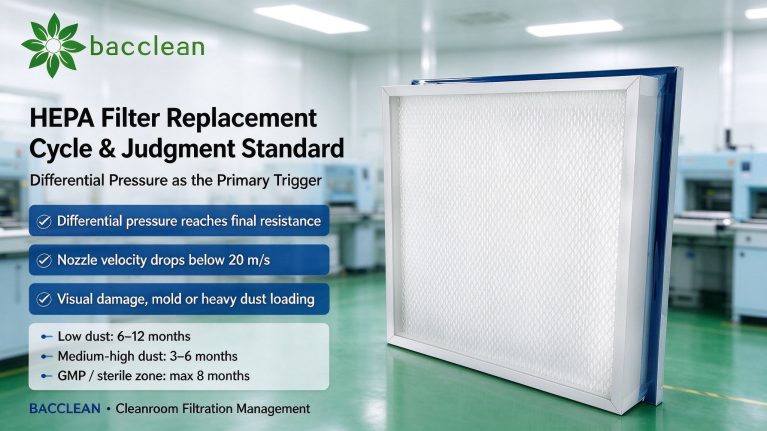
Standard operating conditions (transfer of electronic components, packaging accessories with low dust generation): Recommended monitoring interval: 6–12 months
-
Medium-to-high dust conditions (transfer of powder raw materials, friable materials, hardware, lithium cathode and anode materials): 3–6 months
-
GMP pharmaceutical, sterile clean zones and passages for highly sensitizing materials: Replace upon differential pressure alarm; maximum service life shall not exceed 8 months
Primary replacement triggers:
-
The filter differential pressure reaches the manufacturer-specified final resistance (typically twice the initial resistance), activating the audible and visual alarm of the differential pressure controller — this is the highest-priority replacement signal.
-
The measured airflow velocity at air shower nozzles falls distinctly below the design specification (standard nozzle velocity ≥ 20 m/s for conventional air showers) and cannot be restored even after increasing the fan frequency.
-
Visual inspection reveals blackened filter media, localized dust buildup, damp filter material, mold spots or physical damage.
-
PAO leak testing fails, showing persistent leakage that cannot be eliminated by re-tightening the seal.
-
Routine cleanroom particle monitoring detects excess particle concentration at the air shower outlet.
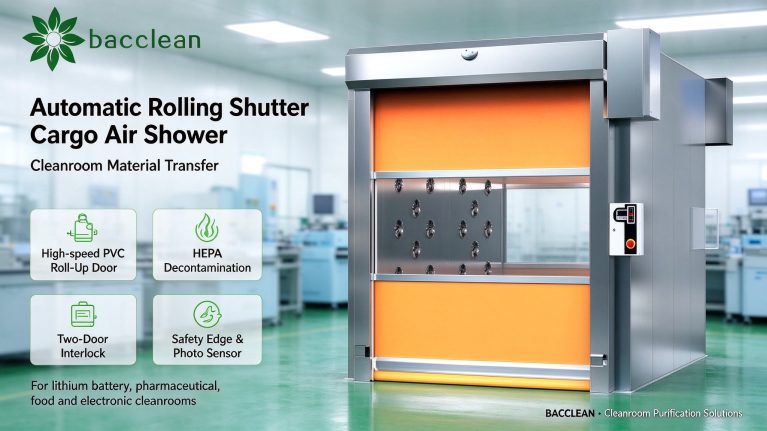
Supplementary notes: Dust falling off transported materials tends to accumulate inside rolling shutter air showers and is recirculated back into the filter by return air. Therefore, these units accumulate dust faster than ordinary sliding-door air showers under equivalent usage frequency. If powdery bagged goods, bare circuit boards or castings are frequently transferred, shorten the replacement cycle proactively. If the equipment has been idle for an extended period, test the differential pressure before restarting. If storage exceeds one year, inspect the filter media for moisture and aging even if the differential pressure reading remains normal.
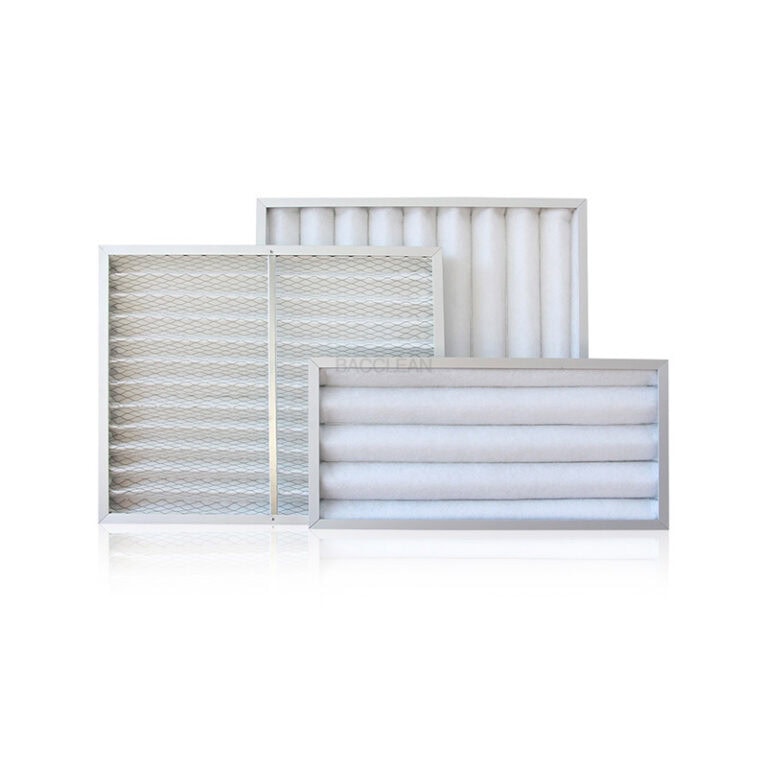
Pre-filter replacement: The pre-filter shall be cleaned or replaced every 1–3 months. Failure of the pre-filter will drastically shorten the service life of the HEPA filter; this front-end protection component must not be neglected.
2. Pre-Work Preparation
-
Personnel and PPE: Service personnel shall wear cleanroom suits, nitrile gloves and cleanroom shoes inside the classified area. A dust respirator is required for applications involving dust or sensitizing materials. Technicians must be familiar with emergency stop and power isolation procedures for the rolling shutter to prevent accidental descent and crushing hazards.
-
Tools: Hex key set, Phillips screwdrivers, lint-free wipes, isopropyl alcohol / 75% ethanol, cleanroom sealant or compatible liquid-gel seal, differential pressure gauge, anemometer, PAO aerosol leak test kit, marking pen and double-layer anti-static sealed bags for contaminated waste filters.
-
Area isolation: Notify upstream and downstream production lines to suspend use of the air shower and post a “Under Maintenance — Do Not Operate” warning sign. Cut off the main power supply of the air shower and separately lock out the rolling shutter motor power to prevent unintended shutter movement during servicing. If the shutter is raised, verify reliable mechanical support; install dedicated safety supports for the reel if necessary to prevent the curtain from sliding down.
-
Site preparation: Perform preliminary cleaning inside the air shower using a cleanroom vacuum cleaner and lint-free wipes to remove accumulated dust from nozzles, return air plenum and chamber floor. Do not blow dust directly with compressed air, as this disperses particulates and contaminates surrounding classified zones.
-
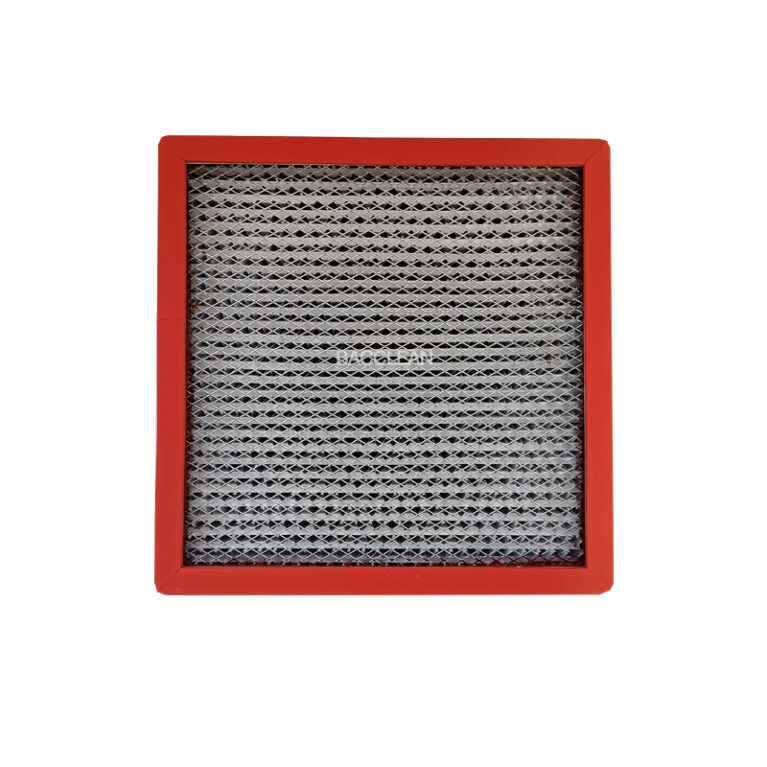
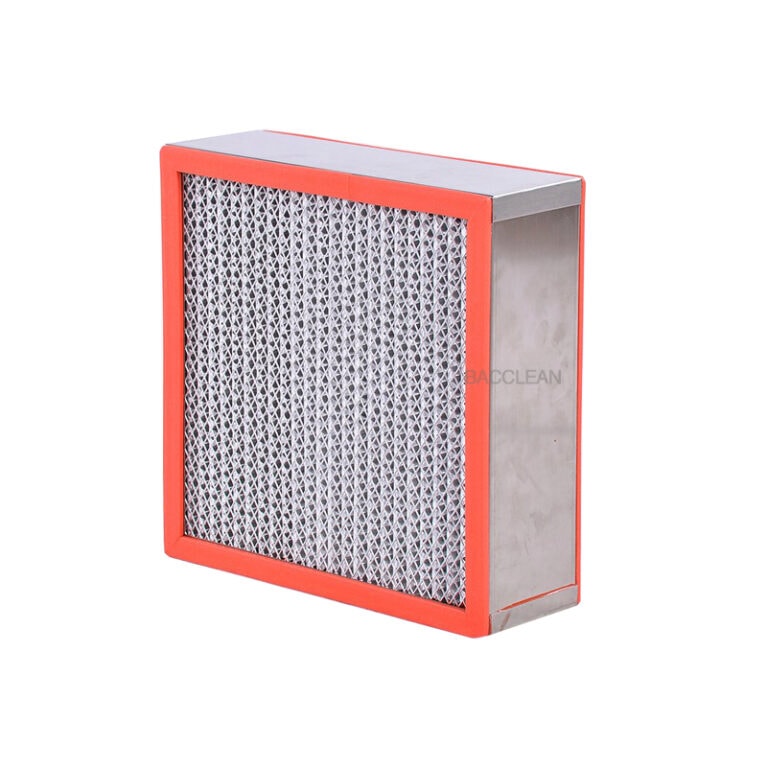
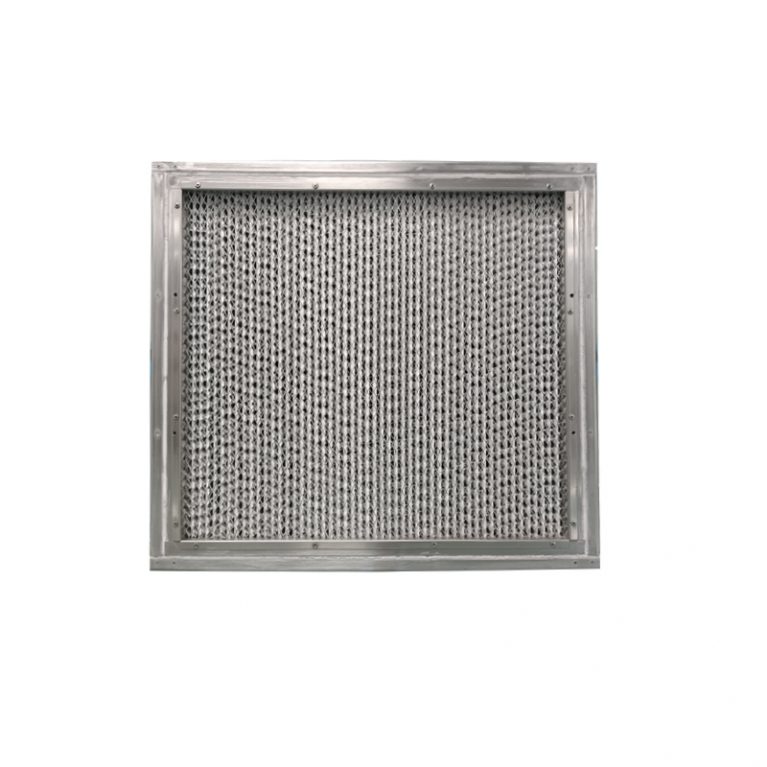
Material verification: Confirm the model, dimensions, efficiency class (H13 / H14) and sealing configuration (gasket seal / liquid tank seal) of the new filter. For AMC-sensitive electronic projects, confirm that the filter uses silicone-free sealing materials. Inspect the filter media for damage and intact packaging; unpack only within a clean environment.
-
Waste contingency: Used HEPA filters are contaminated dust-bearing components. Prepare double-layer anti-static sealed bags to encapsulate the filter immediately upon removal and prevent secondary dust dispersion.
3. Step-by-Step Replacement Procedure
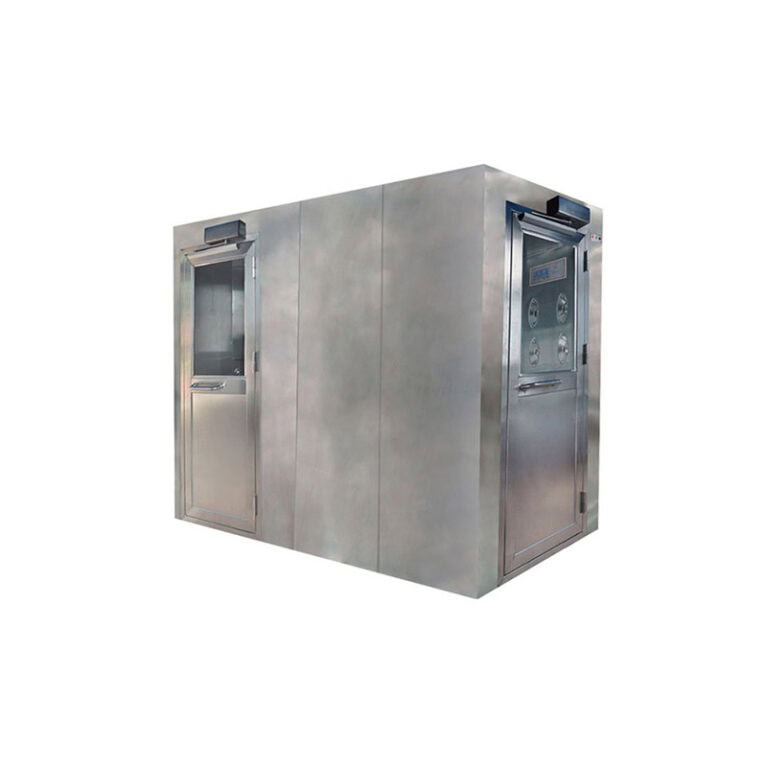
Note: Rolling shutter structures create obstructed access. In most rolling shutter air showers, the HEPA filter is installed inside the plenum chamber at the rear top of the cabin, accessible via either top or side service panels.
-
Confirm power isolation and lockout, then remove the service access cover slowly with care for dust accumulated on the inner surface.
-
Photograph and record the original filter orientation, differential pressure sampling tube routing and gasket placement for reference.
-
Loosen the compression plate and locking bolts, then extract the old HEPA filter steadily. Avoid shaking or tapping the filter media to prevent trapped particulates from becoming airborne. Place the removed filter directly into the double-layer sealed bag, seal it promptly and remove it from the cleanroom following site solid / hazardous waste protocols.
-
Clean the interior of the plenum chamber: wipe the plenum walls, sealing flange faces and differential pressure sampling ports to remove residual dust and adhesive residue. Repair deformed, notched or degraded flange surfaces beforehand; uneven sealing planes are a major cause of bypass leakage after reinstallation.
-
Unpack the new filter only immediately prior to installation. Do not leave unpacked filters exposed inside the cleanroom for prolonged periods. Inspect the filter face and sealing gasket for scratches or damage, and confirm full contact between the gasket and filter frame.
-
Position the filter correctly with the dust-laden inlet side facing the return airflow; reverse installation is prohibited. Tighten the compression bolts gradually in a diagonal sequence rather than fully tightening one side first, which would cause uneven gasket compression, frame distortion and bypass leakage. For liquid-tank sealed filters, lower the filter gently into the liquid tank and ensure the entire frame is fully submerged in the sealing gel without suspension.
-
Reconnect the differential pressure sampling tubing, ensuring unobstructed flow with no kinks or leaks. Verify signal cables and wiring for the differential pressure transmitter.
-
Refit the service cover, clean the sealing interface of the access panel and reseal gaps around the cover.
-
After completing mechanical installation, double-check that no tools or debris remain inside the air shower passage. Remove the rolling shutter safety supports and restore power.
4. Commissioning, Performance Validation and Leak Testing (Mandatory for Clean & GMP Facilities)
-
No-load purge: Close the rolling shutter and run the air shower fan continuously for no less than 30 minutes to purge loose dust from the plenum and filter media. Avoid prolonged personnel presence near the air shower opening during this process.
-
Differential pressure calibration: Record the initial resistance of the new filter at rated airflow and update the final resistance alarm threshold on the control panel; archive the original readings.
-
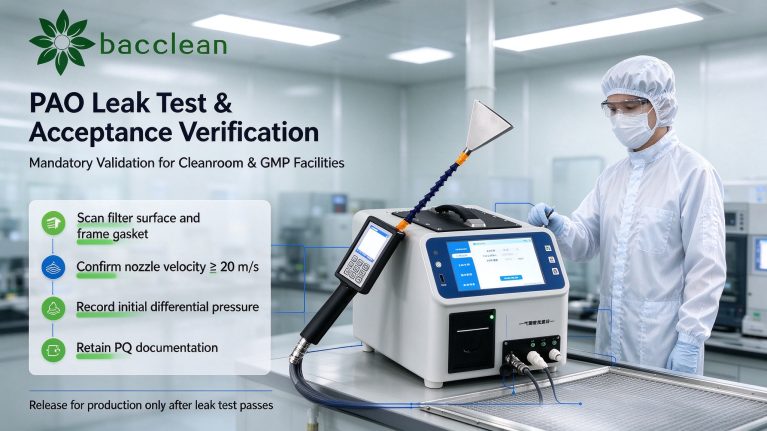
Air velocity testing: Measure airflow velocity at each air shower nozzle with an anemometer to confirm nozzle velocity ≥ 20 m/s with uniform distribution. If velocity fails to meet specifications, investigate filter installation leakage, fan belt slippage or variable-frequency parameter settings.
-
PAO leak testing (required for GMP, semiconductor and high-grade lithium cleanrooms): Scan the filter face, sealing gasket and frame flange point-by-point with a photometer at the regulated scan speed to verify absence of leaks. If leakage is detected, readjust compression force; replace the filter if leakage persists.
-
Optional validation: Perform airborne particle sampling when required to confirm outlet particle concentration meets the designated cleanroom classification.
-
Labeling and documentation: Affix an identification tag on the filter frame or in the equipment log, recording replacement date, initial resistance, operator and next scheduled alert date. File differential pressure data, leak test reports and velocity records within the equipment PQ qualification archive.
5. Unique Hazards & Prohibited Practices for Rolling Shutter Air Showers
-
Prioritize fall protection for the rolling shutter during servicing: whenever personnel work above the chamber, implement both power lockout and mechanical support. Never rely solely on electronic limit switches. Shorting the shutter safety circuit or anti-collision protection is strictly forbidden.
-
Prevent misalignment of the HEPA sealing gasket. The confined plenum space of rolling shutter air showers easily pinches gasket edges during installation, creating hidden leakage points that are difficult to trace later.
-
Never rinse the HEPA filter with water; contact with moisture will permanently damage the filter media. Chamber cleaning shall be limited to dry vacuuming and wiping with lint-free cloths only.
-
Do not release the air shower for production material transfer before leak testing passes. Undetected leakage will continuously blow contaminated air through bypass paths and reverse-contaminate materials.
-
For air showers handling highly active or toxic powders, used filters qualify as controlled hazardous waste and shall be disposed of via dedicated hazardous waste workflows rather than ordinary refuse.
-
Clean dust accumulated on the rolling guide rails and shutter fabric during filter maintenance. Such dust can be entrained by recirculating return air and contaminate the newly installed filter prematurely.
6. Routine Operation & Maintenance to Extend HEPA Service Life
-
Maintain proper pre-filter management with regular inspection and replacement; this is the most cost-effective method to reduce HEPA loading.
-
Install adhesive dust mats at the air shower entrance to reduce ingress of large particulate contaminants.
-
Avoid continuous over-speed operation of the fan; do not arbitrarily raise the fan operating frequency.
-
Record differential pressure readings during daily patrols and track trends to predict clogging in advance.
-
Prevent damp materials from entering the air shower, as moisture causes filter media caking and microbial growth.
-
Inspect rolling shutter seals and chamber gaps periodically to minimize ingress of unfiltered ambient air and reduce filter loading.
Summary
HEPA filters for automatic rolling shutter air shower pass chambers shall not be replaced merely according to a fixed schedule. Differential pressure alarms serve as the primary trigger, with replacement intervals adjusted according to dust load from process conditions. The greatest hazard during filter replacement stems from the rolling shutter mechanism; power isolation and mechanical support must be implemented to prevent shutter fall risks. Installation requires careful handling, uniform diagonal compression and sufficient post-installation purging. For GMP and high-end electronics projects, PAO leak testing and nozzle velocity verification with retained records are mandatory to sustain stable decontamination performance and prevent cross-contamination of materials. The rolling shutter air showers from Bailun Purification are equipped with integrated differential pressure monitoring systems and H13 / H14 HEPA filters, supporting technical guidance for filter replacement, on-site PAO leak testing and validation services.
