
1. Basic Definition and Working Principle
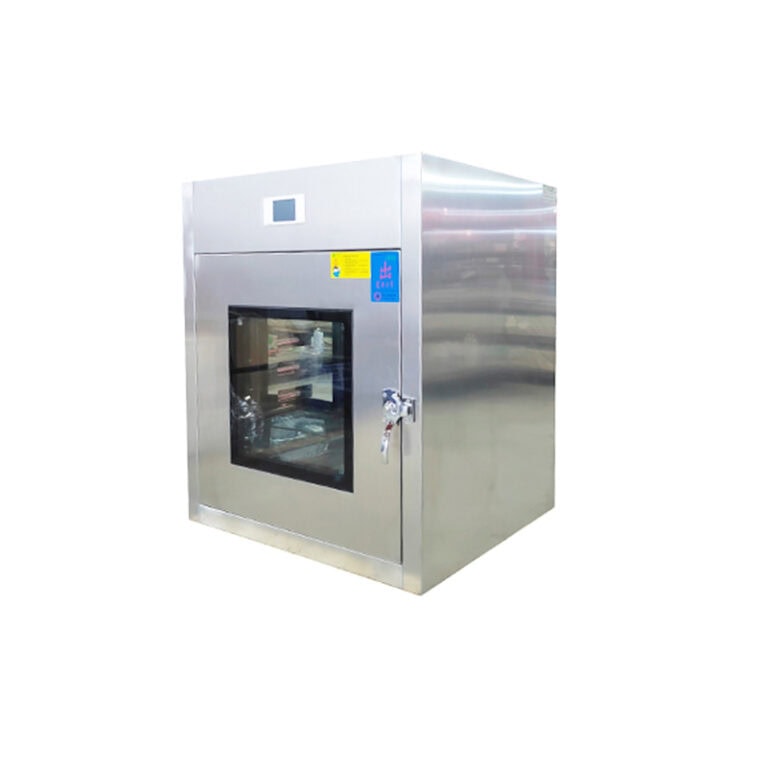
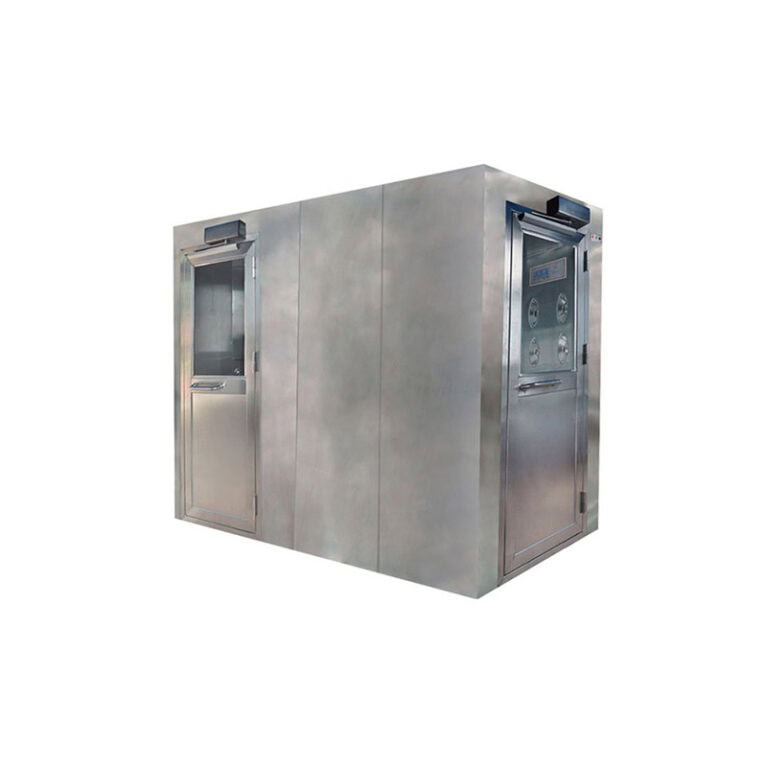
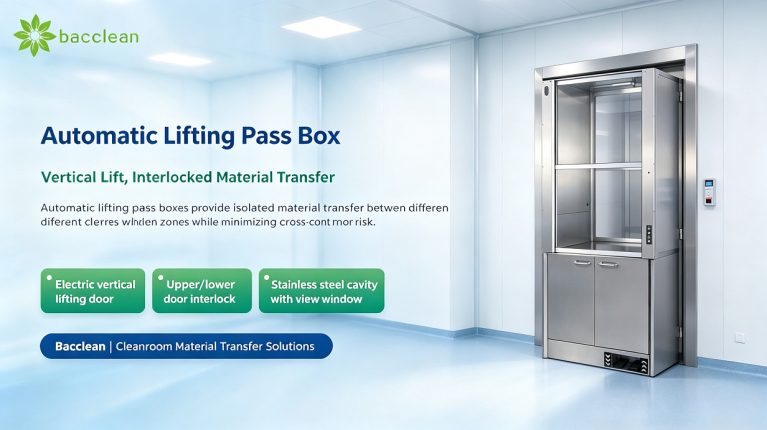
An automatic lifting pass box is generally installed on the partition wall between areas with different cleanliness grades, featuring vertically opening and closing lifting doors. Built-in interlock logic ensures that when one door is open, the opposite door remains locked and cannot be opened. This prevents simultaneous opening of both doors which would cause air convection between clean and non-clean areas. The door body is driven by an electric motor, equipped with reduction motors, guide rails and sealing strips. Multiple operation modes are available including push-button, foot switch, sensor and PLC linkage. It is divided into standard clean type and VHP sterilization type by function. The standard type only provides isolation and transfer. The VHP type is fitted with vaporized hydrogen peroxide ports, circulating air ducts and concentration monitoring modules, enabling surface decontamination of materials inside the chamber. It is mostly used in high-risk scenarios such as aseptic preparation and biological laboratories.
2. Interpretation of Core Technical Parameters
2.1 Inner Chamber Dimension (Primary Selection Indicator)
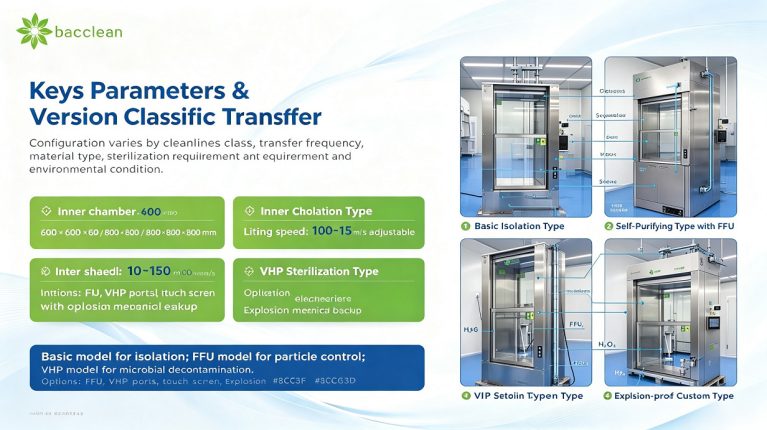
The inner chamber size determines the maximum size of transferable materials. Standard inner chamber dimensions (W × D × H) available on the market:
-
600×600×600mm: mainstream general model for samples, reagents and small consumable turnover
-
800×600×600mm: widened version for material bins, trays and small tools
-
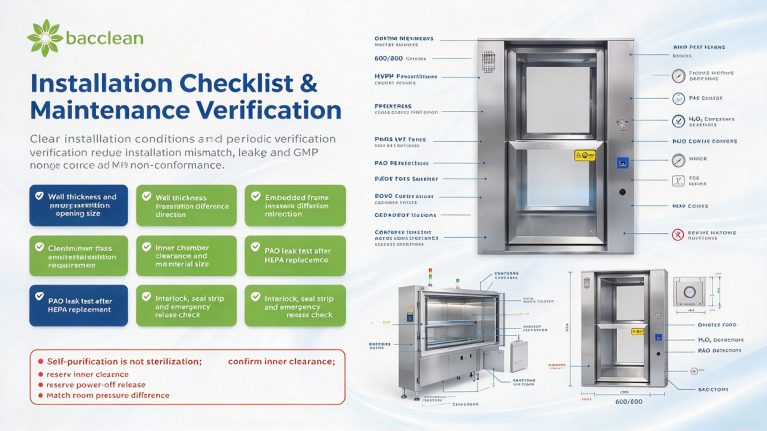
800×800×800mm: large-size model for heavy turnover baskets and small components Custom widening, heightening and deepening of the inner chamber are supported. Wall thickness and partition opening size need to be confirmed synchronously. Tip: Selection shall be based on clear inner dimension rather than outer dimension. Clearance shall be reserved for turnover bins to avoid jamming.
2.2 Door and Driving Parameters
-
Driving mode: electric reduction motor drive, chain / timing belt transmission
-
Lifting speed: standard 100~150mm/s, adjustable. Excessively fast speed shall be avoided to prevent airflow impact and abnormal noise from seal collision
-
Door material: 304 stainless steel as standard; 316L optional for highly corrosive environments
-
Sealing: silicone rubber sealing strips. Silicone-free version can be customized for AMC-controlled semiconductor and optical workshops
-
Limit protection: dual protection of photoelectric limit and mechanical limit at upper and lower positions to prevent overtravel
2.3 Interlock and Control Parameters (Key GMP Requirement)
-
Control modes: local push-button, foot switch, infrared sensor, touch screen; support dry contact remote connection to workshop BMS/SCADA systems
-
Interlock mode: electrical interlock as standard. Mechanical auxiliary interlock can be added for high-standard projects for double safety
-
Status feedback: door open/closed signal output, fault alarm, abnormal door unlock recording
-
Power-off protection: optional manual release mechanism for power failure, allowing manual door opening to retrieve trapped materials
2.4 Purification and Filtration Configuration
-
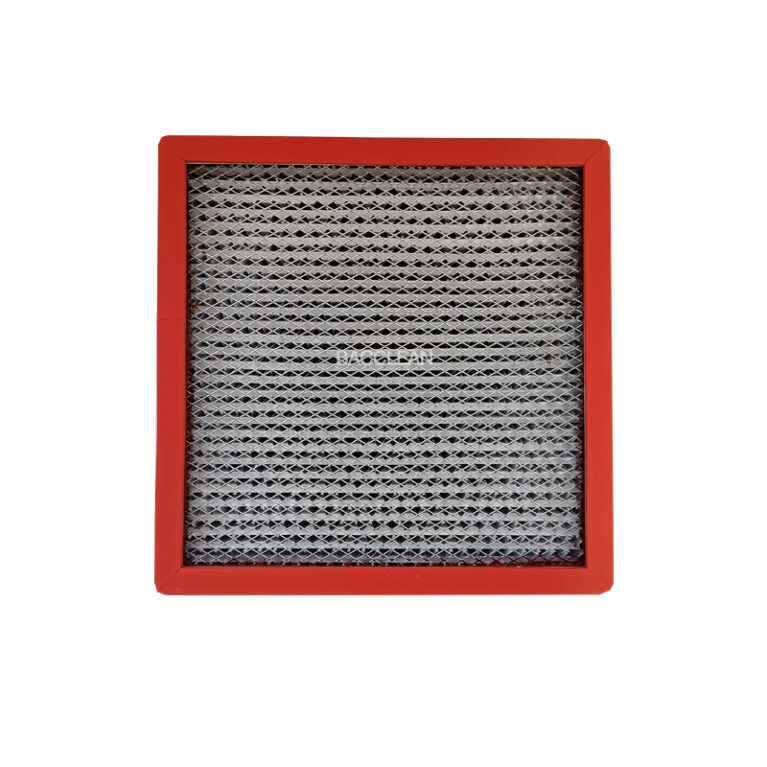
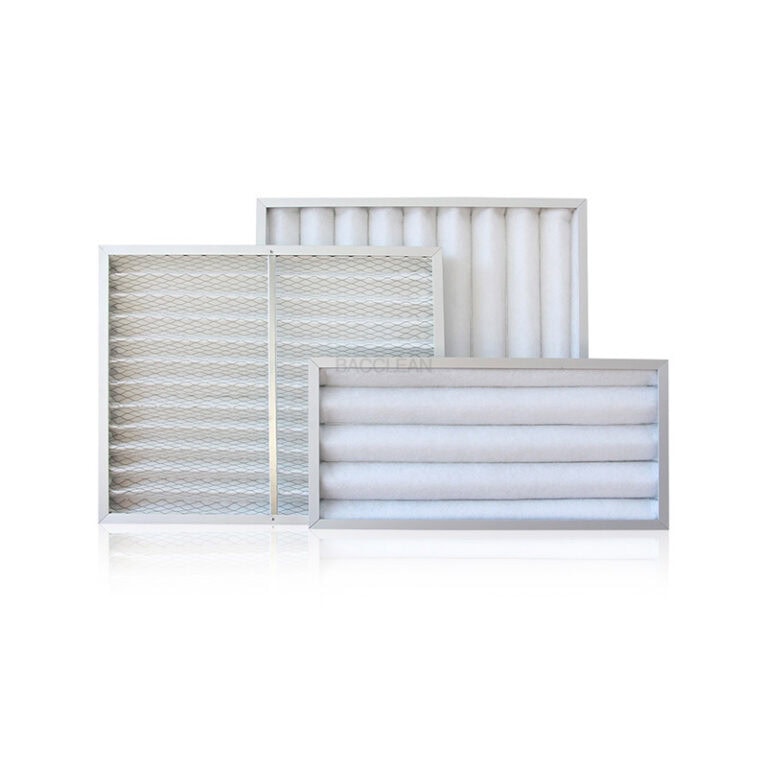
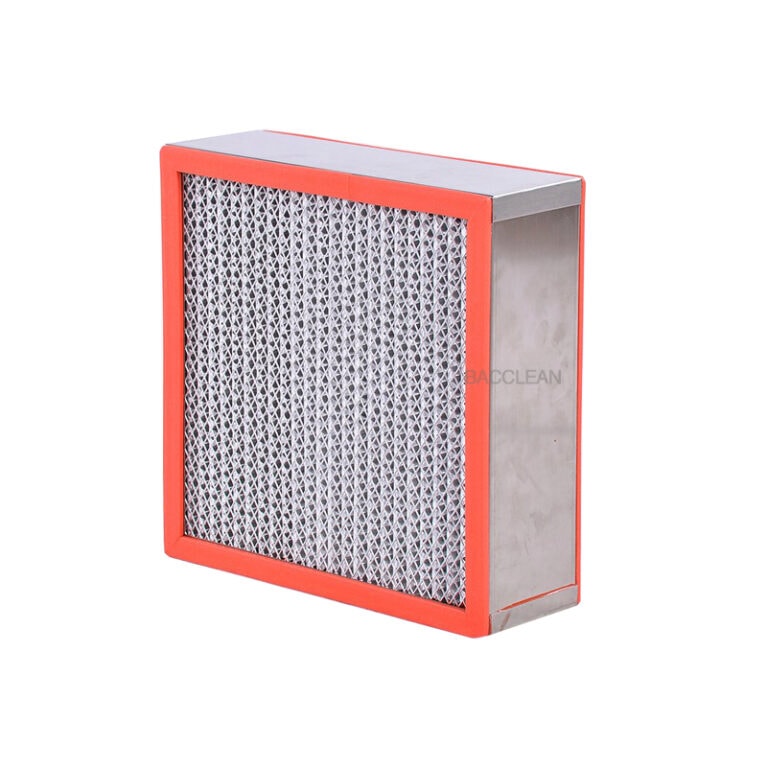
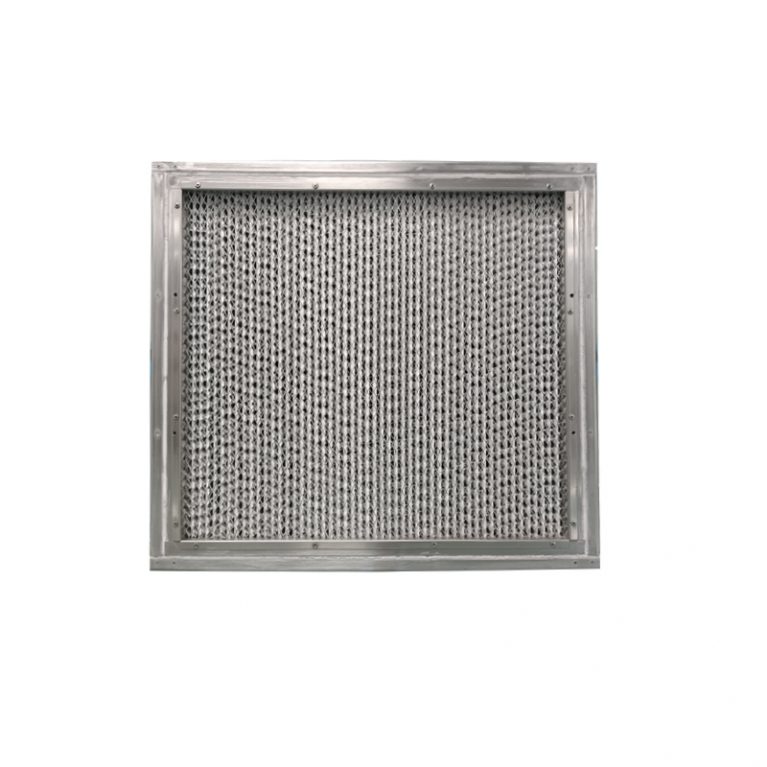
Self-purifying type (with air blowing): FFU/fan unit mounted on the top of the chamber, fitted with pre-filter and HEPA filter. Laminar purge airflow is formed inside for continuous chamber purification during transfer. Suitable for high-grade cross-zone transfer such as C→A and D→B. H13 filter is commonly used; H14 can be upgraded for projects requiring strict validation.
-
Non-self-purifying type (basic isolation type): no fan filtration unit. It relies solely on door interlock for isolation, mostly used for material transfer between clean zones of the same grade such as D grade to D grade. Note: Self-purification is not sterilization. It only removes suspended particles and cannot kill microorganisms. VHP version must be selected if sterilization is required.
2.5 Special Parameters for VHP Sterilization Type
VHP automatic lifting pass box is widely adopted in aseptic workshops, with key parameters as follows:
-
Chamber tightness: pressure holding test to ensure no obvious leakage during hydrogen peroxide decontamination
-
Ports: VHP inlet, exhaust port and exhaust HEPA filter
-
Monitoring: optional hydrogen peroxide concentration sensor, temperature and humidity sensor
-
Process: automatic editable sterilization sequence (loading → door close → evacuation → dosing → dwell → aeration → residual removal). Records can be exported to meet GMP traceability requirements
-
Material requirement: polished inner chamber resistant to hydrogen peroxide corrosion. Sealing strips shall be compatible with long-term cyclic VHP operation
2.6 Material, Surface Treatment and Cleanliness Process
-
Inner chamber: 304/316L stainless steel, brushed and polished, full-welded rounded corners with no sanitary dead corners for easy wiping and disinfection
-
Outer casing: cold-rolled steel plate with powder coating or stainless steel
-
View window: tempered explosion-proof glass observation window
-
Cleanliness standard: compliant with ISO14644 and GMP requirements for isolation transfer equipment. VHP version meets EU GMP Annex 1 sterilization and isolation requirements synchronously
2.7 Electrical and Environmental Parameters
-
Power supply: AC220V/380V, 50Hz
-
Operating ambient temperature: 5~40℃
-
Protection class: control cabinet ≥IP54; upgraded to IP65 for humid and frequently cleaned areas
-
Noise level: operating noise ≤60dB(A)
3. Version Classification and Applicable Scenarios
-
Basic Isolation Type (no self-purification, no sterilization) Equipped only with electric lifting doors and electrical interlock, cost-effective. Suitable for material transfer between clean zones of the same grade, such as D grade to D grade, for common auxiliary materials and packaging materials.
-
Self-purifying Type (with FFU air purification) Fitted with fan and HEPA self-purification. The chamber will automatically purge particles before door opening. Suitable for cross-grade transfer from D→C and C→B, applied in API workshops and cosmetic clean workshops.
-
VHP Vaporized Hydrogen Peroxide Sterilization Type Air-tight chamber with circulating exhaust and sterilization program. Material surface decontamination can be performed after loading. Applied in aseptic preparation workshops, aseptic testing rooms, cell culture rooms and PCR positive rooms for transferring samples, consumables and culture media with microbial risks.
-
Explosion-proof Custom Type Explosion-proof motor and explosion-proof electrical control, used in explosion-proof clean areas with organic solvents and flammable dust.
4. Selection Procedures and Key Confirmation Items
Step 1: Confirm partition wall conditions
-
Wall thickness
-
Wall material (color steel plate / concrete)
-
Opening size and requirement for embedded installation frame
-
Cleanliness grade (D/C/B/A) and pressure difference direction of adjacent rooms, to judge whether self-purification or VHP sterilization is needed
Step 2: Confirm material parameters Maximum length, width, height and single-bin weight of materials, transfer frequency. Reinforced guide rails and motors are required for frequent heavy-load transfer.
Step 3: Select control mode
-
General workshops: push-button control
-
Operators holding materials: foot switch is preferred
-
Automated production line connection: dry contact signal and PLC communication
-
High-risk aseptic applications: touch screen with program storage, audit trail and USB record export
Step 4: Determine whether self-purification or VHP sterilization is required
-
Isolation and convection prevention only: basic model
-
Cross transfer between high and low cleanliness grades and particulate control: self-purifying model
-
Material surface decontamination and microbial pollution control: VHP sterilization model Warning: Self-purifying model cannot replace VHP sterilization model. Air blowing only removes dust and cannot inactivate spores.
Step 5: Material and sealing special requirements
-
Conventional disinfection (alcohol, quaternary ammonium salt): 304 stainless steel + silicone strips
-
Long-term cyclic VHP and strong corrosive disinfectants: 316L stainless steel and special VHP-resistant sealing strips
-
Lithium, optical and semiconductor industries: silicone-free sealing version
Step 6: Supporting validation document requirements GMP projects require suppliers to provide material certificates, welding records, PAO leak test reports (self-purifying type), tightness test reports and IQ/OQ supporting documents. VHP version can be supported with sterilization validation service.
5. Common Selection Misconceptions
-
Confusing self-purification with sterilization. Using self-purifying pass box instead of VHP sterilization pass box for aseptic material transfer leads to high microbial risk and frequent GMP audit non-conformities.
-
Referring only to outer dimensions and ignoring inner clear space, resulting in failure to load turnover bins.
-
Omitting power-off release function, causing materials trapped inside when power fails.
-
Adopting ordinary silicone strips for VHP models, which age and crack after repeated cycles and cause hydrogen peroxide leakage.
-
Insufficient motor power margin leading to lifting jamming and frequent failures under long-term heavy-load operation.
-
Ignoring room pressure difference, causing excessive pressure difference fluctuation when the pass box doors open and close.
6. Supporting Maintenance Points (To Be Considered During Selection)
For self-purifying models, monitor filter pressure difference regularly and replace HEPA filters upon expiry, followed by PAO leak test after replacement. For VHP models, calibrate concentration probes and inspect sealing strip aging periodically. Test interlock function regularly to ensure both doors cannot be opened simultaneously.
Summary
The core logic for automatic lifting pass box selection: first define the cleanliness grade of adjacent rooms and sterilization demand, then confirm material dimension, weight and wall installation conditions, and finally match control scheme and material. Basic electric lifting models are selected for isolation of ordinary materials across zones; self-purifying models are adopted for cross-grade transfer and particulate control; VHP sterilization version is mandatory for aseptic and biohazard materials. Bacclean automatic lifting pass box supports customization of non-standard inner chamber size, silicone-free design, explosion-proof configuration, VHP linkage and BMS docking, with GMP validation documents and on-site commissioning service available.
