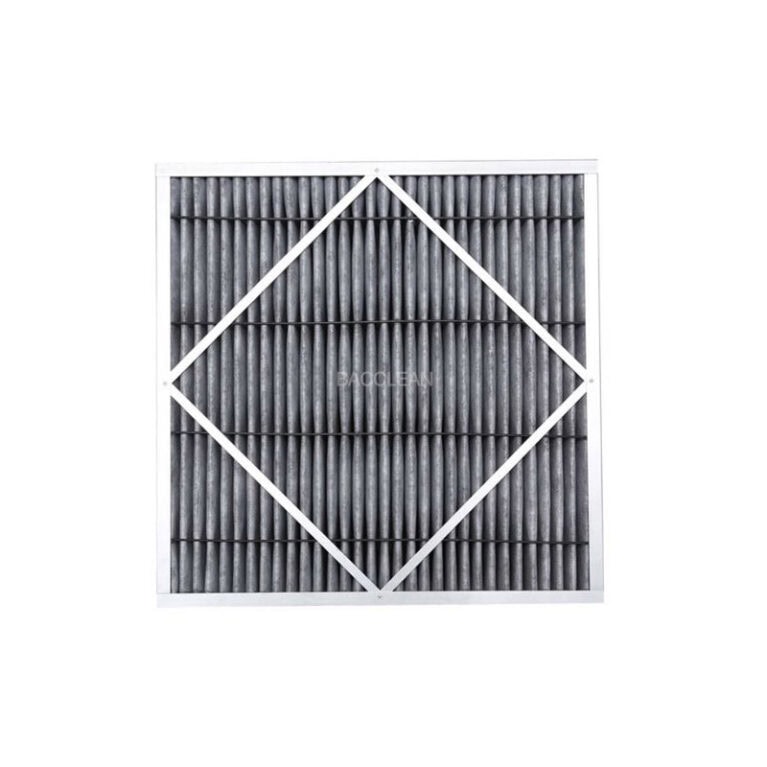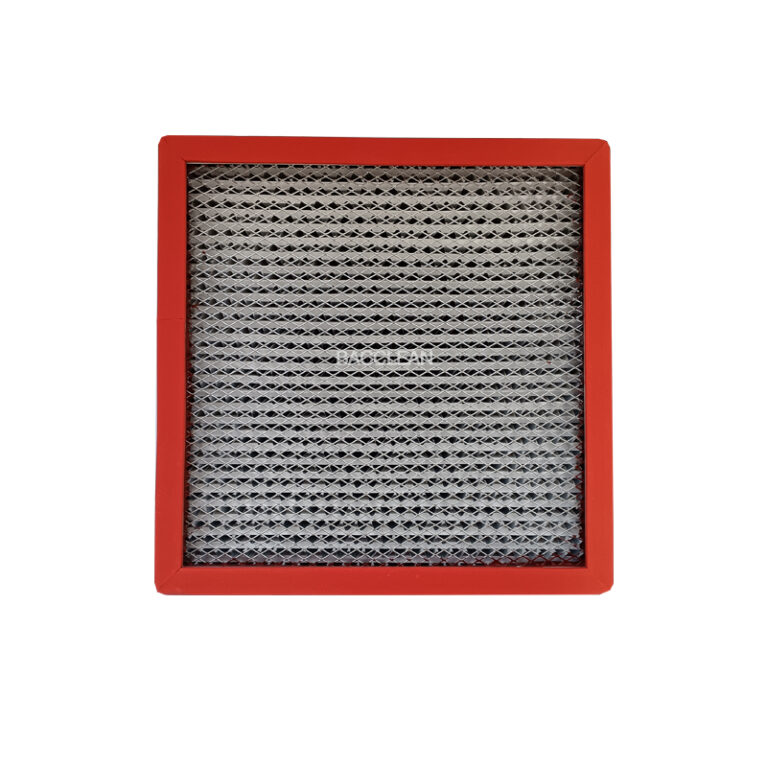

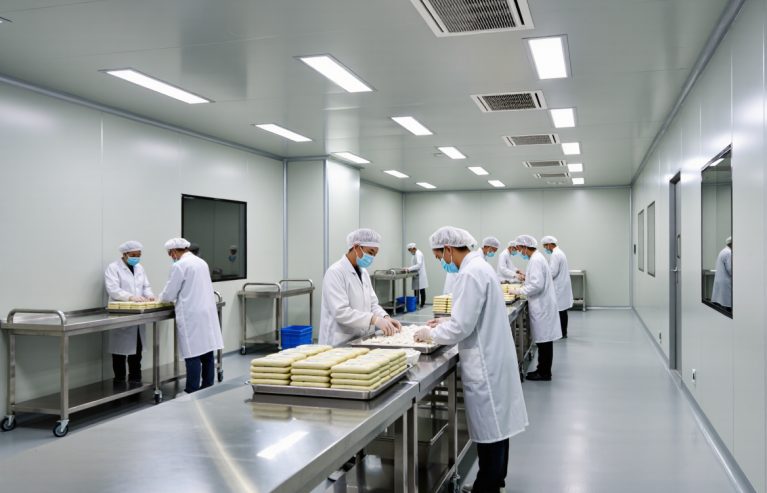
The selection of cleanroom grades in the food-grade paper and plastic industry depends on the cleanliness requirements of the production process. Commonly used grades are ISO 8 (100,000), ISO 7 (10,000), and, for key processes, ISO 6 (1,000). Core levels and applicable scenarios ISO 8 (100,000) suits regular paper-plastic product production, like forming and cutting containers and tableware for standard food packaging. This grade controls airborne particles, meets hygiene requirements, and prevents contamination from environmental dust. ISO 7 (10,000) is for processes needing higher cleanliness, such as printing, lamination, and making packaging that directly contacts cleaner foods. It lowers the risk of pollution from ink and adhesive residues and ensures product safety. ISO Level 6 (1000) : It is only applicable to the production of special high-end products, such as food-grade paper-plastic packaging for medical accessories and paper-plastic consumables for high-precision food testing, etc. It can meet extremely high clean control requirements and prevent the influence of micro-particles and microorganisms on the product. Supplementary requirements In addition to meeting the grade standards, cleanrooms should also be equipped with temperature and humidity control, ventilation and filtration systems, and hygiene and disinfection facilities. At the same time, in line with the HACCP
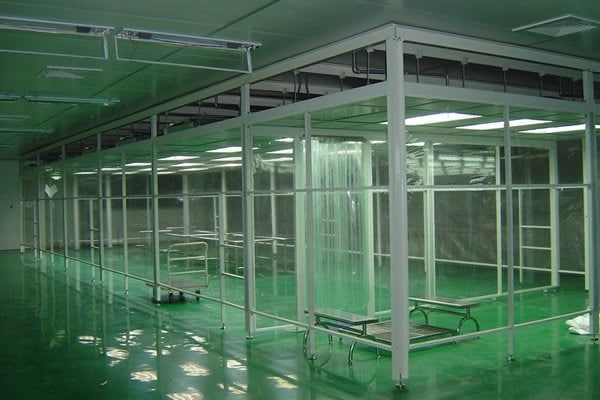
To verify the performance of clean booths in the semiconductor field, the core lies in three dimensions: cleanliness, stability of environmental parameters, and rationality of airflow. This is achieved through standardized testing and actual process adaptation tests to ensure that they meet the strict requirements of semiconductor nanoscale production. Core cleanliness index detection This is the basis for verification and should be carried out in accordance with international standards (such as ISO 14644) or specific regulations of the semiconductor industry, with a focus on detecting the number of particles in the air. Particle concentration test: Use a laser particle counter to sample at different points within the clean booth (such as the working area, supply air outlet, and return air outlet) at specified times. Count the number of particles with key particle sizes such as ≥0.1μm and ≥0.5μm to determine if they meet the target clean grade (such as ISO Class 1 or Class 2 commonly used in semiconductors). Chemical pollutant detection: Gas chromatography-mass spectrometry (GC-MS) or ion chromatography is used to detect the concentrations of VOCs, metal ions, and acidic/alkaline gases in the air, ensuring that they are below the tolerance threshold of semiconductor processes (usually below the ppb
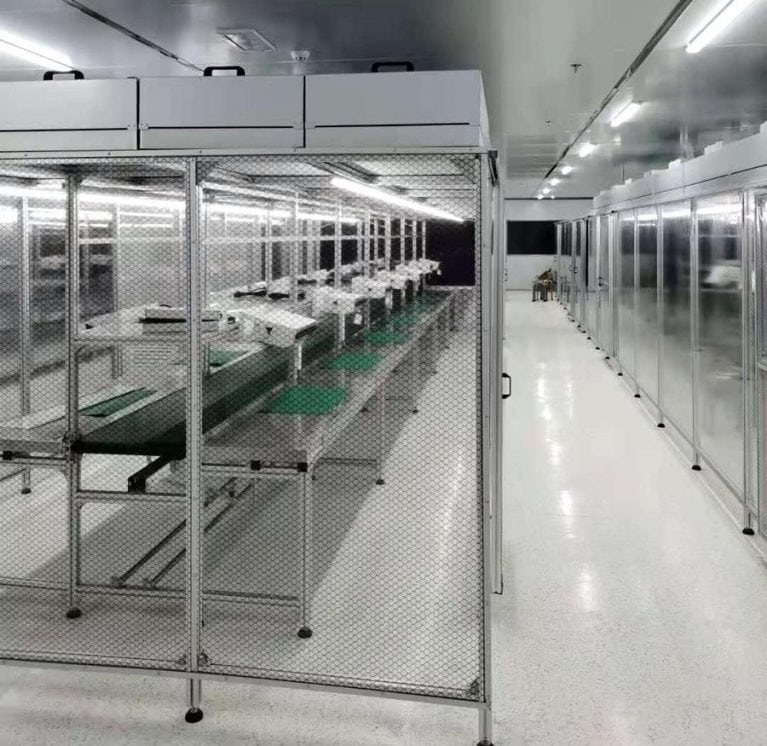
Cleanroom is a core infrastructure in semiconductor production that ensures product yield and performance. Its core function is to create a local high-cleanliness environment in key production links and isolate the influence of micro-pollutants on semiconductor devices. It directly determines the yield of semiconductor products The critical dimensions of semiconductor chips have entered the nanometer level (such as 3nm and 2nm processes), and even tiny contaminants can cause device failure. Control of fine particles: The clean booth can filter out dust, fibers and other particles in the air to prevent them from adhering to the surface of the wafer and causing short circuits or open circuits in the circuit. Isolate chemical pollutants: Through air flow control and filtration systems, reduce volatile organic compounds (VOCs), metal ions and other chemical impurities to prevent wafer corrosion or performance degradation. Stabilize environmental parameters: Precisely control temperature (typically ±0.1℃), humidity (typically ± 2%RH), and pressure to prevent wafer deformation or process parameter deviation caused by environmental fluctuations. 2. Support high-precision semiconductor processes The core processes of semiconductor manufacturing, such as photolithography, etching, and thin film deposition, have extremely high requirements for environmental cleanliness. Photolithography process: Photoresist is extremely sensitive to micro-particles and environmental humidity.
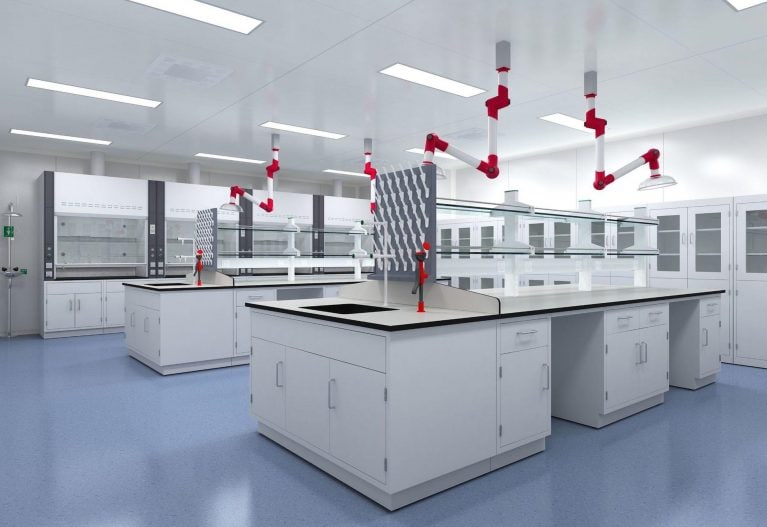
Fume hoods are mainly used in industries with risks of chemical, biological, or dust pollution. Their core function is to discharge harmful gases, protect the safety of operators, and maintain a clean experimental environment. In scientific research and education, fume hoods are essential for a wide range of laboratory procedures, protecting users during chemical manipulations. University laboratories: Teaching experiments for majors such as chemistry, biology, and environmental science, including reagent mixing and sample digestion. Research institutes: Activities like advanced material synthesis, pharmaceutical development, and microbial culturing involve hazardous solvents or toxic agents. In the testing of food, water quality, and soil, the process involves the pretreatment of samples (such as extraction and digestion) that generates harmful gases. 2. Pharmaceutical and chemical industries In the production and research and development processes of this field, a large amount of harmful gases is continuously generated, which requires higher corrosion resistance and exhaust efficiency from fume hoods. Pharmaceutical enterprises: In drug synthesis, active pharmaceutical ingredient production, and formulation research and development, organic vapors and volatile substances of chemical intermediates need to be discharged. Chemical enterprises: Facilities for fine chemical and novel material synthesis, handling corrosive gases and toxic solvents such as methanol and acetone.
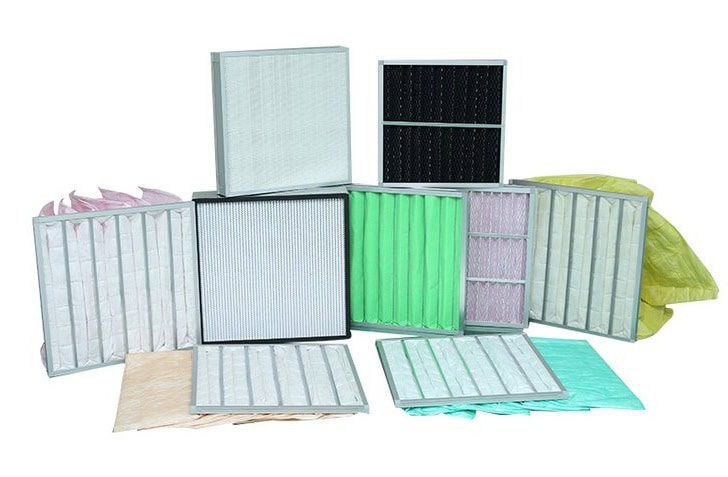
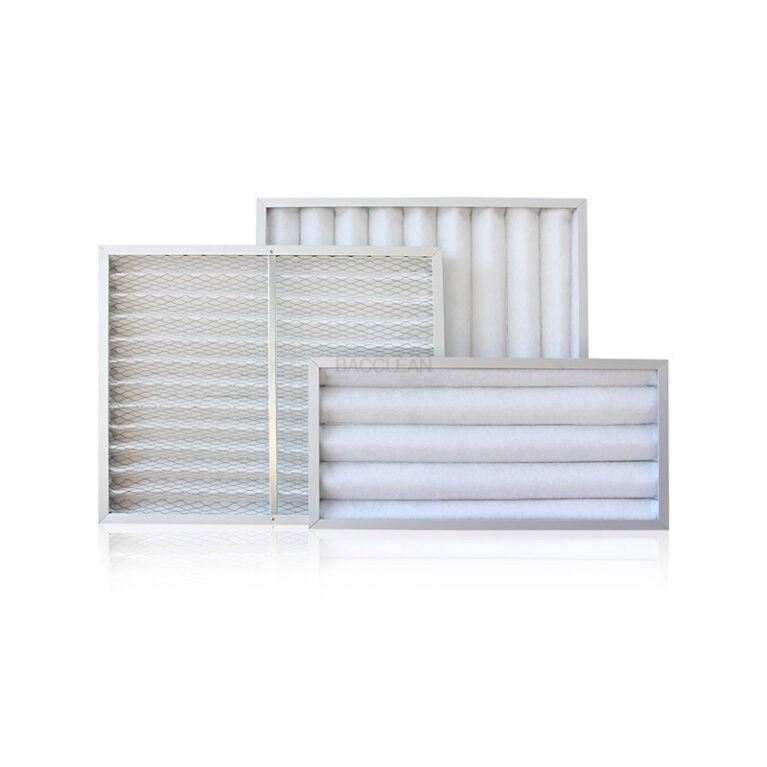
This issue is of great practical value and precisely addresses the key link of environmental control in agricultural modernization. The main function of medium-efficiency bag filters in agricultural greenhouses is to filter out impurities such as dust, pollen and mold spores in the air, providing a clean and stable air environment for crop growth, while protecting the ventilation and irrigation equipment inside the greenhouse. I. Core Function: Ensure the dual safety of the greenhouse environment and equipment Purify the air and reduce crop diseases Greenhouses are relatively closed environments. If a large number of tiny organisms such as mold spores and aphids exist in the air, it is easy to cause diseases such as powdery mildew and downy mildew. Medium-efficiency bag filters can filter out most of such impurities, directly reducing the probability of crop diseases. Protect key equipment and extend its service life If the ventilation fans, CO₂ generators, irrigation atomizing nozzles and other equipment in greenhouses are clogged with dust, it will lead to a decrease in efficiency or even malfunctions. Filters can intercept dust particles in the air, preventing them from entering the interior of the equipment and causing wear or blockage. Stabilize environmental parameters to facilitate
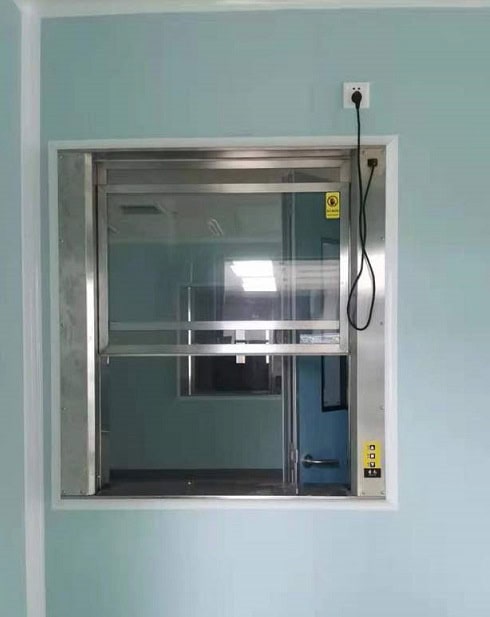
The automatic lifting transfer window is mainly applied in fields where there are strict requirements for air cleanliness, sterility, or isolation of material transfer. Its core function is to transfer materials between areas of different cleanliness grades or isolation areas while blocking cross-contamination of air. I. Biomedical Field This is the core application scenario of the automatic lifting transfer window, which is directly related to the quality of drug production and personnel safety. Pharmaceutical production workshop: It is used for the transfer of raw materials, semi-finished products, or packaging materials between workshops of different cleanliness levels (such as 10,000 grade and 100,000 grade), to prevent the disruption of the air pressure balance and sterile environment in the clean area during manual transfer. Biological laboratory: In a microbiology laboratory, PCR laboratory, or biosafety laboratory, transfer experimental samples, reagents, or consumables to prevent sample contamination or leakage of harmful microorganisms. Hospital clean areas: such as operating rooms, ICUs, and sterile drug preparation rooms (PIVAS), where surgical instruments, sterile drugs, or patient supplies are transferred to reduce the risk of contamination caused by personnel entry and exit. II. Food and Cosmetics Sector It is mainly used to ensure the hygiene and safety during
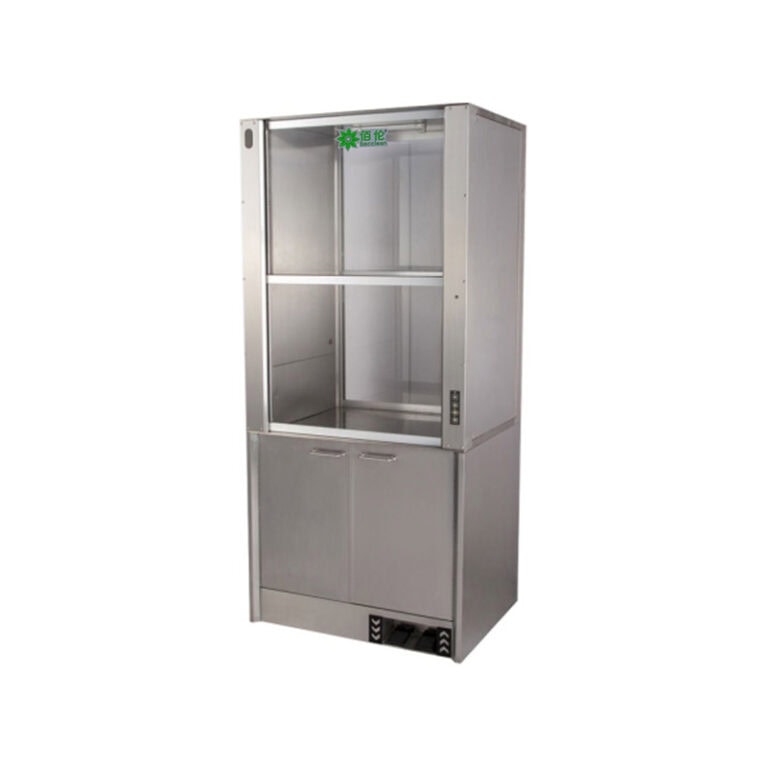
The core of daily maintenance for the automatic lifting transfer window lies in regular cleaning, component inspection, and functional testing to ensure its sealing performance and normal lifting function, thereby avoiding cross-contamination. I. Daily Maintenance: Basic cleaning and function confirmation Basic checks should be completed before and after daily use, with a focus on ensuring immediate safety. Surface cleaning: Wipe the inner and outer surfaces of the transfer window, the observation window, and the control panel with neutral detergent to remove stains and dust. Corrosive solvents are prohibited to prevent damage to the surface or sealing strips. Functional test: Test the lifting function according to the normal operation process to confirm that the ascending and descending processes are smooth without any lag, and it can stop precisely after reaching the position without any abnormal noise. Door lock inspection: Check the interlocking function of both side doors to ensure that when one side door is opened, the other cannot be opened to prevent direct air circulation. Ii. Weekly Maintenance: In-depth inspection of key components Every week, a detailed inspection of the core components should be carried out to prevent potential faults. Sealing rubber strip inspection: Check whether the sealing rubber strips
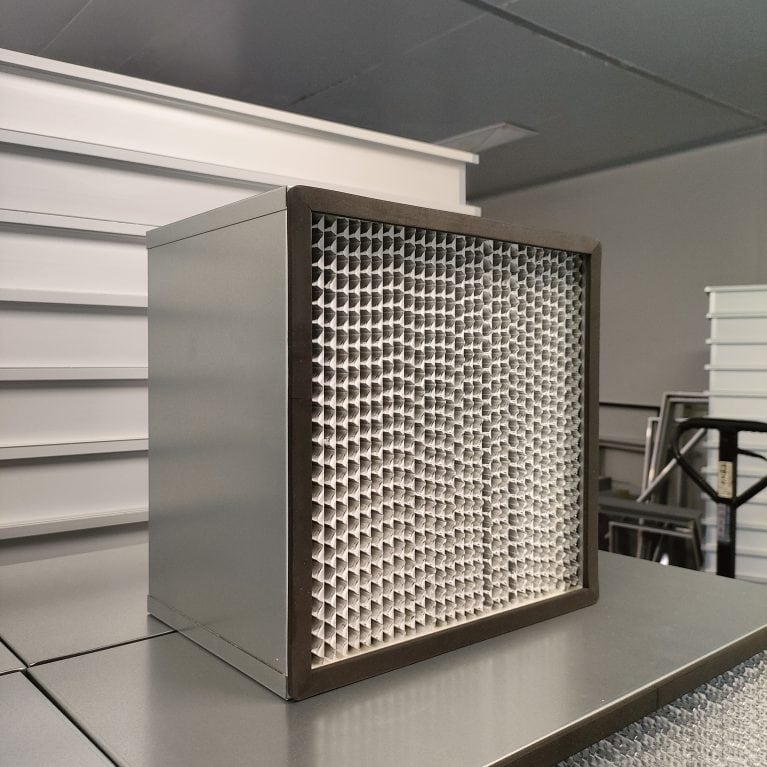
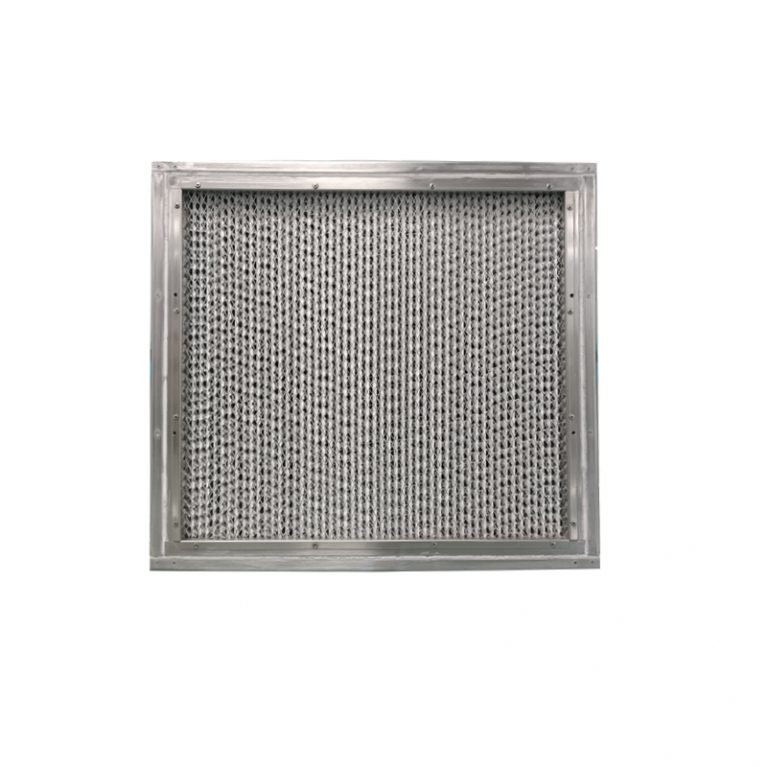
The installation and maintenance of high-efficiency filters with separators should focus on two core aspects: sealing performance and filtration efficiency. Any improper operation may directly lead to excessive particles in the clean area. These two links are the key to ensuring the long-term effective operation of the filter. Installation determines the initial effect, while maintenance determines the long-term stability. The following lists the core precautions, respectively, from the aspects of installation and maintenance. I. Installation Precautions: Prevent initial leakage The core objective of the installation is to ensure that there are no leakage points between the filter and the installation frame or within the filter itself. Preparations before installation: Before installation, it is necessary to check whether the primary and medium-efficiency filters in the clean room have been replaced, and whether there is no dust or debris in the ventilation ducts to avoid subsequent contamination of the HEPA. At the same time, it is necessary to check whether the packaging of the HEPA is intact, whether the filter paper is damaged or deformed, and whether the sealing glue on the frame is uniform. Sealing treatment: Special sealing materials (such as polyurethane foam glue, sealing gaskets, and liquid tank glue) must
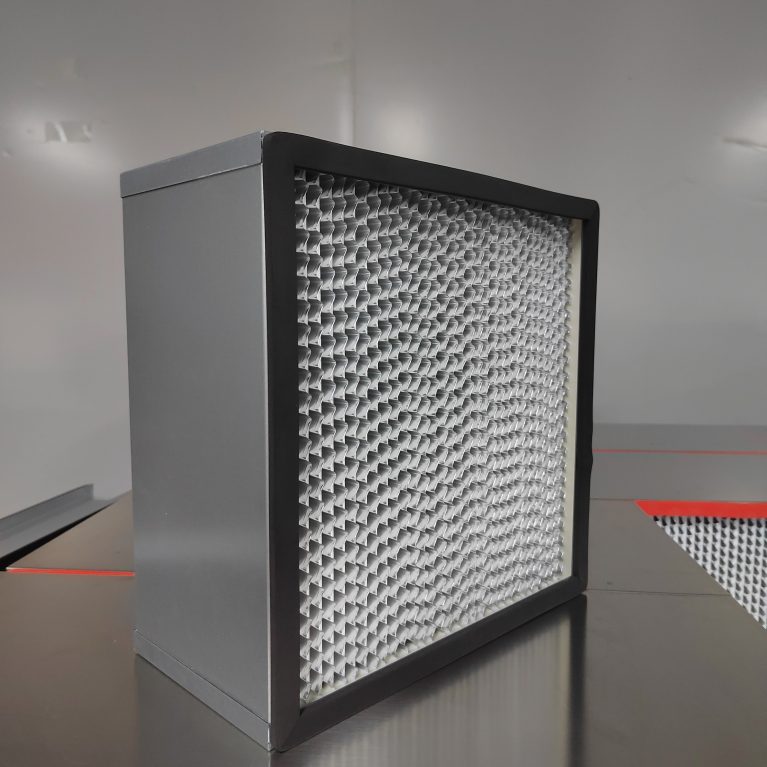
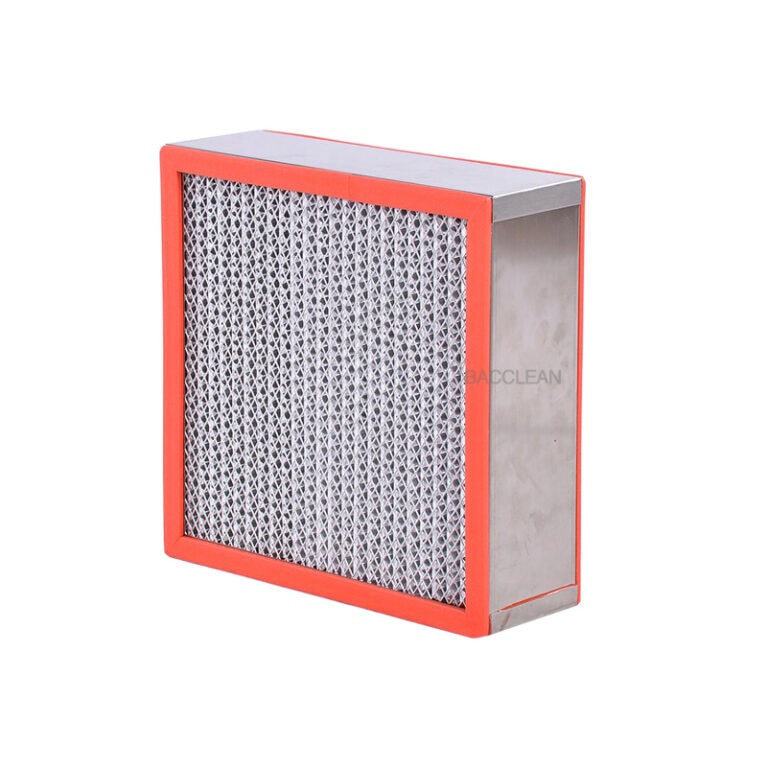
This question directly addresses the core components of clean workshop air purification systems. Its application value is mainly reflected in three scenarios. 1. Terminal air purification: Ensure the cleanliness of the core process area This is its main application form, which directly determines the final cleanliness level of the production environment. Installation location: It is usually used as the terminal supply air outlet of the clean room, such as the high-efficiency supply air outlet on the ceiling (HEPA is often integrated in the FFU, which stands for Fan Filter Unit, as well) or the side supply air outlet. Core function: Filter the air that has been pre-treated by primary and medium-efficiency filters, with a particle retention efficiency of over 99.97% for particles ≥0.3μm, ensuring that the air sent into the core process area is clean. Typical scenarios include photolithography areas in semiconductor chip manufacturing, aseptic filling areas in pharmaceutical production, and the protection of operating tables in biological laboratories. 2. Return air and exhaust air filtration: To prevent cross-contamination and environmental emissions In addition to supplying air, the use of HEPA in return air or exhaust air systems is equally crucial, mainly for pollution control. Return air filtration: It prevents
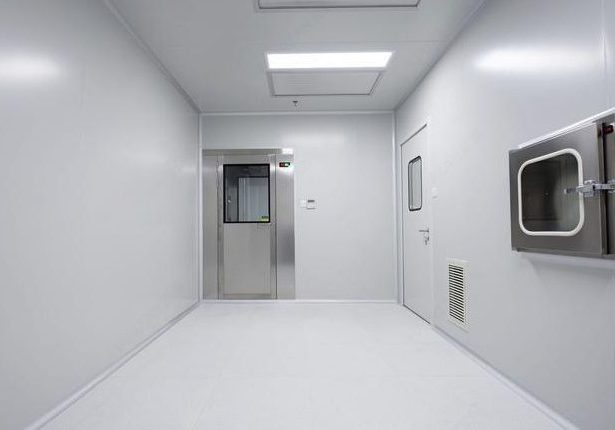
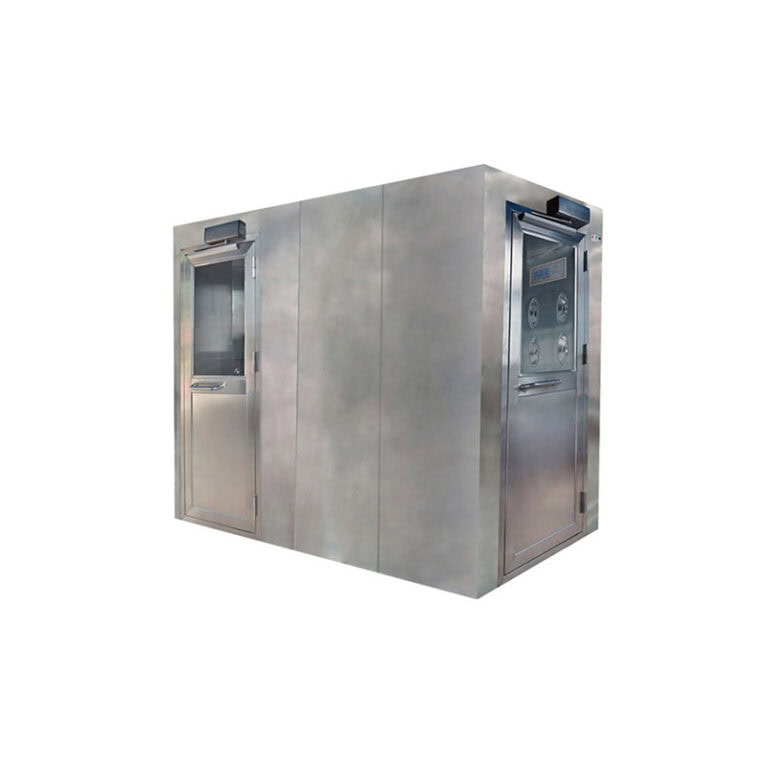
This issue is very accurate. The air shower room is indeed a crucial part of the clean control in food production workshops. Its core function is to remove dust, hair, and other contaminants adhering to the surface of personnel/materials before they enter the clean area, blocking the entry of external pollution sources from the source and thus ensuring the safety of food production. The reason why air showers are indispensable mainly lies in the following three core reasons: Blocking human pollution sources: Personnel are the largest dynamic pollution source in food workshops. If the surface of employees’ clothing, hair, skin debris, etc., directly enters the clean area, they will become carriers for the breeding and spread of microorganisms, which may lead to cross-contamination of food. The air shower can effectively remove these adhering contaminants through the powerful blowing of high-speed clean air flow (usually with a wind speed of ≥25m/s). Prevent secondary contamination of materials: Packaging materials, tools, semi-finished products, etc., required for production may come into contact with external dust during transportation and storage. The air shower can blow and spray these materials, preventing them from bringing contaminants into the core production area and ensuring that the materials remain
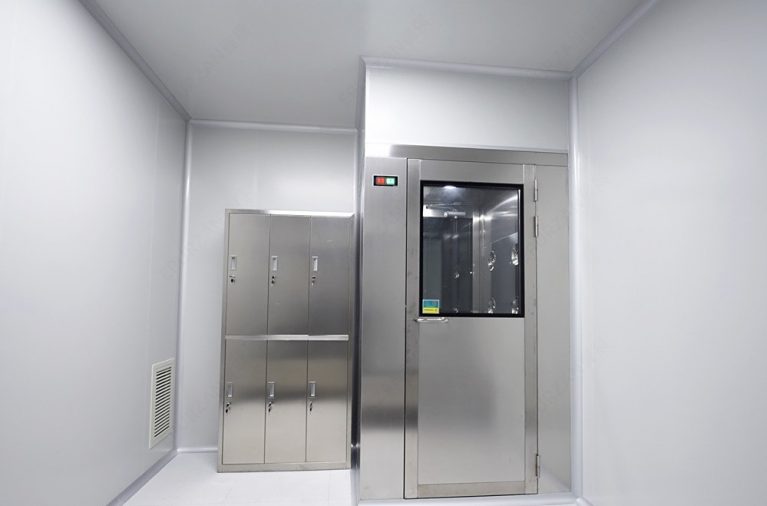
The daily maintenance and upkeep of air showers in food factories focus on ensuring that they continuously and stably blow clean air and efficiently remove contaminants, thereby avoiding the risk of contamination in the clean area due to equipment failure. Daily maintenance should revolve around the three core actions of “cleaning, inspection, and replacement”, and can be divided into daily, weekly, and monthly maintenance according to the cycle to ensure that all key components of the equipment are covered. I. Daily Maintenance: Basic cleaning and functional inspection It should be done before and after daily use. The key is to keep the inside and outside of the equipment clean and confirm that the core functions are normal. Clean the interior of the air shower: Use a clean cloth dipped in food-grade disinfectant to wipe the floor, inner walls, door body, and infrared sensor of the air shower to remove residual dust and stains. Check the air-blowing function: Start the air shower program and confirm that the air output from both nozzles is uniform, the wind force is strong, and there is no obvious abnormal noise or no air. Check the sealing performance of the door body: Close both doors of
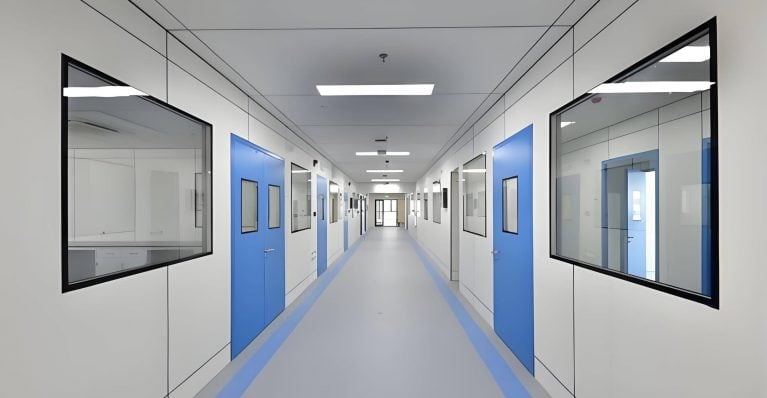
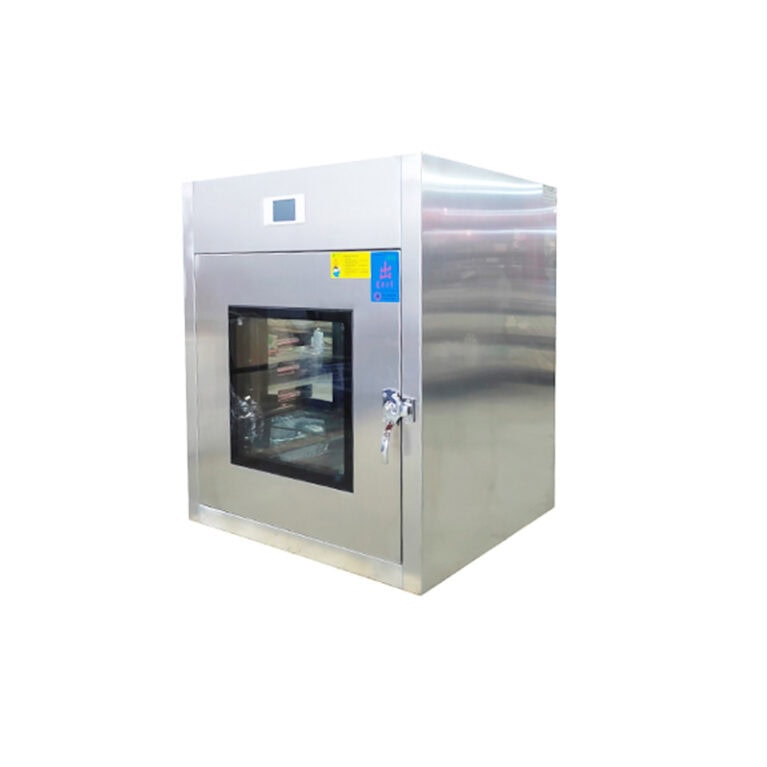
The embedded transfer window maintains a clean environment and ensures experimental safety by blocking direct air circulation between clean and non-clean areas while enabling sterile or dust-free item transfer.