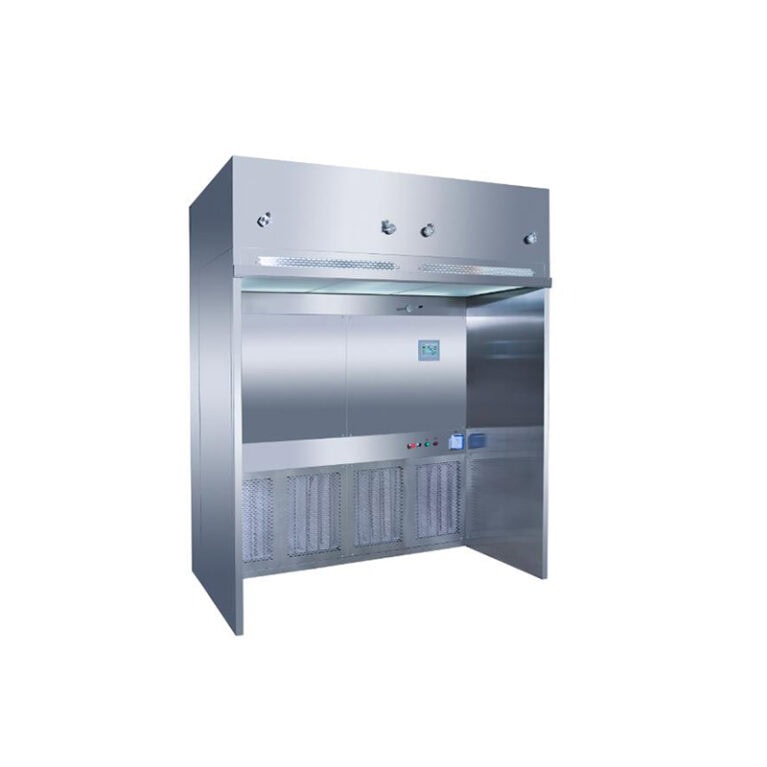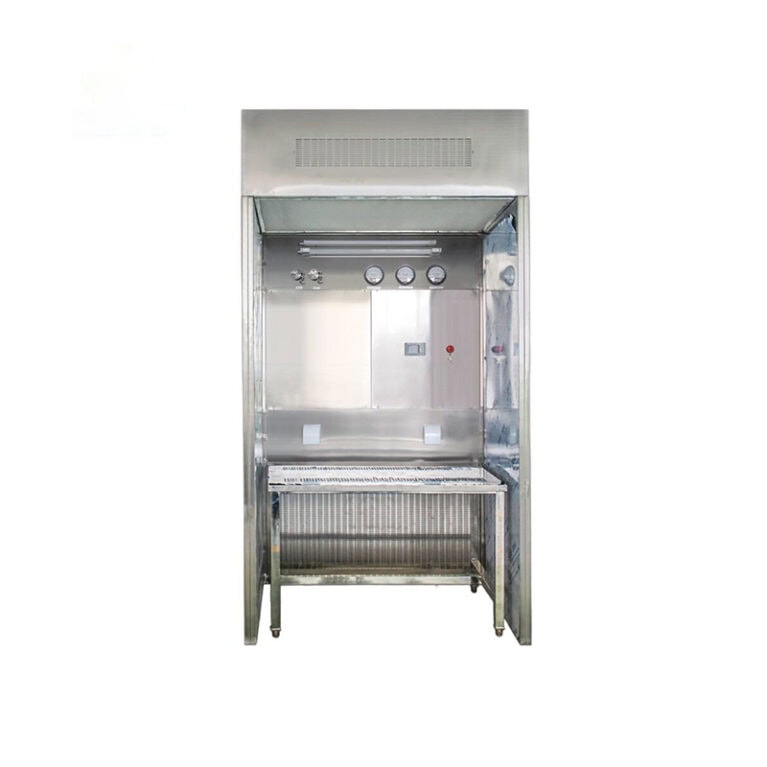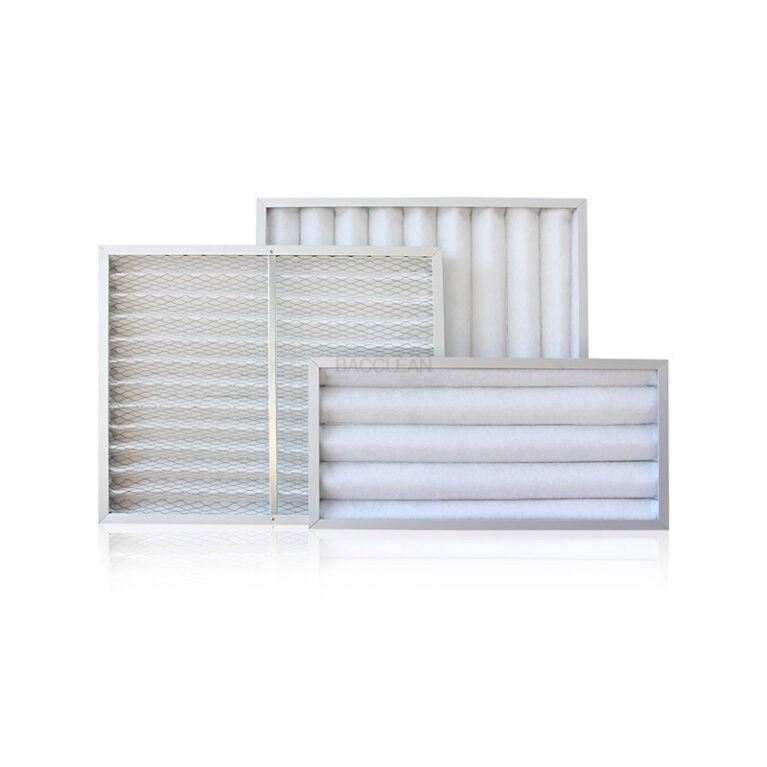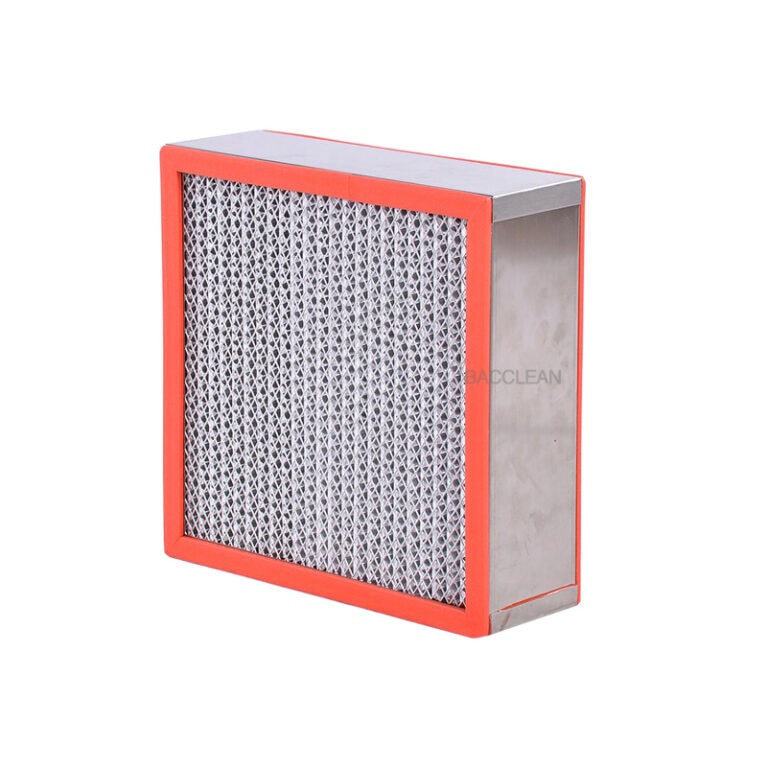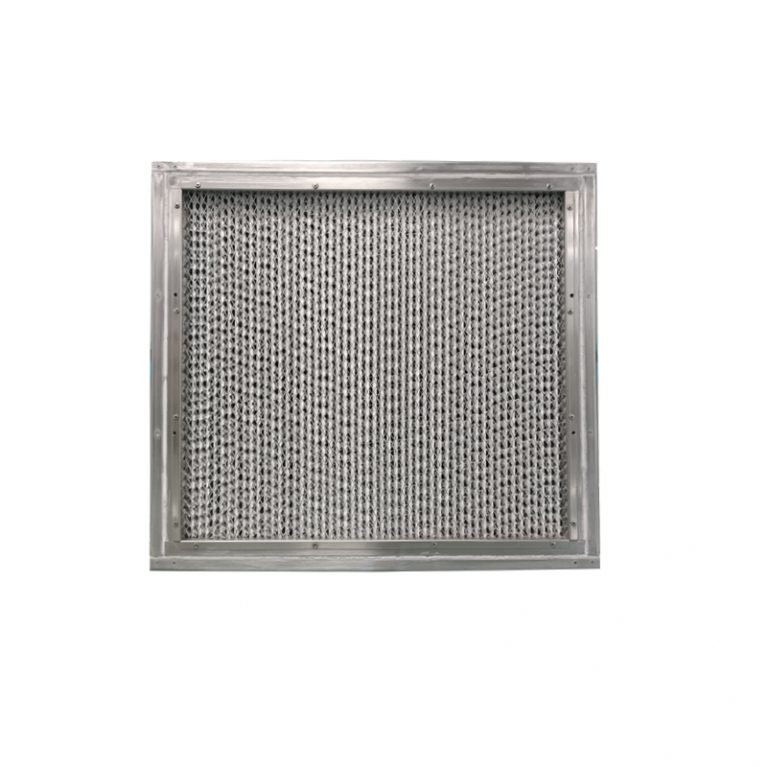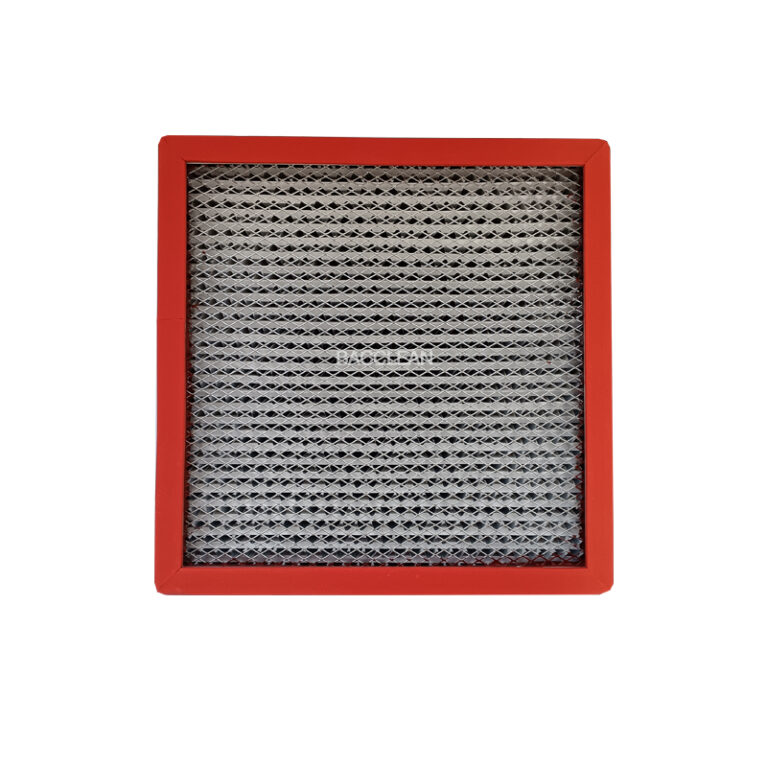

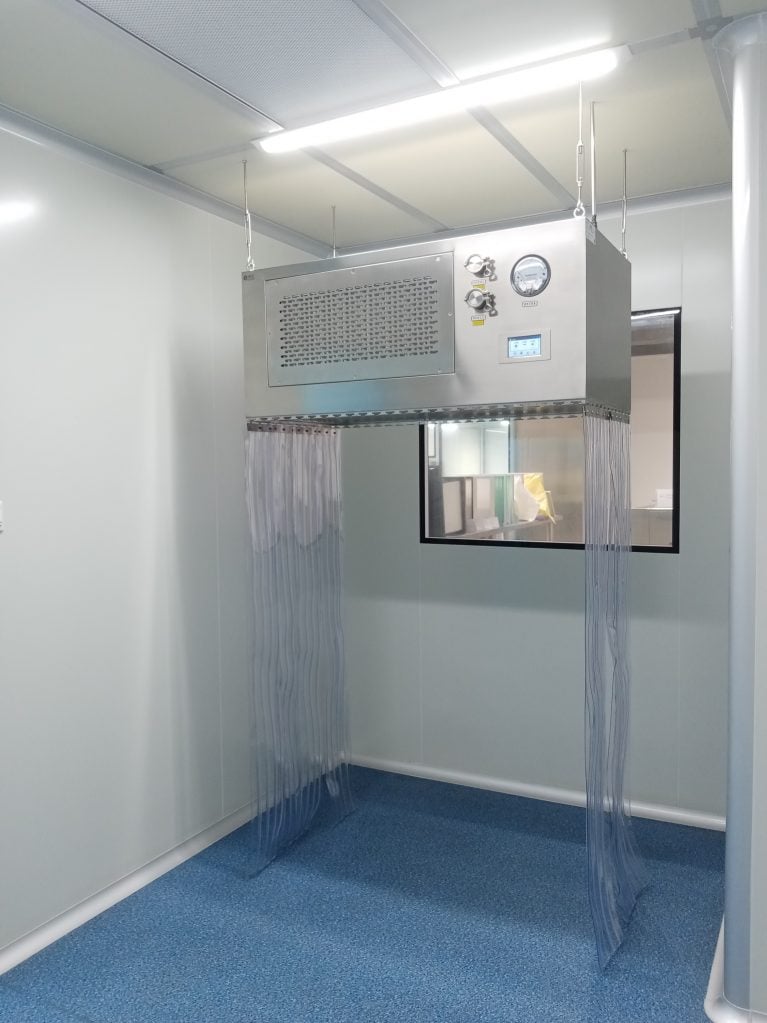
Standard Procedure and Operating Specifications for HEPA/ULPA Filter Replacement HEPA/ULPA filters, as the core purification components of laminar flow hoods, their replacement quality directly affects the cleaning effect and the stability of equipment operation. They must strictly follow the full-process norms of “preparation – disassembly – installation – verification”, especially suitable for industries with strict cleanliness requirements, such as pharmaceuticals and electronics. The specific operation steps and precautions are as follows: I. Preparations Before Replacement (1) Confirmation of preconditions Replacement timing judgment: When the pressure difference of the filter screen reaches twice the initial pressure difference (generally, the initial pressure difference of HEPA filters is about 200-300Pa, and that of ULPA is about 300-400Pa), or when the cleanliness test does not meet the standards (such as excessive particle count in A-level areas), or when the filter screen is damaged or has an odor, it needs to be replaced immediately. The recommended regular replacement cycle is 1 to 2 years (specifically, depending on the usage environment and the equipment manual). Compliance and safety preparations: Replacement operations should be carried out during production breaks and reported to the production and quality departments in advance. Before entering the clean area, operators must wear
HEPA/ULPA filter replacement criteria and practical operation methods The replacement of HEPA/ULPA filters should be based on a comprehensive judgment of scientific testing data and actual operating conditions to avoid cost waste caused by premature replacement or failure of cleanliness due to delayed replacement. The following are the core judgment dimensions, practical operation methods, and precautions, which are applicable to clean scenarios such as pharmaceuticals, electronics, and laboratories: I. Core Judgment Dimension (Priority Ranking) (1) Common determination of pressure differences (the most direct basis Judgment criterion: When the pressure difference before and after the filter screen reaches 1.8 to 2.0 times the initial pressure difference, it needs to be replaced immediately. If the pressure difference suddenly drops (more than 50% lower than the initial value), it may be that the filter screen is damaged or the installation seal has failed. An emergency inspection and replacement are also required. Reference range: The initial pressure difference of HEPA filters is usually 200-300Pa (@rated air volume), and that of ULPA filters is 300-400Pa. For specific details, please refer to the equipment manual or the factory inspection report of the filter. Practical operation method Record the data of the differential pressure gauge every day
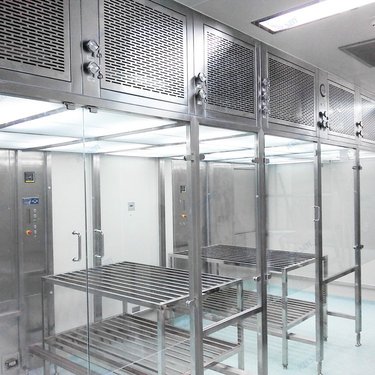
Core precautions for the installation and maintenance of laminar flow hoods The installation standardization of laminar flow hoods directly determines their cleaning effect and operational stability, while the scientific maintenance affects the service life and compliance of the equipment. It is necessary to strictly follow industry standards and equipment technical requirements. The specific precautions are as follows: I. Installation Precautions (1) Preparations before installation Environmental and site verification: Confirm that the installation area (such as a clean workshop in a pharmaceutical factory or a laboratory) has reached the preset cleanliness level (typically 10,000/100,000 grades), with a flat floor, no dust pollution, and well-sealed walls/ceilings to prevent external contaminants from seeping in. Reserve sufficient installation space to ensure that the distance between the laminar flow hood’s air outlet and the operating table surface meets the requirements (generally 300-500mm, specifically as per the equipment manual), and at the same time, reserve a maintenance passage (≥600mm) for subsequent maintenance. Equipment and accessories inspection: After opening the box, check whether the main body of the laminar flow hood, HEPA/ULPA filters, fans, control systems, sealing strips, and other accessories are complete, and whether there are any dents or deformations on the appearance. Check whether the
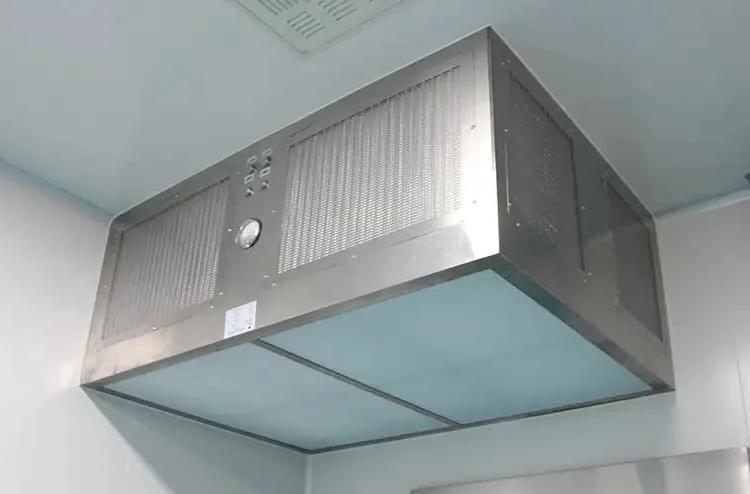
Class A laminar flow hoods are fundamental to pharmaceutical factories, serving as essential equipment for drug quality control and GMP compliance. Their core value lies in safeguarding product safety, supporting regulatory adherence, and enhancing operational competitiveness throughout pharmaceutical production. As critical purification systems, Class A laminar flow hoods underpin pharmaceutical quality by minimizing contamination, fulfilling GMP requirements, and protecting both the product and enterprise interests through reliable application in every production phase. First, strengthen the defense line for the quality and safety of drugs. In the production of pharmaceuticals, contaminants such as microorganisms and dust particles are the primary sources of risk that lead to product nonconformity. The A-class laminar flow hood, through A high-efficiency filtration system (HEPA/ULPA filter, filtration efficiency ≥99.999%@0.3μm), forms A vertical or horizontal unidirectional clean airflow, establishing a local A-class clean environment in key operation areas (such as aseptic preparation, filling, powder injection, sub-packaging, biological product sampling, etc.), and forcibly discharges contaminants within the area, avoiding cross-contamination of drugs. Especially for sterile drugs, highly active drugs and other categories with extremely high cleanliness requirements, A-level laminar flow hoods can control the particle concentration at the operation point within the strict range stipulated by GMP (the number
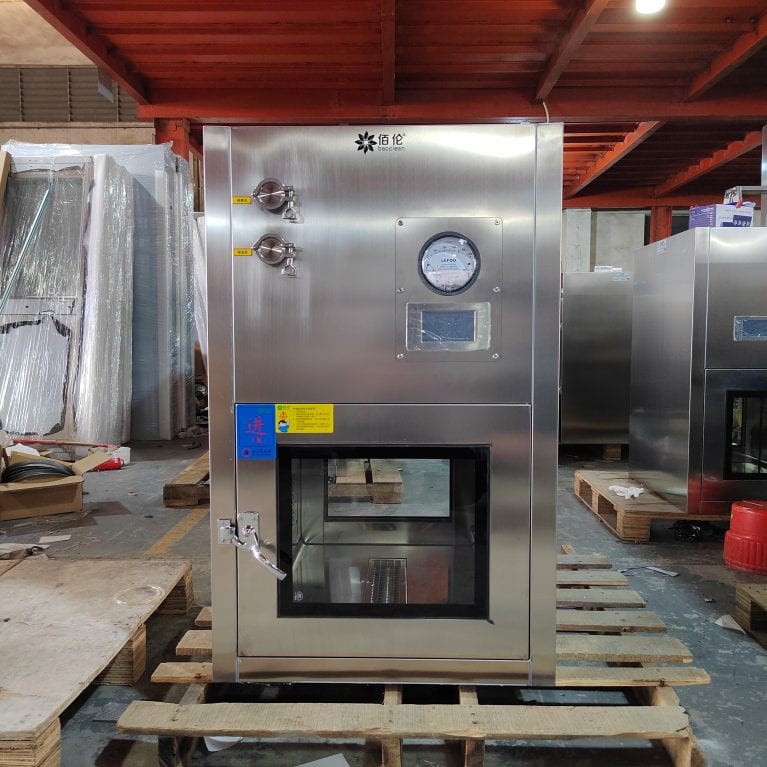
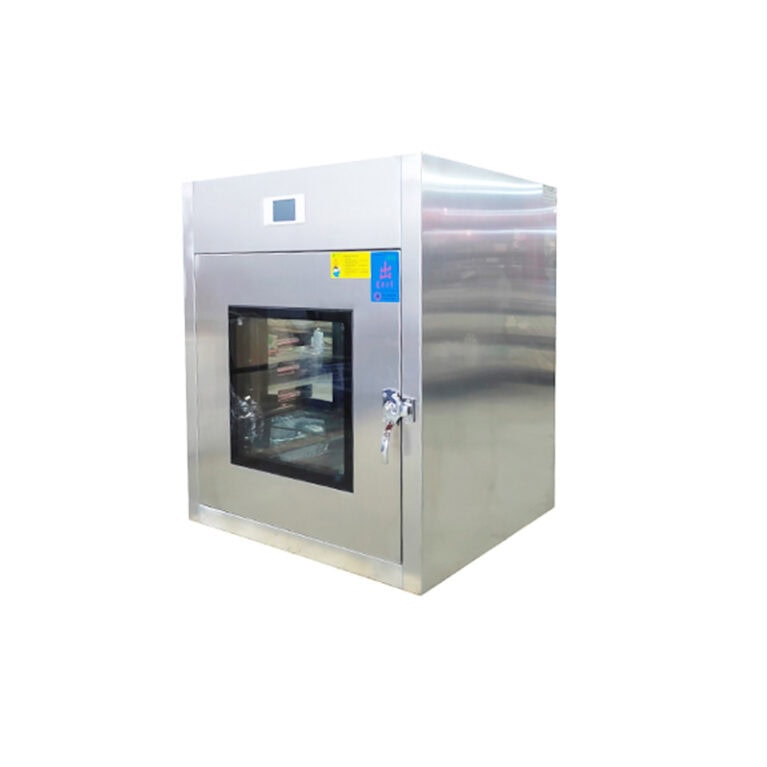
Daily Maintenance Guide for Laminar Flow Transfer Windows: Ensuring a Clean Environment and Stable Operation of Equipment Laminar flow transfer Windows, as the core “isolation transfer equipment” between cleanrooms and non-clean areas as well as regions of different cleanliness levels, their sealing performance, filtration efficiency and air flow organization directly affect the overall cleanliness of the cleanroom. Proper daily maintenance not only extends the service life of equipment but also avoids the risk of cross-contamination. It is suitable for scenarios with strict cleanliness requirements such as pharmaceutical, electronic, food, and biological laboratories. The following are detailed key points for daily maintenance: I. Daily Inspection: Basic status Confirmation (Every 10 minutes, at least once per shift) Appearance and seal inspection Check whether the transfer window box and door body are deformed, scratched or damaged, and whether the glass window is clean without stains or cracks to ensure a clear view. Verify the double-door interlock function: After closing one side door, try to open the other side door to confirm that they cannot be opened simultaneously (when the interlock fails, it should be immediately deactivated to avoid pressure difference imbalance in the clean area). Check the door sealing strip: Touch the sealing
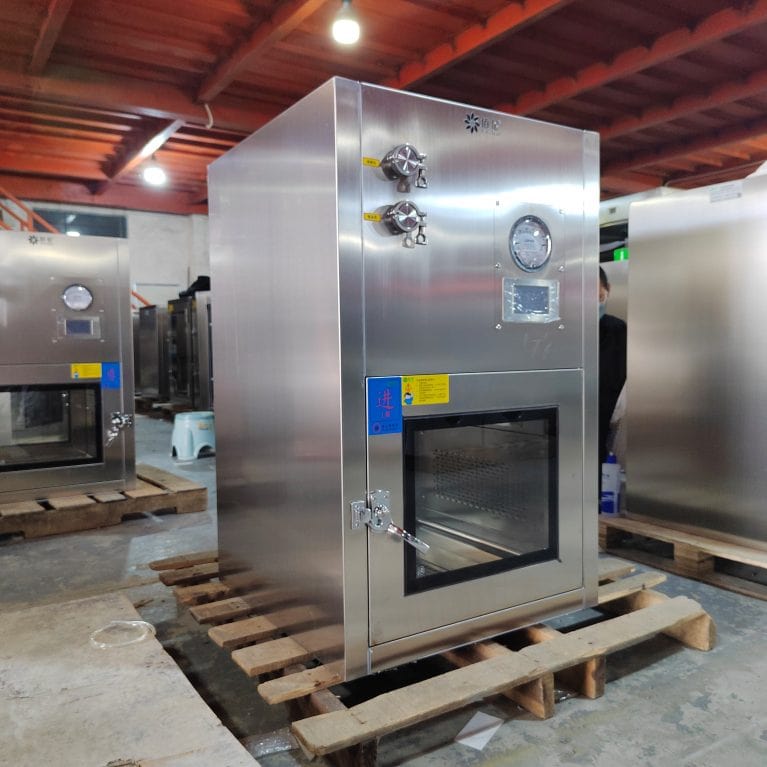
I. Daily Basic Maintenance (Daily Mandatory) 1. Cleaning and disinfection standards Cleaning scope: Interior of the cavity (countertop, four walls, corners), contact surfaces of the door body, door handles, gaps of the sealing strips, and external surfaces can be wiped as needed. Cleaning process First, use a lint-free cloth dipped in 75% medical alcohol to wipe and remove microorganisms and stains (high-risk scenarios such as biological laboratories need to be cleaned every shift). Use a soft-bristled brush and neutral detergent to scrub the dust in the gaps of the sealing strip, then dry it with a dry cloth to prevent moisture and aging. Dust in the interlock sensing area should be blown off with compressed air at a pressure of 0.3 to 0.5MPa to prevent signal obstruction. Precautions: Do not rinse with water, do not use chlorine-containing disinfectants (corrosive to metals), and do not use hard objects such as steel wool balls (to avoid scratches on stainless steel). 2. Function check before startup Power supply status: Confirm that the power supply is stable and the voltage meets the equipment requirements (to avoid F06 failure); Door interlock test: Verify that both doors cannot be opened
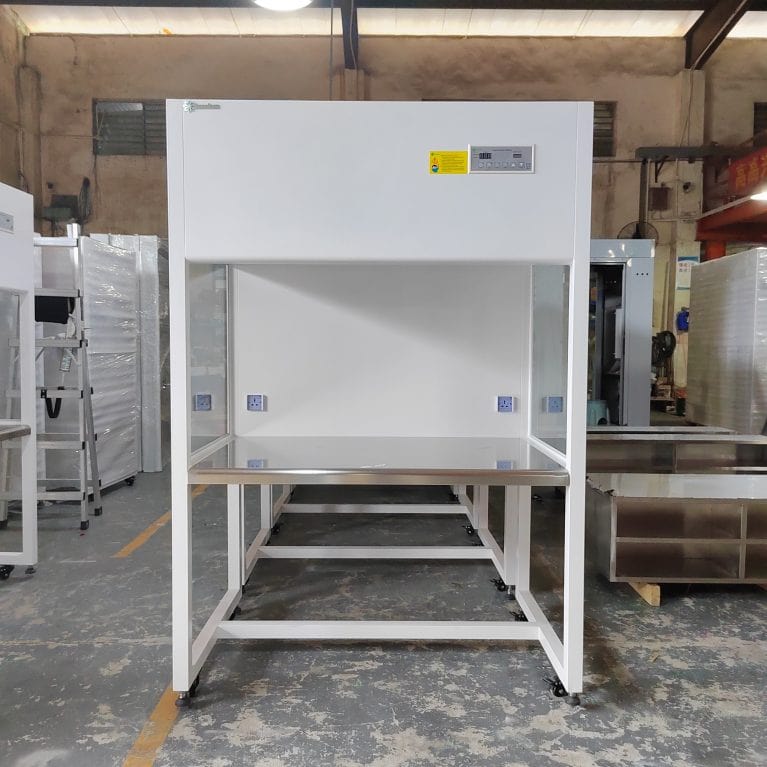
Horizontal Flow Workbench Core Component Replacement Judgment Guide: From Inspection Standards to Practical Operation Methods The core components of the horizontal flow workbench (HEPA/ULPA filters, fans, control panels, workbenches and seals) directly determine the purification effect and operational stability. Their replacement should be comprehensively judged based on performance test data, aging performance and industry standards, rather than simply relying on the service life. The following are the specific judgment methods, testing standards and replacement thresholds for each core component, taking into account both professionalism and practicality: I. Judgment Criteria for Core Component Replacement (Sorted by Priority) HEPA/ULPA filter (purification core, highest priority) As a key component for ensuring cleanliness, the failure of the filter directly leads to the equipment’s inability to meet the usage requirements. The following judgment criteria should be given special attention: (1) Performance testing and judgment (quantitative standards Wind speed detection: Use a hot sphere anemometer to evenly take 5 to 9 measurement points on the working surface of the workbench (in accordance with ISO 14644-3 standard). If the average wind speed is ≤0.25m/s (the normal working wind speed range is 0.3-0.5m/s), and it still cannot be restored after cleaning the pre-filter and adjusting the fan speed,
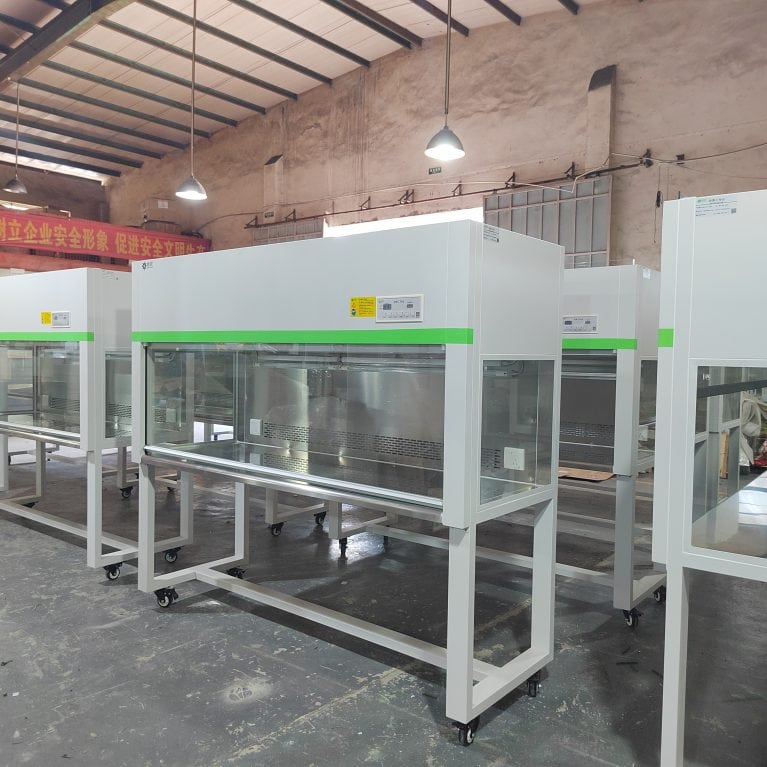
I. Reference for the core service life of the entire Machine The reasonable service life of the horizontal flow workbench (including the ultra-clean type) as a whole is 5 to 10 years. This range is based on regular usage scenarios (4 to 8 hours of operation per day, placement in a clean environment, and standardized maintenance), and can be specifically divided into: Laboratory-grade equipment (intermittent use) : Its lifespan is mostly 8 to 10 years, and can be extended to over 10 years if properly maintained. Industrial-grade equipment (24-hour continuous operation, high-pollution scenarios) : Its lifespan is typically 5 to 8 years, and it requires more frequent maintenance to prevent premature aging of components. High-demand scenarios (pharmaceutical GMP workshops, microelectronics clean areas) : It is recommended to conduct a comprehensive performance assessment every five years to ensure compliance with clean standards before continuing to use. Ii. Service Life of Core Components (Determining the service Cycle of the Entire Machine) The lifespan of the entire machine is essentially determined by the wear and tear of key components. The replacement cycles and influencing factors of each core component are as follows: Component type Theoretical service life Actual influencing factors
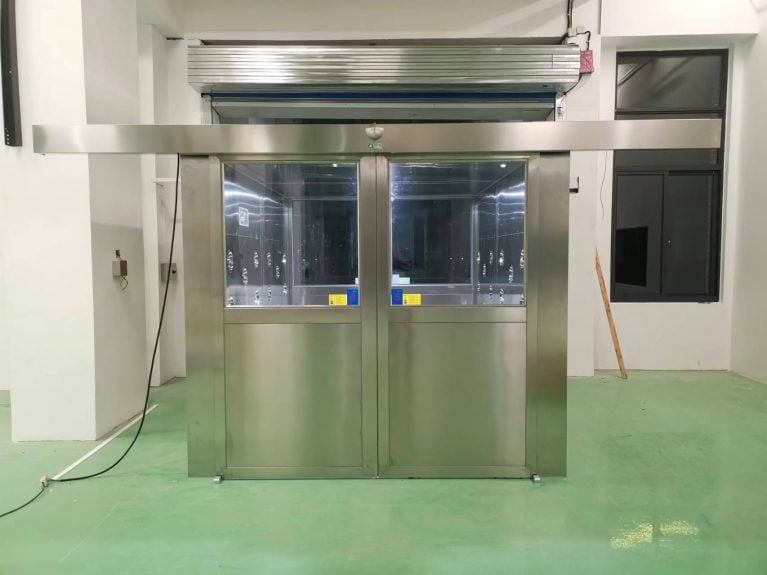
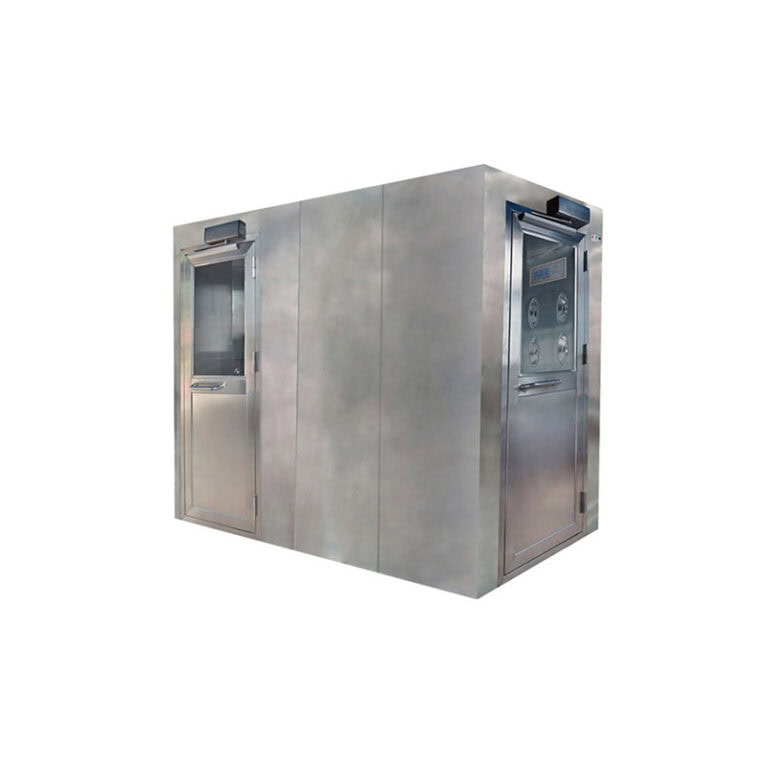
I. Core Working Logic: Four major links operate in a closed loop The essence of the automatic double-door goods shower is an “intelligent air lock purification system”. Through a closed-loop process of induction control → air flow purging → interlock isolation → air circulation, it efficiently removes contaminants from the surface of goods and simultaneously blocks the air convection between the clean area and the non-clean area. The specific process is as follows: Induction trigger stage: Contactless automatic start Trigger mechanism: The door bodies on both sides of the equipment are equipped with 2 sets of infrared sensing probes (with a detection distance of up to 1.5 meters). When forklifts, AGVs, or goods approach the entrance by about 1 meter, the probes respond quickly (triggered within 0.5 seconds), and the sliding door is driven to open to both sides through the PLC control system. Adaptive design: The sensing range can cover large-sized goods (width ≤3 meters, height ≤4 meters). Some models support the adjustment of sensing sensitivity to prevent false triggering of small auxiliary material vehicles or missed triggering of large goods. Interlocking isolation stage: Blocking cross-contamination Double-door interlock logic: It adopts an electronic electromagnetic lock interlocking design,
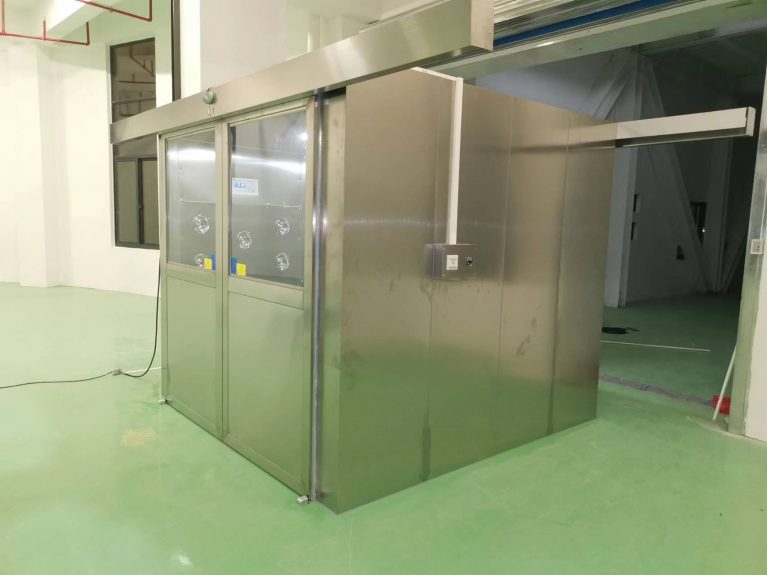
I. Food and Beverage Industry: The “First Line of Defense” for Food Safety As one of the most widely applied fields, the core adaptation needs to meet the scenarios of the GB 14881 food safety standard, focusing on solving the contamination problems of raw materials, semi-finished products, and packaging materials: Typical scenarios: entrance of baking food processing area, buffer channel of dairy filling line, raw material transfer port of candy and chocolate workshop, storage connection point of can packaging area, drinking water bottle preform conveying line. Application core: Through high-speed clean air flow of 25-35m/s, it removes floating dust and fibers from the surface of raw materials (such as flour, sugar grains, nuts), reduces the growth of microorganisms (total bacterial count, mold), and prevents cross-contamination. For instance, at the entrance of the filling mixing room in a certain biscuit factory, an ISO 7-level material spray room is adopted to ensure that the cream and nut raw materials are not contaminated during the transmission process. Special adaptation: For foods that are prone to moisture absorption, some product showers are equipped with dehumidification functions to prevent condensation during the air shower process, which could affect product quality. Ii. Pharmaceutical
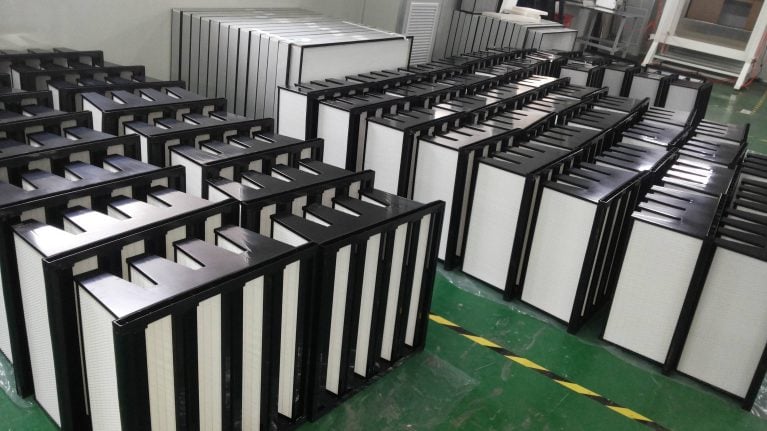
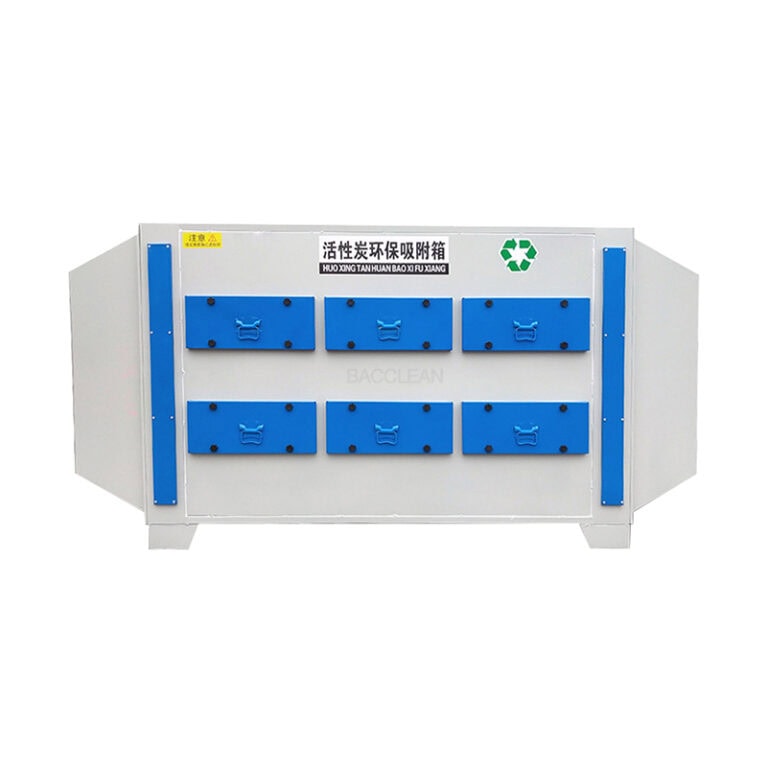
Maintenance and replacement cycle of nuclear power plant air purification system: Scientific control plan under safety orientation The maintenance and replacement cycle of the air purification system in nuclear power plants is mainly formulated around three dimensions: “nuclear safety priority, pollutant load, and equipment operating conditions”. It is necessary to strictly follow international nuclear safety standards (such as ASME AG-1, ISO 16890) and domestic norms (GB/T 25898, HAF series), and ensure the filtration efficiency. It is also necessary to avoid the risk of radioactive leakage. The following are the maintenance contents, replacement cycles and core control principles of system disassembly, which take into account both professionalism and practicality, and are suitable for content creation scenarios: I. Core filter replacement cycle: Hierarchical control, mainly based on parameter early warning The filter replacement cycle is not a fixed value and needs to be dynamically adjusted in combination with “differential pressure monitoring, radiation dose, and operating condition type”. The following is a common industry benchmark (specifically subject to the nuclear power plant operation and maintenance manual) : Filter type Replacement cycle under normal working conditions Special working conditions (accidents/high pollution) Core determination index Coarse filter (G1-G4) Three to six months 1 to 3
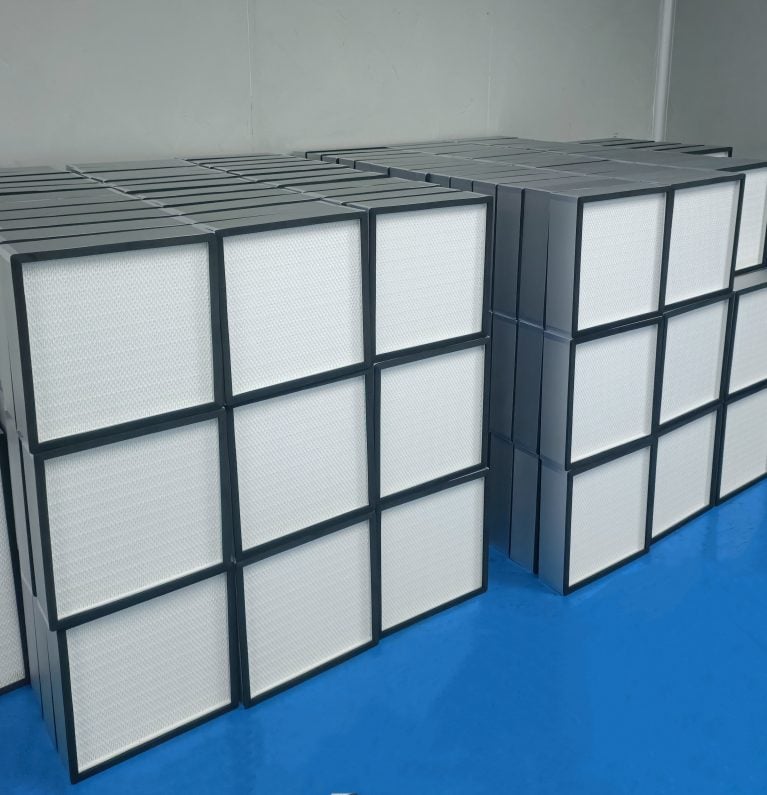
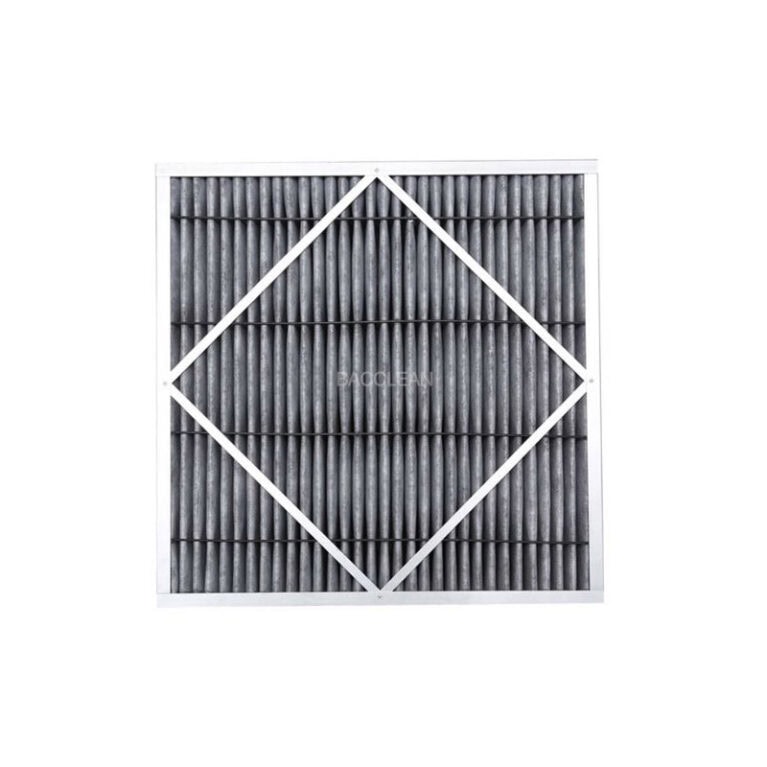
Analysis of Core Equipment for Air Purification in Nuclear Power Plants: Selection and Application of Air Filters As a high-safety-level energy facility, the air purification system of a nuclear power plant is directly related to nuclear safety, the stable operation of equipment, and the health of personnel. It is necessary to adopt a combined solution of “multi-stage filtration + functional segmentation” to address complex pollutants, including radioactive aerosols, harmful gases, and dust particles. The following are the types, functions, and application scenarios of core air filters in nuclear power plant air purification, which are explained in combination with industry standards and technical characteristics: I. Pre-treatment filters: Coarse/medium efficiency filtration, the first line of defense Coarse filter (G1-G4 grade, EN 779 standard) Core function: Intercept large particles of dust (≥5μm), hair, fibers, and other impurities in the air, prevent premature clogging of subsequent high-precision filters, extend their service life, and reduce system operating costs. Filter materials: Commonly used are polyester fibers, non-woven fabrics, metal meshes, etc. In some working conditions, flame-retardant materials are selected (to meet the fire protection requirements of nuclear power plants). Application scenarios Pre-treatment of intake air for the ventilation system in conventional areas of nuclear power plants