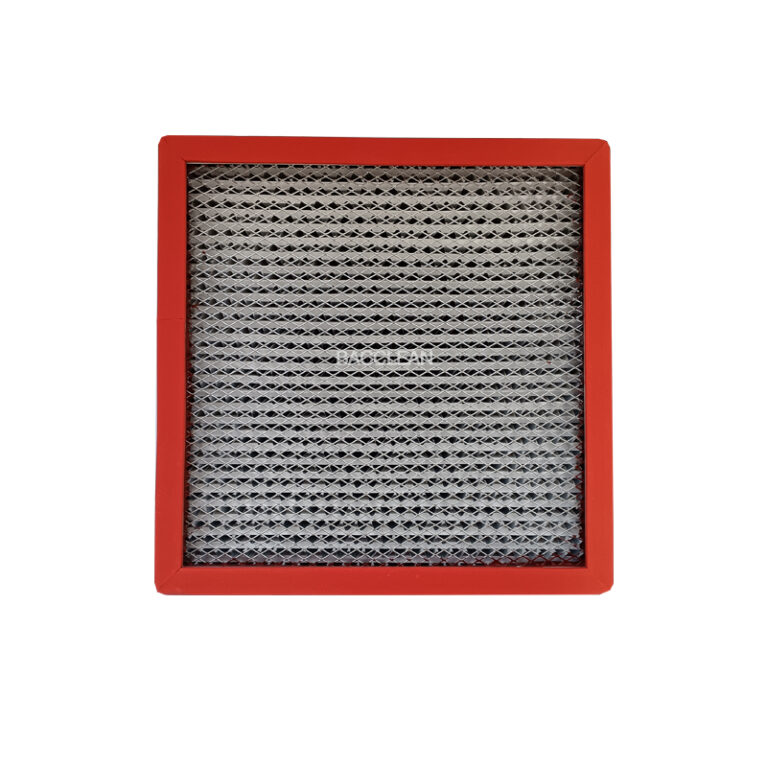

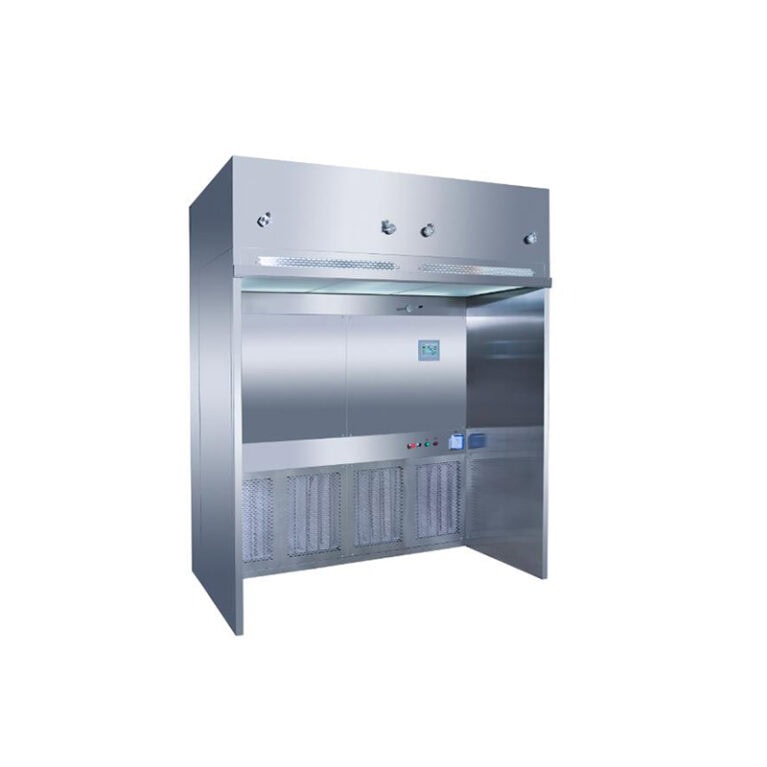
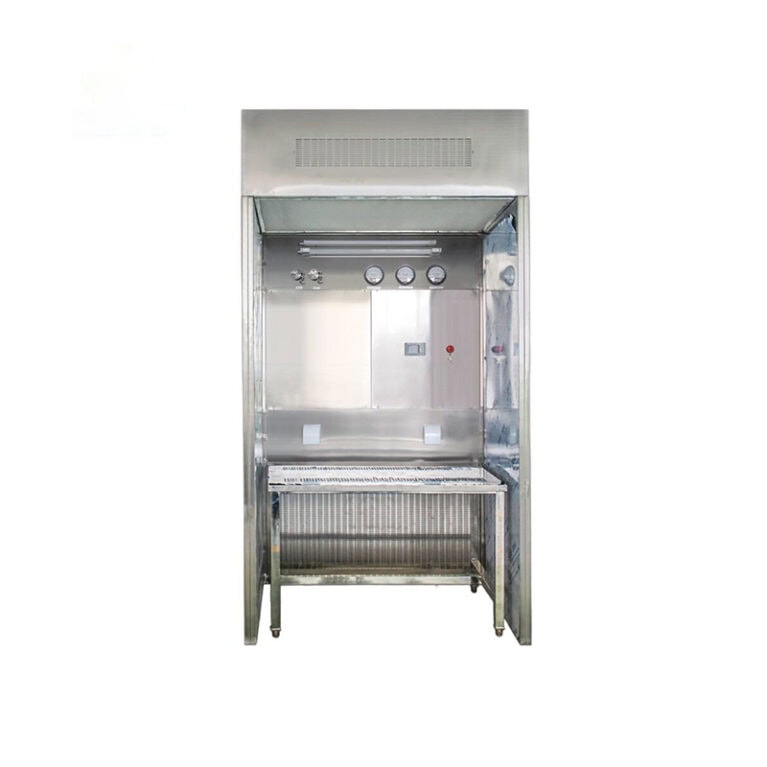
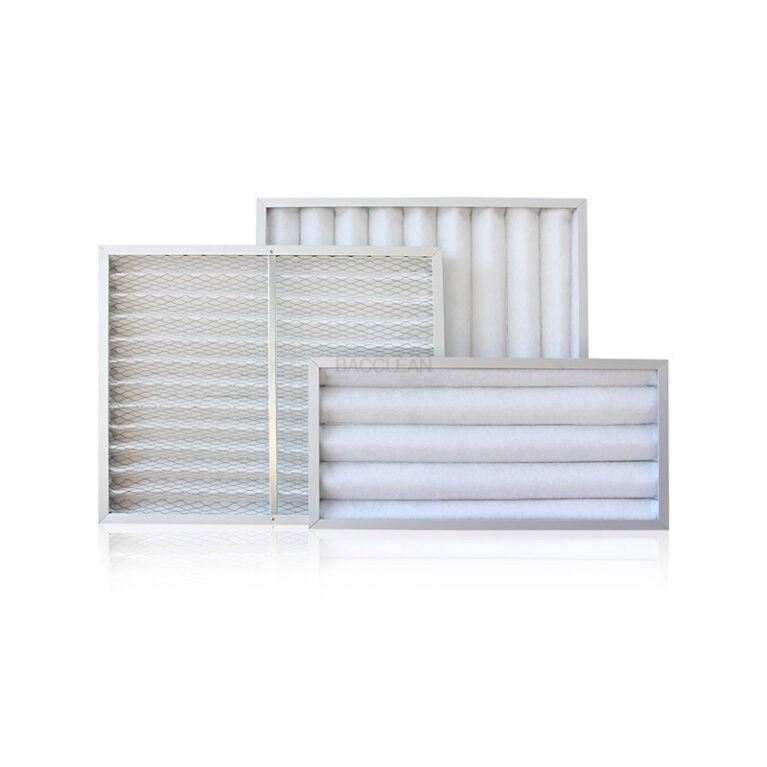
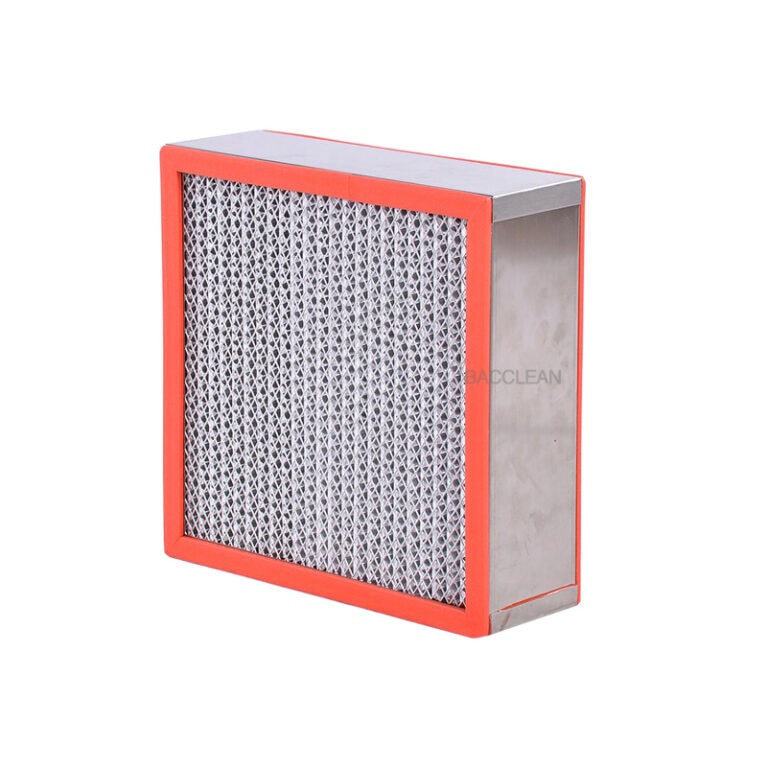
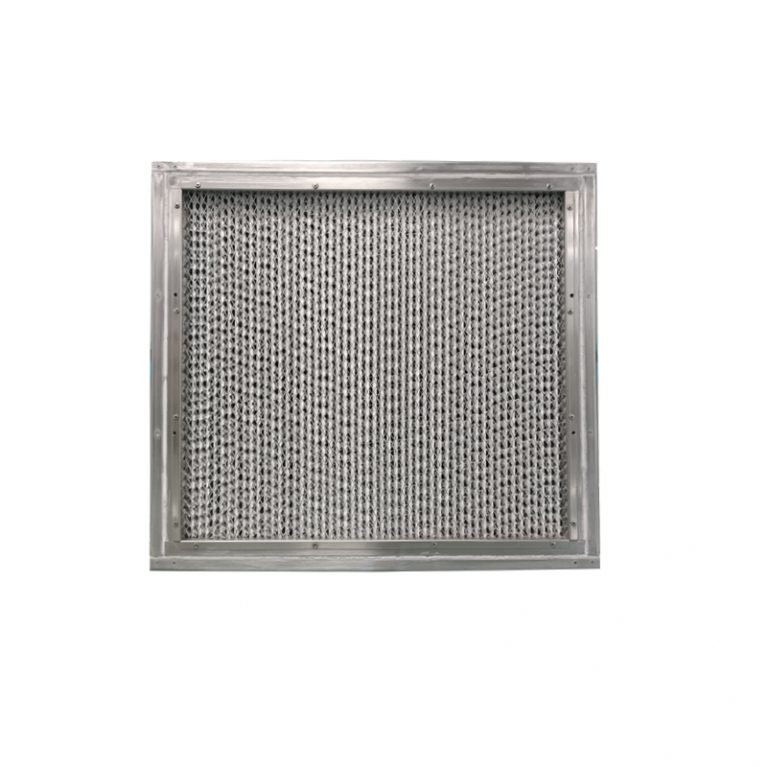
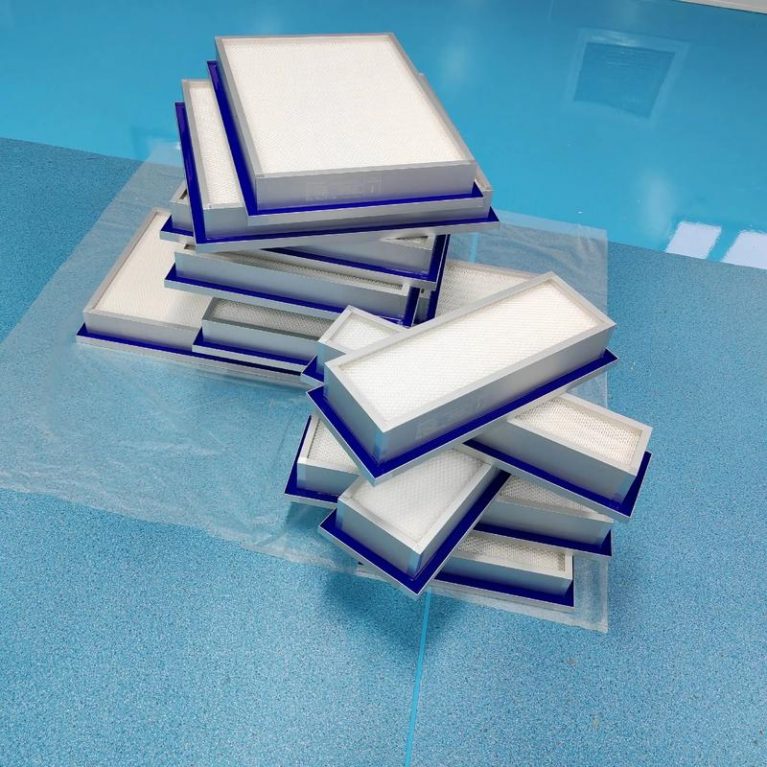
Common Problems and Solutions for Leak Detection of DOP High-Performance Liquid Tank FiltersDOP/PAO High-efficiency Liquid Tank Filter Leak Detection – Common Issues + Directly Applicable Solutions, Engineering-oriented, No Nonsense, Can Be Directly Used for Training / Patrol Inspection / SOP. I. Upstream Dust Emission Related Issues 1. Upstream Concentration Unable to Rise or Unstable Possible Causes Insufficient oil volume in the dust emitter, clogged nozzles, insufficient heating temperature The dust emission point is too close to the filter, resulting in uneven mixing Excessive air volume, aerosols are diluted Solution Check oil level, clean / replace nozzles, confirm normal heating Move the dust emission point to a position further upstream in the air duct to ensure uniform mixing Increase the dust emission volume, wait for the concentration to stabilize for 3-5 minutes before measuring 2. 100% Calibration Failure at the Upstream Photometer Possible Causes Probe dirty, pipeline leakage Concentration too high / too low, exceeding the instrument’s linear range Instrument not preheated enough Solution Clean probe, check air tightness of sampling tube Control the upstream concentration within 10-20 μg/L Preheat ≥ 30 minutes, re-zero → 100% calibration II. Abnormal Leak Detection Reading Issues 3. All filters are too high, but not
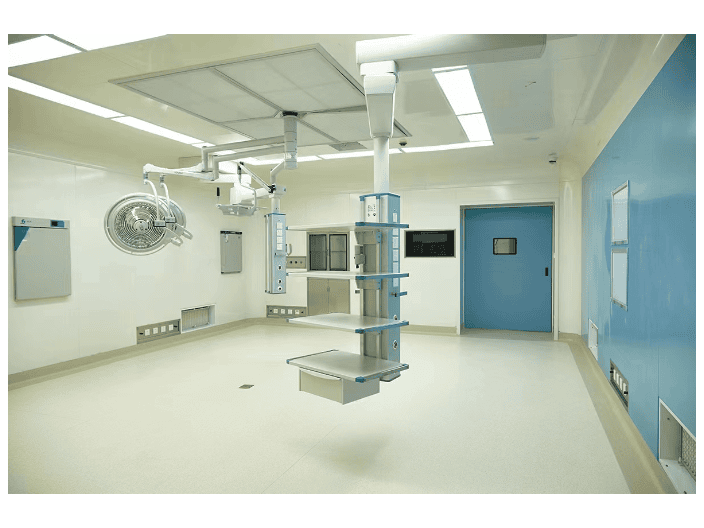
The overall structure lifespan of a leak-proof air supply ceiling is typically 15–20 years, while the lifespan of the high-efficiency filter (HEPA) is 1–3 years. These two components should be considered separately. I. Overall Structure Lifespan (housing, frame, damping layer) Design lifespan: 15–20 years (industry standards and manufacturer specifications). Material determines durability Premium model: 304/316 stainless steel or thickened cold-rolled steel with electrostatic powder coating, rust-proof, resistant to deformation, acid and alkali resistant. Sealing components: Medical-grade silicone / EPDM, resistant to aging, can last 5–8 years without replacement under normal use. Damping uniform flow net: Aluminum alloy / polymer material, no mechanical wear, with the same lifespan as the entire unit. Factors affecting lifespan Environment: In humid and corrosive gas environments, it will be shortened to 10–15 years. Maintenance: Regular cleaning and inspection of seals can extend it to 20 years +. Installation: Standard installation without stress deformation, more stable lifespan. II. Core Consumables: Lifespan of High-Efficiency Filters (HEPA) Regular lifespan: 1–3 years (depending on the usage environment and air volume). Replacement criteria: Pressure difference: When the final resistance reaches twice the initial resistance (approximately 450–500 Pa), it must be replaced. Cleanliness: Failure to meet standards or leakage test failure.
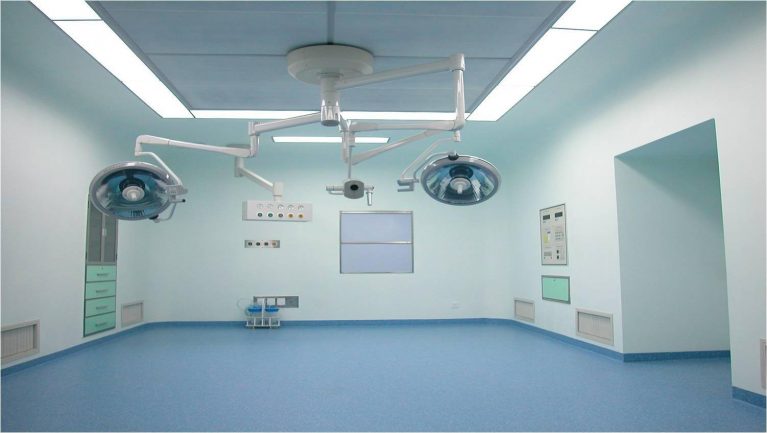
The leak-proof air supply ceiling is an upgraded and optimized version of the laminar air supply ceiling. The core difference lies in the decoupled design of the filtration and leak prevention mechanism, as well as the resulting advantages in installation, maintenance, airflow, and cost. 1. Core Principle and Structural Differences 1. Traditional laminar air supply ceiling (conventional / ordinary type) Structure: The high-efficiency filter (HEPA) is directly installed at the end of the air supply (at the bottom), and below is the diffuser plate / mesh plate. Principle: Air → Static pressure box → End high-efficiency filter → Diffuser plate → Inside the room. Leak prevention logic: Relying on the absolute sealing of the end filter. Once the frame or filter core leaks, the contaminated air directly enters the clean area, without secondary protection. Air flow coverage rate: Approximately ≤ 70%, prone to dead corners. 2. Leak-proof air supply ceiling (DSC) Structure: Based on the leak-proof layer theory, the high-efficiency filter is moved to the upper part of the static pressure box (not at the end), and an additional sub-high-efficiency leak-proof layer (damping layer) is added at the end. Principle: Air → Static pressure box → Pre-high-efficiency filter → Mixed
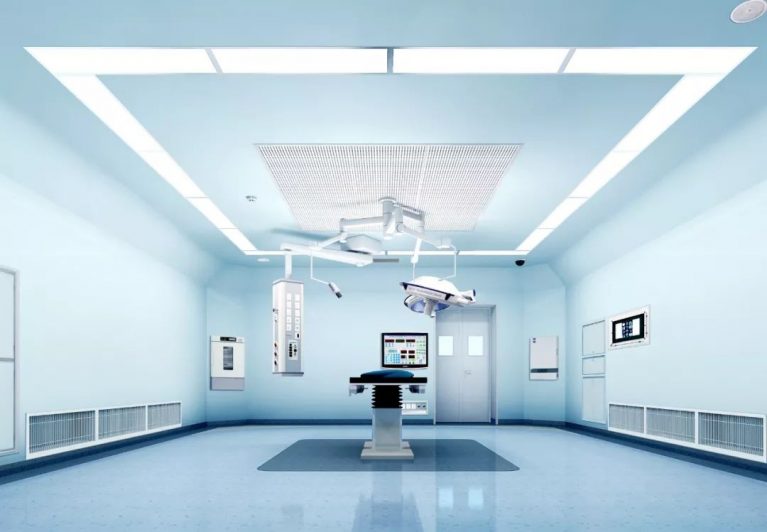
The core advantages of the leak-proof air supply ceiling are safety, easy maintenance, uniform airflow, thin profile and low layer height. It is mainly used in places with extremely high requirements for cleanliness, sterility and reliability. Typical scenarios are as follows: 1. Hospital operating rooms (most common) – Class I clean operating rooms (cardiovascular, brain surgery, transplantation, etc.) – Class II/III general operating rooms – Outpatient minor surgery rooms, day surgery rooms Suitable for: low ceiling height, renovation projects, requiring non-stop maintenance. 2. Hospital clean auxiliary rooms Sterile dressing rooms, disposable item storerooms Clean corridors, clean auxiliary rooms Local 100-level area of the intravenous medication preparation center (PIVAS) 3. ICU / Intensive Care Unit Burn wards, laminar flow beds Newborn NICU, premature infant wards Advantages: uniform airflow, cross-infection prevention, reduced infection risk. 4. Biological laboratories & inspection departments Biological safety laboratories (BSL-2/BSL-3) Inspection departments, microbiology laboratories, PCR laboratories Sterile rooms, positive control rooms 5. Pharmaceutical & medical device clean workshops Injection, sterile preparation, eye drops filling lines Cleanliness Class 100/10,000 areas Implantable medical devices, sterile packaging workshops 6. Food, cosmetics, electronic clean rooms Sterile / health food filling rooms Cosmetics cream, lotion sterile production Precision electronics, optical lenses, chip workshops
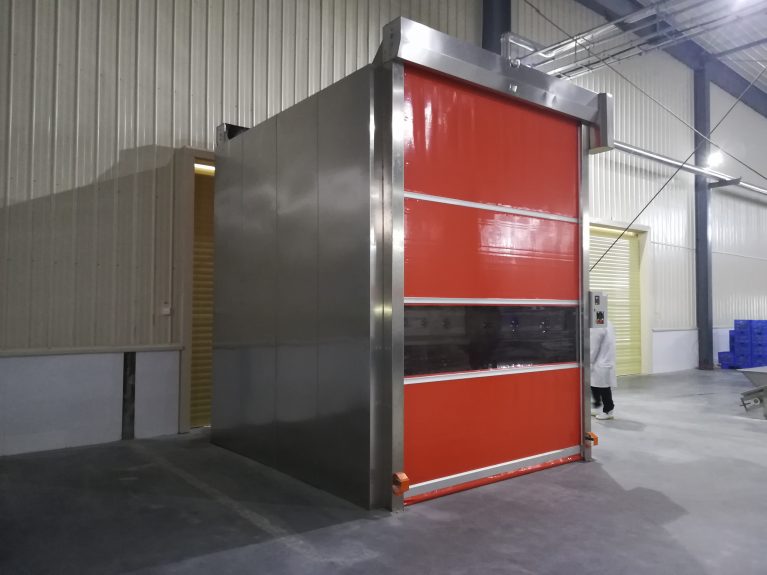
I. Installation Cost: Not Expensive The basic installation cost for a regular goods washing room: several hundred to a few thousand yuan. For a large-scale / automatic door / with conveyor line: a bit more expensive, but still much lower than air conditioners and purification units. Installation conditions are simple A flat ground is sufficient Power connection: 220V / 380V standard electricity No need for complex ductwork or civil engineering renovations Summary: Installation is a small one-time expense. II. Maintenance Cost: Very Low The structure of the goods washing room is simple, with no easily damaged core components. Daily maintenance involves only 3 items: Primary efficiency filter Replace every 3 to 6 months Cost: several tens to over a hundred yuan High efficiency filter Replace every 1 to 2 years Cost: several hundred yuan (standard size) Door seals, door locks, minor maintenance of the fan Replace only once every few years The total cost is very low Annual maintenance cost For a regular goods washing room: only a few hundred to over a thousand yuan, much cheaper than air conditioners, FFU, and clean air conditioning systems. III. The only two factors that truly affect the cost are: Material 201 Stainless
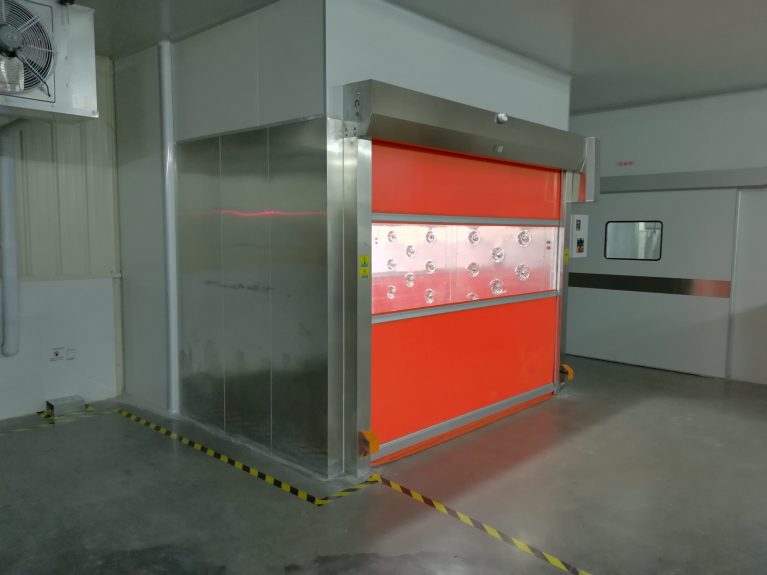
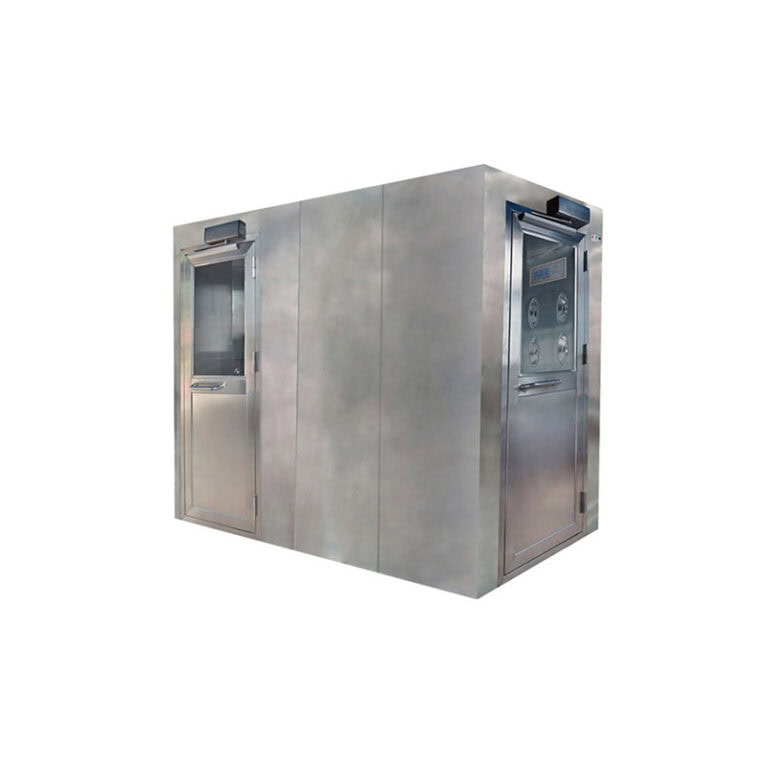
The normal service life of a 304 stainless steel air shower room Normal environment: 8-10 years in dry, clean, low-acid and low-alkali conditions: 10-15 years As long as it is genuine 304 stainless steel and not a counterfeit 201, it is very common to use it for about 10 years. The key factor affecting the lifespan (determining whether you use 8 years or 15 years) Environmental humidity & corrosiveness Dry and dust-free workshop → longest lifespan Food factories, with moisture, disinfectants → slightly shorter, but still much better than 201 Strong acid and strong alkali environment → it is recommended to directly use 316L Stainless steel thickness Regular: 1.0-1.2mm → sufficient Adding 1.5mm or more → more durable, less prone to deformation Daily maintenance Clean regularly, no long-term water accumulation Replace the filter on time → Lifespan directly increases Which components will fail first? (Not the stainless steel itself) The real wear-and-tear parts of the air shower room are these: High-efficiency filter: 1-2 years per replacement Primary filter: 3-6 months per replacement Door gasket, door lock, fan bearing: 3-5 years may require maintenance The stainless steel box itself, basically will not fail So: 304 air shower room = Box lasts
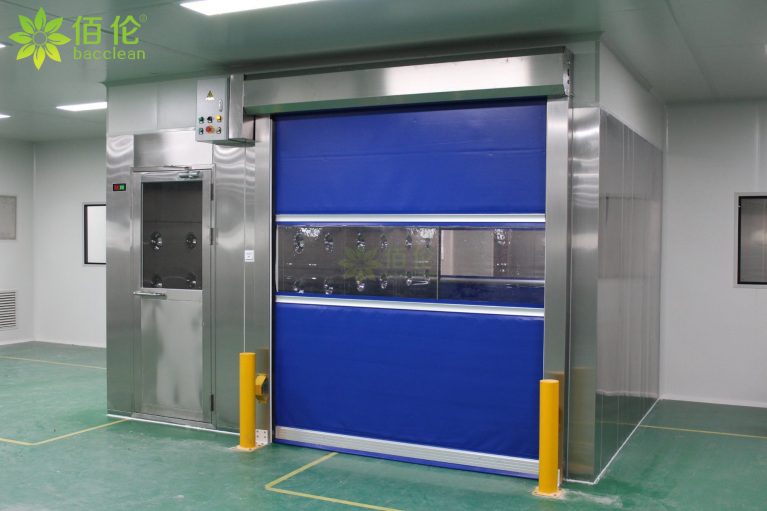
Roll-up style cargo washing rooms are more suitable for large-sized goods, in scenarios with limited space and frequent passage; while automatic sliding door cargo washing rooms have better performance in terms of high cleanliness, sealing, and stability. Here is a detailed comparison: 1. Roll-up style cargo washing room (quick roll-up door) Advantages High space utilization: Vertical lifting, no lateral space occupation, suitable for narrow passageways and goods that are too wide. High passage efficiency: Switching speed is fast (0.8–1.2m/s), 1–2 seconds to complete the lifting, suitable for frequent entry and exit of forklifts / AGVs / large equipment. Good impact resistance: PVC / wear-resistant curtain fabric material, less likely to be damaged by goods, suitable for heavy-load logistics. Low maintenance cost: Simple structure (roller + curtain fabric), few wear parts, easy maintenance. Suitable for large sizes: Can be made as ultra-wide / ultra-high door openings, no risk of cargo blocking. Disadvantages Poor sealing: There are gaps between curtain pieces and at the bottom, the wind leakage rate is higher than that of sliding doors, high cleanliness scenarios require enhanced sealing. High noise: Loud when rapidly lifting. Poor insulation / sound insulation: The curtain fabric is thin, the heat insulation and
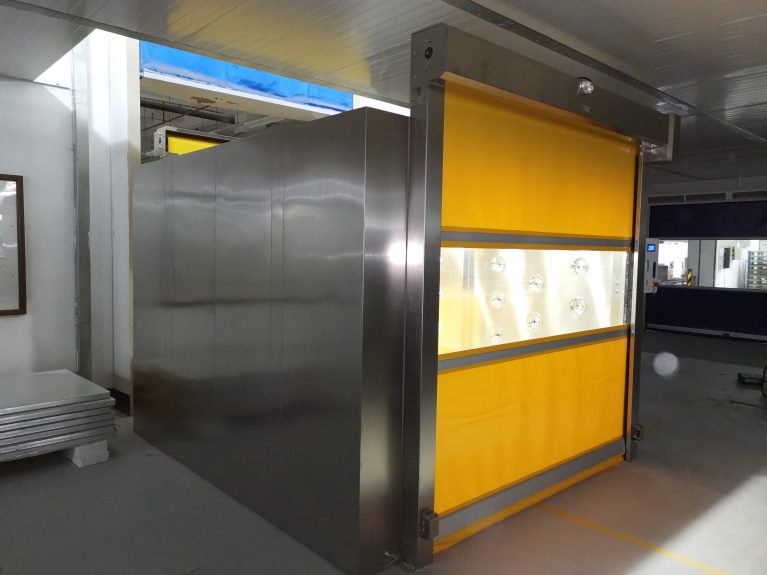
1. First, look at the 3 most crucial conditions (determining the type of door) Is the channel width sufficient? Is there space on both sides? → Choose an automatic sliding door (with good sealing and high cleanliness) Is the channel narrow and without side positions? → Must be a rolling shutter door What is the size of the goods? Small carts, pallets → A sliding door is sufficient Extremely wide, extremely tall, for forklifts / AGVs → A rolling shutter door What is the cleanliness level? Class 100 / Class 1000 / strict GMP → Prefer a sliding door Class 10,000 / Class 100,000 / logistics passage → A rolling shutter door is more cost-effective 2. Then determine the type of washroom Single-person single-air shower room: for personnel, not for goods Washroom (double-door interlocked): dedicated for goods Washroom passage: for large-scale continuous cargo passage Corner washroom (L-shaped): limited space, requires turning 3. Match quickly according to the usage scenario Food / Medicine / Electronics high cleanliness Automatic sliding door washroom → Strong sealing, easy cleaning, in line with GMP Warehouse / Logistics / Frequent entry and exit of workshops Rolling shutter door washroom → Resistant to impact, quick opening, no
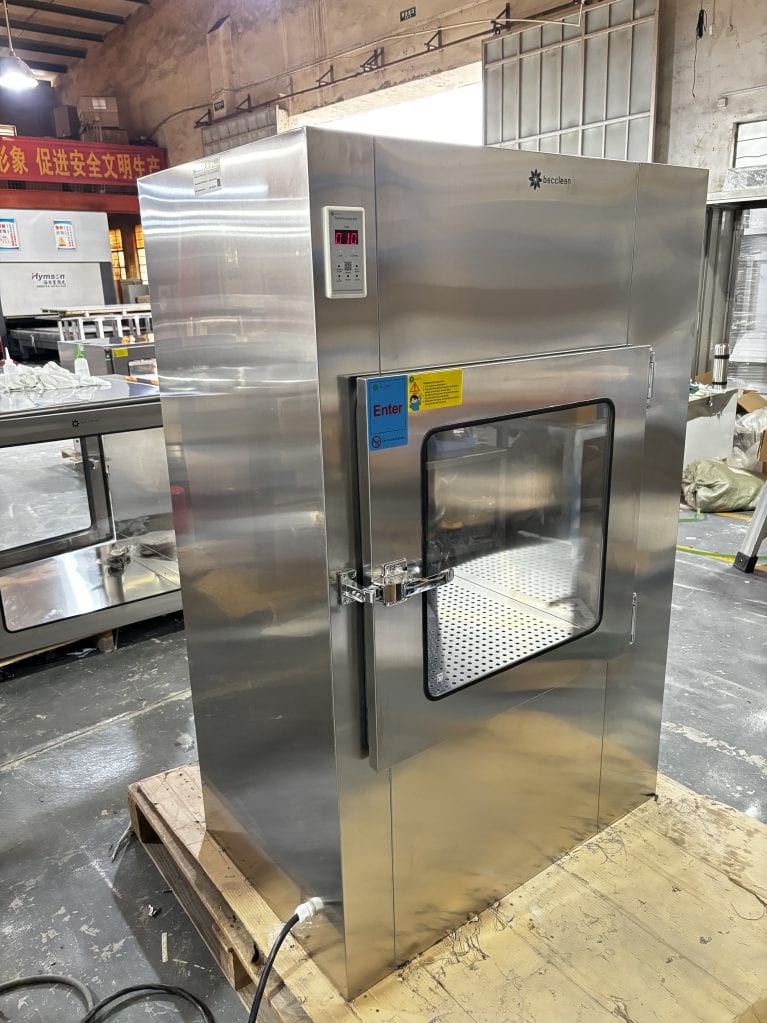
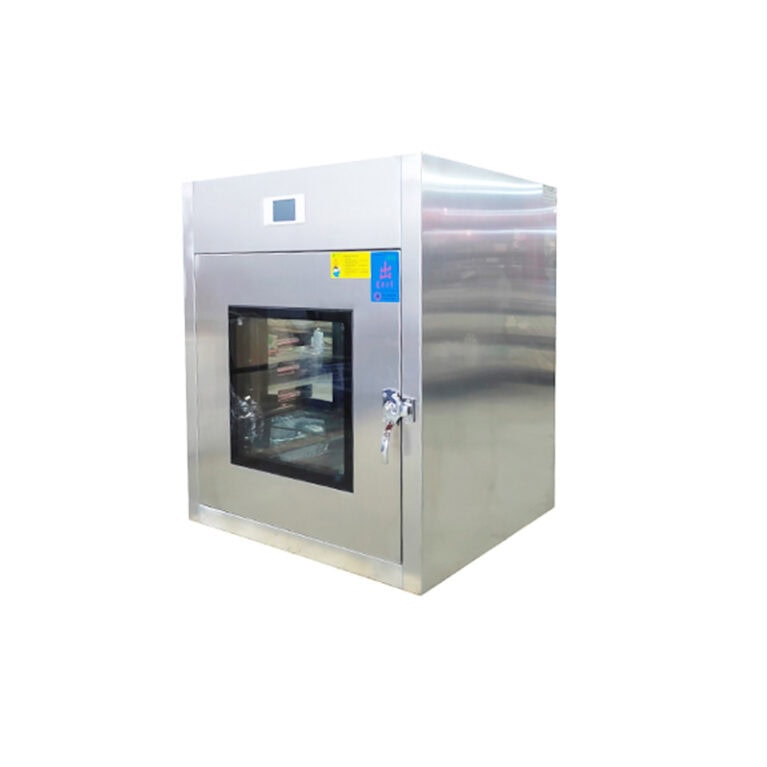
Installation requirements for the high-efficiency filter of the air shower transfer window The installation position is generally at the top of the air shower transfer window or in the rear blower compartment, located before the blower outlet and the air shower nozzle. → Ensure that the air is filtered first and then blown out from the nozzle. Sealing requirements (most critical) The filter must be sealed tightly all around, without any air leakage or gaps. Common sealing strips / sealing gaskets, pressed tightly without deformation. Side leakage or bypass flow is strictly prohibited. Otherwise, it is equivalent to no filtration. The direction must not be installed reversed. Inlet surface: facing the blower and the duct side Outlet surface: facing the air shower chamber and the nozzle side Most filter materials have arrow markings indicating the direction of air flow. The arrow must point downward / towards the outlet. Installation must be flat and without compression. The frame must not be distorted, squeezed, stepped on, or pressed and collided with the filter paper. Ensure that the frame is evenly stressed to avoid cracking and air leakage. Installation environment requirements Disassemble and assemble in a clean environment to prevent dust from falling
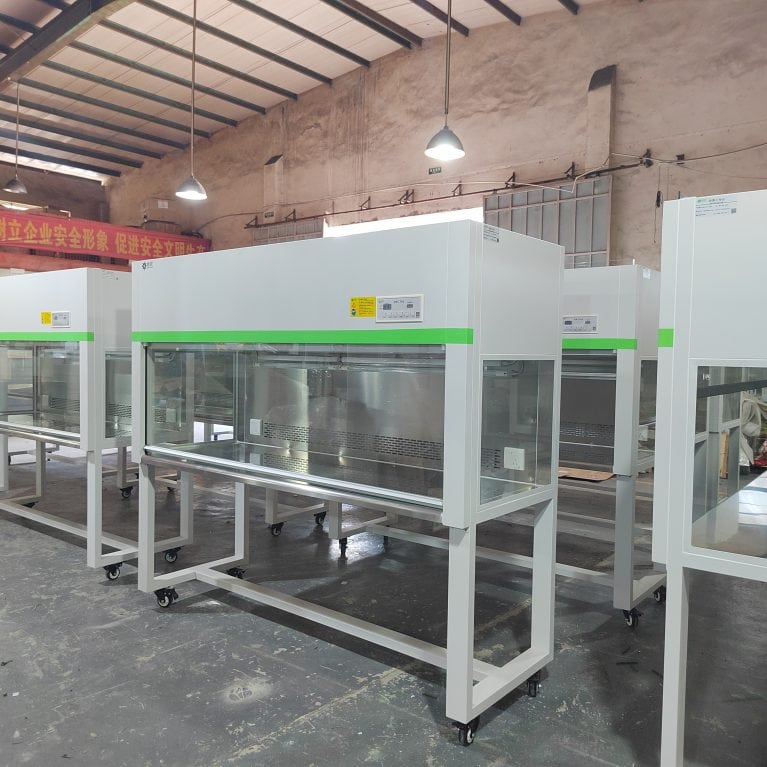
The overall service life of the horizontal flow ultra-clean workstation is 5 to 10 years. Core components need to be replaced periodically; proper maintenance can significantly extend the lifespan and ensure cleanliness. 1. Service Life (Whole Machine and Core Components) 1. Whole Machine Service Life Normal conditions: 5–8 years (ordinary laboratories, moderate usage frequency) Good maintenance + clean environment: 8–10 years (even longer) High load / high pollution scenarios: It is recommended to conduct a comprehensive performance assessment every 5 years to determine whether a major repair or replacement is necessary. 2. Core Component Replacement Cycle Component Replacement / Maintenance Cycle Change the basis for judgment Primary filter Weekly cleaning; replace every 3-6 months (for high dust content, replace every 1-3 months) Severe dust accumulation, high resistance, and decreased wind speed High-efficiency particulate air filter (HEPA) 2-3 years (regular); 1-2 years (high load) Wind speed < 0.25m/s, leakage, and non-compliance with cleanliness standards Fan Design life of 5 to 8 years Strange noises, vibrations, and continuous decrease in air volume Ultraviolet lamp 2000 – 3000 hours (approximately 1 year) The brightness has significantly decreased and turned dark. Lighting / Circuit LED lights: 3 – 5 years; Circuit: 5 – 10
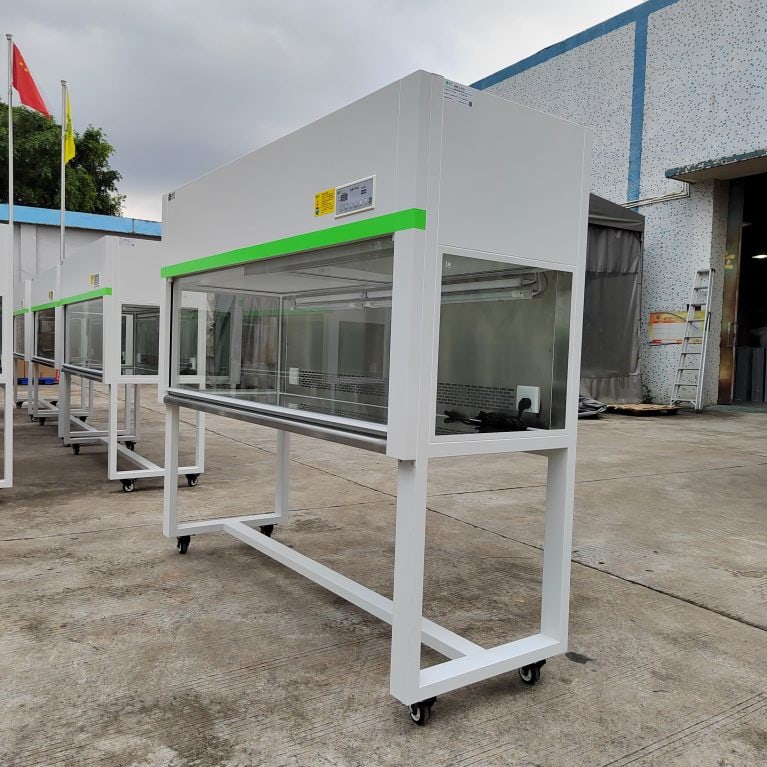
I will prepare for you a detailed, step-by-step standard procedure specifically about the replacement of the horizontal flow ultra-clean workbench and the HEPA filter. It is straightforward and can be followed directly. There are no unnecessary details. This procedure can be used as an SOP in both workshops and laboratories. Horizontal flow ultra-clean workbench Detailed steps for HEPA filter replacement 1. Before replacement (must be done first) Confirm that it is a HEPA filter For horizontal flow workbench: The HEPA filter is located at the rear air supply position, not at the return air inlet. It cannot be washed or tapped. It is a one-time consumable. Replacement signal (any one of the following conditions is sufficient) The pressure difference reading significantly increases, exceeding the normal value by more than 30% The wind speed significantly decreases and the cleanliness does not meet the standard It has been in use for 6-12 months (frequent use) The filter is deformed, leaking, or the rubber strip is aging Preparation items Same model new HEPA filter (with certificate of conformity) Cross-head screwdriver Dust-free cloth + 75% alcohol Dust-free gloves, mask, clean suit Seal bag (for old filter) Safety prerequisite Must be powered off! Unplug the
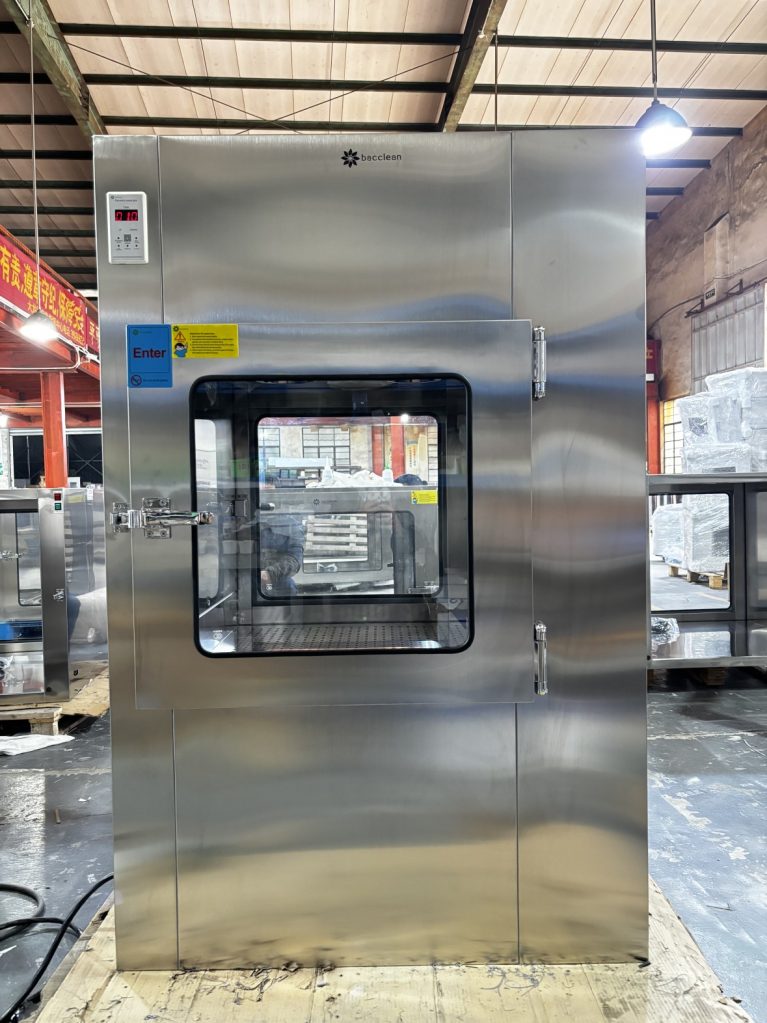
Here is a set of preventive measures for unstable pressure differential readings of the air shower transfer window that can be directly implemented on-site, are simple and easy to remember, and are suitable for training, posting on the wall, and creating an SOP: Unstable pressure differential readings of the pressure differential meter Prevention measures 1. Daily operation prevention (most critical and effective) Do not open both doors simultaneously Always ensure the electronic interlock is normal, prevent direct connection between the clean area and the non-clean area, and avoid chaotic airflow and sudden pressure differences. Close the door tightly After each use, confirm that the door body is completely closed, and the sealing strip is seamlessly attached without any gaps. Do not block the nozzle or the air duct with items Place the transfer materials centrally, do not block the air shower nozzle or the return air filter, to ensure stable airflow. Do not open the door or disturb during the air shower operation Do not touch the door or move items during the air shower, to avoid sudden changes in pressure. 2. Daily maintenance prevention of pressure differential meter and pressure guiding tube Calibrate the zero position once a month
