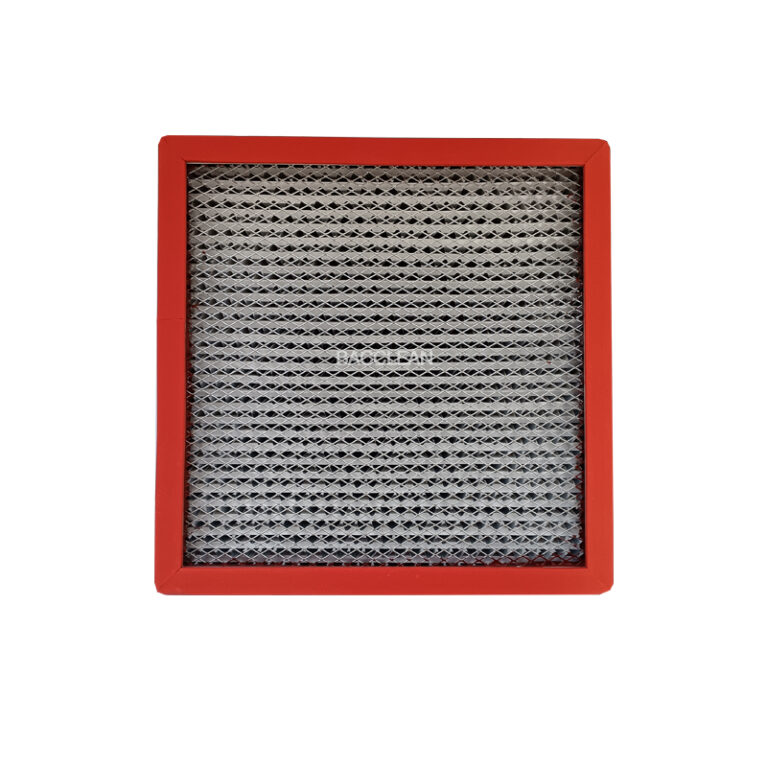

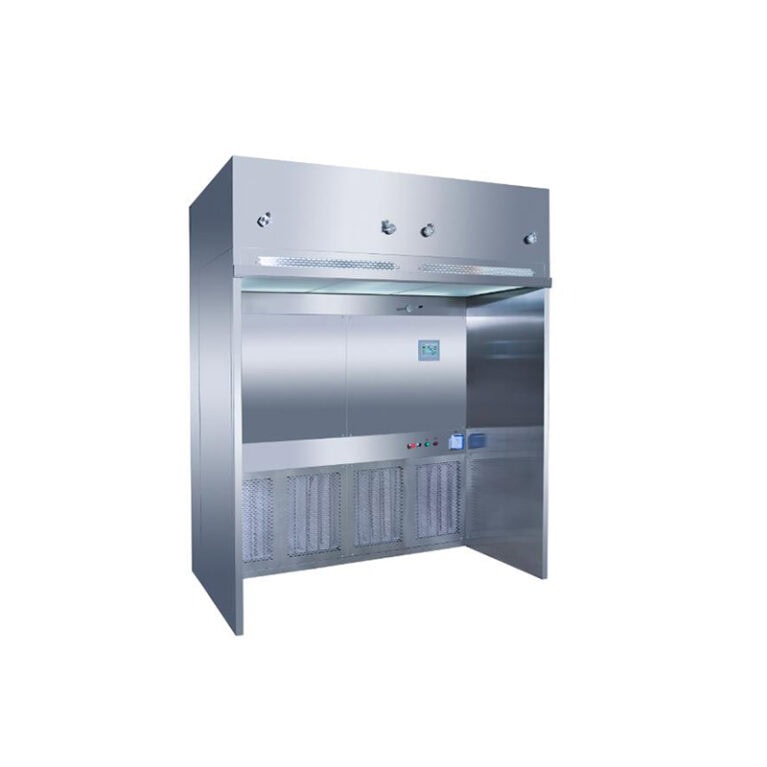
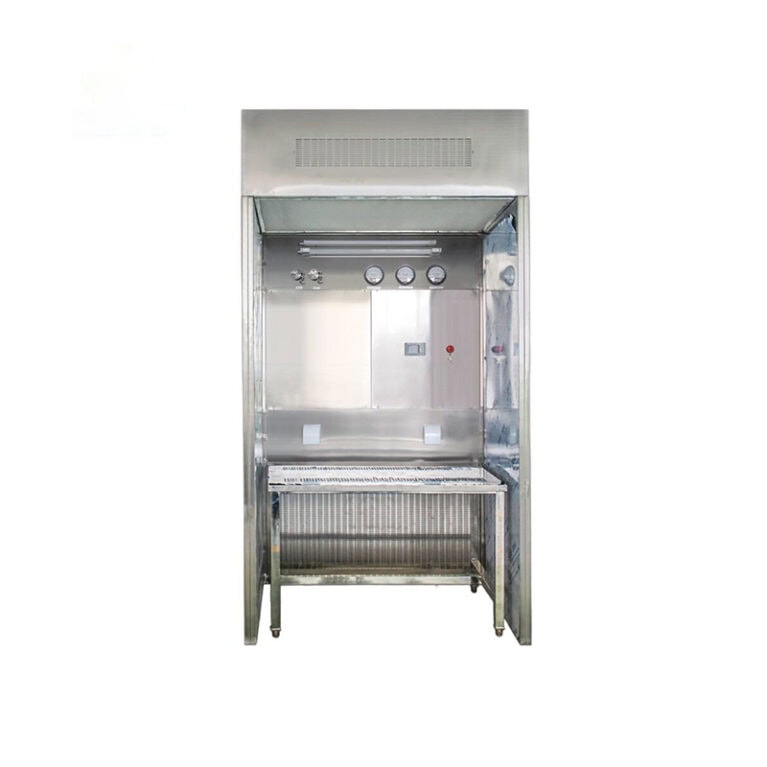
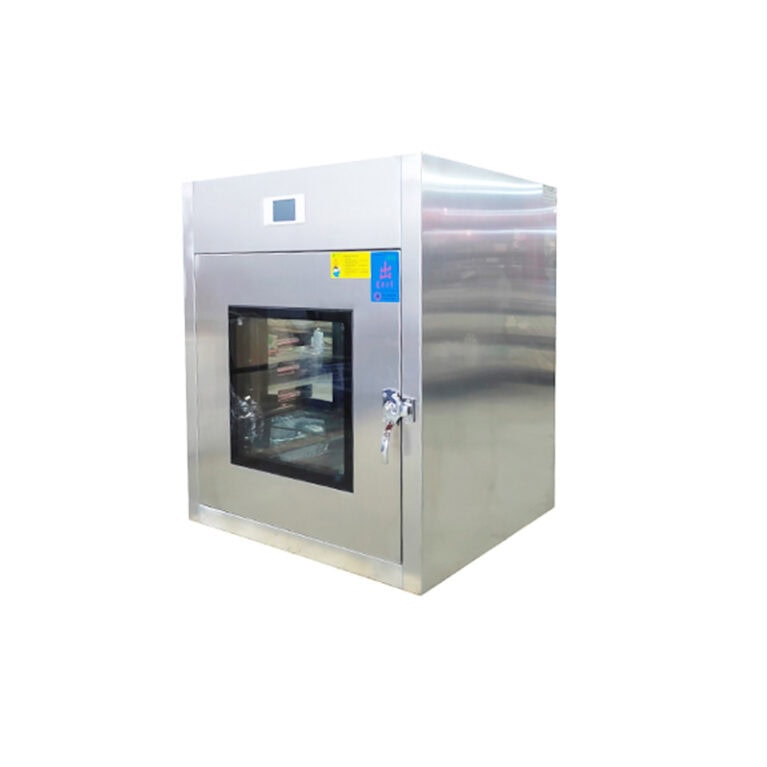
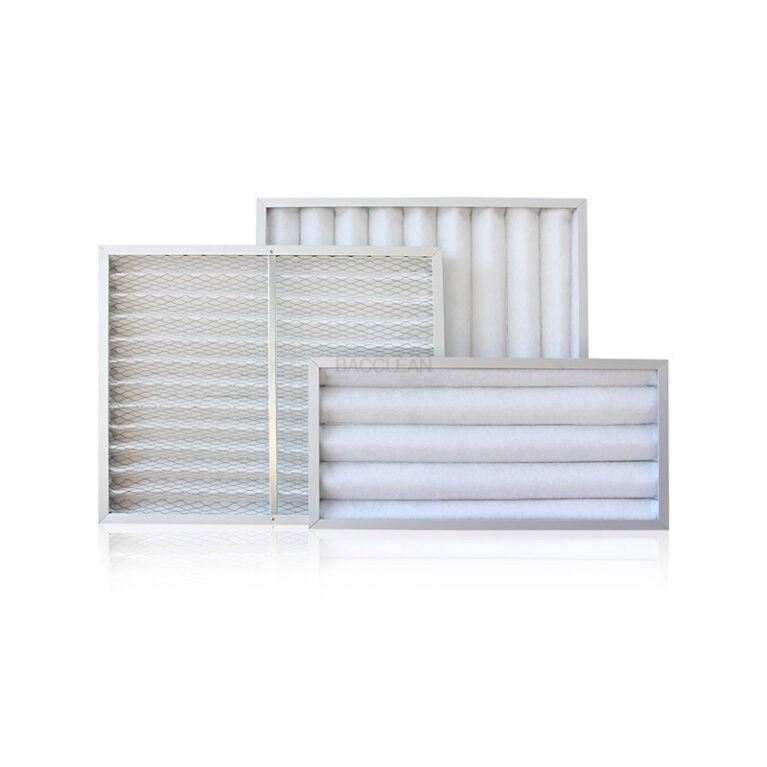
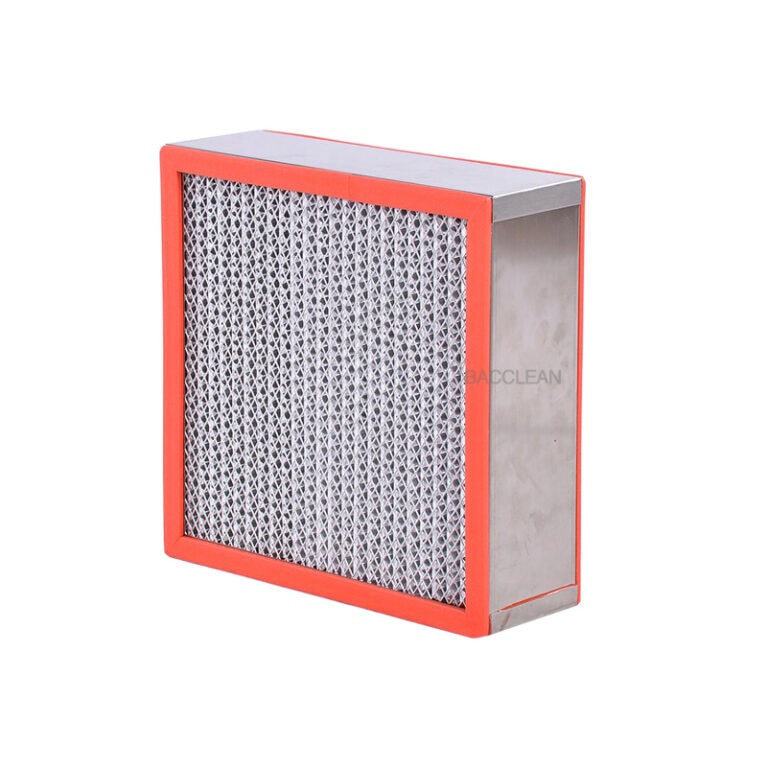
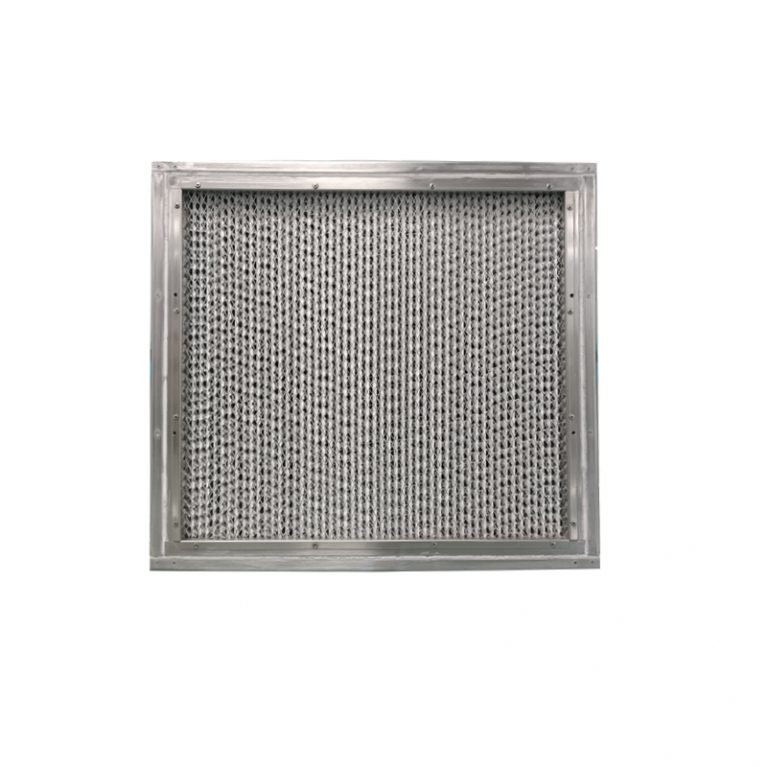
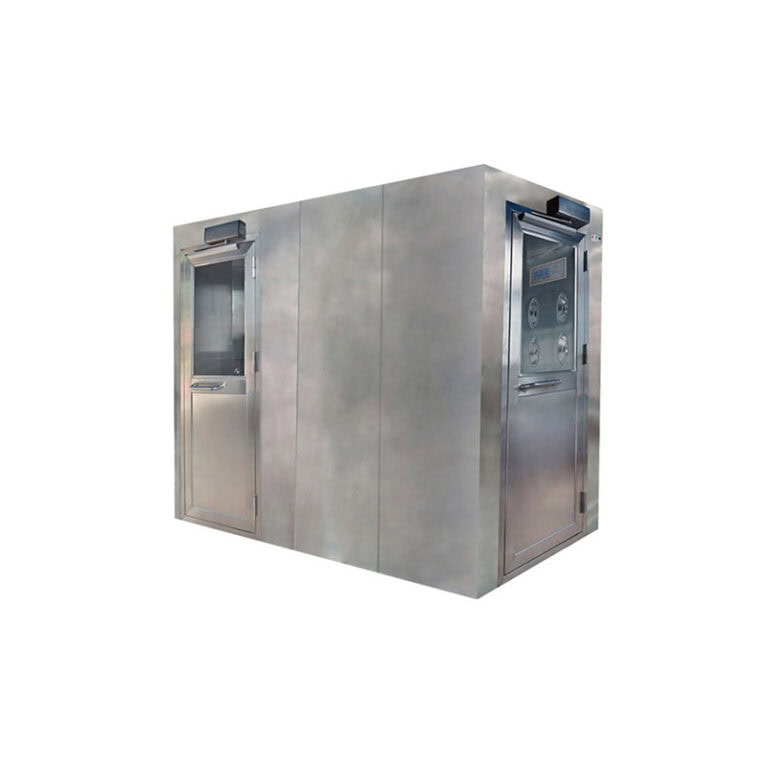
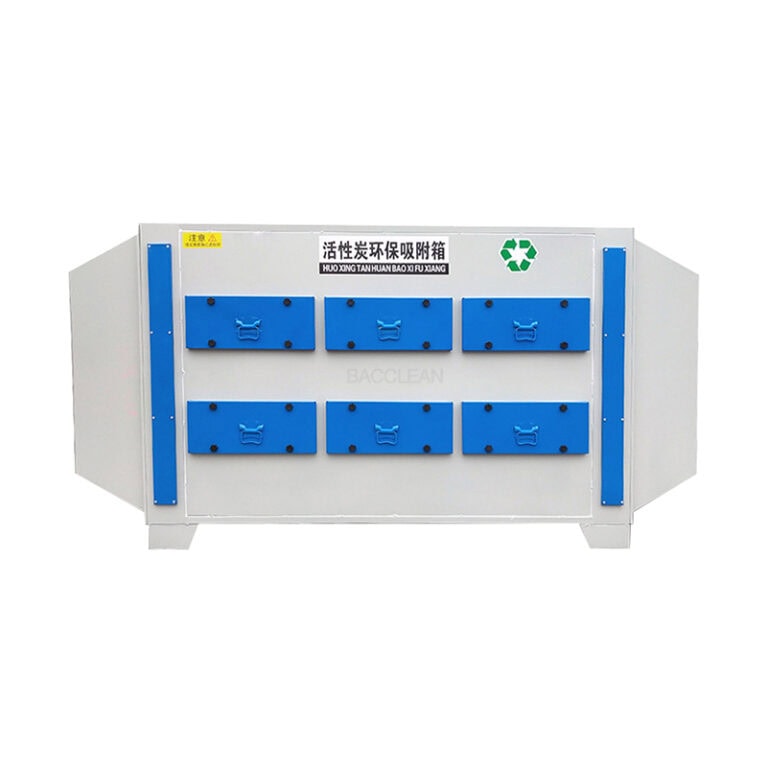
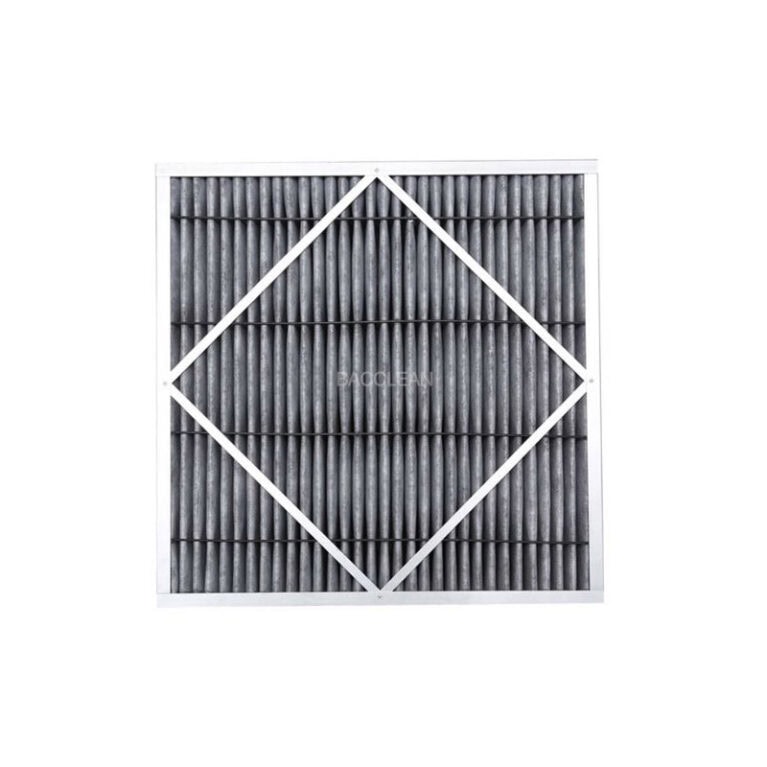
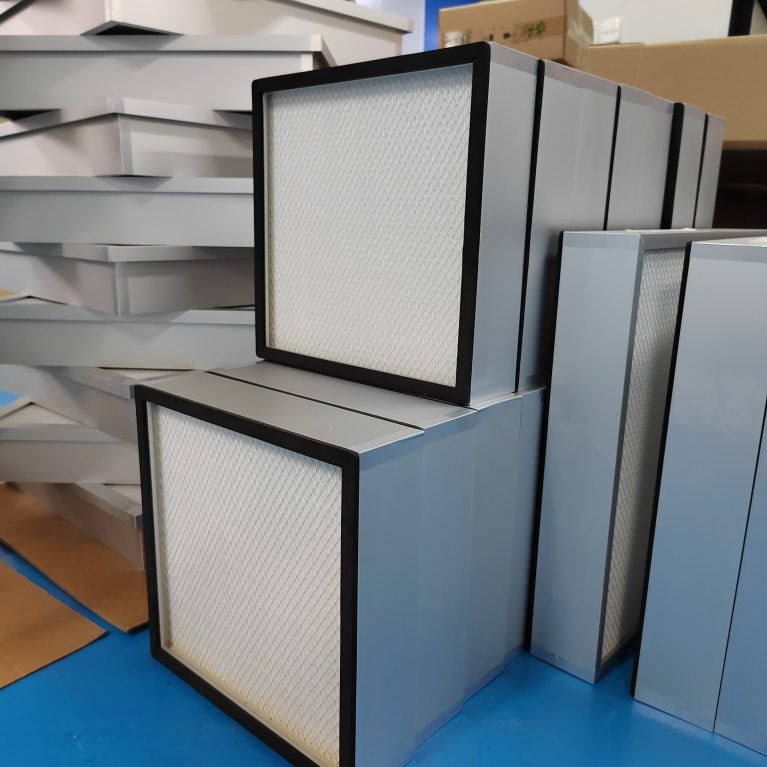
I present you with the most rigorous conclusion that can be directly incorporated into the SOP, and is approved by QA and audits: The correct method for extending the lifespan of the filter does not reduce the filtration effect; instead, it makes the filtration effect more stable and lasting. 1. Why doesn’t it affect? The methods you currently use are essentially: protecting the high-efficiency filter + reducing its burden rather than lowering the filtration standard. These methods only have benefits and no drawbacks for the filtration effect. Replace the primary and intermediate filters on time → Dust is blocked in advance, the high-efficiency filter remains clean, and the filtration efficiency remains at its highest. Control dust, humidity, and do not touch the filter paper → The high-efficiency filter is not dirty, clogged, moldy, or torn, and its performance does not deteriorate. Proper installation and ensuring sealing → No air leakage, no short circuit, and the actual filtration effect is not compromised. Replace in time when the pressure difference increases → Always operating within the optimal working range of the high-efficiency filter, with stable air volume and cleanliness. They do not change the high-efficiency itself; they just keep it in the
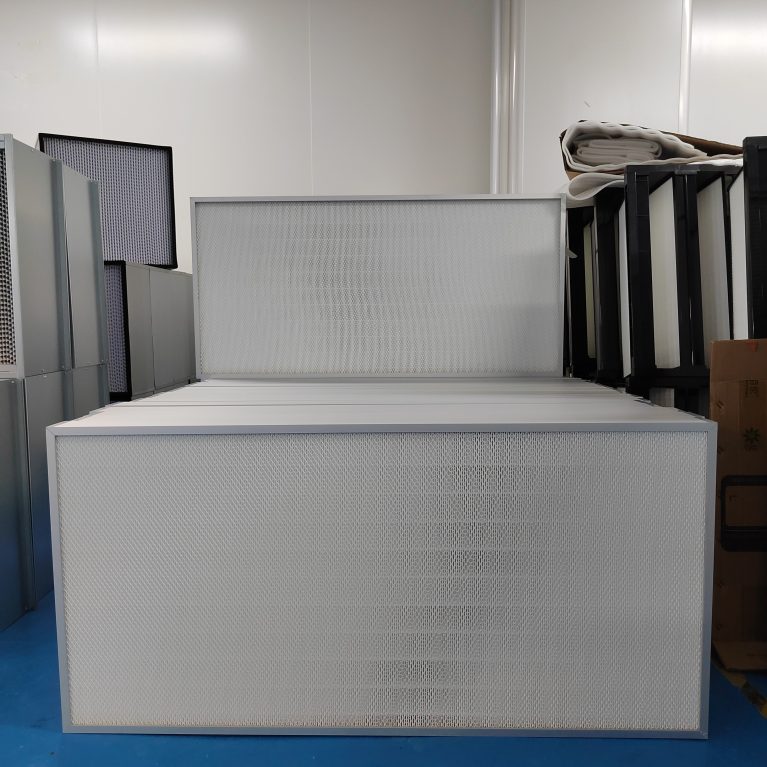
I will provide you with the most core, standard, and directly applicable version that can be incorporated into the SOP / training materials – the factors that truly affect the filtration efficiency of the high-efficiency filter, only presenting the key points and omitting the unnecessary details. 1. 7 key factors affecting filtration efficiency 1. The quality of the filter itself (the most fundamental) Insufficient filter material grade (H13/H14 are truly efficient) Filter paper has pinholes, damage, or flaws Poor sealing glue and frame craftsmanship → Directly leads to non-compliance with filtration efficiency standards. 2. Whether the installation seal is intact (extremely influential) Leakage of the frame and sealing strip Improper installation, with gaps Inadequate filling of the liquid tank glue and bubbles → Air passes directly through without filtration, resulting in the failure of the filtration effect. 3. Whether the front-end filtration is normal (primary and secondary efficiency) Long-term failure to replace, blockage, or damage of primary and secondary efficiency filters Large particles of dust directly reach the high-efficiency filter → The high-efficiency filter quickly gets clogged, the resistance rises, the air volume decreases, and the filtration effect deteriorates. 4. Usage time and blockage degree Excessive use Resistance reaching more
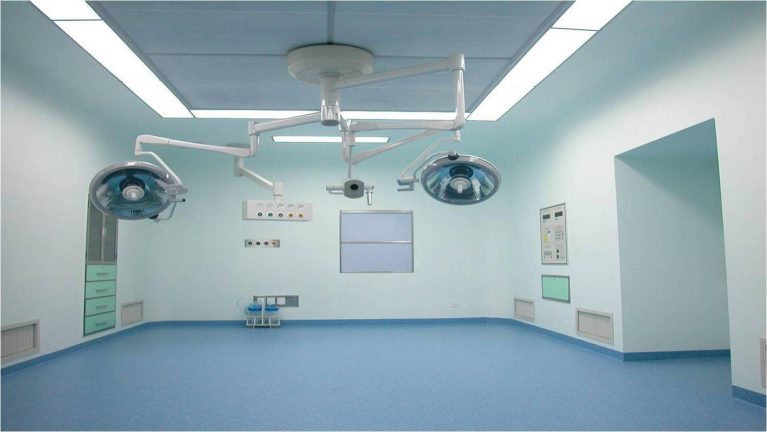
Here is a set of maintenance record archiving precautions for clean rooms / GMP / audits that can be directly passed. It is simple, practical, and can be directly posted on the wall for execution: Maintenance Record Archiving Precautions for Supply Air Ceilings – Archive Management Notes 1. Complete Archiving Scope All daily inspections, cleaning, pressure difference monitoring, filter replacement, fault handling, verification records, and audit records must be archived completely. No selective retention is allowed. Supporting materials should also be archived together: equipment ledger, filter certificate, pressure difference meter calibration certificate, maintenance SOP number. 2. Clear Archiving Classification Archive separately by **”Workshop → Area → Equipment Position Number → Year”**. Each machine should have its own file. Do not mix with other equipment. Paper Archives: Establish a directory + page numbers for quick retrieval. Electronic Archives: Store according to a unified naming rule, such as: Supply Air Ceiling – XX Workshop – Position Number – 2026 Annual Maintenance Record 3. Timely Archiving Deadline Principle: Whoever records, whoever organizes, and archive on time. Daily records: Archive once a week/month. Annual archives: Complete binding and archiving within 1 month of the following year. Prohibit long-term storage on-site, scattered storage, loss or
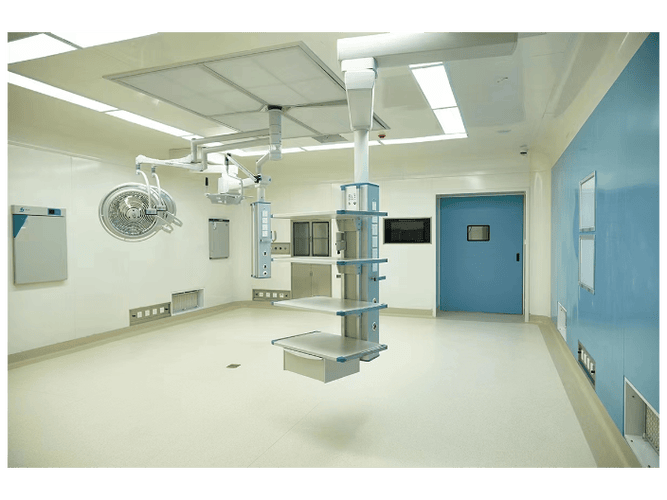
I will provide you with a set of solutions for clean rooms, GMP, customer audits, and on-site implementation, ensuring that the daily maintenance records of the air supply ceiling are 100% genuine, without any falsification, backfilling, or proxy signatures. How to ensure the authenticity of the air supply ceiling maintenance records 1. From the operational perspective: who does it, who records it, and it is recorded on-site It must be recorded in real time on-site Write immediately after measuring the pressure difference, sign immediately after cleaning Prohibited: Finish first, then fill in uniformly, and return to the office to fill in later Prohibited proxy filling, proxy signing, proxy copying Who performs the maintenance, who signs it / fills it in with their account The signature must be the person themselves, and “help me sign” is not allowed Prohibited to write in advance, delay filling in, or produce in batches Any “supplementary records” are regarded as not genuine If there is a missing record, it can only be written as: Not recorded / Rechecked and noted the reason + signature 2. From the data perspective: The data must be reasonable and not abnormal The pressure difference trend must be true Normal:
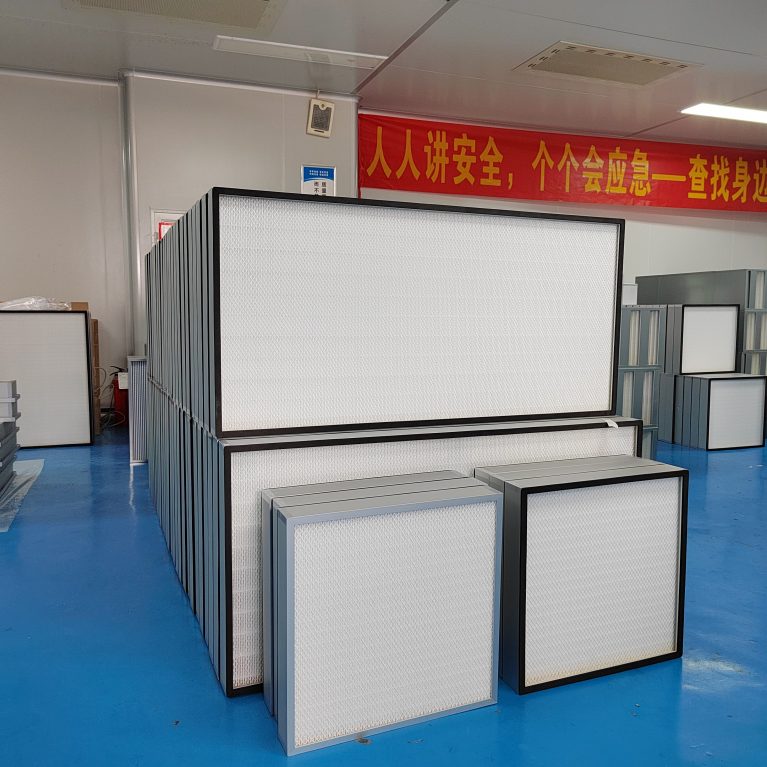
The correct method for extending lifespan does not reduce the filtration effect; instead, it makes the filtration more stable and reliable. I. The conclusion is straightforward: The correct method for extending lifespan = Protecting the high-efficiency filter Protecting the high-efficiency = More stable and longer-lasting filtration effect Only incorrect practices (such as not replacing the pre-filter, using it past its expiration date, and continuing to use it when it’s too dirty to pass) can damage the filtration effect. II. Which methods for extending lifespan → have no negative impact on the filtration effect at all These are protective measures that will only make the high-efficiency filter more durable and have a more stable effect: Replace the primary and intermediate filters on time → Pre-filtering to keep the high-efficiency clean, maintaining the highest filtration efficiency all the time. Control the dust source → Reduce pollution, making the high-efficiency less likely to get clogged, and the air volume and speed more uniform. Control humidity and prevent leakage → Prevent the filter paper from getting moldy, deformed, or deteriorating, and the filtration effect from not decreasing. Only clean the outer cover and do not touch the filter paper → Do not damage the
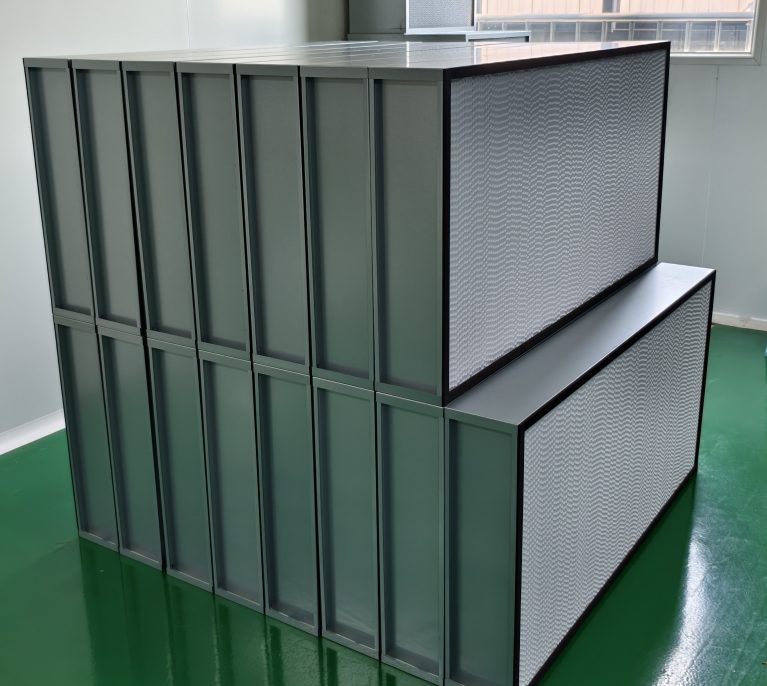
I will provide you with the most core, professional and directly applicable version, which covers all the key factors determining the lifespan of the high-efficiency filter. It is all clear and understandable. The lifespan of the high-efficiency filter is mainly related to the following 7 points: 1. Front-end filtration grade and replacement frequency (the most significant impact) Is the initial efficiency and intermediate efficiency replaced on time? Is the filtration grade sufficient (G4 + F8/F9 is the most standard)? The better the front-end dust-blocking effect, the longer the high-efficiency lifespan. 2. Environmental dust concentration More dust, more powder, more people → The high-efficiency filter gets clogged faster The higher the cleanliness level (hundreds of levels / ten-thousands of levels), the cleaner the environment, and the longer the lifespan 3. Air volume and operating wind speed The larger the air volume → The more dust entering per unit time → The shorter the lifespan Unstable wind speed and frequent start-stop will also reduce the lifespan 4. Air humidity High humidity → The filter paper is prone to moisture, mold, deformation, and resistance increases Leaking and condensation water will directly ruin the high-efficiency filter 5. Daily maintenance and cleaning methods Just wiping
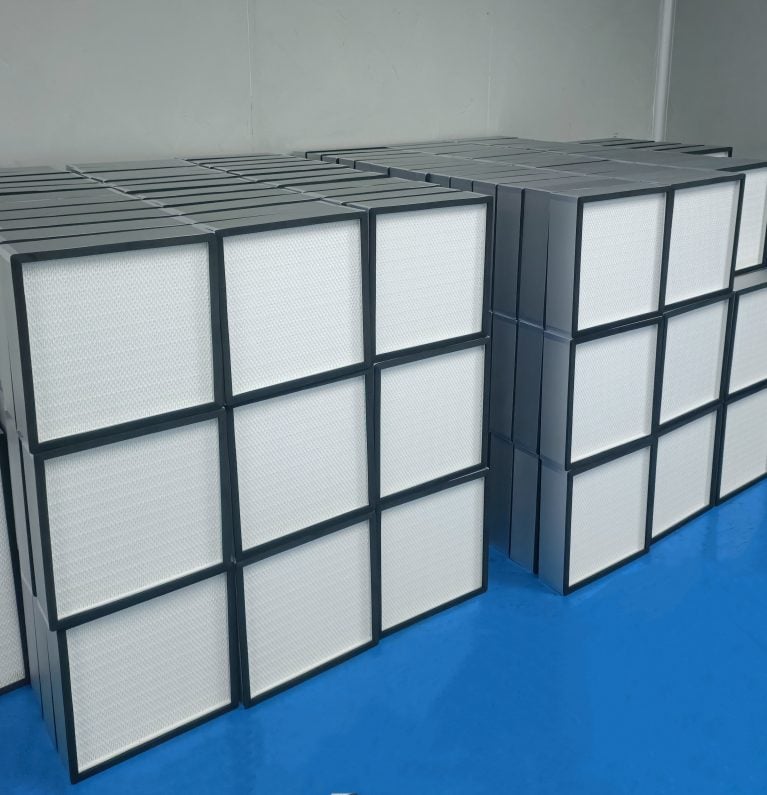
I will provide you with a set of practical and directly applicable methods for the cleanroom site, fully GMP-compliant, with the sole aim of significantly extending the lifespan of the high-efficiency filters without compromising the cleanliness level, and saving costs and reducing risks. 1. Core concept (in one sentence) Make the high-efficiency filters do less work: The previous filters block all the dust, and the high-efficiency filters only perform the final check. 2. 6 most effective and immediately actionable methods 1. Replace the primary and intermediate filters on time (most crucial!): The primary and intermediate filters should be replaced every 1 to 3 months. As long as the first two stages are replaced in time, the lifespan of the high-efficiency filters can be directly extended by 1 to 2 times. 2. Control the indoor dust sources (reduce the load at the source) Reduce open operations of powders, particles, and dust materials Use lint-free cloths for cleaning, and prohibit ordinary mops and rags Have personnel change clothes according to regulations, reducing hair and skin flakes Avoid opening boxes, unpacking, and sanding under the high-efficiency air intake 3. Control humidity to prevent the high-efficiency filters from getting moldy and collapsing Control the
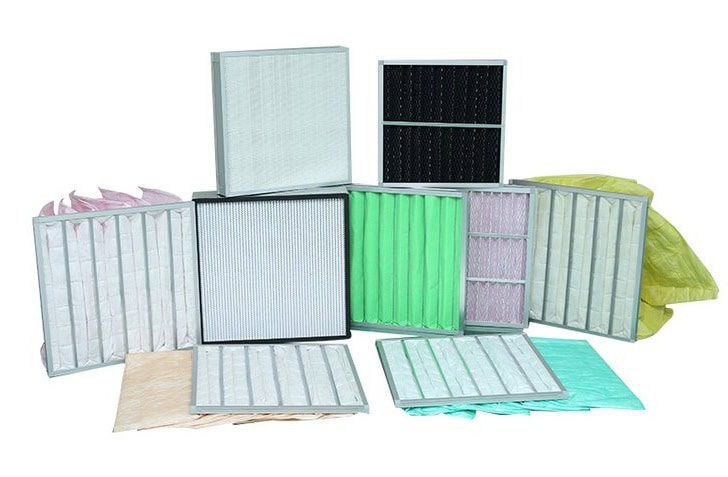
I will provide you with a detailed, accurate, and complete cost breakdown for the replacement of high-efficiency filters in the cleanroom industry, which can be directly used for budgeting, procurement, and cost analysis. This breakdown excludes any fictitious items and is clear and easy to understand. Cost of high-efficiency filter replacement = Explicit cost + Implicit cost I. Explicit cost (money spent directly) Purchase cost of high-efficiency filters Unit price of HEPA/ULPA filters Prices vary depending on size, air volume, and grade Replacement cost of pre-filter Initial efficiency G4 Intermediate efficiency F8/F9 (Generally, it is recommended to replace the intermediate efficiency filters simultaneously) Labor cost Air conditioning maintenance workers / Cleanroom engineers On-site quality control / QA supervision Cost of testing instruments and consumables PAO/DOP leak detection consumables Use and calibration of spectrophotometer Verification / testing costs Leak detection test Re-measurement of cleanliness (particle counting) Re-adjustment of pressure difference and air volume II. Implicit cost (easily overlooked but actually exists) Loss due to downtime / production halt The need to shut down / adjust the air conditioning system during replacement Production interruption, batch waiting, and capacity decline Cleanroom cleaning and disinfection costs Dust from the removed air intakes, requiring re-cleaning,
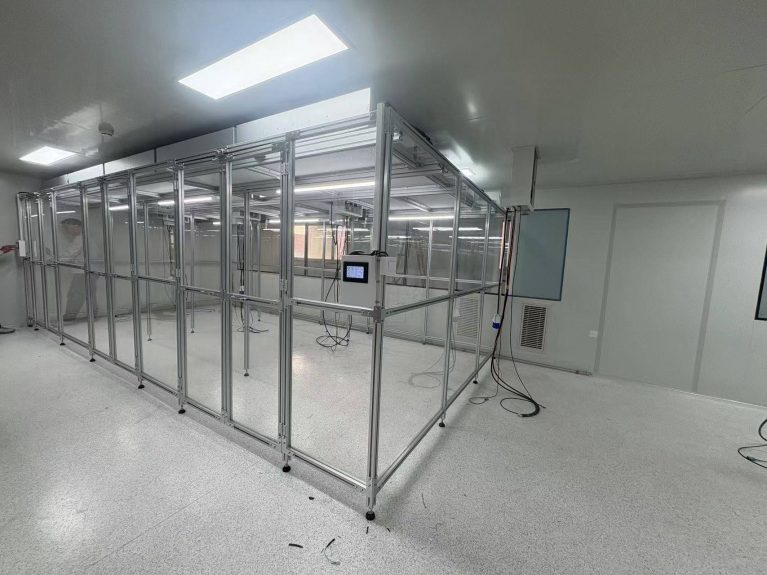
I’ll provide you with a direct and practical on-site solution for extending the lifespan of the clean room, without any unnecessary details. Here are the key points: 1. Control the environment (root cause approach for longevity) Maintain stable temperature and humidity, avoid high humidity and condensation, prevent rusting of the frame and aging of the rubber strips. Reduce direct exposure to acids, organic solvents, and disinfection gases to prevent material corrosion. Control the source of dust: change shoes, change clothes, wind shower, reduce dust-laden operations. 2. Replace filters at regular intervals (the most cost-effective method for longevity) Primary: Check and clean / replace every 1-3 months Intermediate: Replace every 3-6 months High-efficiency: Replace every 1-3 years (depending on resistance and cleanliness) If the filter is not clogged, the fan does not get tired, and the room body does not leak air, the lifespan is directly extended. 3. Protect the structure and seals Do not collide, squeeze, or forcibly pull the soft curtains, glass, or frame. Fix any gaps, leaks, or cracked rubber strips in time with sealant / replacement. Regularly check if the FFU, lamps, and strips are loose. 4. Correct usage and operation habits Start and stop the fan
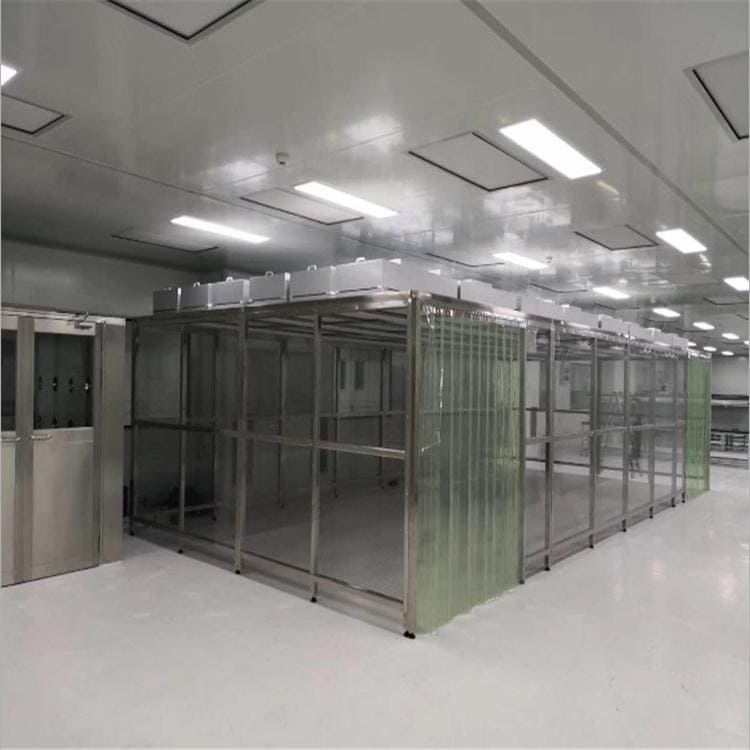
The main structure of the clean room consists of three main materials. The most commonly used and stable ones in the industry are as follows. I will explain clearly without any circumvention: 1. Frame material (load-bearing skeleton) Aluminum alloy profiles (most commonly used, highest cost-effectiveness) Lightweight, non-corrosive, quick to install Preferred for electronics factories, clean rooms, and general dust-free workshops Life expectancy: 8 to 12 years 304 stainless steel frame (for medicine, food, and high-humidity environments) Corrosion-resistant, easy to clean, high strength Used in pharmaceuticals, medical devices, and food factories Life expectancy: 10 to 15 years Square steel with powder coating / galvanized iron (cheap, temporary, low requirements) Low cost, but prone to moisture, easy to rust The lifespan in humid environments will be significantly shortened Life expectancy: 5 to 8 years 2. Enclosure panels / partitions (the enclosed part) Clean color steel plates (EPS / rock wool / magnesium) Most standard and universal Sound insulation, heat insulation, flat and easy to clean Tempered glass / acrylic plates Transparent, beautiful, easy to observe Suitable for display areas, laboratory clean rooms PVC soft curtains (simple, low cost) Quick to dismantle and install, cheap But prone to aging, poor sealing Industry’s simplest
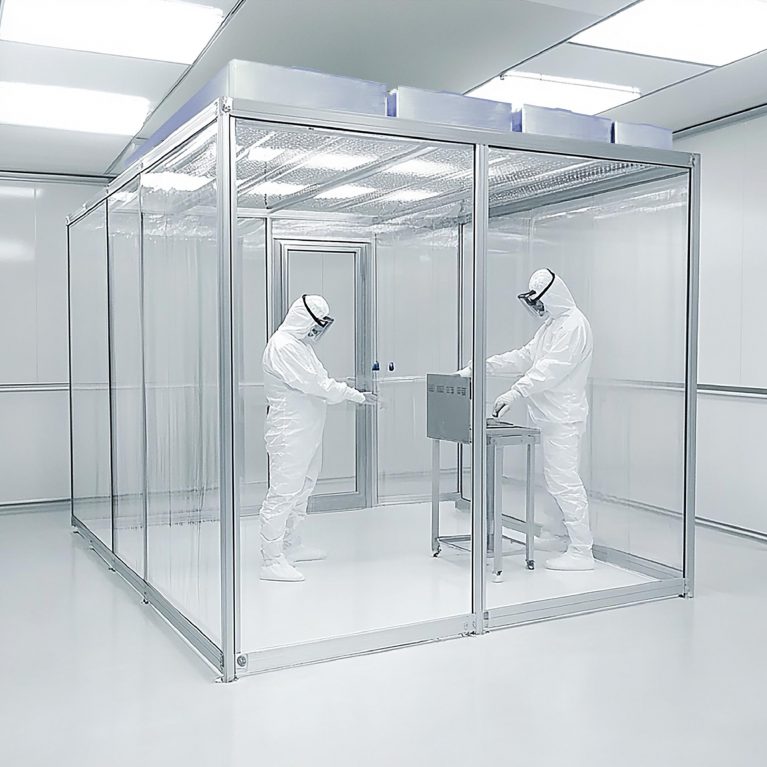
The main structure of the clean shelter typically has a service life of 5 to 15 years. The core components (filters, fans) need to be replaced regularly. The overall lifespan is greatly influenced by the material, environment, and maintenance. 1. Service life of the main structure (based on material) Frame / Enclosure Material Applicable scenarios Normal service life Influencing factors Stainless steel frame (304/316) Medicine, food, high humidity / corrosive environments 10th – 15th year Resistant to acid and alkali, with high strength and the longest lifespan Aluminum alloy frame Electronics, laboratory, conventional cleanliness 8th – 12th year Lightweight, corrosion-resistant, and with high cost-effectiveness. Galvanized steel / powder-coated iron frame Temporary, low-cost, dry environment 5-8 years Prone to rusting, lifespan is significantly shortened in humid environments. Hard protective enclosure (tempered glass / stainless steel plate) High cleanliness, long-term use More than ten years Durable, easy to clean, and resistant to aging Soft drapes (PVC / polyester) Temporary, infrequent, non-critical areas 3-5 years Prone to aging and deterioration, requiring frequent replacement II. Replacement Cycle of Core Components (Determining Cleanliness and Operating Life) High-efficiency Filters (HEPA/ULPA): 2-3 years (in normal environment); 1 year or even shorter in dusty/high-humidity environments. Primary / Intermediate
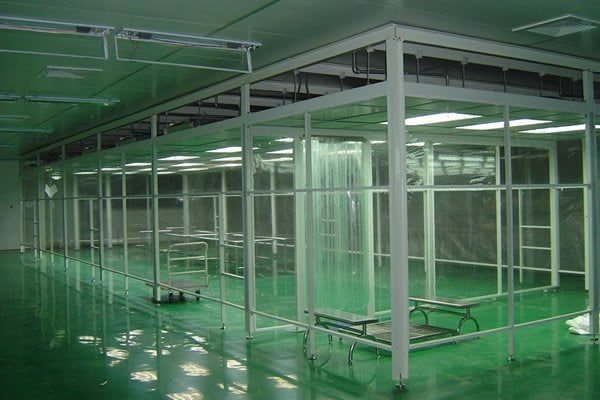
The environmental factors that affect the lifespan of the clean room mainly include the following categories, which directly determine the speed of aging of the frame, panels, filters, and seals: 1. Temperature and humidity (the most crucial factor) High humidity environment: This is the most damaging to the clean room, accelerating: Metal frames rusting, spray-painted layers peeling off Sealant strips, sealing strips getting moldy, hardening, and cracking High-efficiency filters getting damp, getting moldy, having increased resistance, and being prematurely scrapped Severe temperature fluctuations: Materials expand and contract, leading to sealing failure, gaps widening, and air leakage. 2. Corrosive gases / chemicals Acidic and alkaline gases, organic solvents, disinfectants (such as frequent use of ozone, peracetic acid) Will directly: Corrode aluminum alloys, stainless steel, galvanized layers Aging plastics, PVC curtains, sealants Damage fan motors, electrical components 3. Dust concentration High dust and particle content: Initial / mid / high-efficiency filters quickly clog up, resistance surges Fans operating under high load for a long time, motors prematurely damaged Cleanliness rapidly decreases, maintenance costs increase sharply 4. Vibration and external forces High ground vibration, frequent collisions, pushing, pulling, and squeezing: Frame loosening, deformation Wall panels, ceiling panels cracking, air leakage FFU, lamps, filters
