
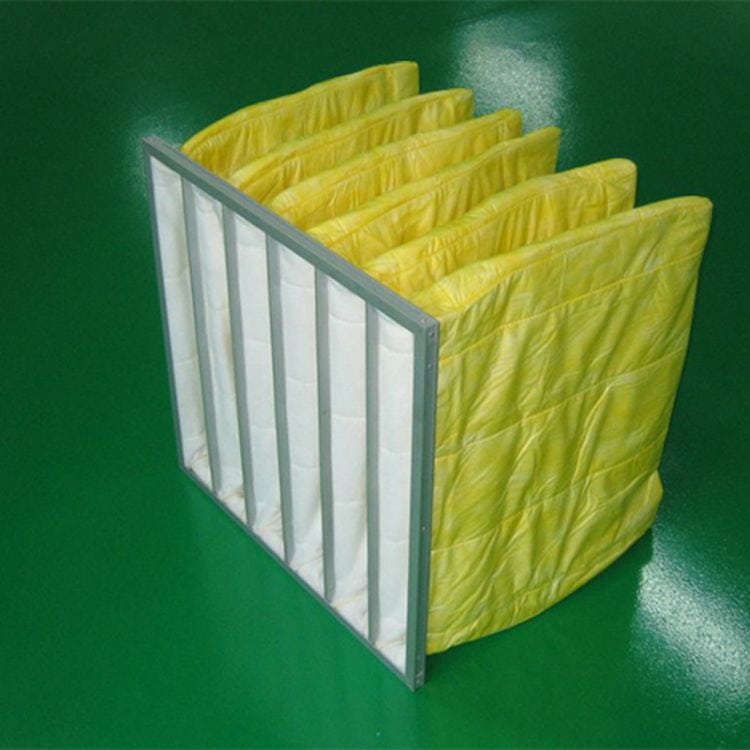
Los filtros de aire de bolsa de fibra de vidrio (también conocidos como filtros de bolsa de fibra de vidrio) tienen como núcleo material filtrante de fibra de vidrio y presentan las ventajas de resistencia a altas temperaturas, resistencia a la corrosión química, alta precisión de filtración (principalmente niveles de eficiencia media y alta) y gran capacidad de retención de polvo. Se utilizan principalmente en escenarios de "filtración de eficacia media" o "preprotección para filtración de eficacia alta" en la purificación del aire. Es especialmente adecuado para entornos con altas temperaturas, gases corrosivos o elevados requisitos de limpieza. Sus principales campos de aplicación pueden clasificarse en tres grandes dimensiones: "producción industrial", "fabricación especial" y "público y civil", como sigue: I. Campo de producción industrial: Soportar entornos difíciles y garantizar el cumplimiento de las normas sobre equipos y emisiones En los escenarios industriales, el valor fundamental de los filtros de mangas de fibra de vidrio reside en lograr una filtración eficaz y la protección de los equipos en entornos de altas temperaturas, corrosivos o con mucho polvo, evitando que el polvo afecte a la producción o supere las normas sobre emisiones. Las aplicaciones típicas incluyen: Industria energética (filtración de gases de combustión a alta temperatura) Centrales térmicas/plantas incineradoras de residuos: Filtración de gases de combustión en la cola de las calderas y después del sistema de desnitrificación (SCR). La fibra de vidrio puede soportar temperaturas de hasta 250-300℃ (con algunos modelos especiales que alcanzan temperaturas incluso superiores), lo que permite interceptar las cenizas volantes y los inquemados.
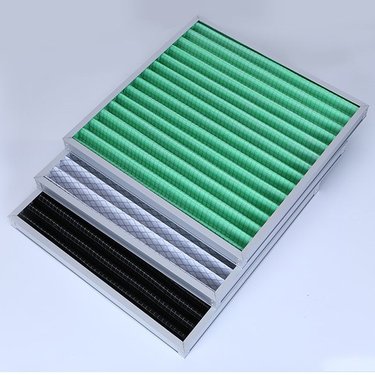
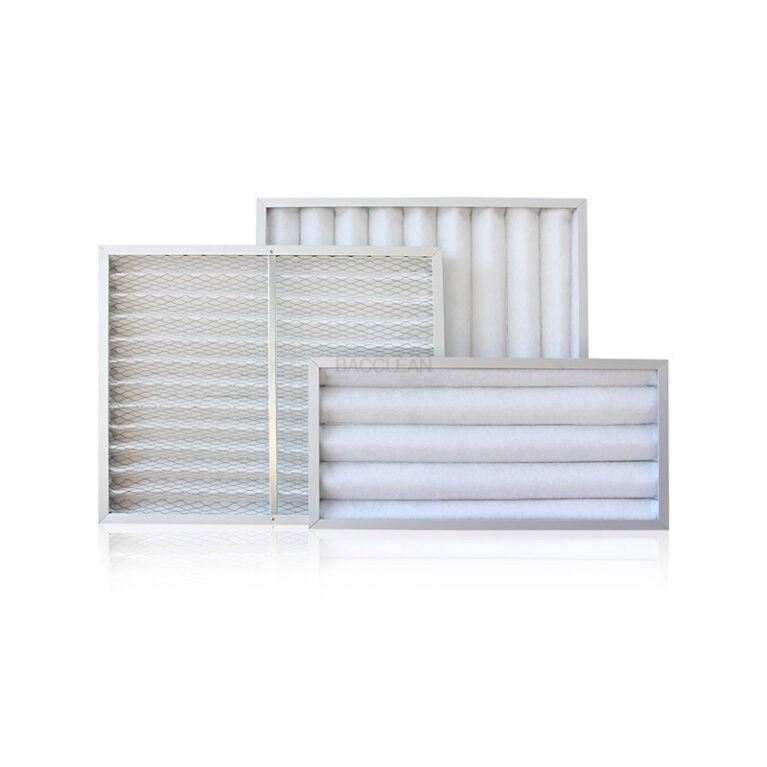
Los filtros de aire de placa plana, con su estructura sencilla, bajo coste y gran adaptabilidad, se utilizan ampliamente en los escenarios de "prefiltración" o "filtración primaria" de la purificación del aire. Algunos modelos de eficacia media y alta también pueden utilizarse para necesidades específicas de purificación de gama media. Los principales campos de aplicación pueden clasificarse en tres grandes categorías: "edificios civiles", "producción industrial" y "escenarios especiales", como sigue: I. Edificios civiles y espacios públicos: Garantizar la calidad del aire interior La demanda principal de estos escenarios es filtrar partículas grandes como polvo en suspensión, pelo y polen en el aire, proteger el sistema de aire acondicionado y ventilación y mejorar el confort interior al mismo tiempo. Los escenarios de aplicación más comunes son: Oficinas y espacios comerciales: Sistemas de aire fresco de aire acondicionado central para edificios de oficinas, edificios comerciales, centros comerciales, supermercados, vestíbulos de hoteles, etc. Como dispositivo de prefiltrado, puede interceptar el polvo, los amentos de álamo y otras sustancias del aire fresco exterior, evitar la acumulación de polvo y la proliferación de bacterias en el interior del aire acondicionado y prolongar la vida útil de los componentes principales, como ventiladores y unidades de serpentín. Instalaciones médicas y educativas: salas de consultas externas de hospitales, pasillos de departamentos de hospitalización, aulas escolares, bibliotecas, etc. Es necesario filtrar el polvo
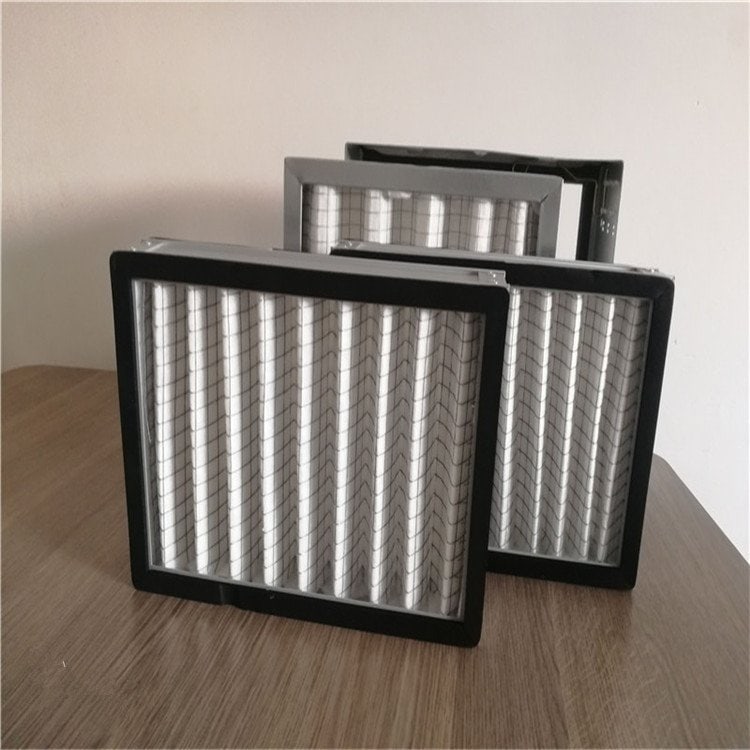
El ciclo de limpieza y mantenimiento de los filtros de aire planos no es fijo y uniforme. Es necesario juzgarlo exhaustivamente en función de tres factores fundamentales: el tipo de material del filtro, la concentración de polvo en el entorno de uso y el cambio de resistencia real. A continuación se presentan normas específicas y sugerencias de funcionamiento: Para hablar de los ciclos de limpieza, es importante tener en cuenta que esto sólo se aplica a los "materiales filtrantes lavables" que se describen a continuación. Los filtros de placa plana se clasifican en medios "lavables" y "no lavables una sola vez". Para los materiales filtrantes lavables, el ciclo de limpieza debe estar claramente definido. Para los materiales filtrantes de un solo uso (como algunos materiales filtrantes de papel y materiales filtrantes de fibra de vidrio con baja capacidad de retención de polvo), pueden sustituirse directamente cuando se obstruyen sin necesidad de limpieza. 1. Tipos aplicables de medios filtrantes lavables La corriente principal son los medios filtrantes de fibra sintética de poliéster (como el poliéster spunbonded y el poliéster punzonado). Estos medios filtrantes tienen alta fluvencia, son resistentes al agua y álcali débil, y su rendimiento de filtración puede ser restaurado por 70% a 90% después de la limpieza. Por lo general, se pueden lavar de 2 a 3 veces repetidamente. Algunos materiales filtrantes de malla de nailon (utilizados para la filtración gruesa, como la interceptación de grandes partículas de polvo y pelo) también pueden limpiarse.
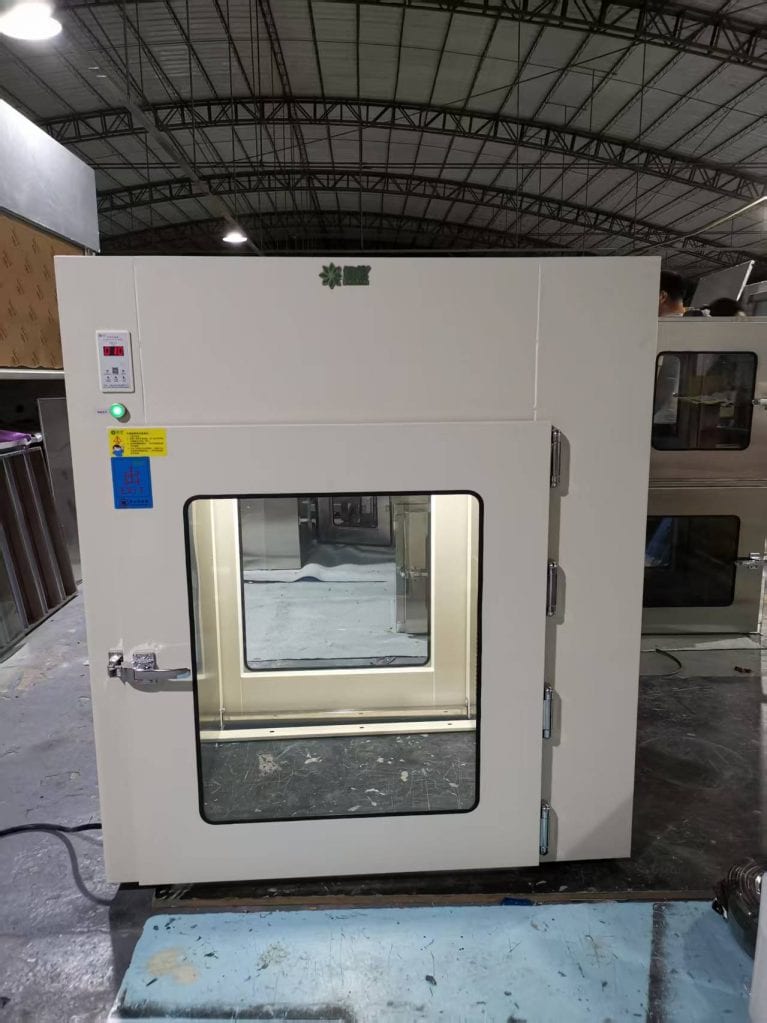
El ciclo de mantenimiento y conservación de la ventana de transferencia de la ducha de aire debe determinarse exhaustivamente en función de factores como la frecuencia de uso, los escenarios de aplicación (como los requisitos de nivel de limpieza) y el grado de contaminación ambiental. El objetivo principal es garantizar el efecto de purificación de la ducha de aire, el rendimiento del sellado y la estabilidad del equipo, así como evitar la contaminación cruzada en la zona limpia debido a un mantenimiento inadecuado. A continuación se indican las normas industriales para los ciclos de mantenimiento y revisión y sus contenidos específicos, que pueden ajustarse en función de las circunstancias reales I. Mantenimiento diario (diario/después de cada uso) Frecuencia: Una vez al día antes de empezar a trabajar + después de cada uso (si la frecuencia de uso es alta, como en las industrias farmacéutica o de semiconductores) Objetivo principal: Eliminar oportunamente los contaminantes de la superficie para garantizar las funciones básicas normales, adecuado para todos los escenarios de aplicación (como alimentación, electrónica, atención médica). Contenido específico Aspecto y limpieza: Utilice un paño limpio humedecido en detergente neutro (evite los reactivos corrosivos) para limpiar las superficies interior y exterior de la ventana de transferencia y el cristal de la ventana de observación para eliminar el polvo, las manchas o los materiales residuales, y evitar la acumulación de polvo y la proliferación de bacterias. Inspección del rendimiento del sellado: Después de cerrar la puerta de la ventanilla de transferencia, observe si las tiras de goma de sellado entre
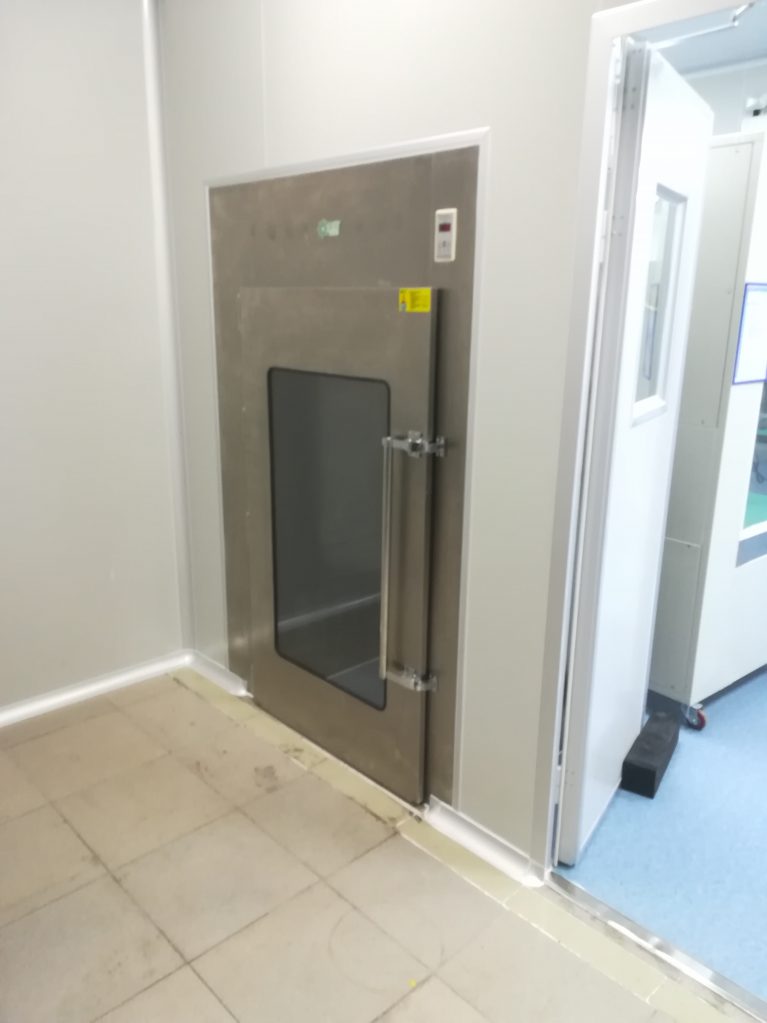
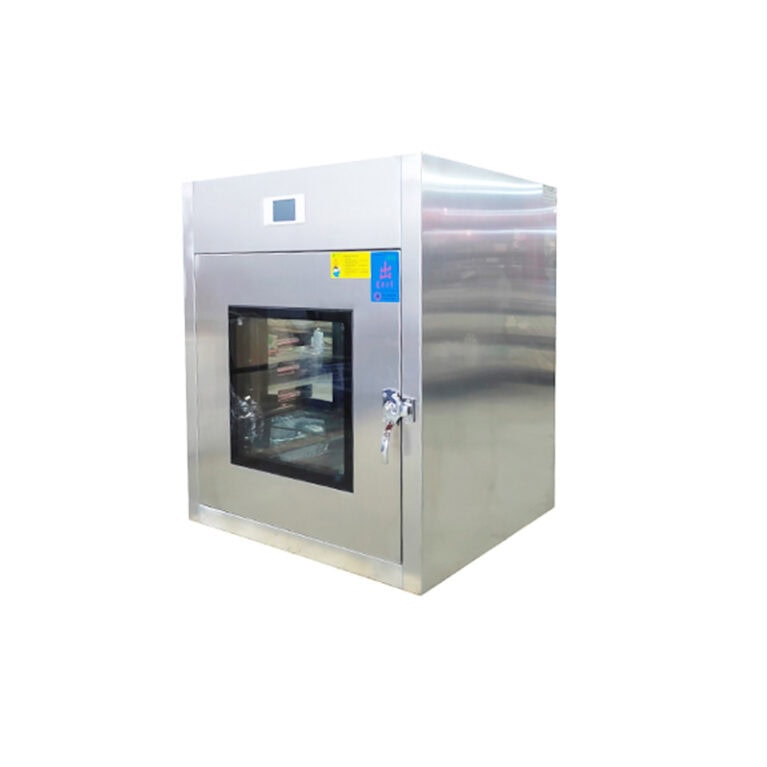
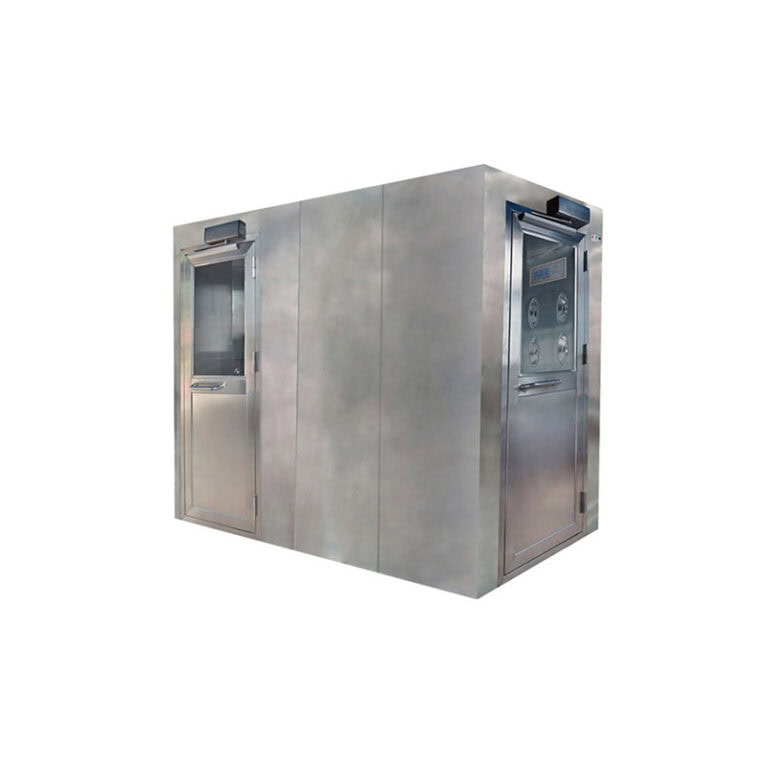
La ventana de transferencia de ducha de aire es un dispositivo de purificación que combina las funciones de eliminación de polvo mediante ducha de aire y transferencia de artículos. Su función principal es eliminar las partículas de polvo adheridas a la superficie de los artículos mediante un flujo de aire limpio de alta velocidad cuando se transfieren artículos entre el área limpia y el área no limpia (o áreas de diferentes grados de limpieza), prevenir la contaminación cruzada y, al mismo tiempo, evitar la alteración del equilibrio de la presión del aire en el área limpia durante el proceso de transferencia. Sus campos de aplicación están muy concentrados en industrias con estrictos requisitos de limpieza, esterilidad y control de polvo, y pueden clasificarse específicamente en las siguientes categorías: I. Industria biomédica y de dispositivos médicos El control de microorganismos, polvo y objetos extraños en esta industria está directamente relacionado con la seguridad del producto (como la pureza de los medicamentos y la esterilidad de los instrumentos), y es uno de los escenarios centrales de aplicación de la transferencia de duchas de aire Ventanas En el campo de la producción farmacéutica: Se utiliza para la transferencia de material en talleres de medicamentos de materias primas, talleres de preparación (como inyecciones, formas farmacéuticas sólidas orales) y talleres biofarmacéuticos (como producción de vacunas y anticuerpos). Por ejemplo, antes de transferir materiales auxiliares adquiridos externamente y
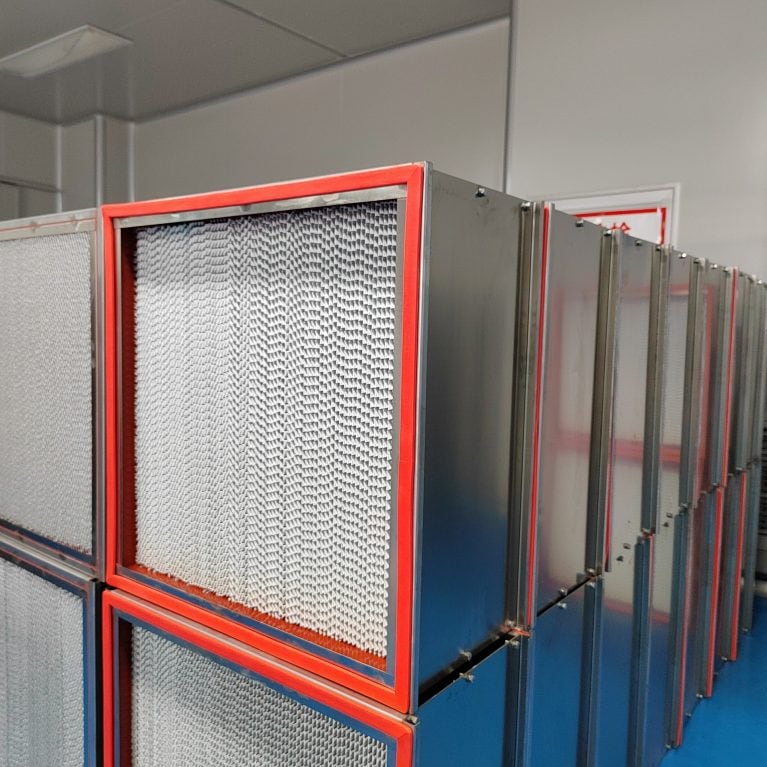
El rendimiento de los filtros de aire resistentes a altas temperaturas con separadores (los indicadores principales incluyen la eficacia de filtración, la resistencia, la capacidad de retención de polvo, la estabilidad térmica y la integridad estructural) está influido por múltiples factores. No sólo está directamente relacionado con el diseño, la selección de materiales y el proceso de fabricación del propio producto, sino que también está estrechamente asociado a las condiciones ambientales y los parámetros de funcionamiento de los escenarios de aplicación reales. A continuación se desglosan los factores clave que influyen desde dos dimensiones principales: "atributos propios del producto" y "condiciones externas de uso" I. Atributos propios del producto: Determinan el "límite superior de rendimiento básico" del filtro Tales factores son los indicadores centrales de diseño y fabricación del filtro antes de que salga de fábrica, determinando directamente su capacidad de filtración y fiabilidad de temperatura en condiciones nominales, y son las "condiciones inherentes" de rendimiento. 1. Selección del material del filtro: El núcleo de la eficacia de filtración y la resistencia a la temperatura El material del filtro es el componente central para que los filtros logren la "purificación del aire". Su material, estructura y tecnología de procesamiento determinan directamente la eficacia de filtración, el límite superior de resistencia a la temperatura y la capacidad de retención de polvo, y son los principales factores que afectan al rendimiento. Material del filtro: Es necesario cumplir simultáneamente el doble requisito de "resistencia a altas temperaturas" y "eficacia de filtración". El
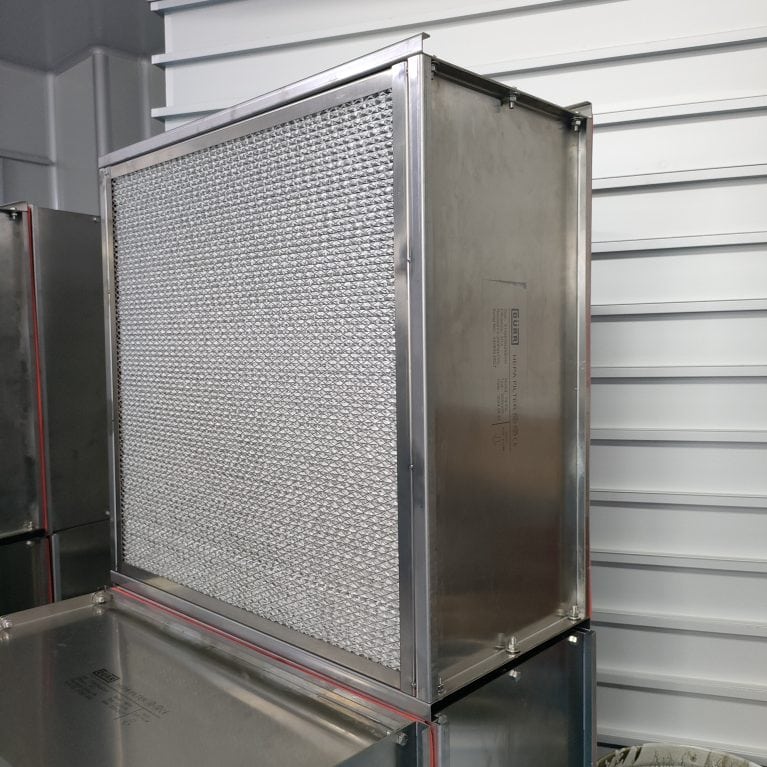
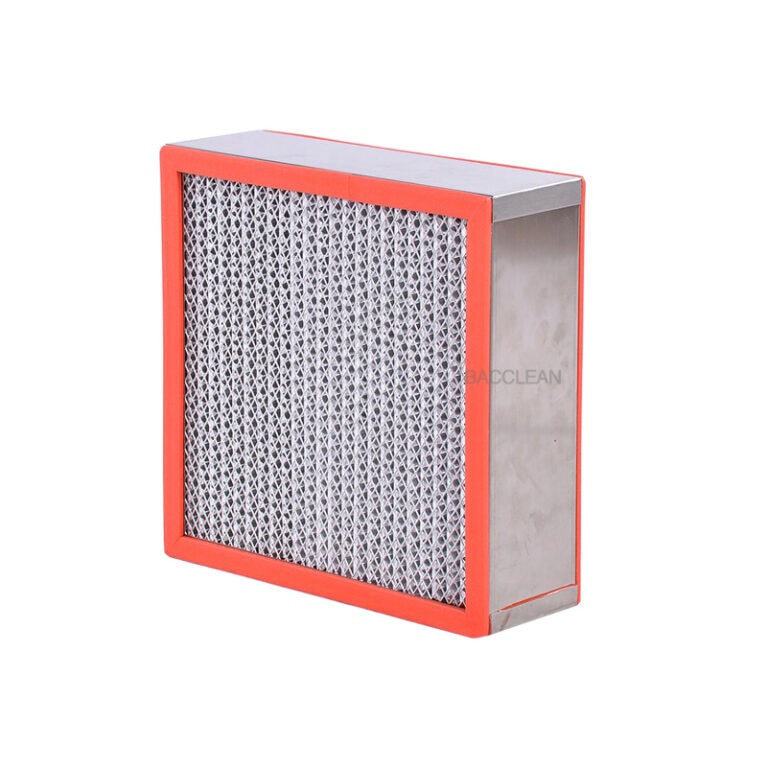
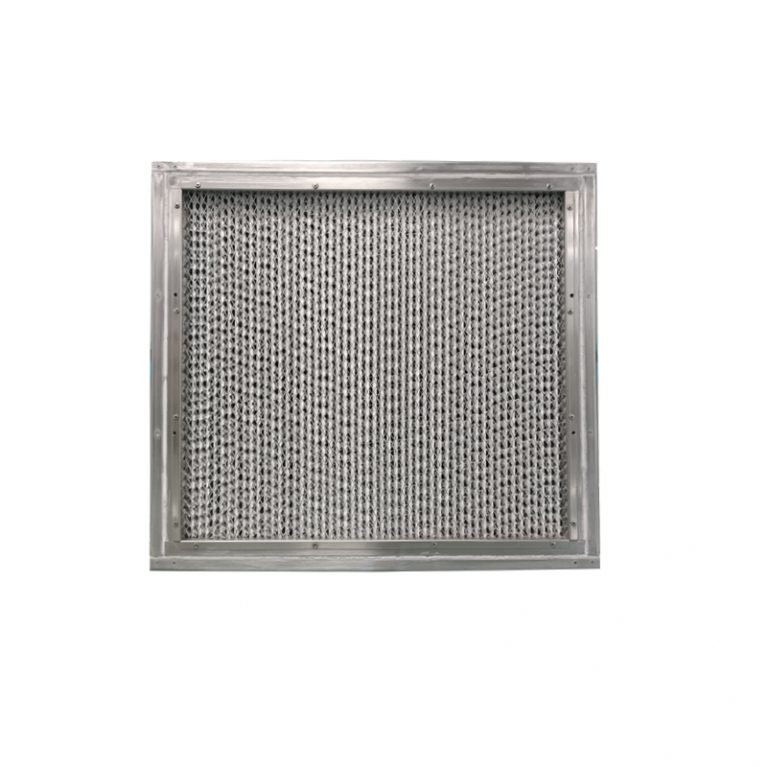
Los filtros de aire con separadores resistentes a altas temperaturas (normalmente con un rango de resistencia a la temperatura de 150℃-300℃, y algunos modelos especiales pueden ser incluso superiores) se utilizan ampliamente en escenarios industriales y especiales con altas temperaturas, alta humedad o flujos de aire caliente debido a su eficacia de filtración estable (en su mayoría de eficacia media a alta, como los niveles F8-H14) y su tolerancia estructural en entornos de altas temperaturas. El núcleo es dar respuesta a la "demanda de purificación del aire en entornos de alta temperatura". A continuación se exponen sus principales campos de aplicación y escenarios específicos, clasificados y ordenados por industrias del siguiente modo: El primer gran campo de aplicación es el de la fabricación industrial. En este contexto, la demanda principal es la filtración de polvo e impurezas en procesos de producción a alta temperatura, para proteger los equipos y mantener la calidad del producto. La fabricación industrial es el principal escenario de aplicación de este tipo de filtro, especialmente en procesos que implican calentamiento, horneado y fundición a alta temperatura. Es necesario filtrar contaminantes como polvo, fibras y virutas de metal en el flujo de aire caliente para evitar daños en los equipos o defectos en los productos. Fabricación de automóviles y piezas Taller de pintura: La filtración del aire de admisión de los hornos de secado a alta temperatura (como el secado después de la electroforesis de la carrocería y el secado de la capa superior, con temperaturas que suelen oscilar entre 120℃ y 220℃).
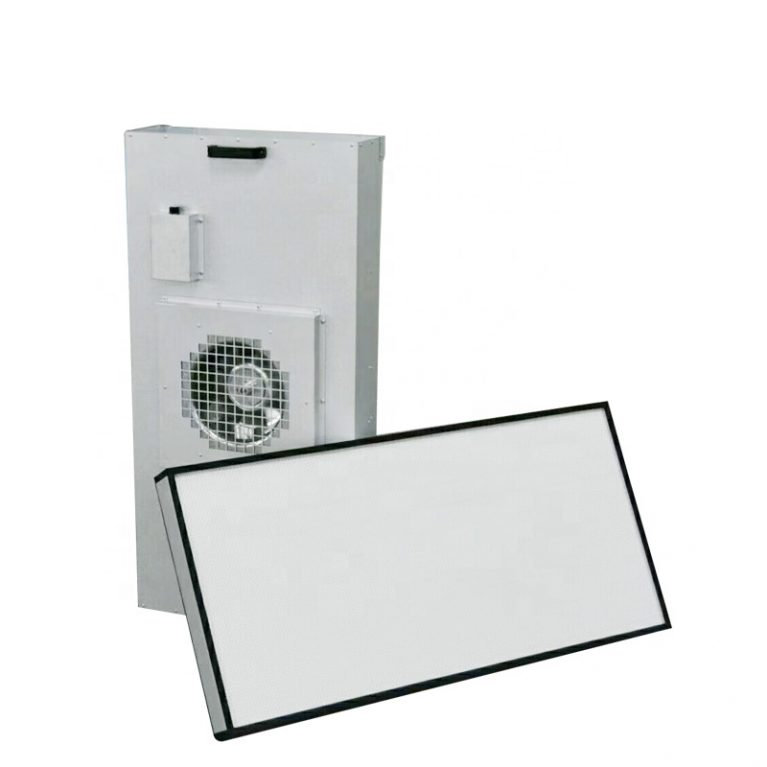
Los filtros FFU (principalmente los filtros HEPA o ULPA de alta eficacia) son componentes esenciales de la depuración. El momento de su sustitución debe determinarse en función de las condiciones reales de uso. Si la eficacia de filtración disminuye o la resistencia es demasiado grande, afectará directamente al efecto de limpieza y al consumo de energía del equipo. A continuación se presentan los métodos específicos y las bases de juicio: I. Indicadores de Juicio Básicos: Cambio de Resistencia La resistencia del filtro (presión de aire) es la base más intuitiva para el juicio, que se divide en "resistencia inicial" y "resistencia final" : Resistencia inicial: La resistencia al flujo de aire cuando el filtro es nuevo (determinada por el tipo y material del filtro. Generalmente, la resistencia inicial del HEPA es de unos 100-200Pa, y la del ULPA es mayor). Resistencia final: La resistencia del filtro cuando alcanza el umbral de sustitución diseñado, normalmente fijado entre 1,5 y 2 veces la resistencia inicial (por ejemplo, si la resistencia inicial es de 150Pa, la sustitución es necesaria cuando la resistencia final alcanza entre 225 y 300Pa). Método de funcionamiento Controle regularmente la diferencia de presión antes y después del filtro a través del manómetro diferencial incorporado de la FFU (o de un manómetro diferencial externo). Cuando la lectura alcance
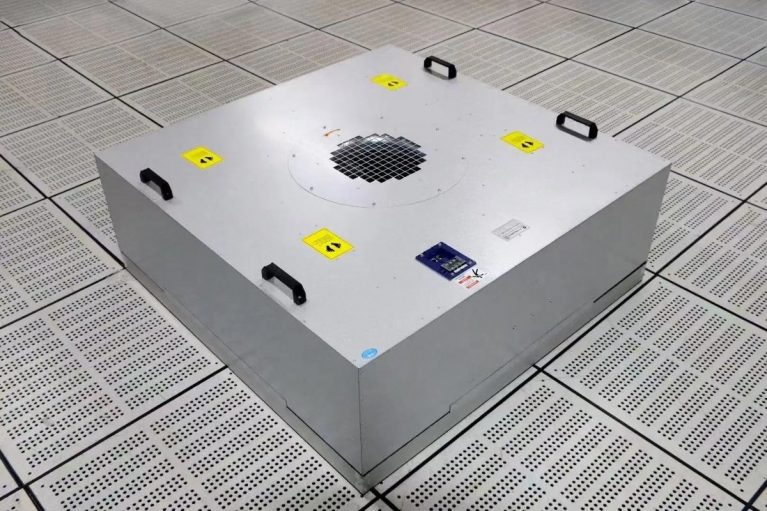
La vida útil de las FFU no es un valor fijo y en ella influyen múltiples factores. Por lo general, la vida útil razonable de todo el equipo es de unos 5 a 10 años. Sin embargo, la vida útil de los componentes principales varía, por lo que se requiere un mantenimiento o sustitución periódicos para garantizar el funcionamiento continuo y eficaz del equipo. Los siguientes son los factores específicos que influyen y las características de la vida útil de cada componente: 1. Las diferencias de vida útil de los componentes principales Ventilador: Como fuente de energía de FFU, su vida útil depende principalmente de la calidad del motor y la frecuencia de uso. Los motores de alta calidad (como los de marcas importadas o los motores de CC de alta precisión) pueden tener una vida útil de 5 a 8 años en condiciones de funcionamiento normal (de 8 a 12 horas al día) y carga estable. Si funciona a plena carga durante mucho tiempo (24 horas sin interrupción) o la tensión es inestable, puede acortarse a entre 3 y 5 años. Filtros (HEPA/ULPA) : Son consumibles con una vida útil muy inferior a la del equipo completo. En entornos con altos niveles de limpieza (como salas limpias de clase 10.000 o superior), los filtros deben sustituirse generalmente cada 6 a 12 meses.
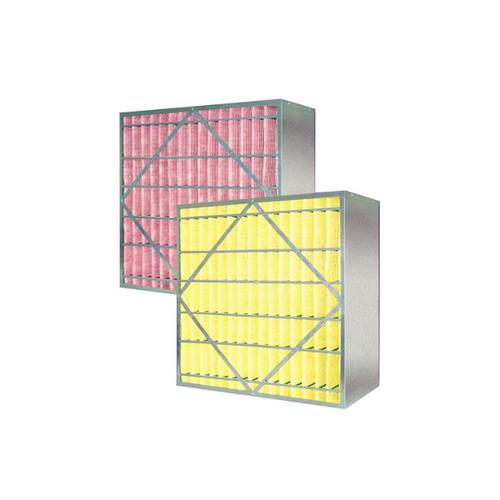
El mantenimiento y la conservación de los filtros tipo caja son fundamentales para garantizar su eficacia de filtración y prolongar su vida útil. Deben tomarse medidas específicas en función de las diferentes características de los tipos de aire y líquido. A continuación se detallan los métodos de mantenimiento y cuidado I. Mantenimiento y cuidado de los filtros de caja de aire 1. Inspección y limpieza periódicas Inspección y limpieza periódicas Filtro de caja de eficiencia primaria/media Revise una vez cada 1 a 3 meses para observar la acumulación de polvo en la superficie del material filtrante. Si la superficie del material filtrante se vuelve evidentemente negra, acumula demasiado polvo o la presión de aire del sistema de ventilación aumenta considerablemente, es necesario limpiarlo o sustituirlo a tiempo. Se puede utilizar aire comprimido para la purga inversa (con presión controlada a 0,2-0,3MPa para evitar dañar el material filtrante), o se puede enjuagar con agua limpia (sólo aplicable a materiales filtrantes lavables, secar después de enjuagar antes de instalar, y evitar la luz solar directa). Nota: Por lo general, el filtro primario puede limpiarse de 2 a 3 veces, mientras que el filtro de eficacia media se recomienda sustituirlo directamente después de limpiarlo de 1 a 2 veces para evitar que el material filtrante se atasque y afecte al efecto de filtración. Filtro tipo caja de alta eficiencia Revisar cada 3
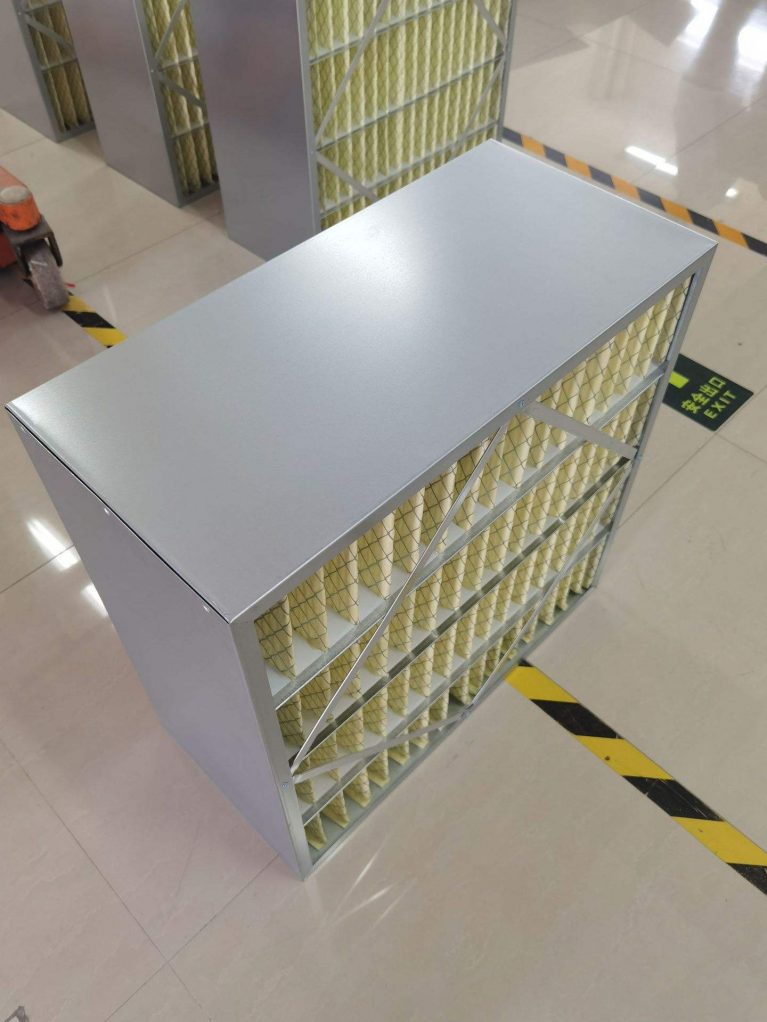
Los filtros tipo caja, con sus diversos tipos y flexibles capacidades de filtración, tienen una amplia gama de aplicaciones, que abarcan dos campos principales: la purificación del aire y la filtración de líquidos. Concretamente, son los siguientes: I. Escenarios de aplicación de los filtros de caja de aire Los filtros de caja de aire se utilizan principalmente para eliminar polvo, partículas, microorganismos (organismos vivos diminutos como bacterias) y otras impurezas del aire. Dependiendo de la eficiencia con la que filtren las partículas (la eficiencia de filtración se refiere al porcentaje de partículas eliminadas del aire por el filtro), sus escenarios de aplicación tienen diferentes enfoques: Filtro tipo caja de eficacia primaria Es adecuado para la filtración primaria en sistemas de ventilación. Esto incluye el pretratamiento del aire fresco en sistemas centrales de aire acondicionado, que se encuentran en grandes centros comerciales, edificios de oficinas, estadios y otros lugares públicos. Puede filtrar grandes partículas de polvo (por encima de 5μm, donde μm significa micrómetros, o una millonésima parte de un metro) en el aire y proteger los posteriores filtros de media y alta eficiencia. Los sistemas de ventilación utilizados en explotaciones agrícolas y ganaderas reducen el polvo, el pelo y otras sustancias presentes en el aire y mejoran el entorno de cría. Como dispositivo de prefiltrado para la ventilación en plantas industriales, como talleres de procesamiento mecánico y almacenes, reduce la cantidad
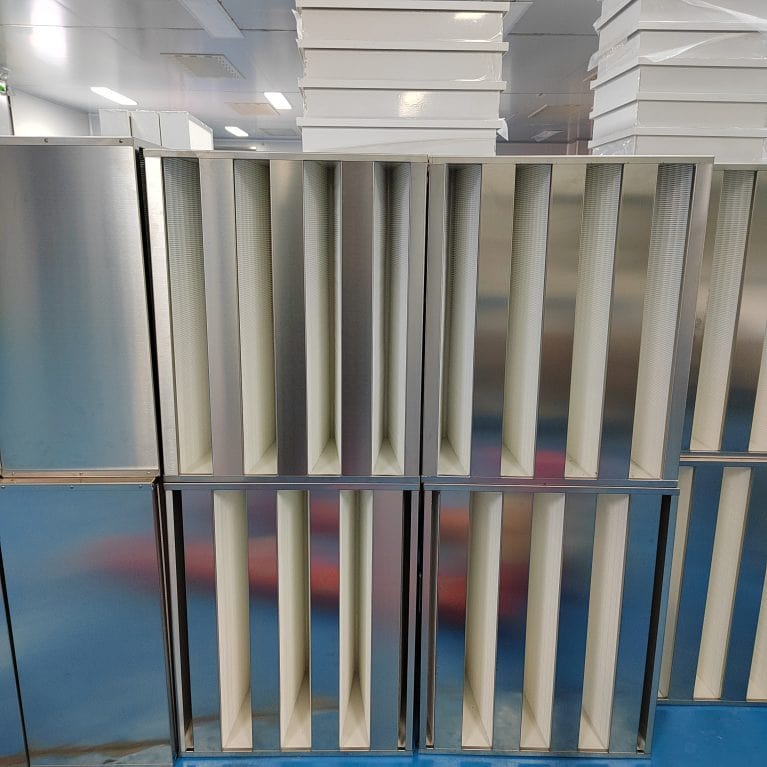
When replacing the filter material of the aluminum frame combined filter, attention should be paid to the standardization of operation, safety and the guarantee of filtration effect. The following are detailed precautions: I. Preparations Before Replacement System shutdown and safety protection First, turn off the ventilation and air conditioning system where the filter is located. Make sure the machine is shut down before operating to prevent dust from spreading due to air flow or causing accidental contact by personnel. If the filtration environment contains harmful gases or dust (such as in chemical workshops), protective masks and gloves should be worn. If necessary, protective clothing should be worn to prevent pollutants from coming into contact with the skin or being inhaled into the body. Preparation of tools and new filter materials Prepare appropriate disassembly tools (such as screwdrivers, wrenches, snap-on screwdrivers, etc.), and check in advance whether the tools are in good condition to avoid damaging the aluminum frame during operation. Confirm that the specifications (size, filtration grade, material) of the new filter material are consistent with those of the original filter material and meet the system design requirements (such as air volume compatibility) to avoid a decrease in filtration efficiency
