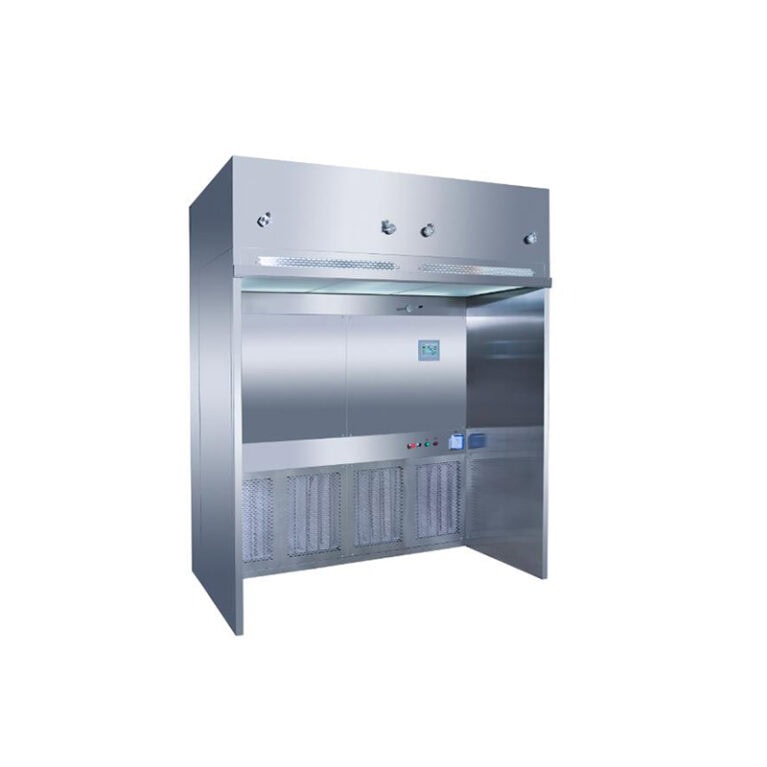
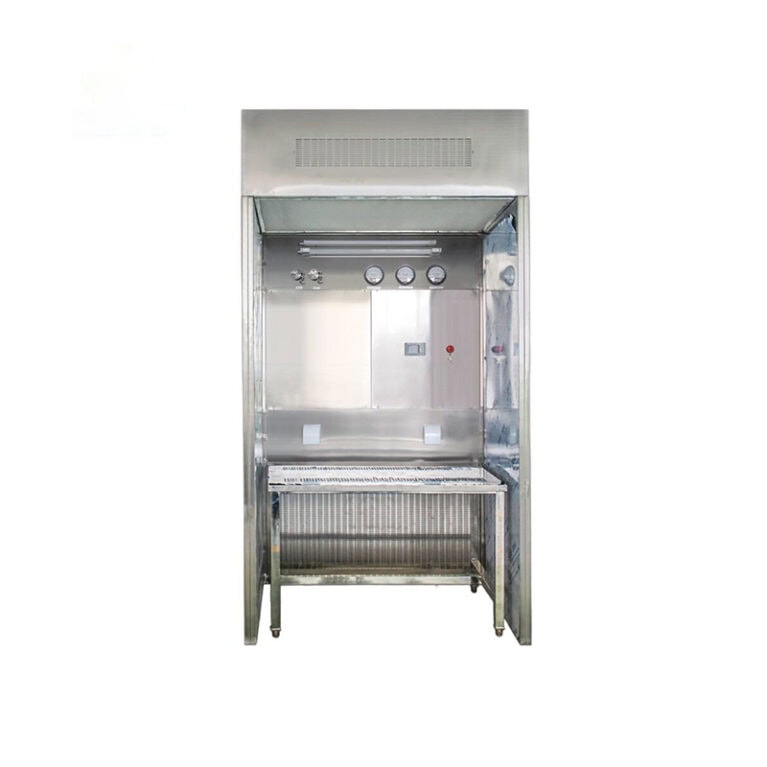
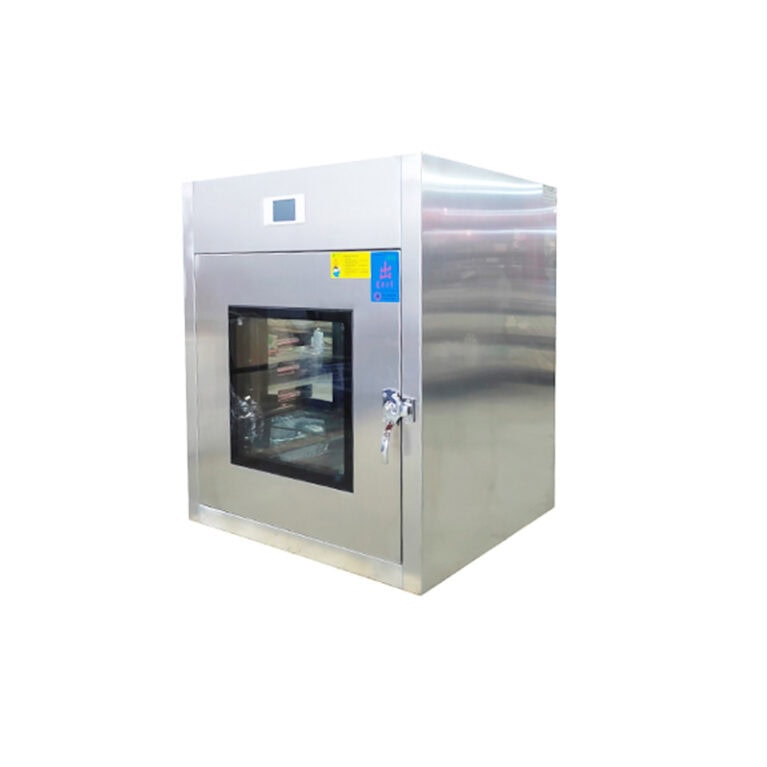
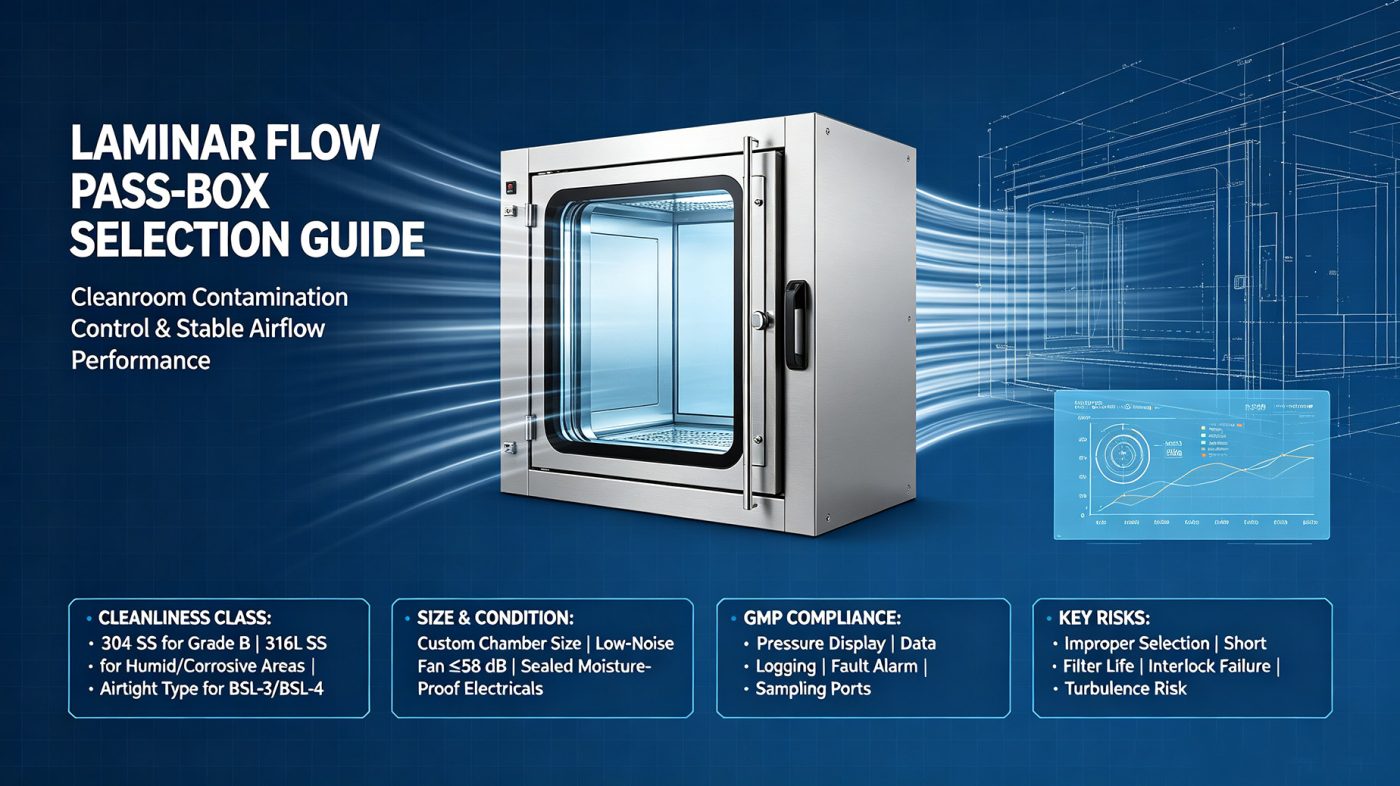
In terms of refined equipment selection, four core dimensions shall be covered: cleanliness classification, application scenario, ambient working condition and intelligent requirements.
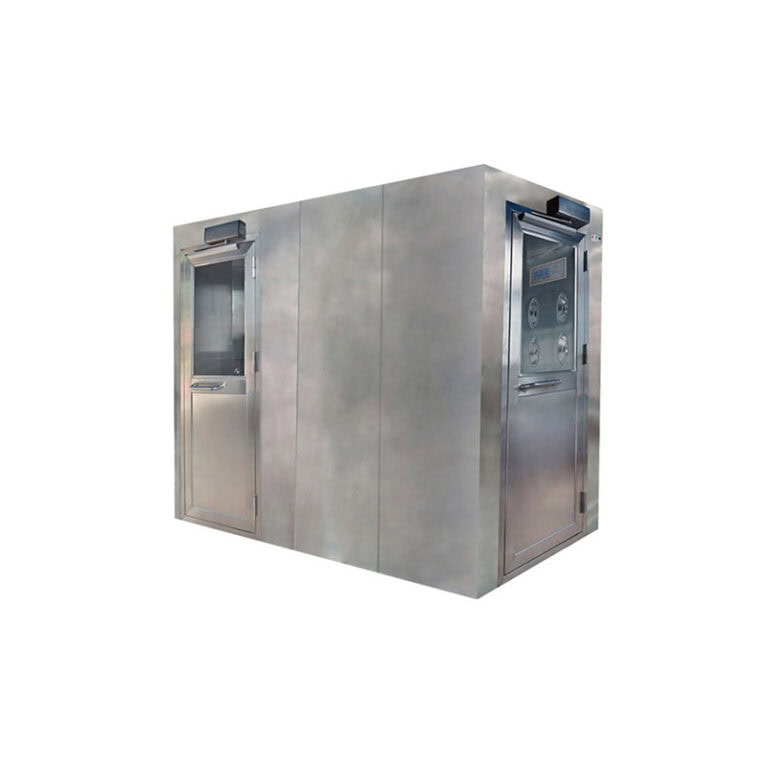
First, select models according to cleanliness grades. Standard 304‑stainless‑steel units are applicable to general electronic and food clean workshops to satisfy Grade‑B clean requirements. For pharmaceutical aseptic workshops, biological laboratories and high‑humidity aquatic‑product‑processing environments, corrosion‑resistant 316L‑stainless‑steel versions are preferred to cope with humid and corrosive conditions. For BSL‑3/BSL‑4 high‑containment biosafety laboratories, gas‑tight laminar‑flow pass‑boxes with inflatable sealing assemblies and pressure‑differential‑gradient control systems shall be configured to eliminate aerosol‑leakage risks.
Second, determine dimensions and specifications based on working conditions. Customize chamber dimensions according to the size and transfer frequency of materials. For high‑frequency transfer applications, high‑power low‑noise fans shall be adopted to guarantee stable airflow while limiting noise level ≤58 dB. For low‑temperature, high‑humidity and salt‑fog environments, enhanced electrical protection is required; all electrical components shall be hermetically sealed and moisture‑proofed to prevent short‑circuit failures.
Third, comply with regulatory requirements. For GMP‑certified workshops, intelligent models equipped with pressure‑differential display, data logging and fault‑alarm functions shall be specified, with reserved sampling ports for airborne viable bacteria and airborne particle monitoring to facilitate routine environmental surveillance and audit traceability.
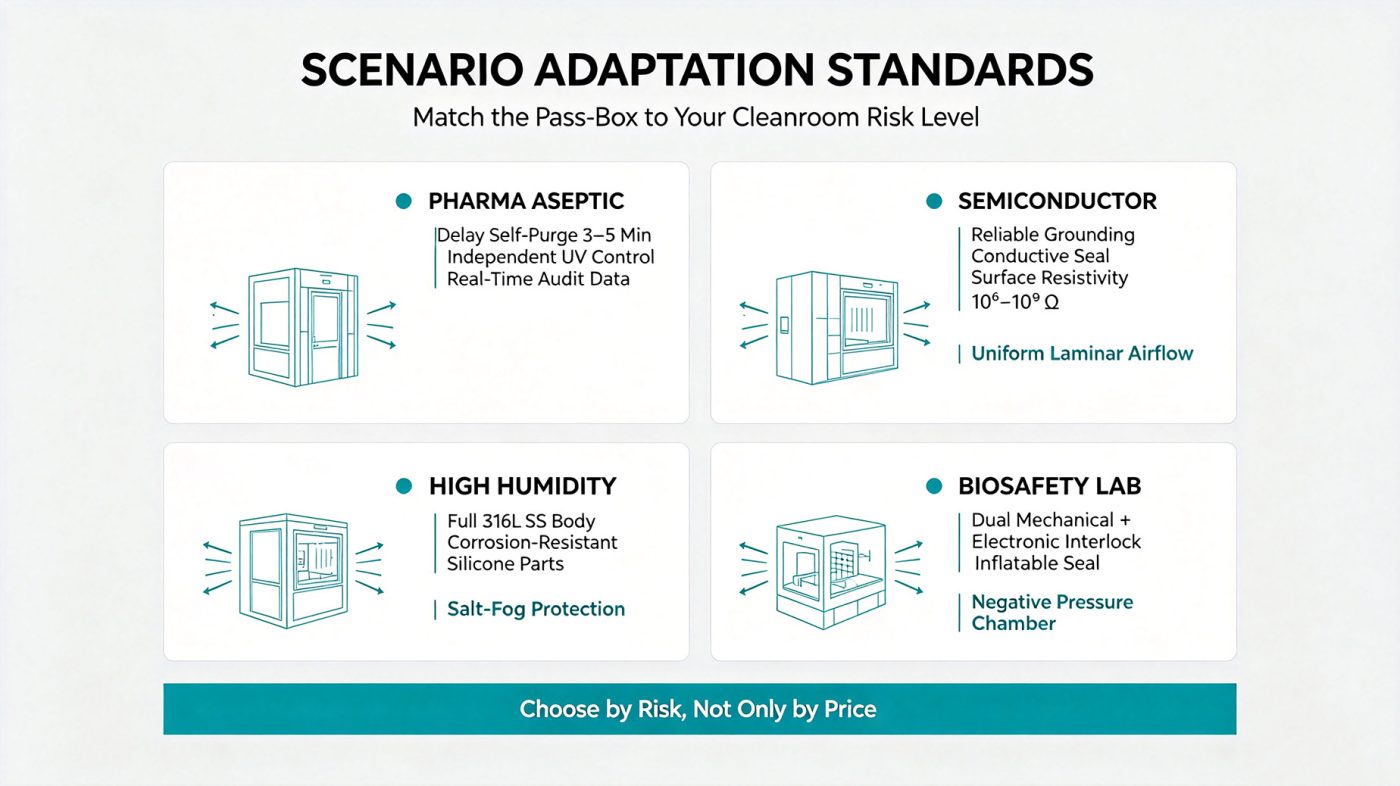
Technical adaptation requirements vary significantly across different industrial scenarios.
For pharmaceutical aseptic workshops, the core objectives are sterility and residual‑contamination prevention. Units shall be fitted with delayed self‑purge function: fans keep running for an automatic delay of 3‑5 minutes after door closure to fully eliminate residual particles inside the chamber. UV‑C lamps shall have independent control and can only be activated when both doors are fully closed to avoid ultraviolet leakage. Real‑time parameter upload shall be supported for GMP compliance auditing.
For electronics and semiconductor cleanrooms, priorities lie in particulate‑pollution suppression and electrostatic‑interference mitigation. All metallic components shall be reliably earthed; filters shall adopt conductive adhesive sealing with surface resistivity controlled within 10⁶‑10⁹ Ω to prevent dust adsorption by static electricity. Strict control of laminar‑flow velocity uniformity is mandatory to avoid particle accumulation induced by air turbulence.
For high‑humidity corrosive environments (aquatic‑product processing, chemical clean workshops), complete 316L‑stainless‑steel construction is mandatory. Conventional rubber gaskets shall be replaced with corrosion‑resistant silicone accessories to avoid component ageing, rusting and air leakage under long‑term humid and salt‑fog exposure.
For biosafety laboratories, air‑tightness and stable pressure differential are critical. Dual mechanical‑and‑electronic interlocks and inflatable sealing gaskets shall be installed; the chamber shall operate under negative‑pressure design to contain hazardous aerosol release.
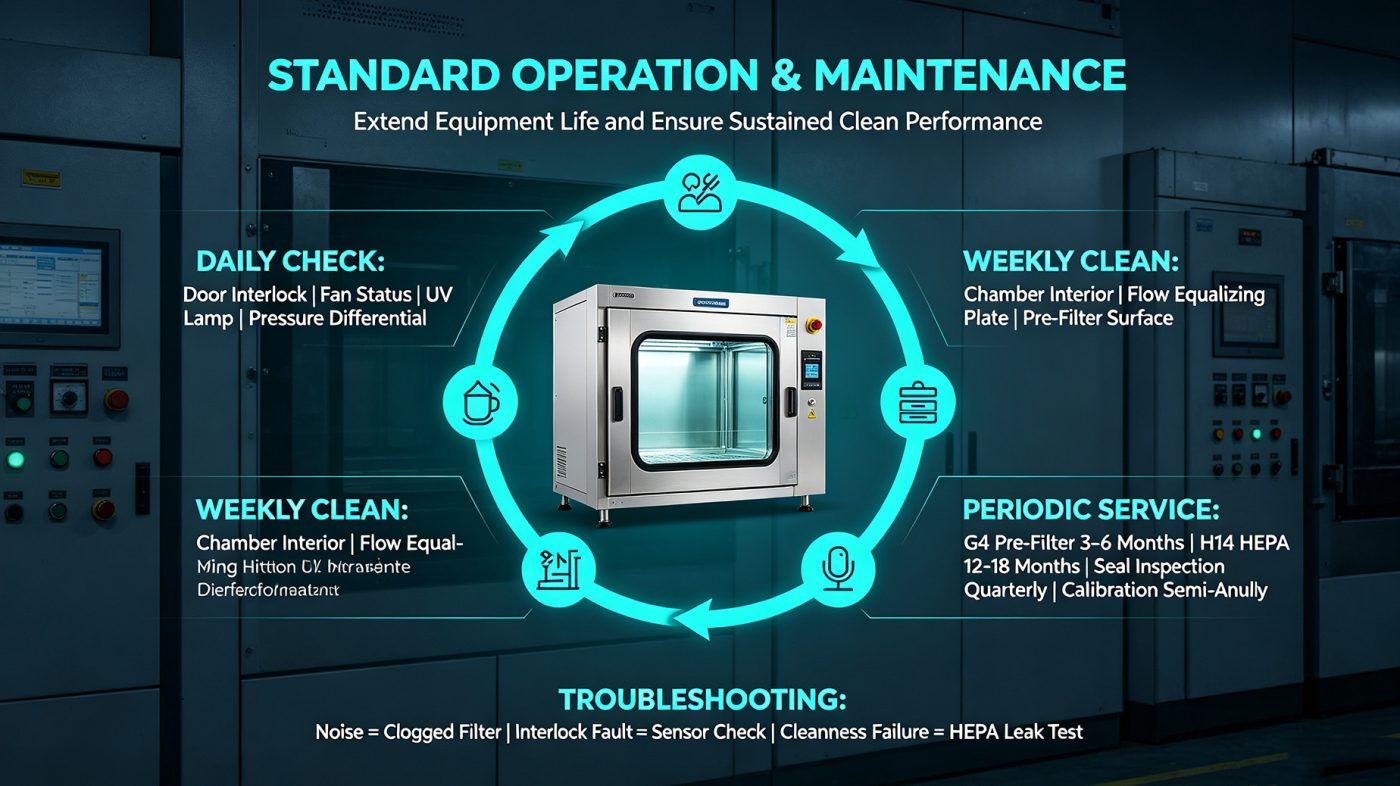
Standardized operation and maintenance are essential for long‑term stable equipment performance. General industrial specifications fall into three modules: daily inspection, periodic maintenance and troubleshooting.
In daily inspection, operators shall verify door‑interlock functionality, fan operation, UV‑lamp status and pressure‑differential readings every day, ensuring no abnormal alarms, air leakage or door jamming. Weekly cleaning shall be performed for inner‑chamber surfaces, flow‑equalizing plates and pre‑filters to remove surface dust and contaminants.
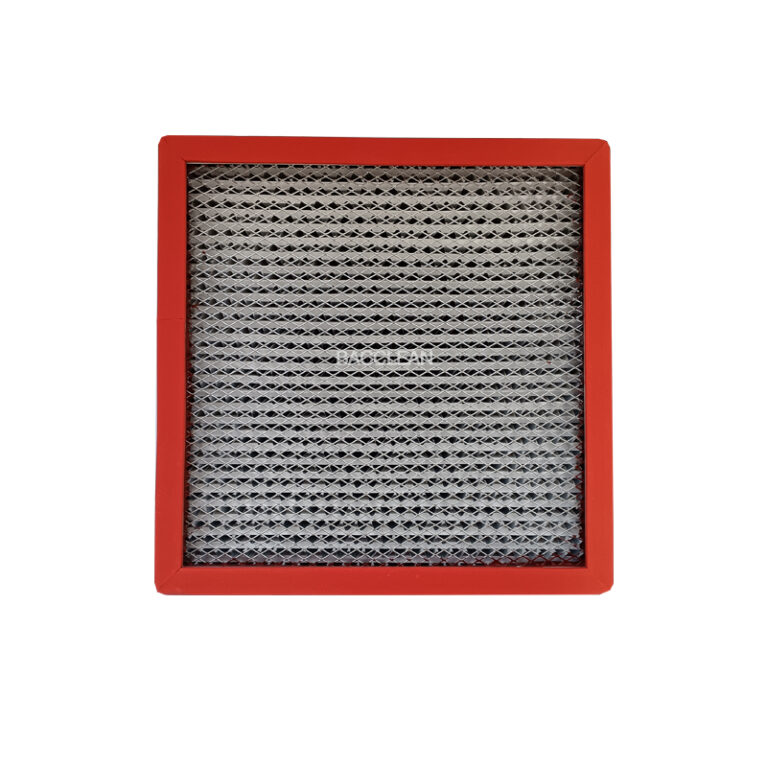
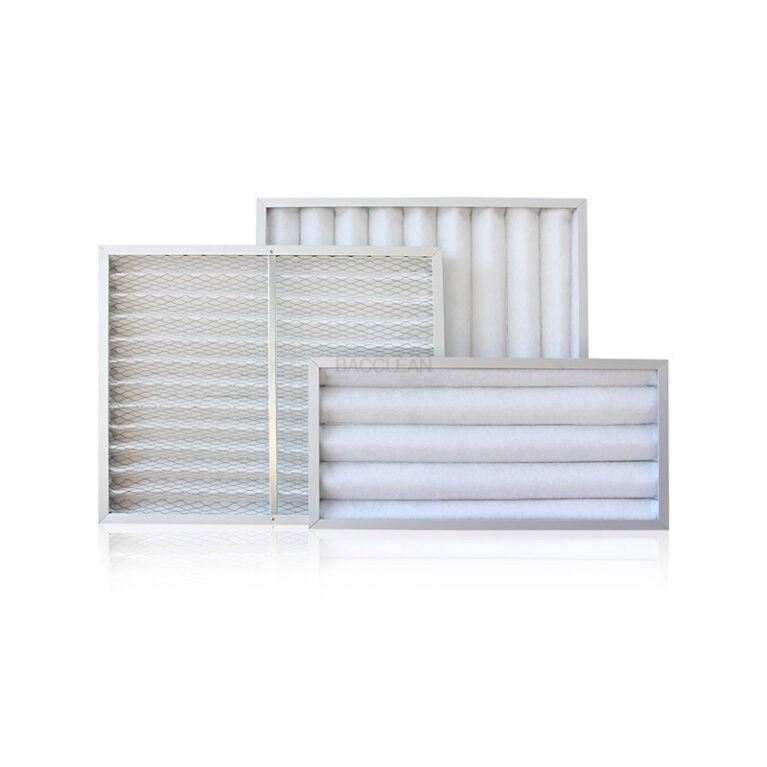
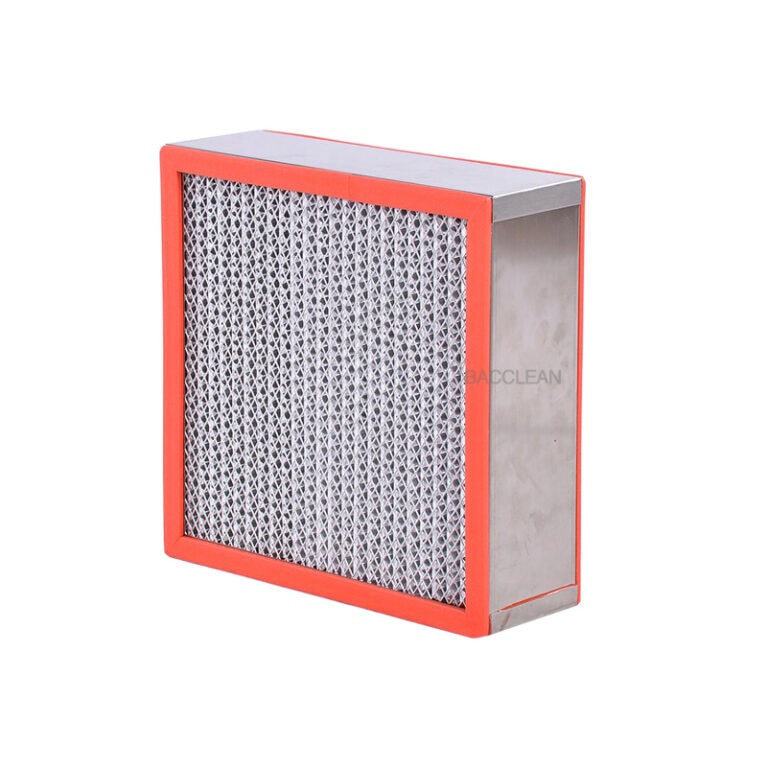
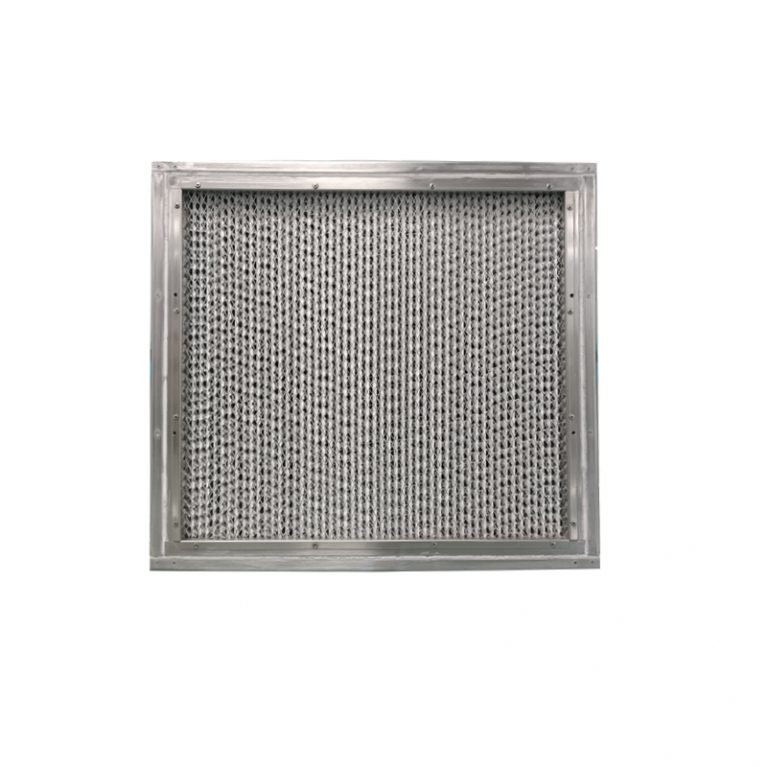
Regarding periodic maintenance: G4 pre‑filters shall be cleaned or replaced every 3‑6 months; H14 HEPA filters shall be replaced every 12‑18 months, or immediately once pressure‑differential exceeds warning threshold to prevent filtration failure. Seal gaskets and inflatable sealing assemblies shall be inspected quarterly for tightness, with aged parts replaced timely. Wind‑velocity and pressure‑differential monitoring modules shall be calibrated semi‑annually to secure measurement accuracy.
For fault diagnosis and resolution: abnormal fan noise is mostly caused by clogged filters or fan‑blade dust accumulation, which shall be addressed by timely cleaning. Door‑interlock failure is usually triggered by sensor defects; forced door‑opening is prohibited, and power‑off repair and reset shall be implemented. Non‑compliant cleanliness is generally attributed to damaged HEPA filters or sealing leakage, requiring filter integrity testing, replacement and resealing.
Proper model selection and standardized maintenance can effectively extend equipment service life, stabilize laminar‑flow purification performance, mitigate risks of clean‑room contamination excursions, and satisfy clean‑production and compliance‑operation requirements for multiple industries.