
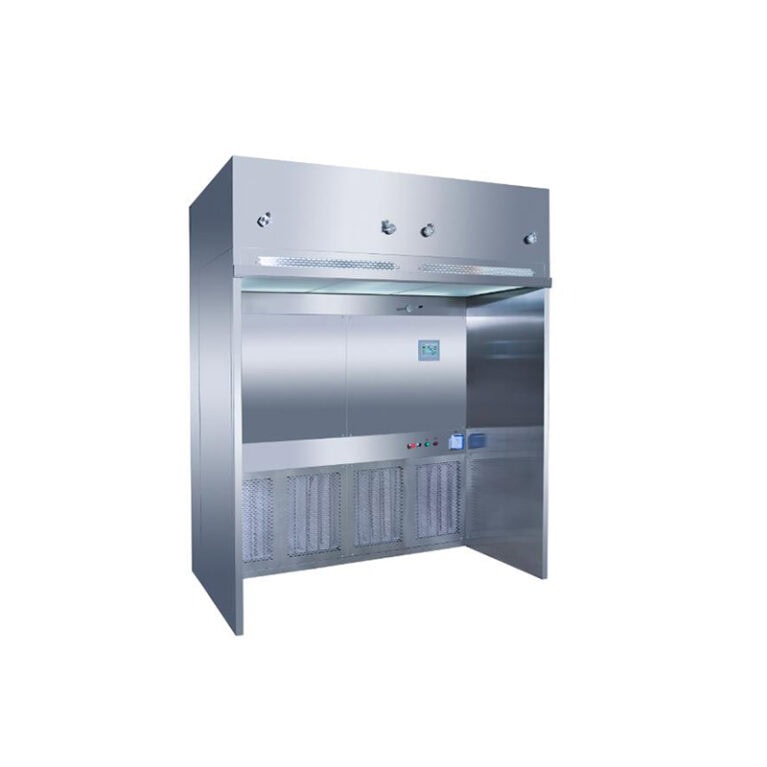
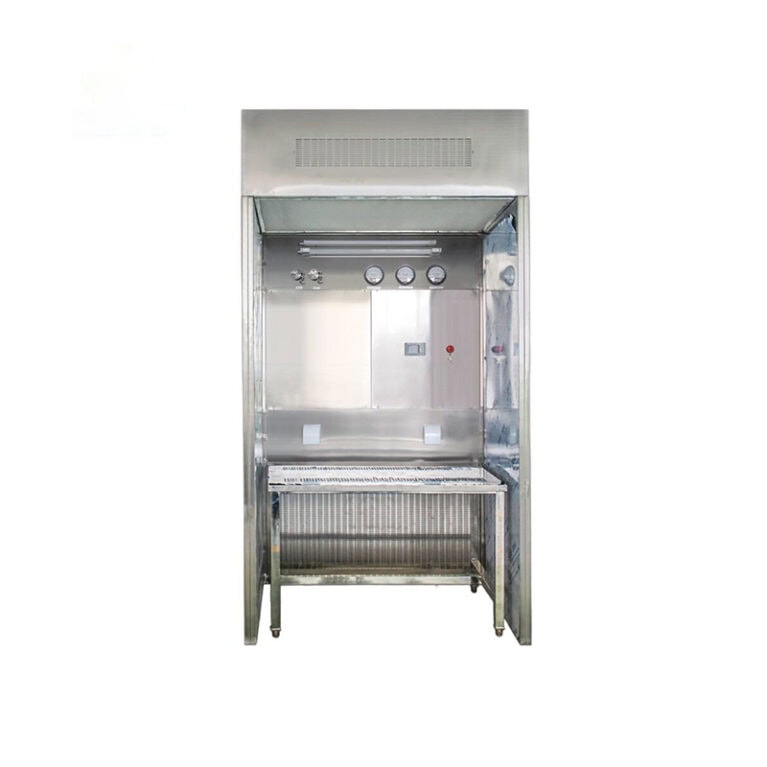
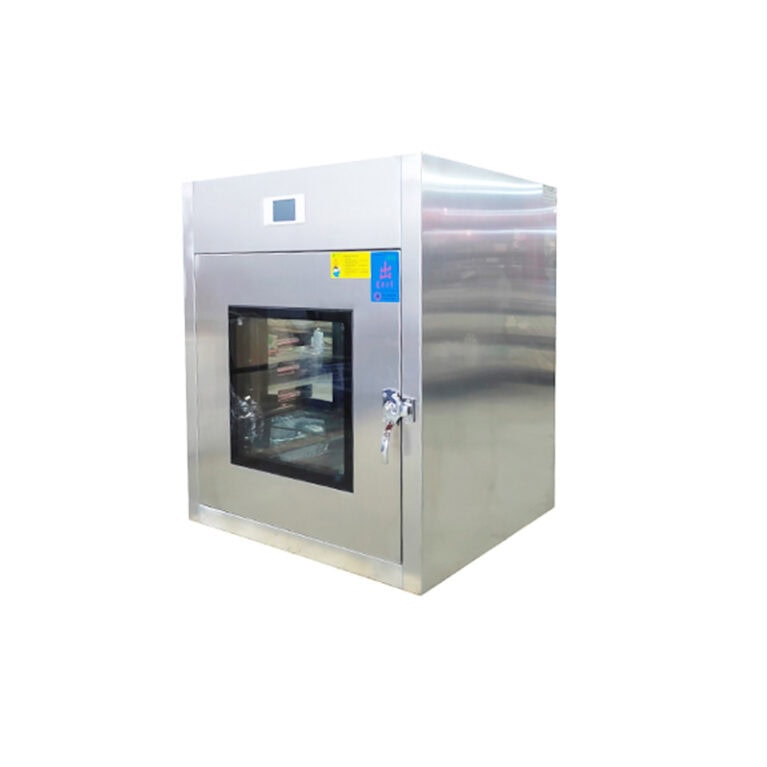
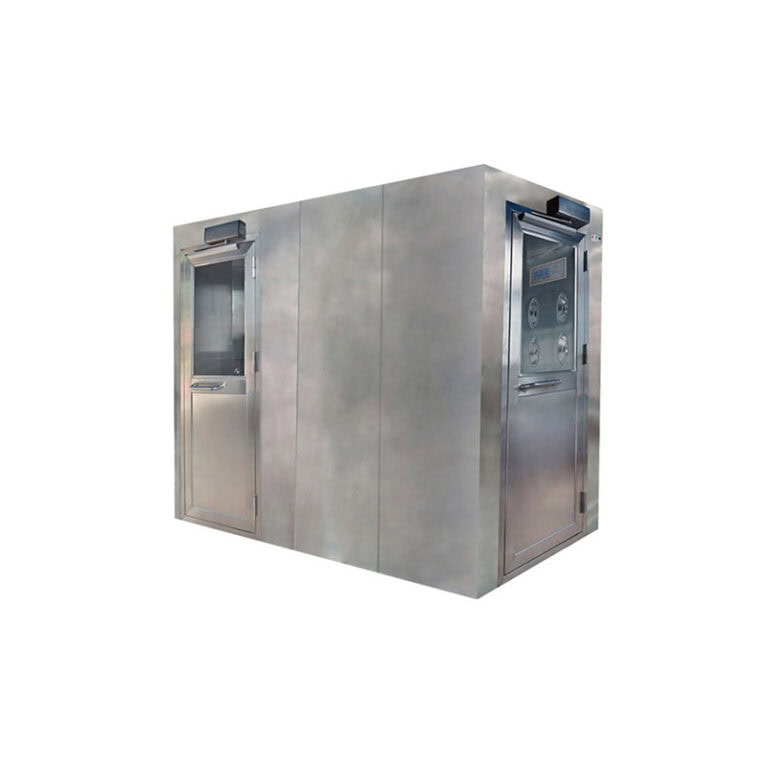
In scenarios such as pharmaceutical production, biosafety laboratories, medical device manufacturing, and electronic cleanrooms, laminar flow channel boxes serve as the core auxiliary equipment connecting different clean levels of areas, effectively preventing cross-contamination. Unlike traditional mechanical channel boxes, it adopts a one-way laminar flow self-cleaning technology, achieving dynamic purification during material transfer and becoming the key defense line for maintaining pressure differences and controlling contamination in clean rooms. This thesis complies with GMP, EU GMP Appendix 1, and PIC-S industry standards, systematically elaborating on its working principle, key technical parameters, and core anti-contamination logic, providing technical references for equipment selection, commissioning, installation, operation, and maintenance management. The core technical principle of the laminar flow channel box is to adopt a standard top air supply and bottom return vertical one-way laminar flow circulation purification method, completely discarding the mode of ordinary channel boxes relying solely on ultraviolet lamps for static disinfection.
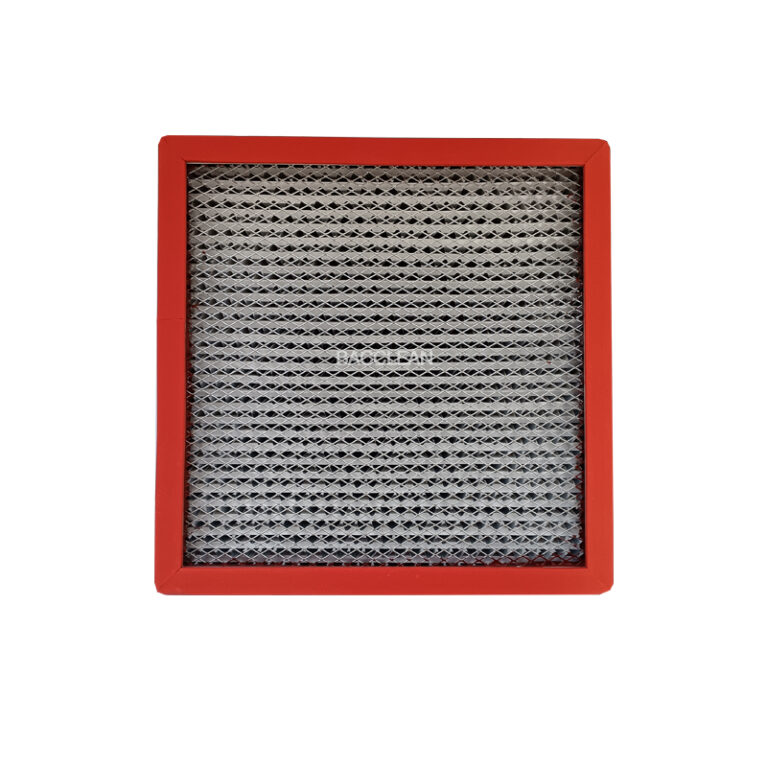
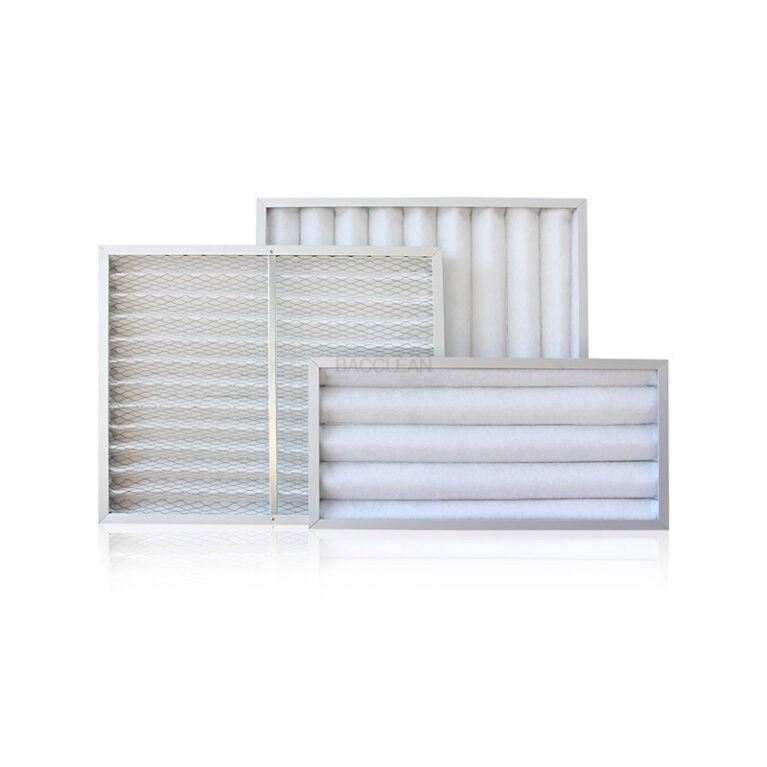
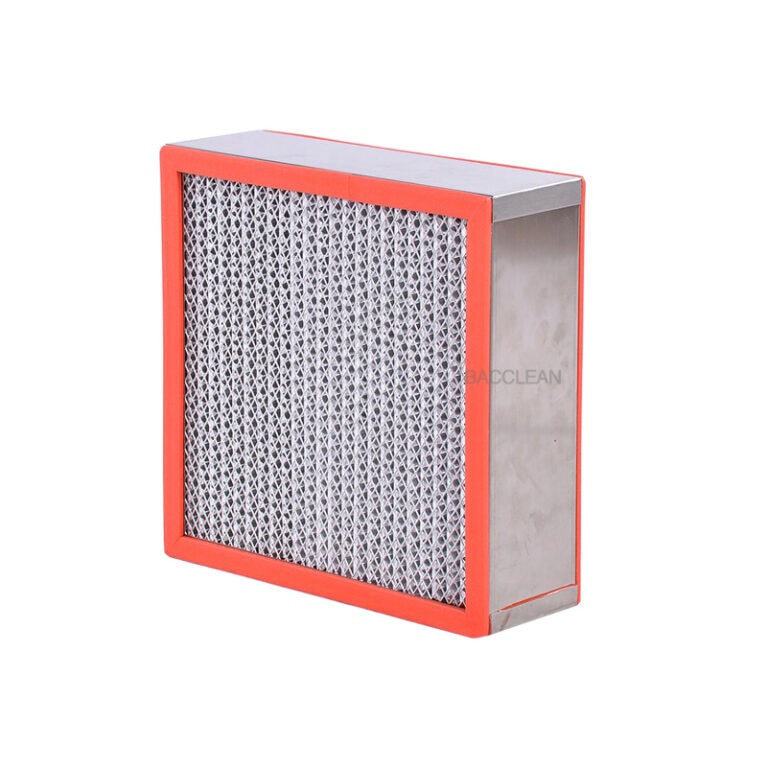
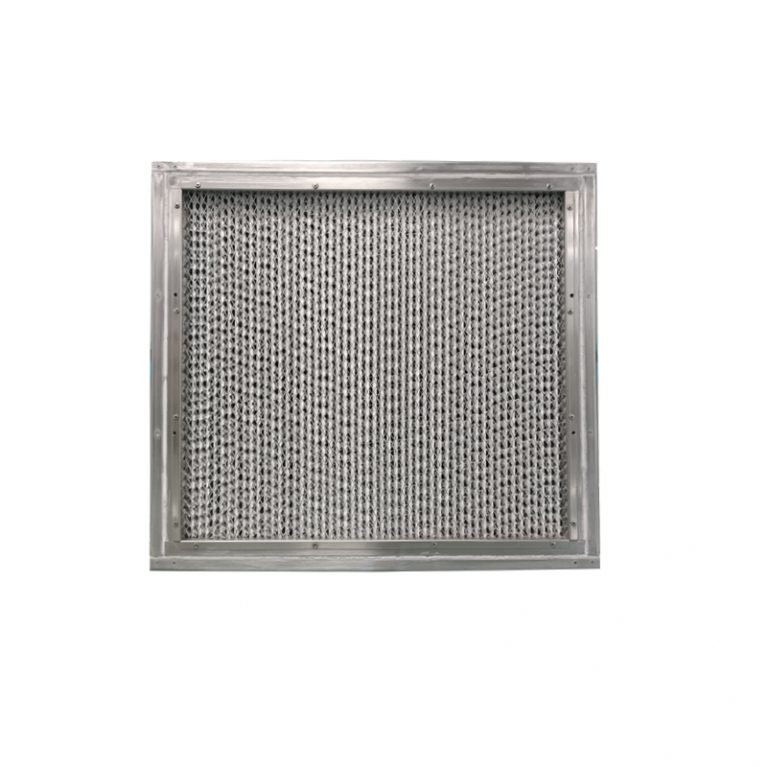
During operation, the environmental air is first pre-treated by the G4-level pre-filter installed at the top to capture coarse dust, fibers, and impurities. Then, the air is pressurized by a dedicated fan and enters the collection chamber, where it is deeply filtered through an H14-level HEPA filter to generate highly clean airflow. This airflow covers the entire working area in a uniform vertical laminar flow manner and returns through the bottom perforated return plate, forming a closed purification system. The continuous and stable laminar airflow can immediately remove particles adhering to the surface of items and microorganisms in the air, preventing external contaminants from entering the clean area during transportation, and avoiding air leakage in the clean area, thereby precisely maintaining the pressure gradient balance within the clean room. From an industrial specification perspective, a qualified industrial-level laminar clean room should meet strict performance indicators: the indoor static cleanliness reaches B-level; the airflow speed in the working area is stably maintained between 0.45–0.65 m/s, with a speed uniformity deviation of ≤±10%, and no turbulence or vortex dead zones. The filtration system adopts a two-level configuration of G4 pre-filter and H14 high-efficiency particulate air filter (HEPA), with a filtration efficiency of ≥99.995% for 0.3 μm particles. The main shell material is 304/316L stainless steel.
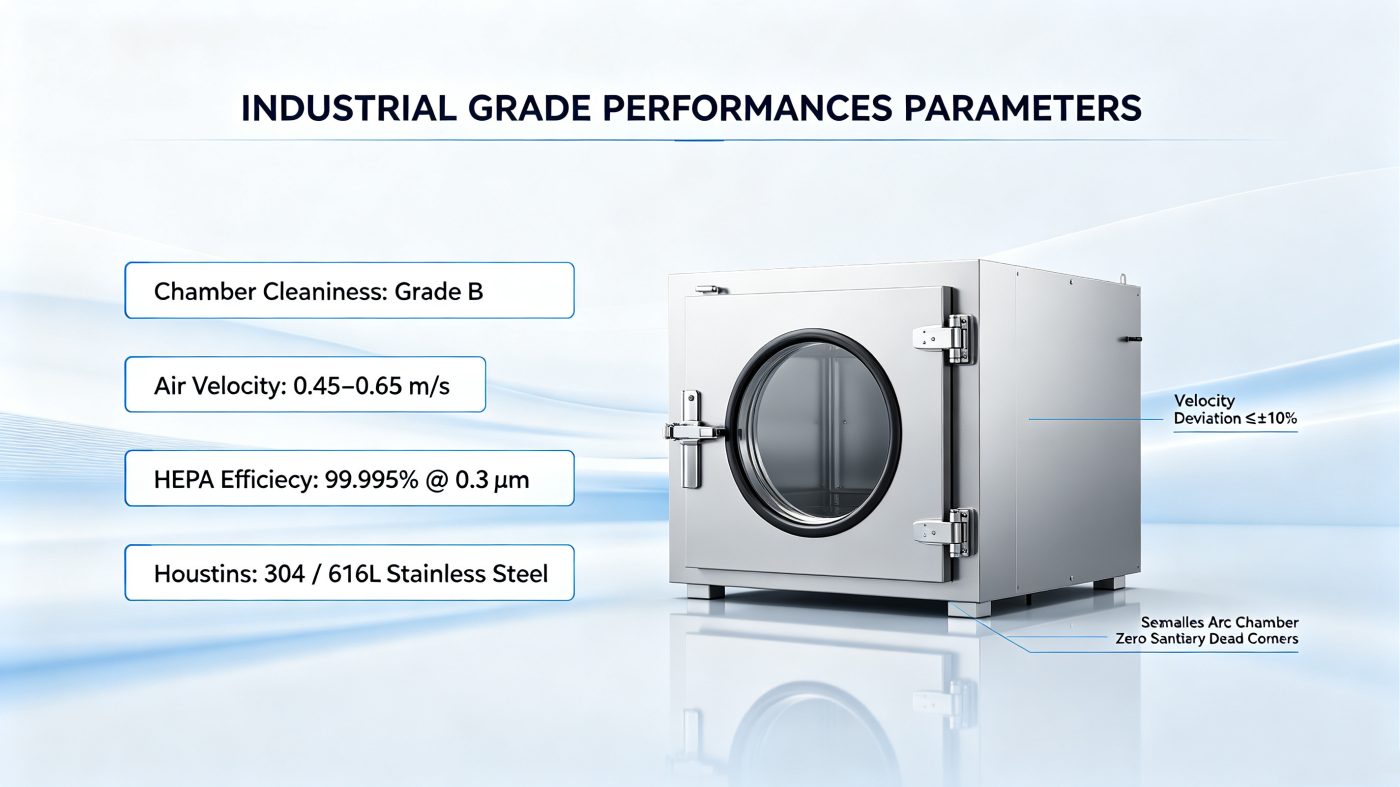
Due to its molybdenum content, the corrosion resistance of 316L is 50% higher than that of 304, making it suitable for high-humidity, salt spray, and acid-base corrosive environments. The salt spray test life can reach 2000 hours. The internal cavity design adopts seamless arc transition to eliminate hygiene dead corners and prevent dust accumulation and microbial growth, fully meeting the hygiene and cleanliness requirements of clean workshops. In terms of pollution control logic, the laminar flow channel box constructs a triple protection system consisting of mechanical interlocking, dynamic self-cleaning, and intelligent monitoring, fundamentally eliminating the risk of cross-contamination. At the hardware level, the double-door electronic interlock can strictly prevent both doors from opening simultaneously, physically blocking the airflow flow between different areas. For high-level biosafety scenarios, some models can be optionally equipped with inflatable sealing gaskets, significantly improving air tightness and suitable for high-risk environments such as BSL-3/BSL-4 laboratories. In terms of purification performance, the equipment supports delayed self-cleaning after opening and automatically activates the purification function when closing. Full cabin self-cleaning and disinfection can be completed before and after material transfer. The integrated independent ultraviolet disinfection module achieves the dual purification effect of physical filtration and ultraviolet irradiation. In terms of intelligent monitoring, high-end models are equipped with differential pressure monitoring, fan failure alarms, and sound and light warnings to deal with abnormal door opening situations. The filter blockage status and fan operation conditions can be monitored in real time. Key data can be integrated into BMS/SCADA systems to achieve data traceability and remote management, in line with pharmaceutical production compliance requirements.
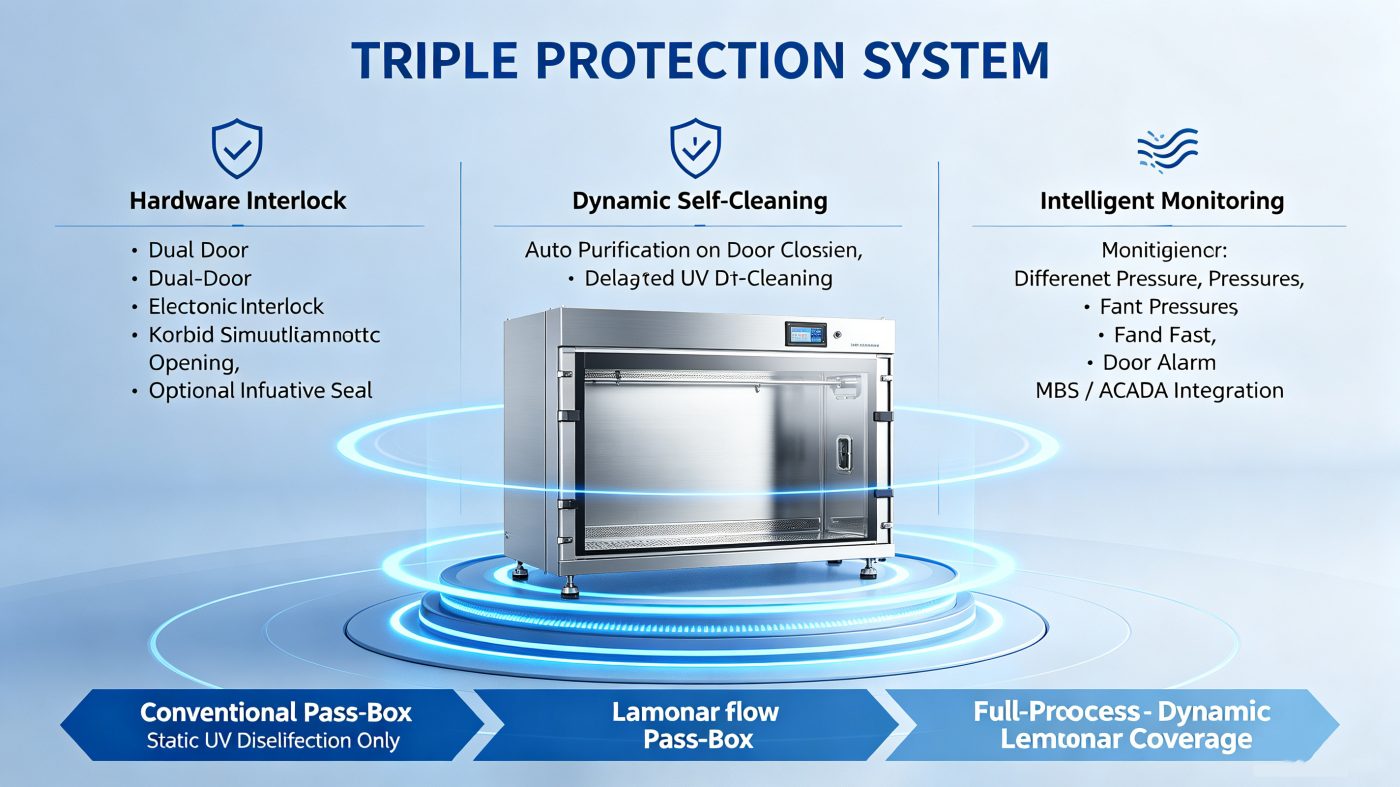
Compared with ordinary transfer cabinets, the core advantage of laminar flow transfer cabinets lies in their dynamic purification capability. Traditional transfer cabinets only have static sterilization functions and cannot eliminate the instantaneous contamination caused by the entry and exit of materials. In contrast, laminar flow transfer cabinets can maintain a laminar flow coverage throughout the process, achieving zero contamination intervention during the transfer.
