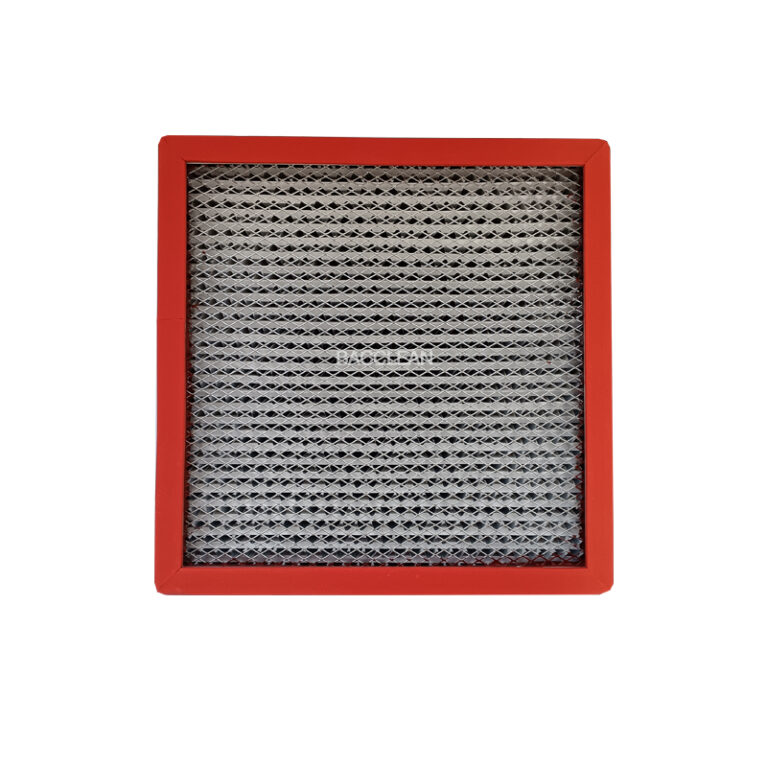

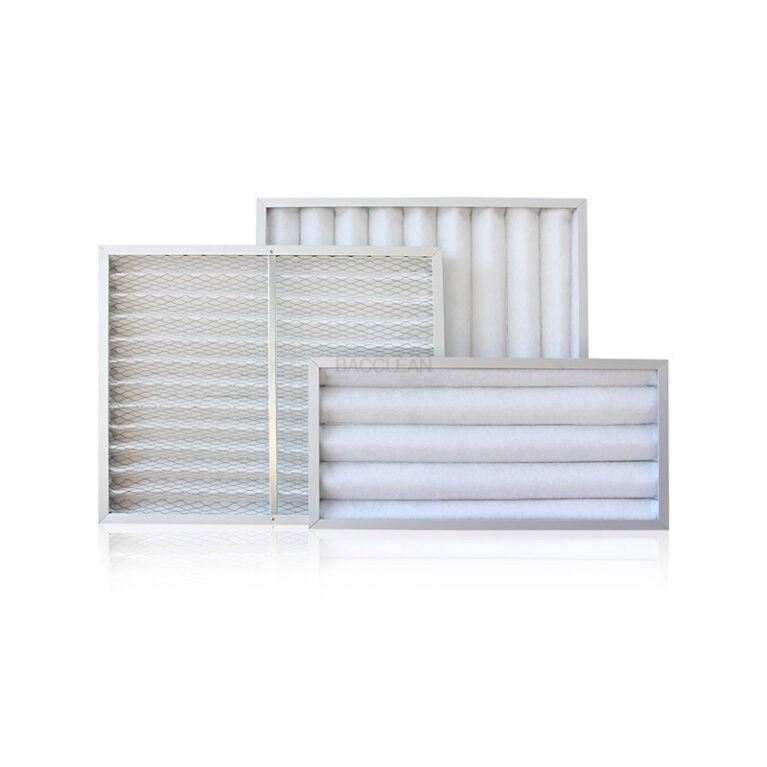
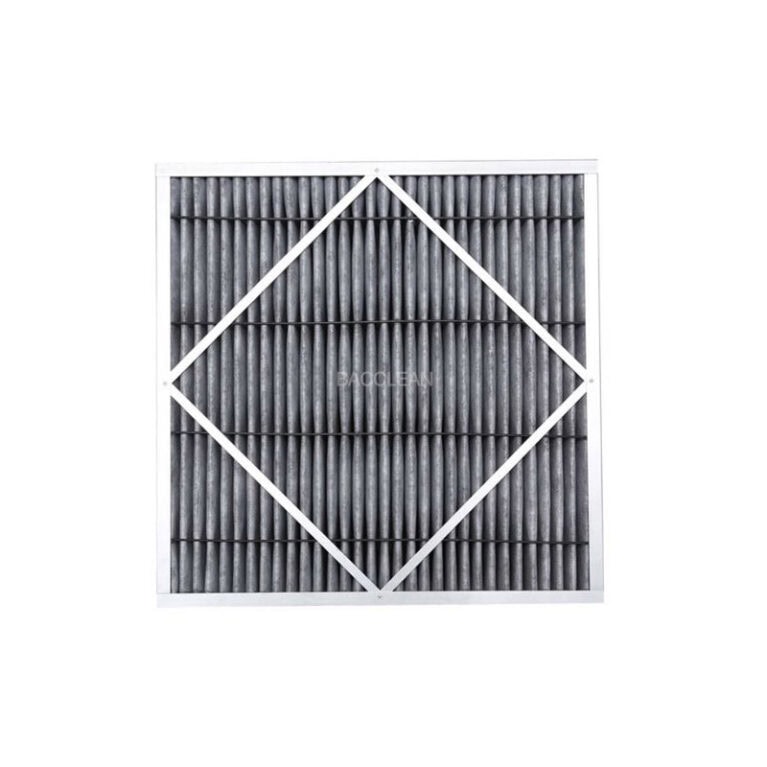
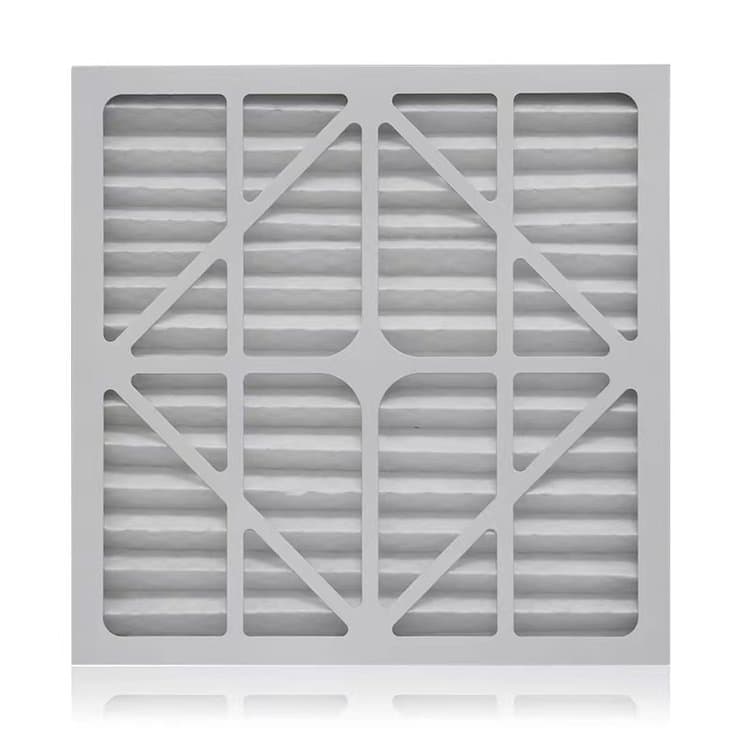
Although the paper frame primary filter is a disposable filtration consumable and its service life cannot be infinitely extended, through reasonable use and maintenance methods, its replacement cycle can be appropriately extended without affecting the filtration effect. The specific methods are as follows: 1. Optimize the usage environment and reduce the dust load Control pollution sources If the filter is used in industrial workshops, warehouses and other places, it is necessary to minimize the generation of dust in the area (such as enclosing the material transportation process and regularly sprinkling water on the ground to reduce dust), reduce the concentration of particulate matter in the air from the source, and relieve the filtration pressure of the filter. Improve the ventilation path For the air inlets of air conditioning or ventilation systems, try to avoid areas with dense dust (such as construction sites or beside main roads), and install them in relatively clean directions to reduce the initial dust content inhaled. Second, adjust the system operation parameters reasonably Control the wind speed and air volume The filtration efficiency and dust-holding speed of the filter are closely related to the wind speed: when the wind speed is too high, dust is prone
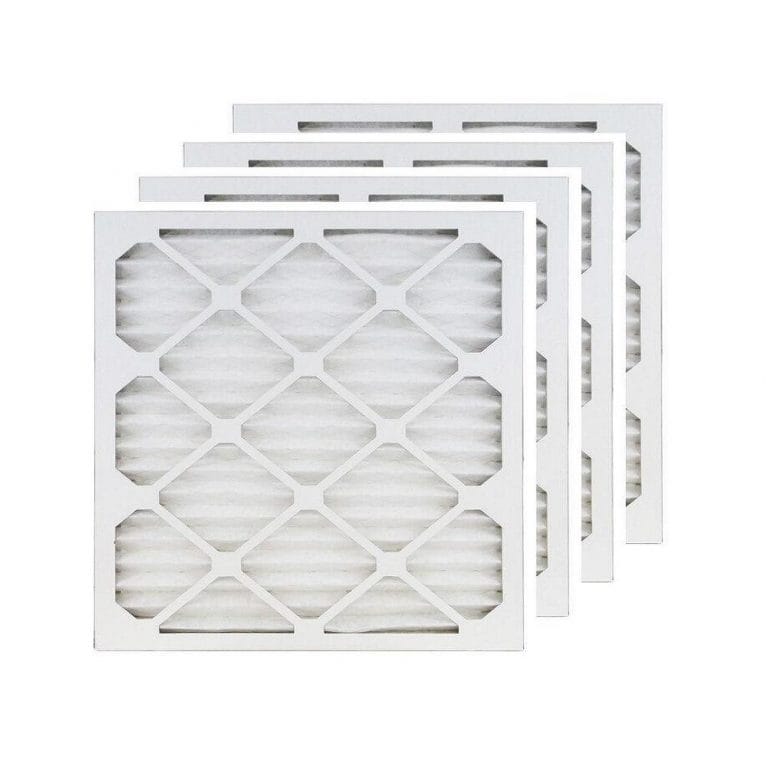
The service life of paper frame primary filters is influenced by multiple factors and there is no fixed standard duration. It usually fluctuates between 1 and 6 months. The specific duration can be determined by considering the following key factors: I. Core Factors Affecting Service Life Environmental dust content This is the most significant influencing factor. In environments with high dust concentrations (such as near construction sites, textile workshops, and heavy industrial plant areas), filters will accumulate dust rapidly and may need to be replaced every 1 to 2 months. In environments with higher cleanliness levels (such as office buildings and hotels), the service life can be extended to 3 to 6 months. Air volume and wind speed The higher the filtration air velocity and the greater the ventilation volume, the higher the frequency and intensity of contact between the particulate matter in the air and the filter material, the faster the clogging speed of the filter material and the shorter its service life. Conversely, in systems with low air velocity and small air volume, the service life of the filter is relatively longer. Filter material quality and structure High-quality filter materials such as glass fiber and non-woven fabric have
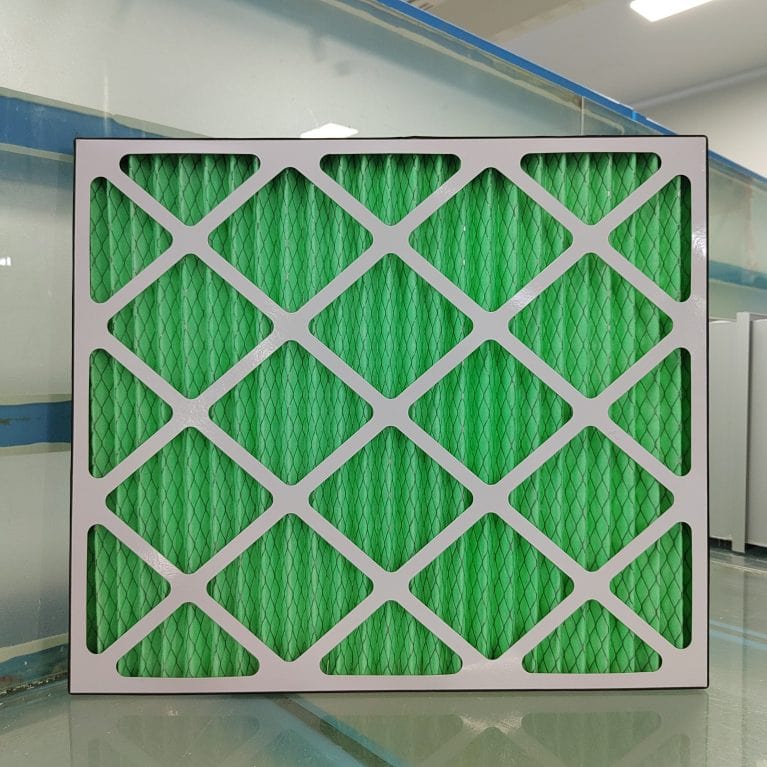
Paper frame primary filters serve as the first stage in air filtration systems, removing larger particles (such as dust, hair, fibers, etc.) to protect downstream filters and equipment. They have extensive applications wherever basic air purification is required, including: HVAC (Heating, Ventilation and Air Conditioning) system It is one of the most important application fields of paper frame primary filters, suitable for central air conditioning and ventilation systems in buildings such as office buildings, shopping malls, hotels, hospitals, and residences. They remove large particles from incoming air to prevent buildup on system components like heat exchangers and fans. 2. Industrial production workshops Many industrial production environments (such as electronic assembly, mechanical processing, food processing, textile workshops, etc.) require basic air purification to reduce the impact of dust in the air on product quality or production equipment. The paper frame primary filter can be used as a pre-filtering device, installed at the ventilation air intake of the workshop or in local purification equipment, to initially filter large particle pollutants in the outside air or the circulating air within the workshop. 3. Pre-filtration for cleanrooms and laboratories In cleanrooms with high requirements for air cleanliness (such as pharmaceutical cleanrooms and semiconductor cleanrooms)
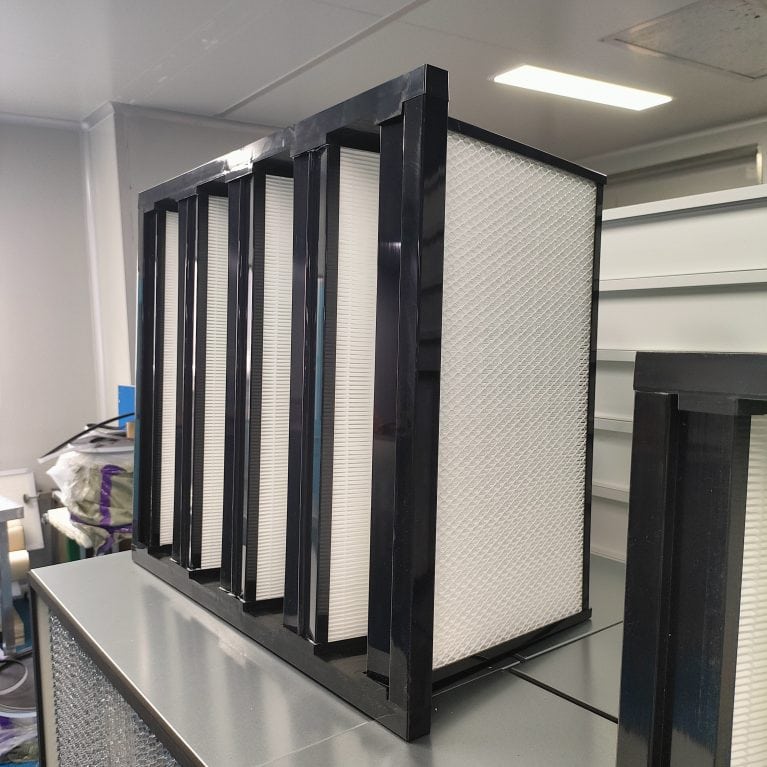
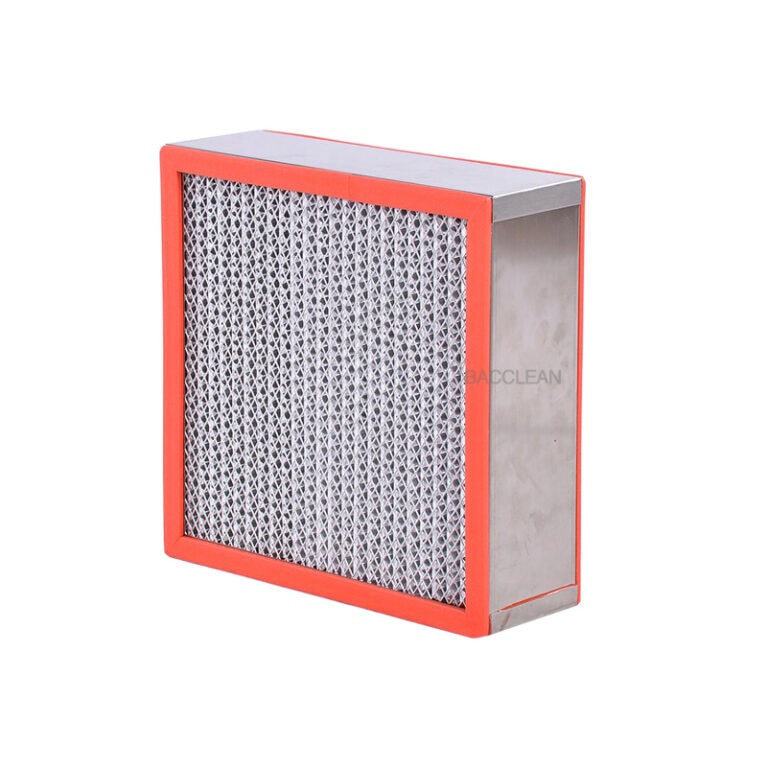
To extend the service life of plastic frame combined air filters, efforts should be made to reduce the load on the filter material, protect the frame and the filter material, and optimize the operating environment. Targeted measures should be taken in combination with the material characteristics and filtration principles. The specific methods are as follows: I. Reducing the Dust Accumulation Rate of Filter Materials (Core Idea) The dust-holding capacity of filter materials is limited. Reducing the total amount of pollutants entering the filter can directly extend its service life. Add a pre-filter Before the plastic frame combined filter (usually medium or sub-high efficiency), a primary filter (such as nylon mesh or non-woven fabric filter) is installed to intercept large particle dust (≥5μm) first, reducing the burden on the filter material of the main filter. In an air conditioning system, the primary filter can filter out over 80% of large particles, extending the lifespan of the subsequent medium-efficiency filter by 30% to 50%. Control the concentration of intake air pollution Optimize the outdoor air intake: Keep it away from pollution sources such as construction sites, roads, and factories. If necessary, install windshields or dust covers to reduce the direct inhalation of
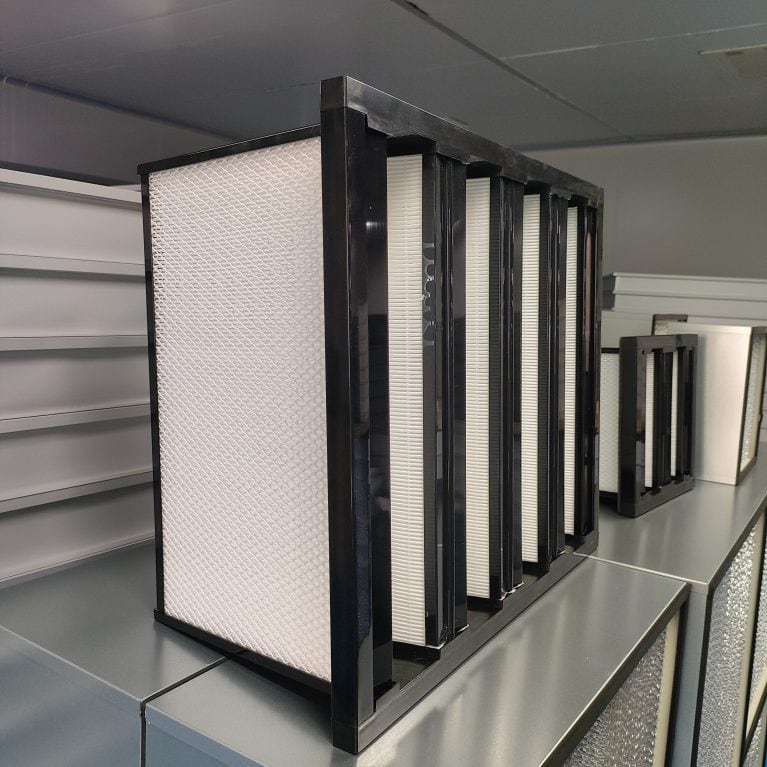
To determine whether a plastic frame combined air filter needs to be replaced, it is necessary to comprehensively judge through methods such as resistance monitoring, appearance inspection, and performance testing based on its operating status, performance changes, and actual filtration effect. The specific methods are as follows: I. Judging through Resistance Changes (Core Indicator) The resistance of the filter will gradually increase as the dust holding capacity rises. When the resistance reaches the preset “final resistance”, it indicates that the filter material is close to saturation and must be replaced. Initial resistance: The resistance of the filter when it is not in use (product manuals usually indicate this, for example, the initial resistance of medium-efficiency filters is approximately 50-80Pa, and that of high-efficiency filters is about 100-200Pa). Final resistance: Generally set at 2 to 3 times the initial resistance (it can be determined according to the system design. For example, for a filter with an initial resistance of 80Pa, it needs to be replaced when the final resistance reaches 160 to 240Pa). Operation method: Install differential pressure gauges before and after the filter, and record the resistance changes regularly. When the value reaches the final resistance, it is the signal
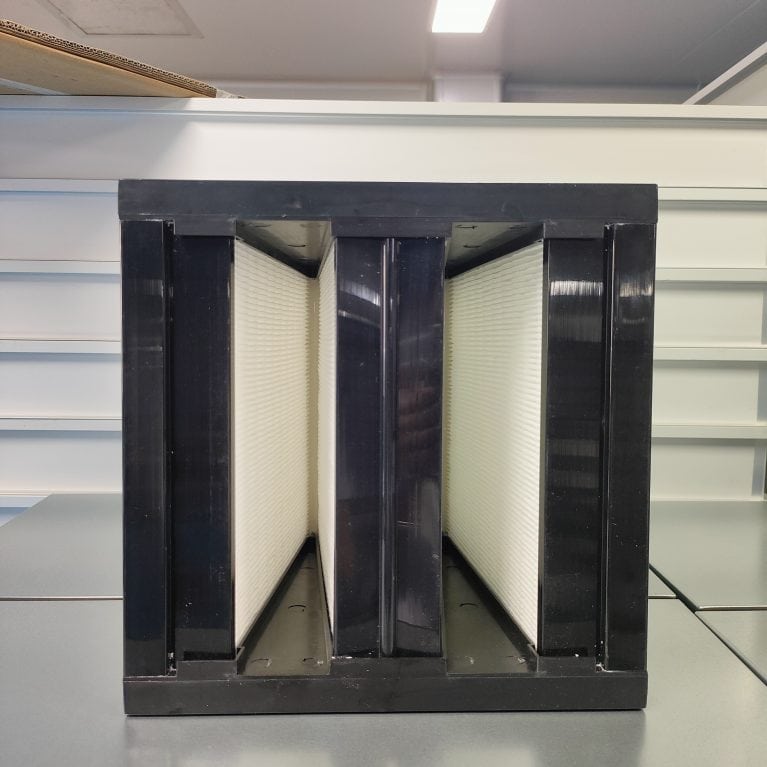
The service life of plastic frame combined air filters is influenced by multiple factors and usually does not have a fixed uniform duration. It generally ranges from 1 to 12 months. The specific duration can be comprehensively judged based on the following key factors: I. Core Influencing Factors Filtration efficiency grade Primary filters (such as G1-G4) : Mainly filter large particle dust (≥5μm), with a relatively large dust holding capacity and a long service life, generally 3 to 6 months. Medium-efficiency filters (such as F5-F9) : They filter particles ranging from 1 to 5μm, have a medium dust holding capacity, and typically last for 2 to 4 months. Sub-high efficiency/high efficiency filters (such as H10-H14) : For particles smaller than 0.3μm, the filter material is dense, with a small dust-holding capacity and a relatively short service life, generally 1 to 3 months. In some high-cleanliness scenarios (such as operating rooms), the service life may be even shorter. The degree of pollution in the usage environment In severely polluted areas (such as near construction sites, textile workshops, and industrial zones with a lot of dust) : The concentration of dust in the air is high, and filters are prone to clogging,
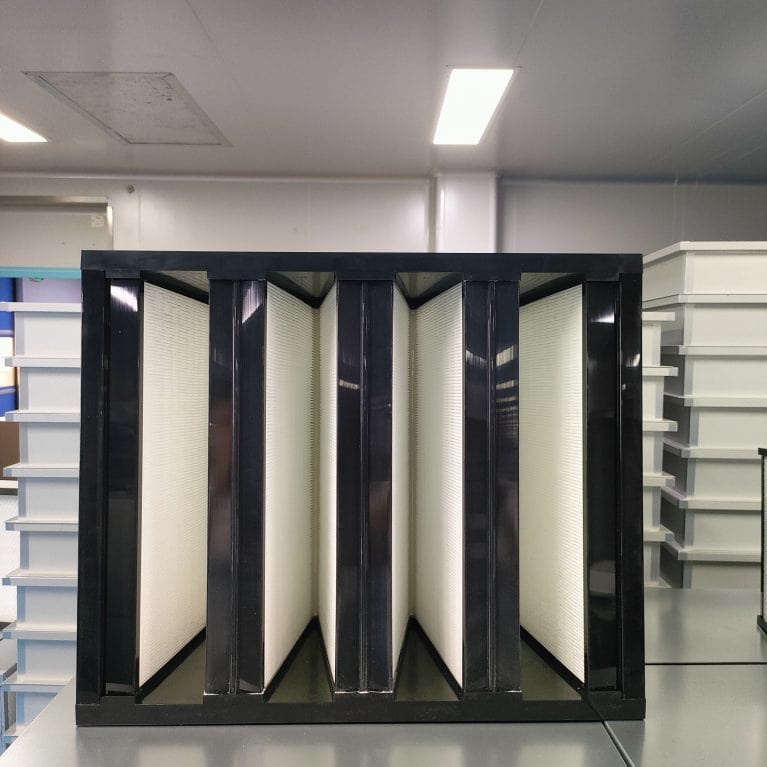
Plastic frame combined air filters, with their diverse filtration efficiencies, flexible structures, and convenient installation and maintenance, are widely applicable in various scenarios, covering commercial and civil use, industrial production, medical and health care, and many other fields. Specifically as follows: I. Ventilation Systems for Commercial and civil Buildings Central air conditioning systems in large public places such as office buildings, shopping malls, hotels, stadiums, airports, and stations, which are densely populated, can serve as pre-treatment or terminal filtration devices for air circulation. They can effectively remove dust, pollen, and particulate matter from the air, improve indoor air quality, and reduce respiratory discomfort. Common civilian scenarios: home fresh air systems, small commercial air conditioners (such as restaurants, convenience stores), etc. It is especially suitable for scenarios with limited installation space and weight requirements. The lightweight feature of the plastic frame can reduce the installation difficulty. Ii. Industrial Cleanrooms and Production Workshops Precision manufacturing industry: In electronic, semiconductor, chip, and liquid crystal display (LCD) production workshops, these environments have extremely high requirements for air cleanliness (such as Class 100-Class 10000 cleanrooms, where “Class 100” refers to a cleanroom with no more than 100 particles larger than 0.5 microns per cubic foot
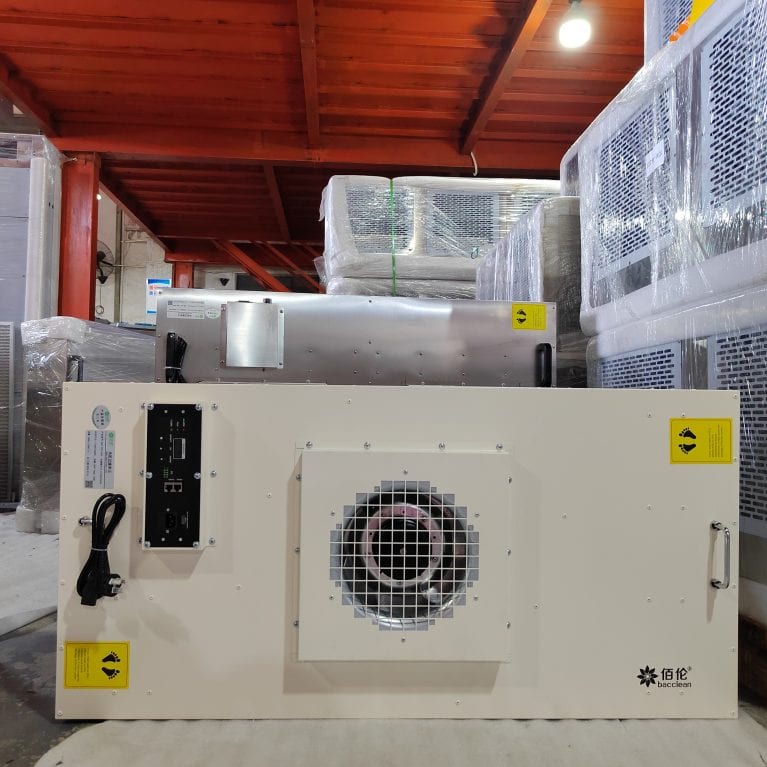
Excessive noise from the fan filter unit (FFU) can affect the comfort of the clean room environment, the stability of equipment and the health of personnel. To solve the problem, it is necessary to start from the noise sources (such as fan operation, air flow disturbance, structural vibration, etc.), take targeted measures in combination with the scene requirements, and at the same time avoid affecting the filtration efficiency and air volume performance. The following are the specific solutions 1. Optimize the equipment itself: Reduce noise from the source The core noise sources of FFU are the fan and the movement of the airflow. Noise generation can be directly reduced through structural improvements of the equipment. 1. Replace the type of low-noise fan Give priority to brushless DC fans Compared with traditional AC centrifugal fans, brushless DC fans adopt electronic commutation technology, featuring low mechanical friction and electromagnetic noise. Under the same air volume, the noise can be reduced by 5 to 10dB (A) (for example, from 65dB (A) to 55 to 60dB (A)), and they support precise variable frequency speed regulation. It can reduce the noise of airflow turbulence by lowering the wind speed (suitable for low-noise scenarios such as
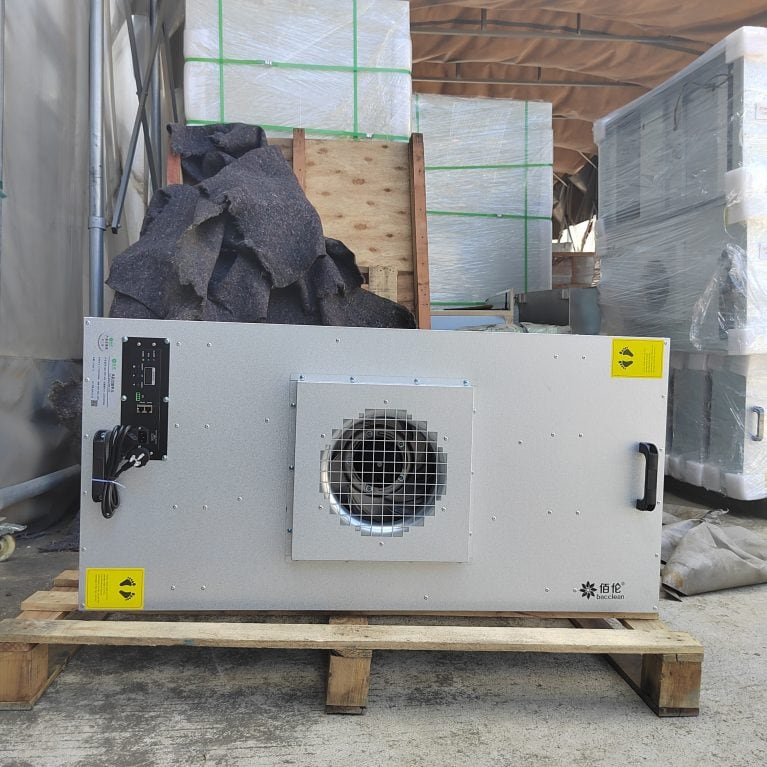
The noise level of the fan filter unit (FFU) is a key factor that cannot be ignored in the selection process, directly affecting the working environment, personnel comfort and equipment operation stability of the clean room. Its specific impact on the selection is mainly reflected in the following aspects: 1. Determine whether it meets the noise limit requirements of the cleanroom Cleanrooms in different application scenarios have clear mandatory or recommended standards for noise, and the noise level is the “entry threshold” for selection. Pharmaceutical and food cleanrooms: They must comply with GB 50457 “Code for Design of Clean Rooms in Pharmaceutical Industry”, with noise levels ≤60dB (A). Some aseptic filling areas even require noise levels ≤55dB (A) to prevent noise from interfering with the operators’ attention and reduce the risk of contamination. Semiconductor and precision electronics workshops: Precision equipment (such as photolithography machines and wafer inspection equipment) is sensitive to vibration and noise. The noise level should be ≤60dB (A). Excessive noise may be transmitted through the air or structure, affecting the accuracy of the equipment and leading to a decrease in product yield. Laboratory and biosafety cabinet accessories: Researchers need to work indoors for long periods of time.
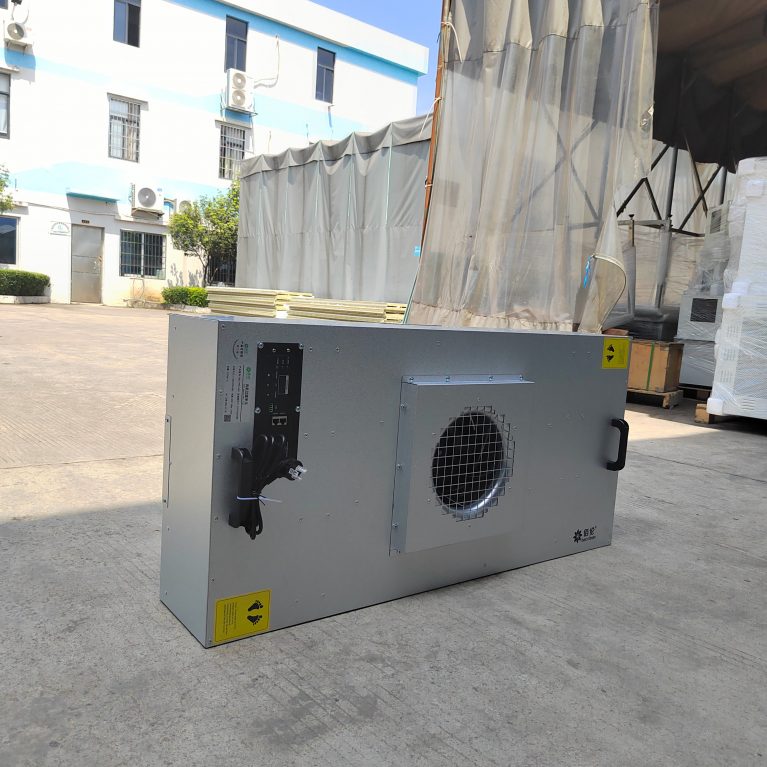
The selection of the fan filter unit (FFU) directly affects the purification effect, operating cost and stability of the cleanroom, and needs to be comprehensively evaluated in combination with specific application scenarios. The following are the core factors that need to be given priority consideration when making a selection: I. Cleanliness Requirements This is the primary basis for selection, determining the type and performance parameters of the filter: Particle size and filtration efficiency If a Class 1000 to 100,000 cleanroom is required (such as for general electronic assembly and food processing), a HEPA filter (with an efficiency of ≥99.97% for 0.3μm particles) is sufficient. If Class 1 to 100 is required (such as in semiconductor wafer manufacturing, biomedicine aseptic workshops), ULPA filters (with an efficiency of ≥99.999% for 0.12μm particles) should be selected. Air cleanliness grade standards: It is necessary to refer to standards such as ISO 14644-1 and FS 209E, clearly define the maximum allowable particle concentration in the target area, and then invert the filtration efficiency requirements of the FFU. Ii. Air Volume and air change Rate Air volume is the core performance parameter of FFU and needs to match the volume and air change rate requirements of
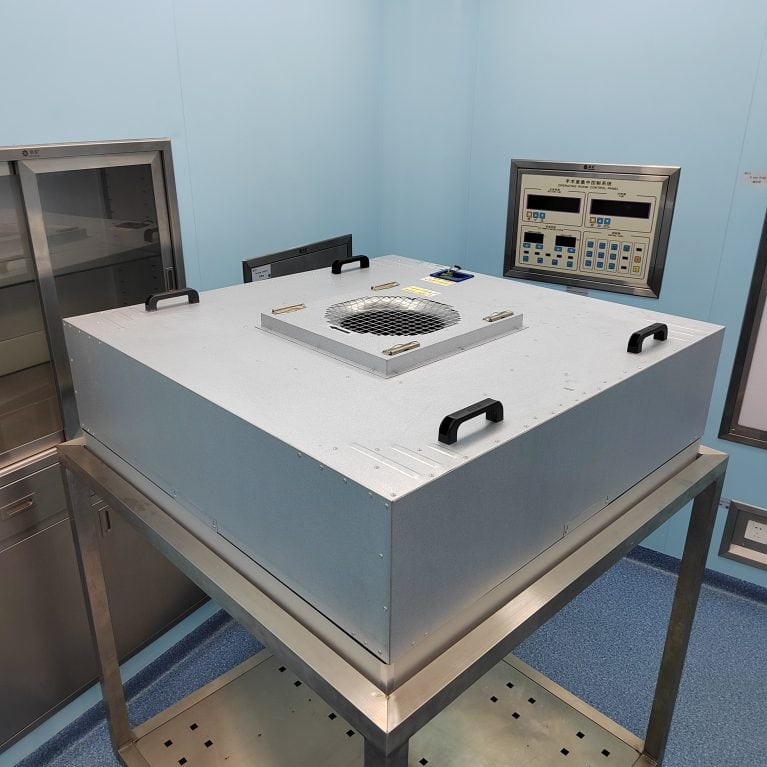
The Fan Filter Unit (FFU) is a key purification device in clean rooms (controlled environments designed to minimize particulate contamination), dust-free workshops and other places. Its core function is to achieve local air purification by using a fan to push air through high-efficiency filters. These filters include HEPA (High-Efficiency Particulate Air, which captures very fine particles) or ULPA (Ultra-Low Penetration Air, which captures even smaller particles). According to different classification criteria, FFU can be divided into various types. The following are common classification methods and specific types: I. Classification by filter type This is the most crucial classification method, which directly determines the filtering efficiency of the FFU: Hepa-type FFU: Equipped with high-efficiency air filters (HEPA, which stands for High-Efficiency Particulate Air), it can achieve a filtration efficiency of over 99.97% for particles with a diameter of ≥0.3μm (micrometers, a micrometer is one millionth of a meter), and is suitable for most clean rooms (such as Class 1000 to Class 100,000, where the class indicates the maximum allowed particles per cubic foot). ULPA type FFU: Equipped with ultra-high efficiency air filters (ULPA, or Ultra-Low Penetration Air), it can achieve a filtration efficiency of over 99.999% for particles with a diameter
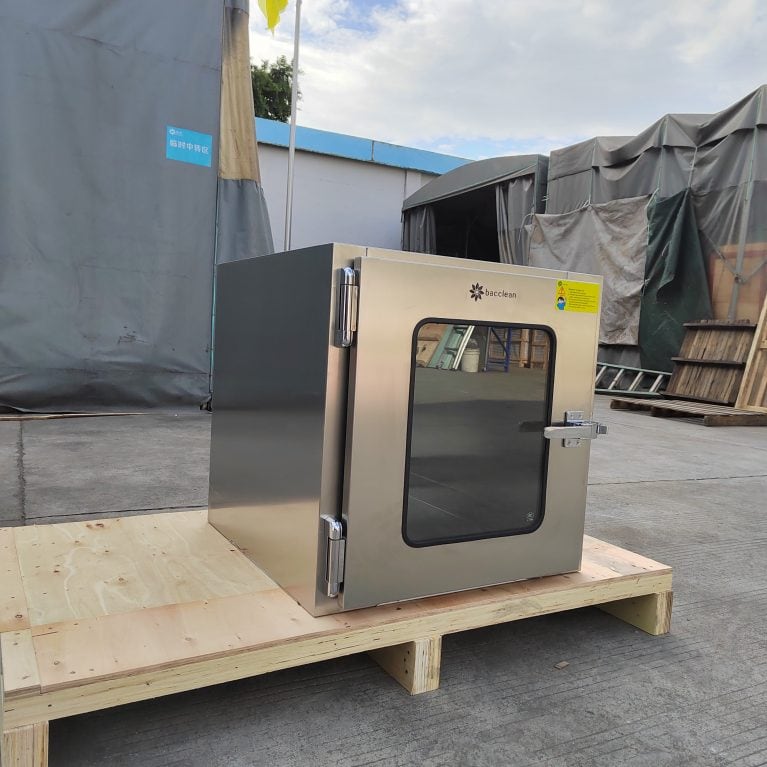
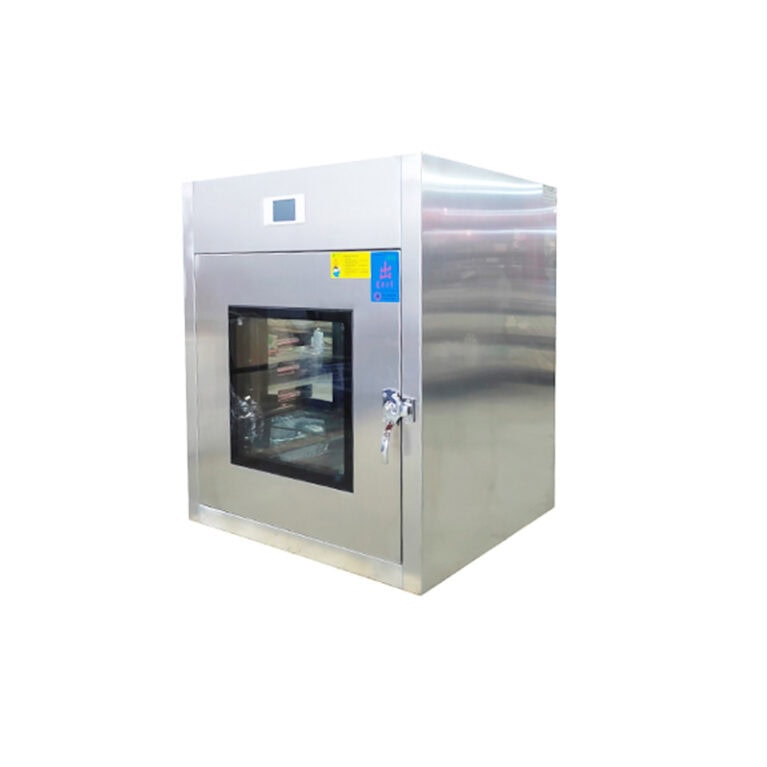
As a key piece of equipment for material transfer in clean environments such as laboratories, pharmaceutical workshops, and electronic clean rooms, the daily maintenance of embedded transfer Windows must strictly follow the regulations to ensure cleanliness, prevent cross-contamination, and extend the service life of the equipment. The following are the core precautions for daily maintenance: I. Precautions for Cleaning and Disinfection Cleaning frequency and timing After daily use, the internal cavity, door body, and handle should be cleaned. If it is used in high-risk scenarios (such as biological laboratories and aseptic pharmaceutical areas), disinfection should be carried out immediately after each material transfer. Before cleaning, the power supply of the transfer window must be turned off to ensure that the ultraviolet lamp, fan, etc., are not running, avoiding electric shock or direct ultraviolet radiation damage. Selection of cleaning tools and reagents Dust-free cloths and special clean cloths should be used (avoid using ordinary cloths to prevent fiber shedding and contamination), and 75% medical alcohol, peracetic acid, or disinfectants that meet the on-site requirements (such as sporicides commonly used in pharmaceutical workshops) should be used. Do not use corrosive cleaning agents (such as strong acids and strong alkalis) to avoid damaging
