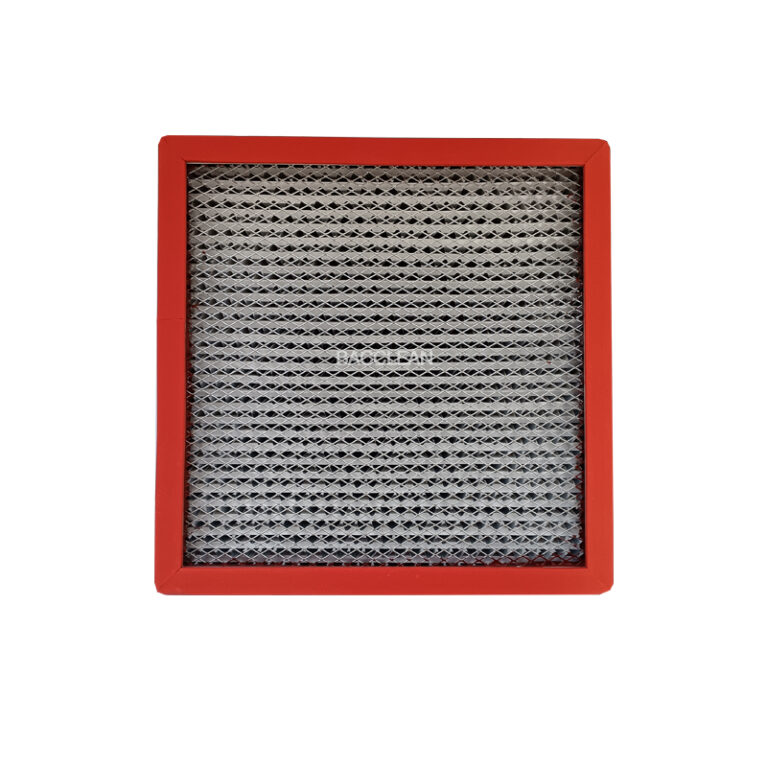

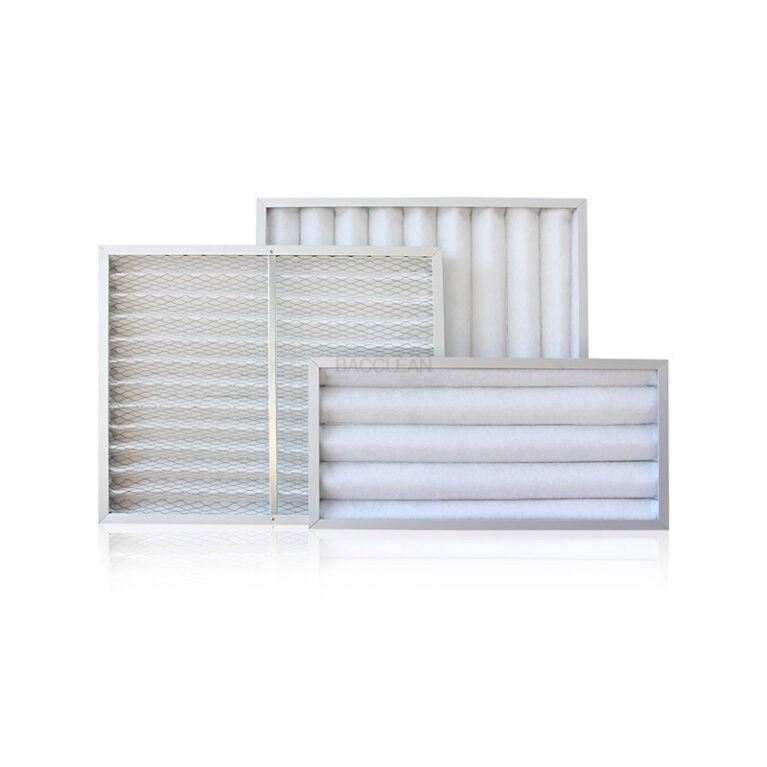
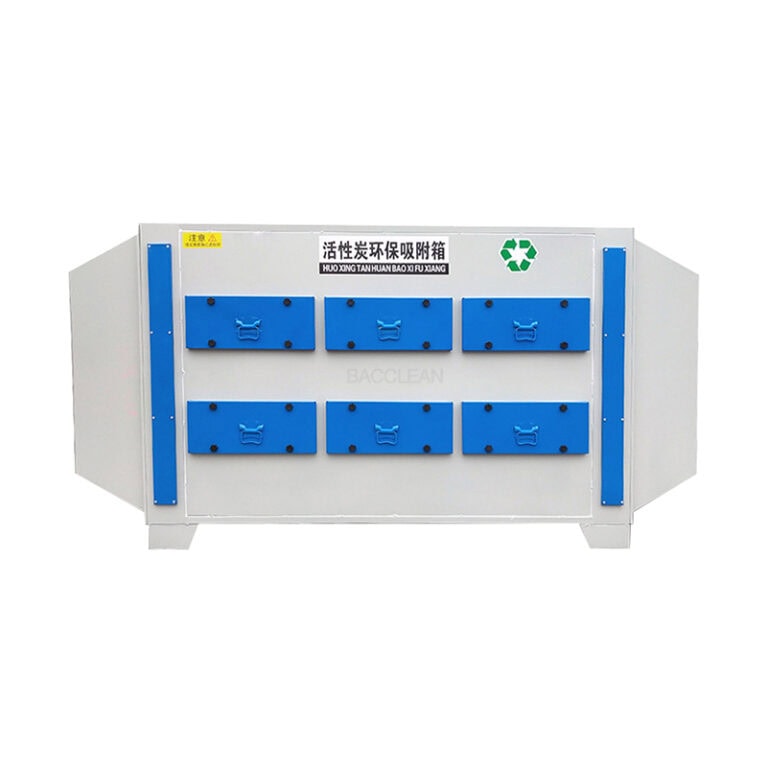
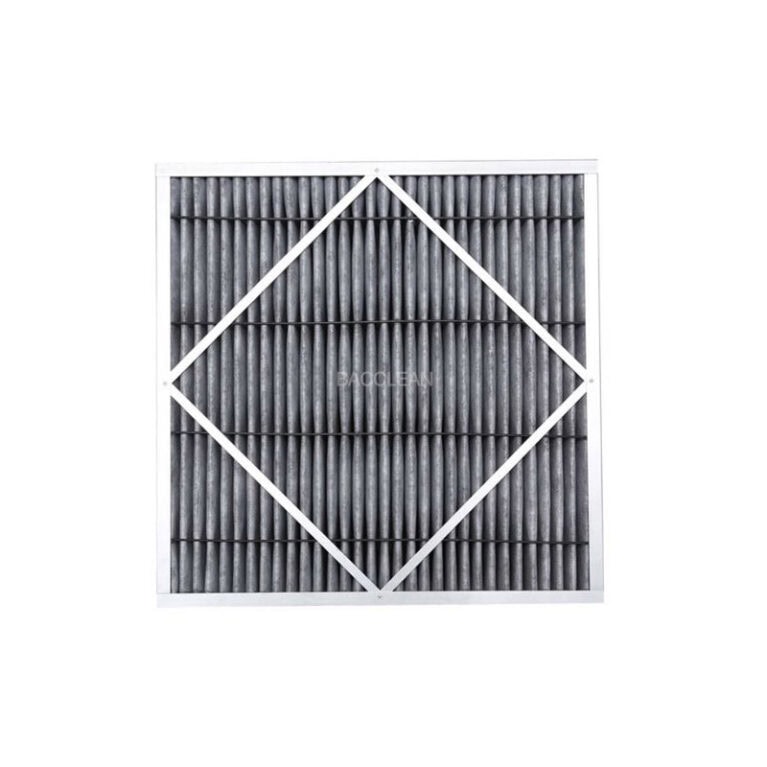
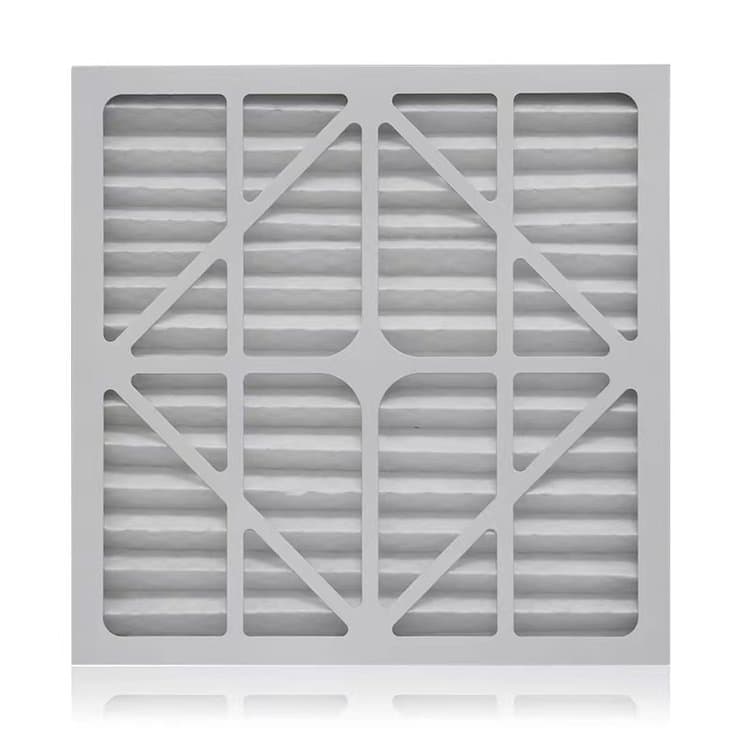
Aunque el filtro primario de marco de papel es un consumible de filtración desechable y su vida útil no puede prolongarse infinitamente, mediante métodos razonables de uso y mantenimiento, su ciclo de sustitución puede prolongarse adecuadamente sin afectar al efecto de filtración. Los métodos específicos son los siguientes: 1. Optimizar el entorno de uso y reducir la carga de polvo Controlar las fuentes de contaminación Si el filtro se utiliza en talleres industriales, almacenes y otros lugares, es necesario minimizar la generación de polvo en la zona (como encerrar el proceso de transporte de material y rociar regularmente el suelo con agua para reducir el polvo), reducir la concentración de partículas en el aire desde la fuente y aliviar la presión de filtración del filtro. Mejorar la vía de ventilación Para las entradas de aire de los sistemas de aire acondicionado o ventilación, trate de evitar las zonas con polvo denso (como las obras o junto a las carreteras principales), e instálelas en direcciones relativamente limpias para reducir el contenido inicial de polvo inhalado. En segundo lugar, ajuste razonablemente los parámetros de funcionamiento del sistema Controle la velocidad del viento y el volumen de aire La eficacia de filtración y la velocidad de retención de polvo del filtro están estrechamente relacionadas con la velocidad del viento: cuando la velocidad del viento es demasiado alta, el polvo es propenso a
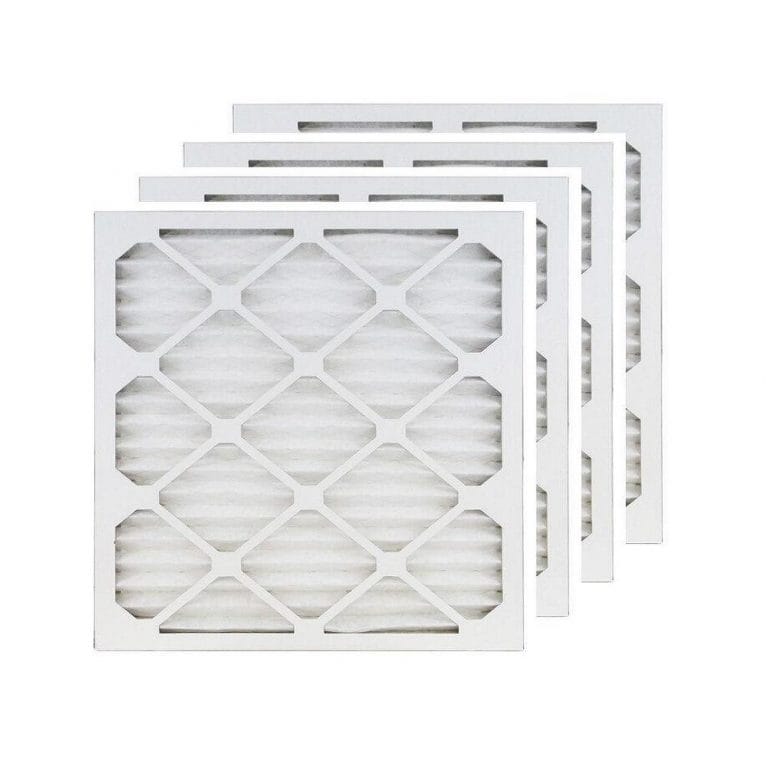
La vida útil de los filtros primarios con marco de papel depende de múltiples factores y no existe una duración estándar fija. Suele oscilar entre 1 y 6 meses. La duración específica puede determinarse teniendo en cuenta los siguientes factores clave: I. Factores principales que afectan a la vida útil Contenido de polvo ambiental Éste es el factor que influye de forma más significativa. En entornos con altas concentraciones de polvo (como cerca de obras de construcción, talleres textiles y zonas de plantas industriales pesadas), los filtros acumularán polvo rápidamente y puede ser necesario sustituirlos cada 1 ó 2 meses. En entornos con niveles de limpieza más elevados (como edificios de oficinas y hoteles), la vida útil puede prolongarse de 3 a 6 meses. Volumen de aire y velocidad del viento Cuanto mayor sea la velocidad del aire de filtración y mayor sea el volumen de ventilación, mayor será la frecuencia e intensidad del contacto entre las partículas del aire y el material filtrante, mayor será la velocidad de colmatación del material filtrante y menor su vida útil. Por el contrario, en sistemas con baja velocidad de aire y pequeño volumen de aire, la vida útil del filtro es relativamente más larga. Calidad y estructura del material filtrante Los materiales filtrantes de alta calidad, como la fibra de vidrio y la tela no tejida, tienen
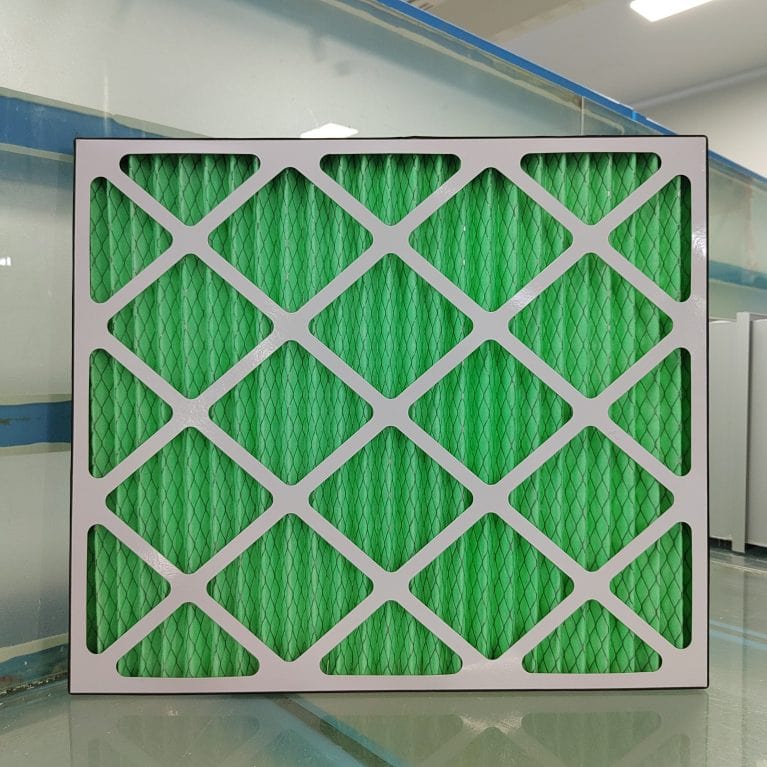
Los filtros primarios de marco de papel sirven como primera etapa en los sistemas de filtración de aire, eliminando las partículas más grandes (como polvo, pelo, fibras, etc.) para proteger los filtros y equipos posteriores. Tienen amplias aplicaciones dondequiera que se requiera una purificación básica del aire, incluyendo: Sistema HVAC (Calefacción, Ventilación y Aire Acondicionado) Es uno de los campos de aplicación más importantes de los filtros primarios de marco de papel, adecuados para sistemas centrales de aire acondicionado y ventilación en edificios como edificios de oficinas, centros comerciales, hoteles, hospitales y residencias. Eliminan las partículas grandes del aire entrante para evitar que se acumulen en los componentes del sistema, como intercambiadores de calor y ventiladores. 2. Talleres de producción industrial Muchos entornos de producción industrial (como ensamblaje electrónico, procesamiento mecánico, procesamiento de alimentos, talleres textiles, etc.) requieren una purificación básica del aire para reducir el impacto del polvo en el aire sobre la calidad del producto o los equipos de producción. El filtro primario de marco de papel puede utilizarse como dispositivo de prefiltrado, instalado en la entrada de aire de ventilación del taller o en el equipo de purificación local, para filtrar inicialmente las partículas contaminantes de gran tamaño del aire exterior o del aire circulante dentro del taller. 3. Prefiltración para salas blancas y laboratorios En salas blancas con elevados requisitos de limpieza del aire (como las salas blancas farmacéuticas y las salas blancas de semiconductores)
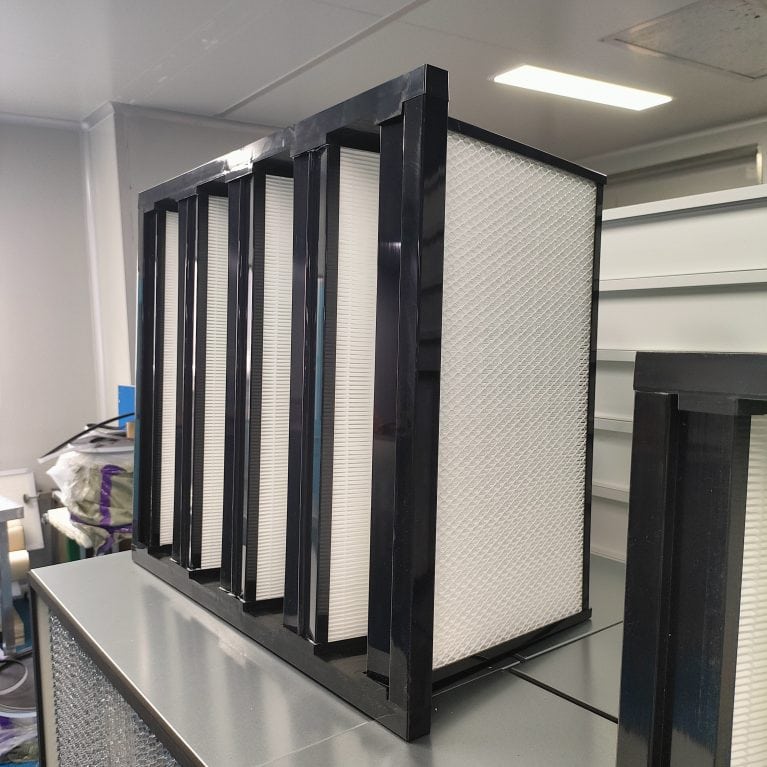
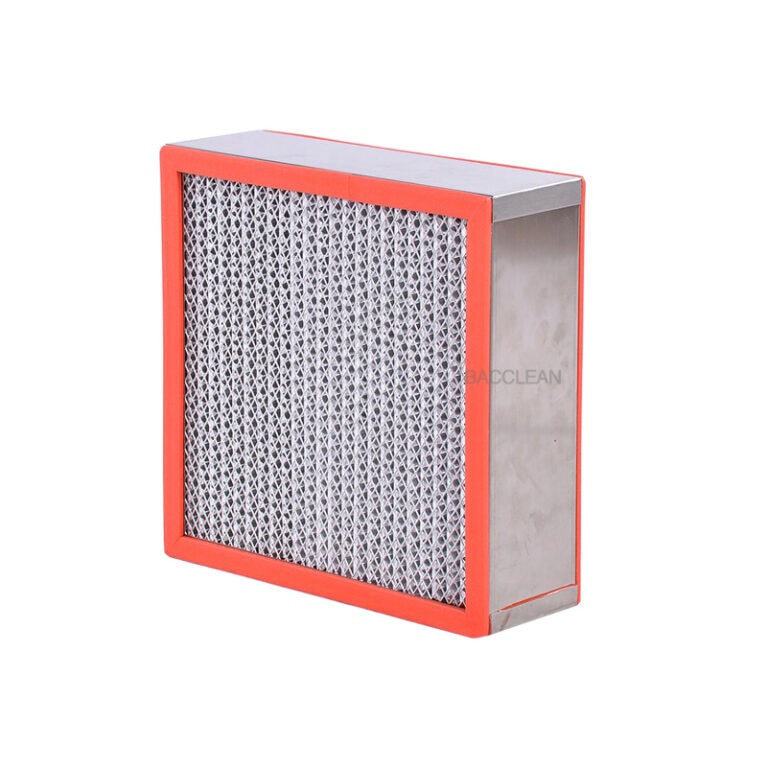
Para prolongar la vida útil de los filtros de aire combinados con bastidor de plástico, hay que esforzarse por reducir la carga sobre el material filtrante, proteger el bastidor y el material filtrante y optimizar el entorno de funcionamiento. Deben tomarse medidas específicas en combinación con las características del material y los principios de filtración. Los métodos específicos son los siguientes: I. Reducción de la tasa de acumulación de polvo de los materiales filtrantes (Idea central) La capacidad de retención de polvo de los materiales filtrantes es limitada. Reducir la cantidad total de contaminantes que entran en el filtro puede prolongar directamente su vida útil. Añadir un prefiltro Antes del filtro combinado de marco de plástico (normalmente de eficiencia media o sub-alta), se instala un filtro primario (como un filtro de malla de nylon o de tela no tejida) para interceptar primero el polvo de partículas grandes (≥5μm), reduciendo la carga sobre el material filtrante del filtro principal. En un sistema de aire acondicionado, el filtro primario puede filtrar más de 80% de partículas grandes, lo que prolonga la vida útil del filtro de eficiencia media posterior entre 30% y 50%. Controle la concentración de contaminación del aire de entrada Optimice la entrada de aire exterior: Manténgala alejada de fuentes de contaminación como obras, carreteras y fábricas. Si es necesario, instale parabrisas o cubiertas antipolvo para reducir la inhalación directa de
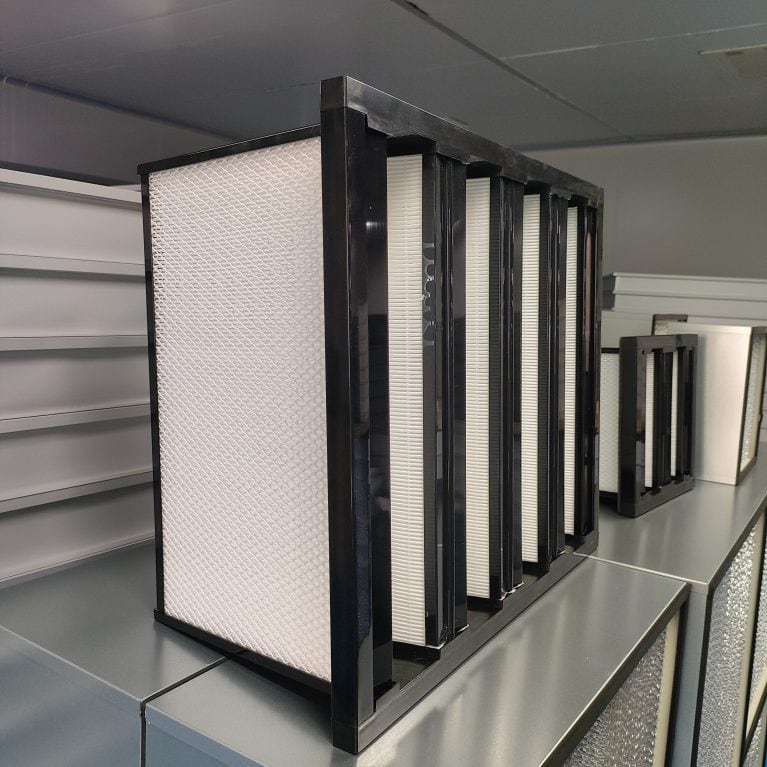
Para determinar si un filtro de aire combinado con marco de plástico necesita ser reemplazado, es necesario juzgar exhaustivamente a través de métodos como el control de la resistencia, la inspección de la apariencia y las pruebas de rendimiento basadas en su estado de funcionamiento, los cambios de rendimiento y el efecto real de filtración. Los métodos específicos son los siguientes: I. Juzgar a través de los cambios de resistencia (Indicador del núcleo) La resistencia del filtro aumentará gradualmente a medida que aumente la capacidad de retención de polvo. Cuando la resistencia alcanza la "resistencia final" preestablecida, indica que el material filtrante está próximo a la saturación y debe ser sustituido. Resistencia inicial: La resistencia del filtro cuando no está en uso (los manuales del producto suelen indicarla, por ejemplo, la resistencia inicial de los filtros de eficacia media es de aproximadamente 50-80Pa, y la de los filtros de alta eficacia es de unos 100-200Pa). Resistencia final: Generalmente se establece entre 2 y 3 veces la resistencia inicial (puede determinarse en función del diseño del sistema. Por ejemplo, para un filtro con una resistencia inicial de 80Pa, es necesario sustituirlo cuando la resistencia final alcance de 160 a 240Pa). Método de funcionamiento: Instalar manómetros diferenciales antes y después del filtro, y registrar regularmente los cambios de resistencia. Cuando el valor alcanza la resistencia final, es la señal
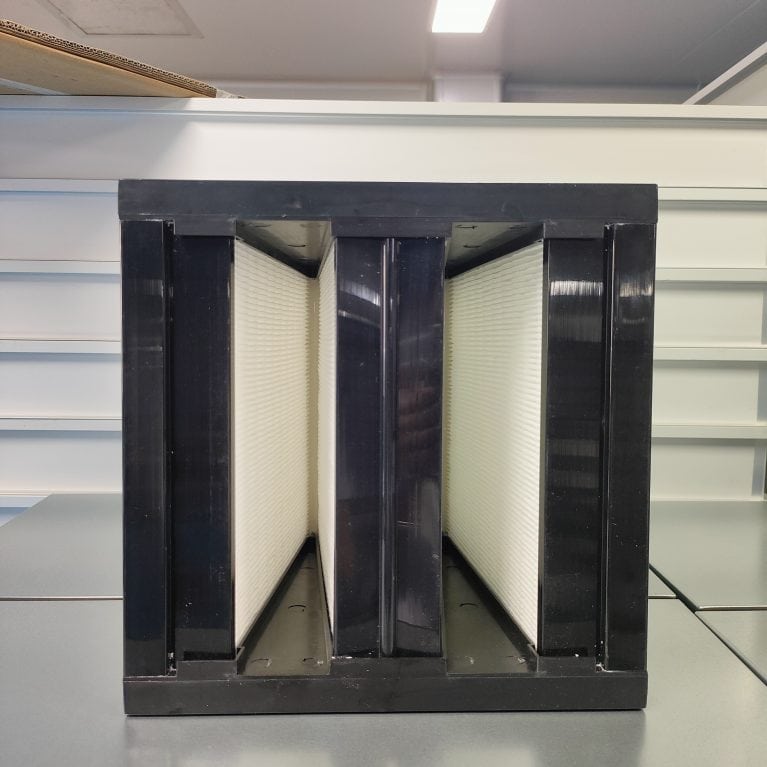
La vida útil de los filtros de aire combinados con marco de plástico depende de múltiples factores y no suele tener una duración fija uniforme. Por lo general, oscila entre 1 y 12 meses. La duración específica puede juzgarse exhaustivamente en función de los siguientes factores clave: I. Factores clave que influyen Grado de eficiencia de filtración Filtros primarios (como G1-G4) : Filtran principalmente polvo de partículas grandes (≥5μm), con una capacidad de retención de polvo relativamente grande y una larga vida útil, generalmente de 3 a 6 meses. Filtros de eficacia media (como F5-F9) : Filtran partículas de 1 a 5μm, tienen una capacidad de retención de polvo media y suelen durar de 2 a 4 meses. Filtros de eficiencia sub-alta/alta (como H10-H14) : Para partículas inferiores a 0,3μm, el material filtrante es denso, con una capacidad de retención de polvo pequeña y una vida útil relativamente corta, generalmente de 1 a 3 meses. En algunos escenarios de alta limpieza (como quirófanos), la vida útil puede ser incluso más corta. El grado de contaminación del entorno de uso En zonas muy contaminadas (como cerca de obras de construcción, talleres textiles y zonas industriales con mucho polvo) : La concentración de polvo en el aire es elevada y los filtros son propensos a obstruirse,
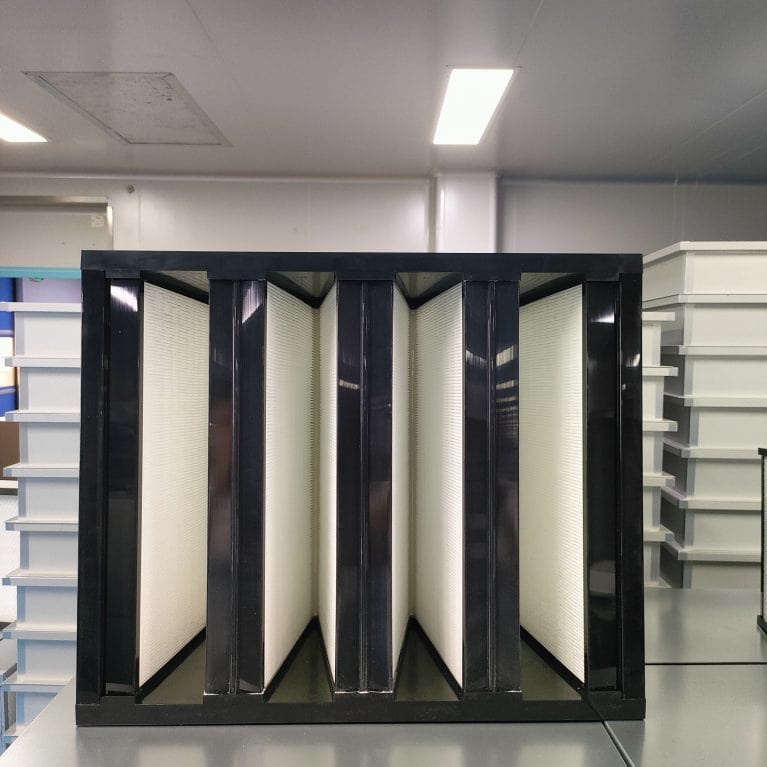
Los filtros de aire combinados de bastidor de plástico, con sus diversas eficiencias de filtración, estructuras flexibles y cómoda instalación y mantenimiento, son ampliamente aplicables en diversos escenarios, que abarcan el uso comercial y civil, la producción industrial, la atención médica y sanitaria, y muchos otros campos. Específicamente como sigue: I. Sistemas de ventilación para edificios comerciales y civiles Los sistemas centrales de aire acondicionado en grandes lugares públicos como edificios de oficinas, centros comerciales, hoteles, estadios, aeropuertos y estaciones, que están densamente poblados, pueden servir como dispositivos de pretratamiento o filtración terminal para la circulación del aire. Pueden eliminar eficazmente el polvo, el polen y las partículas del aire, mejorar la calidad del aire interior y reducir las molestias respiratorias. Escenarios civiles comunes: sistemas de aire fresco domésticos, pequeños acondicionadores de aire comerciales (como restaurantes, tiendas de conveniencia), etc. Es especialmente adecuado para escenarios con requisitos de espacio de instalación y peso limitados. La ligereza del marco de plástico puede reducir la dificultad de instalación. Ii. Salas blancas industriales y talleres de producción Industria de fabricación de precisión: En los talleres de producción de electrónica, semiconductores, chips y pantallas de cristal líquido (LCD), estos entornos tienen unos requisitos de limpieza del aire extremadamente elevados (como salas limpias de Clase 100-Clase 10000, donde "Clase 100" se refiere a una sala limpia con no más de 100 partículas mayores de 0,5 micras por pie cúbico
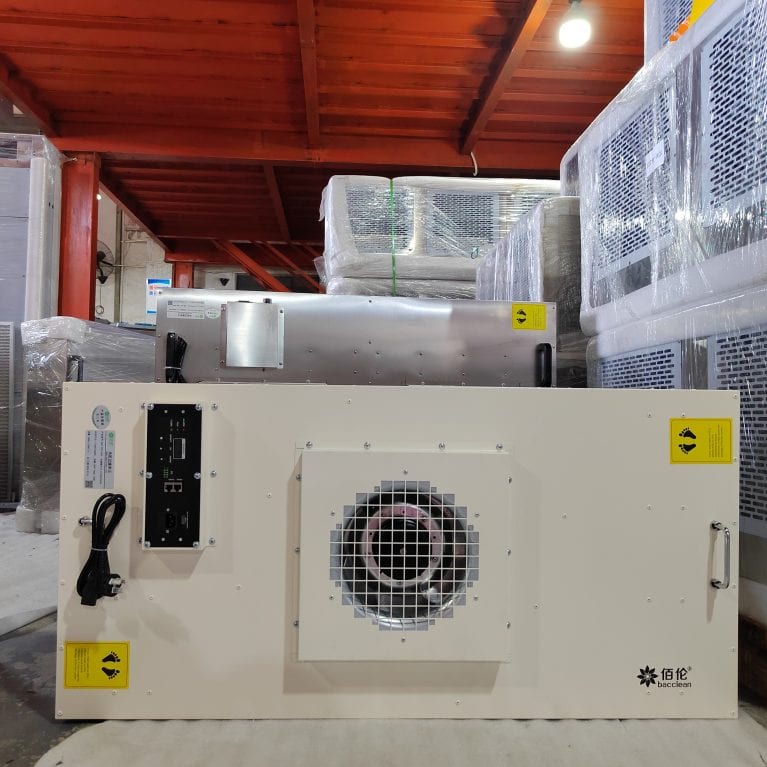
El ruido excesivo de la unidad de filtro del ventilador (FFU) puede afectar al confort del entorno de la sala blanca, a la estabilidad de los equipos y a la salud del personal. Para resolver el problema, es necesario partir de las fuentes de ruido (como el funcionamiento del ventilador, la perturbación del flujo de aire, la vibración estructural, etc.), tomar medidas específicas en combinación con los requisitos de la escena y, al mismo tiempo, evitar que se vea afectada la eficacia de la filtración y el rendimiento del volumen de aire. Las soluciones específicas son las siguientes 1. Optimizar el propio equipo Reducir el ruido de la fuente Las principales fuentes de ruido de las FFU son el ventilador y el movimiento del flujo de aire. La generación de ruido puede reducirse directamente mediante mejoras estructurales del equipo. 1. En comparación con los ventiladores centrífugos de corriente alterna tradicionales, los ventiladores de corriente continua sin escobillas adoptan la tecnología de conmutación electrónica, con baja fricción mecánica y ruido electromagnético. Con el mismo volumen de aire, el ruido puede reducirse entre 5 y 10 dB (A) (por ejemplo, de 65 dB (A) a 55 ó 60 dB (A)), y admiten una regulación precisa de la velocidad de frecuencia variable. Puede reducir el ruido de las turbulencias del flujo de aire disminuyendo la velocidad del viento (adecuado para escenarios poco ruidosos como
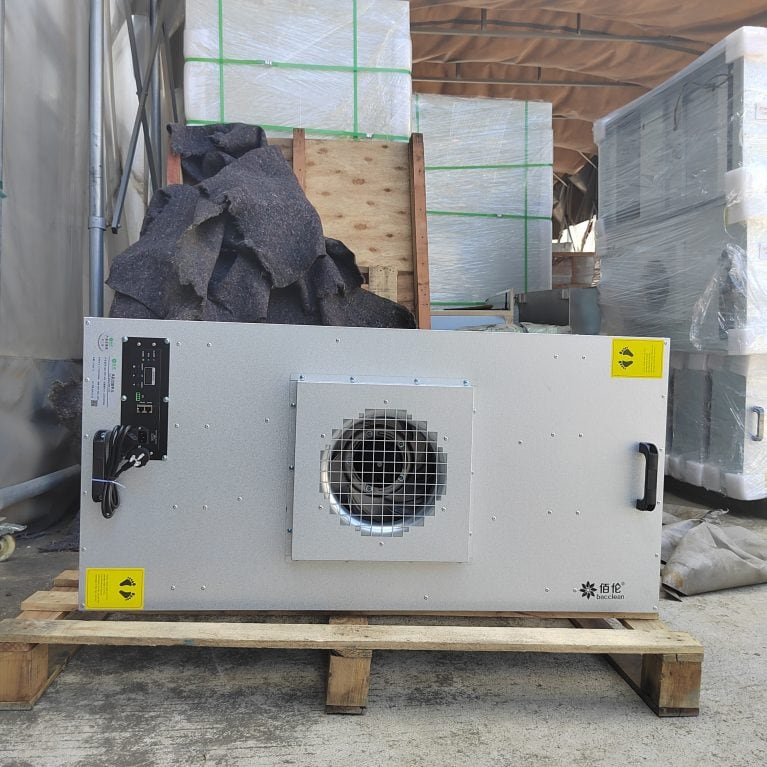
El nivel de ruido de la unidad de filtro del ventilador (FFU) es un factor clave que no puede ignorarse en el proceso de selección, ya que afecta directamente al entorno de trabajo, la comodidad del personal y la estabilidad del funcionamiento de los equipos de la sala blanca. Su impacto específico en la selección se refleja principalmente en los siguientes aspectos: 1. Determinar si cumple los requisitos de límite de ruido de la sala blanca Las salas blancas de diferentes escenarios de aplicación tienen normas claras obligatorias o recomendadas en materia de ruido, y el nivel de ruido es el "umbral de entrada" para la selección. Salas blancas farmacéuticas y alimentarias: Deben cumplir la norma GB 50457 "Código para el diseño de salas blancas en la industria farmacéutica", con niveles de ruido ≤60dB (A). Algunas zonas de llenado aséptico requieren incluso niveles de ruido ≤55dB (A) para evitar que el ruido interfiera en la atención de los operarios y reducir el riesgo de contaminación. Talleres de semiconductores y electrónica de precisión: Los equipos de precisión (como las máquinas de fotolitografía y los equipos de inspección de obleas) son sensibles a las vibraciones y al ruido. El nivel de ruido debe ser ≤60dB (A). Un ruido excesivo puede transmitirse a través del aire o de la estructura, afectando a la precisión del equipo y provocando una disminución del rendimiento del producto. Accesorios para laboratorios y cabinas de bioseguridad: Los investigadores necesitan trabajar en interiores durante largos periodos de tiempo.
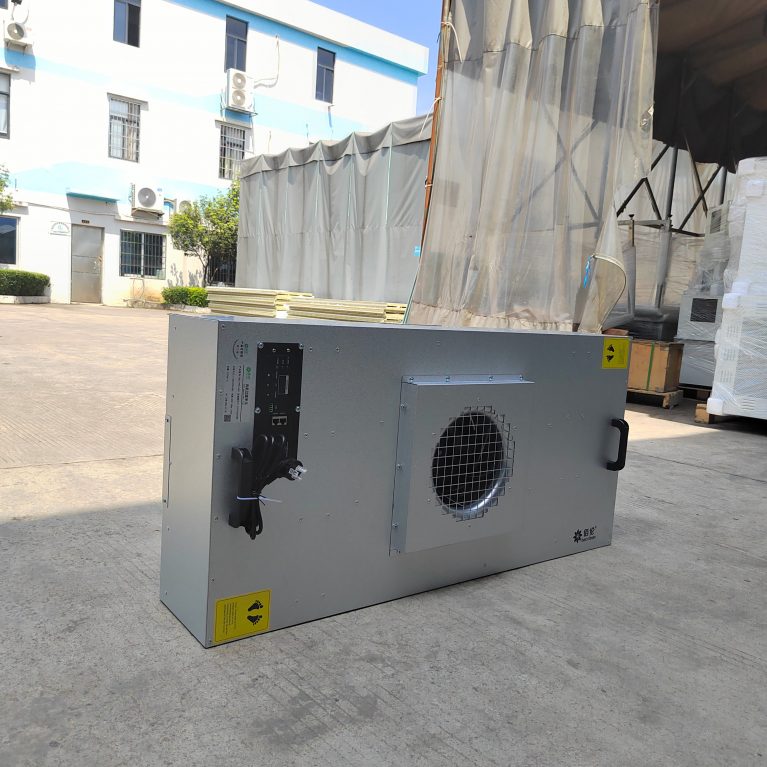
La selección de la unidad de filtración por ventilador (FFU) afecta directamente al efecto de purificación, al coste de funcionamiento y a la estabilidad de la sala blanca, y debe evaluarse exhaustivamente en combinación con escenarios de aplicación específicos. A continuación se exponen los factores fundamentales que deben considerarse prioritarios a la hora de realizar la selección: I. Requisitos de limpieza Es la base principal de la selección, ya que determina el tipo y los parámetros de rendimiento del filtro: Tamaño de las partículas y eficacia de filtración Si se requiere una sala limpia de clase 1000 a 100.000 (como para el montaje general de componentes electrónicos y el procesado de alimentos), basta con un filtro HEPA (con una eficacia de ≥99,97% para partículas de 0,3μm). Si se requiere la clase 1 a 100 (como en la fabricación de obleas de semiconductores, talleres asépticos de biomedicina), deben seleccionarse filtros ULPA (con una eficiencia de ≥99,999% para partículas de 0,12μm). Normas de grado de limpieza del aire: Es necesario referirse a normas como ISO 14644-1 y FS 209E, definir claramente la concentración máxima de partículas permitida en el área objetivo, y luego invertir los requisitos de eficiencia de filtración de la FFU. Ii. Volumen de aire y tasa de cambio de aire El volumen de aire es el principal parámetro de rendimiento de la FFU y debe coincidir con los requisitos de volumen y tasa de cambio de aire de la FFU.
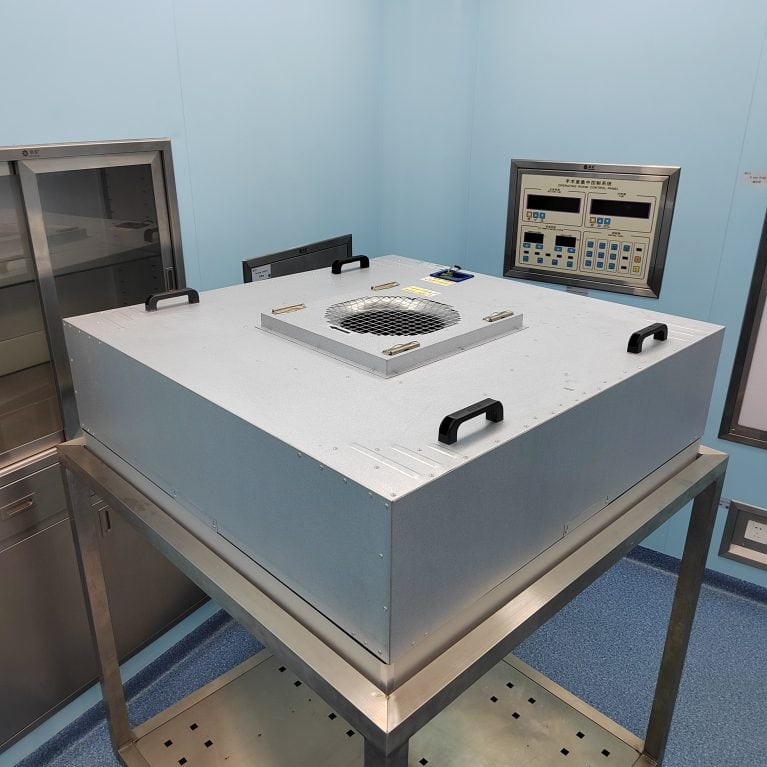
La unidad de filtro ventilador (FFU) es un dispositivo de purificación clave en salas blancas (entornos controlados diseñados para minimizar la contaminación por partículas), talleres libres de polvo y otros lugares. Su función principal es lograr la purificación local del aire utilizando un ventilador para empujar el aire a través de filtros de alta eficiencia. Estos filtros son HEPA (High-Efficiency Particulate Air, que captura partículas muy finas) o ULPA (Ultra-Low Penetration Air, que captura partículas aún más pequeñas). Según distintos criterios de clasificación, los FFU pueden dividirse en varios tipos. A continuación se describen métodos de clasificación comunes y tipos específicos: I. Clasificación por tipo de filtro Este es el método de clasificación más crucial, que determina directamente la eficiencia de filtrado de la FFU: FFU tipo Hepa: Equipada con filtros de aire de alta eficiencia (HEPA, que significa High-Efficiency Particulate Air), puede alcanzar una eficiencia de filtrado de más del 99%.97% para partículas con un diámetro de ≥0,3μm (micrómetros, un micrómetro es la millonésima parte de un metro), y es adecuada para la mayoría de salas limpias (como las de clase 1000 a clase 100.000, donde la clase indica el máximo de partículas permitidas por pie cúbico). FFU tipo ULPA: Equipada con filtros de aire de eficiencia ultra alta (ULPA, o Ultra-Low Penetration Air), puede alcanzar una eficiencia de filtración superior al 99,999% para partículas con un diámetro
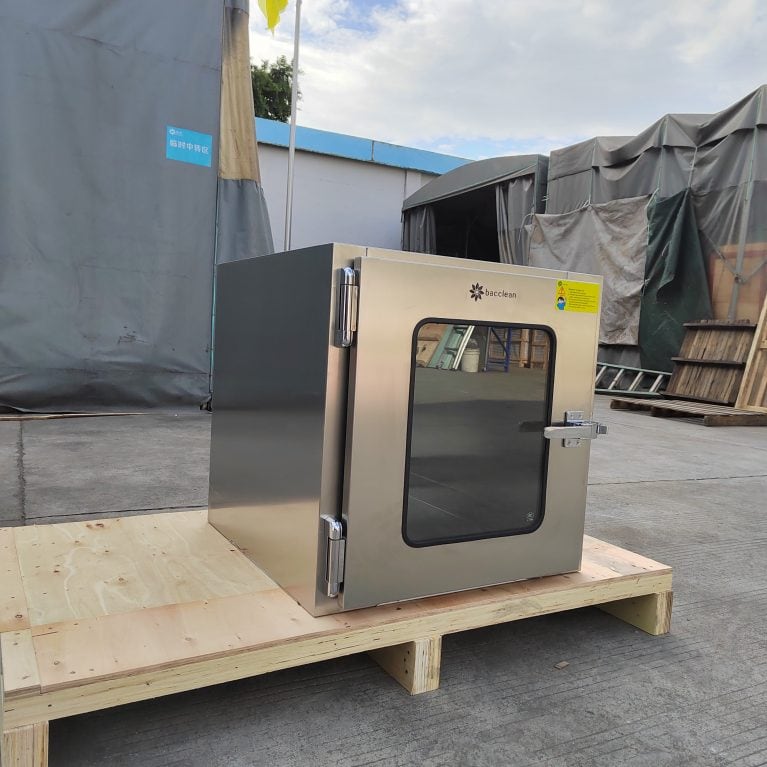
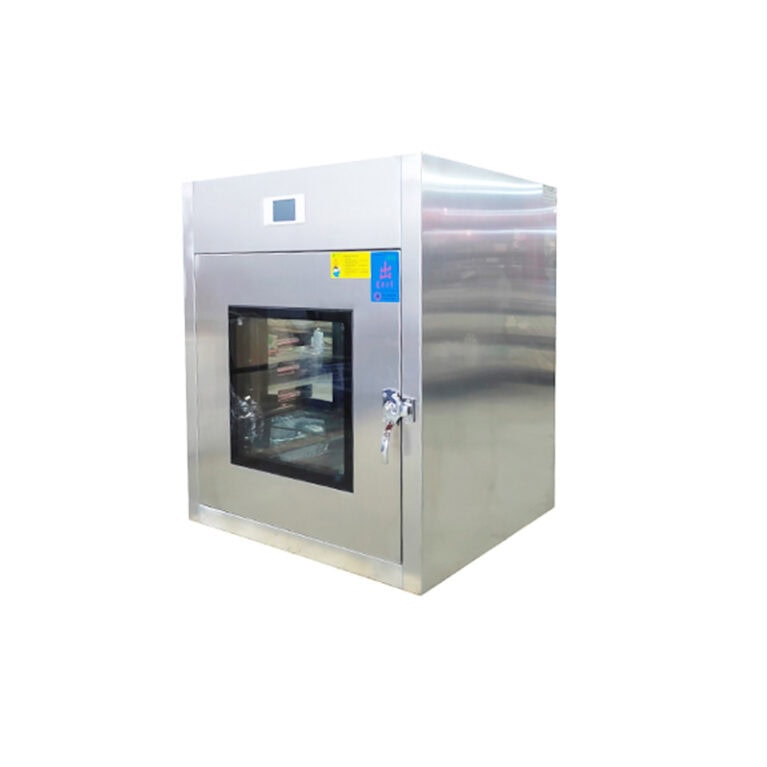
As a key piece of equipment for material transfer in clean environments such as laboratories, pharmaceutical workshops, and electronic clean rooms, the daily maintenance of embedded transfer Windows must strictly follow the regulations to ensure cleanliness, prevent cross-contamination, and extend the service life of the equipment. The following are the core precautions for daily maintenance: I. Precautions for Cleaning and Disinfection Cleaning frequency and timing After daily use, the internal cavity, door body, and handle should be cleaned. If it is used in high-risk scenarios (such as biological laboratories and aseptic pharmaceutical areas), disinfection should be carried out immediately after each material transfer. Before cleaning, the power supply of the transfer window must be turned off to ensure that the ultraviolet lamp, fan, etc., are not running, avoiding electric shock or direct ultraviolet radiation damage. Selection of cleaning tools and reagents Dust-free cloths and special clean cloths should be used (avoid using ordinary cloths to prevent fiber shedding and contamination), and 75% medical alcohol, peracetic acid, or disinfectants that meet the on-site requirements (such as sporicides commonly used in pharmaceutical workshops) should be used. Do not use corrosive cleaning agents (such as strong acids and strong alkalis) to avoid damaging
