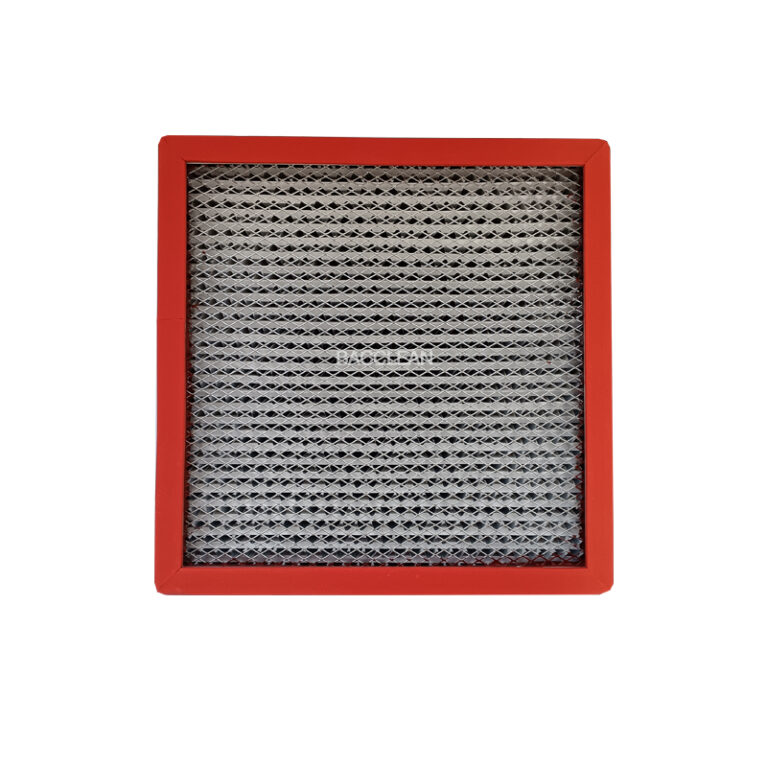

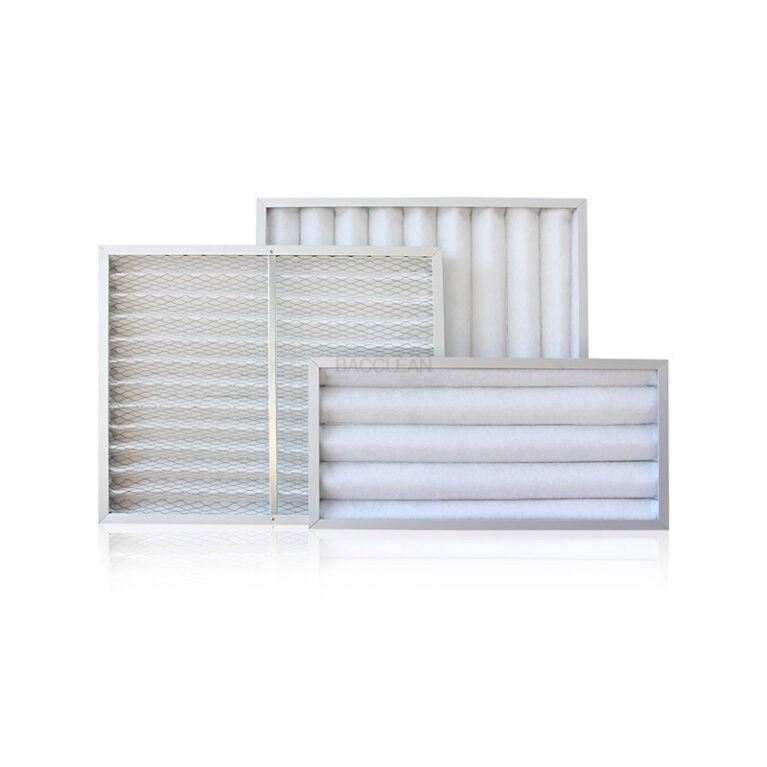
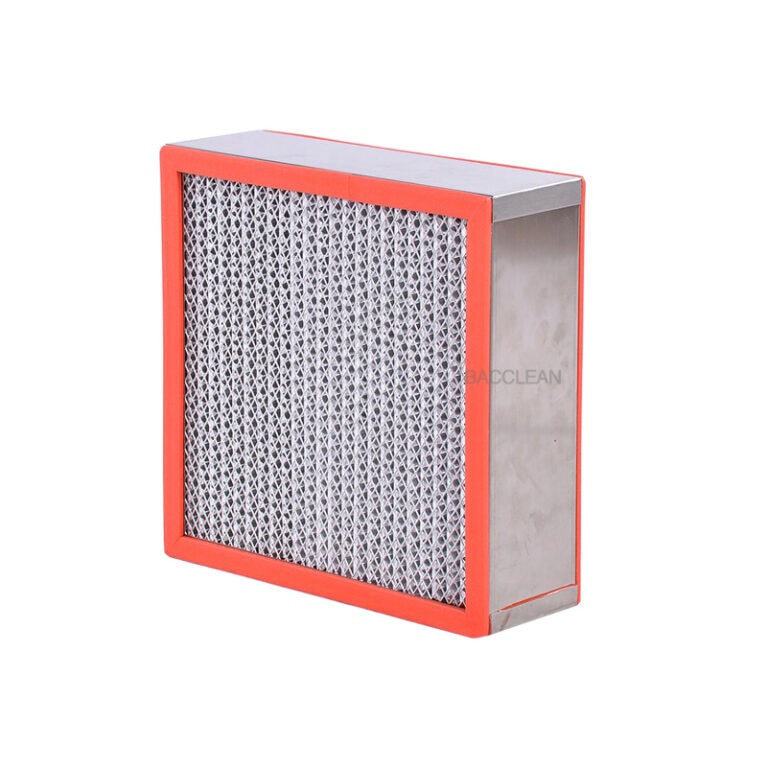
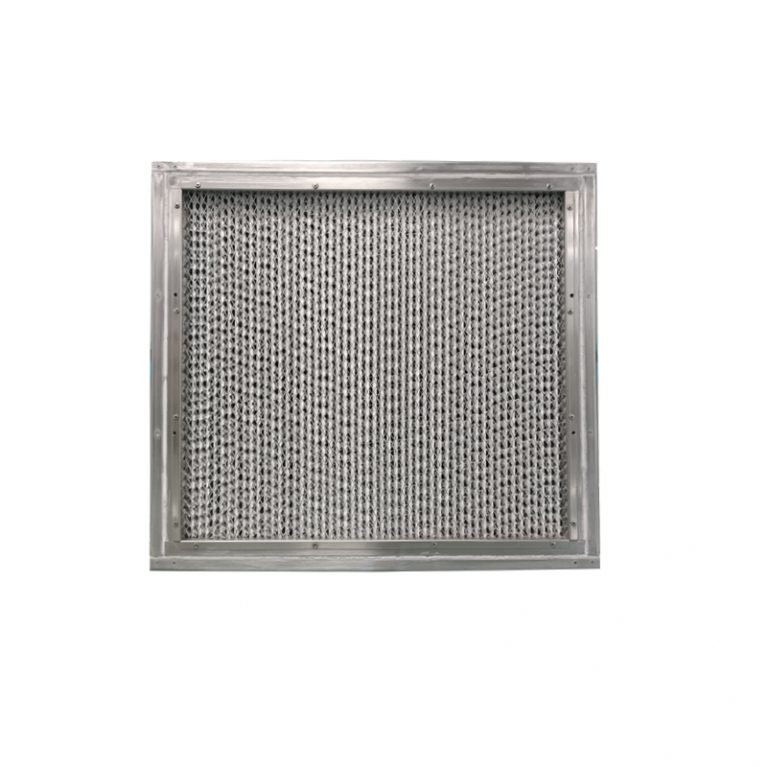
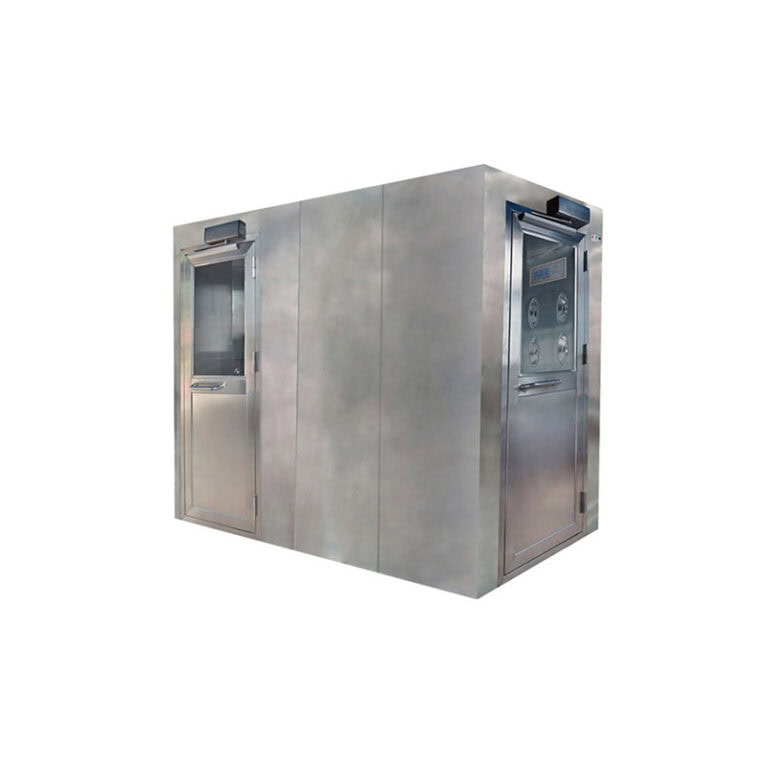
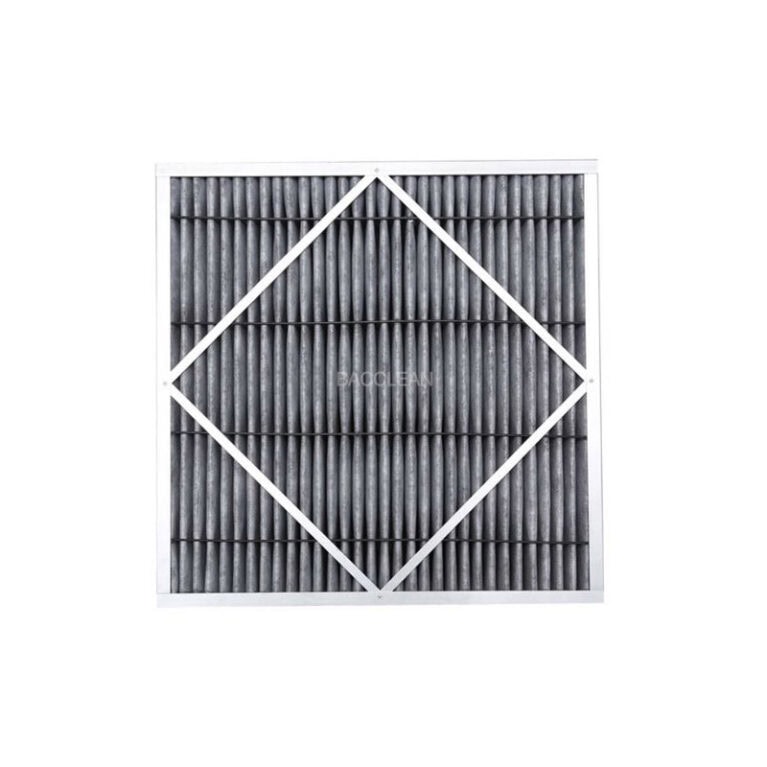
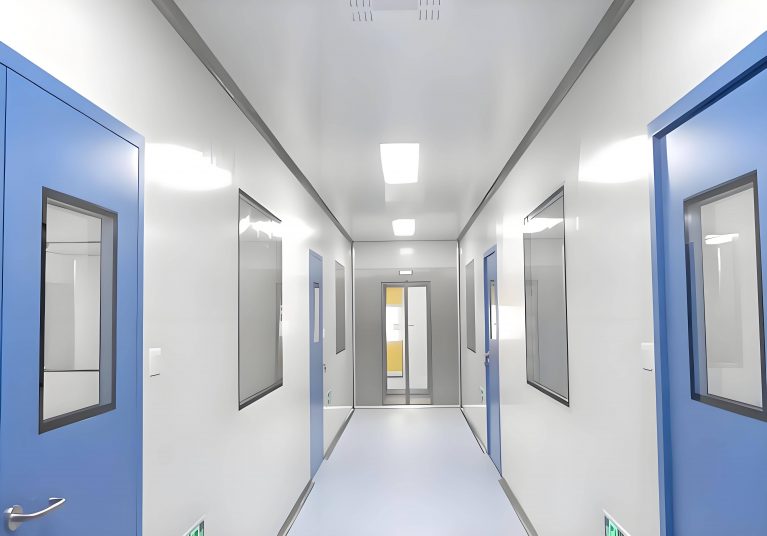
In a Cleanroom environment, high-efficiency air filters (HEPA) and ultra-high-efficiency air filters (ULPA) are core equipment for controlling particulate contamination and maintaining cleanliness levels. Their requirements are significantly higher than those of ordinary industrial or civil filters, and they must meet special requirements in four core dimensions: cleanliness compatibility, operational stability, low pollution characteristics, and compliance. The following is the specific requirement breakdown: I. “Precise Filtration Requirements” Strongly Compatible with Cleanliness Grades Cleanrooms are classified into ISO 1 to ISO 9 grades according to the ISO 14644-1 standard (the smaller the number, the higher the cleanliness). The concentration limits for key particle sizes, such as 0.1 μm and 0.5 μm, vary significantly among different grades. Filters need to precisely match the target cleanliness grade, which is mainly reflected in the following two points: Strict matching of filtration efficiency Select HEPA filters for low cleanliness levels (such as ISO 7-8 grades, commonly used in electronic assembly and food processing), ensuring a filtration efficiency of ≥99.97% for 0.3μm particles (EN 1822 standard H13 grade) to meet basic particle interception requirements. For high cleanliness levels (such as ISO 4-5, used in semiconductor wafer manufacturing and aseptic filling of biopharmaceuticals), choose ULPA filters, which
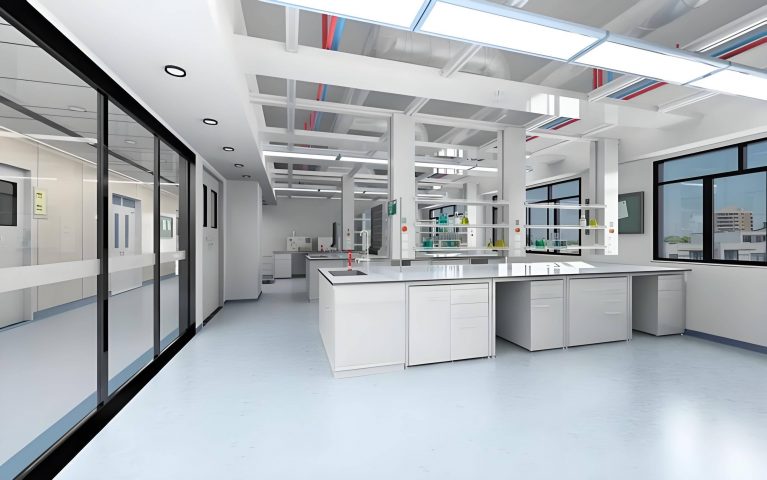
I. Maintain basic cognition As the “core barrier” of the purification system, the performance of laboratory air filters directly affects air cleanliness, experimental accuracy, and personnel health. The filtration accuracy and load-carrying capacity of different types of filters (primary, medium, high efficiency/ultra-high efficiency) vary significantly, and maintenance strategies need to be formulated specifically. The core maintenance objectives are: to ensure stable filtration efficiency, extend equipment lifespan, reduce operational energy consumption, and avoid the risk of secondary pollution. Ii. Maintenance Process by Type (1) Primary air filters (grades G1-G4) Applicable scenarios: Pre-filtering at the front end of the system, intercepting large particle pollutants such as dust and hair, commonly seen at the fresh air inlets of laboratories and fan coil units. Maintenance cycle Regular laboratory: Check once every 1 to 3 months and replace once every 3 to 6 months. Laboratories with high dust concentration (such as sample grinding rooms) : Inspect once every two weeks and replace once every 1-2 months. Specific operation Inspection: Monitor the resistance through a differential pressure gauge. When the resistance reaches 1.5 to 2 times the initial resistance, immediate action is required. Visually inspect the surface of the filter screen. If
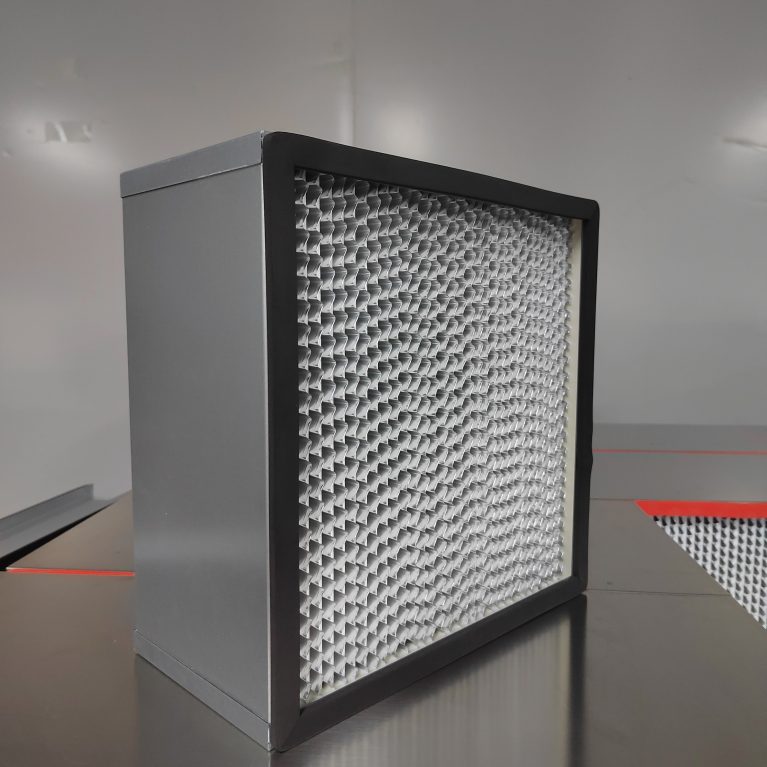
In the laboratory Air purification scheme, the High Efficiency Particulate Air Filter (HEPA Filter) without separators is one of the core components for achieving clean environment control, ensuring experimental safety, and the reliability of results. Its actual value is not merely in “filtering dust”, but rather through its precise particulate matter interception capabilities, which run through multiple dimensions, including laboratory environmental management, personnel protection, equipment maintenance, and experimental quality control. The following is a comprehensive assessment of its actual value from four aspects: core value, performance advantages, applicable scenarios, and cost-effectiveness. I. Core Values: The “Last Line of Defense” for Laboratory Environment and Safety The core function of the non-woven high-efficiency filter is to intercept suspended particles with a diameter of ≥ 0.3 μm in the air (such as dust, microorganisms, aerosols, and experimental pollutant particles), with a filtration efficiency of over 99.97% (EN 1822 standard). This core competence directly translates into three irreplaceable values: 1. Ensure the accuracy and repeatability of the experimental results Most precision experiments (such as molecular biology, microbiology, semiconductor material research and development, drug inspection, etc.) are extremely sensitive to environmental particulate matter. For example: In microbial culture, if the spores of miscellaneous bacteria in
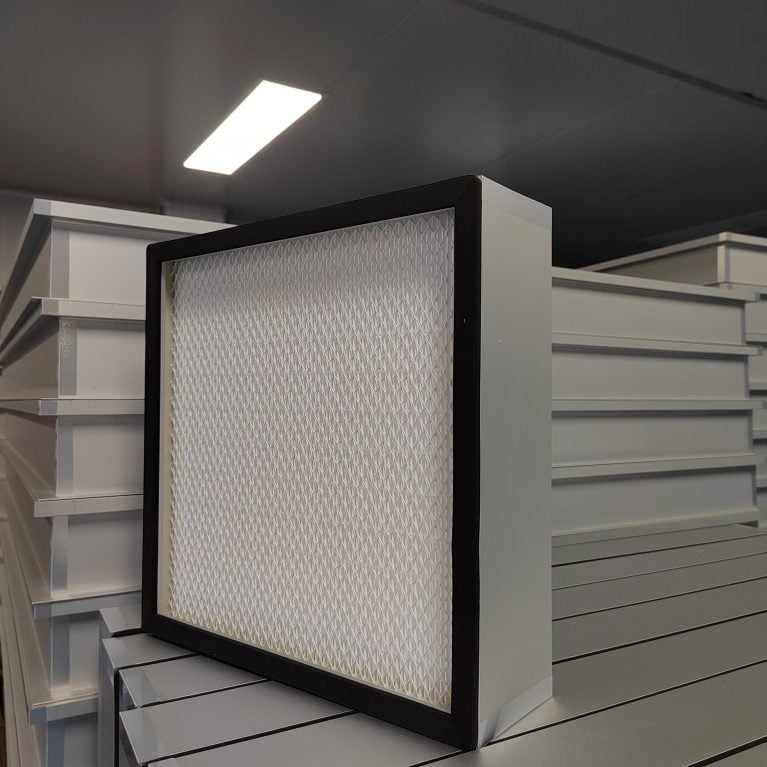
The service life of the high-efficiency filter without separators is not a fixed value. It is affected by a combination of multiple factors and usually fluctuates between 6 months and 2 years. In industries with extremely high cleanliness requirements such as semiconductors, due to strict control over micro-contamination, the replacement cycle may be more inclined towards the middle and lower limits of this range. In ordinary clean environments with a lower level of pollution, the lifespan may approach the upper limit or even be longer. The core factors affecting the service life of high-efficiency filters without separators The efficiency and maintenance status of the pre-filtering system This is the most crucial factor affecting the lifespan of high-efficiency filters (HEPA). High-efficiency filters mainly intercept fine particles. If the pre-installed primary filters (G3-G4 levels) and medium-efficiency filters (F5-F9 levels) can effectively filter out most large particle dust (such as ≥5μm, ≥1μm), it can significantly reduce the load of pollutants entering the high-efficiency filters, slow down the rate of resistance increase, and thereby greatly extend their service life. Negative case: If the pre-filter is not replaced for a long time, a large amount of dust will directly penetrate and deposit on the filter
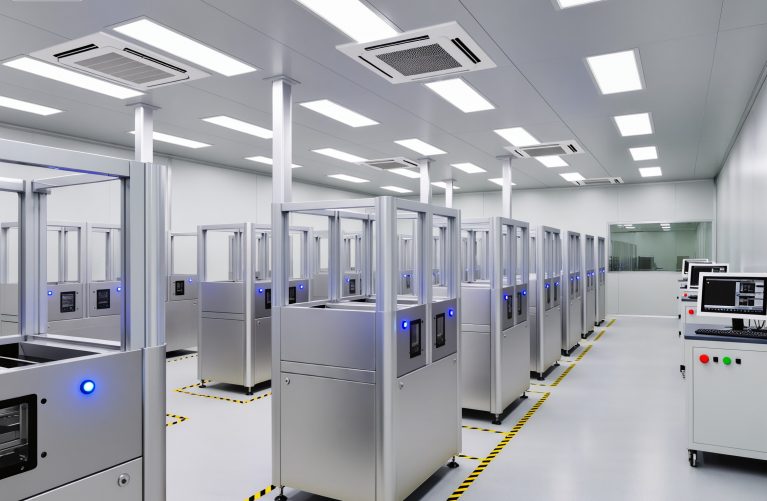
In the semiconductor manufacturing workshop, the HEPA-High Efficiency Particulate Air Filter (usually referring to H13-H14 grades) is one of the core devices for maintaining the air cleanliness of the clean room (especially at Class 100 and below). Compared with traditional high-efficiency filters with separators, it demonstrates many key advantages in the application of the semiconductor industry, precisely meeting the extremely strict environmental requirements of semiconductor manufacturing. 1. Extreme control of micro-pollution to ensure process yield The feature size of semiconductor devices (such as chips) has entered the nanometer level (the current mainstream is 7nm, 5nm, or even more advanced processes). Even tiny particles at the 0.1μm level can cause wafer short circuits, circuit defects, or distortion of photolithography patterns, directly leading to product scrapping. Filtration efficiency advantage: The non-woven high-efficiency filter usually uses glass fiber filter paper, and its filtration efficiency for 0.3μm particles can reach over 99.97% (H13 grade) or even over 99.995% (H14 grade), effectively intercepting dust, fibers, microbial spores and other pollutants in the workshop. Airflow uniformity: The non-separator design avoids the airflow vortices and dead corners that may be generated by metal or paper separators in pleated filters. Combined with an efficient air distribution system (ADS),
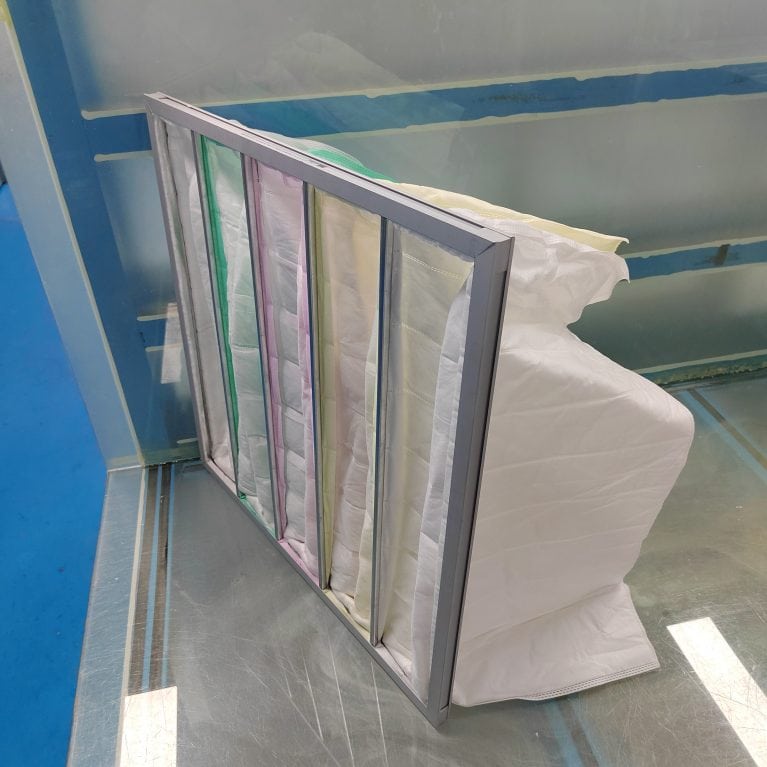
As the core component of the “primary – medium – high efficiency/ultra-high efficiency” three-stage filtration system in the air purification system, the medium-efficiency bag filter mainly functions to intercept 0.5 to 10μm particles (such as dust, pollen, fine fibers, and some microorganisms) that are not captured by the primary filter, reducing the load on the high-efficiency filter at the back end and extending its service life. At the same time, further enhance the air cleanliness. With the characteristics of “high dust holding capacity, low resistance and strong adaptability of filtration efficiency”, it is widely used in scenarios where there are clear requirements for air quality but no need to reach extremely high cleanliness standards (such as Class 100, Class 10). Specifically, it can be divided into the following six major categories: I. Medical and health field: Ensure a sterile and low-bacterial environment Medical scenarios are sensitive to microbial and particulate contamination. Medium-efficiency bag filters are the “key barrier” of clean air conditioning systems, with the core function of controlling the risk of nosocomial infections. Specific applications include: Hospital clean areas: such as Class III to IV clean operating rooms (corresponding to Class 10,000 and Class 100,000 cleanliness levels), icus (Intensive
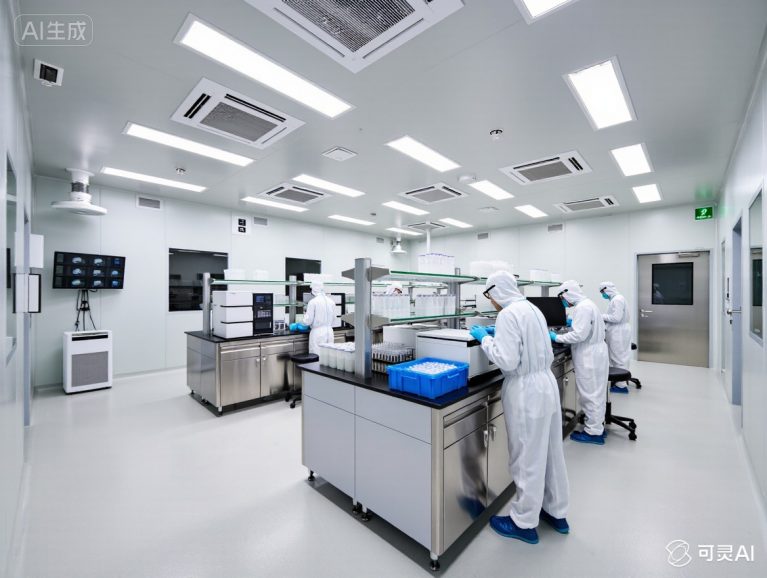
In the production process of the pharmaceutical industry, dust pollution not only affects the quality of drugs and threatens the health of operators, but also may cause safety risks (such as dust explosions). Therefore, efficient dust removal is one of the core links for the compliance and safety of pharmaceutical production. Medium-efficiency bag filters, as key equipment in dust removal systems, are widely used in pharmaceutical dust control scenarios due to their stable filtration efficiency and strong adaptability. This article will conduct a detailed analysis from four dimensions: application scenarios, core technical features, key points for selection, and optimization directions. I. Core application Scenarios of Medium-Efficiency Bag Filters in the Pharmaceutical Industry The sources of dust in the pharmaceutical industry are diverse (such as raw material crushing, mixing, granulation, tablet pressing, coating, etc.), and the properties of the dust vary greatly (such as organic dust, inorganic dust, bacteria-containing dust, etc.). Medium-efficiency bag filters are mainly used in the “pretreatment + intermediate purification” stage, connecting primary filtration and high-efficiency filtration (HEPA). The specific application scenarios are as follows: Dust removal in the production process of solid dosage forms Solid dosage forms (such as tablets, capsules, and granules) are the areas where
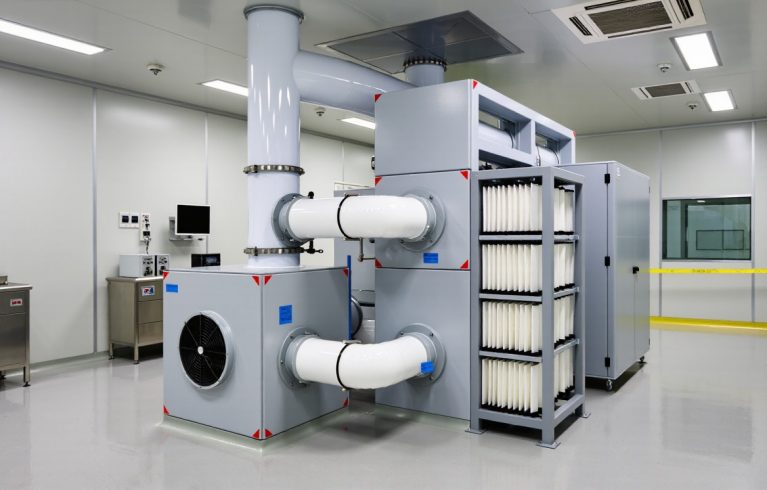
When choosing non-woven high-efficiency filters (HEPA) in the air purification system of nuclear power plants, it is necessary to take nuclear safety regulations as the core basis, and combine the special requirements of the air purification scenario such as radiation protection, aerosol control, and system stability. A comprehensive assessment should be conducted from multiple dimensions including filtration performance, structural safety, environmental adaptability, and compliance to ensure that the filters can not only meet the purification efficiency requirements but also It can also cope with the complex working conditions of nuclear power plants (such as radioactive aerosols, temperature and humidity fluctuations, long-term operating loads, etc.). The following are the specific selection dimensions and key indicators: 1. Give priority to meeting the core performance indicators of nuclear-grade filtration The core objective of air purification in nuclear power plants is to retain radioactive aerosols (such as fission products and activation products), preventing the spread of radioactive substances into the environment or affecting the safety of equipment/personnel. Therefore, filtration performance is the primary consideration, and the following indicators should be given particular attention: Key indicators Nuclear-grade application requirements Filtration efficiency It must reach grade H13 or above (in accordance with EN 1822 standard),
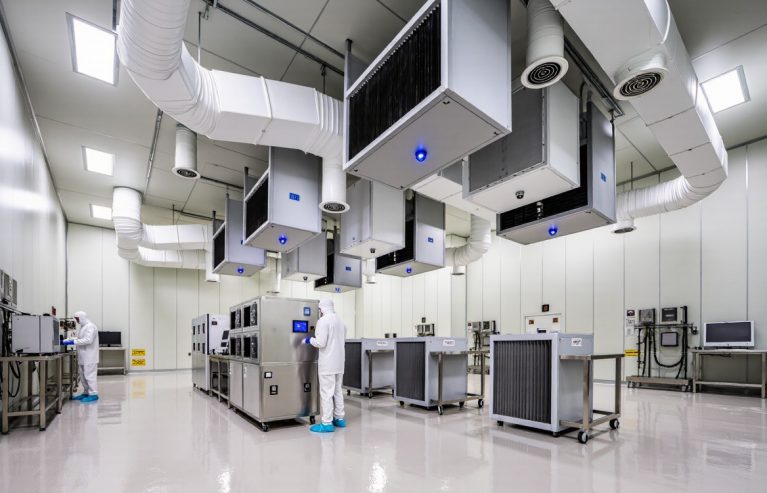
In the air purification system of nuclear power plants, the non-woven high-efficiency filter (HEPA filter) is essential for ensuring air quality and preventing the spread of radioactive aerosols. Safety assurance must encompass all stages, including design, materials, performance, installation, operation, maintenance, and emergency response. The core goal is to ensure the filter effectively retains radioactive particles under both normal and accident conditions (such as LOCA or water loss), thus protecting the environment and personnel. The following is an analysis of its security system across six core dimensions: I. Design Safety: Special structural design adapted to the nuclear environment The design of high-efficiency filters without separators for nuclear power plants needs to break through the conventional industrial filter standards and be specially optimized for extreme conditions such as high radiation, high humidity, and potential high temperatures (accident conditions) in nuclear facilities. The core design guarantees include: Balanced design of airflow resistance and dust holding capacity Adopting a low-resistance “V-shaped” or “W-shaped” pleated structure (with a filtration area increased by 3 to 5 times compared to the flat type), it ensures air volume (usually adapted to the air volume requirements of the nuclear island ventilation system, with a single unit air volume
Correct installation and maintenance of high-efficiency filters with separators are the keys to ensuring their filtration efficiency, extending their service life and maintaining the cleanliness of the painting workshop. The following elaborates from five dimensions: pre-installation preparations, standardized installation procedures, key points of daily maintenance, replacement standards, and precautions, providing practical operation guidelines. I. Preparations before Installation: Avoid risks in the early stage The inspection and preparation before installation directly affect the subsequent filtration effect. Special attention should be paid to the three core aspects: “filter status, installation environment, and tool matching”. Inspection of the appearance and performance of the filter Appearance acceptance: Check whether the filter frame (galvanized steel plate, aluminum alloy, etc.) has any deformation, rust or scratches. Check whether the filter material (mainly glass fiber) is damaged, wrinkled or leaking glue. Check whether the sealing rubber strips (such as nitrile rubber, silicone rubber, etc.) are intact, have not fallen off, and are closely attached to the frame. Performance verification: Check whether the model of the filter, filtration efficiency (such as H13), rated air volume, and temperature resistance grade are consistent with the design requirements (it needs to match the working conditions of the spray booth/curing room in
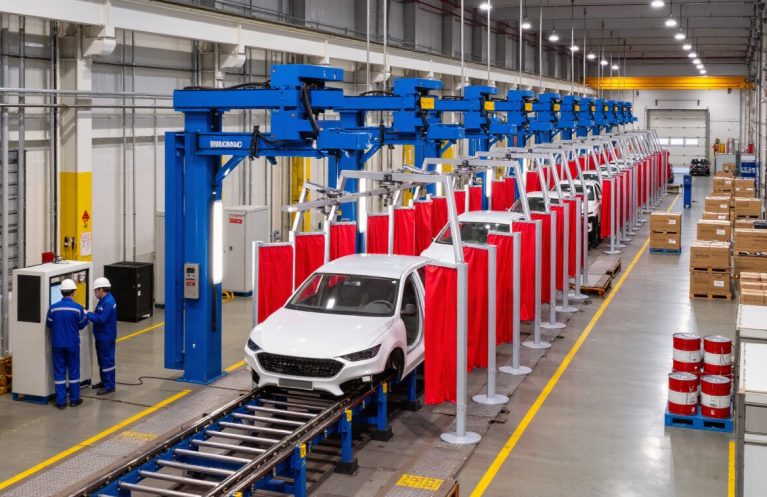
In industrial painting workshops, coating quality, production safety, and employee health are core concerns. Air cleanliness critically affects coating outcomes by influencing defect rates. Pleated high-efficiency filters, known for high filtration efficiency and structural stability, have become essential in air purification for these workshops, supporting stable coating processes and ensuring product quality. I. Core Demands for Air Purification in Industrial Painting Workshops The industrial coating process (such as painting, drying, pretreatment, etc.) has strict requirements for the air environment, mainly due to the following three demands: Coating quality assurance requirements: During the coating process, if dust, fibers, metal debris and other particles in the air adhere to the surface of the workpiece to be coated or the coating that has not dried, it will directly cause defects such as pitting, particles and scratches on the coating, seriously affecting the appearance and protective performance of the product, and may even lead to rework or scrapping. Production safety control requirements: Some coating processes use solvent-based paints, which will release flammable and explosive organic waste gases such as toluene and xylene. Meanwhile, if the paint mist produced during the spraying process accumulates for a long time, it will not only clog
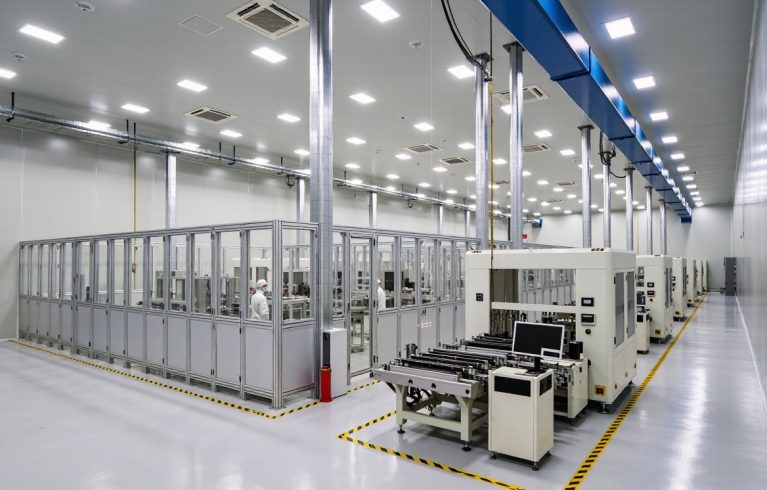
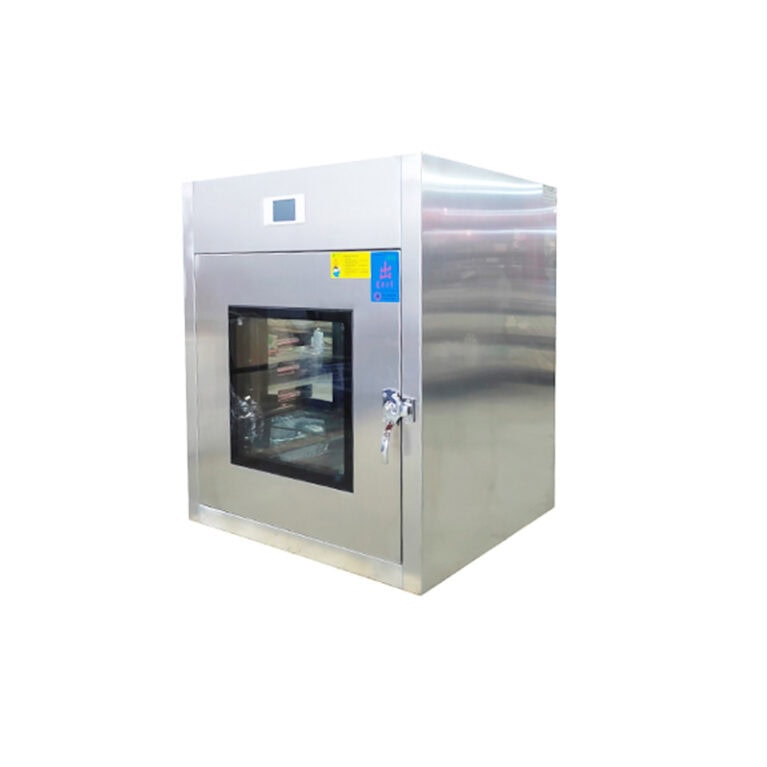
The transfer window is a dedicated “isolation channel” for the transfer of materials between the clean space and the non-clean area (or areas of different cleanliness levels) in new energy factories. Its core function is to minimize the contamination of the clean area caused by the entry and exit of materials during the material transfer process, and at the same time avoid cross-contamination between different areas. It is a key auxiliary device for ensuring the sealing and cleanliness of the clean space. In the production of new energy (such as lithium batteries, photovoltaic, hydrogen fuel cells), materials (such as electrode sheets, separators, battery casings, photovoltaic glass, catalysts, etc.) need to frequently flow between the storage area (non-clean) and the production workshop (clean), or between processes of different cleanliness levels. The transfer window is precisely designed to address the “contamination risk during material flow” The specific functions can be broken down into the following four points: I. Core Function: Block contamination channels and prevent external contaminants from entering the clean area Particles, dust and microorganisms in the air of non-clean areas (such as raw material warehouses and logistics channels) will directly affect product quality if they enter the clean production area
