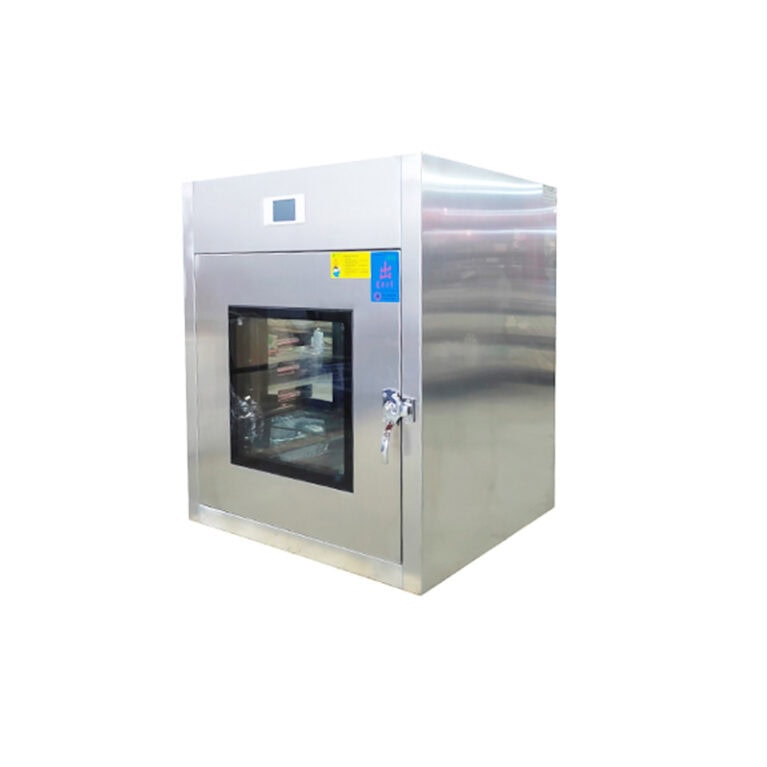
I. Standard Type Clean Transfer Cabinet Installation Plan (General Version)
1. Pre-installation Preparation
Confirm the thickness of the wall, the cleanliness level of the area, and the opening dimensions. Reserve power interface (220V/50Hz) in advance.
Check the appearance of the equipment and its accessories (sealing strips, ultraviolet lamps, interlock devices, fasteners) to ensure they are complete and in good condition.
Clean the installation area to prevent dust and debris from entering the clean area.
2. Wall Hole Opening and Positioning
The opening size should be 10-20mm larger than the outline of the transfer window to facilitate adjustment and sealing.
Ensure the transfer window is installed horizontally and vertically to prevent deformation and poor sealing.
After the box is embedded in the wall, fix it firmly with expansion bolts without any shaking.
3. Sealing Construction (Key Anti-Pollution)
Use clean sealing glue to seal the gaps between the box and the wall as a whole. There should be no holes or cracks.
The sealing strip of the door frame should be flat and in close contact. There should be no light leakage or air leakage after closing the door.
After sealing all the gaps, conduct soap bubble leak detection / visual inspection to ensure airtightness.
4. Electrical Wiring and Function Debugging
Use an independent circuit for power supply, ensure reliable grounding, and avoid sharing the power supply with high-power equipment.
Debug the ultraviolet lamp, indicator light, and control panel.
Focus on testing the double-door interlock: when one door is opened, the other door is forcibly locked without failure or jamming.
5. Installation Acceptance Items
The door opens and closes smoothly without abnormal sounds.
The interlock function is normal.
The ultraviolet lamp can be normally started and turned off.
The box has good sealing and no leakage.
The appearance has no scratches, smooth rounded corners, and is easy to clean.
II. Daily Maintenance and Care Plan (GMP Compliance Version)
1. Daily Cleaning and Maintenance
Clean the inner cavity, door frame, glass, and door handle with 75% ethanol or dedicated cleaning agent for cleanroom daily.
Keep the interior dry, without water accumulation, stains, or hidden corners.
Do not use highly corrosive or alkaline cleaning agents to avoid damaging stainless steel and rubber strips.
2. Maintenance of Ultraviolet Disinfection System
The recommended sterilization time is 15-30 minutes.
Replace the lamp tube when it has been used for ≥1000 hours or every 6-12 months.
Record the model, replacement date, executor, and usage duration after replacement.
3. Maintenance of Door Body and Sealing System
Check the sealing strip weekly. Check for aging, cracking, deformation, or detachment.
Apply clean-grade lubricating grease to the hinges and rotating shafts regularly to ensure smooth opening and closing.
Adjust or replace the sealing strip immediately if the door does not close properly or leaks air.
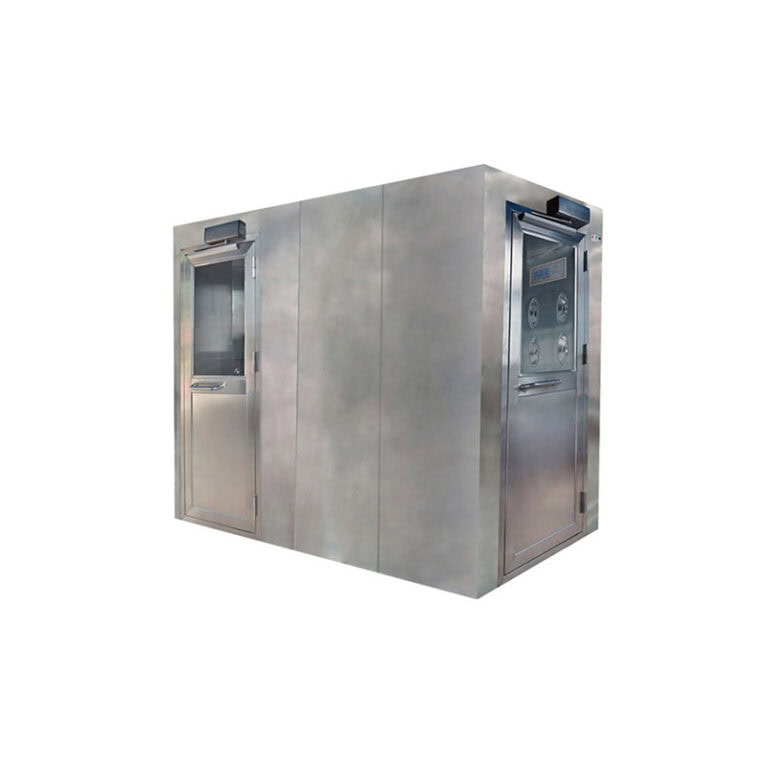
4. Additional Maintenance for Air Shower / Laminar Flow Type
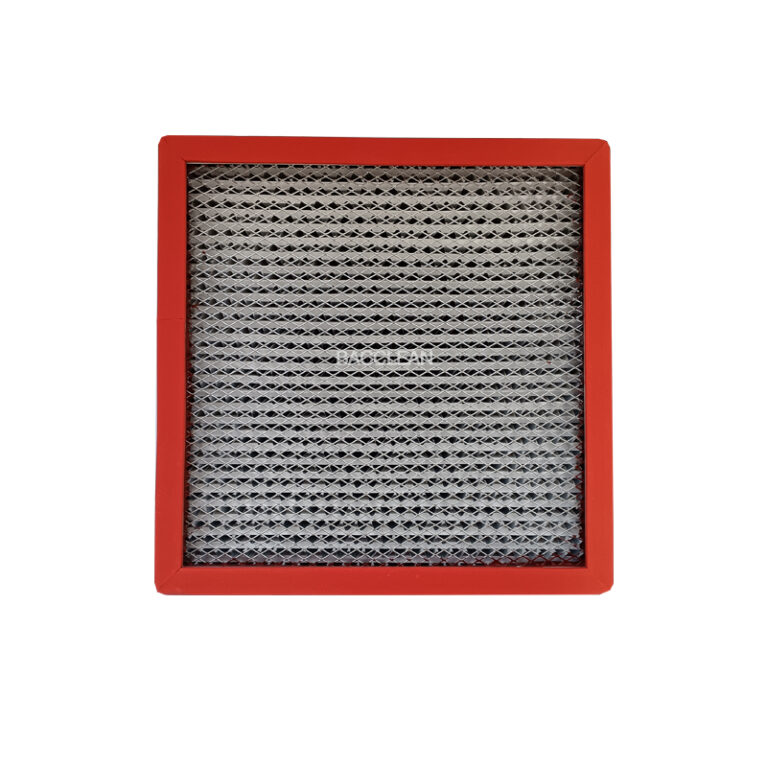
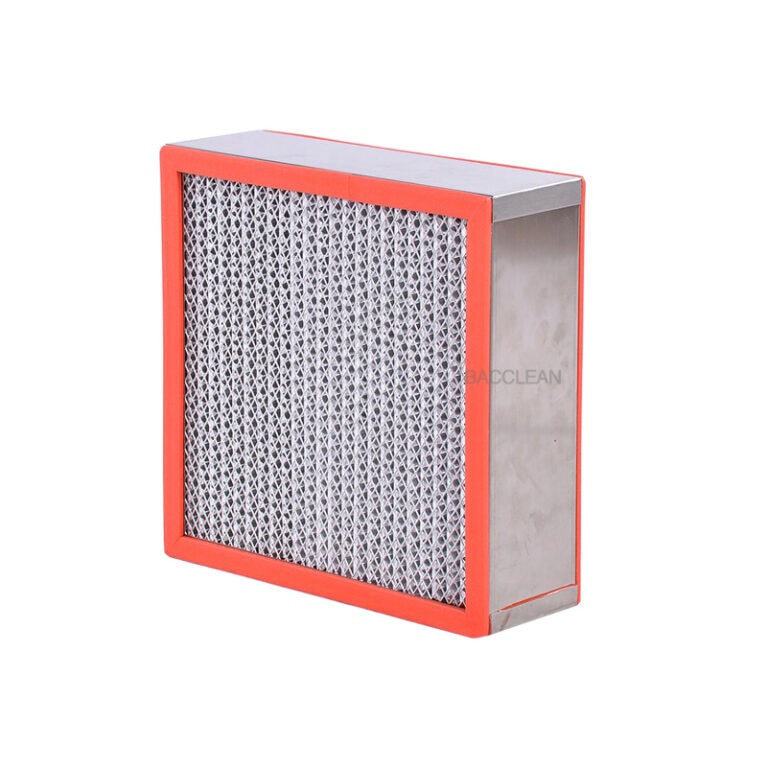
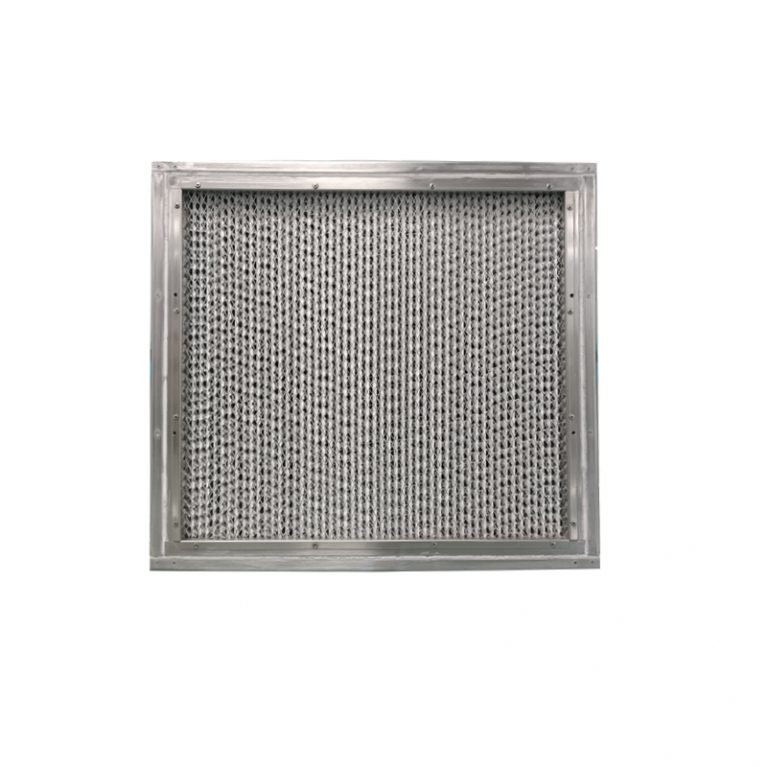
Regularly check the pressure difference of the high-efficiency filter. Replace it when the pressure difference is low or the wind speed decreases.
Under normal usage conditions, replace the high-efficiency filter once every 1-2 years.
After replacement, conduct filter leak detection, self-cleaning time, and cleanliness confirmation.
5. Maintenance of Interlock System
Test the interlock reliability weekly.
First, check the door magnet, power supply, and circuit for abnormal electronic interlock. Do not forcibly pry open the lock.
Fix the fault promptly and record it. Do not short-circuit the interlock.
6. Compliance Record Requirements
Daily Cleaning Record
Ultraviolet Lamp Use / Replacement Record
High-efficiency Filter Replacement, Leak Detection Record
Fault Repair, Component Replacement Record
Regular Calibration and Function Verification Record
III. Professional Full Lifecycle Operation Plan (Suitable for Project Bids)
1. Installation Plan Key Points
Install centrally and embeddedly to ensure uniform wall force.
All seams should be fully welded + polished + sealed to meet the GMP no-corner requirement.
After installation, conduct pressure difference test, airtightness test, and interlock verification.
Provide installation completion drawing, wiring diagram, and acceptance report.
2. Preventive Maintenance Plan
Monthly: Door body, sealing, interlock function inspection
Quarterly: Ultraviolet lamp intensity inspection, fan operation status inspection
Annual: Comprehensive performance verification, high-efficiency filter leak detection, overall sealingity recheck
3. Fault Emergency Handling Plan Interlock malfunction: Immediately stop using and prohibit opening both doors simultaneously. Have professionals conduct maintenance.
UV lamp not working: Check the lamp tube and ballast, and replace them promptly.
Leakage pollution risk: Immediately seal the area and, if necessary, re-clean and disinfect the area.
4. Long-term usage optimization suggestions
Do not transfer heavy, large, or sharp items to prevent the box from deforming.
Try to minimize frequent opening and closing to extend the lifespan of the seal and interlock.
For high humidity and corrosive environments, choose 316L material + acid and alkali resistant sealing solution.