A Complete Maintenance Cost Solution for Air Distribution Ceiling
By implementing measures in six key areas – front-end protection, consumable management, manual burden reduction, energy consumption optimization, compliance control, and equipment selection – this solution can not only extend the lifespan of the filter but also reduce long-term costs such as labor, testing, and electricity expenses.
1. Multi-level Front-End Filtration: Significantly extends the lifespan of the HEPA filter (the core cost reduction method)
The high-efficiency filter is the largest consumable expense. Reducing the replacement frequency directly saves a lot of money.
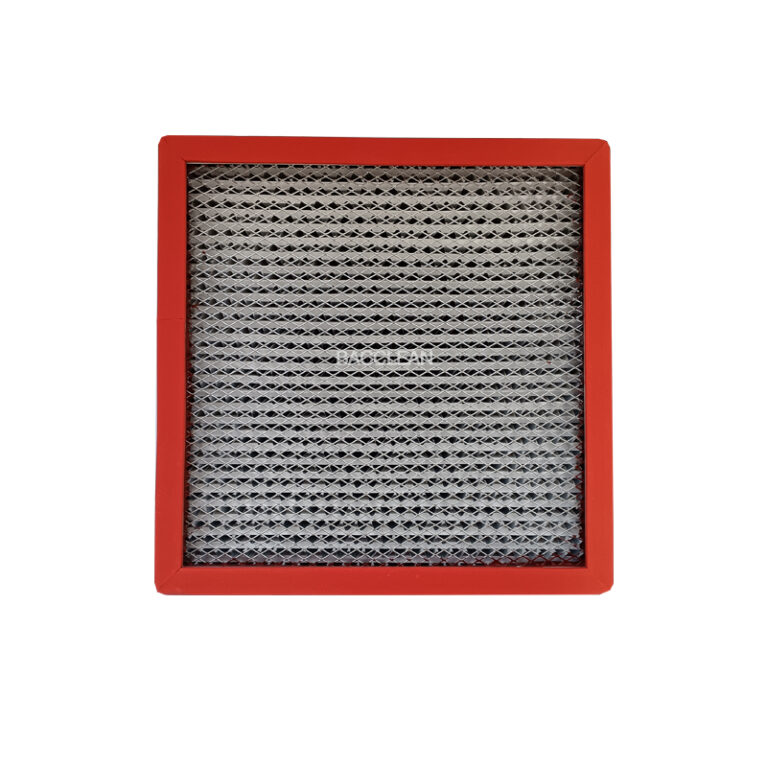
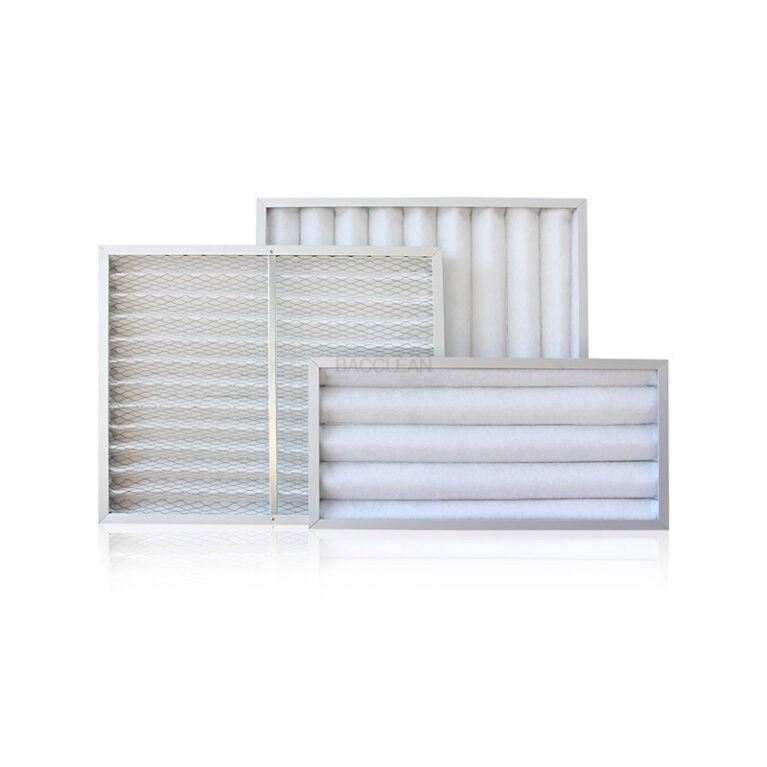
The initial-stage G4 and intermediate-stage F8/F9 filters on the air conditioning unit end provide double interception, reducing the dust content in the incoming air of the air distribution ceiling.
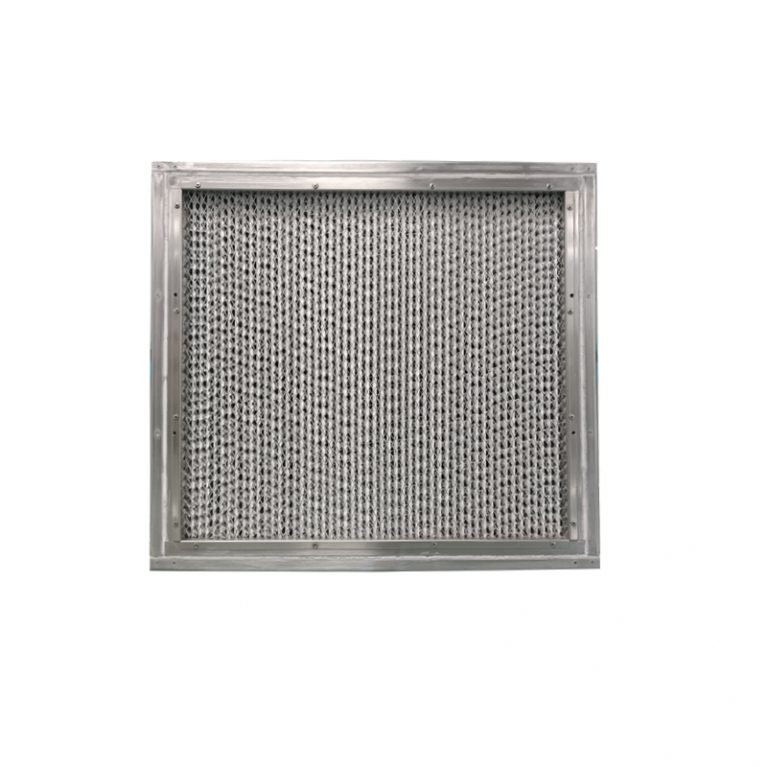
An independent built-in intermediate-stage filter is added to the air distribution ceiling inlet to block pipe rust and insulation debris.
Strictly replace the initial and intermediate-stage filters based on pressure difference, not waiting until they are clogged before replacing, avoiding direct impact of dust on the high-efficiency filter after penetration.
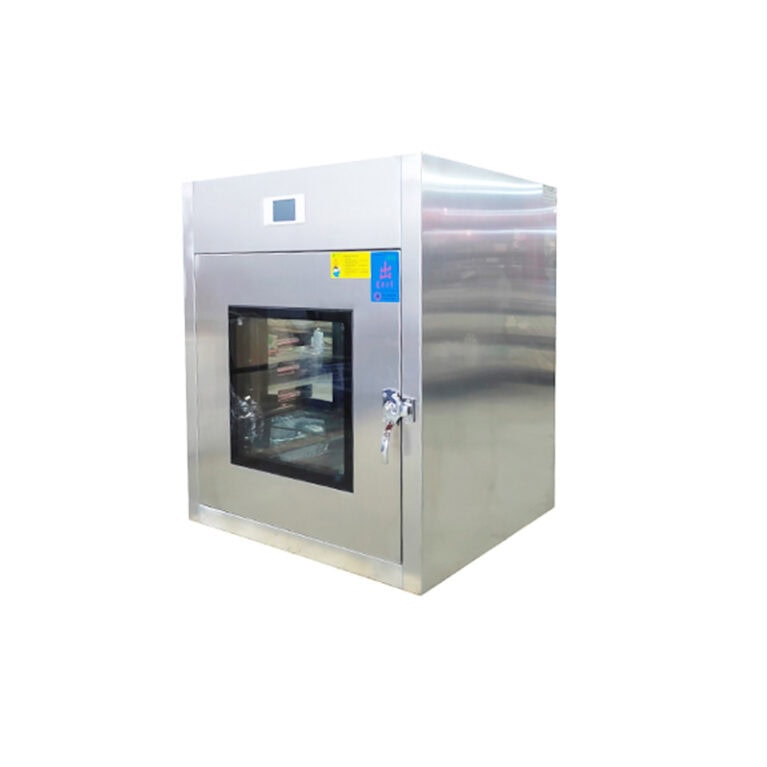
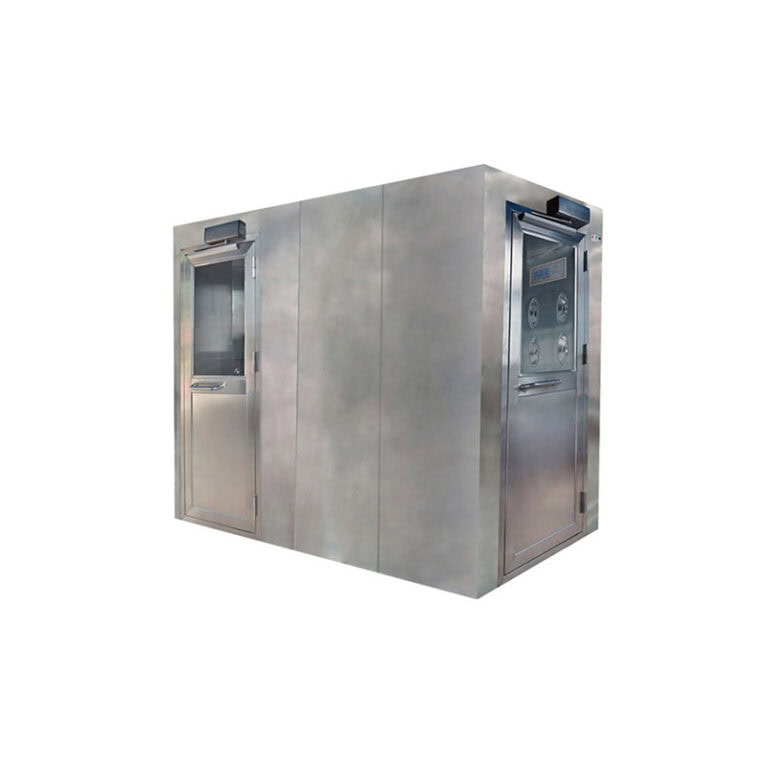
A wind shower room and a material shower room are added at the entrance of the dust-free workshop to reduce dust brought in by personnel and materials, reducing the load on the filter materials from the source.
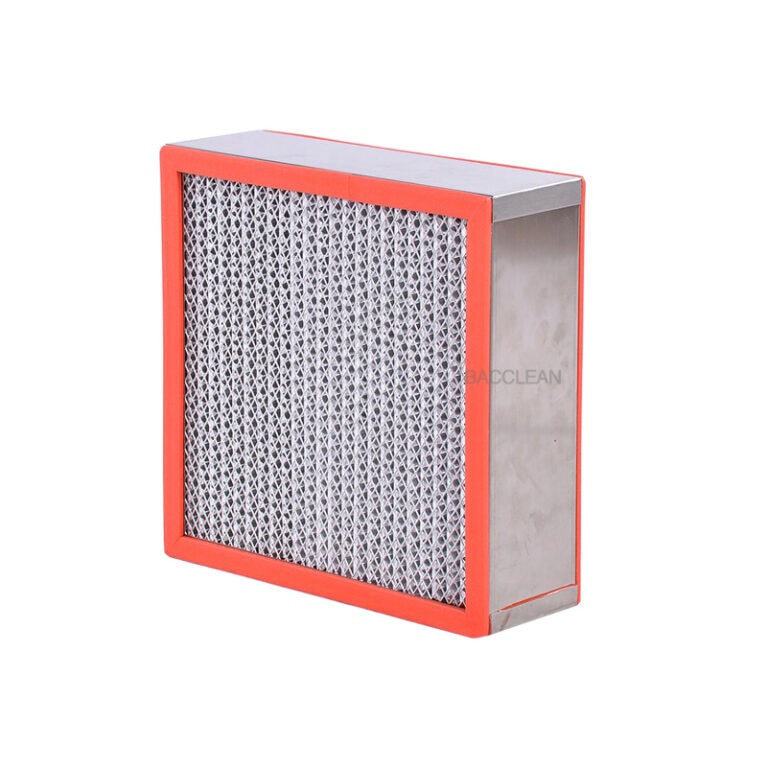
Result: The HEPA filter replacement cycle can be extended from 1 year to 1.5-2 years, reducing nearly half of the high-efficiency procurement costs.
2. Optimization of Selection, Reducing Maintenance Time and Spare Parts Loss at the Hardware Level
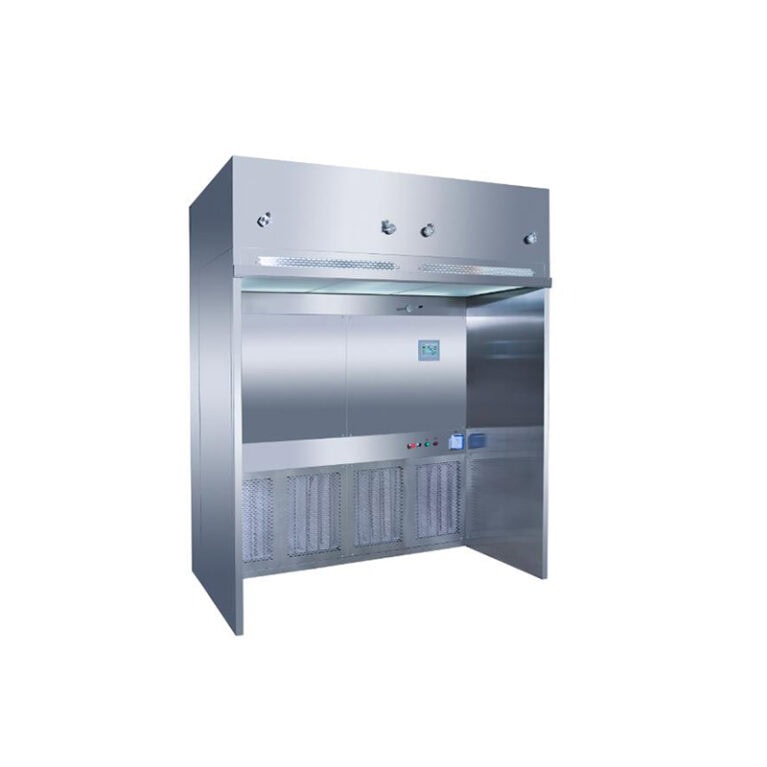
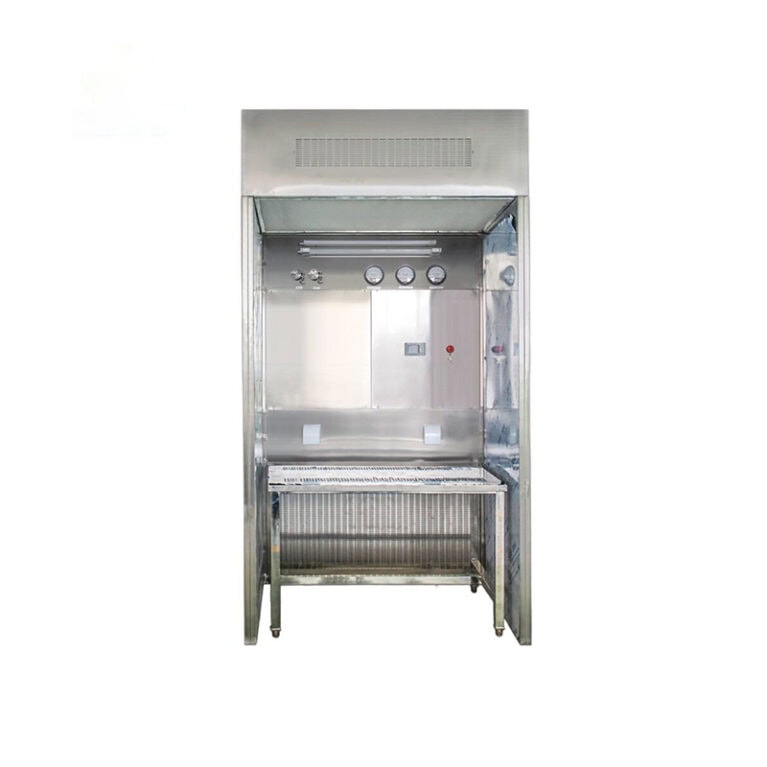
Prioritize the use of modular air distribution ceilings that open from the bottom
No need to dismantle the ceiling truss or panels, a single person can replace the filter, saving 70% of the replacement labor time compared to top-opening type;
The entire unit is selected with 304 stainless steel static pressure box and thick spray-painted steel plate, resistant to corrosion and less prone to rust leakage, reducing the frequency of repainting and sealing repair;
A variable-frequency adjustable fan is selected to avoid long-term full-load high-pressure operation, reducing bearing wear and electricity costs;
An integrated silicone rubber whole-ring sealing strip is selected, with better sealing performance than segmented strips, reducing the annual leak detection and re-gluing workload.
3. Fine Management of Consumables to Avoid Excessive Replacement Waste
Establish a pressure difference ledger, using pressure difference data as the replacement standard, not forcing replacement according to a fixed calendar
When the final resistance is reached (initial pressure difference is twice), replace when the condition is clean, allowing the filter to be used for several more months;
Batch procurement of consumables, unified annual bidding to reduce the unit price of filters, rubber strips, and uniform flow membranes;
Classify filter placement based on different working conditions: H13 for ordinary thousand-level areas, H14 for high-load hundred-level operating areas, not over-configuring to avoid waste;
The initial-stage filter can be washed and reused, reducing the consumption of disposable consumables.
4. Optimization of Daily Maintenance Procedures to Reduce Labor Costs
Implement staggered maintenance for different areas, replacing the filter and checking for leaks in the air distribution ceiling at the same time in the same area, reducing the time spent by engineers traveling back and forth;
Daily basic cleaning (panel wiping, surface dust removal) is completed by cleaning staff, leaving only the inspection for leaks, replacement of high-efficiency filters, and fan maintenance to the professional purification technicians;
Establish a standardized inspection record table to simplify the inspection items, reducing ineffective inspections;
Conduct regular batch inspections of sealing strips and replace them centrally and uniformly to avoid scattered multiple visits with additional charges.
5. Reduce Hidden Long-Term Energy Consumption Costs
The variable-frequency fan is linked to the pressure difference signal. When the filter is clogged, the air volume is automatically slightly increased, and the speed is reduced when the filter is relatively clean, saving 15% to 25% of electricity throughout the year;
Avoid over-selecting wind pressure, match the fan according to the standard wind speed of 0.30-0.45 m/s as per the specification, avoiding blindly selecting high-capacity and high-static-pressure models;
Regularly check the leakage of the box and ceiling joints to prevent the fan from continuously operating at high load to supplement air, and promptly apply sealant to reduce ineffective energy consumption.
6. Compliance Testing and Hazardous Waste Disposal Cost Reduction
Sign a bundled annual third-party testing contract (particle, floating bacteria, PAO leak detection bundled package), which is more cost-effective than single separate testing;
Conduct synchronous testing in multiple workshops and operating rooms, sharing the travel expenses for visits;
Concentrate on testing the same batch of high-efficiency filters for recycling when they reach a certain batch size, contacting hazardous waste units for recycling, reducing one-time transportation and disposal costs;
Make regular pressure difference and wind speed inspection records, retain data, and reduce the frequency of third-party re-testing.
7. Environmental Control to Reduce Equipment Aging and Wear
Control the temperature and humidity in the workshop. High humidity and the long-term erosion by disinfection steam will accelerate the aging of rubber strips and uniform flow membranes;
Give priority to atomized disinfection to avoid long-term direct spraying of high-concentration disinfectants onto the internal space of the air supply ceiling;
Regularly clean the workshop floor and walls to reduce secondary dust and repeated washing of the filter screen.
Summary of overall cost reduction effect:
Cost of consumables decreased by 30% to 50%: Extended efficient replacement cycle + Tiered selection + Batch procurement;
Reduced labor maintenance time by more than 50%: Modular structure + Tiered inspection, centralized maintenance;
Savings in wind power costs by 15% to 25%: Variable frequency fans + Leak-proof air supply + Reasonable matching of wind pressure;
The replacement cycle of seals, uniform flow membranes, and fan components is prolonged, reducing sporadic maintenance expenses.