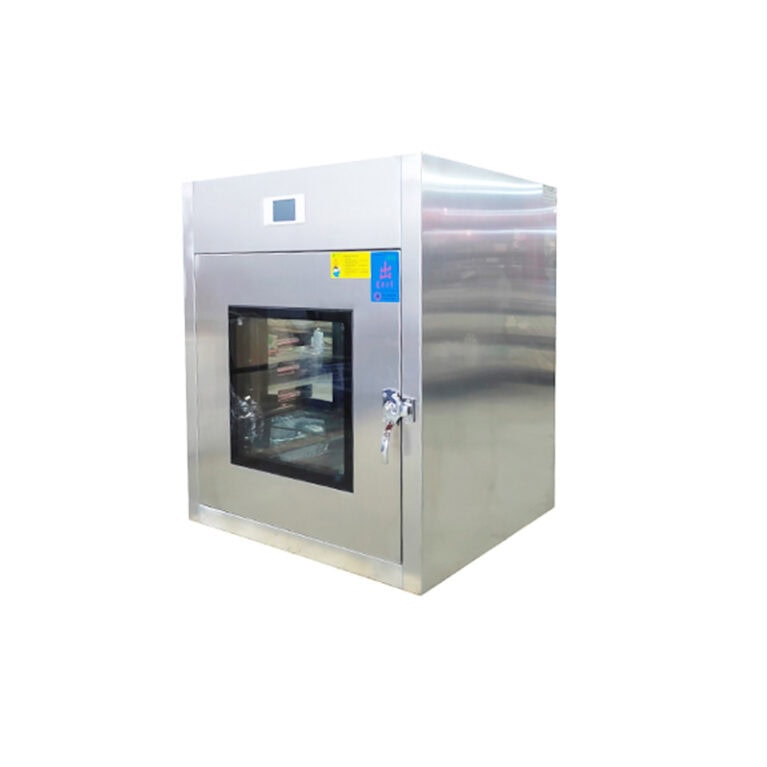
Daily Maintenance Key Details for Transfer Windows (General, UV Type, VHP Type, GMP Compliance Focus)
I. General Details for All Types of Transfer Windows
1. Cleaning Operation Details
Only use dust-free cloths and dust-free papers for cleaning. Ordinary rags, steel wool, and scouring pads are prohibited. They can easily scratch the stainless steel inner walls and observation windows, and the scratches can accumulate dirt and breed microorganisms.
Cleaning Agents: 75% ethanol, purified water, neutral cleaning agent; strictly prohibit 84, hypochlorous acid sodium, strong acids and strong bases. Long-term use will corrode the stainless steel and cause rust spots. VHP models corrode even faster.
Cleaning Order: From the high-cleanliness side to the low-cleanliness side, from top to bottom. Avoid secondary dust pollution from the door gap, sealing strip groove, hinge bottom, and cavity edge corners. All must be wiped one by one. Residual liquid will crystallize and age the rubber strip.
Do not directly spray water into the cavity. Before cleaning the electric control box, fan, sensor, and wiring, use a dust cover to shield to prevent water ingress and short circuits, and prevent probe fouling and malfunction.
After cleaning, the cavity must be dried. No water stains should be left. Damp environment accelerates the aging of the sealing strip and the oxidation of the sheet metal.
2. Maintenance Details for Door Body and Sealing Strip
Open and close the door gently. Do not hit the door body with heavy objects. Impact can cause deformation of the door frame and increase the sealing gap, destroying the pressure difference isolation.
When checking the rubber strip, do not only look at the appearance: Press the entire sealing strip. If there is a depression, slow rebound, hardening, whitening, local cracking, or detachment, replace it immediately; even small gaps can cause VHP leakage and cross-contamination in the clean area.
Hinges and locks that are stuck or make abnormal sounds: Only use food-grade silicone-based lubricating grease. Engine oil and butter are strictly prohibited. Oil stains will adsorb dust and form stubborn dirt, which does not comply with aseptic GMP.
The interlock function cannot be tested just once: Alternate opening and closing the inner and outer doors repeatedly to confirm that when one door is opened, the other door is completely locked. If the interlock fails, immediately mark it as out of service and prohibit using it with faults.
3. Electrical and Control Details
Daily check the indicator lights and buzzers on the control panel. Alarm delay and dimming lights are mostly due to poor contact in the circuit. Timely maintenance is required.
Weekly blow and dust off the cooling holes of the electric control box. Accumulated dust in the interior can cause the PLC to overheat and freeze. VHP models have parameter control failure.
When cleaning, avoid spraying a large amount of ethanol on the operation panel. Liquid seeping into the key gaps can corrode the circuit board.
When the equipment is in a long-term shutdown state, cut off the main power supply. Do not frequently plug and unplug the emergency stop switch, as it can easily damage the contacts.
4. Record Management Details (GMP Audit Focus)
Separate registration for cleaning, inspection, calibration, and consumable replacement. Do not mix them. Each record should be marked with the date, operator, and equipment number.
Keep the batch number and certificate of qualified products for the replacement of sealing strips, filters, sensors, and lamp tubes.
Separate archiving of fault shutdown, maintenance, and verification data. Save for at least 3 years.
II. Exclusive Details for Ultraviolet Disinfection Transfer Windows
Cleaning lamp tubes must be operated after power-off and cooling. High-temperature lamp tubes are prone to cracking when exposed to alcohol; the outer wall of the lamp tube should be wiped once a week. Thin dust can reduce the sterilization intensity by 40% or more.
The inner side of the reflective aluminum plate also needs to be cleaned. Dust blocking the ultraviolet radiation can cause sterilization failure in the cavity corners.
Ultraviolet intensity detection cannot be judged by the naked eye: Measure monthly with an irradiation meter. If it is below 70μW/cm², regardless of whether the lamp tube is illuminated, it must be replaced; it should be replaced after 800 hours of cumulative operation. Do not wait until it turns black before replacing.
Do not leave the ultraviolet lamp on for a long time without supervision to avoid accelerating the aging and yellowing of the acrylic observation window and reducing light transmission.
III. Core Maintenance Details for VHP Vaporized Hydrogen Peroxide Transfer Windows (Most Easily Ignored)
1. Cavity and Corrosion Protection
Only 316L stainless steel cavities can be used for long-term use. 304 stainless steel will oxidize and rust in a high-concentration VHP environment; rust spots on the inner wall must be polished and passivated promptly. Cavities must not contain copper parts, ordinary rubber, or galvanized plastic parts. VHP will oxidize, corrode, powderize and fall off, contaminating the materials.
Wet materials and products with a large amount of water stains cannot be directly placed in the cavity. This will significantly prolong the dehumidification time and also cause hydrogen peroxide crystals to form in the air ducts and sensors.
2. Details of VHP generator and pipelines
Only use 30% high-purity medical-grade hydrogen peroxide. Industrial hydrogen peroxide contains many impurities and is prone to clogging the atomization nozzle and pipelines. Weekly clean the flash chamber of the generator with purified water to remove white crystals.
Regularly inspect the soft hoses for bending and leakage. Crystals inside the hoses can cause unstable liquid supply and unsatisfactory sterilization concentration.
When the equipment is shut down for a long time, empty the residual hydrogen peroxide in the pipelines to prevent crystal blockages in the generator. The next startup may encounter faults.
3. Sensors and catalytic system
Weekly gently wipe the residual crystals from temperature and humidity, VHP concentration probes. Accumulated scale on the probes will show false concentrations, leading to unsatisfactory sterilization. Calibrate once a month.
The white crystals on the surface of the catalytic decomposition filter cannot be only blown off. Accumulated crystals will significantly reduce the decomposition efficiency. After shutdown, VHP residual hydrogen peroxide exceeds the standard, and opening the door poses safety risks.
After each sterilization process, wait for the decomposition to complete and the concentration to be ≤ 1 ppm before opening the door. Do not force open the door during the process. VHP leakage will irritate the respiratory tract and corrode surrounding equipment.
4. Filtration and negative pressure details
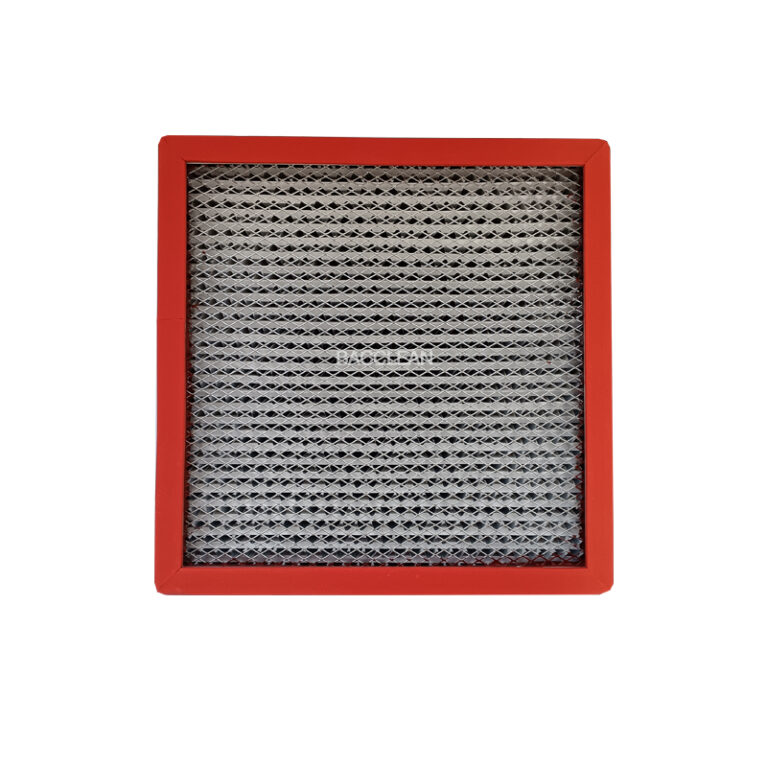
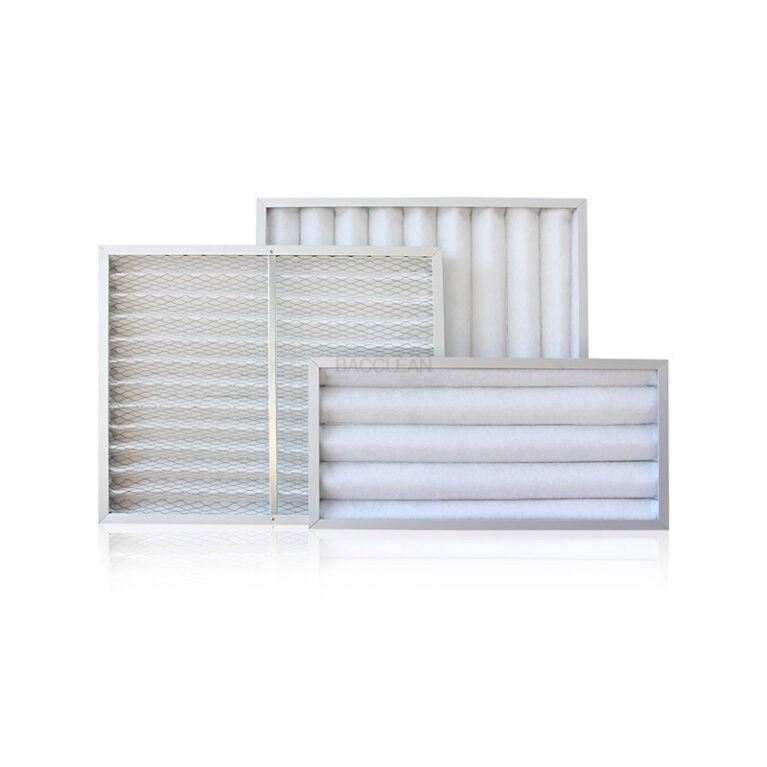
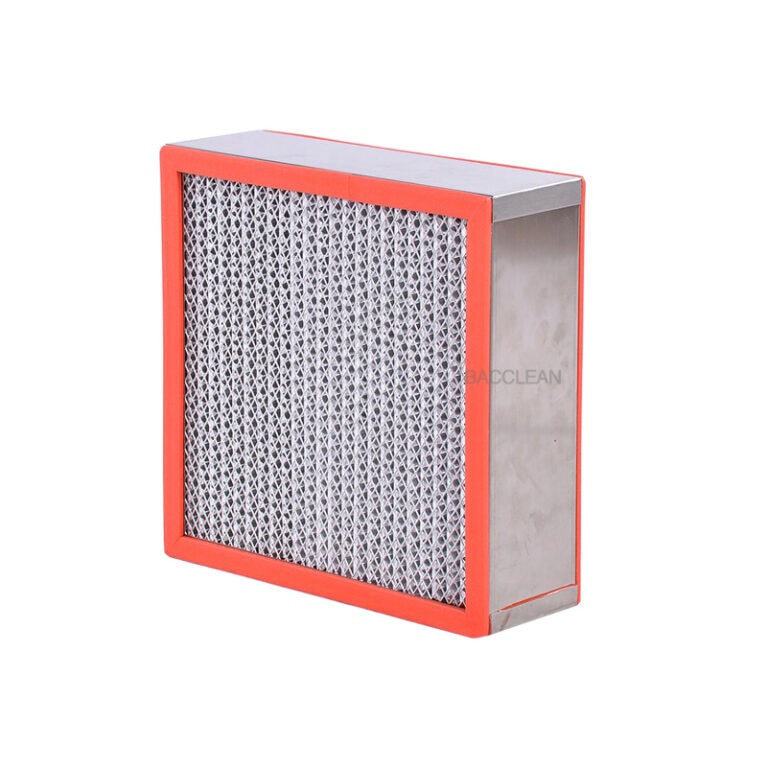
If the HEPA filter comes into contact with hydrogen peroxide and turns yellow or gets soaked, replace it directly. The penetration of the liquid will damage the integrity of the filter membrane.
During the sterilization stage, confirm that the cavity has a stable negative pressure of -5 to -10 Pa. If there is abnormal negative pressure, promptly check the door seal and air duct leaks to prevent VHP from entering the cleanroom.
Summary of common pitfalls and prohibited details
Do not start VHP directly without the dehumidification step for convenience. In high-humidity conditions, hydroxyl radicals will fail, and the sterilization will not reach 6-log.
Do not mix different brands of hydrogen peroxide. Differences in chemical components may cause precipitation and crystallization.
Do not patch the sealing strips. If a single area is aging, it is recommended to replace the entire set. Uneven thickness of new and old rubber strips will create gaps.
Do not fail to repair the fan’s abnormal noise and vibration in time. Long-term vibration will cause the sheet metal weld seams to crack and the filter to be damaged.
Do not replace the catalytic filter or sensors on time, only perform surface cleaning. This may hide the risks of sterilization failure and personnel poisoning.
After maintenance, do not conduct no-load verification before putting the equipment into production. This will not be able to confirm the equipment parameters are qualified.