
1. Overall Working Process
-
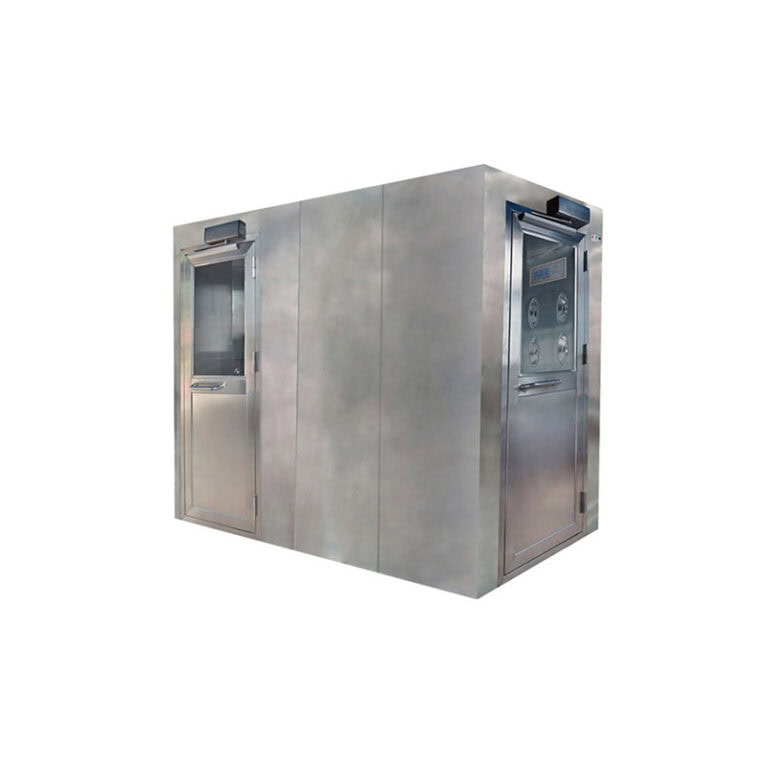
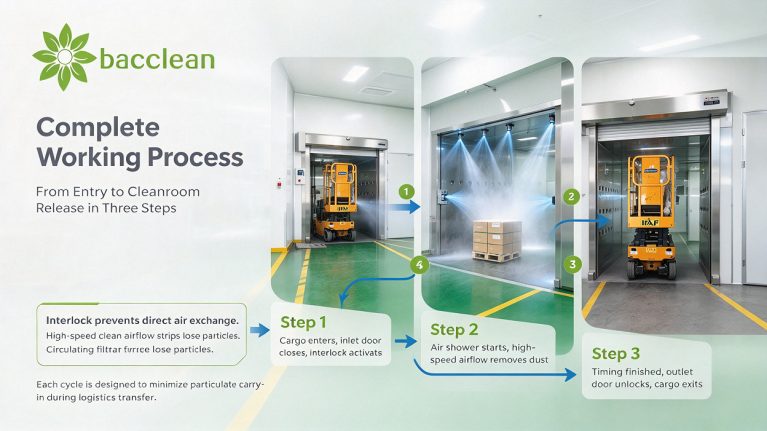
Cargo enters and the inlet rolling door closes automatically A forklift carrying cargo drives into the air shower cavity. Geomagnetic coils or infrared radar sensors detect the object, and the inlet rapid rolling door automatically descends and closes. The equipment control system triggers the interlock logic: before the inlet door is fully closed, the outlet rolling door remains locked and cannot be opened, preventing direct air communication between the two zones.
-
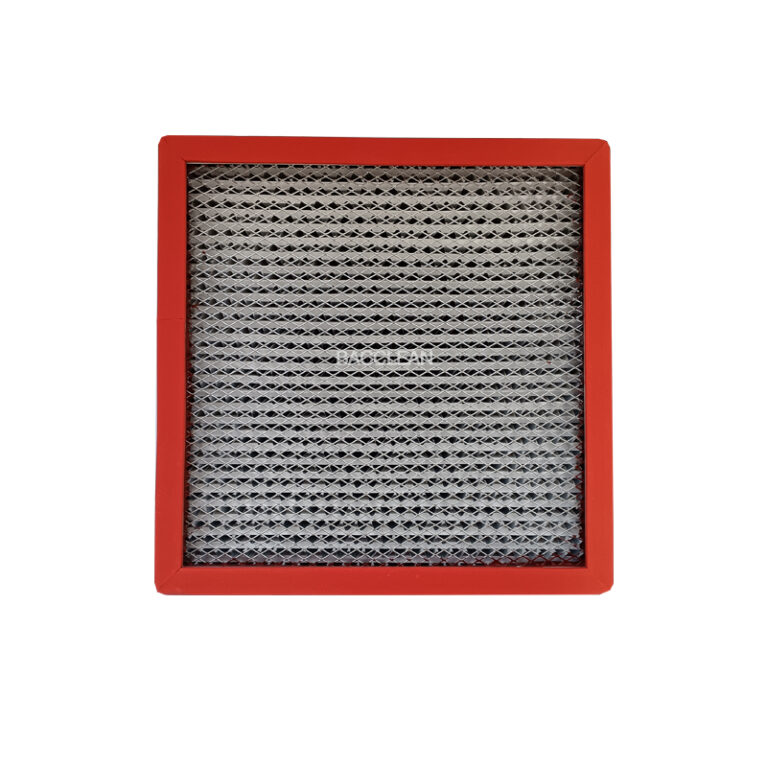
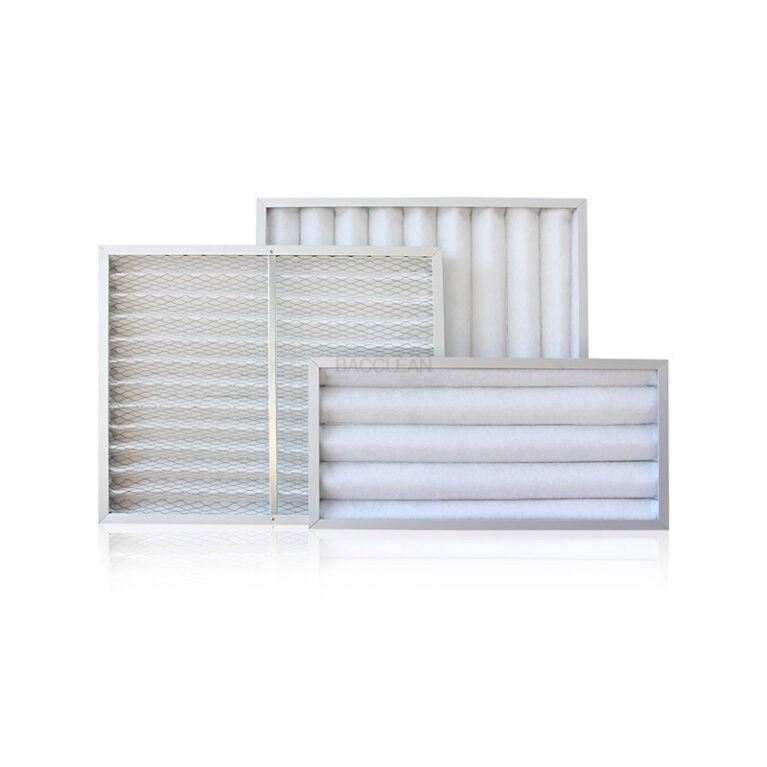
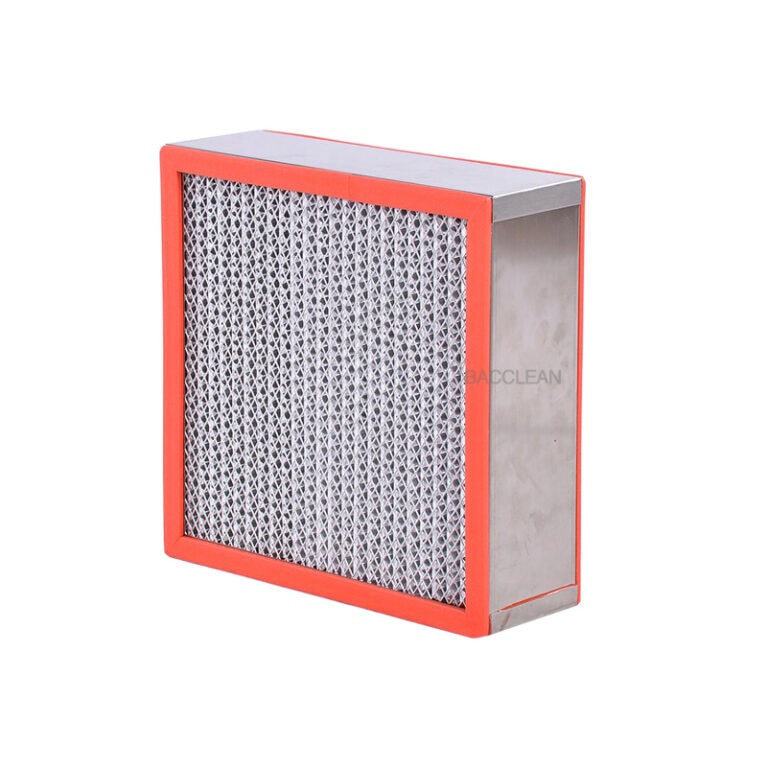
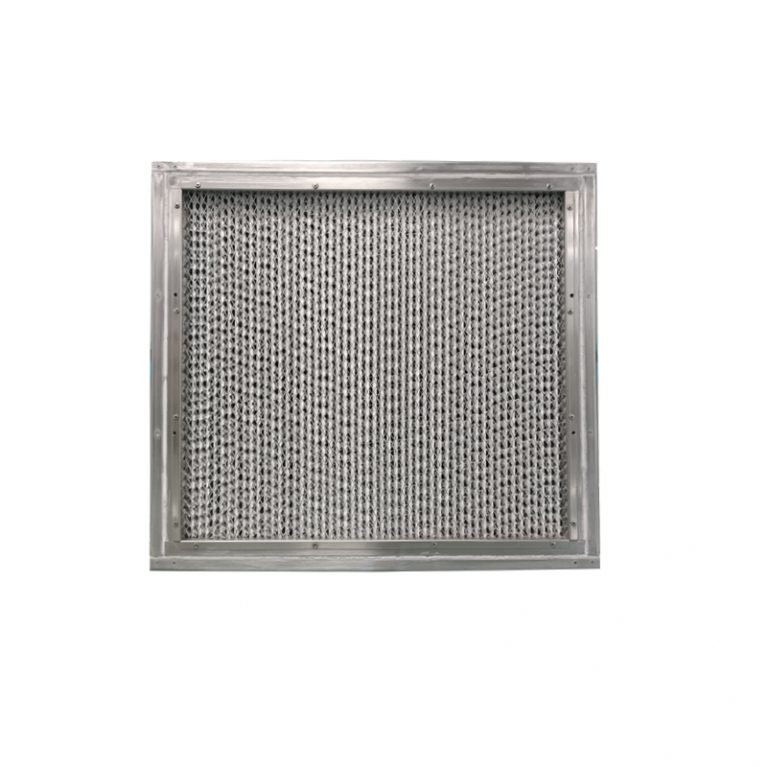
Air shower starts, high-speed clean airflow blows for dust removal The fan starts to draw air inside the cavity. The air passes through pre-filters and HEPA filters in sequence to remove airborne suspended particles. Clean air is ejected through multiple sets of adjustable stainless steel nozzles on both sides of the cavity at a set high speed to impact the surfaces of cargo, pallets and outer packaging from multiple angles. The high-speed airflow breaks the adsorption force between dust and cargo surfaces and peels off loosely attached particulate matter. The stripped dust sinks with the airflow into the bottom return air channel and flows back to the front of the fan for circulating filtration.
-
Air shower timing completes, outlet door unlocks for release After the preset blowing duration ends, the air shower system stops automatically, and the outlet rolling door unlocks and rises. The forklift transports the cargo into the clean area. After the cargo completely exits the cavity, the outlet rolling door falls back automatically. The equipment resets and waits for the next batch of cargo.
2. Three Core Mechanisms for Cross-Contamination Control
-
Dual rolling door electrical interlock to build spatial isolation barrier Interlock is the foundation of cross-contamination prevention. The two inlet and outlet rapid rolling doors cannot open at the same time. When one door is open, the other remains closed. The rolling door rises and falls rapidly to shorten the opening time of the doorway and reduce the probability of backflow of external air into the clean area. After closing, the flexible door fits tightly with the doorway to form a sealed cavity during air shower operation, maintaining an independent space and cutting off the path for direct air exchange between the two zones.
-
Two-stage filtration + high-speed blowing to strip contaminants on cargo surface Different from passive protection relying on workshop pressure difference, the air shower chamber actively generates high-speed clean airflow. Pre-filters intercept large particle dust, and HEPA filters remove fine suspended particles to continuously supply qualified blowing air source. Multi-angle nozzles cover the top, side and bottom of cargo to strip dust attached to outer packaging. The stripped contaminants enter the circulation system with return air and are captured by filters, avoiding dust accumulation inside the cavity and secondary dust emission.
Note: Air shower can only remove loosely attached particles and cannot kill microorganisms. If microbial control is required, an independent cavity disinfection module can be equipped.
-
Circulating return air system to prevent secondary dust inside the cavity The automatic rolling door air shower chamber adopts a built-in return air channel. The dust-laden airflow after blowing converges downward and returns to the fan inlet, and is filtered before being sent out again. This circulation mode prevents suspended dust accumulation inside the cavity and reduces the risk of residual dust inside the cavity being carried into the clean area the moment the door opens after air shower.
3. Key Supporting Functions to Ensure Stable Long-Term Pollution Control
-
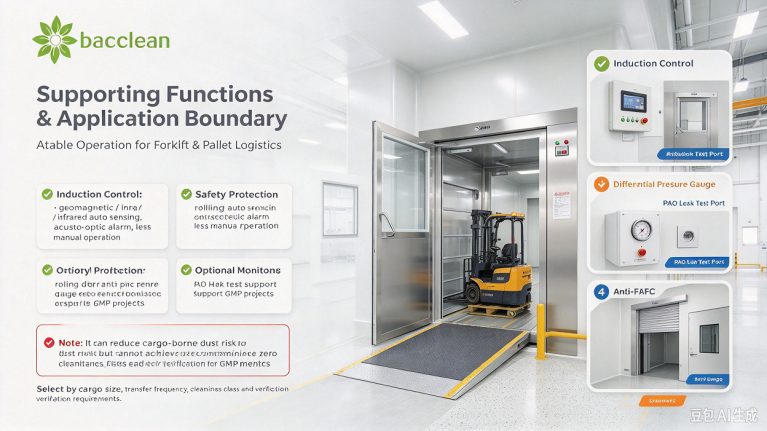
Induction control system: Geomagnetic / infrared automatic cargo identification, no manual button operation, reducing contamination risks caused by human operation errors. Equipped with acousto-optic prompts and fault alarms.
-
Safety protection: Rolling door is equipped with safety bottom edge and infrared anti-pinch function. When obstacles are encountered during forklift passage, the door body rebounds automatically to avoid damage to equipment and cargo.
-
Optional monitoring module: Differential pressure gauge can be installed to monitor HEPA filter resistance in real time, helping maintenance personnel judge filter clogging and perform PAO leak testing in accordance with specifications to meet GMP verification requirements for projects.
4. Application Boundary Description
The automatic rolling door air shower chamber can significantly reduce the risk of dust brought in by large materials, but cannot achieve absolute zero contamination. The dust removal effect is strongly related to nozzle layout, blowing velocity, air shower duration, cargo placement and filter integrity. It is suitable for logistics passages allowing full pallets and forklift access. Ordinary air shower chambers are generally selected for small-item personnel passages, and rolling door air shower chambers are not recommended for such scenarios.
Conclusion
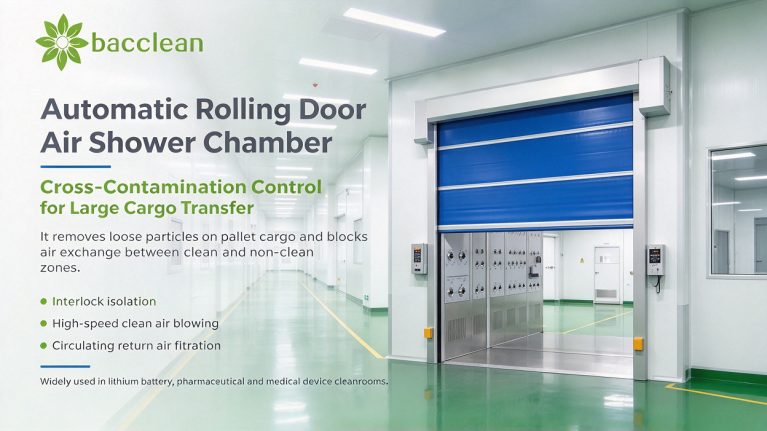
The core logic of the automatic rolling door air shower chamber is interlock space isolation + high-speed clean airflow for dust stripping + circulating return air to suppress secondary dust emission. In scenarios of cross-cleanliness transfer of large cargo, the surface dust removal is completed in an independent sealed cavity to reduce the contaminants on outer packaging being brought into clean workshops with logistics. It is core equipment for cross-contamination control in logistics passages of clean factories.
