
1. Overall System Architecture and Core Components
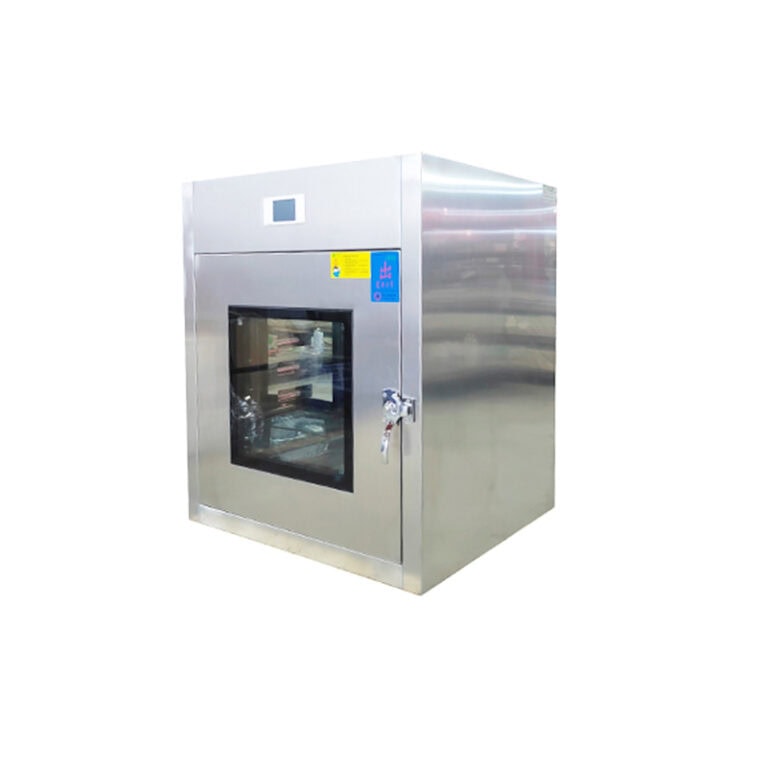
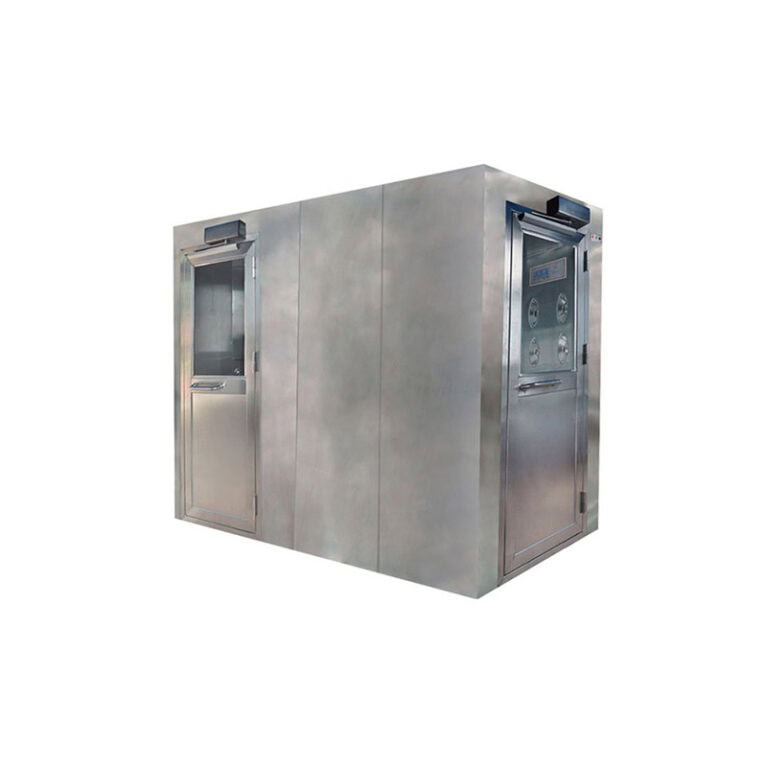
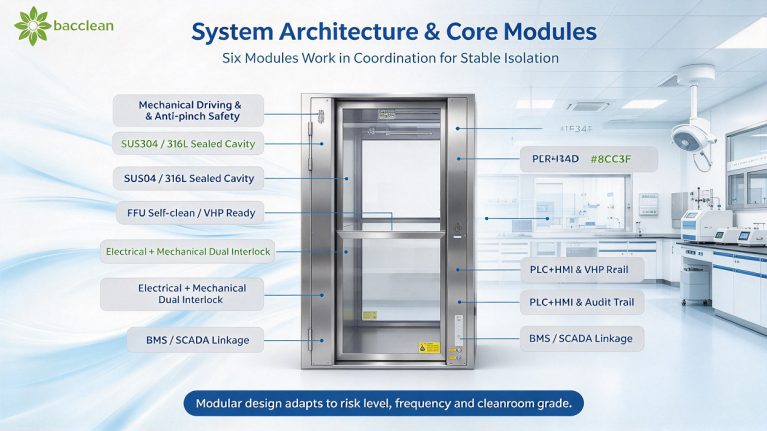
The complete automatic lifting system consists of six modules: mechanical driving unit, door sealing unit, interlock safety unit, airflow purification unit, intelligent control unit and optional sterilization linkage unit. All modules can be commissioned independently and work in coordination. The mechanical driving unit includes a geared motor, synchronous belt or chain transmission assembly, guide rails, photoelectric limit switches and mechanical hard stops, delivering stable power for vertical door movement. The motor is equipped with overload protection, and the lifting speed is adjustable, normally set at around 100 mm/s. This prevents rapid door impact that accelerates sealing strip aging and violent fluctuation of room differential pressure. A power-off manual release clutch is provided as standard. In case of power failure, the door can be manually unlocked to avoid trapping samples or materials inside the cavity and resulting in sample discard. Infrared anti-pinch sensors are installed along the door travel range; the door stops descending immediately once an obstacle is detected to protect personnel and materials.
The door and cavity sealing unit forms the foundation of isolation. The standard inner cavity is made of SUS304 stainless steel with full-welded, polished rounded corners to eliminate sanitary dead corners for easy wiping and disinfection. For heavy corrosion or continuous VHP circulation scenarios, SUS316L stainless steel is adopted. For lithium battery, optical and semiconductor projects with AMC control requirements, silicon-free sealing configurations are available to prevent silicon precipitation from contaminating products. Sealing strips are selected according to working conditions: food-grade silicone for standard clean applications, and special EPDM strips resistant to hydrogen peroxide for VHP sterilization versions. The strips are embedded instead of pasted, offering better wear resistance and lower risk of falling off. The observation window uses tempered explosion-proof glass with smooth joints to reduce dust accumulation gaps.
The interlock safety unit adopts a redundant architecture combining electrical interlock and mechanical auxiliary locking, which is a key item for GMP audit. The control logic strictly prohibits both doors from opening simultaneously. When one door is open, the opposite door remains locked, preventing direct air mixing between clean zones of different grades. The system continuously monitors door status signals. Audible and visual alarms will be triggered for overtime unclosed doors, interlock faults or abnormal door unlocking, and fault signals can be uploaded to the central control system.
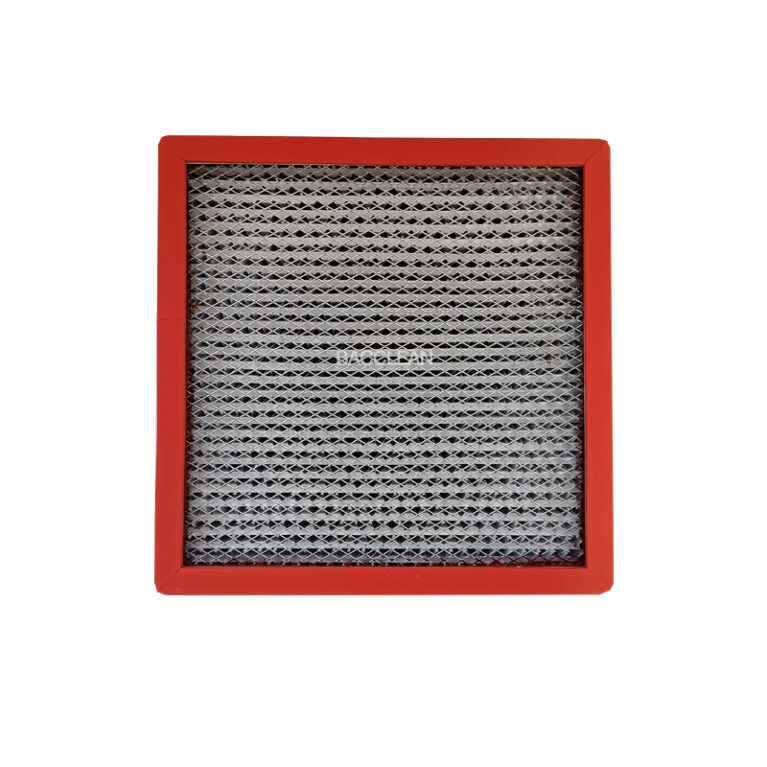
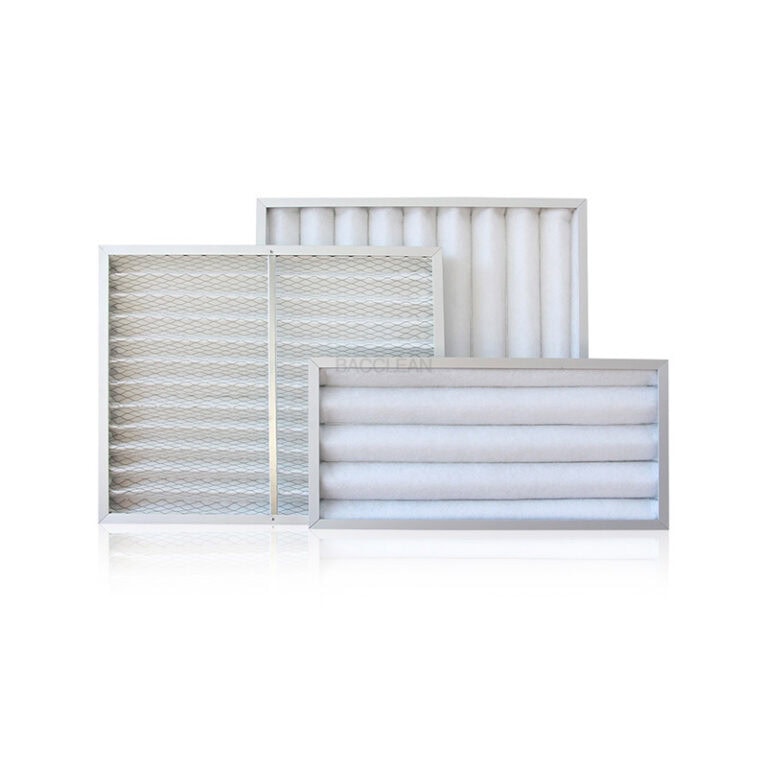
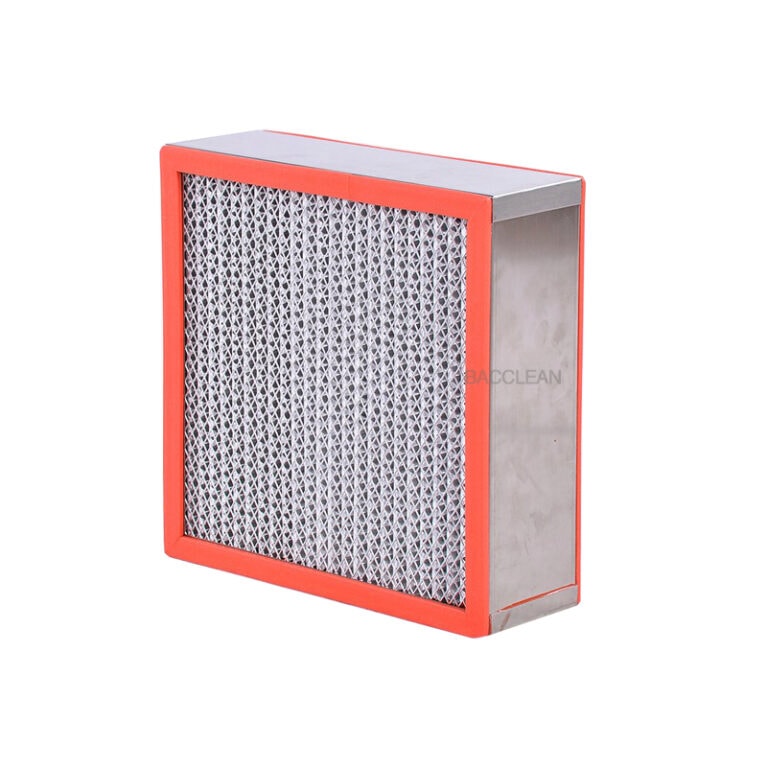
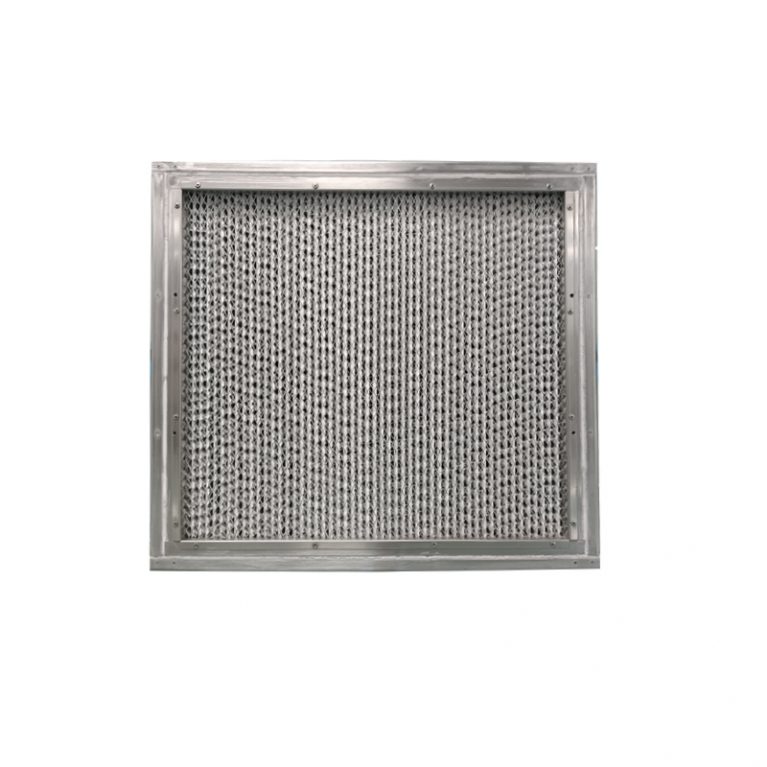
The airflow purification unit has three types: basic isolation type, FFU self-cleaning laminar flow type and VHP sterilization exhaust type. The basic version has no fan filtration and relies only on door sealing for isolation. The self-cleaning version is equipped with an FFU fan filter unit on the top of the cavity, with G4 pre-filter and H13/H14 HEPA filter. It forms a vertical downward laminar flow to purge suspended particles inside the cavity after materials are loaded, suitable for transfer from Grade D to Grade C or Grade C to Grade B. The VHP sterilization version is fitted with an independent circulating air duct, exhaust HEPA, VHP dosing port and residual gas discharge port. The cavity can be hermetically pressurized to support vaporized hydrogen peroxide disinfection cycles.
The intelligent control unit is centered on PLC and HMI touch screen. Multiple operation modes are switchable, including button control, hands-free foot switch control and infrared sensor trigger, ideal for high-frequency operations when operators carry materials with both hands. The system stores operation logs, fault records and sterilization procedure records, supporting USB export and hierarchical permission management to meet data integrity and audit trail requirements. Dry contact, RS485 or TCP communication interfaces are reserved for connection with workshop BMS, SCADA and MES systems. Remote collection of door status, filter differential pressure, cavity negative pressure and sterilization progress is available for centralized monitoring and linkage.
The sterilization linkage unit is an optional module for high-risk sterile and biological positive sample workstations. Integrated hydrogen peroxide concentration, temperature and humidity sensors automatically execute the full cycle of sealing, dosing, dwell time and residual gas aeration. The door unlocks only after hydrogen peroxide concentration drops below the safe threshold. It can also link with HVAC dampers of the room to regulate ventilation during sterilization and stabilize the overall pressure differential of the cleanroom.
2. Standardized System Solutions for Different Scenarios
During project implementation, the corresponding solution shall be selected based on cleanroom grades on both sides, material risks and transfer frequency. Functions are not added blindly to balance compliance and investment cost.
-
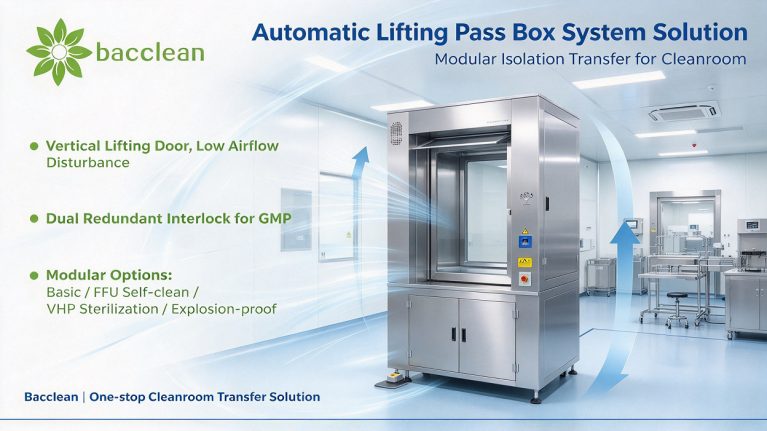
Basic Isolation Automatic Lifting Solution: Suitable for transfer of ordinary auxiliary materials and outer packaging between clean zones of the same grade, such as Grade D to Grade D and low-risk Grade D auxiliary corridors. Only lifting drive, dual interlock and basic control panel are retained, without self-cleaning fan or sterilization components. It features lower cost and simple maintenance, mainly for hands-free operation to reduce cross-contamination via door handles. It fits auxiliary points with large quantities, limited budget and medium transfer frequency.
-
FFU Self-cleaning Laminar Flow Lifting Solution: Designed for cross-grade particulate control scenarios for transferring consumables, raw materials and tools from Grade D to Grade C or Grade C to Grade B. After the door is closed, laminar purging starts automatically to remove suspended particles inside the cavity via HEPA, lowering the risk of particle backflow into higher-grade rooms when the door opens. The self-cleaning duration can be set on the touch screen, and a prompt is sent when purging finishes. Differential pressure monitoring is configured for filters, and alarms will be activated when resistance exceeds the limit. Filter replacement and PAO leak test shall be completed on schedule. This solution only removes airborne particles and cannot inactivate microorganisms, so it cannot replace sterilization equipment.
-
VHP Sterilization Linked Lifting Solution: Applied in sterile preparation workshops, cell culture rooms, PCR positive rooms and other workstations with high microbial risks. After materials are loaded into the cavity, a complete VHP surface sterilization cycle is performed. The cavity is reinforced for air tightness and supports pressure holding test. The exhaust end is equipped with H14 HEPA filter to prevent hydrogen peroxide vapor and biological aerosol leakage. Sterilization programs are editable and parameters can be saved. Residual gas aeration runs automatically after sterilization, and door access is released only after hydrogen peroxide concentration reaches the safe level. It can also link with room HVAC dampers to stabilize room pressure differential during sterilization.
-
Explosion-proof Custom Lifting Solution: Used in explosive clean areas with organic solvents or combustible powder. All motors and electrical components adopt explosion-proof rated accessories with isolated circuits, while the control logic remains unchanged to satisfy electrical safety specifications for hazardous areas.
3. Airflow and Differential Pressure Control Logic
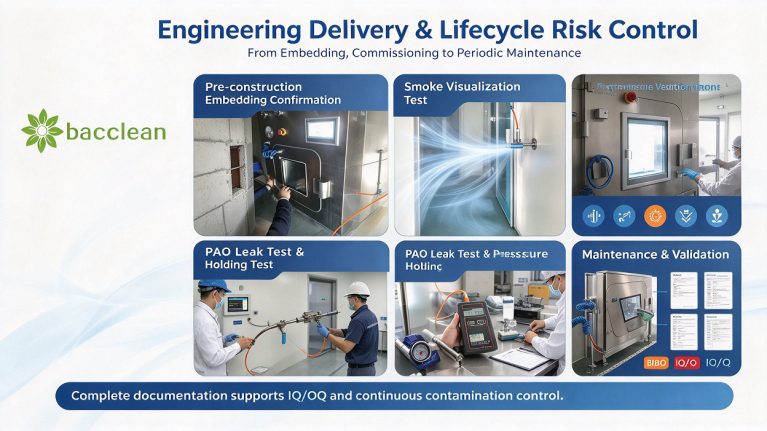
The inherent advantage of the vertically retractable lifting door is much lower airflow disturbance during opening and closing compared with hinged doors, which reduces fluctuation of cleanroom differential pressure. For self-cleaning models, stable vertical laminar flow forms inside the cavity, sweeping downwards over the material zone with centralized air return to form a closed circulation loop. For VHP models, the cavity remains sealed during sterilization. During residual gas exhaust, all airflow passes through exhaust HEPA before discharge instead of flowing back directly into the clean room. The system will not alter the main room pressure differential independently. The HVAC system of the cleanroom must be checked synchronously in the design phase to confirm sufficient supply and return air margin and avoid overall pressure differential out of control caused by frequent operation of the pass box. In the acceptance stage, smoke visualization airflow test is carried out to verify airflow direction upon door opening and confirm no overflow or obvious turbulence.
4. Installation Matching and Project Delivery Points
The equipment is embedded into the wall. Wall material, wall thickness, opening size and pre-embedding scheme for color steel plate or concrete partition must be confirmed in advance. Color steel partition walls require reinforcing flanges to disperse the weight of the unit and prevent plate deformation and air leakage gaps. Concrete walls need pre-reserved openings and embedded steel reinforcement plates. If the access passage is narrow and the whole unit cannot be delivered on site, the split structure is adopted for cavity assembly, sealing caulking and commissioning on site. A separate stable AC220V power circuit is required. For frequently washed or humid areas, the electrical control box shall reach IP65 protection grade to avoid circuit board corrosion by moisture. After installation, mechanical commissioning, interlock function verification, smoke airflow test, PAO leak test (for self-cleaning and VHP versions) and air tightness pressure holding test (for VHP versions) are performed sequentially. Documentation including material certificates, welding records, leak test reports and operation SOPs will be delivered to support the customer’s IQ/OQ validation.
5. Operation & Maintenance System and Risk Control Plan
Daily maintenance focuses on three parts: driving and sealing components, filters and control programs. Regular inspection of wear on lifting guide rails and transmission belts, and checking for hardening or cracking of sealing strips are required. Sealing strips age faster under VHP exposure, so the inspection cycle shall be shortened. For self-cleaning and VHP versions, filter differential pressure is monitored continuously. Blocked filters should be replaced timely. For high-activity material applications, the exhaust HEPA can adopt BIBO (Bag-In/Bag-Out) structure to achieve exposure-free filter replacement. Modification of parameters by unauthorized personnel is prohibited for control programs. Operation logs shall be backed up periodically, and a closed-loop handling mechanism is established for fault alarms. For risk control, the functional boundary must be clarified: self-cleaning purging cannot replace VHP sterilization for sterile material transfer. Materials with high activity or biological hazards must be processed with corresponding sterilization and filtration configurations. Multi-layer protection is formed by hardware interlock, program permission and alarm mechanisms to reduce contamination risks caused by human misoperation.
6. Solution Matching Principles
-
Low-risk, low-frequency transfer between zones of the same grade: Basic isolation automatic lifting system
-
Cross-grade transfer with particulate control for high-grade clean zones: FFU self-cleaning laminar flow system
-
Transfer of materials with microbial contamination risks in sterile or positive sample areas: VHP sterilization linkage system
-
Working conditions with flammable solvents or powder: Upgraded explosion-proof version
A clean workshop can adopt a combined layout of manual pass boxes and automatic lifting pass boxes. Manual units are deployed at low-frequency auxiliary points to control cost, while automatic lifting units are configured at core high-frequency and high-risk workstations to balance GMP compliance, operator experience and total project investment. Bacclean automatic lifting pass box system adopts modular design. Inner cavity size, sealing type, control mode and purification & sterilization functions can be customized on demand. We provide one-stop support from preliminary solution planning, on-site installation and commissioning, PAO leak detection to complete GMP validation document delivery, adapting to isolation and transfer requirements of pharmaceutical, medical, semiconductor, lithium battery and other clean projects.
