
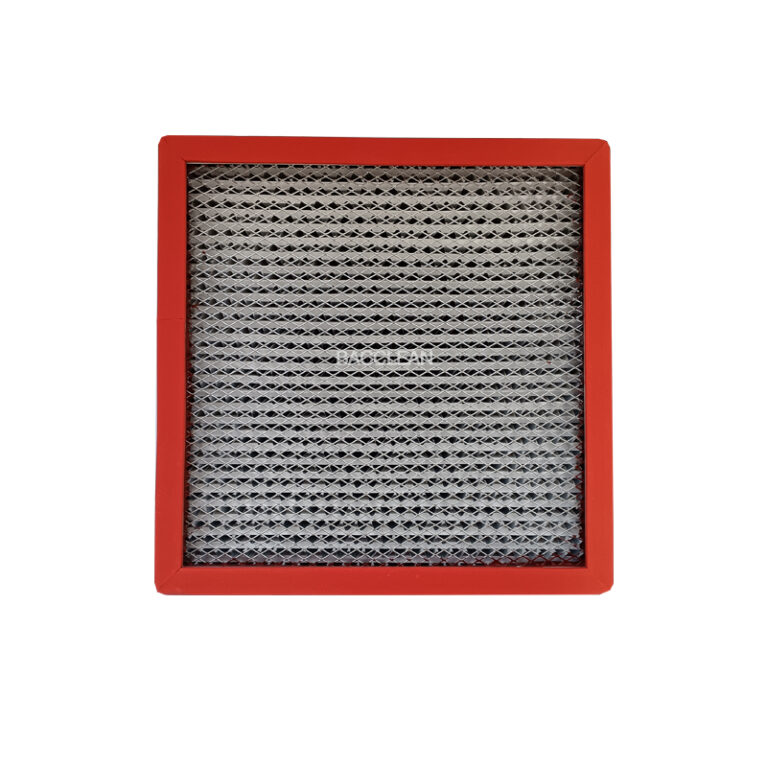
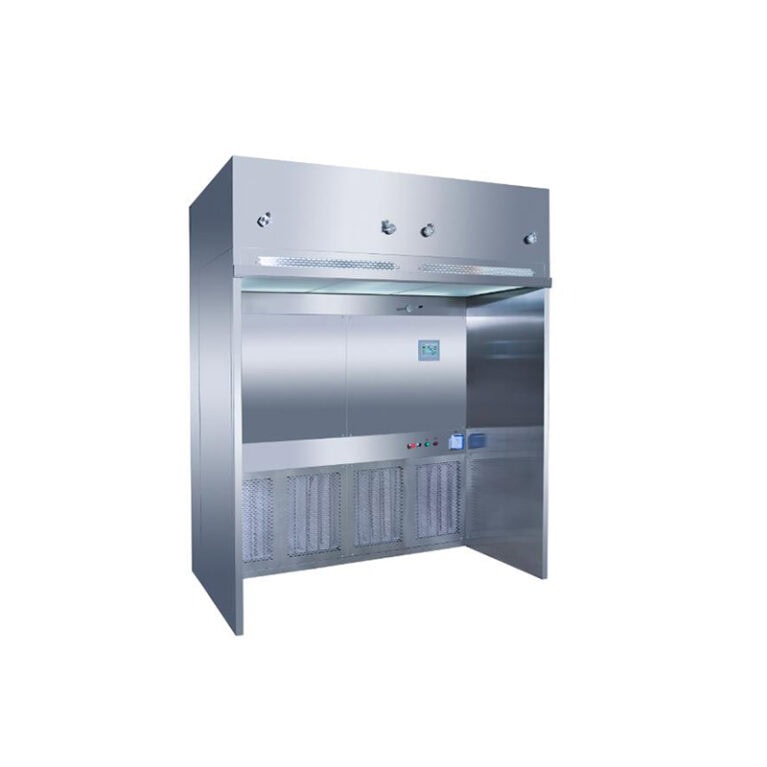
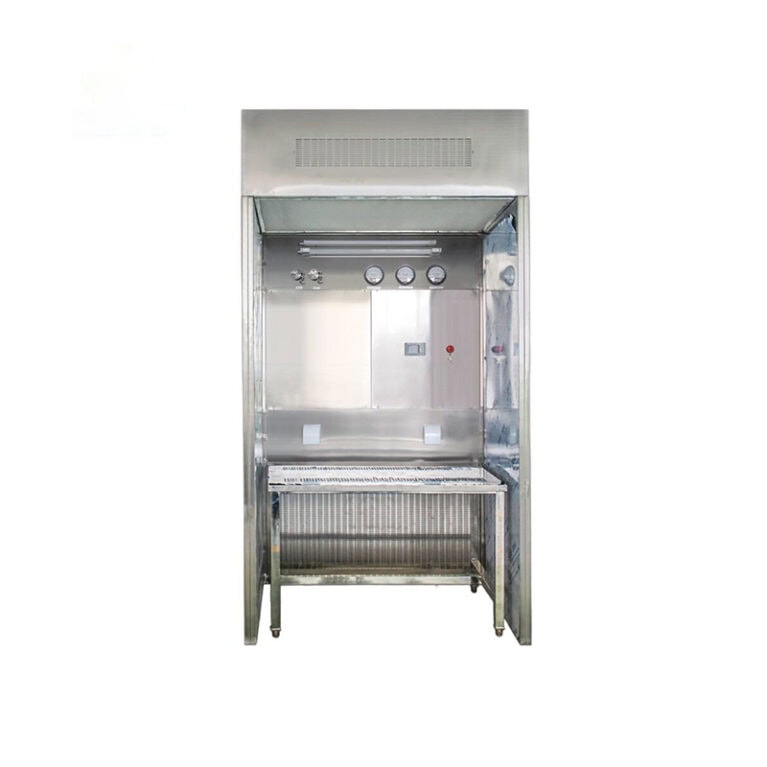
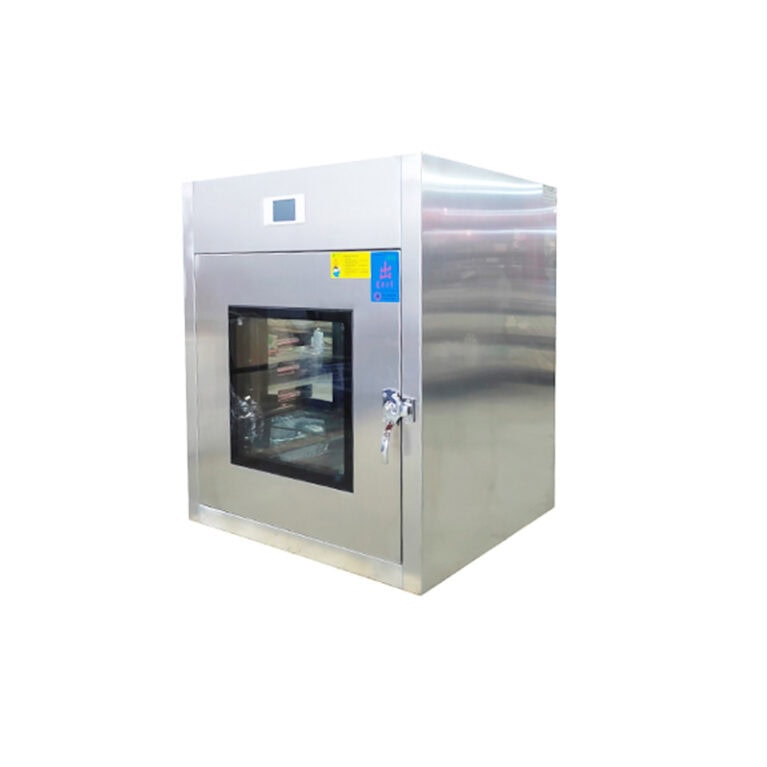
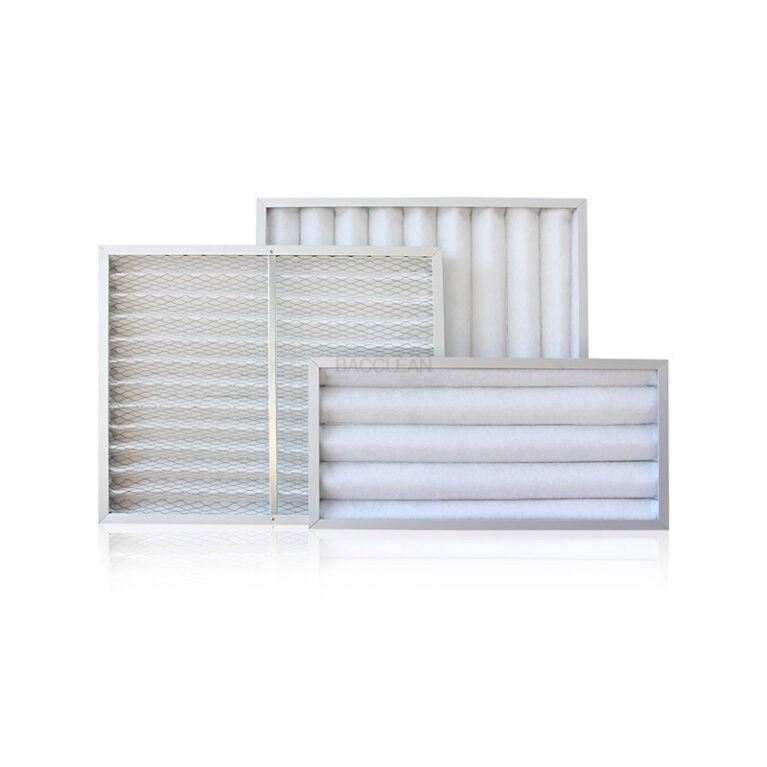
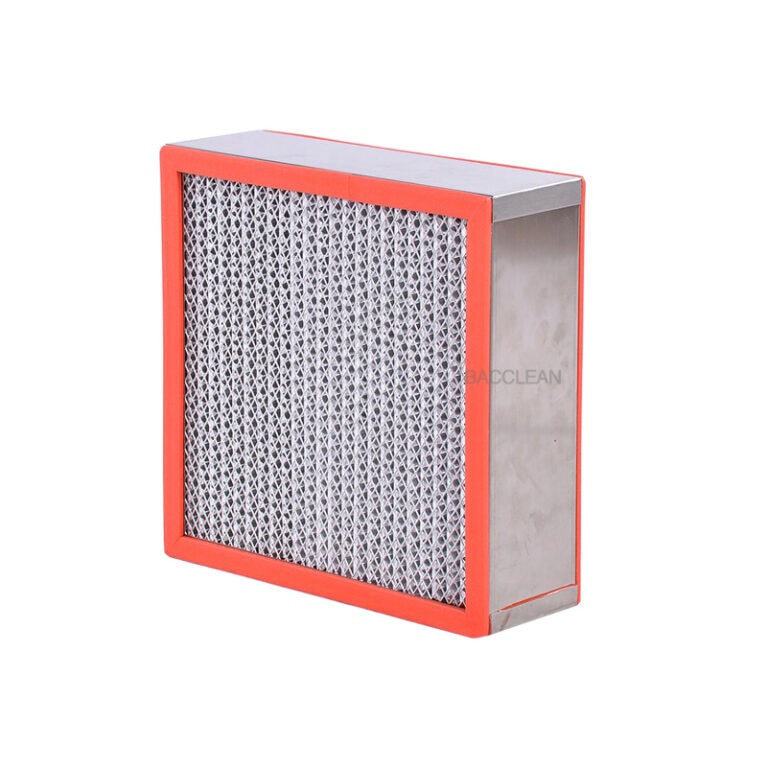
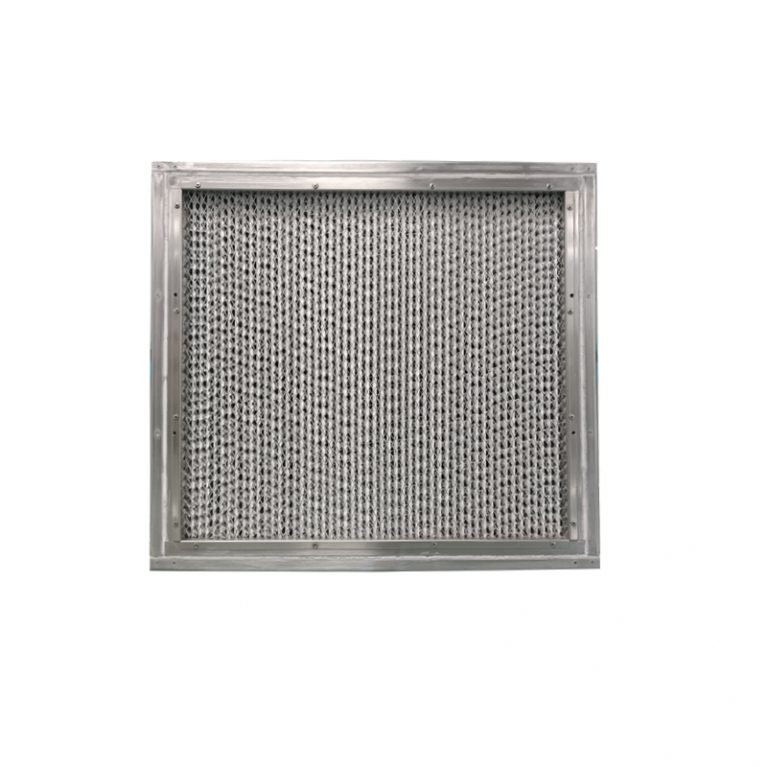
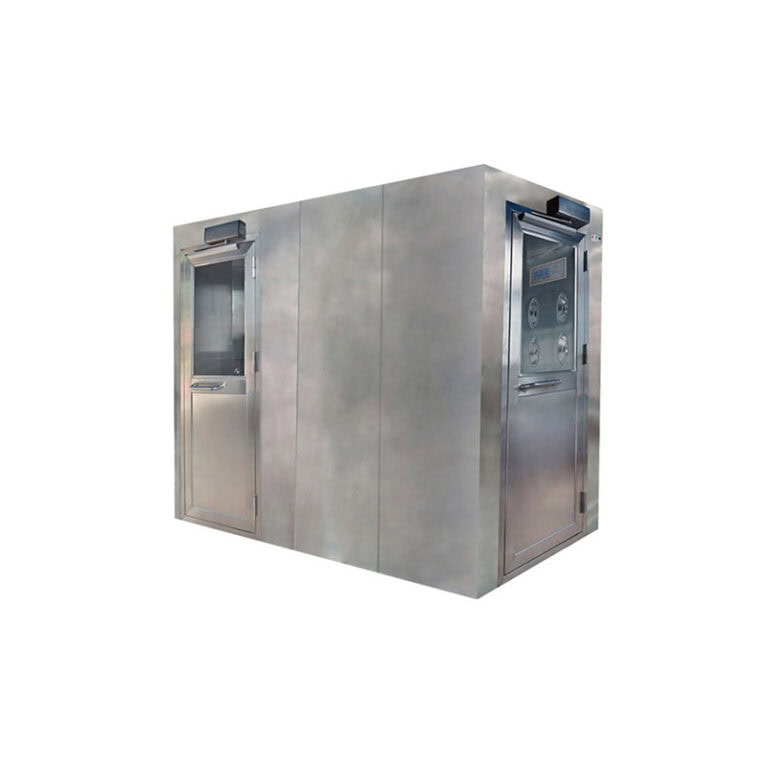
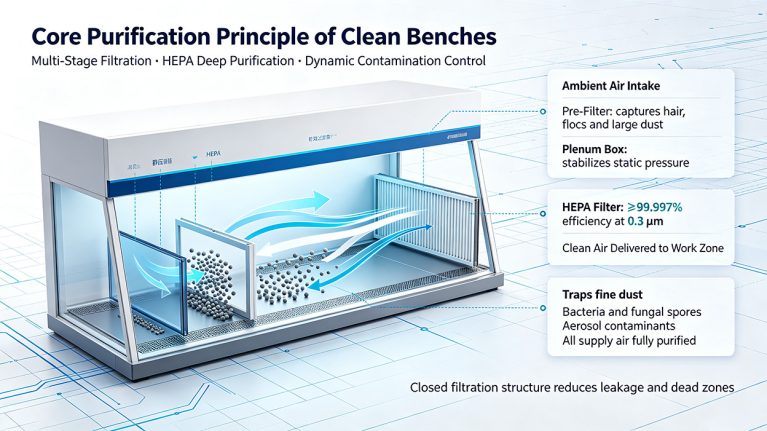
The core working principle of the clean bench is multi‑stage filtration & purification + unidirectional laminar air supply + dynamic contamination displacement, which builds a turbulence‑free and cross‑contamination‑free clean operating environment. After startup, the centrifugal fan steadily draws ambient air. The air firstly passes through the pre‑filter for primary purification, which rapidly captures coarse contaminants such as hair, floc and large‑particle dust. It effectively protects the downstream HEPA filter, slows down filter clogging and reduces operation‑and‑maintenance costs. Pre‑filtered air enters the plenum box, where static‑pressure buffering equalizes air pressure and eliminates airflow fluctuation to lay the foundation for stable air delivery.
Deep‑level purification is realized by HEPA high‑efficiency filters. Mainstream industrial HEPA filters achieve filtration efficiency ≥99.997% for 0.3 μm particles, precisely trapping fine dust, bacteria, fungal spores, aerosols and other micro‑contaminants for thorough air purification. Compared with ordinary filtering devices, the filtration system of clean bench adopts fully‑enclosed mounting structure without filtering dead corners or air leakage. It ensures all air entering the working chamber goes through complete purification procedures and guarantees air quality at the source.
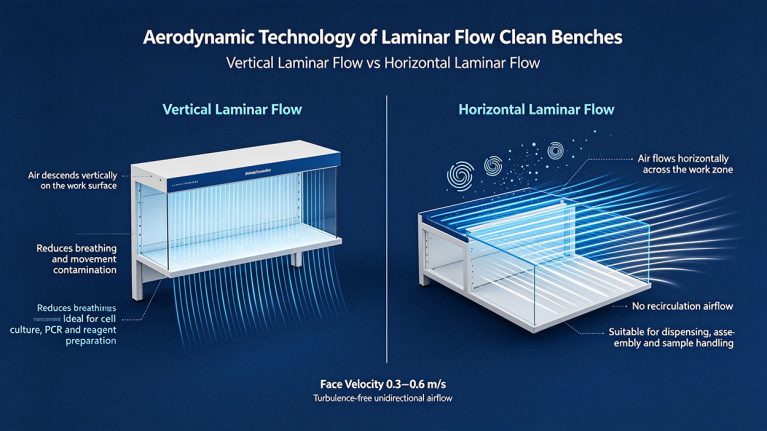
Aerodynamic design serves as the core technology of clean bench and directly determines cleanliness stability inside the working area. According to airflow direction, two technical architectures are available: vertical laminar flow and horizontal laminar flow for different application scenarios. For vertical laminar flow clean bench, purified air flows vertically downward at constant velocity from the top. Air velocity is stably maintained at 0.3‑0.6 m/s to quickly carry away contaminants inside the workspace. It prioritizes protection of samples and materials on the work surface and prevents contamination caused by operator’s breathing airflow and body movement. It is suitable for biological experiments including cell culture, PCR assays and aseptic reagent preparation.
Horizontal laminar flow clean bench features unidirectional horizontal air supply. Clean airflow blows evenly from one side of the unit towards the opposite side and covers the entire work surface without airflow recirculation. It fits open‑operation tasks such as reagent dispensing, precision component assembly and aseptic sample handling. Both airflow patterns adopt unidirectional laminar‑flow design free of vortex and turbulence. They prevent mixing of clean air and contaminated air, realize dynamic dust removal and sustain Class‑100 cleanliness inside the working zone.
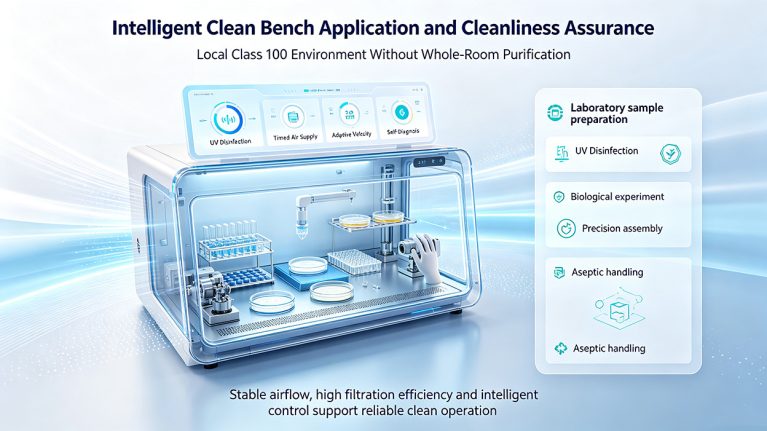
Modern intelligent clean benches are additionally equipped with UV disinfection, timed air supply, adaptive air‑velocity adjustment, self‑diagnosis and other functions. It supports full‑chamber disinfection before and after operation and intelligent working‑condition control to further improve clean‑safety performance. With this complete technical system, the clean bench generates high‑precision local clean environment without relying on whole‑room purification. It balances operational flexibility and purification stability and is widely applicable to diverse fine clean‑operation scenarios.
