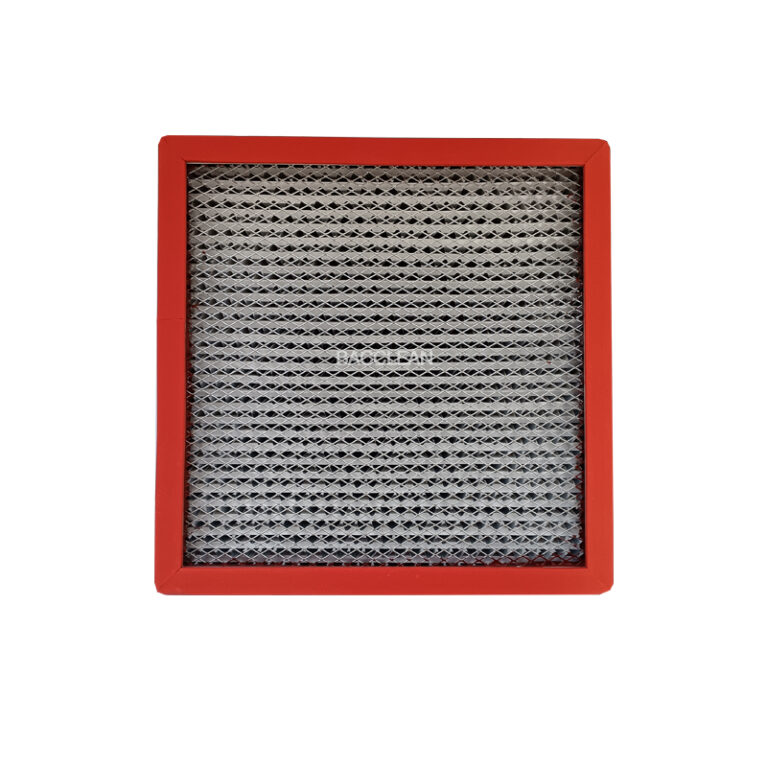
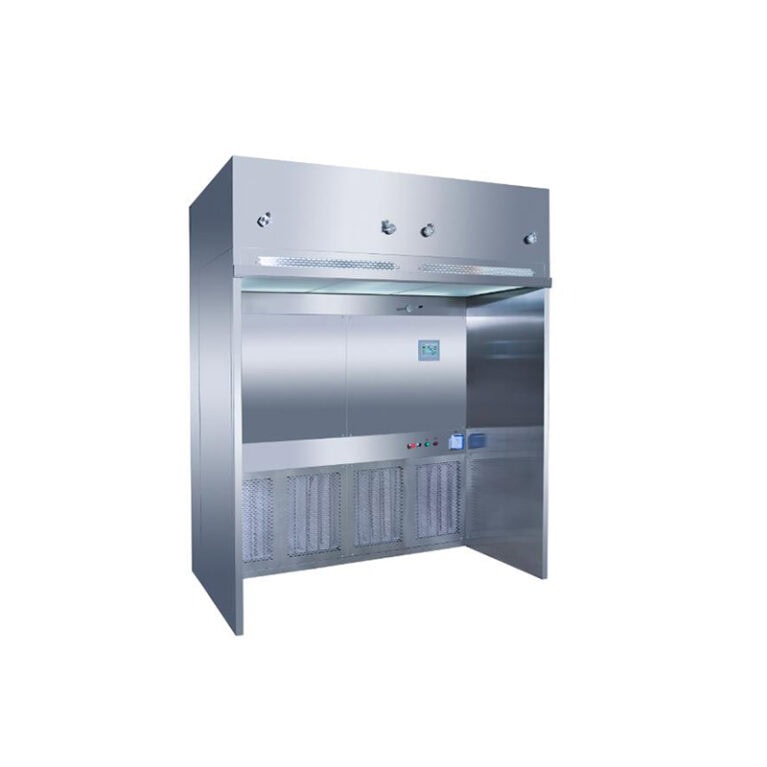
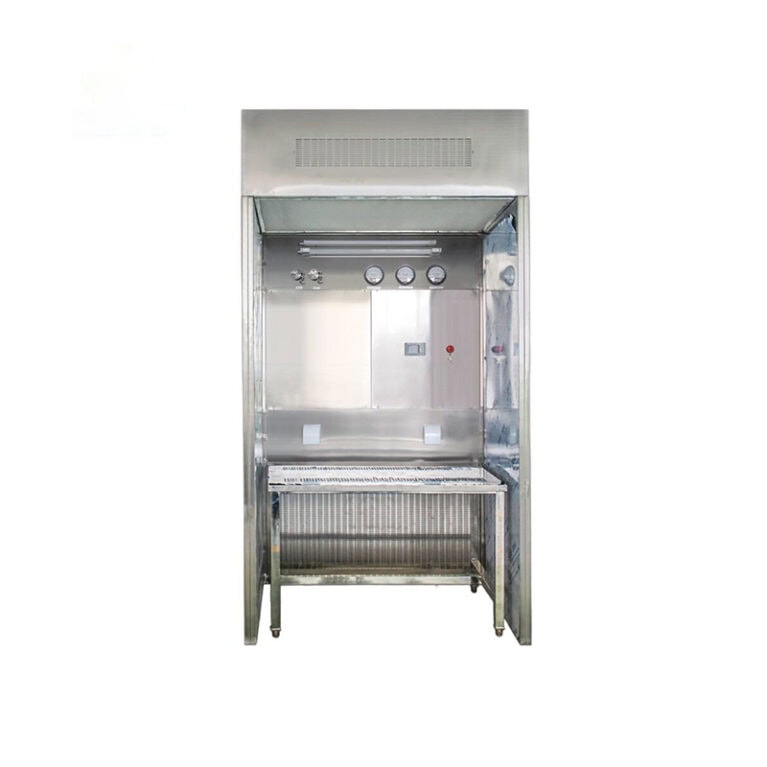
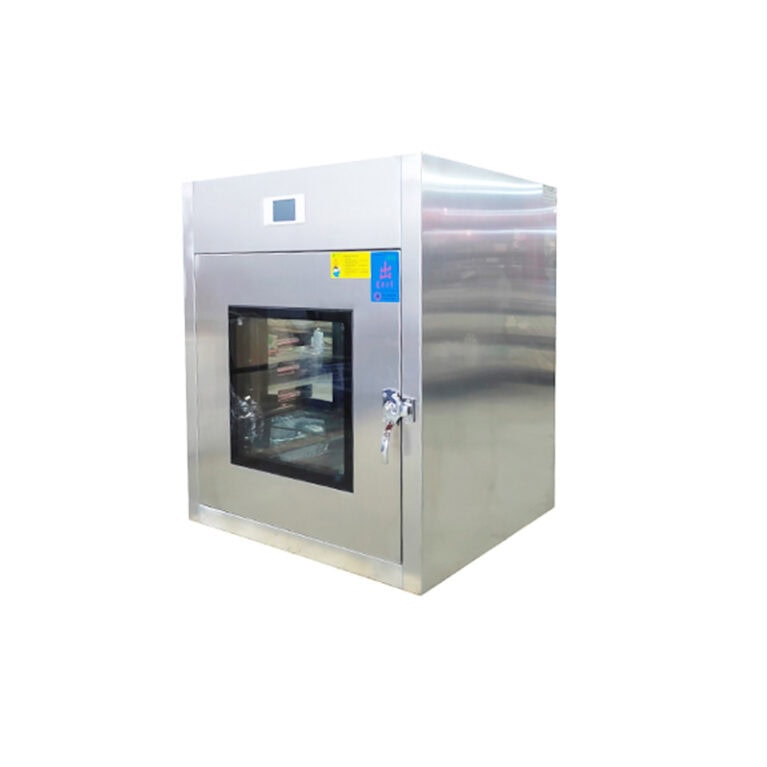
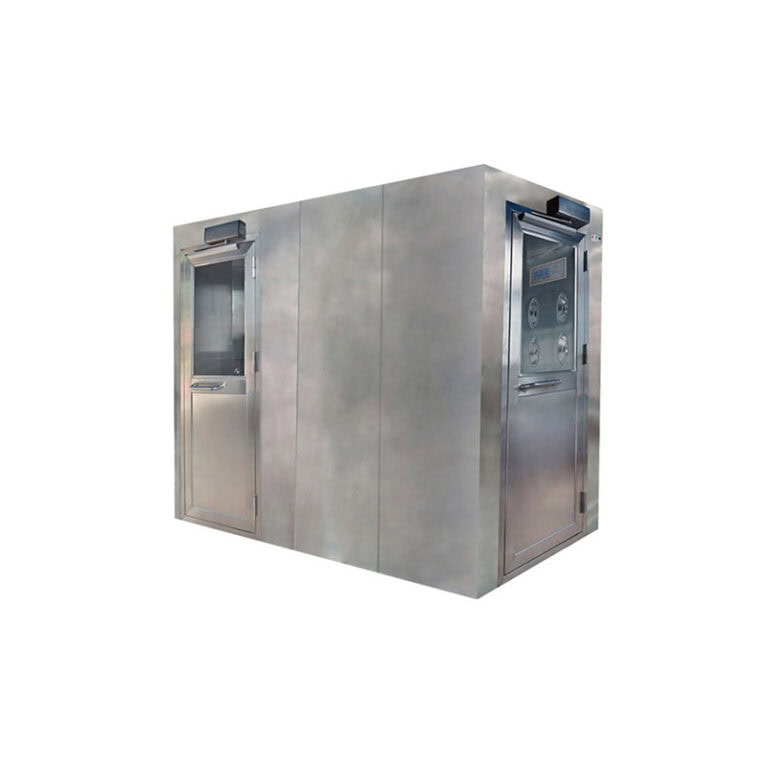
Various daily physical disinfection methods for transfer windows and their corresponding applicable scenarios
I. UV-C ultraviolet radiation (most common, suitable for all scenarios)
Applicable scenarios
Electronic dust-free workshops (class 10,000, 100,000 clean rooms)
Daily material transfer in chip, lithium battery, optical, food packaging workshops, semi-finished product transportation of plastic, metal, paper box, daily disinfection standard.
General medical device clean workshops (non-sterile)
Transportation of components, packaging consumables, testing tools, daily sterilization, reducing surface microbial load.
General hospital clean operating rooms, laboratories, pharmacies
Transfer of equipment, consumables, test samples, rapid short-time disinfection.
Daily transfer pre-treatment in sterile workshops
As a basic disinfection, combined with wiping, and then regularly do VHP deep fumigation.
General sample transfer in biological laboratories (non-positive bacteria / high pathogenic areas)
Regular disinfection of samples, consumables.
Inapplicable scenarios
Severe material stacking obstruction, multi-pore materials cannot be completely sterilized by UV alone; High-level sterile areas cannot be solely sterilized by UV.
II. laminar flow FFU self-cleaning blow (exclusive physical disinfection for laminar transfer windows)
Applicable scenarios
High-level electronic clean workshops (class 10,000, 100,000)
Extremely strict dust particle control, not only sterilization, but also removal of floating dust and floating bacteria to prevent external particles from entering the clean area.
Precision optics, semiconductor, laboratory testing rooms
Microscopic dust can cause product defects, laminar blow first purifies the air, then combined with UV.
Sterile raw materials, implantable medical devices clean area
Balancing dust control and bacterial control, dual physical protection.
For laboratories sensitive to aerosols and floating dust
Reduce box internal floating microorganisms, reduce pollution diffusion risk.
Inapplicable scenarios
Only for simple material transfer, low-clean-level ordinary workshops, no additional laminar function required.
III. Dry dust-free wiping / Clean compressed air blow (preliminary physical dust removal)
Applicable scenarios
Workshops with large amounts of dust on the outer packaging
Pre-treatment of plastic, metal, paper box raw materials, outer packaging materials before entering the clean area, blow away floating dust, reduce subsequent disinfection pressure.
High-dust processing supporting clean rooms
Transportation of workpieces after grinding, injection molding, machining, dust is abundant, first physical dust removal then enter the transfer window.
Daily cleaning of all clean areas in each shift
Dry wipe the inside of the box after each shift to remove dust, ensure no obstruction for UV irradiation.
Inapplicable scenarios
Workshops with oil stains, sticky contaminants, simple dry blowing cannot remove them, must be combined with chemical disinfectant wiping.
IV. Dry heat high-temperature disinfection (rarely used in daily life, only for niche scenarios)
Applicable scenarios
Only for all-metal heat-resistant workwear, stainless steel molds dedicated transfer windows
Without plastic, silicone accessories, specifically transporting heat-resistant metal appliances.
Heat-resistant glass instrument dedicated laboratory transfer windows
Inapplicable scenarios
Most conventional transfer windows (including rubber sealing strips, plastic accessories, UV lamps), high temperature will accelerate the aging and damage of sealing components, prohibited from frequent daily use.
V. Ozone ionization disinfection (deep physical disinfection, not every daily routine)
Applicable scenarios
Low-budget general clean workshops, food workshops for deep disinfection weekly
Sterilization of emergency chambers after temporary contamination
Emergency cavity sterilization after temporary contamination
Deep treatment after material leakage, obvious box contamination.
Inapplicable scenarios
GMP workshops for sterile pharmaceuticals, implantable medical devices (ozone corrodes rubber strips, residues, not recommended for long-term use);
Daily continuous use;
High-end transfer windows with silicone, rubber sealing components inside.
Provide a set of standard physical disinfection matching plan according to workshop type
100,000 / 10,000 electronic factory (general)
Dry dust-free wiping + UV irradiation 15 minutes
Class 10,000 / 100,000 precision electronics
Clean air blow pre-treatment + laminar self-cleaning blow + UV
Food, ordinary packaging clean rooms Dry wiping for dust removal + UV; once a week, deep ozone disinfection
Sterile medical devices / pharmaceutical workshop
Dry dust removal wiping + UV for 30 minutes (daily); monthly VHP fumigation instead of ozone
Hospital laboratory, general clean area
Dust-free cloth dry wiping + short-term UV disinfection
Biological safety laboratory (for routine samples)
Suction dust removal + laminar flow self-cleaning + UV; for high-risk samples, chemical auxiliary disinfection is added