
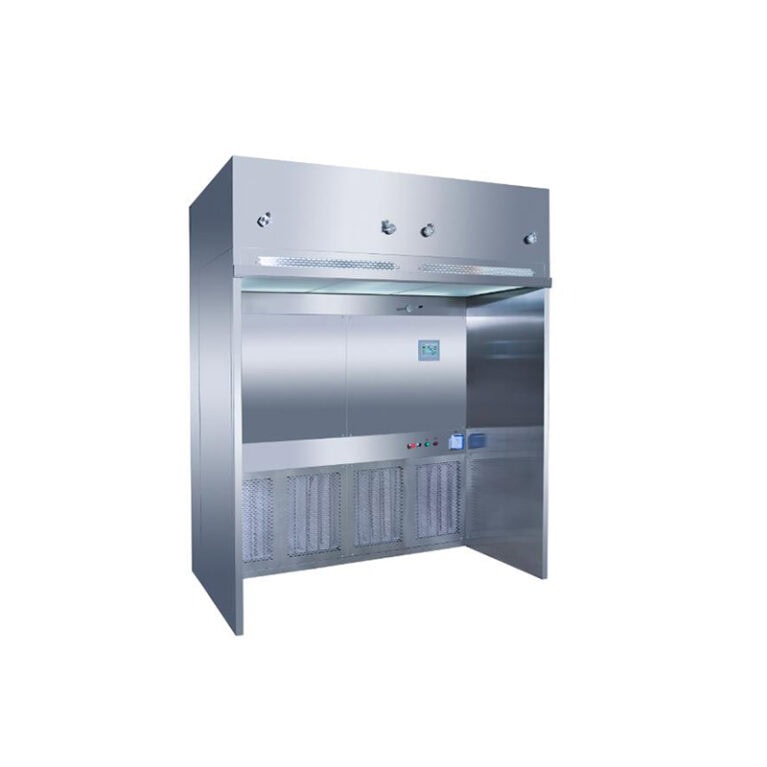
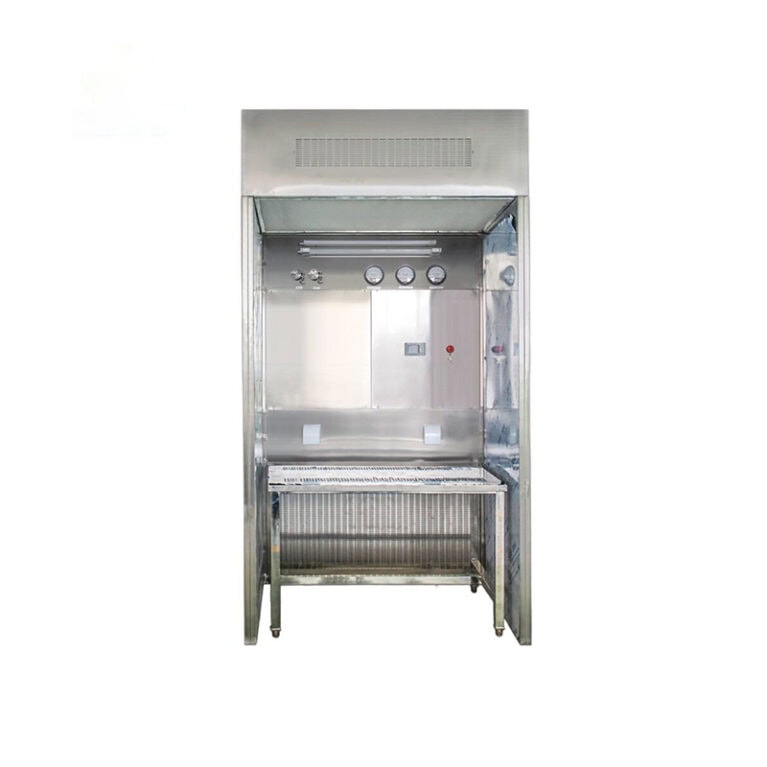
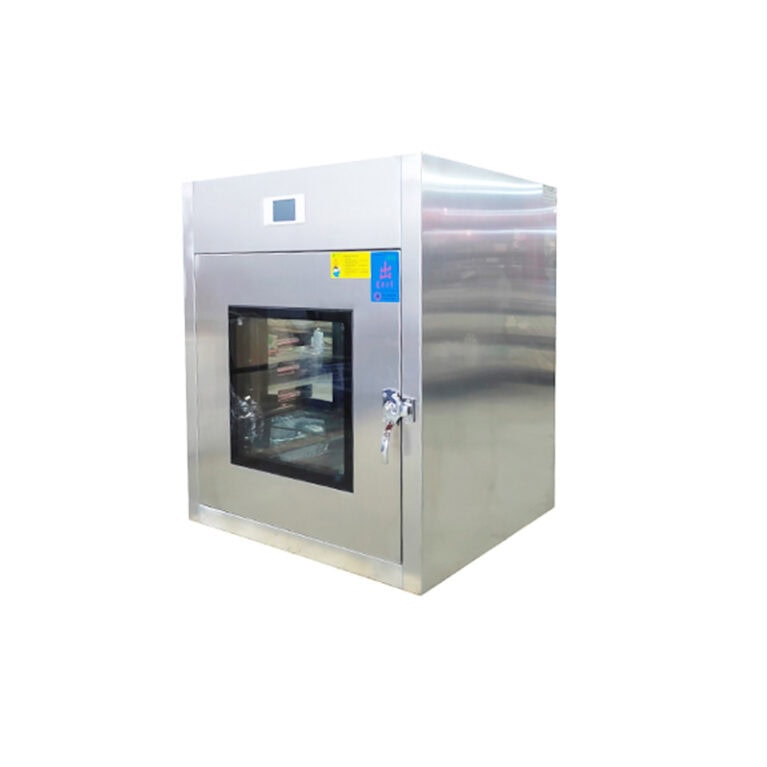
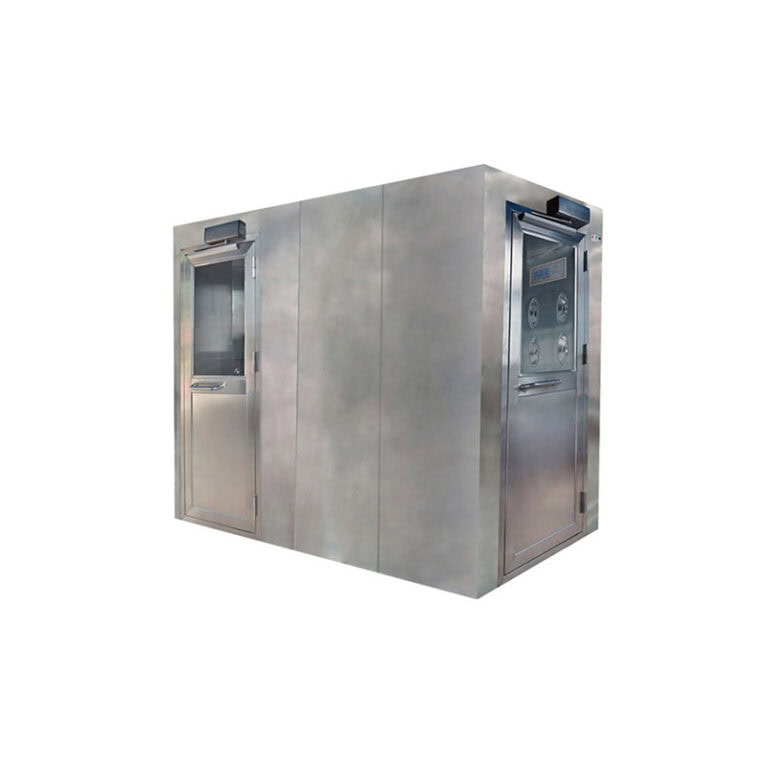
Standardized installation and commissioning serve as prerequisites for stable operation, consisting of three major phases: foundation construction, equipment mounting and system commissioning. For foundation construction, the installation floor shall be level and flat with flatness tolerance ≤2 mm. Reserved space, drainage outlets and power supply interfaces are required to guarantee stable placement without tilting or shaking. During equipment mounting, the main frame shall be firmly fixed. Sealing shall be completed at joints between equipment, wall and floor to block all gaps and prevent air leakage and contamination. Roller‑shutter tracks shall remain vertical and parallel to ensure smooth lifting and tight sealing of door panels. Nozzle angles shall be uniformly calibrated within 15°‑25° for full and even blowing coverage.
System commissioning represents the core of installation, with item‑by‑item function verification required. First, commission the door‑control system: test door lifting speed, start‑stop stability, sensor sensitivity and double‑door interlock function. Confirm two doors cannot open simultaneously; verify timely response of emergency‑stop devices and normal power‑failure protection. Second, commission the air‑shower system: inspect fan air pressure, nozzle wind speed and airflow uniformity; calibrate blowing‑cycle timing and auto‑start‑stop functions to meet dust‑removal requirements. Finally, commission filtration and disinfection systems: check filter sealing performance and air‑circulation efficiency, verify UV disinfection function, and eliminate circuit faults and airflow dead zones. After passing all functional tests, perform a 72‑hour no‑load trial run before putting the equipment into formal service.
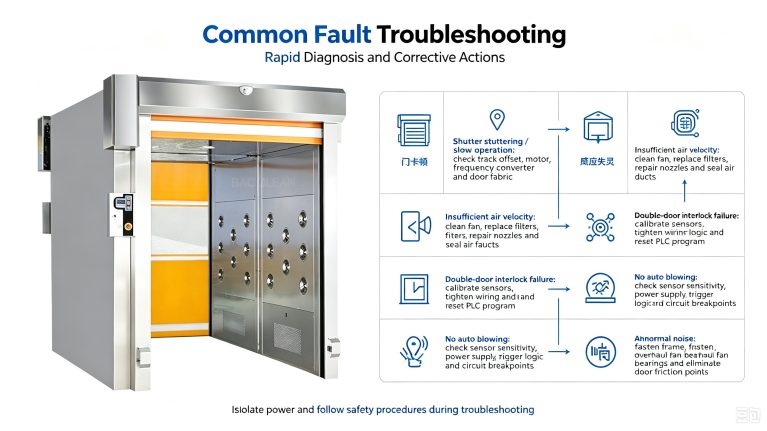
Targeted troubleshooting and solutions are summarized for frequently‑occurring malfunctions.
- Stuttering, shaking or slow opening/closing of roller shutter: generally caused by track offset, motor failure, abnormal frequency‑converter parameters or worn door fabric. Countermeasures include calibrating track spacing, overhauling motor and frequency converter, adjusting control parameters and replacing damaged fabric.
- Insufficient air‑shower wind speed and poor dust‑removal effect: induced by dust accumulation or aging of fans, clogged filters, blocked or leaking nozzles and air‑duct leakage. Solutions involve removing fan dust, replacing blocked filters, unclogging and repairing nozzles, and sealing air‑duct leakage points.
- Failure of double‑door interlock allowing simultaneous opening of both doors: mostly triggered by defective sensors, loose control wiring or abnormal PLC logic. Remedies include calibrating sensor positions, tightening wiring connections and resetting control‑system programs.
- No automatic air‑shower triggering or sensor failure: inspect sensor sensitivity, control‑system power supply, trigger logic and circuit breakpoints.
- Abnormal noise and excessive sound level: fasten main‑frame assemblies, overhaul fan bearings and eliminate friction points on door assemblies.
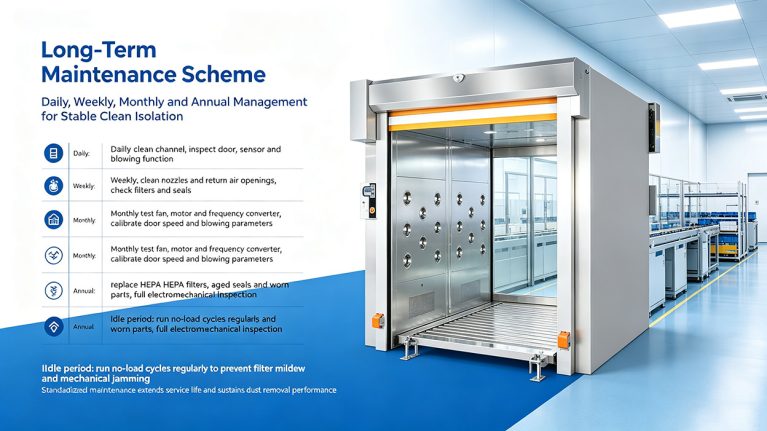
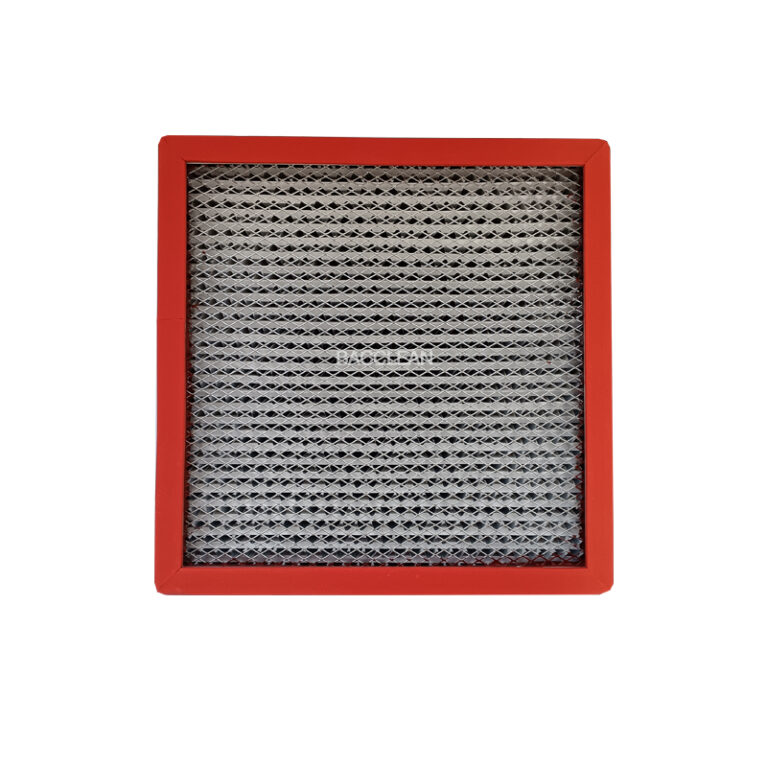
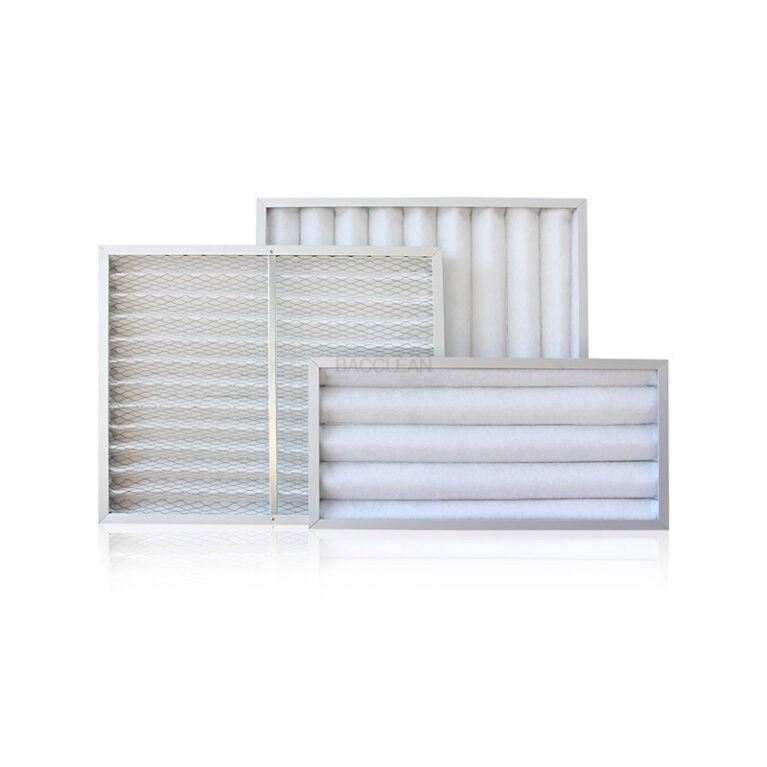
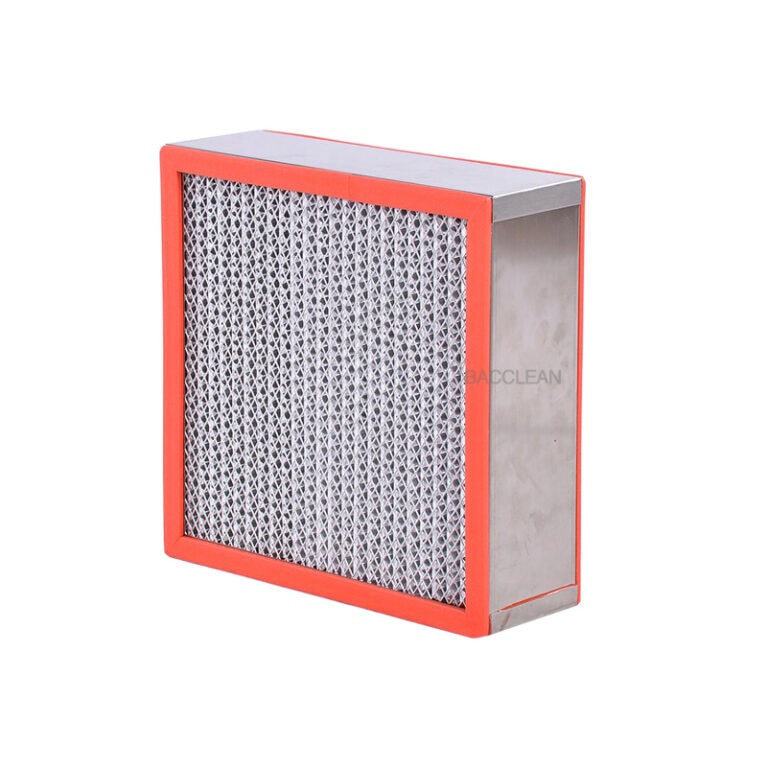
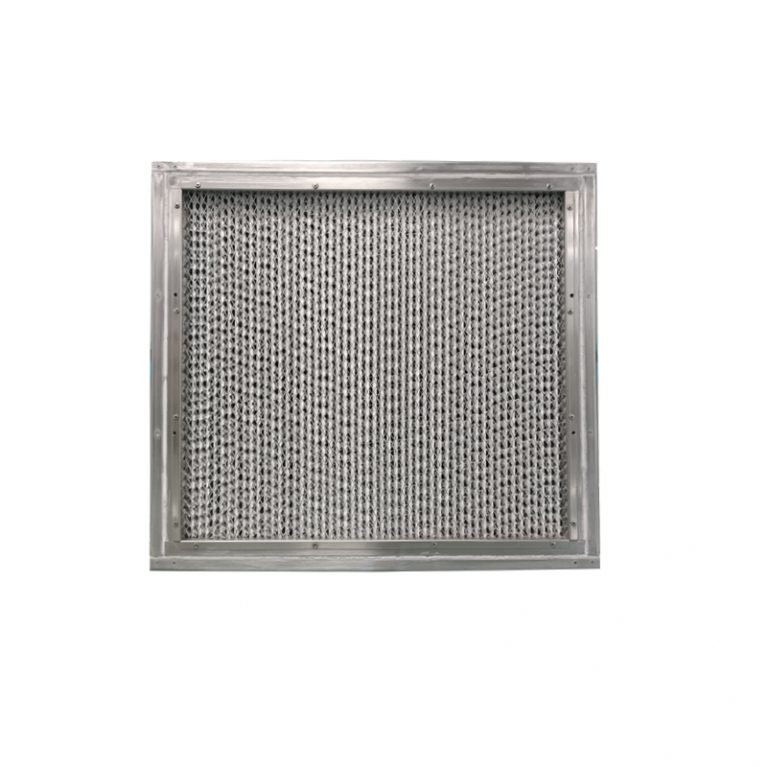
A hierarchical routine‑management system shall be implemented for long‑term maintenance to sustain qualified and stable performance. ‑Daily maintenance: Clear debris inside the channel, wipe stainless‑steel housing; inspect door movement, sensor and blowing functions; record operating conditions and keep the interior free of dust accumulation. ‑Weekly maintenance: Clean nozzles and return‑air openings; check dust loading on filter surfaces and inspect sealing gaps for air leakage. ‑Monthly maintenance: Fully inspect operating status of fans, motors and frequency converters; fasten mechanical assemblies; calibrate door speed and air‑shower parameters; clean pre‑filters; verify performance of UV disinfection units. ‑Annual overhaul: Replace HEPA filters, aged door‑sealing components and worn spare parts; conduct in‑depth inspection on electromechanical systems; fully calibrate equipment parameters; test dust‑removal efficiency and clean‑isolation performance.
Standard operating procedures shall also be enforced. Forcible door pushing/pulling, sensor blocking and forced passage of over‑size or over‑loaded goods are prohibited to avoid man‑made damage. During idle periods, run no‑load cycles and disinfection regularly to prevent filter mildew and mechanical jamming. Standard installation, precise fault handling and routine maintenance can effectively extend service life, sustain isolation and purification performance of clean‑room material‑pass channels, and balance passage efficiency with cleanliness safety.
