
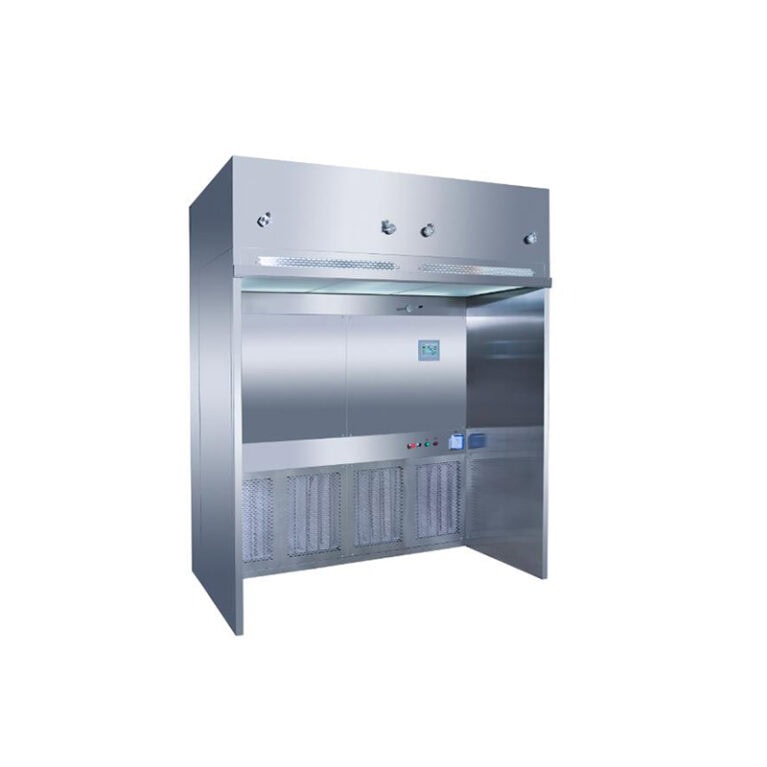
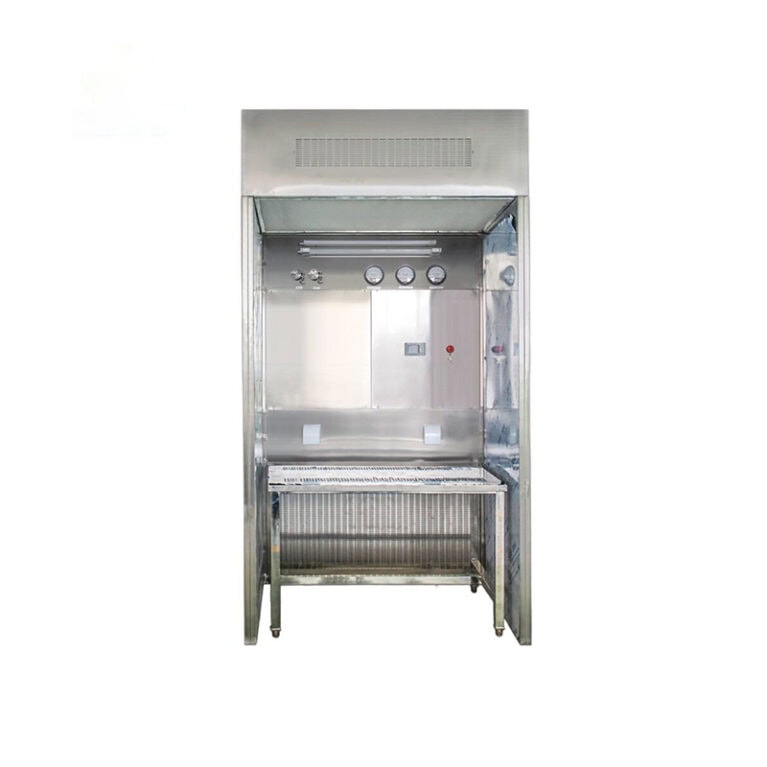
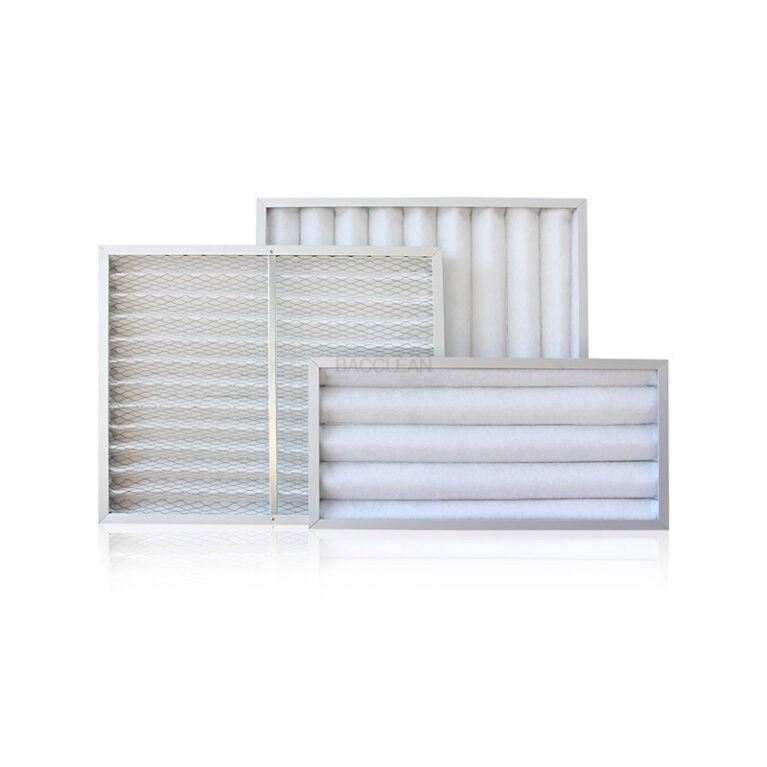
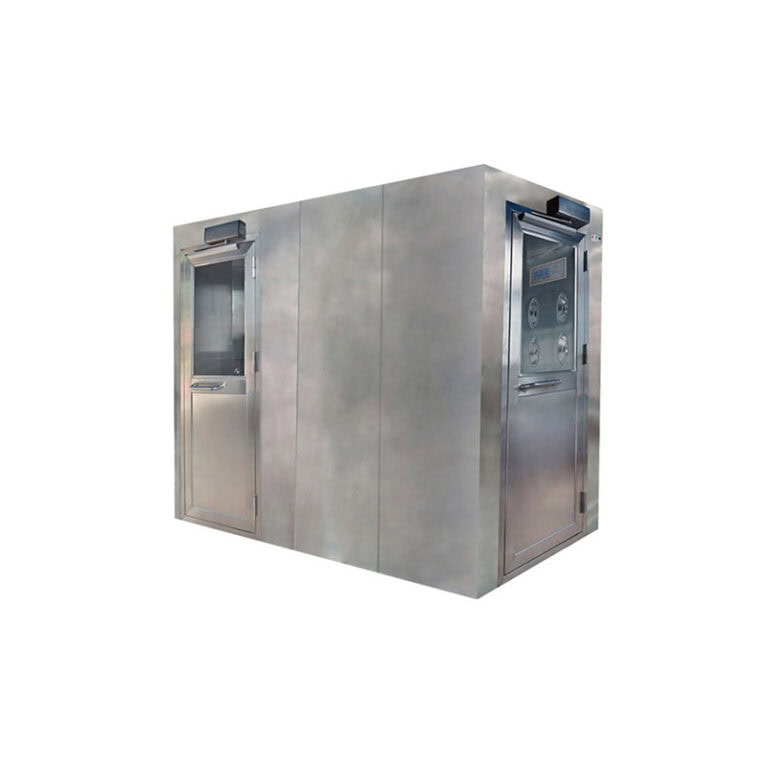
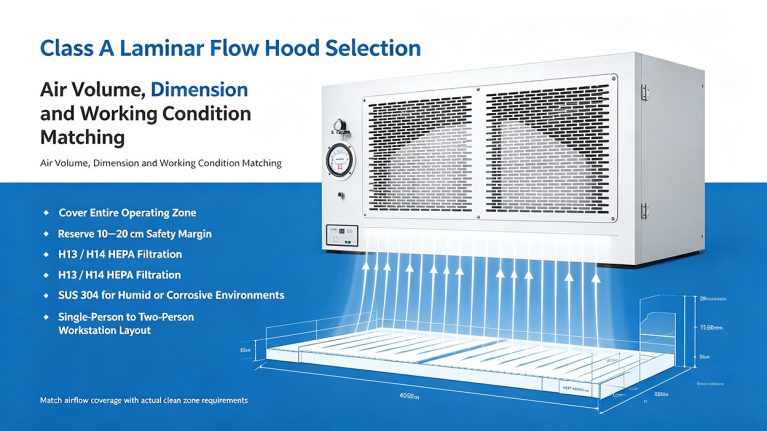
The core selection principle for Class A laminar flow hoods is “air volume matches workstation, dimension covers operating area, working condition fits environment”. First, equipment specifications shall be determined according to workstation dimensions. The effective air‑outlet area of the laminar flow hood must fully cover core zones for personnel operation and open‑placed materials, with a safety margin of 10‑20 cm reserved along edges, so as to prevent local cleanliness failure caused by airflow attenuation at edges. Modular models of varying widths and lengths shall be selected correspondingly for different scenarios such as single‑person aseptic sampling, two‑person filling operation and dust‑proofing for supporting equipment.
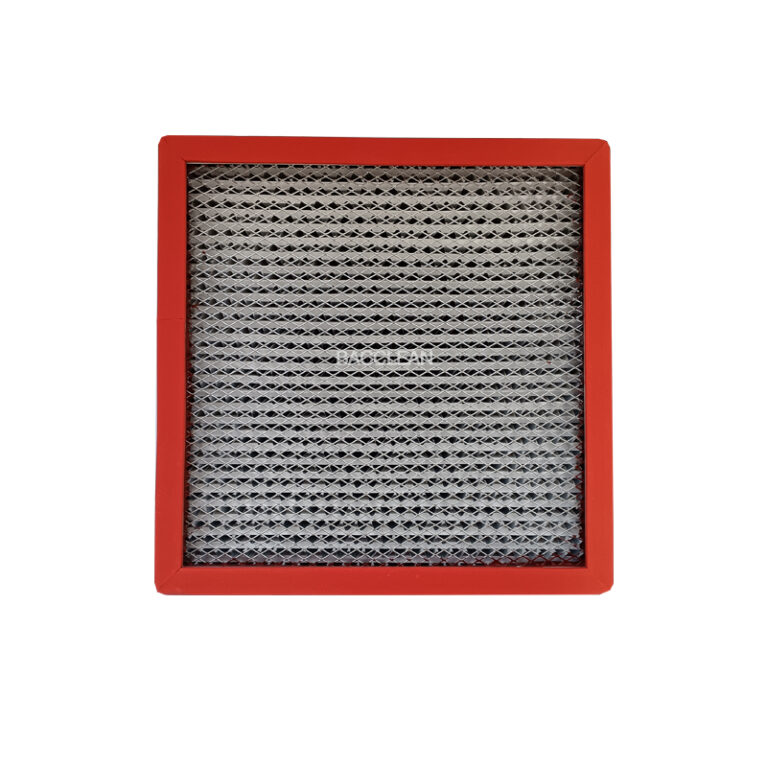
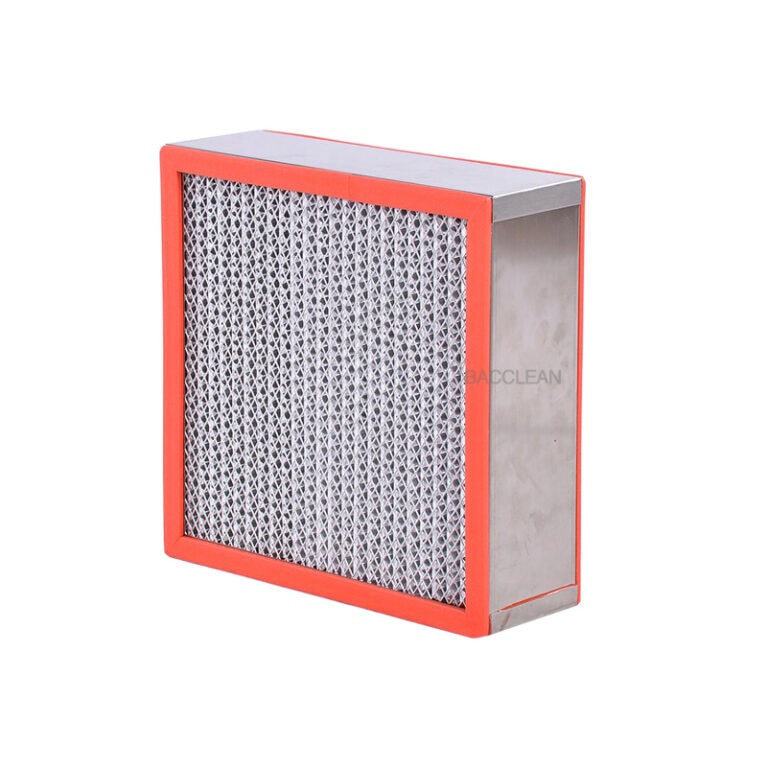
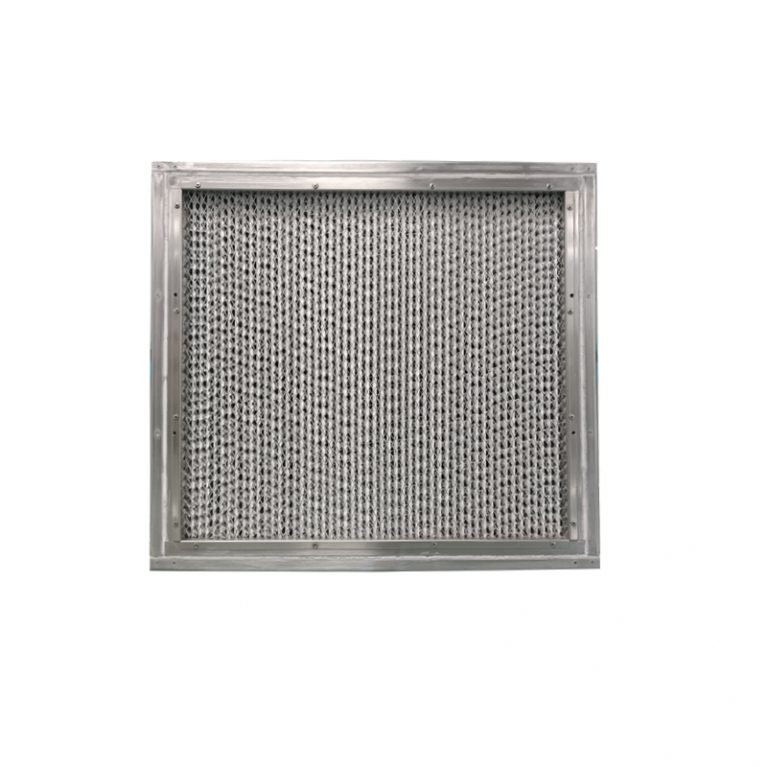
Secondly, working‑condition adaption requirements shall be differentiated. For pharmaceutical aseptic applications, H14 mini‑pleat HEPA filters must be adopted to guarantee microbial interception efficiency; for precision dust‑proofing in electronics industry, H13 / H14 filter elements can be selected in accordance with overall workshop cleanliness grades. For workshops with high humidity and frequent acid‑alkali disinfection, full SUS304 stainless‑steel construction is mandatory to avoid rusting, dust accumulation and corrosion of powder‑coated panels.
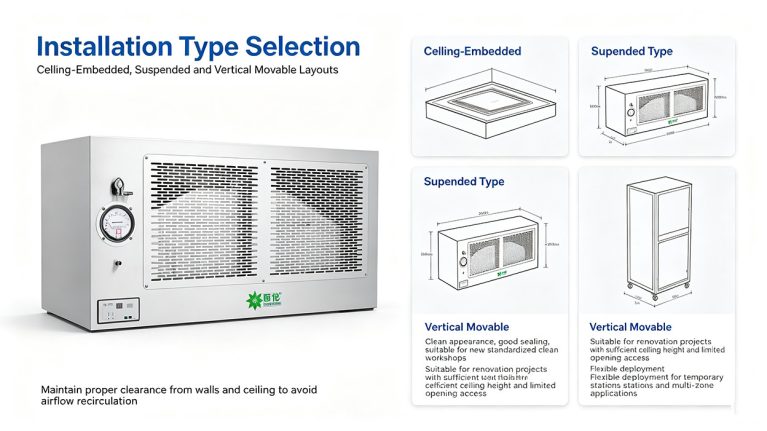
Three installation types are available: ceiling‑embedded, suspended and vertical movable types. The ceiling‑embedded type delivers neat appearance and superior sealing performance, suitable for standardized newly‑built clean workshops. The suspended type applies to renovated workshops with sufficient ceiling height but no access for ceiling opening. Movable laminar flow hoods feature high flexibility for temporary workstations and multi‑zone rotational applications. During installation, gaps between equipment and walls / ceiling shall be strictly controlled to avoid airflow recirculation and eddy‑current contamination generated in narrow spaces.
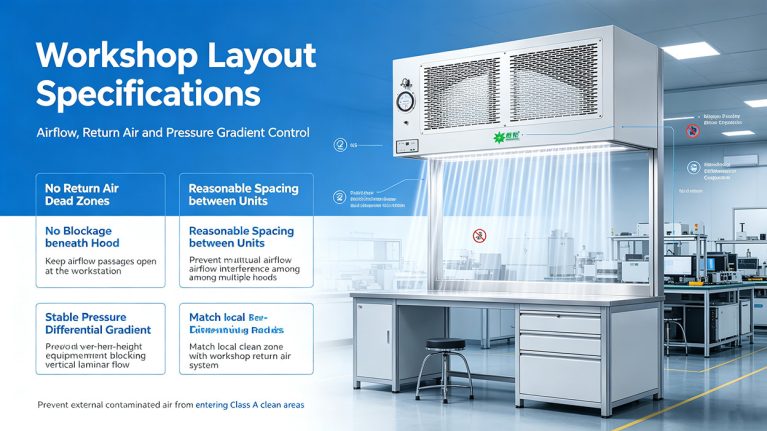
Definite technical taboos apply to workshop layout: no air‑return dead corners shall exist beneath laminar flow hoods; over‑height equipment that blocks airflow is prohibited. Reasonable spacing shall be reserved for multiple hoods installed side‑by‑side to prevent mutual airflow interference. Class A laminar zones shall be well matched with the workshop air‑return system to maintain stable overall pressure‑differential gradient and prevent intrusion of external contaminated air into local clean zones.
Appropriate selection and layout can stably achieve local Class 100 cleanliness while controlling equipment investment costs, avoiding common industrial issues including energy waste from over‑specified equipment and unsatisfactory cleanliness from under‑specified equipment.
