I. Unique Identification and Traceability (One Item, One Code; One Machine, One Number)
Each air supply ceiling unit is assigned a unique equipment number, installation area, and cleanliness level. These details are fixed in the record header and are not reused or misnumbered.
All records, filter ledgers, pressure difference data, and maintenance records are bound to the same equipment number, allowing for the retrieval of the full cycle archives by the equipment number at any time.
Filters, fans, seals and other components are individually numbered and linked to maintenance records, enabling traceability of the replacement batch, supplier, and installation time.
II. Time Chain Traceability (No Interruption, No Skipping Periods)
Records are meticulously kept according to daily inspections, weekly maintenance, monthly pressure difference checks, and quarterly leak detection cycles. The dates are consecutive, without gaps or skipped days.
During production, downtime, and holidays, reasons must be noted in text form. Blank dates are not allowed. Ensure the time chain is complete and traceable.
Each record must precisely fill in the year / month / day / hour and minute to avoid only writing the date without the specific time.
III. Personnel Traceability (Responsibility Assigned to Individuals)
The principle of “who operates, who records, who signs” is adhered to. Proxy signing, supplementary signing, and unified filling are prohibited.
Each record must have: the operator → the reviewer → the QA reviewer’s three-level signature, forming a personnel responsibility traceability chain.
The names and positions of the personnel are fixed, enabling traceability of the qualifications and training records of the person who executed the task at that time.
IV. Complete Traceability of Data Throughout the Process (Data Has a Source, Trend, and Closed Loop)
All key data (pressure difference, cleanliness, leak detection results, fan temperature) are filled in with specific numerical values. They are not merely expressed with vague terms like “normal / qualified”.
The complete curves of initial pressure difference, operating pressure difference, final resistance, and initial pressure difference after replacement are retained, enabling traceability of the entire process of filter blockage changes.
From abnormal → cause → handling → re-measurement → conclusion, a complete closed-loop record is made. Each step has evidence to refer to, and the incident can be restored to its entire course afterwards.
V. Traceability of Instruments and Consumables
The record indicates the serial numbers and calibration validity periods of the pressure difference meters and particle counters used. This enables traceability of whether the detection instruments are within the calibration compliance period.
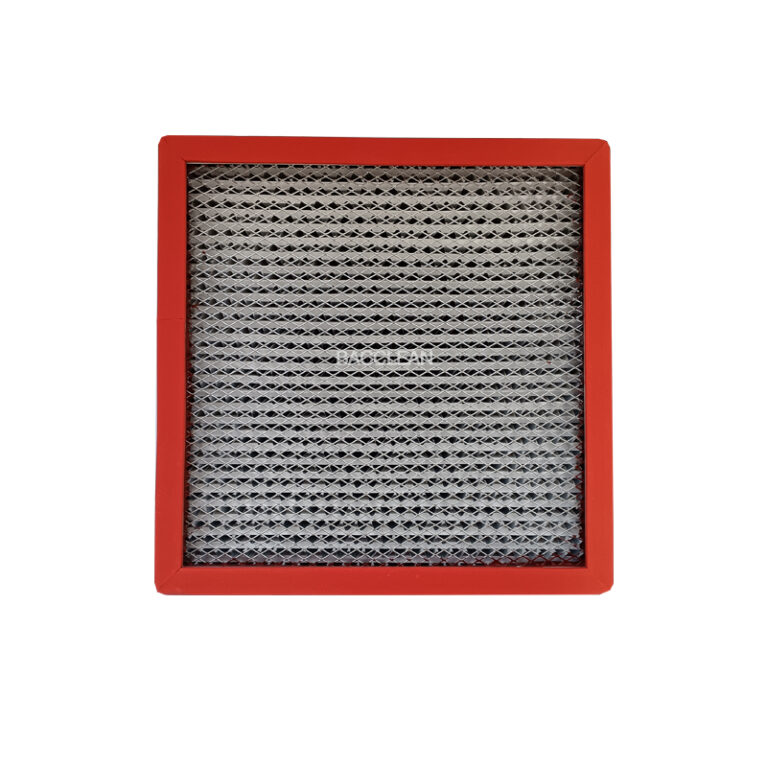
For new filters, the record includes: model, batch number, production date, supplier, and installation date. This allows for reverse tracing of the material qualifications.
The waste disposal number of the discarded filters and the handover records are archived together, enabling traceability of the disposal flow.
VI. Traceability of Record Versions and Modifications
Paper records: single-line correction with reasons noted, signature date, no scribbling, scraping, or tearing of pages. No alterations are allowed. The modification traces are permanently retained.
Electronic records: permission control, modification traceability, non-deletable, logable. Each edit can be traced to the operator and the time.
VII. Structured Archiving for Traceability
Implement annual dedicated files for each single equipment: one box for one unit, one file per year, clear directory, consecutive page numbers.
Archiving classification and collection: daily inspections, pressure difference monitoring, cleaning maintenance, filter replacement, leak detection, fault repair, verification materials are uniformly archived.
Uniform naming rules and numbering rules are used, allowing for quick retrieval and access based on equipment number, time period, and cleanliness area at any time.
VIII. Cross-Traceability of Associated Data
The air supply ceiling unit records can be associated with and mutually verified with the following documents:
Cleanroom environmental monitoring records
Air conditioning and purification system validation / reconfirmation reports
Deviation, change, CAPA records
Instrument calibration certificates
Ensure that: by checking one maintenance record, the entire chain of environment, equipment, instruments, and personnel can be traced.