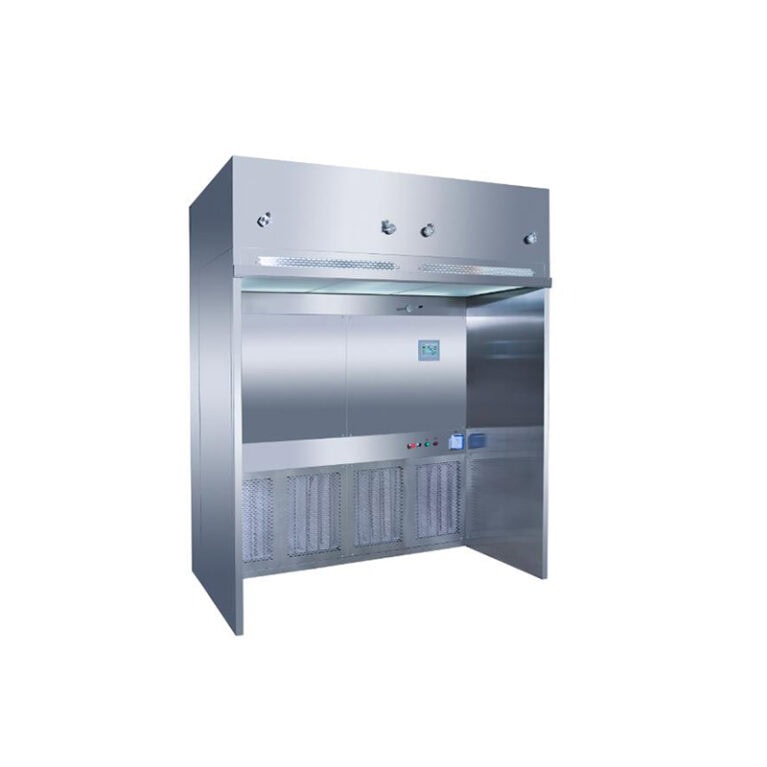
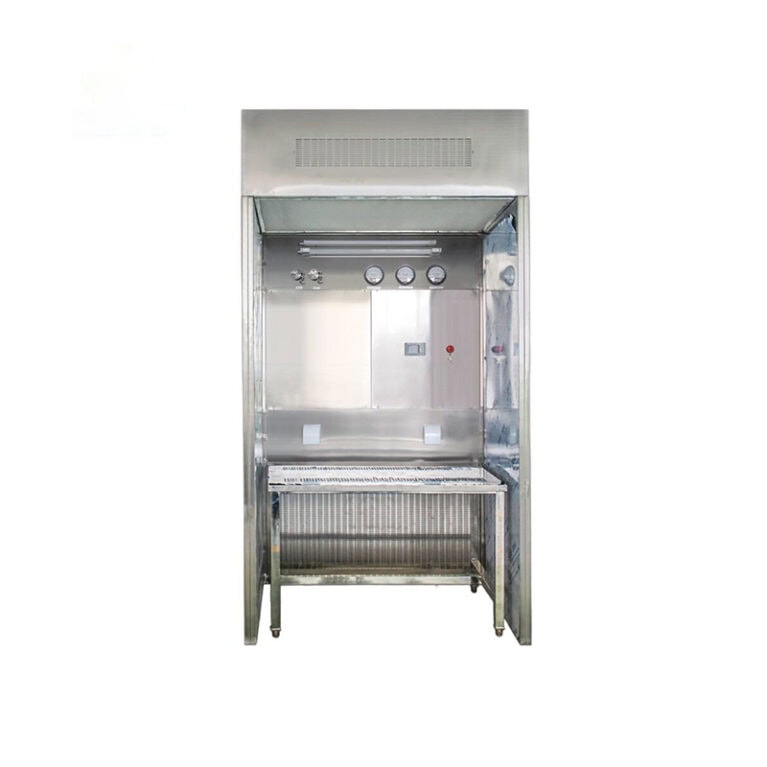
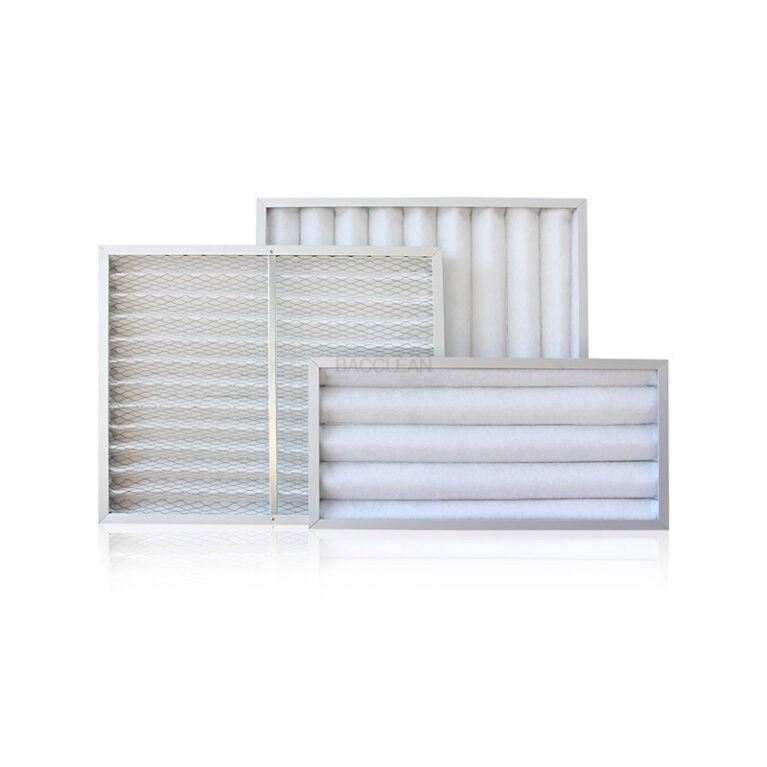
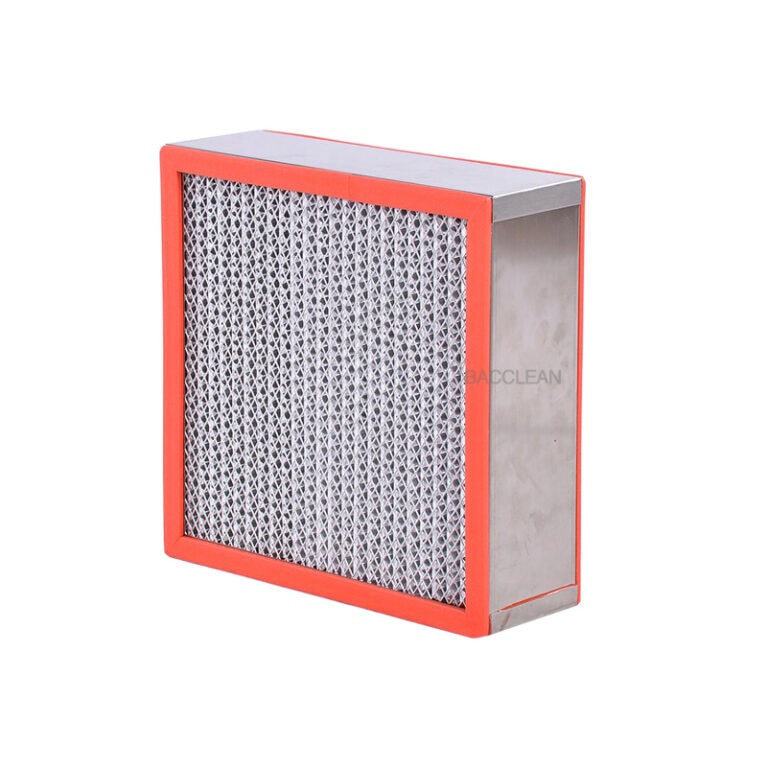
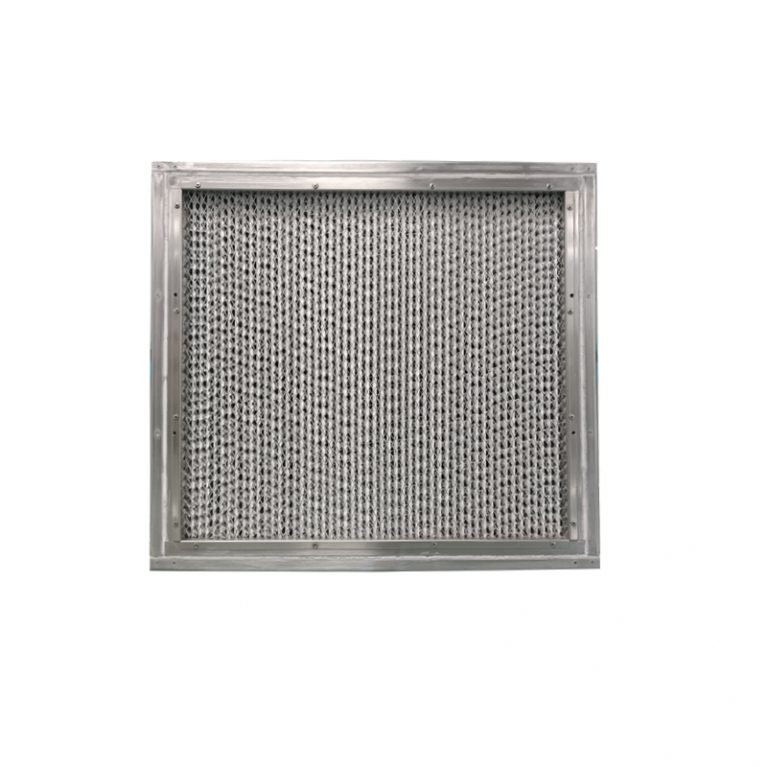
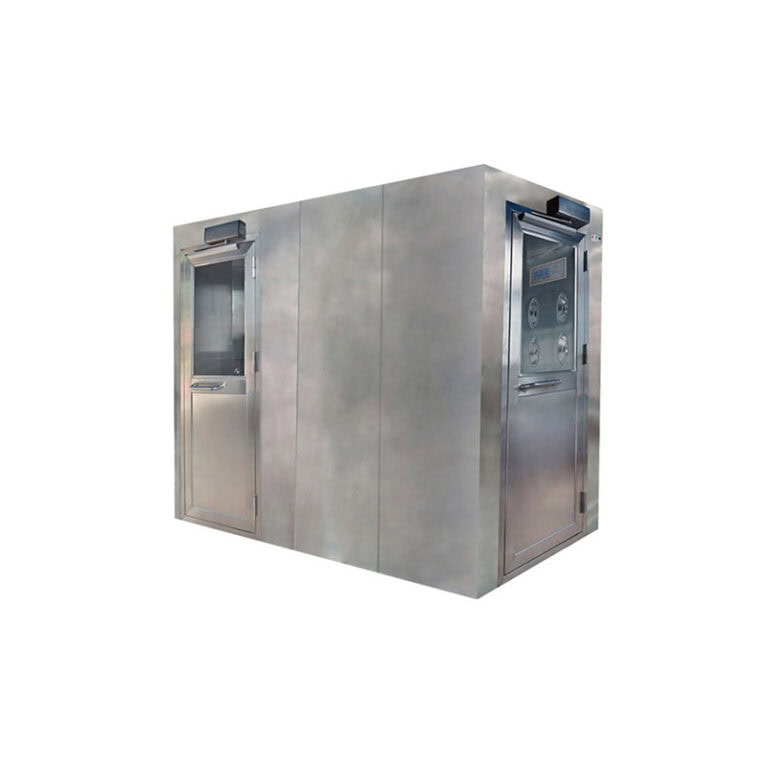
Here is a set of methods for inspecting the leak of ultra-clean workbench high-efficiency filters that are applicable to both pharmaceutical factories and laboratories, and can be directly incorporated into the SOP. The focus is on the most commonly used and compliant PAO method for leak detection, which is simple and easy to understand and can be performed on-site.
I. Applicable Standards
Commonly used in the pharmaceutical / GMP field: ISO 14644-3, GB/T 25915
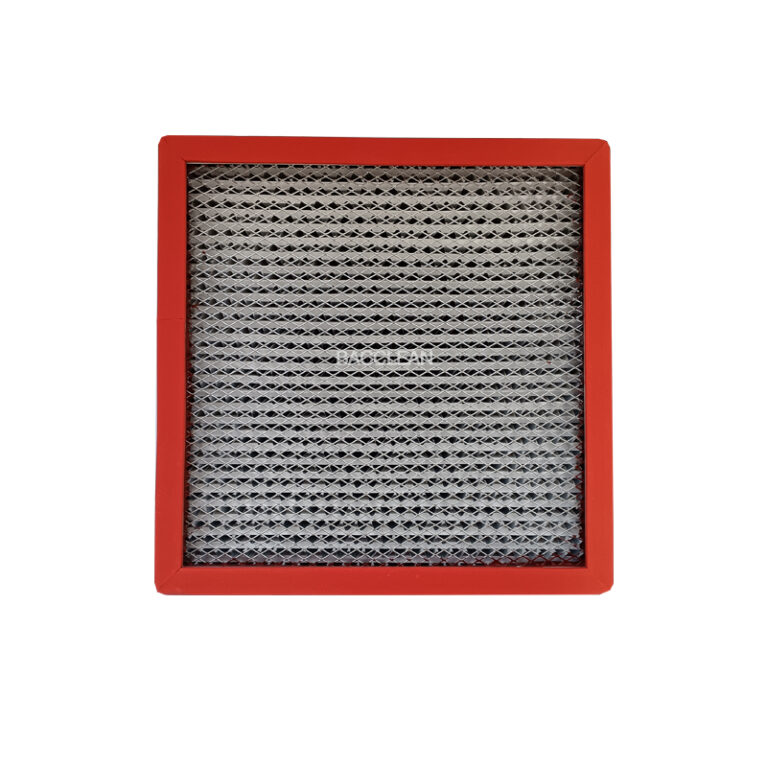
Core: Check whether the high-efficiency filter, the filter paper itself, and the frame seal are leaking
II. Most Common Method: PAO Aerosol Leak Detection Method
1. Required Tools
PAO aerosol generator
Aerosol photometer (leak detector)
Clean gloves, alcohol
2. Basic Principle
Upstream dust generation: Introduce PAO aerosol to the inlet side of the high-efficiency filter
Downstream scanning: Use the photometer to scan the outlet side
Exceeding the standard → Leakage is determined
3. Operating Steps (Special for Ultra-clean Workstations)
Start the ultra-clean fan and let it run for ≥ 10 minutes. The airflow should be stable.
Upstream dust generation: Place the nozzle of the PAO generator on the inlet side of the high-efficiency filter (generally on the top / rear), allowing the aerosol to evenly enter the duct. Control the upstream concentration: around 10-20 μg/L is sufficient.
Downstream scanning for leak detection: Use the photometer probe to slowly scan the outlet side of the high-efficiency filter:
The entire filter paper surface
The four corners of the frame seal
The compression strips, joint positions
The probe should be 2-3 cm away from the surface and move at a speed of 3-5 cm/s
Judgment Criteria
The photometer reading exceeds the upstream concentration by 0.01% → Leakage is determined
Continuous leakage of the frame, filter paper with pinholes / damage → Replacement is necessary
III. Without professional instruments, simple leak detection (for reference only, cannot be used in GMP)
1. Smoke Method
Use a smoke pen / smoke generator to emit smoke on the back (inlet side) of the high-efficiency filter
Observation on the front:
Smoke directly blows out → Clear leakage
Smoke from the frame → Loose seal
2. Wind Speed Comparison Method
Local wind speed fluctuates greatly, with obvious vortex → Possible leakage
This method can only be used as an auxiliary judgment, not as a replacement for PAO leak detection
IV. Leak Detection Result Handling
Minor leakage (frame) re-pressurize, apply sealant, replace the sealing strip, and re-check for leakage.
Filter paper leakage, damage, or pinholes that cannot be repaired must be replaced immediately.
After replacement, re-check for leakage before it can be put into use.
V. Common GMP / Pharmaceutical Factory One-Sentence Specification
After installation, high-efficiency filters should be inspected for leaks using the PAO aerosol method, scanning the surface and frame of the filter. The leakage rate should not exceed 0.01%. If不合格, replacement or re-sealing and re-checking are necessary.