
I. Basic Lifespan of Main Two Types of Sensors
1. Electrochemical Sensor (standard in domestic transfer cabinets, low cost)
Normal operating conditions (1-3 sterilizations per day, each 30-60 minutes): 12-24 months (1-2 years) – mandatory replacement.
High-load conditions (≥5 sterilizations per day, long-term high-concentration VHP immersion): 8-12 months – significant sensitivity decline.
Principle shortcoming: H₂O₂ strong oxidizing property continuously consumes the electrolyte and corrodes the electrode, belonging to consumable type.
2. PEROXCAP / Optical TDLAS High-end Sensor (Vaisala, Thermo Fisher high-end models)
PEROXCAP film sensing (import high-end probe)
Light load (1-2 times per day): 3-5 years;
High-load frequent sterilization: 2-3 years;
Unique sensor vitality value determination: vitality ≤ 40% – must be replaced, not simply based on years.
TDLAS laser optical sensor
No electrolyte, corrosion-resistant, theoretical lifespan 3-5 years, almost no consumable loss, only annual calibration required.
II. Industry Mandatory Replacement Determination Rules (GMP Compliance, Prior to Fixed Lifespan)
1. Time-based Mandatory Replacement Bottom Line (Recommended in workshop SOP)
Economical electrochemical probe: Must be replaced after 2 years, regardless of whether it can still read;
Import PEROXCAP probe: Must be replaced after 4 years.
2. Immediate Replacement upon Performance Failure (any one of the following, not waiting for years)
Monthly handheld detector comparison, concentration deviation continuously > ±10%, calibration cannot be repaired after;
Sensor vitality value ≤ 40% (Vaisala type high-end probe);
Zero drift is severe, no VHP in the chamber, reading long-term > 0.5 ppm;
Reading has no regular jumps, sterilization peak remains consistently low, no improvement after cleaning the probe;
Probe surface corrosion, sensing membrane damage, crystallization cannot be cleaned.
III. Key Factors Affecting Sensor Lifespan
Usage frequency (maximum impact)
Multiple sterilizations per day, chamber maintaining high concentration VHP for a long time, oxidation loss doubles, lifespan directly halved.
Whether daily maintenance is in place
Daily wiping of the probe to remove hydrogen peroxide crystals, regular analysis and blowing, can extend 30%-50% of service life; Long-term accumulation of crystals will accelerate electrode aging and drift.
Chamber temperature and humidity
High humidity, condensation water adhering to the probe, accelerates electrolyte failure, shortens lifespan.
Probe type
Optical / Film high-end probes are much longer than ordinary electrochemical probes.
IV. Workshop Implementation Management Suggestions (Applicable to VHP Transfer Cabinet SOP)
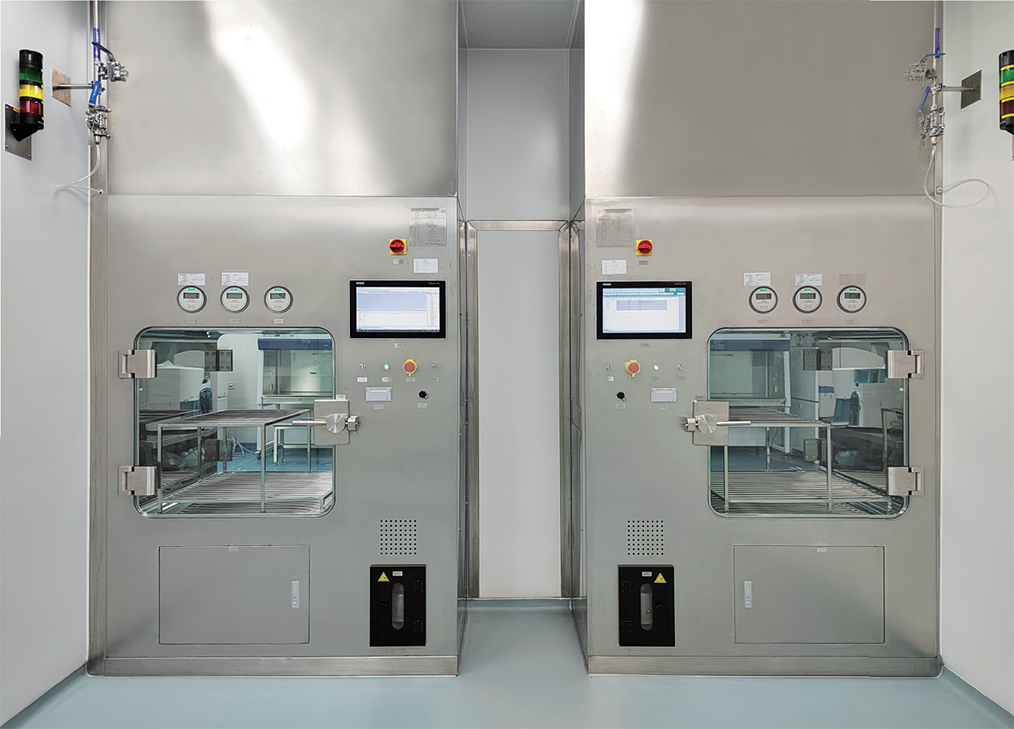
Establish a sensor installation ledger, record installation date, model, and replacement time;
Electrochemical probe: Compare and calibrate every 6 months, purchase spare parts in advance after 1.5 years;
Import PEROXCAP probe: Read vitality value every quarter, vitality lower than 40% – immediately replace;
After replacement, must complete standard gas calibration + chamber sterilization curve verification, archive calibration report to meet GMP audit requirements.
