
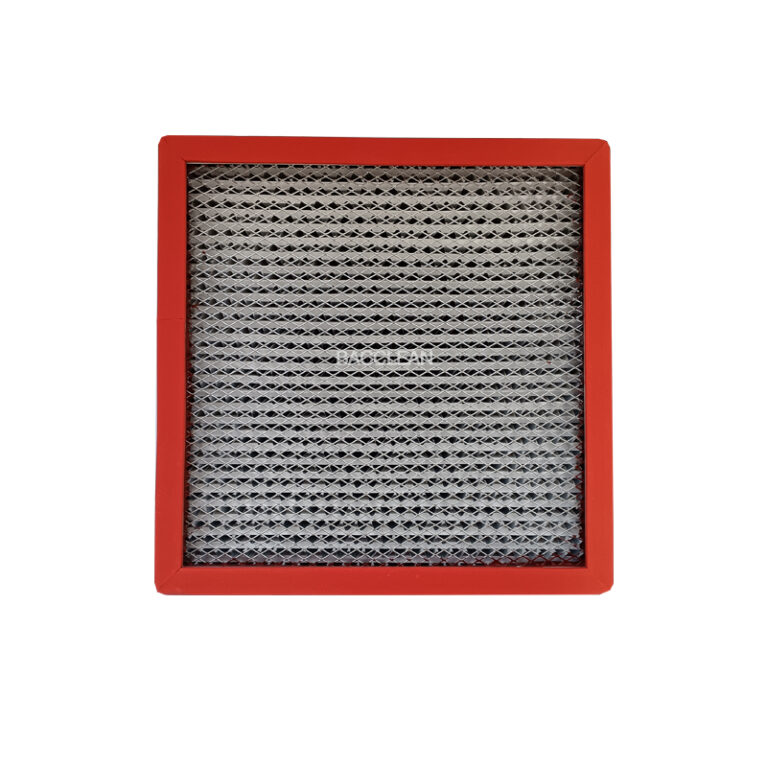
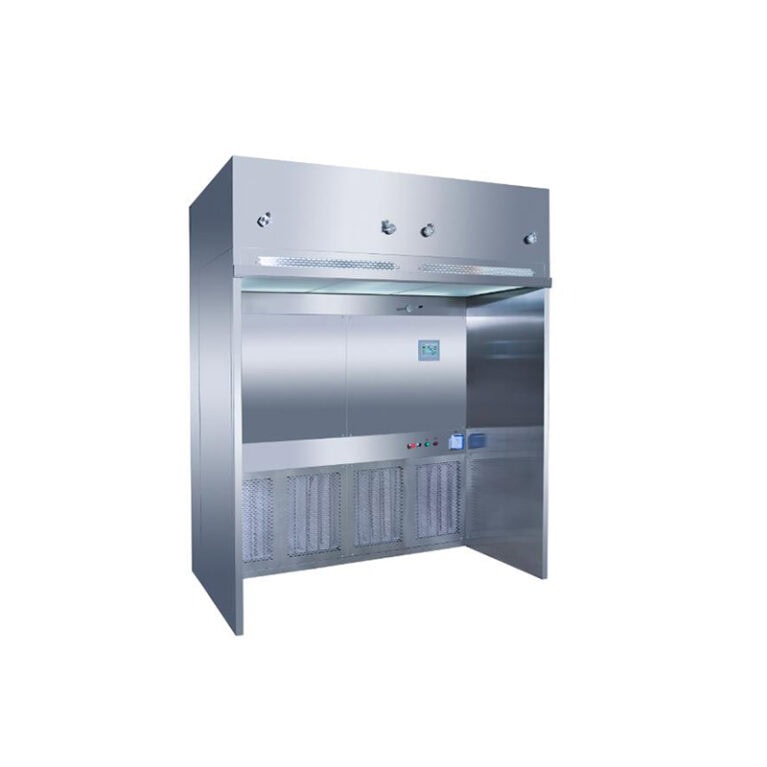
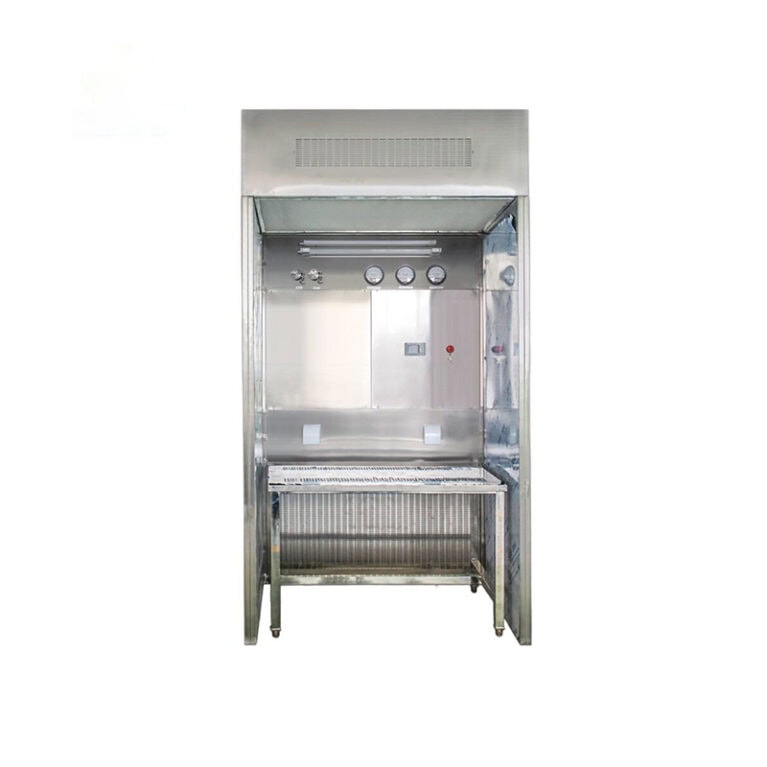
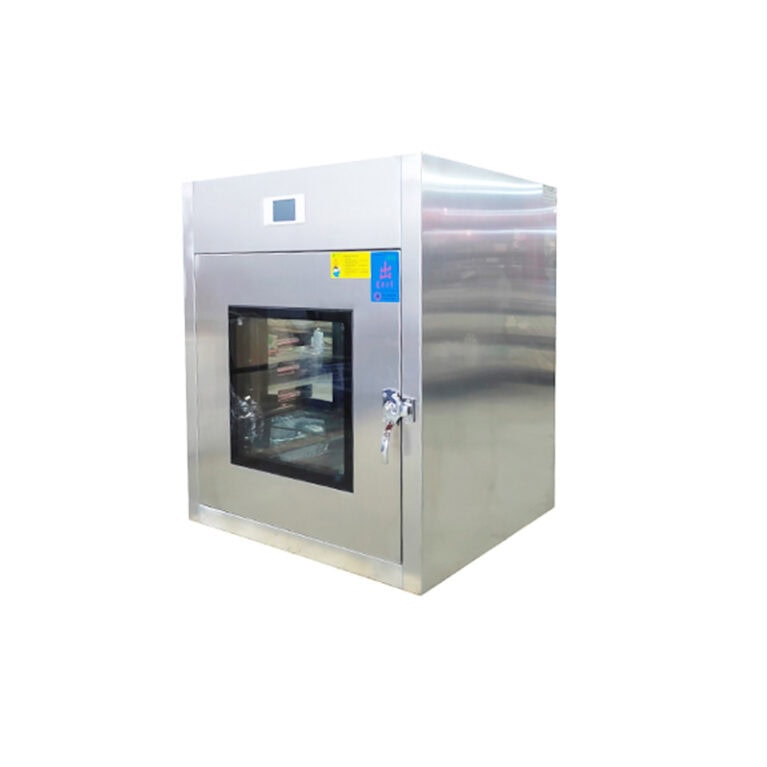
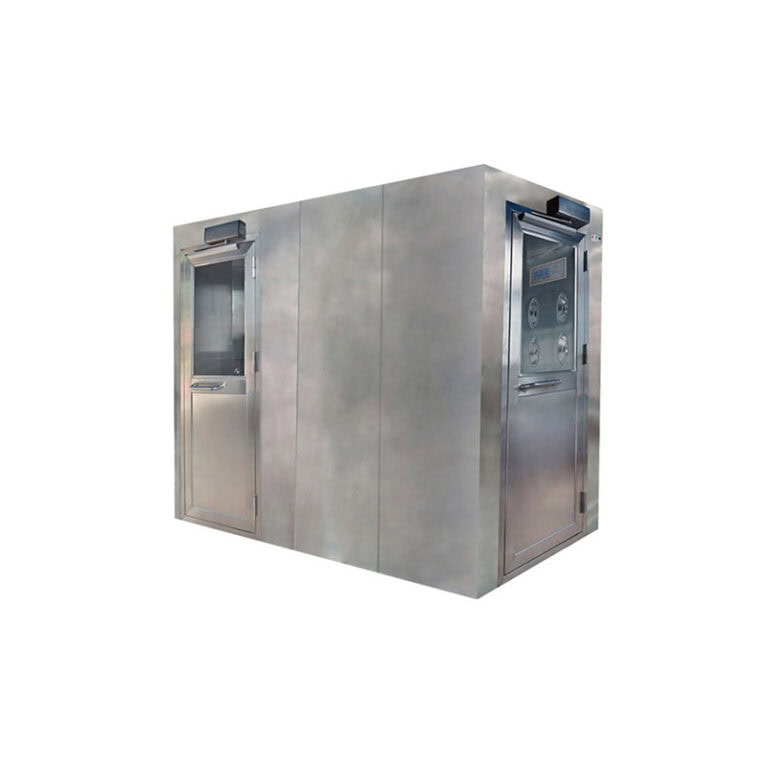
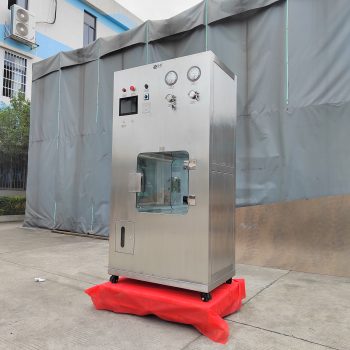
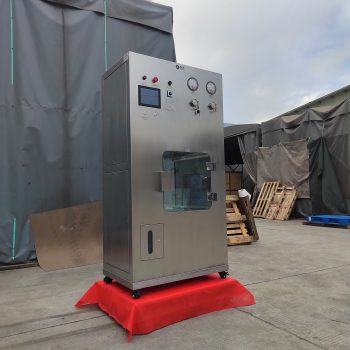
Applicable Scenarios: Aseptic Pharmaceuticals, Biological Laboratories, Cell Rooms, Clean Workshops VHP Hydrogen Peroxide Vaporization Pass Box, covers all-cycle maintenance including cleaning, inspection, consumable replacement, calibration, verification, prohibitions and fault handling after each use, daily, weekly, monthly, quarterly, and annual, and can be directly converted into workshop SOP documents.
I. Basic Cleaning Specifications (General for All Cycles)
1. Cleaning Consumables Requirements
Cleaning Tools: 300gsm or above dust-free ultra-fine fabric, no loose fibers
Disinfectant: 75% Ethanol / 70% Isopropyl Alcohol, rotate every half month to avoid microbial resistance
Rinsing Medium: Purified Water, strictly prohibit tap water
Prohibited Items: Chlorine-containing disinfectants, steel wool, sandpaper, strong acids and strong bases, abrasive cleaning agents (corroding 316L stainless steel, silicone sealing strips, sensor probes)
2. Cleaning after Each Use (Must Do)
Remove materials, clean debris in the chamber, debris, dust;
Dust-free cloth dipped in 75% Ethanol wipe the inner walls, tabletop, door handles, observation glass, control panel;
Focus on wiping temperature and humidity sensors and probe, remove hydrogen peroxide crystallization (crystallization will cause monitoring data distortion);
Wipe the groove of the sealing strip, the air outlet, the surface of the atomization nozzle;
Dry all contact surfaces with dust-free cloth, no water accumulation or residual condensation in the chamber;
Confirm that the analysis stage is completed, VHP residue ≤ 1ppm before closing and waiting for standby.
II. Graded Preventive Maintenance Plan
(1) Daily Maintenance (Before and After Shift)
Before Shift Inspection
Electrical System: Power supply, indicator lights, operation buttons, emergency stop, sound and light alarm functions normal, no garbled flashing;
Interlock Mechanism: No-load test of double door interlock, one side opening, the other side forced locking, response ≤ 0.5s;
Sealing Inspection: Visual inspection of the door silicone sealing strip for cracking, hardening, or detachment, no obvious gap after closing;
Circulation Fan: Start empty load, no abnormal noise, severe vibration, abnormal temperature rise of the casing;
Pipeline System: VHP hydrogen peroxide delivery hose, joints have no leakage, no aging and whitening;
Consumable Level: Check the liquid level of hydrogen peroxide medicine tank, replenish dedicated VHP disinfectant in time when below the lowest scale;
Chamber Condition: Dry inside, no hydrogen peroxide crystallization accumulation.
After Shift Operation
Complete the full chamber cleaning and drying;
Run the complete VHP sterilization program once in an empty load to disinfect the chamber itself;
Turn off the main power supply of the equipment, fill in the “VHP Transfer Window Daily Inspection Record Form”, record the running time, parameters, and abnormal situations.
(2) Weekly Deep Maintenance
VHP Vaporization Generator Disassembly and Cleaning
Remove the quick-release atomization module, rinse the atomization chamber and nozzle with purified water, blow dry with compressed air, completely remove hydrogen peroxide crystallization to prevent nozzle blockage and atomization failure;
Initial Filter Net Cleaning
Remove the initial filter net, soak in 75% Ethanol for 30 minutes, gently wipe the filter net pores with dust-free cloth, dry completely in a cool place before reinstalling, prohibit high-temperature baking;
Deep Inspection of Sealing System: Use soft bristles to clean the dust in the groove of the sealing strip, thin-coat food-grade silicone grease on the surface of the sealing strip to delay aging;
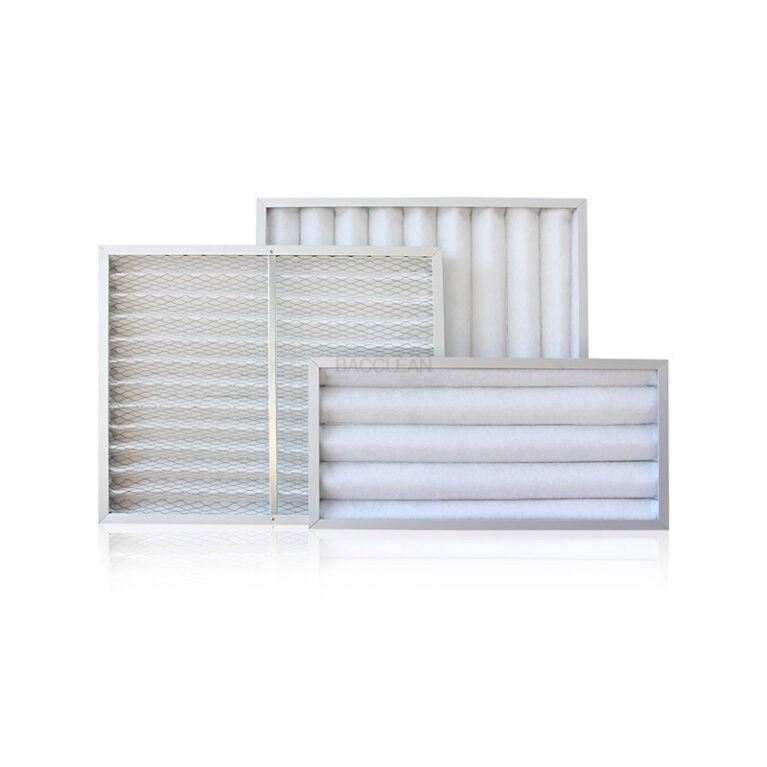
Air duct, catalytic decomposition filter net blowing: Blow 0.3~0.5MPa clean compressed air on the white crystallization on the surface of the decomposition filter net, mark for replacement if severe;
Negative Pressure Sensor Surface Dust Cleaning, ensure stable negative pressure inside the chamber, no leakage of VHP gas;
Re-complete the full test of double door interlock, fan circulation, alarm system.
(3) Monthly Maintenance
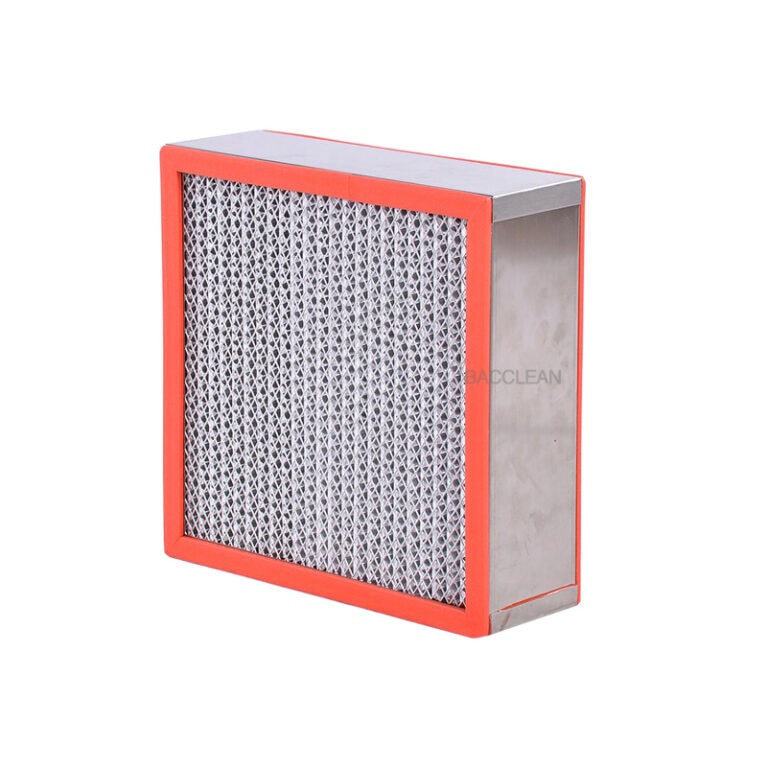
Filter System: Record the pressure difference of the initial and HEPA high-efficiency filters; If the pressure difference is higher than the equipment calibration value by 250Pa, replace immediately; Clean the inlet and outlet of the HEPA filter, check for hydrogen peroxide soaking discoloration; Mechanical transmission: Add food-grade lubricating grease to hinges and tongue levers, adjust the tightness of door closure, keep the closing force at 20-30N, and ensure airtightness;
Electrical safety inspection: Open the electrical control box, check for no looseness, aging, or burn marks in the wiring, and ensure the equipment is independently grounded with a grounding resistance of ≤ 4Ω;
Pipeline leak detection: Check the double hydrogen peroxide delivery hose section by section, replace the hose directly if it is aged, leaking, or cracked;
Temperature and humidity, pressure sensor basic calibration to eliminate data drift;
Configure UV lamp model: Record the cumulative usage time of the UV lamp tube, replace the lamp tube after 5000 hours of cumulative use.
(4) Quarterly / Semi-annual maintenance (verification-level maintenance)
Precise calibration of sensors
Use standard calibration equipment to calibrate VHP concentration, temperature humidity, and negative pressure sensors, with an allowable error of ≤ ±5%, and issue calibration records;
Cavity sealing integrity test: Pressure drop leak detection to confirm that the cavity has no gas leakage, avoiding insufficient sterilization concentration and VHP leakage contaminating the clean area;
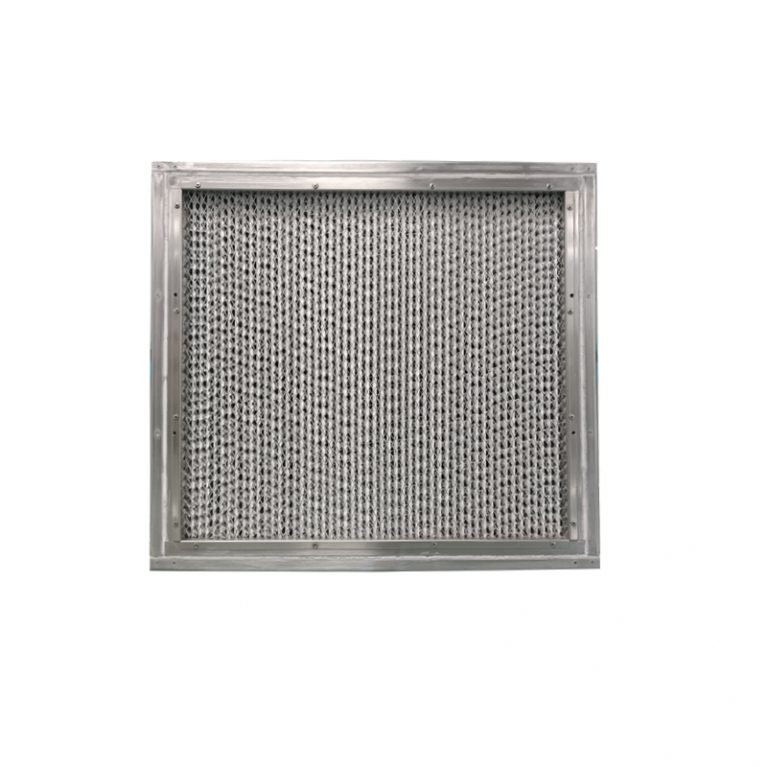
Performance test of catalytic decomposition module: Determine the decomposition efficiency of hydrogen peroxide, replace the catalytic filter if decomposition is incomplete or residues exceed the standard;
Biological indicator (BI) verification of sterilization effect
Place Bacillus subtilis indicator in the cavity死角, complete the standard sterilization procedure, and determine qualification if no colonies grow after cultivation; BI verification must be done after major equipment overhaul, cavity modification, or significant adjustment of sterilization parameters;
Fan performance test: Measure the circulation air speed within the standard range of 0.36-0.54m/s, repair or replace the fan or rotor if the wind speed is too low;
Sort out the inspection, calibration, and consumable replacement records for the past 3 months, archive and retain for audit reference.
(5) Annual comprehensive overhaul and consumable replacement
List of mandatory consumables replacement
Catalytic decomposition filter (oxidation failure, significant decline in decomposition capacity);
Aged silicone sealing strip (suggested to be replaced every half year for high-frequency use models, annual replacement for regular models);
Aged hydrogen peroxide delivery hose;
Heated HEPA high-efficiency filter with excessive pressure difference or damage;
Whole machine disassembly inspection: Comprehensive maintenance of heating tube of vaporizer, atomization core, fan bearing, electromagnetic valve, and magnetic control door sensor;
Full-item electrical system inspection: Voltage, current, and insulation of the wiring, UPS backup power function test;
Annual full re-verification: Complete all sets of sealing, airflow, sensor accuracy, and BI biological challenge tests, issue the annual equipment verification report;
Stainless steel cavity maintenance: Wipe with neutral cleaner, remove long-term oxidation spots, avoid hard objects scratching the inner wall and forming microbial breeding corners.
III. Key Maintenance Points for Core Components
1. VHP vaporizer (core sterilization unit)
Causes of blockage: Accumulation of hydrogen peroxide crystals in the nozzle and heating chamber;
Maintenance cycle: Disassemble and clean weekly;
Prohibition: Do not dryly burn the vaporizer, do not start the atomization program if the drug box is lacking liquid.
2. Silicone door sealing strip (key for airtightness)
Damage risk: Long-term oxidation of VHP, dust abrasion, drying hardening;
Maintenance: Clean weekly + thin coating of silicone grease; Replace immediately if there are cracks, leakage, or hardening;
Risk: Failure of sealing will lead to leakage of VHP gas, contaminating adjacent clean areas, and also causing insufficient sterilization concentration.
3. Catalytic decomposition filter (VHP decomposition filtration)
Function: Decompose residual hydrogen peroxide in the cavity after sterilization;
Maintenance: Weekly compressed air blowing; Replace directly if the surface crystallization is heavy and the decomposition time is significantly prolonged.
4. Various sensors (concentration / temperature humidity / negative pressure)
Fault manifestations: Jumping of monitoring values, low/high concentration, negative pressure alarm;
Maintenance: Daily wipe the probe of the sensor to remove crystals, professional quarterly calibration, and annual detection of sensor sensitivity.
5. Double door interlock mechanism
Fault risk: Dust blocking the door magnetic switch, lock tongue jamming; Maintenance: Conduct weekly functional tests and monthly lubrication of the latch; prohibit use if interlock fails, to prevent cross-contamination between different cleanliness zones and air flow pollution.
IV. Safety Maintenance Operating Procedures
Before cleaning and disassembling the equipment, cut off the main power supply, empty the residual VHP in the chamber, and ventilate and analyze until the concentration is ≤ 1 ppm;
When contacting high-concentration hydrogen peroxide or disassembling the generator, wear corrosion-resistant gloves and goggles, and rinse the skin with a large amount of flowing clean water for 10 minutes;
The filters and rags contaminated with hydrogen peroxide generated during maintenance should be handled in accordance with chemical hazardous waste regulations;
Do not directly rinse the electronic control panel, sensors, and electrical box with water to prevent short circuits and component burnout;
The chamber wiping should adopt the S-shaped one-way wiping method to avoid cross-contamination.
V. Records and GMP Audit Requirements
Establish three ledgers to completely retain for at least 3 years:
“Daily Inspection Record Sheet”: Operating duration, program parameters, equipment abnormalities;
“Component Replacement Ledger”: Filter, sealing strip, lamp tube, pipeline replacement time, model;
“Calibration and Verification Report”: Sensor calibration, chamber leak detection, BI biological indicator verification;
After major equipment repair or replacement of core components, re-perform sterilization effect verification and record archiving;
All maintenance, cleaning, and calibration operations should be marked with the operator and date, allowing for complete traceability.
VI. Simple Troubleshooting for Common Faults (Maintenance Support)
Equipment cannot start: Check the power supply, liquid level of the reagent, whether the door body is fully closed, and interlock signals;
