
1. Working Principle of Super Clean Bench
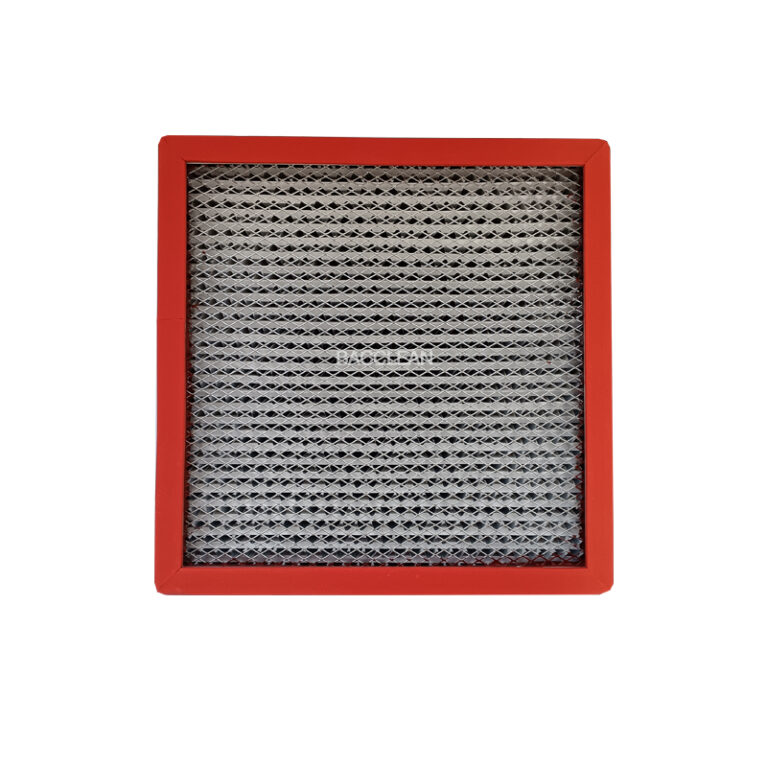
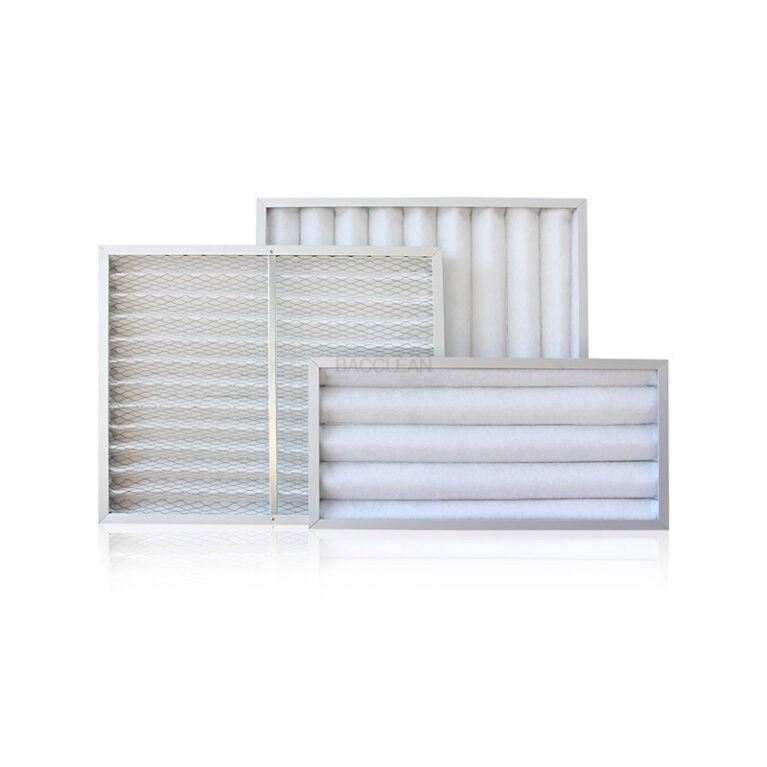
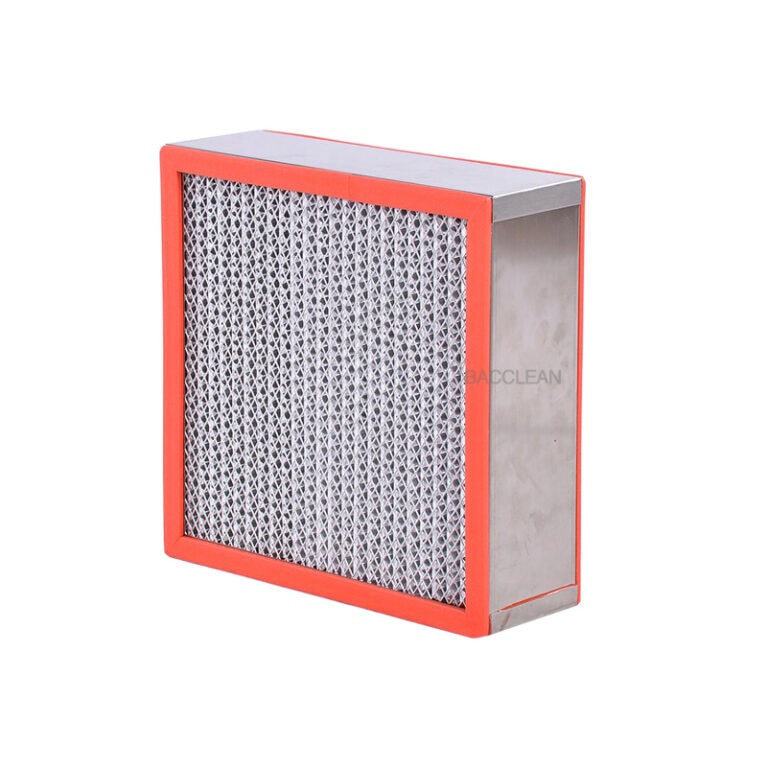
The core principle of super clean bench can be summarized as multi-stage filtration + unidirectional laminar flow. When the equipment runs, indoor air first passes through the pre-filter to intercept hair, fibers, large dust and other particulate matter. Then the centrifugal fan sends air into the plenum chamber. The plenum chamber functions to equalize pressure, stabilize airflow and reduce noise. The air then undergoes final fine filtration by HEPA filter, which achieves high filtration efficiency for particles ≥0.3μm. The purified clean air flows into the working zone in a uniform and stable laminar state, continuously carrying away the original air and suspended particles, and forming a local ultra-clean environment.
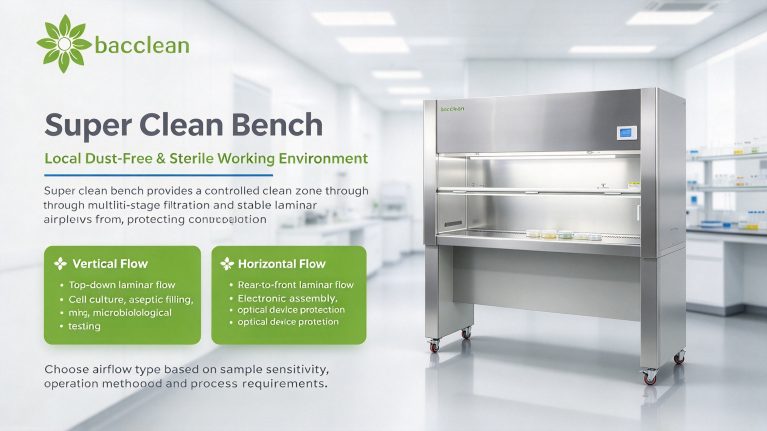
According to airflow direction, super clean benches are mainly divided into vertical flow type and horizontal flow type.
-
Vertical flow clean bench: Air flows from top to bottom. Clean air is evenly sent out from the top HEPA filter, vertically covers the workbench surface and then discharges forward, backward or to both sides. It helps reduce cross-contamination between samples, widely used in cell culture, aseptic filling, microbiological inspection and other scenarios.
-
Banc de nettoyage à flux horizontal: Air blows horizontally from the rear or side wall toward the operation opening. Its airflow path is relatively direct. It is suitable for scenarios requiring high sample cleanliness where the operating objects are not easily disturbed by airflow, such as electronic component assembly and optical device protection.
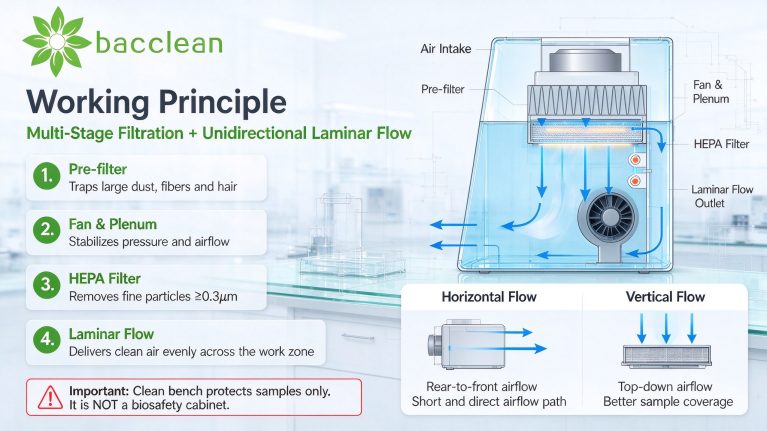
Both types are positive pressure air supply equipment, which mainly protect samples and products inside the working area. It is not equivalent to a biosafety cabinet and cannot effectively protect operators from pathogenic microorganisms, toxic chemicals or high-risk aerosols.
2. Cleanliness Standards & Key Performance Indicators
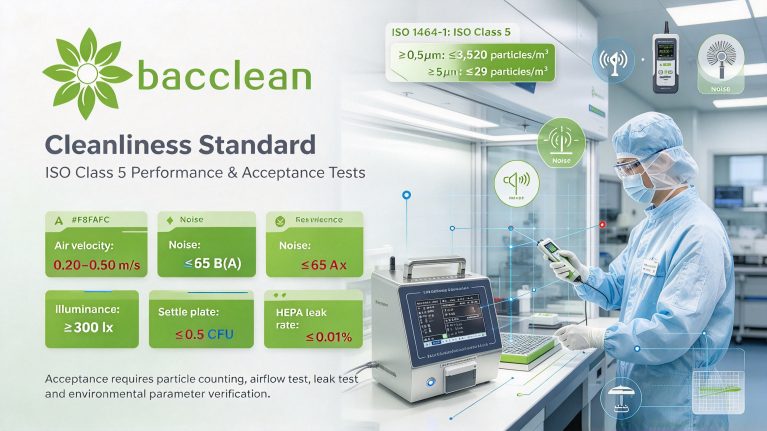
The cleanliness of working zone for super clean bench generally reaches ISO Class 5, the former Class 100 in Federal Standard 209E. In accordance with ISO 14644-1, ISO Class 5 means the number of airborne particles ≥0.5μm shall not exceed 3520 per cubic meter, and particles ≥5μm shall not exceed 29 per cubic meter.
Relevant standards for medical clean benches also specify multiple performance indicators:
-
The leakage rate at the connection between HEPA filter and its frame shall not exceed 0.01%.
-
The average airflow velocity in working zone ranges from 0.20m/s to 0.50m/s, and the deviation of wind speed at each measuring point from the average value should be controlled within a reasonable range.
-
Noise level shall not exceed 65dB(A).
-
The average illuminance of working zone shall not be less than 300lx.
-
For settle plate test, the average colony count on petri dishes shall not exceed 0.5 CFU.
These indicators jointly determine whether the super clean bench can stably provide Class 100 local clean environment. During acceptance or periodic inspection, comprehensive evaluation is usually carried out by particle counting, air velocity test, airflow pattern observation, HEPA leak test, noise and illuminance measurement.
3. Main Structure & Airflow Organization
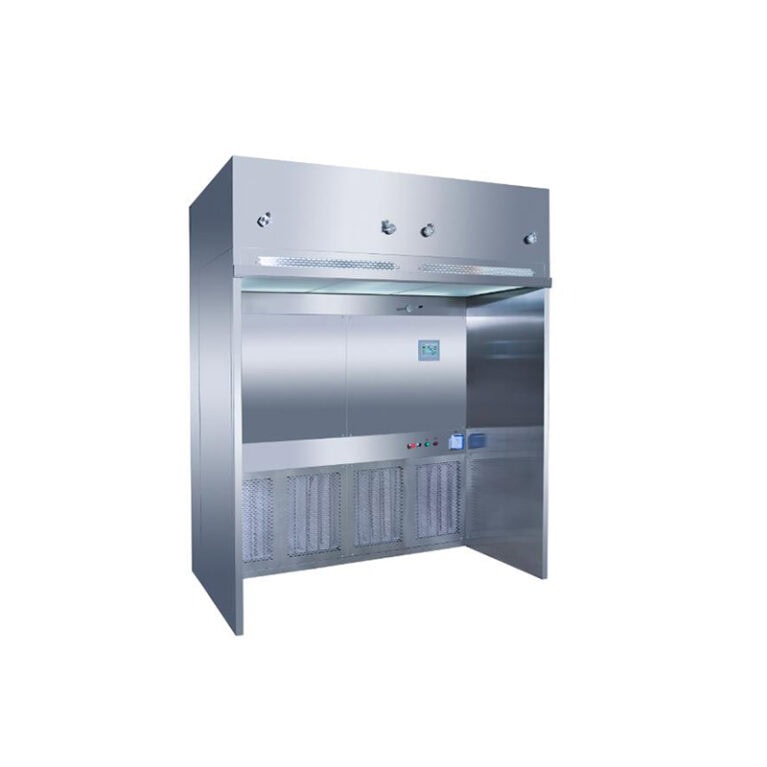
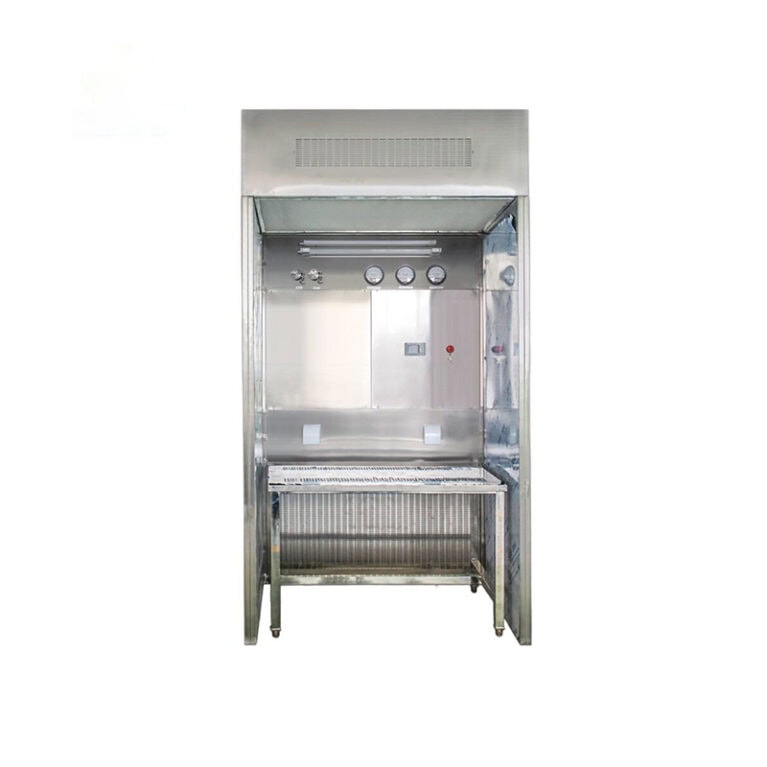
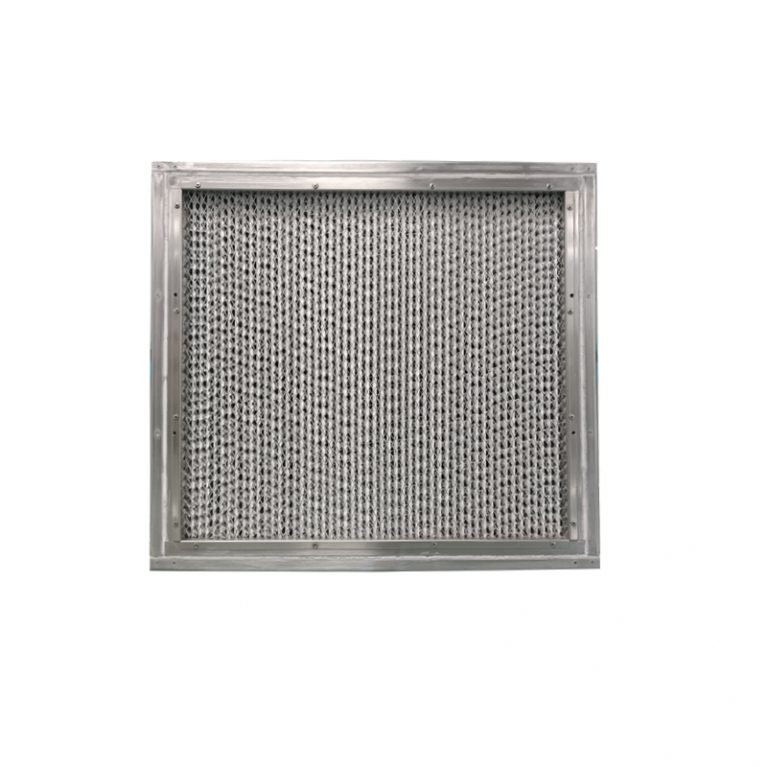
A typical super clean bench consists of cabinet, work surface, filtration system, fan and plenum chamber, front window / operation opening, UV disinfection & lighting system and control system. The cabinet is mostly made of cold-rolled steel with powder coating or stainless steel, and stainless steel is commonly adopted for work surface for easy cleaning and disinfection. The filtration system includes pre-filter and HEPA filter. The pre-filter protects the downstream HEPA filter, while HEPA filter determines the final cleanliness level. The fan provides air supply power, and the plenum chamber balances airflow and reduces turbulence. The front window can adjust opening height to facilitate operation and reduce interference from external airflow.
-
Vertical flow: Air flows top-down, clean air covers samples first then discharges downward, suitable for minimizing cross-contamination among different samples.
-
Horizontal flow: Air flows from rear to front, clean air blows directly through samples then exhausts. It features short airflow path and relatively low disturbance, but items shall be placed properly to avoid upstream articles contaminating downstream samples.
4. Application Scenarios & Selection Guidelines
Super clean benches are widely used in biomedicine, medical & health care, food inspection, electronic manufacturing, optical assembly, plant tissue culture, scientific research laboratories and other fields.
-
Vertical flow clean bench: Preferred for cell culture, sterile preparation dispensing, microbiological inoculation.
-
Horizontal flow clean bench: Ideal for electronic component soldering, optical lens assembly, precision parts cleaning.
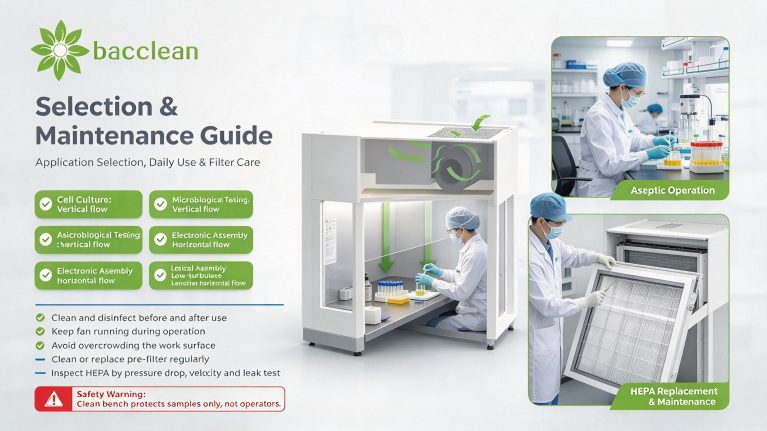
Key points for selection: Working zone dimension, airflow type, cleanliness grade, wind speed uniformity, noise level, filter efficiency, material corrosion resistance, control function and installation environment. For compliance scenarios such as pharmaceutical, medical and food industries, verify whether the equipment complies with YY/T 1539, JG/T 292 and other relevant standards, and confirm convenient HEPA filter replacement, leak detection and maintenance.
5. Operation & Maintenance Notes
-
Turn on UV lamp to disinfect the working surface before operation; keep fan running continuously during operation, avoid frequent large arm movements to disturb laminar flow.
-
Do not place too many items densely on the workbench, which will impair laminar performance.
-
Clean or replace pre-filter regularly. Inspect and replace HEPA filter according to pressure difference, wind speed and service condition.
-
Clean and disinfect work surface, side walls and glass window before and after each use to ensure stable long-term operation.
Important reminder: The super clean bench only protects samples, not operators. For operations involving pathogenic microorganisms, toxic chemicals, volatile hazardous substances or high-risk aerosols, biosafety cabinet with personnel protection function shall be selected instead of ordinary super clean bench.
Super clean bench has become the basic equipment in clean rooms, laboratories and precision manufacturing environments. It achieves reliable local contamination control through stable laminar flow and high-efficiency filtration. Understanding its multi-stage filtration principle, airflow organization and cleanliness standards helps proper selection, acceptance and operation, so as to guarantee test results and product quality.
