
It is necessary to accurately match equipment parameters, structural configurations and functional modules according to practical requirements, so as to avoid problems such as passage jamming, incomplete dust removal, air leakage and poor compatibility caused by improper model selection. This article systematically sorts out core selection parameters, scenario‑adaptation standards and key customization technical points for rapid roller‑shutter goods air showers.
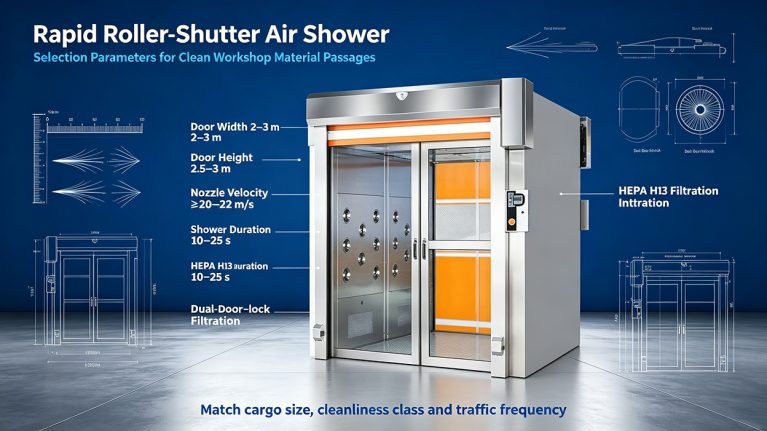
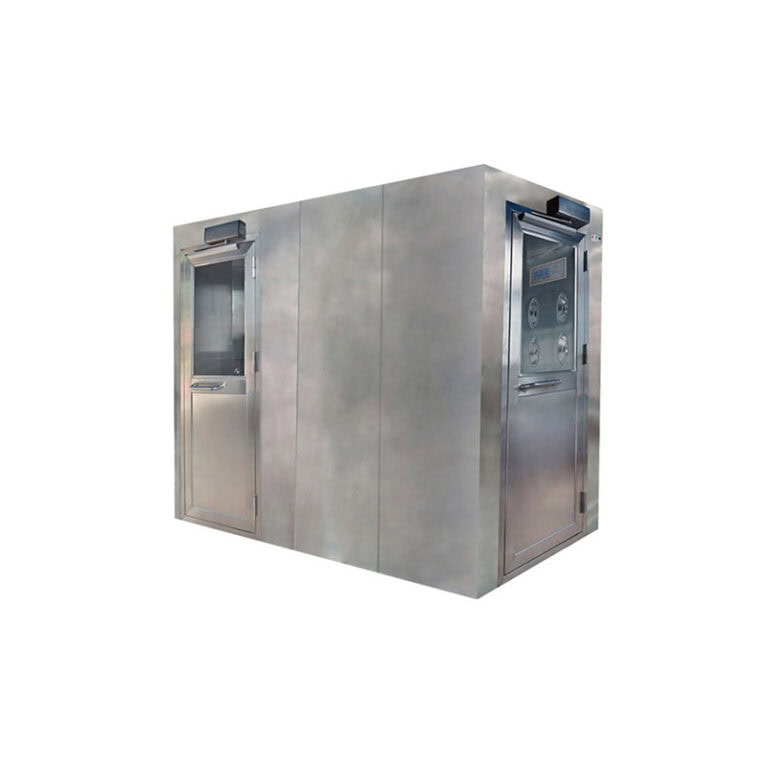
The selection of core dimensional parameters shall match cargo passage requirements, which serves as the foundation of model selection. The door opening of standard equipment features a width of 2‑3 m and a height of 2.5‑3 m, suitable for the passage of ordinary palletized goods, turnover boxes and small‑size equipment. For large‑scale logistics passages and scenarios with automated forklift access, oversized customized models are available for fast in‑and‑out transportation of large‑size goods and full‑pallet materials. A dimensional allowance of 10%‑20% shall be reserved during selection to prevent goods from scratching the door body or channel. Meanwhile, the workshop passage space, floor height and load‑bearing conditions shall be taken into consideration to ensure that installed equipment will not interfere with original workshop circulation routes and structures.
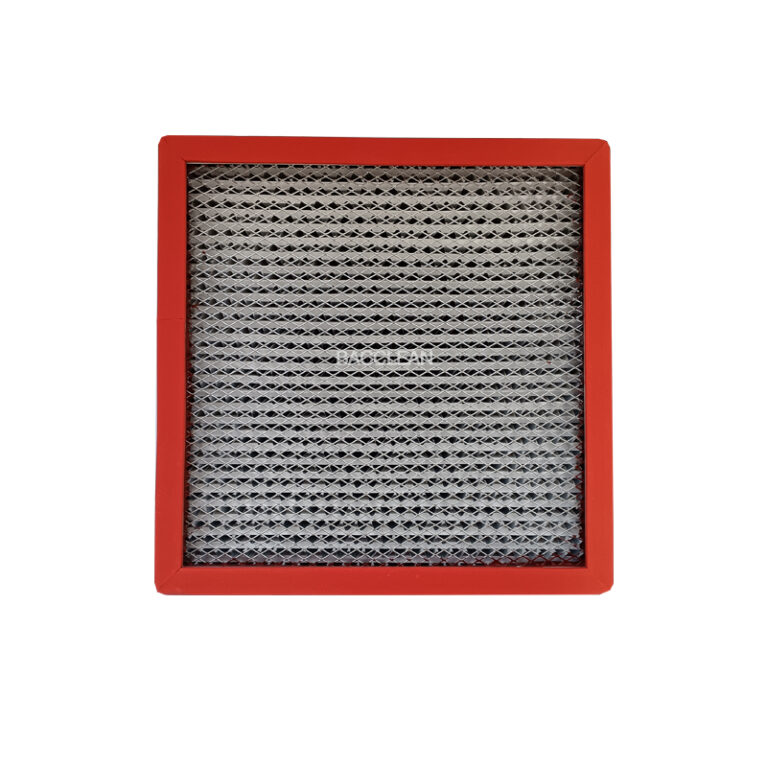
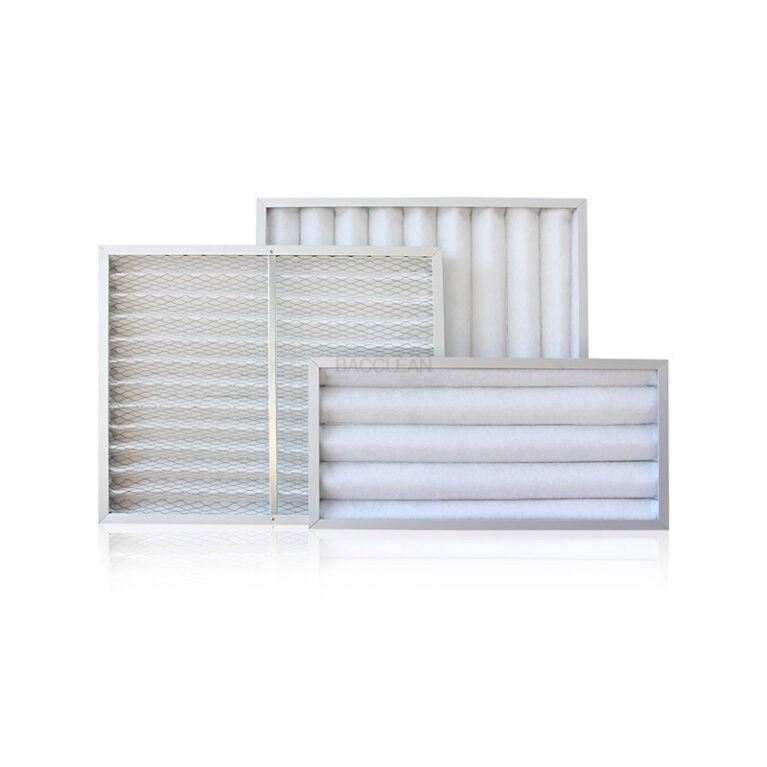
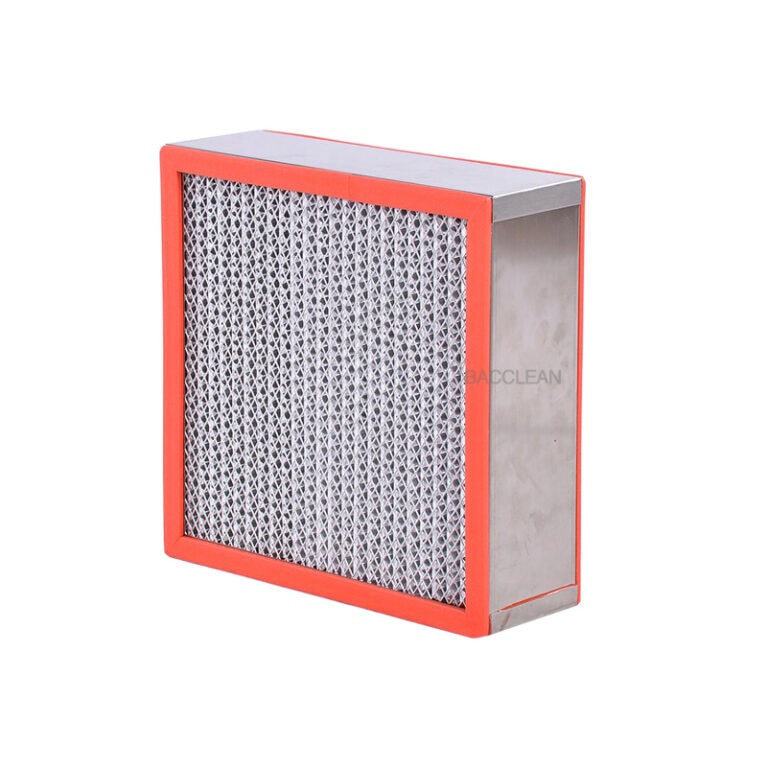
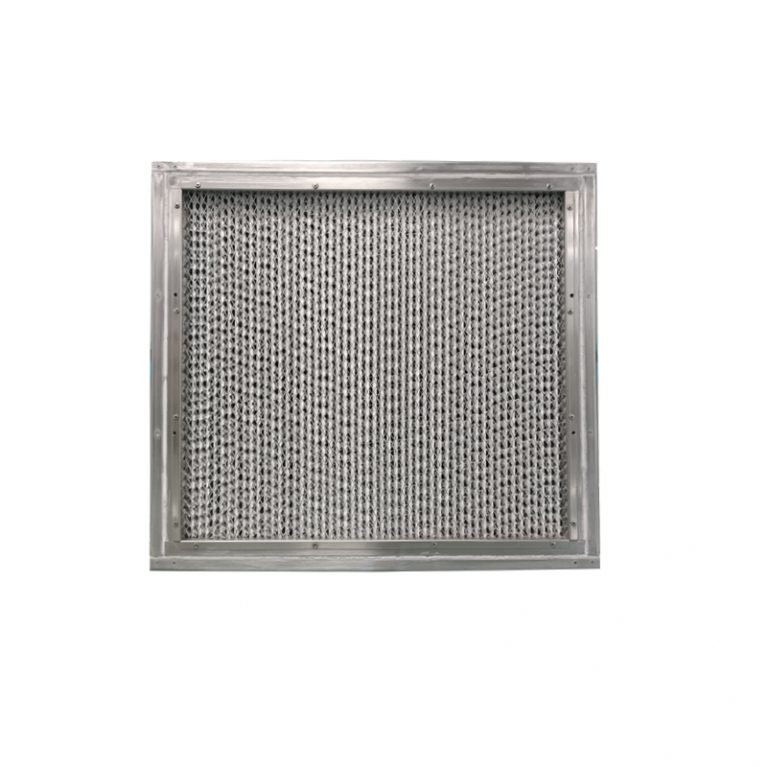
Purification parameters shall be selected in strict accordance with the cleanliness classification of workshops. Key parameters include air‑shower nozzle wind velocity, shower duration, air change rate and filter class. For models applied in Class 100 and Class 1000 high‑cleanliness workshops, the nozzle wind velocity shall reach ≥22 m/s, single‑cycle shower duration ranges from 15‑25 seconds, the channel air change rate shall be ≥300 times per hour, and H13‑grade high‑efficiency filters shall be equipped. For ordinary clean workshops of Class 10 000 or lower, a wind velocity ≥20 m/s and a shower duration of 10‑15 seconds can meet operational demands. Scenarios featuring high‑frequency passage and heavy dust pollution shall adopt high‑air‑volume fans and thickened filter elements to improve dust‑removal efficiency and equipment durability.
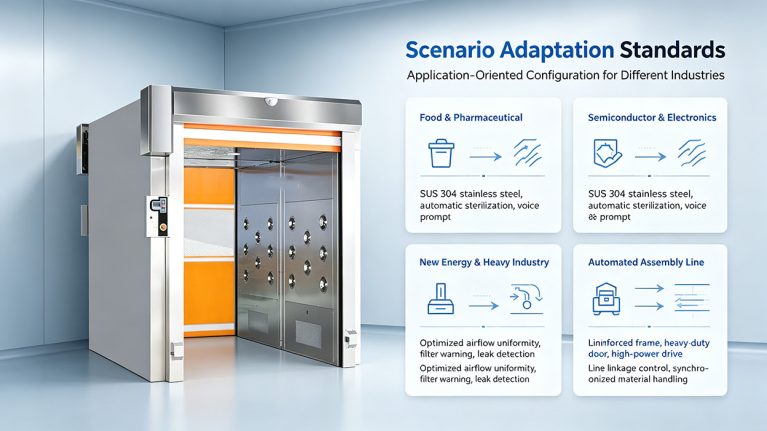
Scenario‑adapted model selection requires differentiated configurations based on industrial working‑condition characteristics. The food and pharmaceutical industries impose stringent requirements for sterility and zero residue. Equipment shall adopt full SUS 304 stainless‑steel construction to prevent corrosion and dust accumulation, and be equipped with automatic sterilization and voice prompt functions to guarantee channel sterility for the access of sterile materials and packaging components. The semiconductor and precision‑electronics industries are extremely sensitive to particulate contamination. Optimized air‑distribution patterns shall be adopted to improve wind‑velocity uniformity, together with optional filter‑resistance warning and air‑leakage detection functions to eliminate residual fine particulates. New‑energy and heavy‑industry scenarios with heavy‑weight goods and high passage frequency require thickened frames, reinforced door panels and high‑power drive systems to enhance wear resistance and operational stability. For automated assembly‑line scenarios, linkage control systems matched with production lines shall be configured to realize synchronization between material conveying and air‑shower activation, adapting to unmanned production modes.
Core functional configurations shall balance practicality and safety. Standard configurations comprise mechanical‑and‑electronic dual interlocking for double doors, emergency‑stop devices, auto‑sensing air shower and fault alarm. For high‑frequency‑passage scenarios, variable‑frequency door motors and fast‑response sensor systems are recommended to boost traffic efficiency. Working conditions with high humidity and heavy dust shall be fitted with waterproof and dust‑proof electrical assemblies and anti‑condensation structures. Constant‑temperature clean workshops require door bodies with superior sealing performance to avoid condensation and contamination caused by hot‑cold air exchange. A distinction shall be drawn between standard goods air showers and explosion‑proof variants. Explosion‑proof motors and electrical control systems must be deployed for flammable‑and‑hazardous working conditions to satisfy safety production specifications.
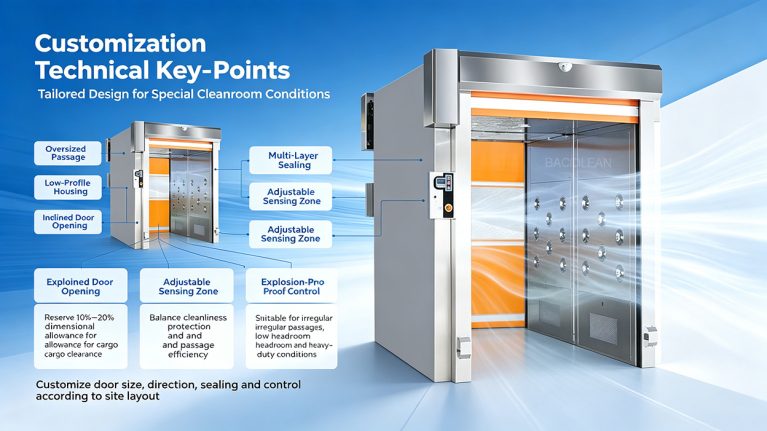
Customized design focuses on on‑site adaptation. Special configurations such as inclined door openings, low‑profile housings, widened‑and‑heightened channels and multi‑layer sealing structures can be customized for special‑shaped passages, ultra‑low floor height, over‑sized cargo and special sealing requirements of clean workshops. Furthermore, door opening directions and sensing zones can be adjusted according to workshop circulation layouts, so as to maximize compatibility with field working conditions and achieve the optimal balance between cleanliness protection and passage efficiency.
