
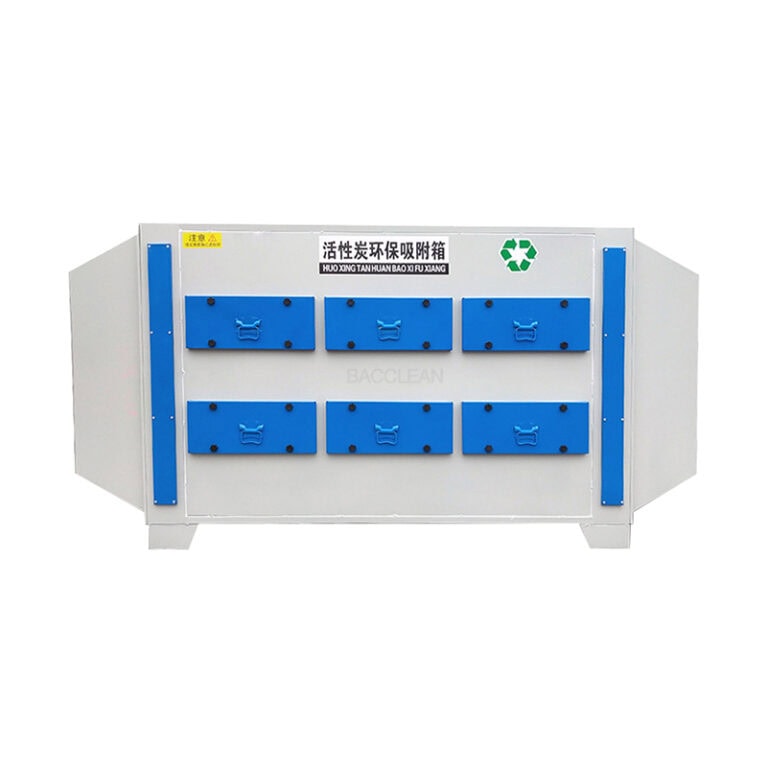
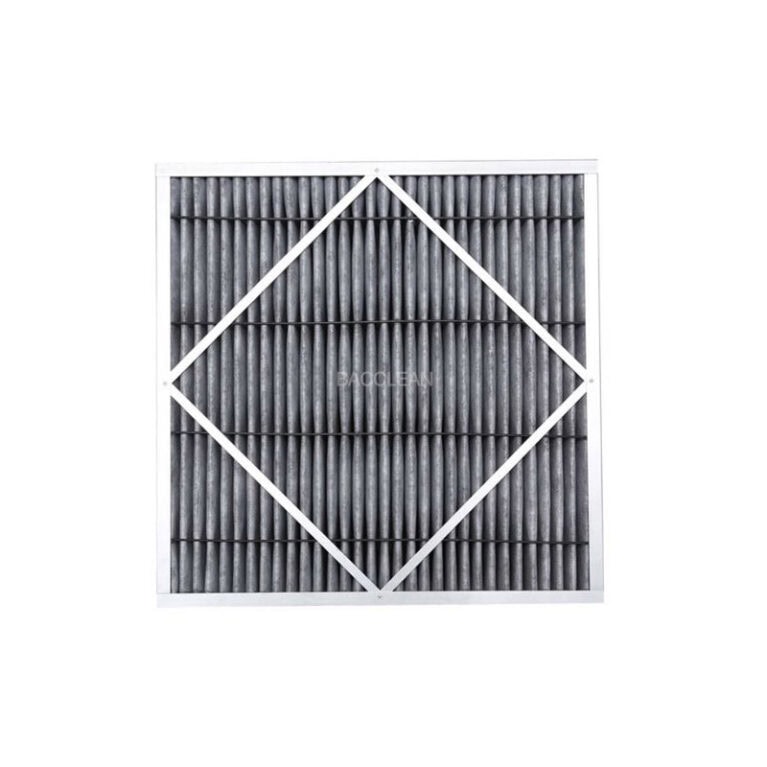
Air shower self-cleaning transfer window with complete installation + standard operating procedures
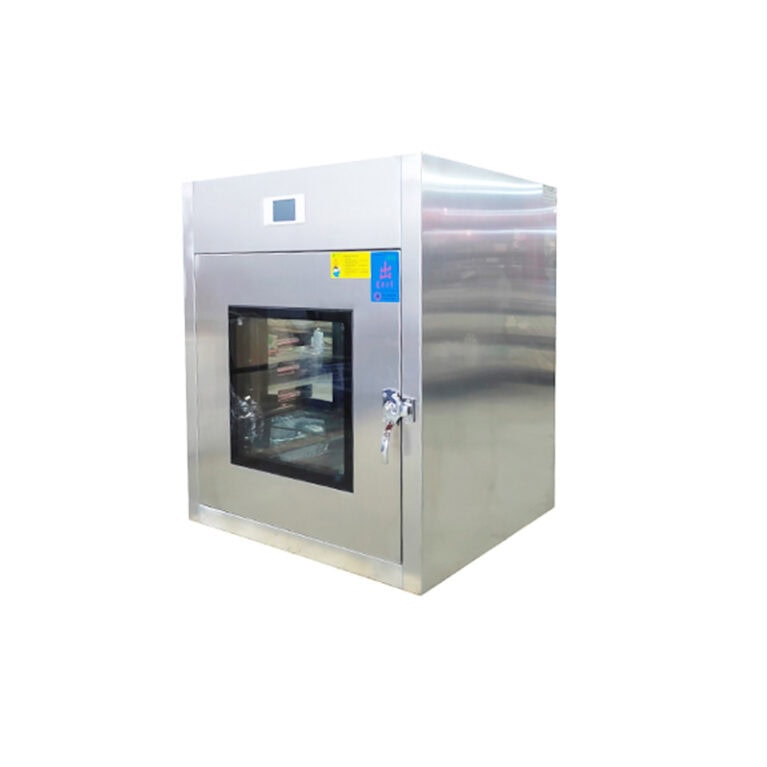
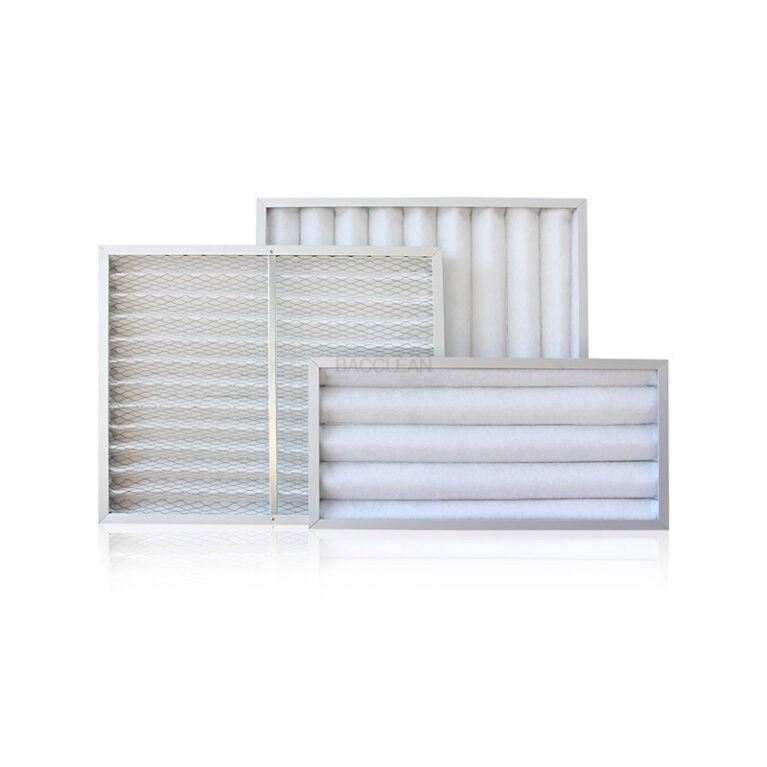
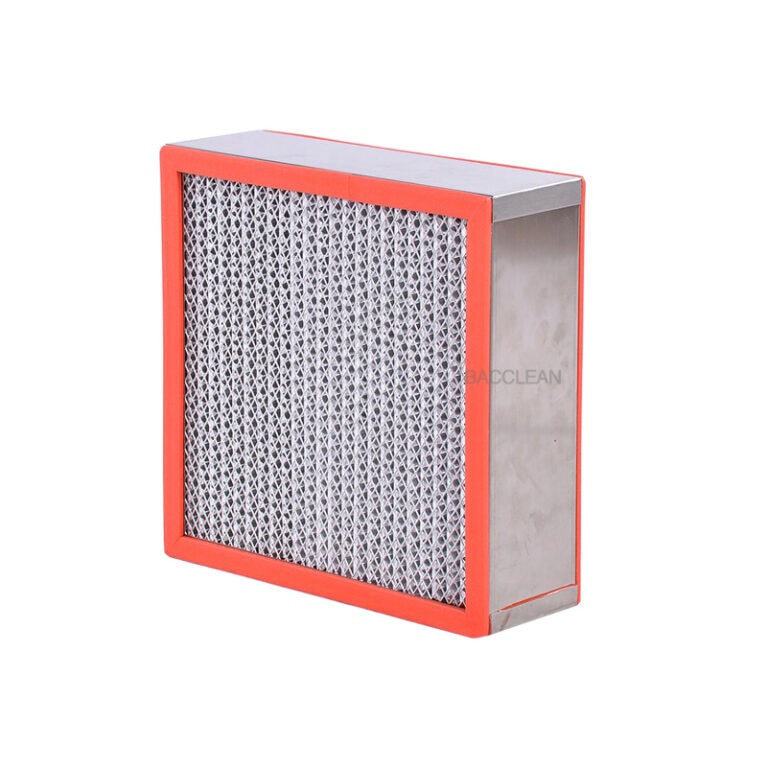
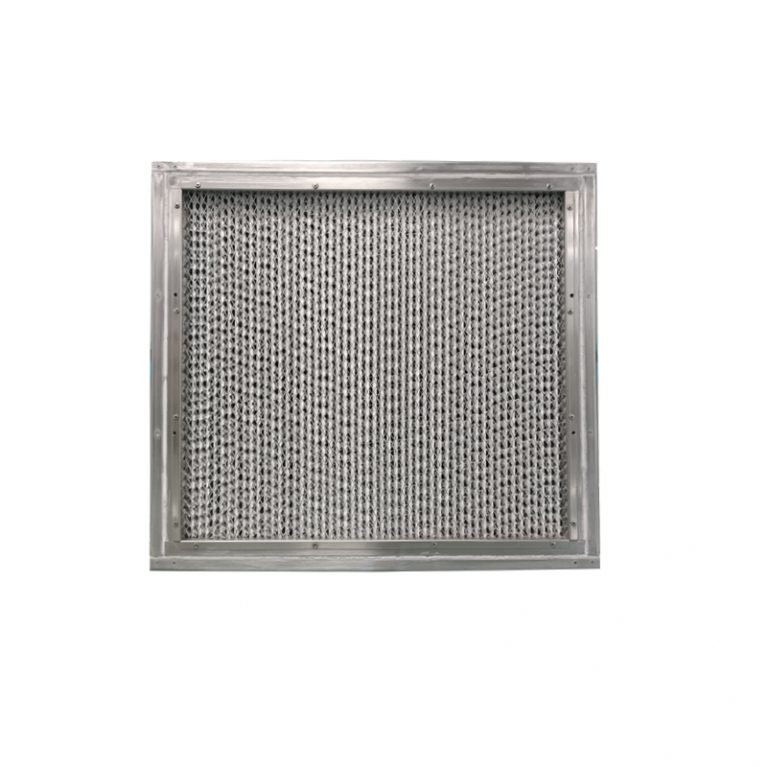
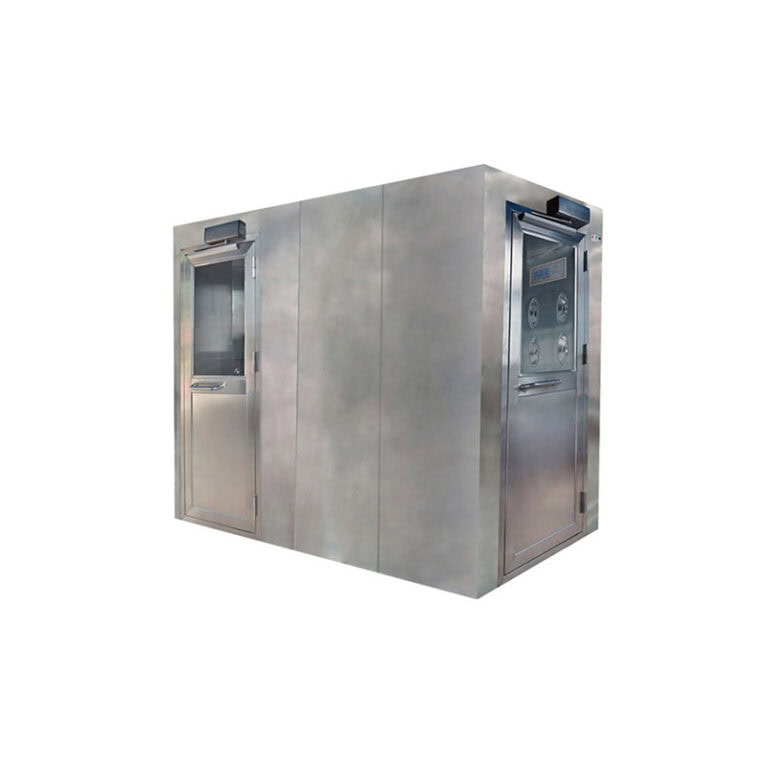
The air shower self-cleaning transfer window (air shower transfer window) is equipped with a fan, high-efficiency filter, blowing nozzle, ultraviolet disinfection, electronic/mechanical double-door interlock. It is used for the transfer of small items between clean areas and non-clean areas, or between different clean levels. It uses high-pressure clean air flow to blow off dust on the surface of the materials and prevent cross-contamination of air flow. It complies with the GB50591 construction specifications for clean rooms.
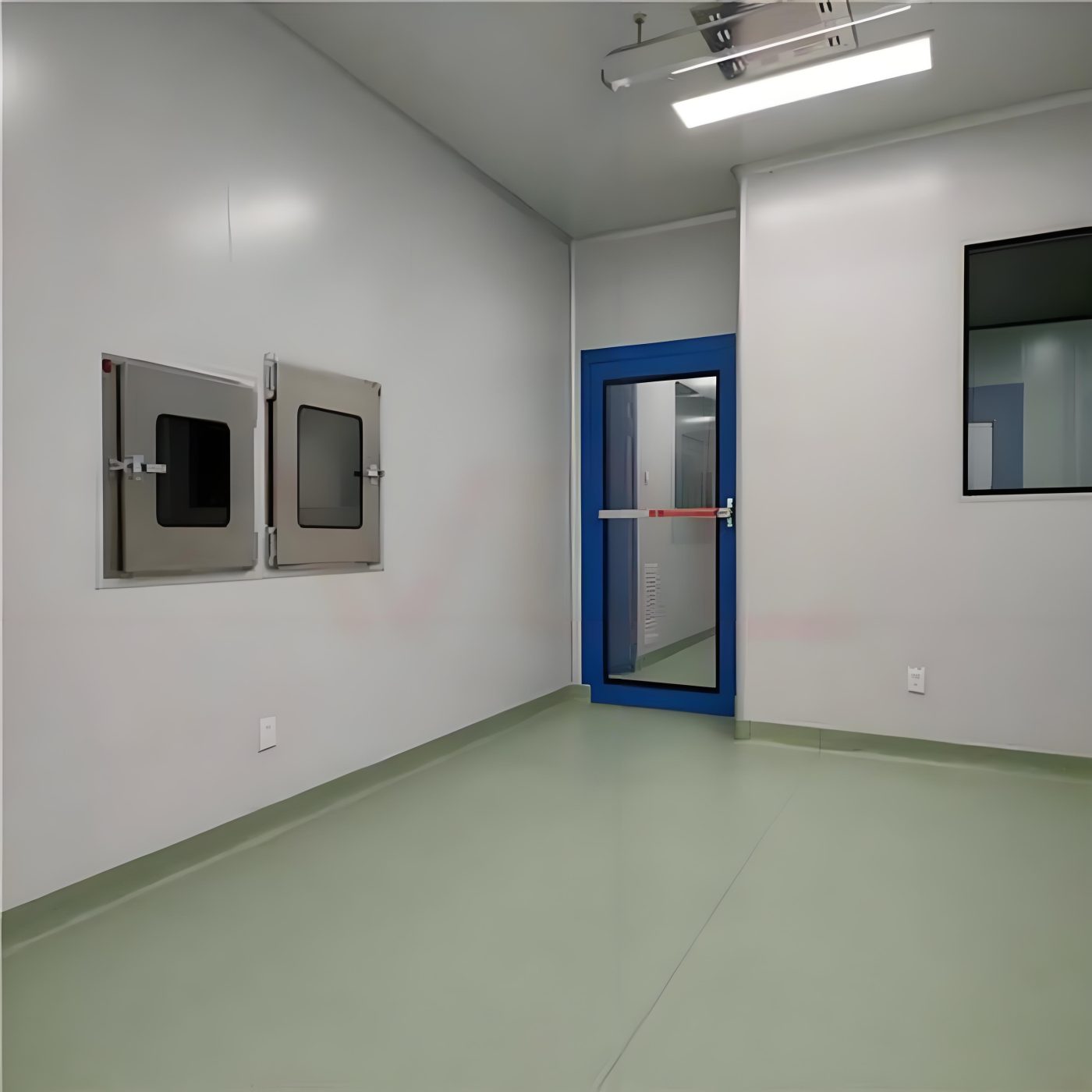
Scene of the installation of the air shower transfer window
I. Installation Construction Process (including pre-installation preparation, fixation, wiring, and acceptance)
(1) Pre-installation Preparation
Positioning and wall hole opening
Select an independent logistics partition wall, away from the air shower door, with a wall thickness matching the equipment depth;
Hole size: 10-20mm larger than the equipment outer frame to facilitate leveling and sealant application;
Wall surface leveling: vertical deviation ≤ 2mm/m, horizontal deviation ≤ 1mm/m. Hollow walls / color steel plate partitions need to be reinforced around to prevent equipment deformation and air leakage.
Box opening inspection
Check the completeness of the box body, fan, primary / high-efficiency filters, interlock door, sealing strip, ultraviolet lamp, control panel accessories;
Check that the high-efficiency filter material is undamaged, the door sealing strip is not cracked, the electromagnetic lock / mechanical lock switch is smooth;
Accessories: expansion bolts, stainless steel strips, neutral silicone sealant, decorative round corners, power cord.
(2) Main body installation fixation (core steps)
Positioning and leveling
Push the box into the wall hole, place it in the center; use a level to measure the top and side surfaces, fine-tune with stainless steel pads:
Horizontal error ≤ 1mm/m, vertical error ≤ 2mm/m;
Prevent door frame tilt, door body not tightly closed and air leakage.
Permanent fixation
Install M8 expansion bolts every 300-400mm around the box, step by step tighten to avoid squeezing the box deformation; add stainless steel decorative strips on the outside to cover the gaps.
Gap sealing (focus on the clean area)
Clean area side: Fill the frame and wall gap with non-silicone neutral anti-mold sealant, smooth the surface, and make a circular transition, without dust accumulation dead zones;
Non-clean area outside: Fill the gap with foam agent, seal with the outer decorative cover plate;
Do not open the door or blow air before the sealant is fully cured.
Electrical wiring
Independent 220V dedicated line, equipped with leakage protection switch; fan, ultraviolet lamp, interlock controller are separately wired;
Control lines are connected to the electromagnetic interlock, air blowing delay, ultraviolet timing;
Reliable grounding, the metal shell of the box is uniformly grounded to prevent static dust accumulation.
(3) Debugging and acceptance (installing must perform tests)
Interlock function test
Only one door can be opened, when opening the outer door, the inner door is forced to lock, and vice versa; during the air blowing operation, all double doors are locked and cannot be opened.
Wind speed detection
The wind speed at the outlet of the air nozzle is standard ≥ 25m/s, evenly blowing the surface of the material, without weak wind areas.
Sealing test
Smoke test: Close the double doors, smoke from the door gap, no leakage of smoke is qualified;
Pressure attenuation test: Internal pressurization 500Pa, reduction to 400Pa time ≥ 10s (high cleanliness A grade ≥ 15s).
Cleanliness verification
After the air shower operation for 10 minutes, the internal particle counter reaches the thousand-level / hundred-level / ten-thousand-level (according to the workshop grade).
Function debugging
Set the air blowing delay (standard 10-30s adjustable), ultraviolet disinfection timing (15-30min), test the automatic start-stop, buzzer prompt, lighting lamp delay extinction functions.
II. Standard Operating Procedures (Material from outside to clean area, GMP compliant process)
1. Material pre-treatment (preliminary in the clean area)
Remove all outer packaging, wipe the material surface with 0.5% peracetic acid / 75% alcohol;
Liquid and powder materials should be sealed packaged, do not directly put them in, to avoid dust pollution to the filter.
2. Complete transfer operation steps
Open the outer door (non-clean area)
Open the outer door, the inner door is locked automatically, buzzer prompt; quickly place the material, no accumulation, no blocking on both sides of the air blowing nozzle.
Close the outer door, start the self-cleaning air shower
After closing the outer door, the system automatically starts the fan to blow air, air shower time 10-30s (according to workshop regulations); During the blowdown process, both doors are fully locked and it is strictly prohibited to forcibly pry them open.
Ultraviolet disinfection (optional, mandatory in a sterile workshop)
After the blowdown is completed, turn on the ultraviolet lamp for ≥ 15 minutes to kill surface microorganisms;
⚠️ When the ultraviolet lamp is on, do not look directly at it to avoid burns.
Material collection in the clean area
After the disinfection/blowdown is fully completed, the controller unlocks the inner door; personnel in the clean area open the inner door to take away the materials and immediately close the inner door.
Reverse transfer (materials sent from the clean area to outside)
First, open the inner door to place the materials → close the inner door → automatically blow air for self-cleaning → unlock the outer door → external personnel take the materials, following the “one close, one open” interlock rule throughout the process.
3. Post-use cleaning
After the materials are taken out, wipe the inner surface of the box and the air nozzles; close all doors, turn off the fan and ultraviolet lamp, and keep the box in a sealed state.
III. Key Usage Prohibitions and Precautions
It is strictly prohibited to open both doors simultaneously, which will cause air flow reversal in the clean area, damage the pressure difference, and cause large-scale contamination; interlock failure should be immediately stopped and repaired.
During the blowdown process, it is strictly prohibited to forcibly pry the doors, which will damage the electromagnetic lock and sealing strip, and damage the seal.
Do not place oversized materials that are not compliant with the size into it, as it will block the air nozzle and reduce the dust removal effect and block the high-efficiency filter.
The ultraviolet lamp is only used for disinfection of the sealed box, and it is not allowed to turn it on when the door is open to prevent damage to the eyes and skin of personnel.
Corrosive and strong dust materials must be double-sealed to avoid contaminating the high-efficiency filter and shortening the replacement cycle.
Materials should not be stored for a long time in the transfer window, and they should be cleared out immediately after use to prevent the accumulation of dust and the growth of bacteria.
IV. Daily Maintenance Accessories (Installation and Use Management)
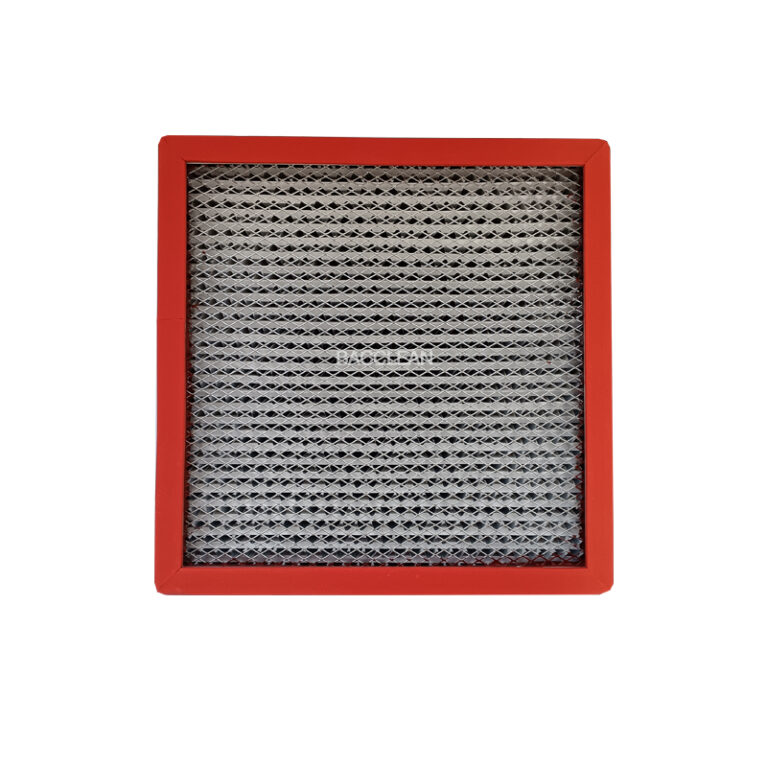
Primary efficiency filter: Clean and replace monthly, blocking large particles of dust to protect the high-efficiency filter;
High-efficiency HEPA filter: Conduct leak detection and replacement every 6-12 months; replace immediately if there is leakage or a decrease in wind speed;
Sealing strip: Check weekly; replace if hardened or damaged to ensure sealing;
Ultraviolet lamp: Replace after a cumulative use of 800 hours, and regularly test the ultraviolet intensity;
Fan: Check for abnormal noise and speed monthly, clean the dust on the fan blades;
Box: Daily wipe the inner wall, door body, and observation window with a dust-free cloth and disinfectant.
