
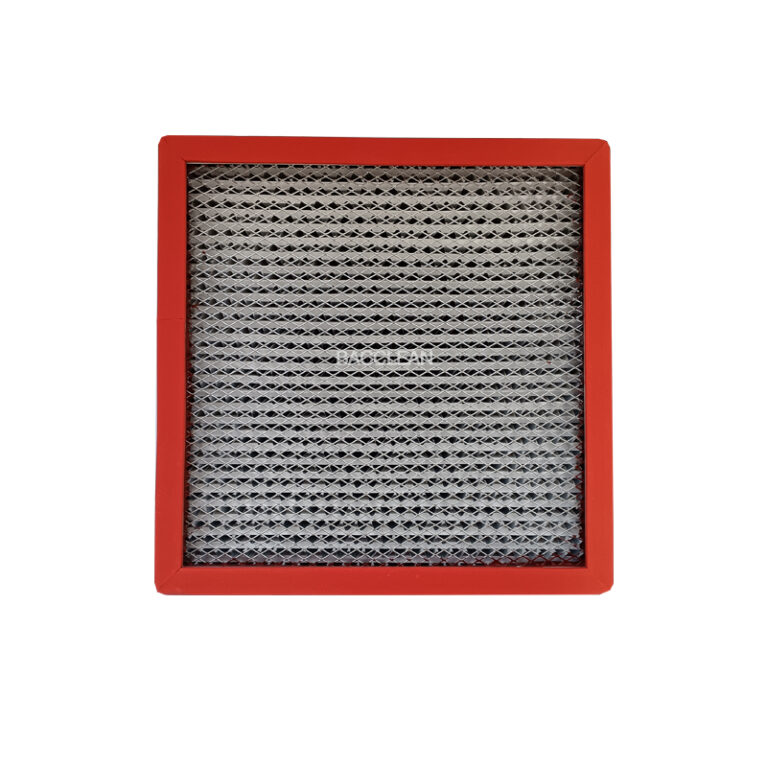
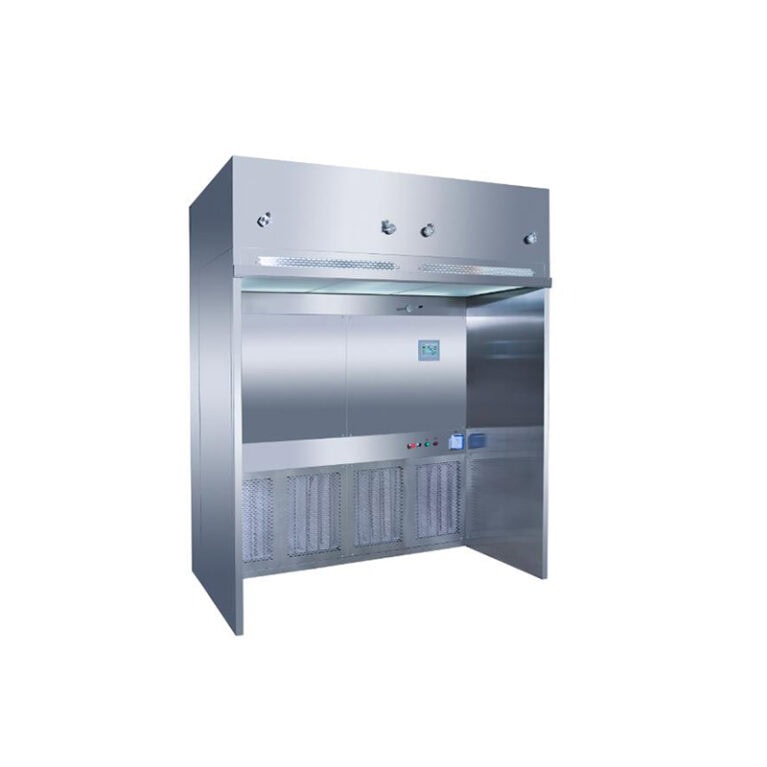
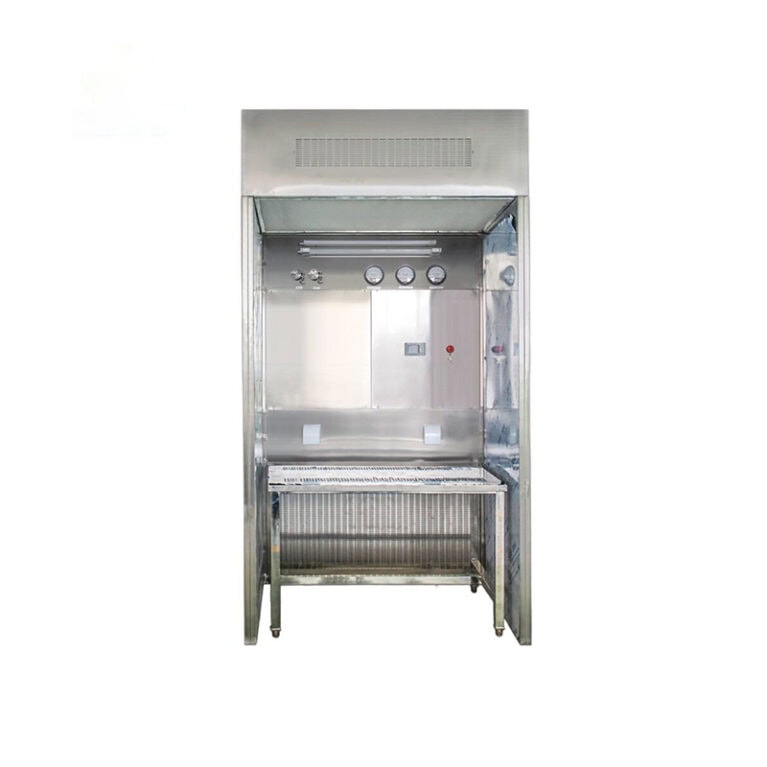
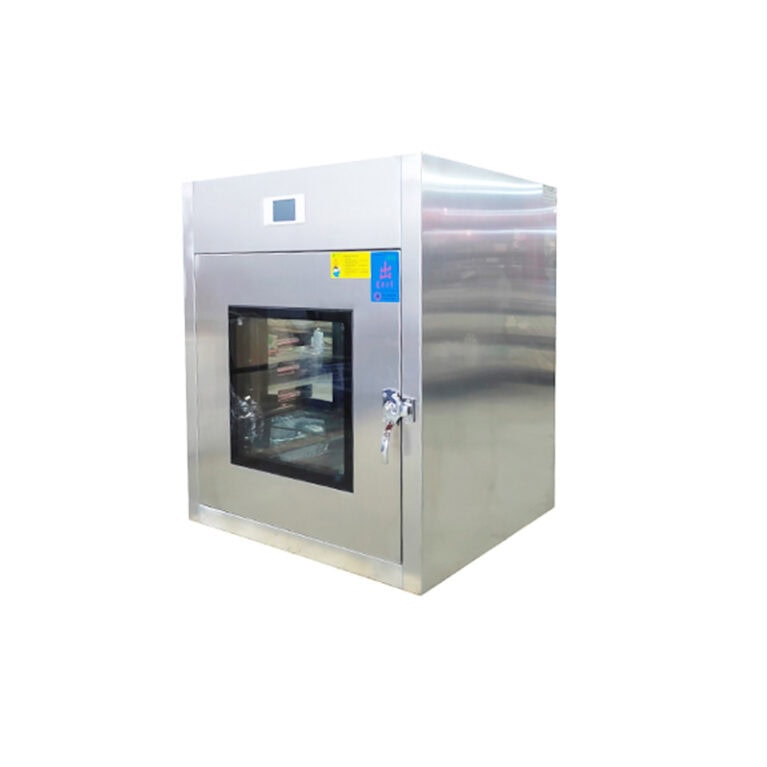
FFU clean workshops adopt an air‑circulation pattern with distributed ceiling‑mounted air supply and lower‑side air return. Layout follows the core principles: uniform arrangement, enhanced density for key zones, and partition‑based airflow control. FFUs are evenly deployed across the whole ceiling to guarantee baseline air‑change rates. Denser FFU arrangement is applied above core production zones, open‑material operation zones and high‑person‑density working areas to boost local air volume and cleanliness performance.
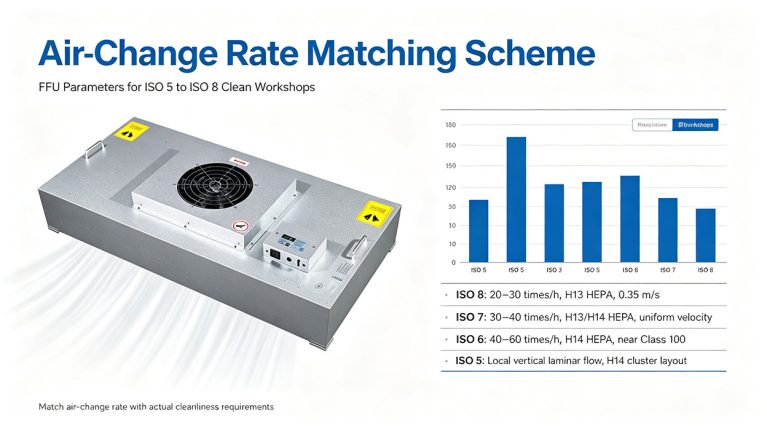
ISO Class 8 (Class 10 000) Clean Workshop: Applied to general electronic assembly, food packaging and auxiliary warehouse areas. Standard air‑change rate: 20‑30 times/h. FFUs are arranged in regular uniform distribution with H13‑grade HEPA filters; air velocity maintained at approximately 0.35 m/s to satisfy working conditions. Excessive dense deployment is not required for energy‑cost control.
ISO Class 7 (Class 1 000) Clean Workshop: Applied to medical‑device manufacturing, cosmetic filling and precision‑component processing. Standard air‑change rate: 30‑40 times/h. FFUs are densely arranged over the whole ceiling, with secondary density enhancement for core‑process zones, to ensure uniform air velocity across the workshop, eliminate clean‑zone dead corners, and stably control particle and microorganism levels.
ISO Class 6 (Class 100 transition zone) Clean Workshop: Applied to precision optical inspection and high‑end electronic packaging. Air‑change rate: 40‑60 times/h. Fully‑covered layout of H14‑grade FFUs delivers constant‑velocity air supply to achieve near‑Class 100 cleanliness across the workshop.
ISO Class 5 (Class 100) Local Clean Zone: Cannot be realized by overall‑workshop renovation. High‑density clusters of H14‑grade FFUs shall be deployed to form local vertical laminar‑flow zones for high‑requirement scenarios such as aseptic sampling and chip inspection.
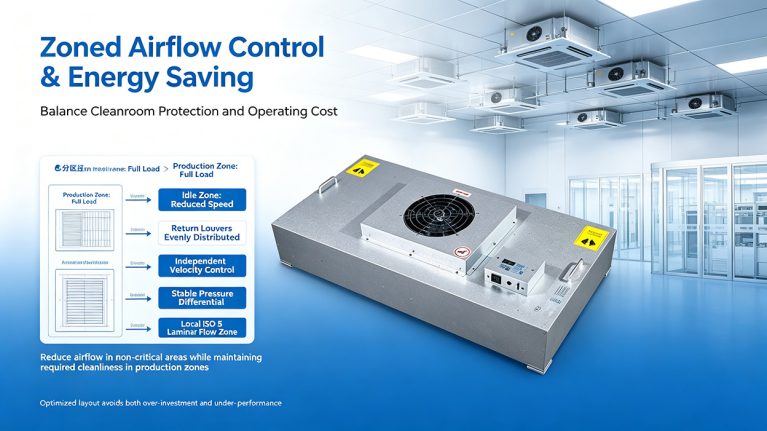
Key layout optimization points: FFU installation shall avoid ceiling lamps, maintenance access openings and fire‑protection facilities to ensure uniform air supply. Return‑air louvers shall be evenly distributed to prevent airflow accumulation caused by poor local return‑air performance. Independent air‑speed control shall be configured for different functional zones: reduce air speed in idle zones while running at full load for production zones, to realize dual targets of energy saving and qualified cleanliness.
