Negative Pressure Laminar Flow Workbench VS Vertical Flow Ultra-clean Workbench – Core Differences in Working Principles
1. The fundamental pressure difference is completely opposite (the most essential difference)
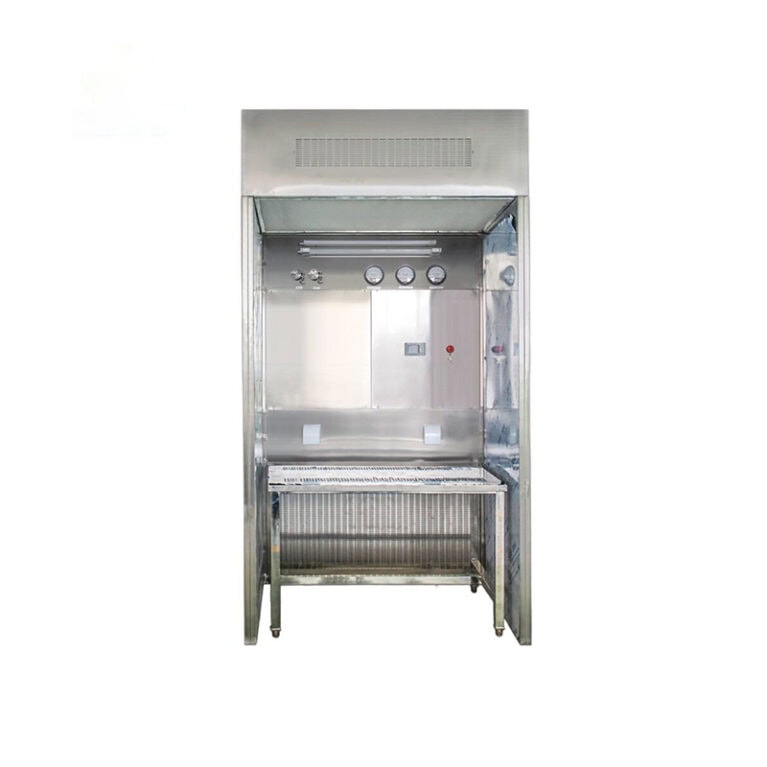
1. Ordinary Vertical Flow Workbench (Positive Pressure Type)
Inside the cabinet: The air pressure is higher than that of the external room, creating positive pressure;
The fan sucks in air from the interior and sends it down vertically through the top HEPA filter;
The clean air fills the operation area, and the internal positive pressure keeps the outside dirty air outside;
The excess air is directly discharged from the front operation opening and the bottom diffuser board back into the room, without an independent negative pressure suction channel.
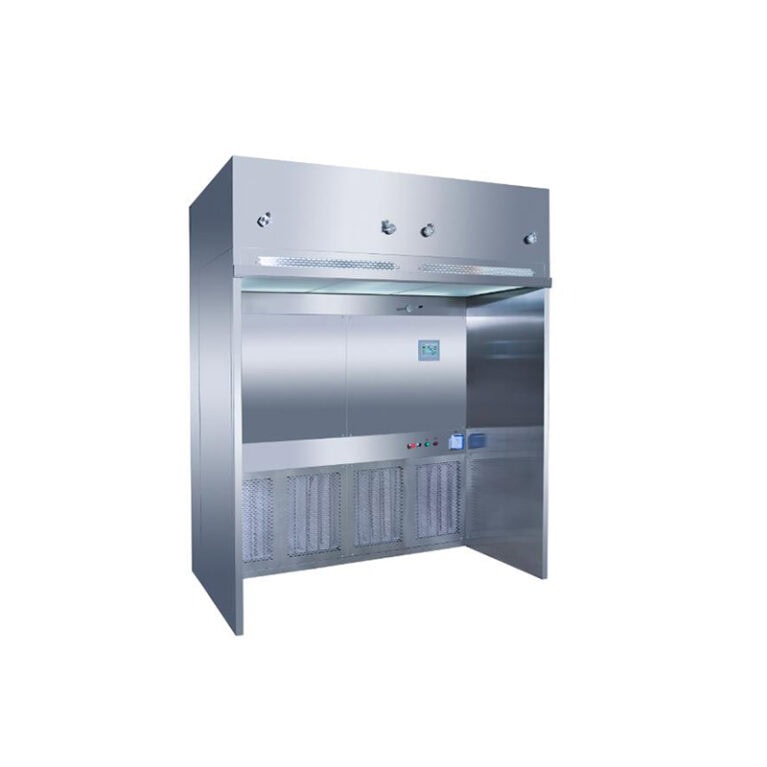
2. Negative Pressure Laminar Flow Workbench (Negative Pressure Weighing Bench / Negative Pressure Workbench)
Inside the cabinet: The air pressure is lower than that of the external room, maintaining negative pressure;
Two independent air paths: laminar flow supply + negative pressure exhaust, dual fan system;
Top supply: Air is filtered and sent down vertically to ensure the cleanliness of the work surface (the same as vertical flow laminar flow);
Window air supply: The peripheral air of the operation opening continuously sucks in air to form a sealed air curtain, preventing dust and aerosols from spilling outwards;
All contaminated air is sucked into the bottom exhaust duct and filtered by the exhaust HEPA, then recycled indoors or discharged outdoors.
2. Comparison of Airflow Direction
Airflow path of Vertical Flow Workbench
Indoor air → Top primary + high-efficiency filter → Vertical laminar flow covering the work surface → Discharged directly from the front window and the bottom diffuser board into the laboratory room
Defect: The raised powder and aerosols will be carried by the external leakage airflow and spread to the outside, harming the operator.
Airflow path of Negative Pressure Laminar Flow Workbench
Two air flows are separated:
Clean protection airflow: Indoor air → Supply HEPA → Vertical downward blowing to protect the product from contamination;
Pollution capture airflow: Peripheral air of the window is continuously sucked in → Enters the bottom duct → Exhaust HEPA filtration → Released after meeting standards
Advantage: Any dust is sucked inward, and will not leak out.
3. Differences in Filter System
Vertical Flow Workbench
Only a single-stage supply HEPA, no exhaust filtration; the air is filtered only once, and the exhaust air is no longer processed.
Negative Pressure Laminar Flow Workbench
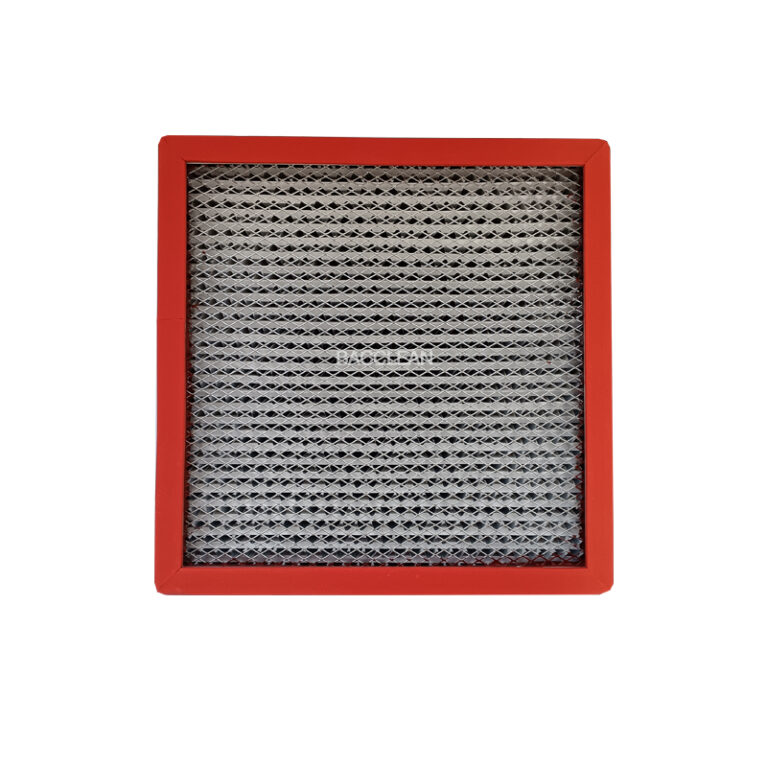
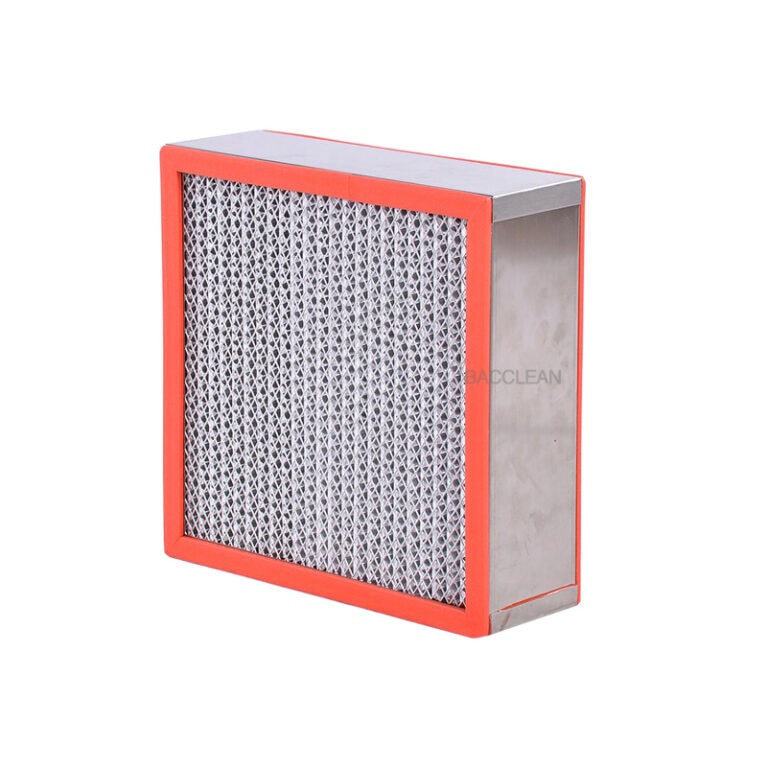
Double high-efficiency filtration: Supply HEPA (protecting the sample) + Exhaust HEPA (intercepting toxic dust and microorganisms); additional activated carbon filter can be installed in active conditions to adsorb volatile toxins.
4. Different Protective Logic Principles
Vertical Flow: Externally isolate pollution
Depend on the internal positive pressure to block the outside dust from entering the cabinet, only protecting the product; has no retention capacity for the pollutants generated by the operation.
Negative Pressure Laminar Flow: Internally capture pollution
Negative pressure suction locks the dust and aerosols generated in the operation area, while the vertical laminar flow isolates the outside dust, and protects the sample, operator, and laboratory environment at the same time.
5. Differences in Supporting Control Principles
Vertical Flow: Only monitors supply air volume, no negative pressure monitoring, no leakage alarm;
Negative Pressure Laminar Flow: Standardized with negative pressure pressure gauge, negative pressure loss sound and light alarm, immediately alerts if negative pressure is insufficient, preventing dust leakage; the cabinet has a fully sealed structure, reducing air leakage.
6. Simplified Summary of Principle Differences
Pressure difference: Vertical Flow positive pressure outward; Negative Pressure Laminar Flow negative pressure inward;
Air path: Vertical Flow single air path; Negative Pressure Laminar Flow supply + exhaust dual air path;
Filtering: Vertical Flow single-stage filtering; Negative Pressure Laminar Flow double high-efficiency filtering;
Protective logic: Vertical Flow only blocks outside dirty air; Negative Pressure Laminar Flow blocks outside dust and also sucks away internal harmful dust.