
1. Basic Working Principle
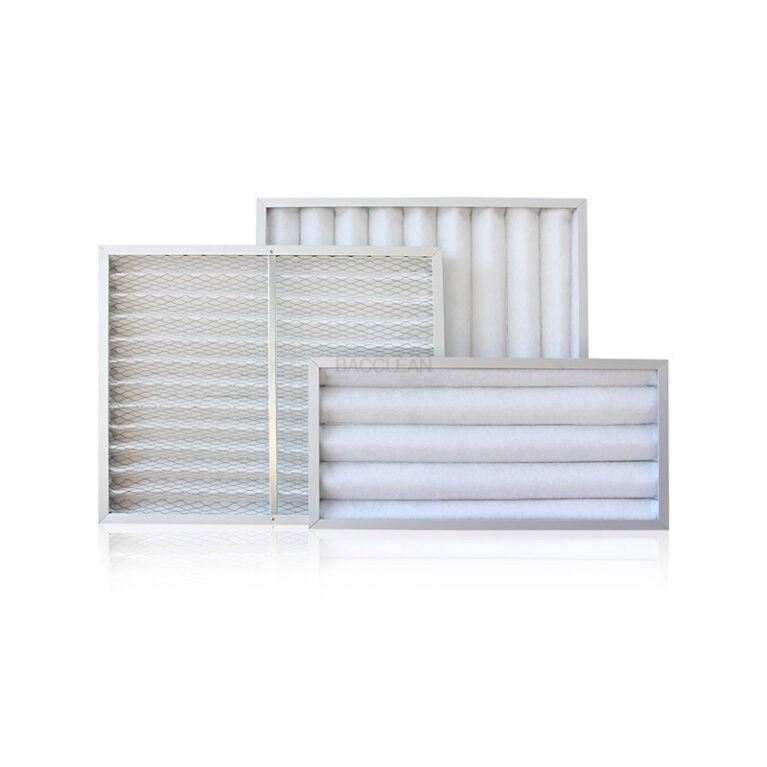
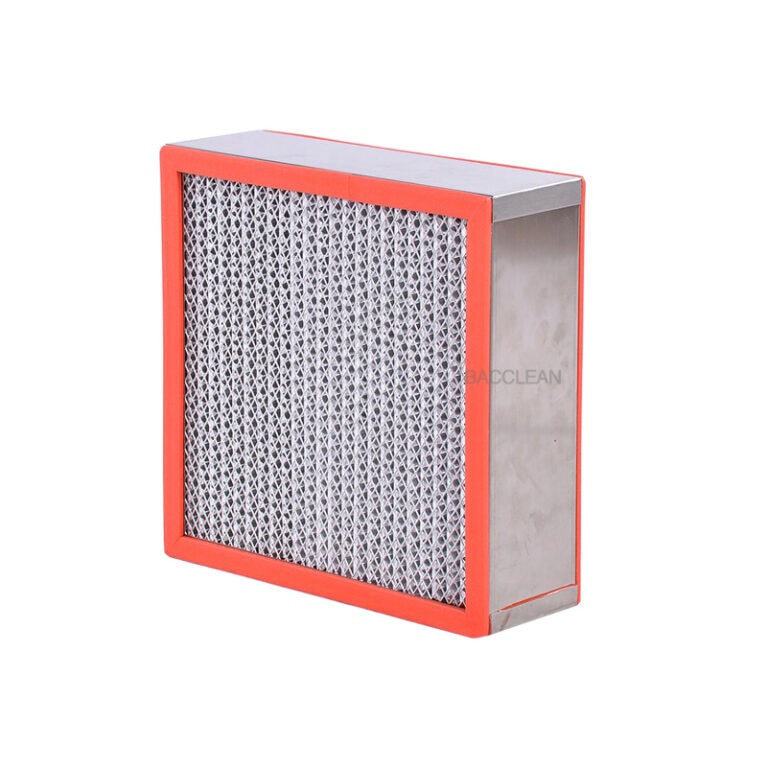
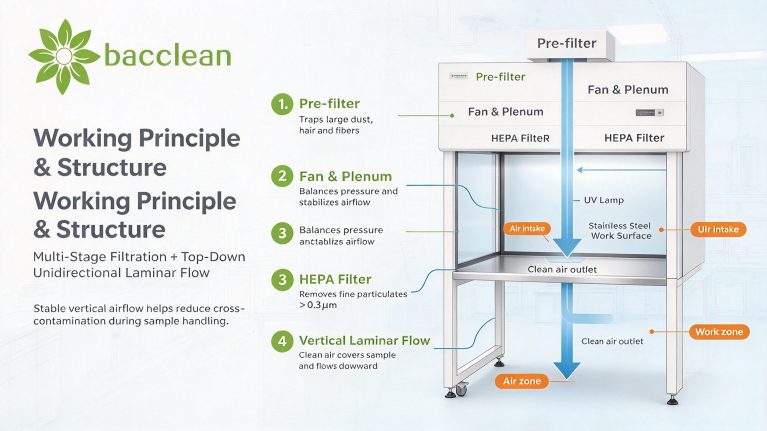
The core principle of clean bench can be summarized as multi-stage filtration + unidirectional laminar flow. When the equipment runs, indoor air first passes through the pre-filter to trap large dust, hair, fiber and other particles. Then the centrifugal fan sends air into the plenum chamber, which balances pressure, stabilizes airflow and reduces noise. Air then goes through HEPA filter for final fine filtration, achieving high removal efficiency for particles ≥0.3μm. The purified clean air blows vertically down to the work surface at a stable and uniform speed, carrying away dust and microbial particles inside the working area, and forming a local high-cleanliness environment.
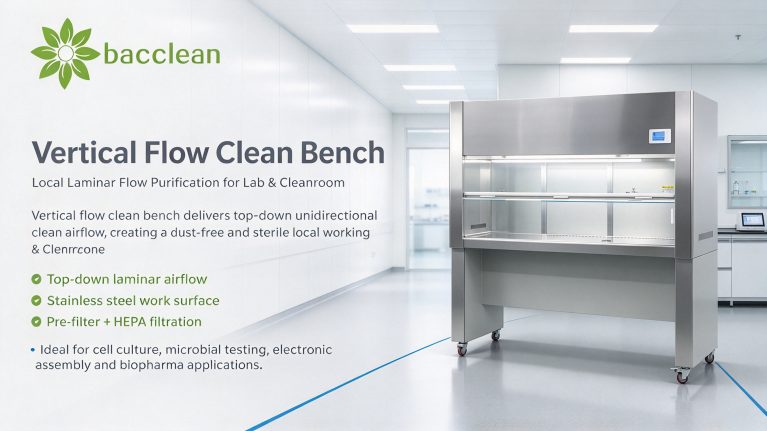
The airflow of vertical flow clean bench flows top-down as unidirectional flow. Clean air is evenly discharged from the outlet surface of the top filter, vertically covering the operation area, and then exhausted around or at the bottom near the work surface. This airflow organization reduces horizontal cross-contamination and lowers the risk of particles falling onto samples. It is suitable for scenarios where petri dishes, reagent bottles, electronic components and other items are frequently placed.
2. Main Structure
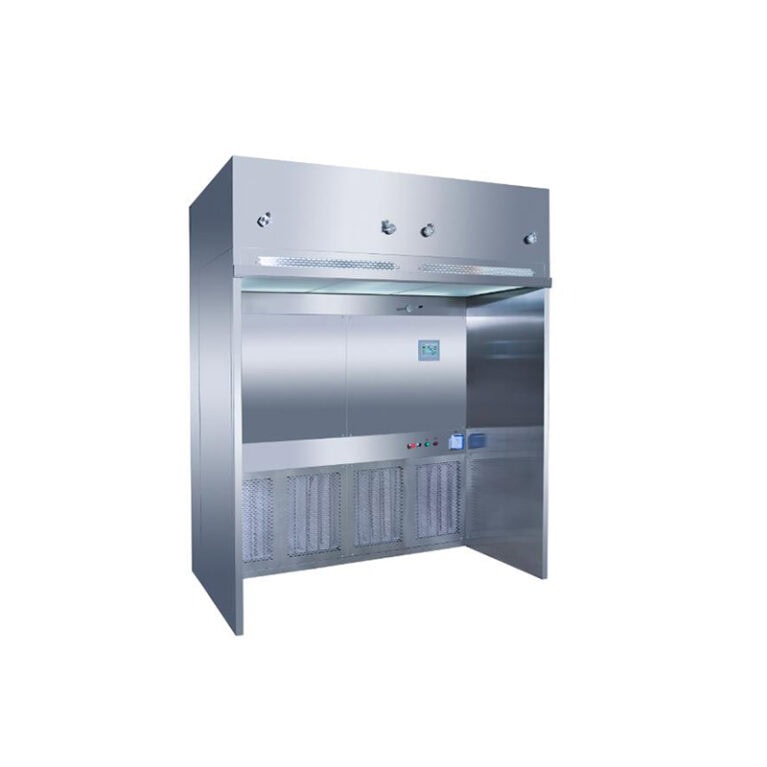
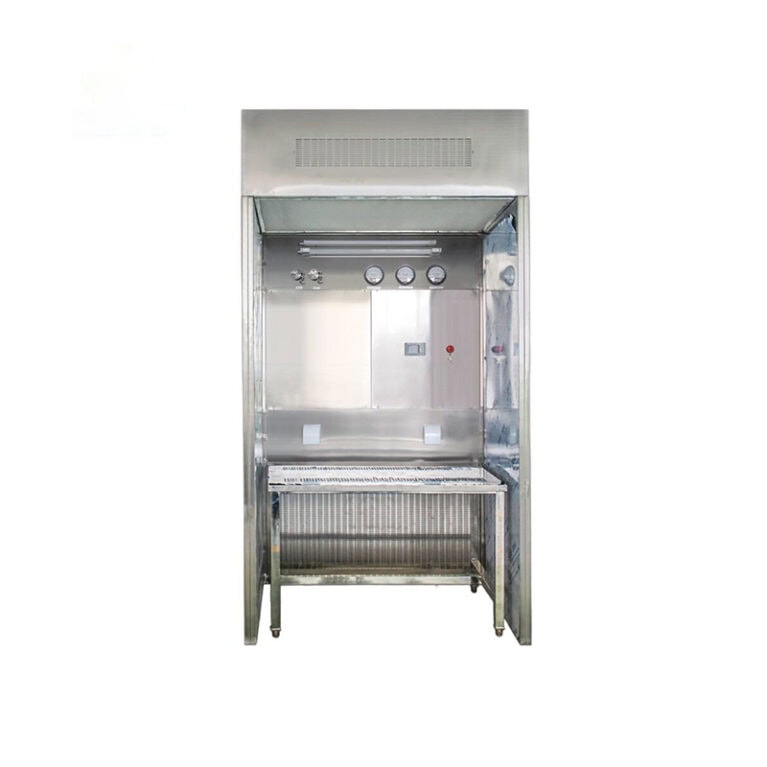
A typical vertical flow clean bench consists of the following parts:
-
Cabinet & Work Surface: The cabinet is generally made of cold-rolled steel with powder coating or stainless steel. The work surface is usually stainless steel, corrosion-resistant and easy to clean for long-term use in clean rooms and laboratories.
-
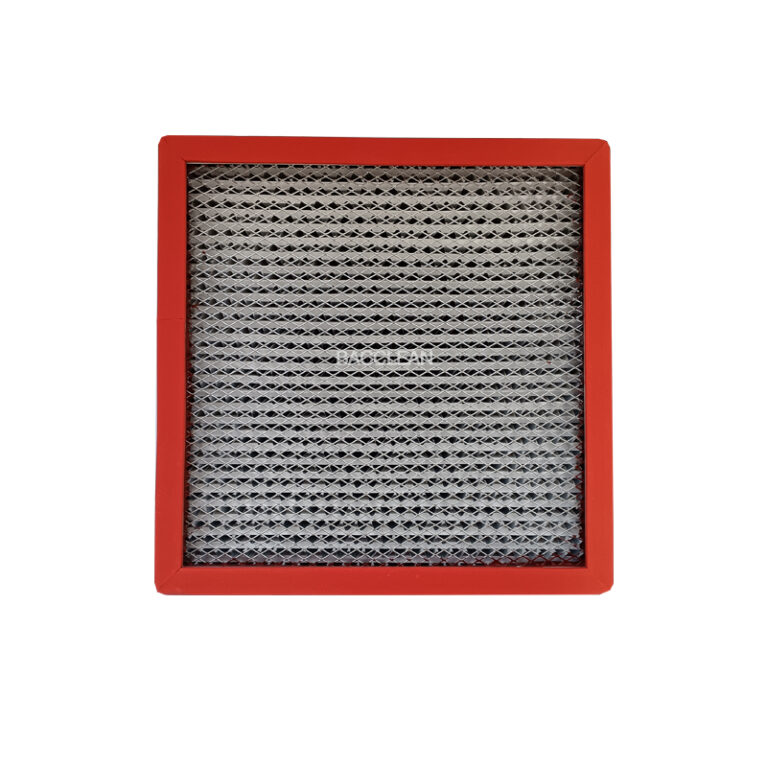
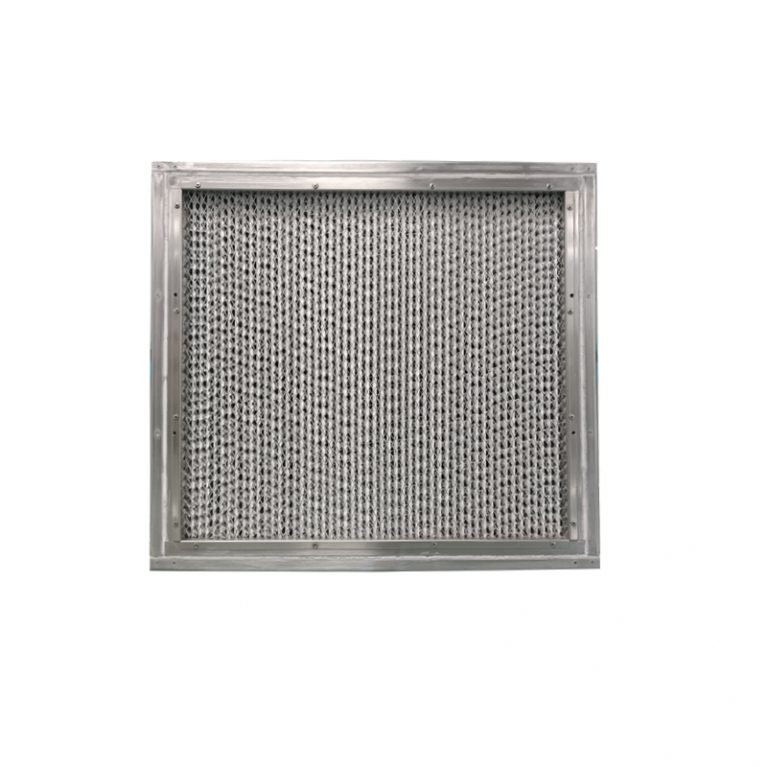
Filtration System: Including pre-filter and HEPA filter. The pre-filter protects HEPA filter and extends its service life; HEPA filter is the key component to guarantee cleanliness of working zone.
-
Fan & Plenum Chamber: The fan provides air supply power. The plenum chamber balances airflow and reduces noise, ensuring clean air evenly covers the working area.
-
Front Window & Operation Opening: The front window is usually transparent tempered glass with adjustable opening height, convenient for operation and reducing disturbance from external airflow.
-
Lighting & UV Disinfection System: Illuminating lamp for daily operation. UV lamp disinfects the work surface before operation. UV lamp must be turned off during operation to avoid human injury.
-
Control System: Modern units are equipped with fan speed regulation, light control, UV timing, air speed display, filter differential pressure alarm and other functions for operation management and routine maintenance.
3. Vertical Flow VS Horizontal Flow Clean Bench
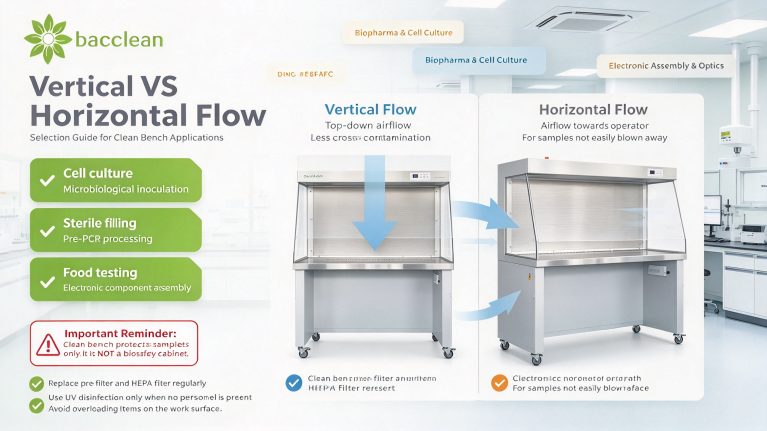
Clean benches are mainly divided into vertical flow and horizontal flow types according to airflow direction. Both can provide local clean environment, but differ in airflow organization and applicable scenarios.
For horizontal flow clean bench, airflow blows horizontally from the rear or side wall towards the operator. It has a short airflow path, suitable for samples with high cleanliness requirement and not easy to be blown away by airflow. For vertical flow clean bench, airflow flows from top to bottom. Clean air covers samples first and then discharges downwards. It helps reduce cross-contamination between different samples, and fits operations with tall utensils or large working space.
In selection, vertical flow clean bench is preferred if samples are sensitive to dust and microbial contamination and interference from operator’s hands/cuffs needs to be minimized. Horizontal flow type can be selected according to process requirements when operation space is limited and horizontal airflow interference is acceptable.
4. Application Scenarios & Selection Tips
Vertical flow clean bench is widely used in cell culture, microbiological inoculation, sterile filling, pre-PCR processing, food microbiological testing, clean assembly of electronic components, optical component protection and other processes. It provides stable local clean environment, reduces sample contamination risk and improves controllability of experiments and production.
During selection, focus on working zone size, cleanliness class, filter efficiency, air velocity uniformity, noise level, front window adjustment method, material corrosion resistance, control functions and installation environment. For high-demand scenarios such as biopharmaceuticals and medical inspection, confirm whether the equipment complies with relevant industry standards and verify convenient replacement and maintenance of HEPA filters.
5. Operation & Maintenance Notes
Although vertical flow clean bench provides local clean environment, it only protects samples, NOT equivalent to biosafety cabinet. Biosafety cabinet with personnel protection function must be adopted for operations involving pathogenic microorganisms, toxic chemicals or high-risk aerosols.
For daily operation: Turn on UV lamp to disinfect the working zone before use. Keep the fan running continuously during operation, avoid frequent large movement of arms to disturb laminar flow. Do not place items too densely on the work surface to prevent damaging laminar effect. The pre-filter shall be cleaned or replaced regularly. HEPA filter shall be inspected and replaced according to differential pressure, air velocity and service condition. Clean and disinfect the work surface, side walls and glass window before and after each use to maintain stable long-term operation.
Vertical flow clean bench is common equipment in clean rooms and laboratories. It achieves stable local laminar purification with a relatively simple structure. Understanding its top-down airflow principle and filtration path helps engineers select, operate and maintain equipment properly to realize sample protection and clean process control.
