
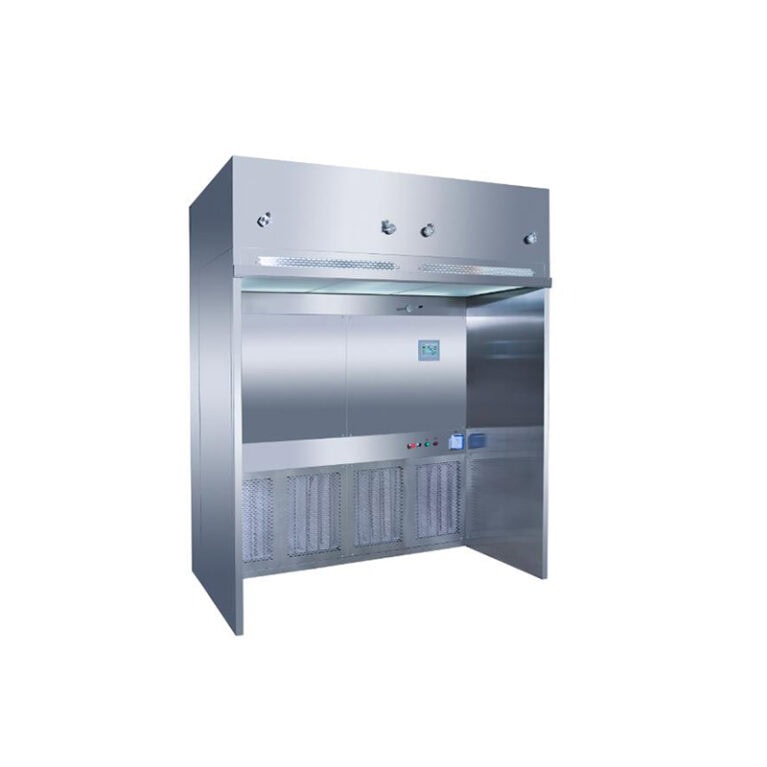
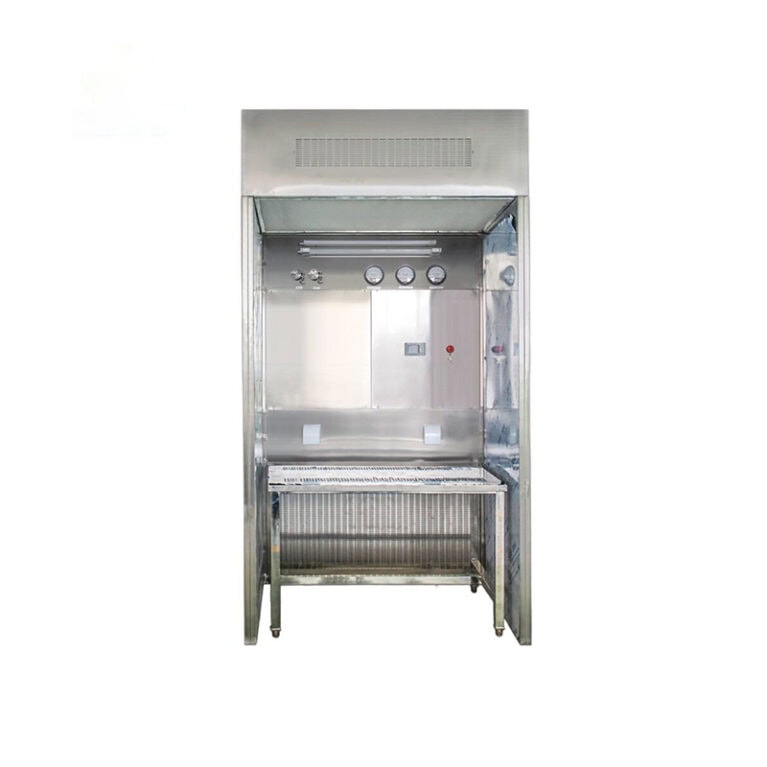
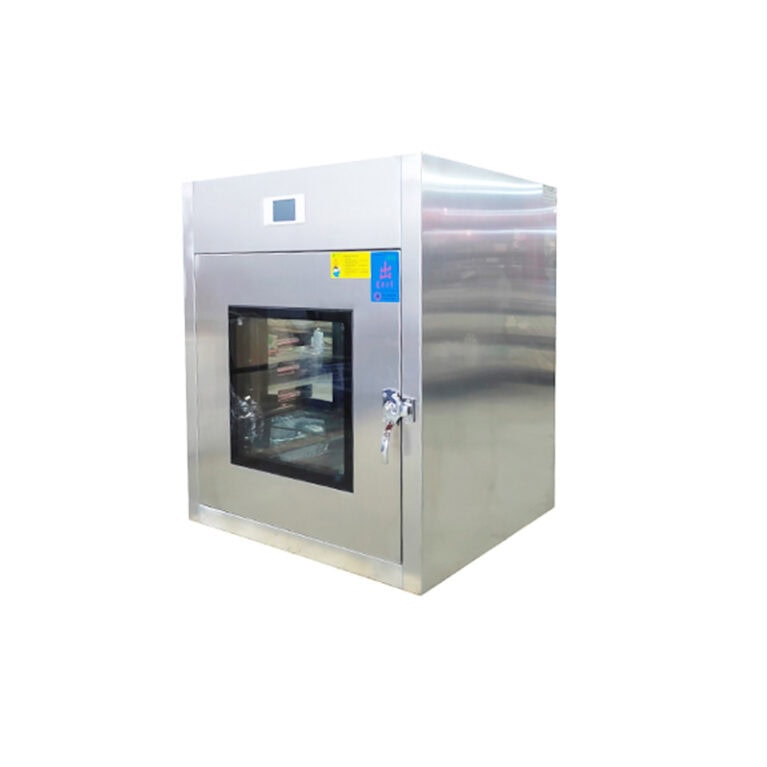
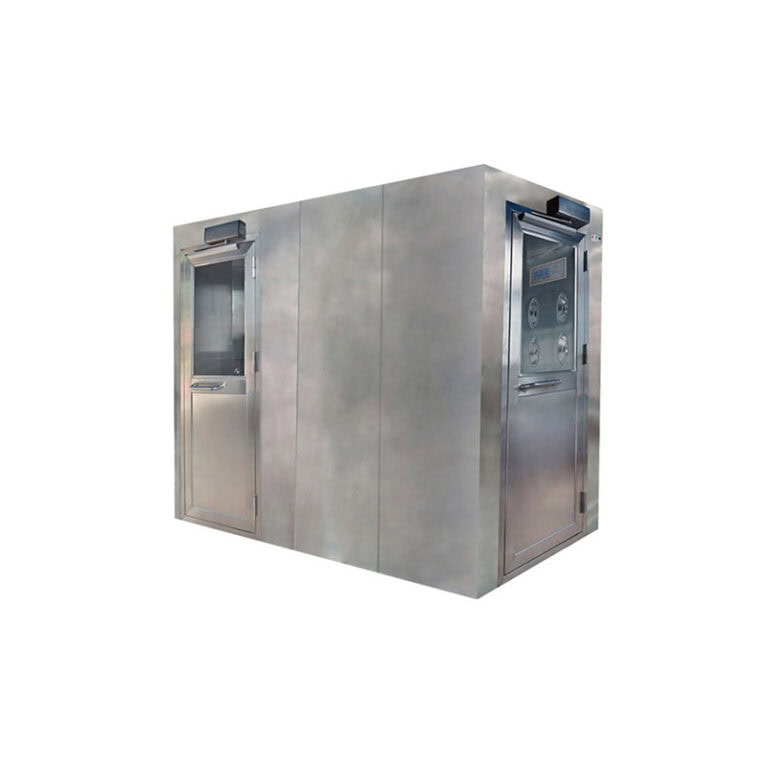
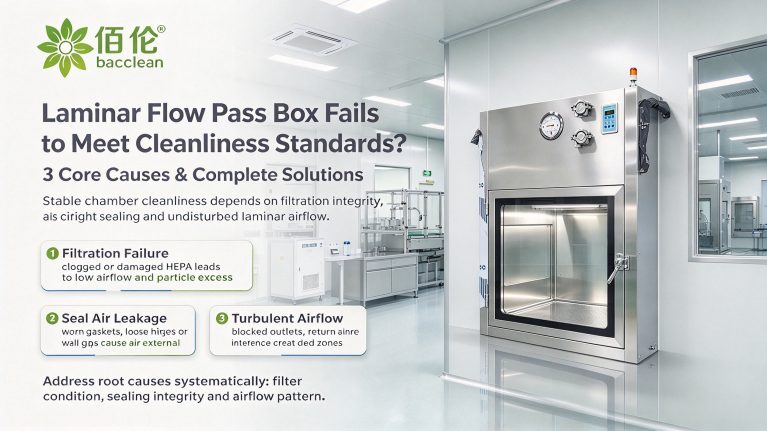
When confronted with abnormal cleanliness, most cleanroom maintenance staff tend to blindly replace filters or perform frequent disinfection and cleaning, yet fail to solve the root cause. Combined with ISO 14644 cleanroom standards and on-site operation & maintenance experience in the industry, faults causing substandard cleanliness of laminar flow pass boxes are highly concentrated in three categories: failed filtration systems, air leakage and cross-gas via poor sealing, and disturbed airflow patterns. This article analyzes the symptoms, root causes, step-by-step troubleshooting methods, and long-term preventive plans for each fault, helping enterprises quickly locate and thoroughly resolve abnormal cleanliness issues.
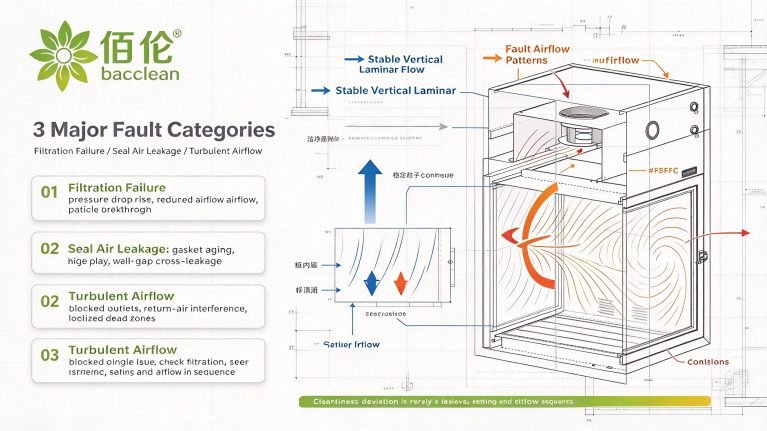
1. Failed Filtration System: Degraded Core Purification Capacity (Most Frequent Cause)
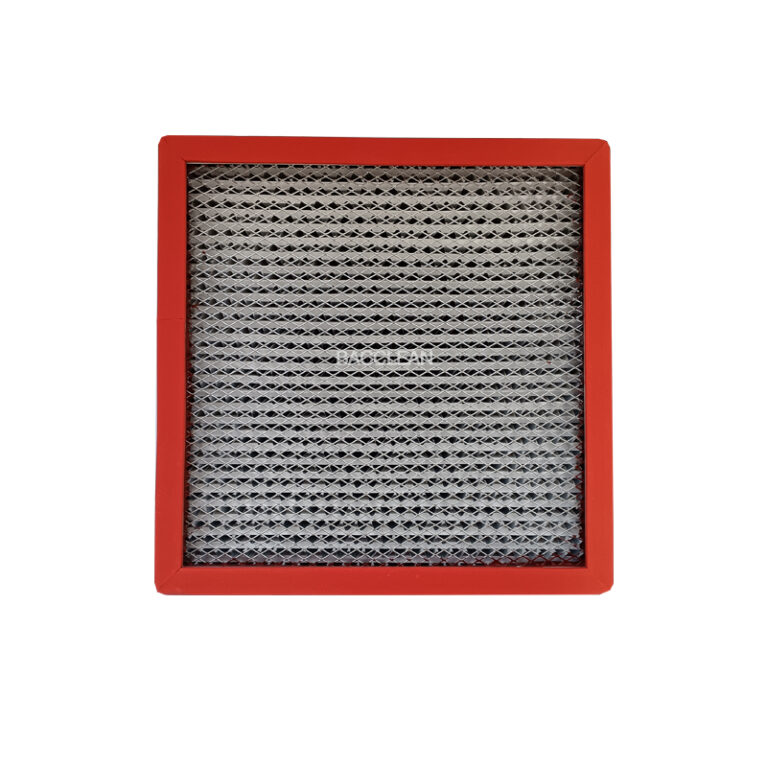
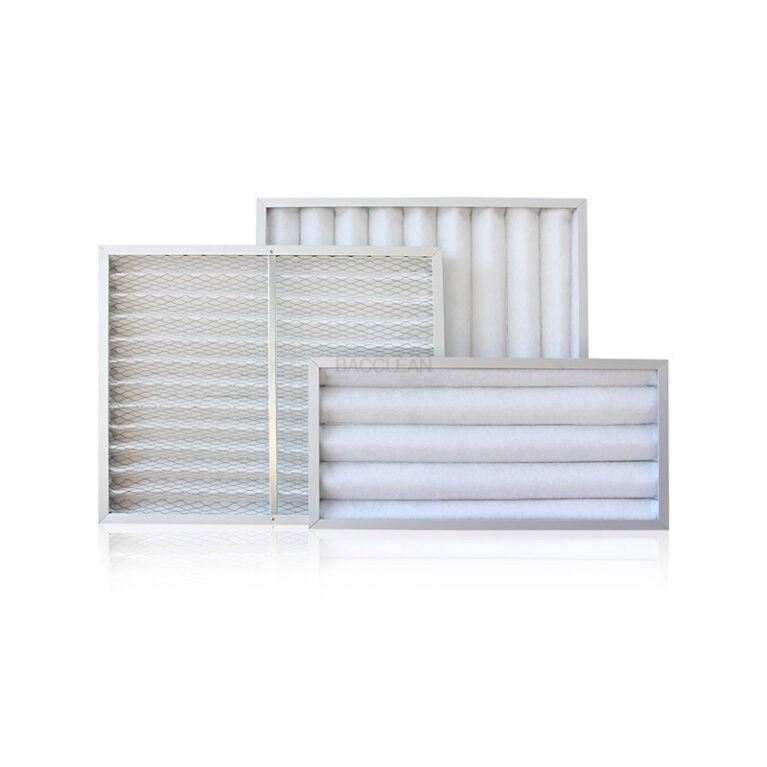
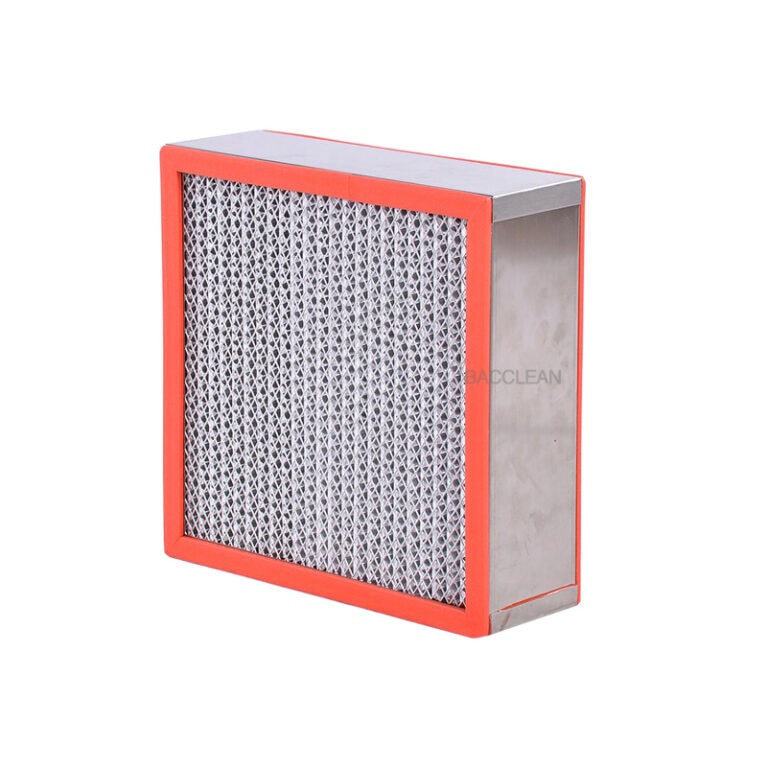
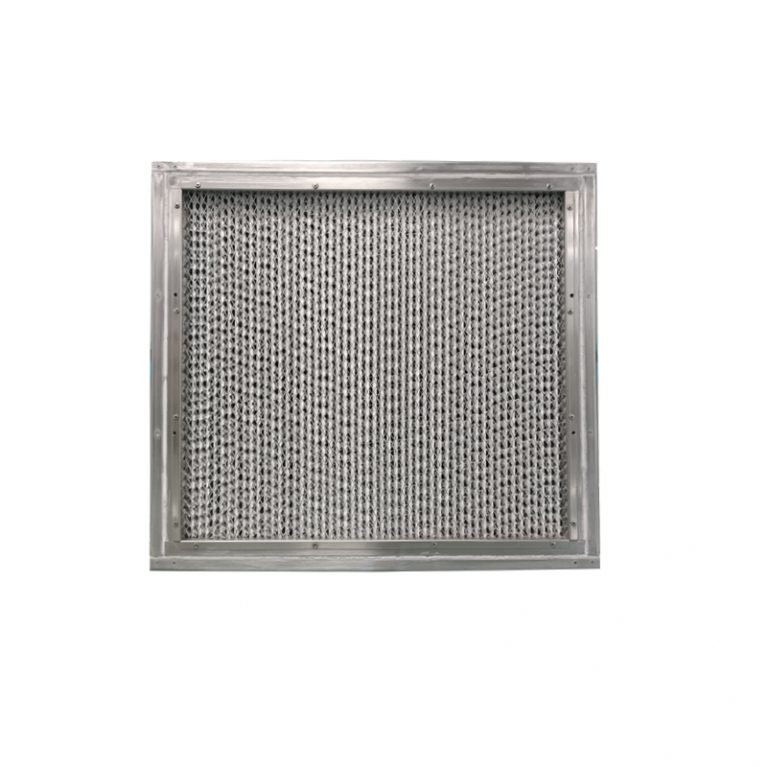
The filtration system, consisting of pre-filters, HEPA filters and sealing frames, is the core to achieve cleanliness compliance for laminar flow pass boxes, and also the primary source of cleanliness excess faults for equipment in long-term operation. For most equipment that has been in service for a long time, abnormal cleanliness is mostly related to wear, damage or clogging of the filtration system.
Fault Symptoms
-
Continuously high suspended particles inside the chamber and failed static testing;
-
Obviously reduced wind speed and uneven air outlet during equipment operation;
-
Abnormally high differential pressure readings and filter clogging alarms;
-
Cleanliness still fails to reach the standard after repeated disinfection.
Step-by-Step Solutions
-
Rapid Inspection: Check the readings of the differential pressure gauge on the equipment first. A continuously rising differential pressure indicates filter clogging. Use an anemometer to test the uniformity of air outlet in the chamber and locate local areas with no or weak airflow.
-
Basic Maintenance: Regularly remove and clean the pre-filter screen to remove surface dust and debris, restore the air intake capacity of the equipment, and reduce the operating load of the HEPA filter.
-
Overhaul and Reassembly: Conduct PAO leak testing on HEPA filters to check for leakage at the frame and filter media. Retighten the pressure frame and adjust the sealing gasket to eliminate short-circuit airflow.
-
Replace Matching Filter Elements: Timely replace clogged, damaged or expired HEPA filters with filter elements of the same grade. H14 grade is suitable for high-cleanliness zones, while H13 grade applies to conventional clean areas to ensure the filtration performance matches the workshop working conditions.
Long-Term Prevention
Establish a periodic maintenance log. Clean the pre-filter screen every 1–2 months. Perform leak detection on HEPA filters regularly and replace them as required according to service frequency and ambient dust concentration, instead of rigidly following a fixed replacement cycle. Adjust the maintenance plan flexibly based on actual working conditions to avoid filtration failure from the source.
2. Air Leakage & Cross-Air via Poor Sealing: Cross-Contamination of Internal and External Air (Most Easily Overlooked Cause)
A laminar flow pass box relies on a sealed chamber to achieve local clean isolation. If the sealing structure of the equipment fails, unclean external air will continuously infiltrate into the chamber. Even if the filtration system remains intact, the cleanliness will still fail to meet requirements, which is a hidden fault most easily ignored during workshop maintenance.
Fault Symptoms
-
Cleanliness meets the standard right after equipment startup, but particle concentration rises rapidly after a period of operation;
-
The recovery speed of cleanliness is extremely slow after door opening and closing;
-
Sharp fluctuation of chamber cleanliness when connecting high and low cleanliness zones, failing to maintain a stable grade.
Root Causes
-
The silicone sealing strips on cabinet doors wear, harden, crack or fall off after frequent opening and closing for a long time, creating tiny gaps at door seams for infiltration of external air.
-
Loose door hinges and offset door lock fasteners lead to incomplete door closure without full tight sealing.
-
Unsealed gaps between the equipment and the wall during installation allow airflow cross-leakage between clean and non-clean zones through mounting gaps.
-
Failure of the interlock system of dual doors, enabling both doors to open simultaneously during operation and resulting in large-scale cross-air contamination.
Step-by-Step Solutions
-
Comprehensive Leak Inspection: Inspect the sealing strips on the door frame section by section to check for aging, deformation and air leakage gaps. Meanwhile, verify the integrity of the sealant at the connection between equipment and wall.
-
Repair and Replace Accessories: Replace aged and damaged sealing strips, adjust door hinges and door lock positions to ensure the door closes tightly without loose gaps. Repair and debug the dual-door interlock device to prevent non-compliant working conditions where both doors open at the same time.
-
Seal Gaps: Reapply sealant to block installation gaps and process holes between the equipment and wall, cut off cross-zone air leakage channels, and ensure the chamber is fully independent and airtight.
-
Optimize Working Conditions: Standardize operating procedures, prohibit keeping doors open for a long time or bypassing interlock operations, and reduce the convection time between the chamber and polluted external air.
Long-Term Prevention
Carry out a special inspection of the sealing structure every quarter, focusing on checking the status of sealing strips, hinges and interlock devices. Replace aging accessories in advance and repair cracked sealant in a timely manner to prevent cleanliness hazards caused by long-term air leakage through tiny gaps.
3. Disturbed Airflow Pattern: Disrupted Laminar Flow Environment (Frequent Issue During Commissioning & Operation)
The core of cleanliness for laminar flow pass boxes lies in stable vertical unidirectional laminar airflow. Turbulent dead zones formed by chaotic airflow will trap suspended particles that cannot be exhausted out of the chamber, leading to continuous particle accumulation and sedimentation, and directly resulting in failed cleanliness testing. This fault mostly occurs after new equipment commissioning, working condition changes or non-standard operation.
Fault Symptoms
-
Particle excess in partial areas of the chamber and uneven cleanliness distribution;
-
Disturbed air outlet with obvious turbulence inside the equipment;
-
Accumulated dust in local dead corners that cannot be removed after disinfection and cleaning, causing repeated excess of microorganisms and particles.
Root Causes
-
Abnormal fan rotating speed and accumulated dust inside the air duct lead to uneven outlet wind speed and offset airflow direction, failing to form stable vertical laminar flow.
-
Non-compliant material placement: overstacking blocks air outlets and return air zones, cutting off airflow circulation and forming clean dead corners.
-
Disturbed overall airflow and pressure difference of the workshop: the full-domain air supply of FFU conflicts with the airflow of the pass box, disrupting the laminar flow environment inside the chamber.
-
Condensation in the chamber and filter media under high-humidity conditions increases airflow resistance, reduces airflow circulation efficiency and facilitates adhesion and accumulation of fine particles.
Step-by-Step Solutions
-
Airflow Commissioning: Test the operating status of the fan and uniformity of wind speed, clean up dust and debris accumulated in the air duct, calibrate the air outlet direction to ensure vertical unidirectional air supply across the whole chamber without airflow offset or turbulence.
-
Standardize Material Placement: Place materials centrally during operation. Do not block air outlets and return air openings, control the stacking volume of materials, reserve sufficient space for airflow circulation and eliminate clean dead corners.
-
Coordinate and Match Workshop Working Conditions: Adjust FFU air supply speed and regional pressure difference of the workshop to ensure the full-domain airflow is in the same direction as the laminar flow airflow of the pass box and avoid airflow conflict and interference. Implement dehumidification and temperature control in high-humidity workshops to prevent condensation on filter media and chamber which impairs airflow patterns.
-
Deep Cleaning: Conduct deep dust removal and disinfection on chamber corners, return air grooves and the interior of the fan to remove long-term settled particles and restore the clean airflow circulation environment.
Long-Term Prevention
Formulate standardized operating specifications to prohibit irregular material stacking. Perform airflow balance commissioning and cleanliness verification for newly installed or relocated equipment. Recheck the airflow pattern status of the pass box after changes to workshop working conditions to maintain stable laminar flow in the chamber.
4. Priority for Rapid Troubleshooting (Efficient Operation & Maintenance Process)
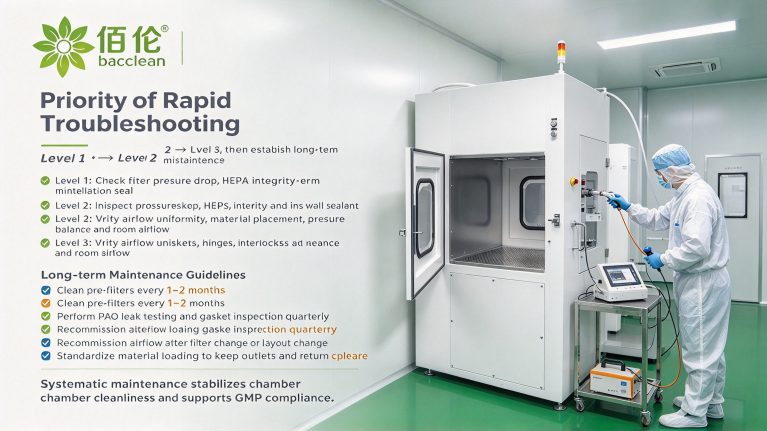
When the cleanliness of the laminar flow pass box fails to meet the standard, there is no need for blind full inspection. Locate the problem quickly according to the following priority to greatly improve maintenance efficiency:
-
Level 1 Inspection (Highest Probability): Filter differential pressure, integrity of filter media and installation sealing status to solve filtration failure and short-circuit airflow problems.
-
Level 2 Inspection (Hidden Hazards): Door frame sealing strips, interlock function and wall sealing gaps to resolve air leakage and cross-air problems.
-
Level 3 Inspection (Working Condition Adaptation): Airflow uniformity, material placement, workshop pressure difference and airflow coordination to fix disturbed laminar flow.
Resumen
All faults of substandard cleanliness of laminar flow pass boxes can ultimately be attributed to three core causes: failed filtration, air leakage due to poor sealing and disturbed airflow patterns. The filtration system determines the basic purification capacity of the equipment, the sealing structure protects the clean environment from external contamination, and the airflow pattern maintains stable cleanliness inside the chamber. None of the three can be omitted.
In daily operation and maintenance, most enterprises only focus on filter element replacement while ignoring sealing inspection and airflow commissioning, resulting in recurring faults. Only by establishing a complete operation and maintenance system of regular filter maintenance, quarterly sealing inspection and dynamic commissioning of working conditions, as well as standardizing operating procedures and adapting to workshop working conditions, can the stable cleanliness compliance of laminar flow pass boxes be guaranteed in the long run and meet the requirements of GMP-compliant production.
