
Negative pressure laminar flow workbench vs. Ordinary vertical flow clean bench – Core differences
First, let’s clarify the essence of these two devices:
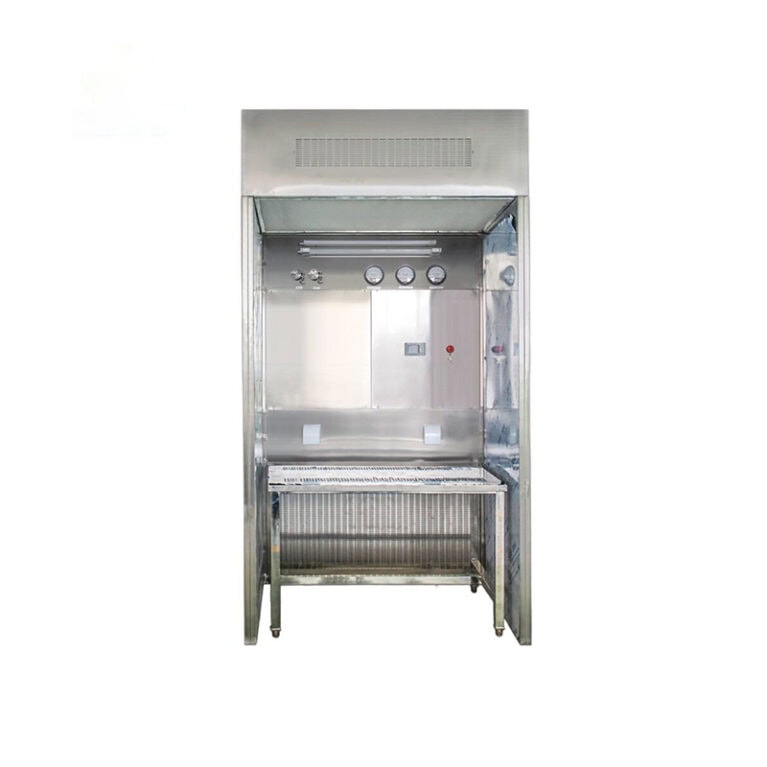
Vertical flow workbench (clean bench): Internal positive pressure, only protecting the samples
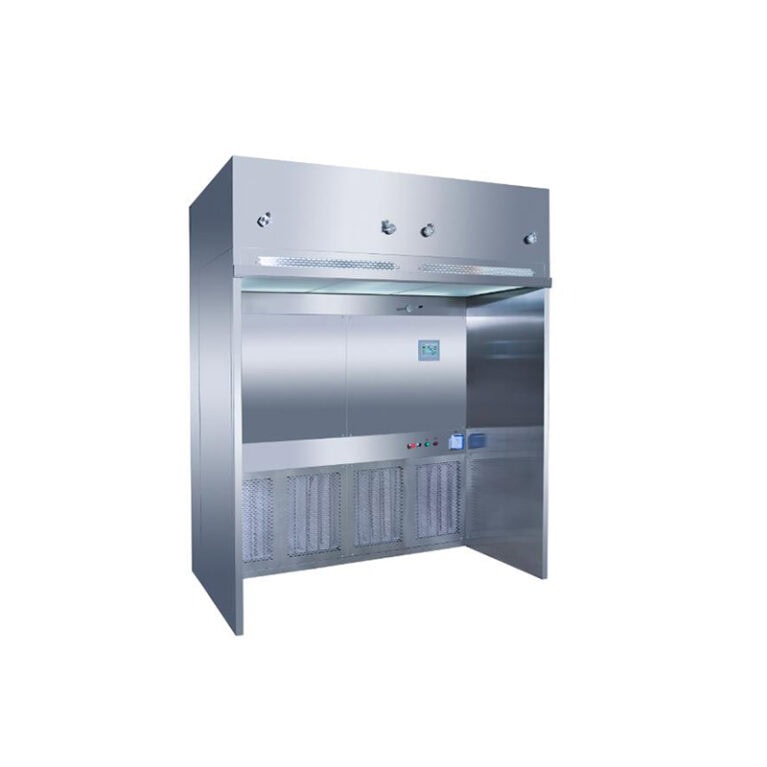
Negative pressure laminar flow workbench (weighing chamber / II-level biosafety cabinet): Internal negative pressure, protecting the person + environment + samples
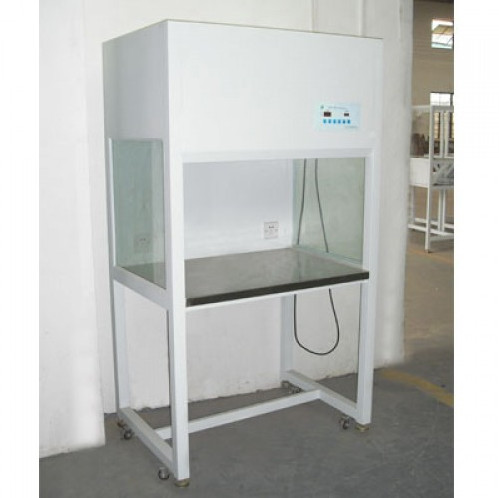
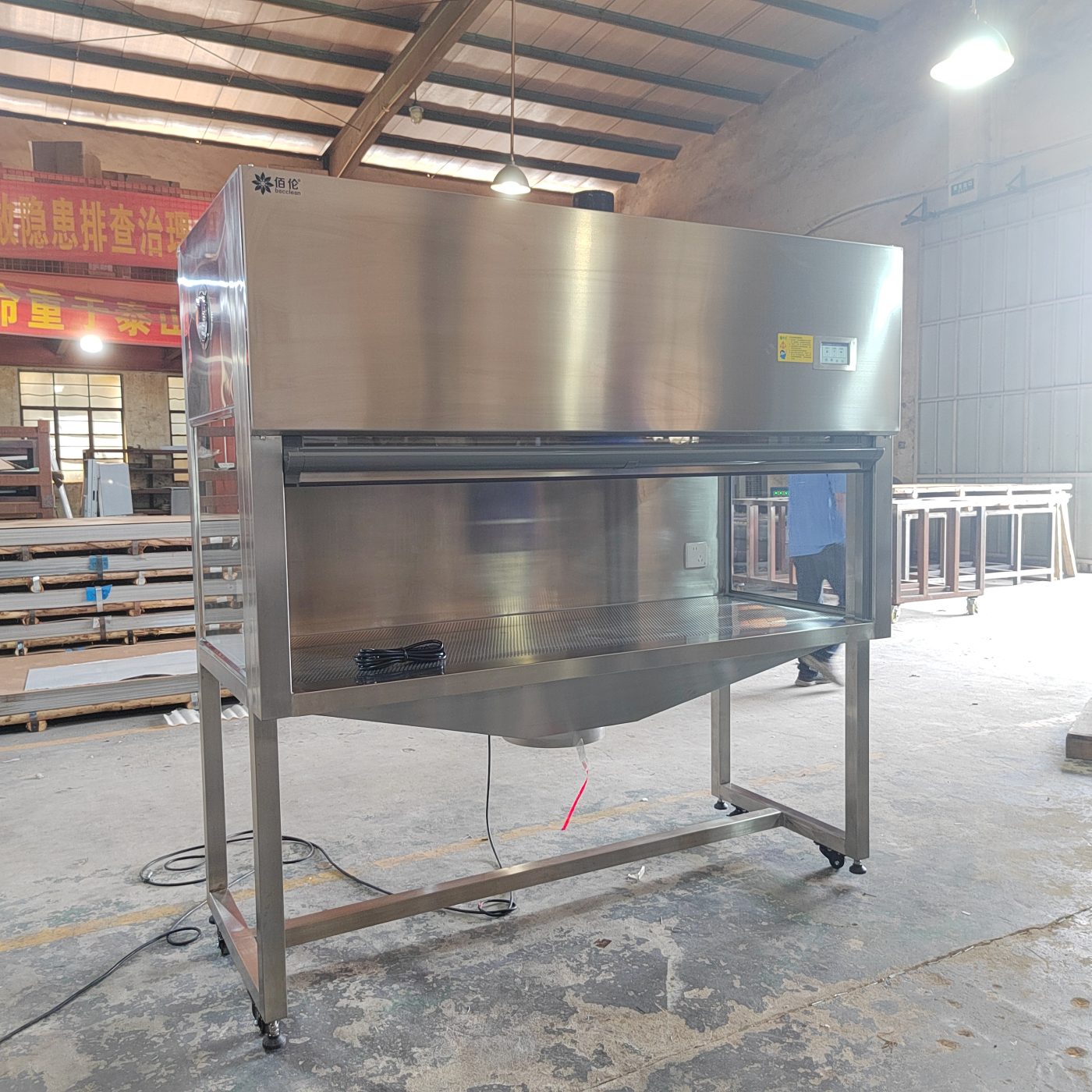
Vertical flow ultra-clean workstation Negative pressure laminar flow workbench
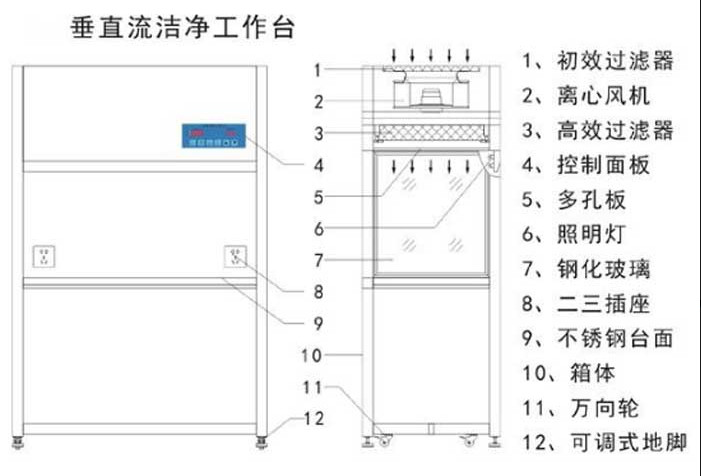
Vertical flow structure diagram
I. Core pressure and airflow principles (the most fundamental difference)
1. Ordinary vertical flow workbench (positive pressure)
The air pressure inside the cabinet is higher than that of the external room (positive pressure)
Airflow path: Top HEPA flows downward in a vertical laminar flow → passes through the tabletop → is directly discharged from the bottom / front window into the room
Airflow logic: Clean air is pushed outwards to block the entry of dirty air from outside; however, pollutants within the cabinet will drift outwards along the airflow
There is no active inward suction design, and the front window has no negative pressure supply
2. Negative pressure laminar flow workbench (negative pressure type weighing hood / biosafety cabinet)
The air pressure inside the cabinet is lower than that of the external room (negative pressure)
The airflow is divided into two paths:
Top vertical clean laminar flow protects the sample;
The operation window continuously supplies air inward (negative pressure suction), forming an air curtain to seal the opening
All contaminated air containing dust / aerosols passes through HEPA filtration before being discharged (some are directly discharged outside)
The pressure difference meter monitors the negative pressure in real time, and alarms in case of pressure loss, preventing harmful substances from spilling out
II. The protective objects are completely different
| Equipment type | Protecting samples | Protecting operators | Protecting laboratory environment |
| Vertical flow clean bench | ✅ Strong | ❌ No protection | ❌ Pollutants discharged directly into the room |
| Negative pressure laminar flow workbench | ✅ Ensures cleanliness with laminar flow | ✅ Prevents inhalation of dust / pathogenic bacteria | ✅ Dual filtration of exhaust air without leakage |
Summary:
Vertical flow: Only protects the samples, not the person. Toxic, allergenic, and pathogenic bacteria must not be used.
Negative pressure laminar flow: Triple protection, specifically for handling dust, powder, microorganisms, and toxic raw materials.
III. Structural Configuration Differences
Vertical flow workbench
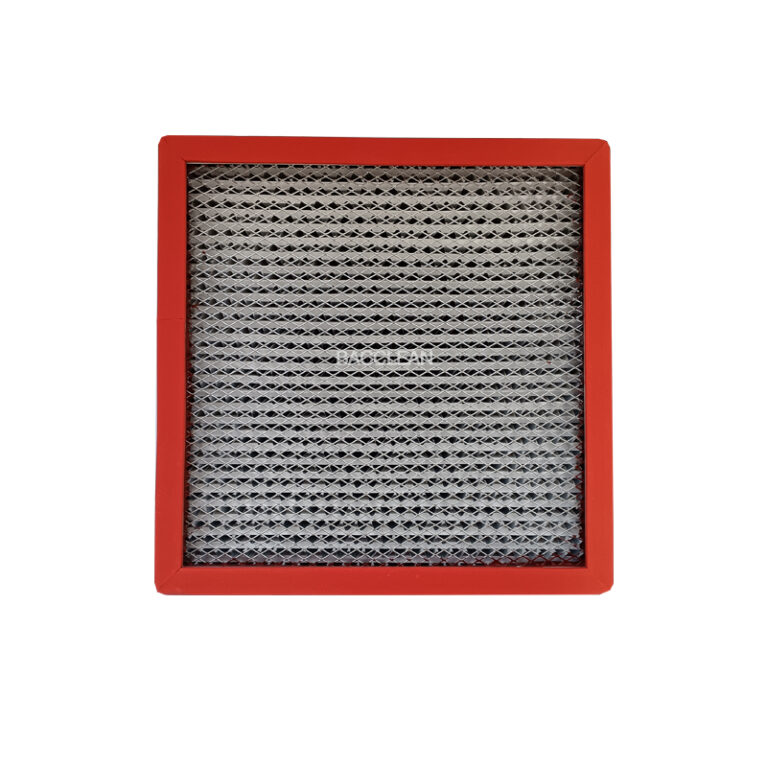
Only one supply fan + top HEPA;
No independent exhaust system, no external connection pipes;
No negative pressure monitoring, no pressure difference alarm;
Simple tabletop, no sinking dust collection duct.
Negative pressure laminar flow workbench (weighing room / negative pressure cabinet)
Dual fan system: Supply fan (vertical laminar flow) + negative pressure exhaust fan;
Double-layer high-efficiency filtration: Supply HEPA + Exhaust HEPA, some equipped with activated carbon;
Standardized pressure difference meter, negative pressure sound and light alarm;
Bottom sinking dust collection tank, dust accumulation prevention;
Mostly reserved pipe interfaces, can be directly discharged outdoors;
The cabinet has higher sealing requirements to prevent air leakage.
IV. Applicable Scenarios (Selection Key)
Vertical flow workbench (positive pressure) applicable
Cell culture, tissue culture inoculation, ordinary sterile reagent preparation;
Electronic chips, optical components, non-dust and non-toxic components assembly;
Non-toxic, non-dust, non-pathogenic ordinary sterile operations;
Hospital dispensing, ordinary sterile testing.
Prohibited: Drug powder weighing, highly toxic raw materials, pathogenic bacteria, allergenic powder, volatile toxic reagents.
Negative pressure laminar flow workbench applicable
Pharmaceutical GMP powder weighing, sampling, filling (highly active drugs, hormones, anti-tumor drugs);
Pathogenic bacteria, viruses, pathogenic bacteria operation (II-level biosafety cabinet);
Chemical, fragrance, heavy metals, allergenic dust operation;
Processes generating a large amount of dust and aerosols, requiring prevention of operators from inhaling.
V. Usage Risk Comparison
Vertical flow workbench risk
When handling powders / bacteria, aerosols will overflow from the front window along the vertical airflow and be directly inhaled by the operator, causing occupational exposure, cross-contamination, and contamination of the entire laboratory.
Negative pressure laminar flow workbench safety logic
The opening continuously sucks inward, dust and aerosols will not spread outward; even if there is dust on the tabletop, it will be sucked in by the negative pressure and filtered by the exhaust, completely preventing leakage.
VI. Simple Sentence to Distinguish
Vertical flow clean bench (positive pressure): Clean air blows downward, outwards, only protecting the products, suitable for clean and non-toxic samples;
Negative pressure laminar flow workbench: Top clean air protects the samples, the window sucks inward to lock the dust, protecting both the person, the environment, and the samples, suitable for toxic, dusty, and high-risk pathogenic operations.
